



Share This:

Bhutan Tour Guide 2026: Cost, Visa, Best Time to Visit & Top Attractions
Bhutan Tour Guide 2026
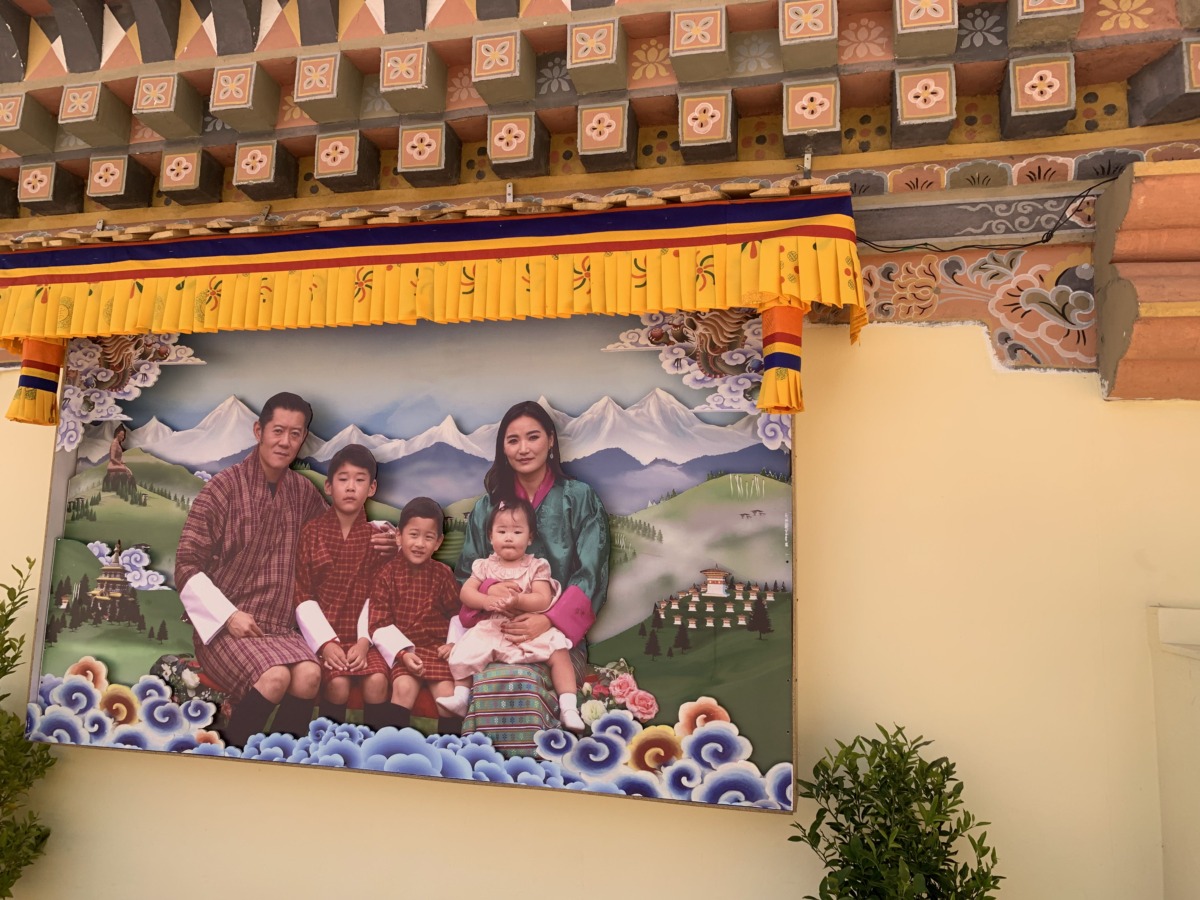
Bhutan remains one of the most distinctive travel destinations in Asia, and in 2026 it continues to attract visitors looking for mountain landscapes, Buddhist heritage, quiet valleys, and a travel experience built around sustainability rather than mass tourism. Tucked between India and China, the Kingdom of Bhutan offers a very different pace from the rest of the Himalayas. The appeal lies not only in famous landmarks such as Tiger’s Nest Monastery, Punakha Dzong, and Dochula Pass, but also in the atmosphere of the country itself: clean air, forest-covered hills, deeply rooted traditions, and a travel model designed to protect local culture and the environment. Bhutan’s official tourism platform also describes the country as more than 70% forested and highlights its carbon-negative status, which adds to its strong appeal for responsible travel in 2026.
For anyone planning a trip, the biggest questions usually revolve around four things: how much a Bhutan trip costs, how the visa process works, the best time to visit Bhutan, and which attractions deserve a place on the itinerary. This guide covers all of that in detail, using the current official tourism information available for 2026.
Bhutan Visa for 2026

Bhutan’s entry process is simpler than many travelers expect, but it is still important to understand the rules clearly before making bookings. According to Bhutan’s official tourism website, all visitors need a visa before traveling to Bhutan except citizens of India, Bangladesh, and the Maldives, for whom separate permit or visa processes apply. Most international visitors must apply in advance, and the application can be submitted online through Bhutan’s immigration portal. A tour operator or hotel can also apply on the traveler’s behalf. The visa application requires a valid passport copy, a recent passport photo, travel dates, and payment of the applicable fees. Bhutan states that a correctly submitted visa application can take up to five days to process, and the visa allows a stay of up to 90 days from the date of entry.
For Indian nationals, the process is different. India-based travelers do not follow the standard tourist visa route and instead apply for a permit. Bhutan’s official visa page notes that Indian visitors may apply online before arrival or at the point of entry, though applying on arrival can involve delays. Indian travelers are still required to pay the Sustainable Development Fee when applying for the permit. Bangladesh and Maldives nationals also follow separate procedures outlined by the Bhutanese authorities.
One important 2026 update is that travel insurance is no longer mandatory for visa processing. Bhutan’s official announcements page says this requirement was withdrawn with immediate effect in January 2024, although travel insurance is still recommended as a sensible precaution.
Bhutan Travel Cost in 2026

Bhutan trip cost in 2026 depends on trip length, hotel category, transport style, and the number of people traveling together, but the fixed government charges are easy to calculate. Bhutan currently charges a Sustainable Development Fee of USD 100 per night per adult for most international visitors, and there is also a one-time non-refundable visa application fee of USD 40. Official FAQs also note concessionary SDF rates for children: USD 50 per night for children aged 6 to under 12, while children under 6 do not pay the SDF. These rates are part of the current incentive structure that Bhutan announced would remain effective until 31 August 2027, unless changed earlier after review.
That means a straightforward minimum government cost for a 5-night Bhutan trip in 2026 comes to USD 540 per adult, calculated as USD 500 for the SDF plus the USD 40 visa fee. For a 7-night trip, the base government cost becomes USD 740 per adult. That figure does not include hotels, meals, guide services, monument entry fees, internal transport, flight tickets, or special activities such as trekking, rafting, or private cultural experiences.
The total on-ground travel budget usually rises based on comfort level. Bhutan has certified hotels across multiple categories, and the government allowed 1-star and 2-star certified hotels to serve tourists in addition to higher-rated properties, which gives 2026 travelers more flexibility than before. Budget-conscious itineraries can therefore cost much less than luxury journeys, while premium trips with boutique lodges, private vehicles, and high-end experiences can increase the total substantially.
A practical way to estimate Bhutan tour cost in 2026 is to separate it into three layers. The first layer is the mandatory government charge of SDF plus visa fee. The second is the travel service cost, which includes hotel, transport, guide, and meals. The third is the sightseeing and activity cost, such as monument tickets, festival attendance logistics, and outdoor adventures. That structure helps create a realistic budget instead of relying on vague package quotes.
Best Time to Visit Bhutan in 2026
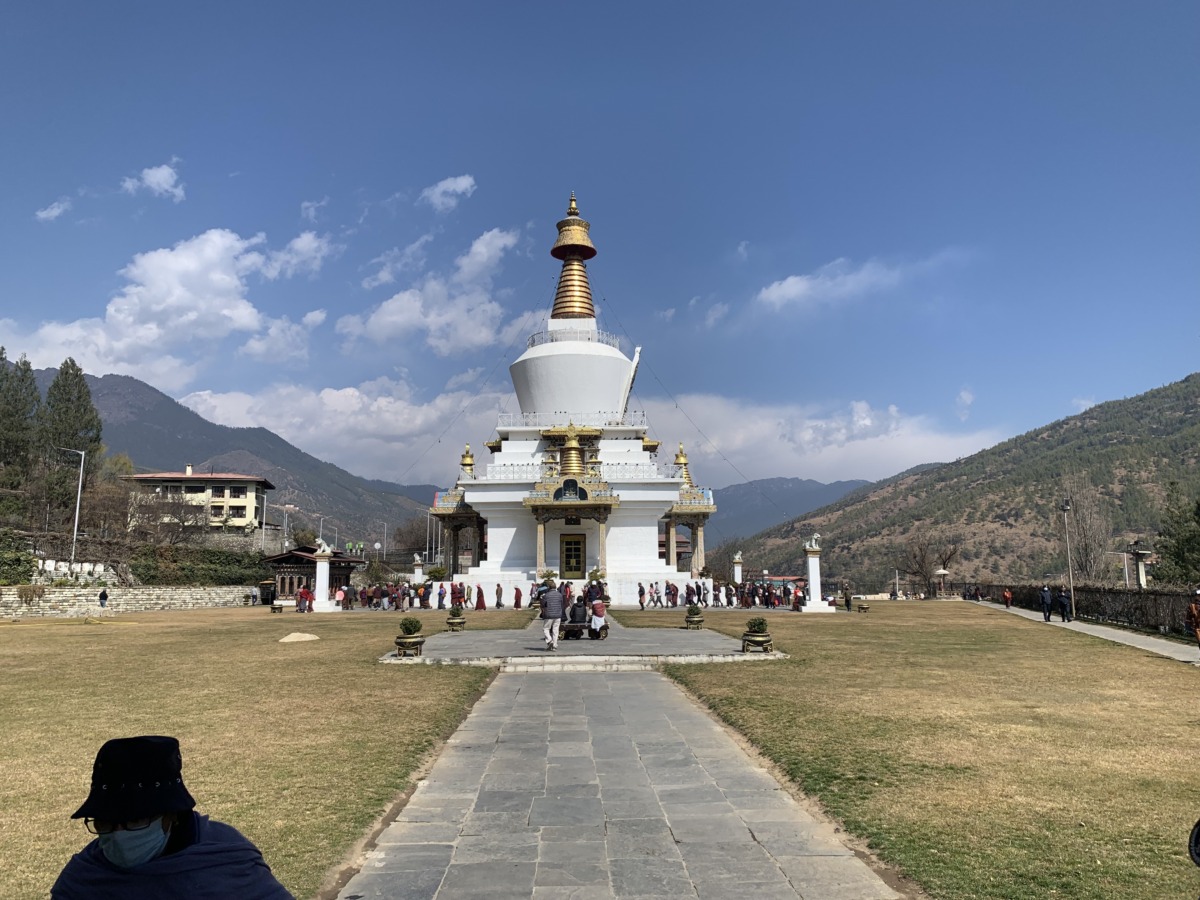
Bhutan is officially promoted as a year-round destination, and that is a fair description because the climate changes dramatically by altitude and region. The official tourism FAQ explains that Bhutan has four seasons: summer from June to August, autumn from September to November, winter from December to February, and spring from March to May. Southern Bhutan stays warmer and more humid, while central areas are more temperate and the northern high-altitude regions remain much colder, with snowy peaks visible year-round.
For most travelers, spring and autumn remain the best time to visit Bhutan. Spring, especially from March to May, brings blooming landscapes, pleasant weather, and excellent conditions for sightseeing and nature-focused travel. Bhutan’s tourism website describes spring as clear and pleasant, while birding activity is especially strong from March through May. This season works well for first-time visitors planning a classic route through Paro, Thimphu, and Punakha.
Autumn, from late September or early October to late November, is another top season. Official tourism content highlights bright days after the rains, clear skies, and festival energy during the harvest period. Autumn is also one of the best times for iconic views at Paro Taktsang, better mountain visibility, and comfortable touring weather across western Bhutan. For travelers searching “best month to visit Bhutan,” October and November are often the strongest all-round choices for weather, photography, and cultural atmosphere.
Winter is often underrated. From late November until March, the weather becomes crisp, sunny, and dry in many areas, although colder temperatures are common and snowfall occurs above 3,000 meters. Winter works especially well for those who prefer fewer crowds, sharp Himalayan views, and a chance to visit Phobjikha Valley during black-necked crane season. Bhutan’s wildlife and tourism pages note that black-necked cranes arrive in western Bhutan around September and October and return between February and March, making winter one of the best periods for wildlife-focused itineraries in Gangtey-Phobjikha.
Summer, especially from late June through August, brings the monsoon, mainly affecting the south. Still, Bhutan’s tourism platform stresses that summer should not be dismissed, because rain is often light or limited to a few hours a day, and the landscapes turn intensely green. Summer also suits travelers drawn to lush valleys, fewer tourists, and seasonal experiences.
Top Attractions in Bhutan
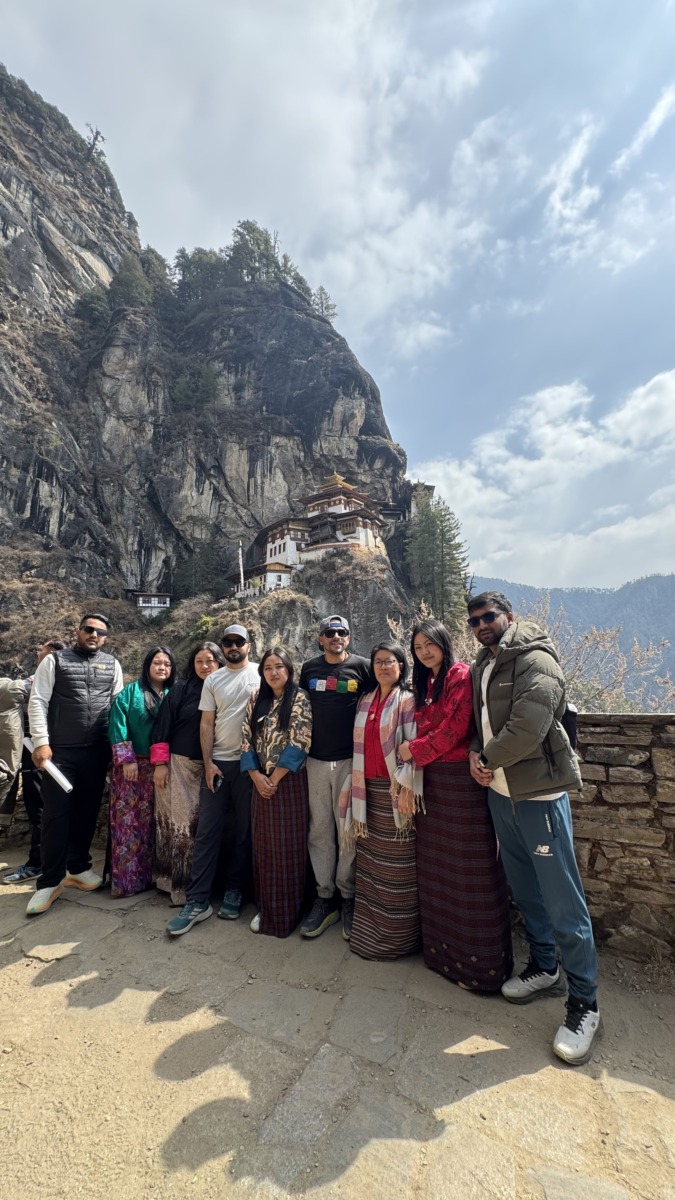
No Bhutan itinerary feels complete without Paro Taktsang, widely known as Tiger’s Nest Monastery. Perched dramatically on a cliff above the Paro Valley, it is Bhutan’s most iconic landmark. Official tourism content explains that this sacred site is linked to Guru Rinpoche, who is believed to have flown there on the back of a tigress in the 8th century. The hike itself is part of the experience, and Bhutan’s adventure page lists the Paro Taktsang hike as a 5 to 6 hour activity. For first-time visitors, this is usually the emotional and visual high point of the entire trip.
Another major highlight is Punakha Dzong, one of Bhutan’s most important historical and architectural landmarks. Bhutan tourism content describes it as the second oldest dzong in the country and notes that all of Bhutan’s kings have been crowned there. Set at the confluence of two rivers, Punakha Dzong combines political history, religious importance, and photogenic beauty in one place. Travelers interested in culture, architecture, and royal history should rank it near the top of the list.
In the capital region, Buddha Dordenma is one of the most recognizable attractions near Thimphu. Bhutan’s wellness tourism content includes it among the country’s notable spiritual sites, and travelers often combine it with city sightseeing, monastery visits, and short hikes around Buddha Point. The site also offers commanding views over Thimphu Valley, making it both a spiritual and scenic stop.
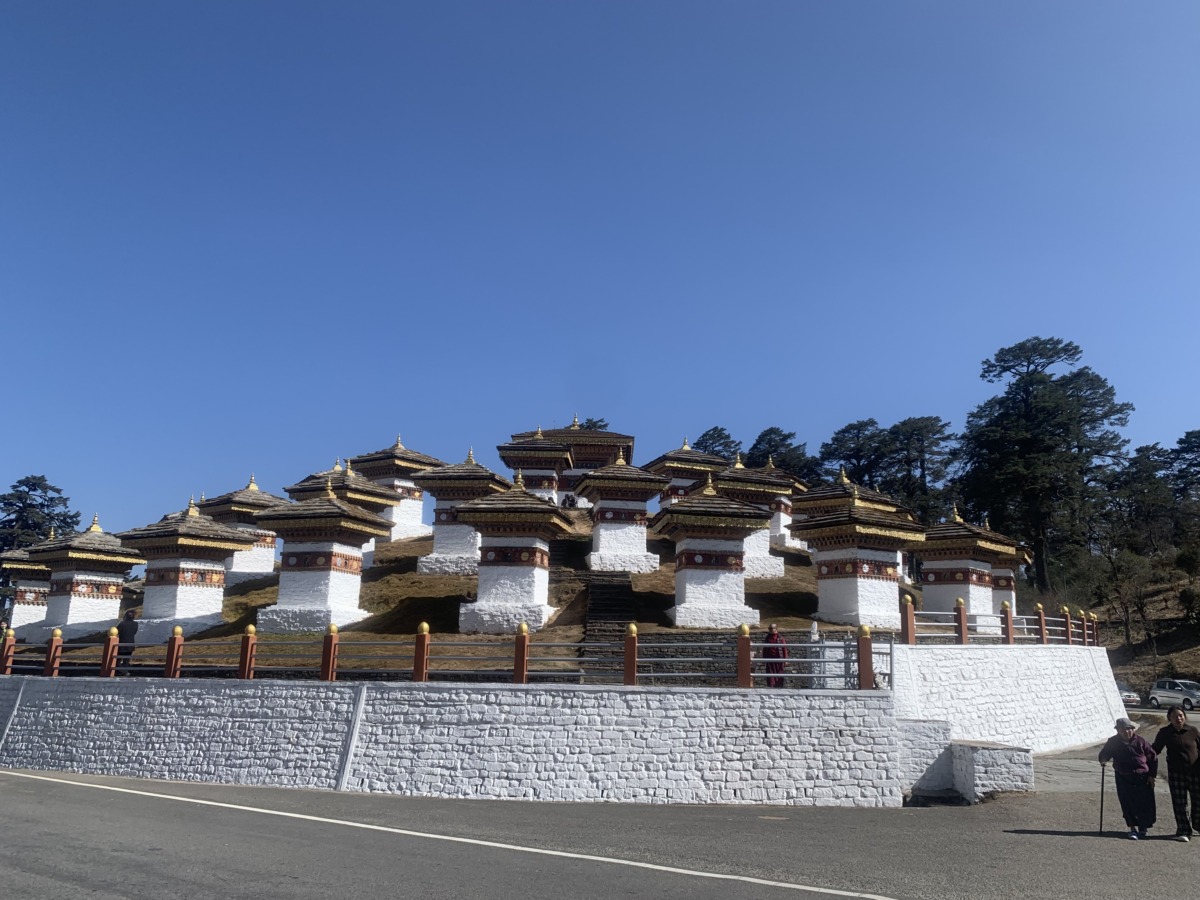
Dochula Pass is another must-visit, especially on routes between Thimphu and Punakha. Bhutan’s tourism features highlight the pass for its expansive Himalayan panoramas and its famous 108 stupas. In clear weather, the mountain views here are among the most memorable in western Bhutan, and winter is noted as a particularly strong time for photography because of cleaner skies.
For travelers drawn to valleys and slower scenic experiences, Phobjikha Valley, also called Gangtey Valley, is one of the finest places to include in a 2026 Bhutan itinerary. Official tourism material describes it as an important winter roosting ground for black-necked cranes and highlights the Gangtey Nature Trail as a gentle but beautiful walk through pine forests, open pastures, and traditional village landscapes. Phobjikha works especially well for travelers looking for nature, quietness, birdlife, and a more reflective side of Bhutan beyond the classic city-and-dzong circuit.
Why Bhutan Stands Out in 2026?
Bhutan’s tourism policy still shapes the country in a way that sets it apart from mainstream destinations. The Sustainable Development Fee is not simply a tax added to a trip; Bhutan’s official tourism platform presents it as a way to support preservation, infrastructure, heritage, resilience, and opportunities for local communities. That policy has a direct impact on the kind of travel experience visitors find on arrival. Crowds are lower than in many Himalayan destinations, cultural sites remain relatively calm, and the travel experience tends to feel curated rather than over-commercialized.
The country also continues to promote festivals as a major travel draw. Bhutan’s official tourism news says there are more than 160 festivals every year, and festival dates for 2026 have already been published through official channels. That makes 2026 a strong year for culture-led travel planning, especially for travelers who want a trip built around tshechus and seasonal local celebrations rather than sightseeing alone.
Final Thoughts

A Bhutan trip in 2026 is best planned with clarity around cost, season, and travel style. The visa process is relatively straightforward, the current SDF remains a major part of the budget, and spring or autumn are still the strongest choices for a classic first visit. At the same time, winter and summer have their own appeal for travelers interested in wildlife, quieter routes, and greener landscapes. Iconic places such as Tiger’s Nest, Punakha Dzong, Buddha Dordenma, Dochula Pass, and Phobjikha Valley continue to define the Bhutan experience, but the deeper attraction lies in the country’s atmosphere: calm, cultural depth, and an unusual sense of care in how tourism is managed.
Bhutan in 2026 is not the cheapest Himalayan destination, yet it remains one of the most meaningful. For travelers seeking culture, mountain scenery, spirituality, and a more intentional style of travel, Bhutan continues to justify its reputation.