



Share This:
Bhutan Trip Cost for 2026 and 2027: Complete Guide with Bhutan Tour from Nepal
Bhutan stands apart as one of the most exclusive and carefully managed travel destinations in the Himalayas. Unlike mass tourism countries, Bhutan has deliberately chosen a “high-value, low-impact tourism” policy, which directly shapes the Bhutan Trip Cost for 2026 and 2027. This approach is not only about pricing—it reflects a long-term national vision focused on sustainability, cultural protection, and quality travel experiences.
Travel in Bhutan is designed to be meaningful rather than crowded. The government prioritizes visitor experience, environmental balance, and cultural integrity, making Bhutan a rare destination where tourism is controlled with purpose.
Understanding Bhutan’s Tourism Model
Bhutan’s tourism industry operates under strict regulations set by the government. This system ensures that tourism benefits the country without damaging its natural and cultural heritage.
Key Characteristics of Bhutan’s Tourism System
-
Travel must be arranged through licensed tour operators
-
Pre-arranged itineraries are mandatory
-
Visa approval is linked to confirmed travel packages
-
Daily spending requirements apply through structured pricing
This system plays a major role in determining the Bhutan Trip Cost for 2026 and 2027, as all services are bundled into organized packages rather than individual bookings.
High-Value, Low-Impact Tourism
Bhutan’s tourism philosophy focuses on quality over quantity. Instead of attracting millions of tourists, Bhutan limits visitor numbers and ensures each traveler contributes positively to the country.
What “High-Value” Means?
-
Well-managed travel experiences
-
Professional guides and structured itineraries
-
Quality accommodation and services
-
Cultural immersion rather than superficial visits
What “Low-Impact” Means?
-
Reduced environmental footprint
-
Protection of fragile ecosystems
-
Preservation of local traditions and heritage
-
Controlled infrastructure development
This model ensures that tourism revenue supports national development while maintaining Bhutan’s authenticity.
Sustainable Development Fee (SDF): Core Cost Factor
A central component of the Bhutan Trip Cost for 2026 and 2027 is the Sustainable Development Fee (SDF).
What is the SDF?
The SDF is a government-imposed daily fee charged to international visitors. It is not a tax in the traditional sense but a contribution toward Bhutan’s long-term sustainability goals.
Current SDF Structure
-
USD $100 per person per night (subject to policy updates)
Where Does the SDF Go?
The revenue generated from the SDF is reinvested into Bhutan’s national priorities:
Environmental Conservation
-
Forest preservation (Bhutan maintains over 70% forest cover)
-
Wildlife protection programs
-
Carbon-negative initiatives
Infrastructure Development
-
Roads, healthcare, and education systems
-
Sustainable tourism facilities
Cultural Preservation
-
Restoration of monasteries and heritage sites
-
Support for traditional arts and crafts
-
Promotion of festivals and local traditions
Why Independent Travel Is Restricted?

Bhutan does not follow the open tourism model seen in neighboring countries. Independent travel is restricted to maintain control over tourism impact.
Reasons Behind This Policy
1. Cultural Protection
Bhutan has a deeply rooted Buddhist culture. Controlled tourism helps prevent cultural dilution and ensures respectful interaction with local communities.
2. Environmental Sustainability
The Himalayan ecosystem is fragile. Limiting tourist numbers reduces environmental degradation.
3. Quality Experience
Structured tours ensure consistent service quality, safety, and meaningful engagement with Bhutanese heritage.
How This Affects Bhutan Trip Cost for 2026 and 2027?

The structured tourism system results in a comprehensive pricing model. Instead of fragmented expenses, Bhutan travel costs are bundled into packages.
What the Cost Typically Includes
-
Accommodation (standard to luxury)
-
All meals (breakfast, lunch, dinner)
-
Licensed Bhutanese guide
-
Private transport
-
Entry fees to monuments
-
Visa processing
-
Government taxes and SDF
This bundled approach makes the Bhutan Tour from Nepal highly organized and predictable in terms of cost.
Bhutan Tour from Nepal: A Strategic Advantage
Traveling to Bhutan from Nepal offers logistical and financial convenience.
-
Direct flights from Kathmandu to Paro
-
Easier coordination through regional operators
-
Combined Himalayan travel experiences
Experienced companies like Mountain Treks Nepal specialize in organizing seamless Bhutan tours, handling permits, logistics, and itinerary planning efficiently.
Bhutan Trip Cost for 2026 and 2027 (Detailed Breakdown)
The Bhutan Trip Cost for 2026 and 2027 is structured differently compared to other destinations. Pricing is not fragmented into separate bookings but organized into a comprehensive package model. This system ensures transparency, consistency, and a controlled travel experience.
Several key factors influence the final cost:
-
Duration of the trip
-
Accommodation category (standard, premium, luxury)
-
Group size (private vs group joining)
-
Travel style (tour vs trekking)
-
Seasonal demand
Understanding each cost component provides clarity on how total pricing is calculated.
Average Cost Overview (Per Person Per Day)
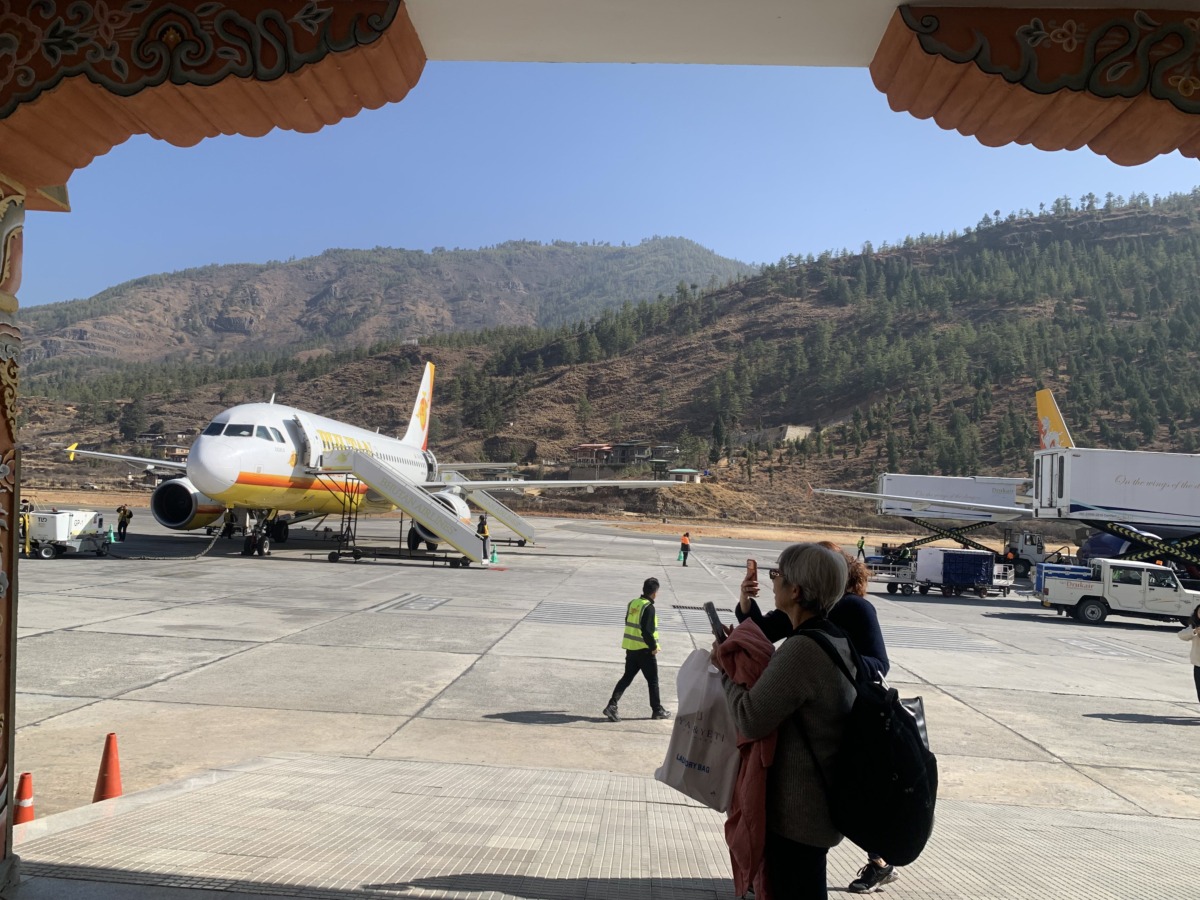
The Bhutan Trip Cost for 2026 and 2027 is typically calculated on a per person per day basis. Below is a detailed explanation of each cost element:
1. Sustainable Development Fee (SDF) – $100
The SDF is the most significant and fixed component. This government-regulated fee supports:
-
Environmental conservation
-
Cultural preservation
-
National infrastructure development
This fee applies uniformly and directly impacts the baseline cost of Bhutan travel.
2. Accommodation (3-Star Standard) – $40–$80
Accommodation costs vary depending on location and quality.
Standard Package Includes:
-
Comfortable hotel rooms
-
Private bathrooms
-
Heating facilities (important in colder months)
-
Basic Wi-Fi access in cities
Higher-end packages may include boutique hotels or luxury resorts, significantly increasing the Bhutan Trip Cost for 2026 and 2027.
3. Meals (Full Board) – $25–$40
Most Bhutan Tour from Nepal packages include full-board meals:
-
Breakfast
-
Lunch
-
Dinner
Meals are typically served at hotels or designated restaurants. Bhutanese cuisine includes local specialties along with continental options, ensuring dietary flexibility.
4. Guide and Transport – $30–$60
Guides are mandatory in Bhutan, and their cost is included in the package.
This cost covers:
-
Licensed English-speaking Bhutanese guide
-
Private vehicle with driver
-
Fuel and road permits
Transport is usually arranged in comfortable vehicles depending on group size.
5. Visa and Permits – Included
Bhutan visas cannot be obtained independently. The visa process is handled by licensed operators such as Mountain Treks Nepal.
Included services:
-
Visa processing
-
Route permits
-
Entry fees to monuments and cultural sites
Total Estimated Cost Per Day
After combining all components: $180 – $300 per person per day
This range reflects standard travel conditions and may vary based on customization.
Total Package Cost Based on Duration
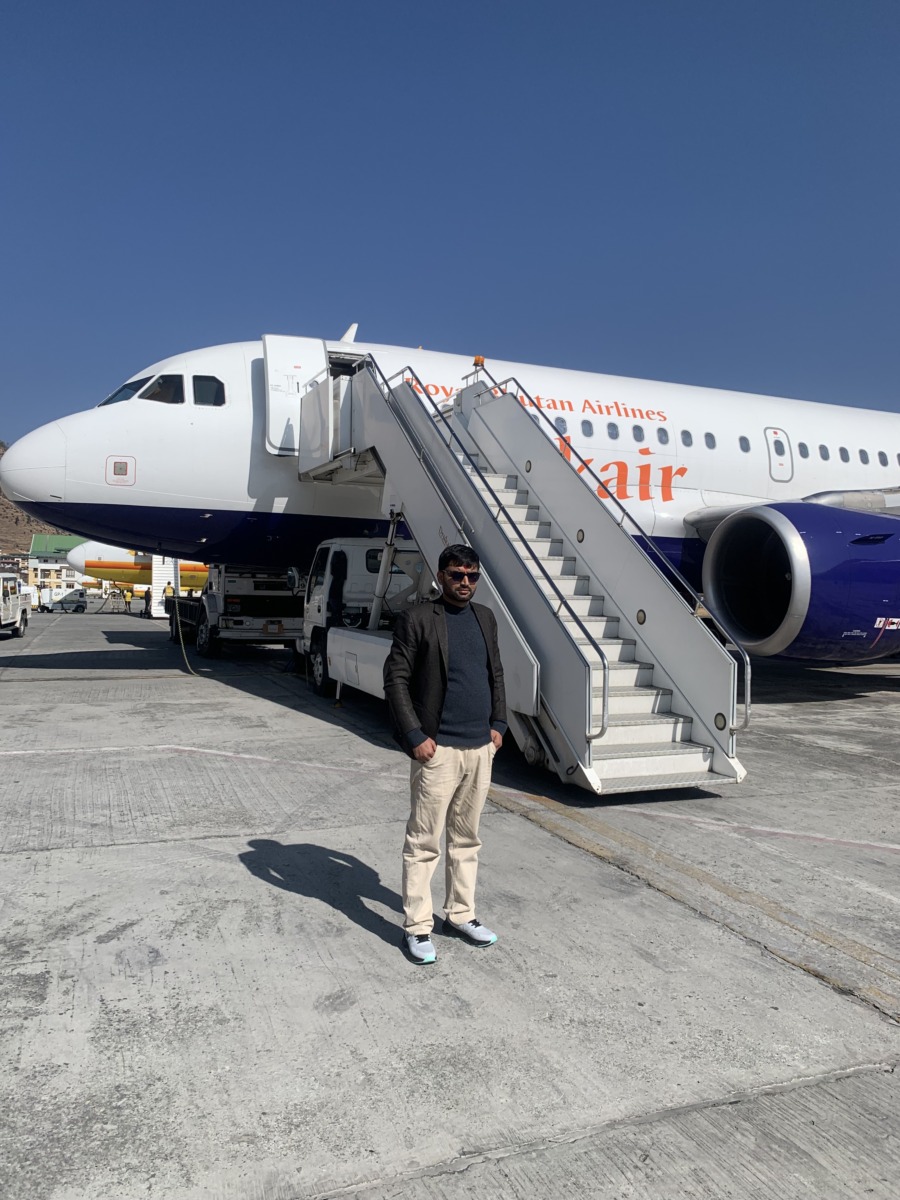
The overall Bhutan Trip Cost for 2026 and 2027 increases with duration but offers better value for longer stays.
3–4 Days Tour
-
Cost Range: $700 – $1,200
-
Suitable for short cultural tours
-
Covers Paro and Thimphu
5–7 Days Tour
-
Cost Range: $1,200 – $2,000
-
Most popular duration
-
Includes Paro, Thimphu, and Punakha
-
Balanced itinerary with cultural and scenic experiences
8–10 Days Tour
-
Cost Range: $2,000 – $3,500
-
Extended exploration
-
Includes remote valleys and deeper cultural immersion
-
Option to include light trekking experiences
These estimates are based on standard Bhutan Tour from Nepal packages managed by experienced regional operators like Mountain Treks Nepal, ensuring compliance with Bhutan’s tourism regulations.
Bhutan Tour from Nepal: Cost and Logistics
A Bhutan Tour from Nepal offers one of the most efficient and scenic entry routes into Bhutan.
Flight Details
-
Route: Kathmandu → Paro
-
Flight Duration: Approximately 1 hour
-
Airlines: Druk Air, Bhutan Airlines
-
Scenic Value: Himalayan aerial views including Everest region (weather permitting)
Flight Cost
-
Round Trip Fare: $400 – $700
-
Prices vary depending on season, availability, and booking time
Peak seasons (spring and autumn) generally have higher fares due to demand.
Additional Costs from Nepal
While most expenses are included in the Bhutan package, a few additional costs should be considered:
1. International Flight (Kathmandu–Paro)
-
Cost: $400 – $700
-
Not always included in base package
2. Travel Insurance
-
Cost: $50 – $150
-
Recommended for medical coverage and trip protection
-
Important for high-altitude travel and unforeseen situations
3. Personal Expenses
-
Cost: Variable
Includes:
-
Beverages and snacks
-
Souvenirs and handicrafts
-
Tips for guides and drivers
-
Additional activities not included in itinerary
Accommodation Standards in Bhutan
Accommodation plays a major role in shaping the Bhutan Trip Cost for 2026 and 2027, as Bhutan follows a package-based tourism system where lodging is included in the overall pricing structure. The standard of accommodation directly influences the daily cost, overall comfort level, and travel experience across different regions of Bhutan.
In most Bhutan Tour from Nepal packages, accommodation is categorized into three main levels: 3-star standard hotels, 4-star premium hotels, and luxury resorts. Standard packages typically include well-maintained 3-star hotels that offer a comfortable stay with essential amenities. These properties are carefully selected by licensed operators to meet government tourism standards while maintaining affordability.
For travelers seeking enhanced comfort, 4-star premium hotels provide upgraded facilities such as better interiors, superior service quality, and more refined dining experiences. At the highest level, Bhutan offers exclusive luxury resorts such as Amankora and Six Senses, which are globally recognized for their architectural elegance, privacy, and immersive Himalayan settings. These luxury options significantly increase the Bhutan Trip Cost for 2026 and 2027 due to their premium services and unique locations.
In major destinations like Paro, Thimphu, and Punakha, accommodations generally include private rooms, attached bathrooms, heating systems for colder seasons, and Wi-Fi access. However, internet connectivity may be limited or slower in remote valleys and less-developed regions, reflecting Bhutan’s focus on preserving natural environments over rapid infrastructure expansion.
Overall, accommodation in Bhutan is not just about lodging—it is an integral part of the travel experience, blending traditional Bhutanese design with modern comfort. The selected accommodation level directly affects the total Bhutan Trip Cost for 2026 and 2027, making it an important factor during trip planning.
Meals and Food Cost in Bhutan: What to Expect?

Meals are an essential component of the Bhutan travel experience and are usually included in most Bhutan Tour from Nepal packages. This inclusion makes the Bhutan Trip Cost for 2026 and 2027 more predictable, as travelers do not need to budget separately for daily meals.
Bhutanese cuisine is known for its simplicity, nutritional value, and bold flavors, particularly the use of chilies. One of the most iconic dishes is Ema Datshi, a traditional preparation made from chili and local cheese, often considered the national dish of Bhutan. Alongside this, red rice, which is native to Bhutan, forms a staple part of most meals due to its high nutritional content and distinct flavor.
Other commonly served dishes include momos (dumplings), which are popular across the Himalayan region, as well as various soups and noodle-based meals that provide warmth and energy, especially in colder climates. Meals are typically served in hotels or designated restaurants and may include a mix of Bhutanese, Indian, and continental cuisine to accommodate diverse preferences.
Food quality in Bhutan is generally fresh and locally sourced, with an emphasis on organic ingredients. This aligns with Bhutan’s broader sustainability goals and enhances the overall travel experience. Since meals are included in most packages, the overall Bhutan Trip Cost for 2026 and 2027 becomes more structured, eliminating unexpected daily expenses related to dining.
In summary, both accommodation and meals are key components of Bhutan’s all-inclusive travel model. They not only contribute to the total cost but also define the comfort, cultural immersion, and overall quality of a Bhutan journey.
The best time for a Bhutan trip in 2026 and 2027 plays a crucial role in both travel experience and overall pricing. Seasonal variations in Bhutan not only affect weather conditions and visibility but also influence the Bhutan Trip Cost for 2026 and 2027, availability of accommodations, and overall travel demand. Each season in Bhutan offers a distinct experience, making it important to understand how timing impacts both cost and journey quality, especially when planning a Bhutan Tour from Nepal.
🌸 Spring Season (March–May)
Spring is widely regarded as one of the most favorable times to visit Bhutan. During this period, the valleys come alive with blooming rhododendrons, magnolias, and other alpine flowers, creating vibrant landscapes across regions like Paro and Punakha. Clear skies and moderate temperatures provide excellent visibility of the Himalayan ranges, enhancing sightseeing and short hikes.
Due to ideal weather conditions and natural beauty, spring is considered a peak tourist season, which can lead to higher accommodation demand and slightly increased overall Bhutan Trip Cost for 2026 and 2027. However, the quality of experience during this season often justifies the cost.
🍁 Autumn Season (September–November)
Autumn is another peak travel season and is often considered the best overall time for Bhutan travel. Weather conditions are stable, with dry air, clear skies, and excellent mountain views. This season is particularly known for Bhutan’s vibrant cultural festivals, such as Tsechu, which offer deep insights into Bhutanese traditions, masked dances, and religious celebrations.
The high demand during autumn results in premium pricing for flights and accommodations, impacting the Bhutan Trip Cost for 2026 and 2027. Despite this, autumn remains highly recommended for cultural immersion and photography.
❄️ Winter Season (December–February)
Winter in Bhutan offers a completely different experience. The weather becomes colder, especially in higher altitudes, but the skies are often clear, providing stunning views of snow-covered Himalayan peaks. Popular areas like Thimphu and Paro remain accessible, while higher passes may experience snowfall.
This season sees fewer tourists, making it ideal for those seeking a quieter and more peaceful journey. Lower demand can result in better deals on accommodation, slightly reducing the overall Bhutan Trip Cost for 2026 and 2027. Winter also provides a more authentic and less crowded cultural experience.
🌧️ Monsoon Season (June–August)
The monsoon season brings frequent rainfall, particularly in southern and central Bhutan. While heavy rains may affect travel conditions and limit mountain visibility, this season transforms Bhutan into a lush green paradise with dense forests and vibrant landscapes.
Due to reduced tourist flow, monsoon is considered an off-season, often offering lower prices for tours and accommodations. This can make the Bhutan Trip Cost for 2026 and 2027 more budget-friendly. However, travel during this period requires flexibility due to weather-related disruptions.
Seasonal Impact on Bhutan Trip Cost for 2026 and 2027
-
Peak Seasons (Spring & Autumn): Higher costs due to demand
-
Off-Seasons (Winter & Monsoon): Lower costs with fewer crowds
-
Flight Prices: Increase during peak months
-
Hotel Availability: Limited during festivals and high season
Permits and Visa System
Bhutan follows one of the most regulated tourism systems in the world, and its permits and visa process plays a central role in shaping the Bhutan Trip Cost for 2026 and 2027. Unlike many international destinations, Bhutan does not allow independent visa applications for most foreign travelers. Instead, the entire process is managed through licensed tour operators, ensuring controlled and well-organized tourism.
Bhutan Visa Policy
The Bhutanese government requires all international travelers (except citizens of India, Bangladesh, and Maldives with different entry rules) to obtain a visa through an authorized tour operator. This system is designed to maintain Bhutan’s “high-value, low-impact tourism” model and ensure that all visitors follow pre-approved itineraries.
For travelers planning a Bhutan Tour from Nepal, the visa process is seamlessly handled as part of the tour package. Experienced operators such as Mountain Treks Nepal manage the complete procedure, eliminating the need for individual applications or embassy visits.
How the Bhutan Visa Process Works?
The visa process is structured and straightforward when arranged through a licensed agency:
-
Tour Booking Confirmation
A Bhutan tour must be booked in advance through a registered operator. -
Document Submission
A clear passport copy is required. The passport must have at least 6 months validity from the intended date of travel. -
Visa Application Processing
The tour operator submits the visa application to the Bhutanese immigration authority. -
Visa Approval Letter (e-Visa Clearance)
Once approved, an official visa clearance letter is issued. This document is required to board the flight to Bhutan. -
Visa Stamp on Arrival
The actual visa is stamped upon arrival at Paro International Airport.
Bhutan Permits System
In addition to the visa, certain travel permits are required within Bhutan. These permits are also arranged by the tour operator and included in the overall package.
Types of Permits:
-
Route Permit
Required for travel between major cities such as Paro, Thimphu, and Punakha. -
Special Area Permits
Needed for visiting restricted or remote regions of Bhutan. -
Monument Entry Permits
Included for access to monasteries, dzongs, and heritage sites.
All permits are pre-arranged, ensuring smooth travel without administrative delays.
Visa and Permit Costs
Visa and permit costs are typically included in the Bhutan Tour from Nepal package, making the Bhutan Trip Cost for 2026 and 2027 more transparent and predictable.
These costs are bundled with:
-
Sustainable Development Fee (SDF)
-
Accommodation and meals
-
Guide and transport
-
Entry fees and logistics
This all-inclusive model eliminates the need for separate payments during the trip.
Trekking Cost in Bhutan
Bhutan is not only a cultural destination but also an emerging high-end trekking destination in the Himalayas. Trekking in Bhutan is very different from Nepal, as it is more remote, less crowded, and highly regulated. This exclusivity directly impacts the Bhutan Trip Cost for 2026 and 2027, especially when trekking is included in the itinerary.
Popular Treks in Bhutan
Bhutan offers a range of trekking routes, each providing a unique blend of natural beauty, cultural immersion, and high-altitude adventure.
-
Druk Path Trek
A short and scenic trek connecting Paro and Thimphu, known for alpine lakes and panoramic Himalayan views. -
Jomolhari Trek
A moderate to challenging trek offering close views of Mount Jomolhari, traditional villages, and diverse landscapes. -
Snowman Trek
One of the most difficult treks in the world, crossing multiple high-altitude passes and remote regions of northern Bhutan.
Trekking Cost Breakdown
The cost of trekking in Bhutan is significantly higher compared to standard tours due to the logistical complexity.
Estimated Cost: $250 – $500 per person per day
This cost typically includes:
-
Licensed trekking guide and support staff
-
Camping equipment (tents, kitchen setup, sleeping gear)
-
Horses or yaks for carrying सामान
-
Meals prepared during the trek
-
Route permits and entry fees
-
Transport to and from trailheads
Unlike standard tours, trekking requires full logistical support, which increases the overall Bhutan Trip Cost for 2026 and 2027.
Packing Essentials for Bhutan Tour
Packing plays a crucial role in ensuring comfort and safety during a Bhutan trip. Since Bhutan includes varying altitudes and weather conditions, efficient packing helps optimize the overall travel experience.
Essential Items to Pack
-
Travel Documents
Passport, visa clearance letter, travel insurance copies -
Layered Clothing
Suitable for fluctuating temperatures, especially in higher altitudes -
Sunscreen and Moisturizer
Protection against strong UV exposure and dry mountain air -
Power Banks and Chargers
Important due to limited charging facilities in remote areas -
Comfortable Trekking Shoes
Essential for walking tours and trekking routes -
Basic Medical Kit
Includes personal medication, altitude sickness remedies, and first aid supplies
Efficient packing ensures better mobility and minimizes unnecessary weight, especially for trekking itineraries.
ATM, Internet & Facilities
Infrastructure in Bhutan is developing steadily, but it remains intentionally limited in remote regions to preserve natural and cultural integrity. Understanding available facilities helps in better planning and managing expectations.
ATM Availability
-
ATMs are available in major cities like Paro and Thimphu
-
Limited or unavailable in remote المناطق
-
International cards may incur additional charges
Internet and Wi-Fi
-
Wi-Fi is available in most hotels and guesthouses
-
Speed may vary depending on location
-
Remote trekking areas have little to no connectivity
Mobile Network
-
Mobile coverage is reliable in towns and cities
-
Limited connectivity in mountainous and remote regions
Factors Affecting Bhutan Trip Cost for 2026 and 2027
The Bhutan Trip Cost for 2026 and 2027 is not fixed, as it varies based on multiple interconnected factors that shape the overall travel experience. One of the most influential elements is group size, where shared or group-joining tours generally reduce the per-person cost by distributing expenses such as transportation and guide services, while private tours offer greater flexibility and personalization but at a higher price point. Another key factor is the hotel category, as Bhutan offers accommodation ranging from standard 3-star hotels to high-end luxury resorts like Amankora and Six Senses. Choosing premium or luxury stays significantly increases the daily cost due to enhanced comfort, exclusive services, and unique locations.
The duration of stay also plays a crucial role in determining the total cost. While longer trips naturally increase the overall budget, they often provide better value per day, as fixed costs such as permits, logistics, and transportation are spread across more days. In contrast, shorter trips may appear more economical but can have a higher daily cost ratio. Additionally, the inclusion of trekking activities greatly impacts the Bhutan Trip Cost for 2026 and 2027. Trekking requires specialized logistics such as camping equipment, support staff, pack animals, and additional permits, making it more expensive than standard cultural tours.
Finally, seasonal demand significantly affects pricing. Peak seasons like spring (March–May) and autumn (September–November) see higher demand due to favorable weather and festivals, leading to increased costs for flights, accommodation, and services. On the other hand, off-seasons such as winter and monsoon may offer relatively lower prices due to reduced tourist flow, although weather conditions can influence the overall experience. These combined factors make the Bhutan Trip Cost for 2026 and 2027 dynamic, requiring careful planning and customization to balance budget, comfort, and travel goals.
Popular Places Included in Bhutan Tour
A well-structured itinerary for a Bhutan Tour from Nepal typically includes some of the most iconic destinations that represent the country’s cultural, spiritual, and natural identity. Among these, Paro, Thimphu, Punakha, and Dochula Pass form the core highlights, each offering a distinct experience that contributes to the overall value of the journey and influences the Bhutan Trip Cost for 2026 and 2027.
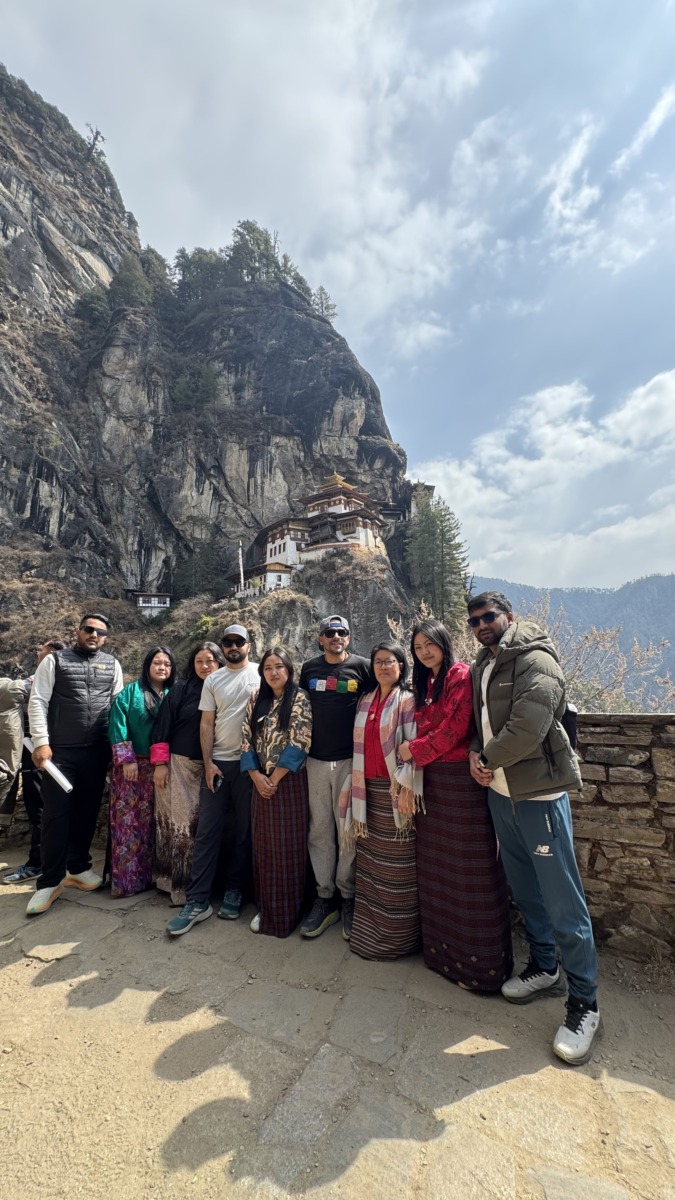
Paro serves as the main gateway to Bhutan and is home to the legendary Tiger’s Nest Monastery (Taktsang Palphug Monastery), one of the most sacred and visually striking sites in the Himalayas. Perched dramatically on a cliffside, this monastery requires a rewarding hike and offers panoramic views of the Paro valley. Beyond Tiger’s Nest, Paro features historical landmarks such as Rinpung Dzong and the National Museum, making it a key destination for cultural exploration.
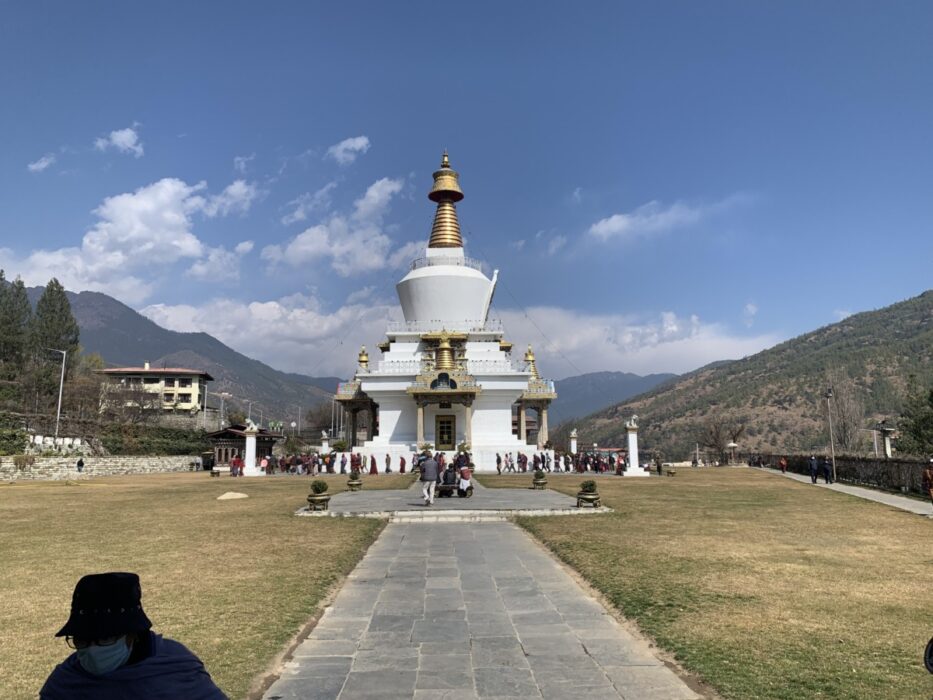
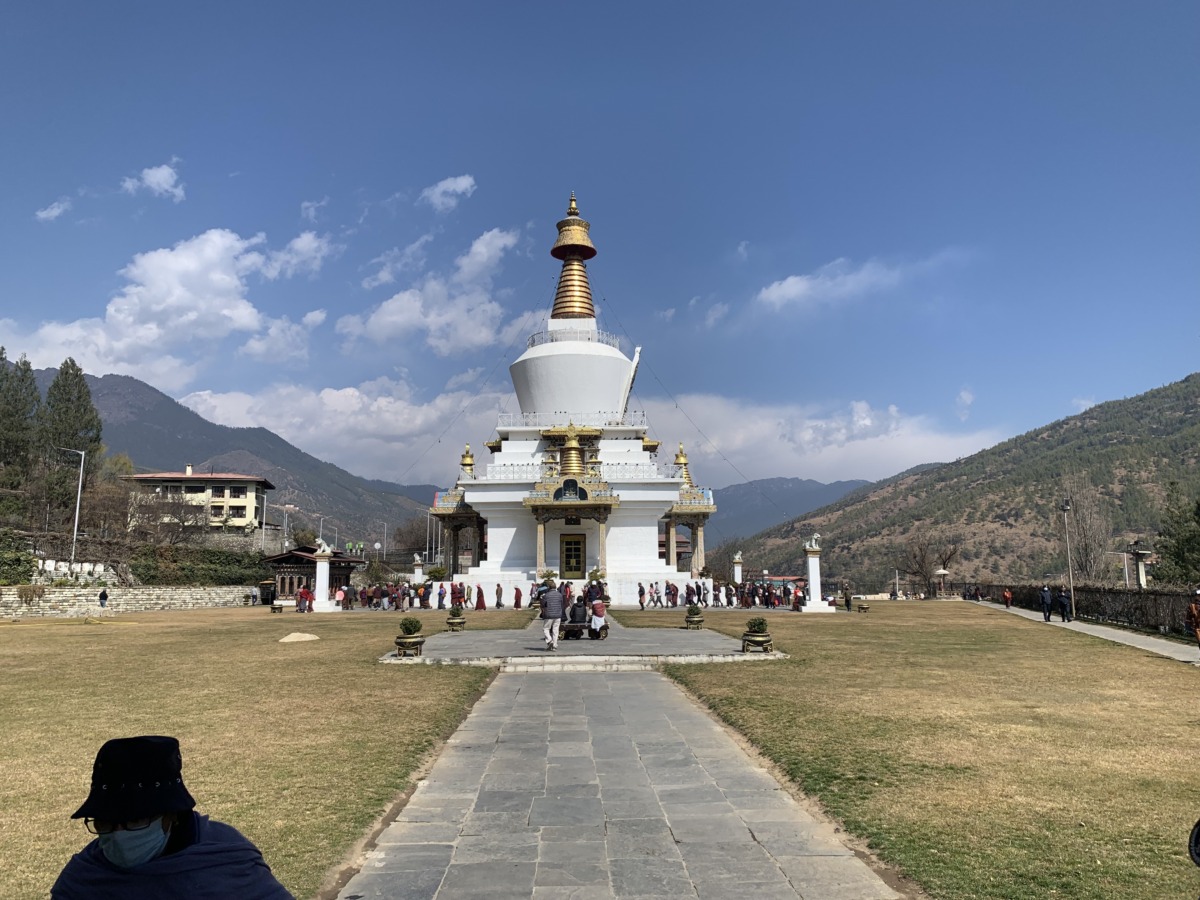
Thimphu, the capital city of Bhutan, presents a unique blend of tradition and modernity. Unlike typical capitals, Thimphu maintains a strong cultural identity with no traffic lights and architecture rooted in Bhutanese design. Important attractions include the Buddha Dordenma statue, Memorial Chorten, and Tashichho Dzong, which serves as both a religious and administrative center. Thimphu provides insight into Bhutan’s governance, lifestyle, and evolving urban culture.
Punakha, once the ancient capital of Bhutan, is known for its stunning natural setting and historical significance. The Punakha Dzong, located at the confluence of the Pho Chhu and Mo Chhu rivers, is considered one of the most beautiful fortresses in Bhutan. The region’s warmer climate, fertile valleys, and scenic landscapes make it a refreshing contrast to higher-altitude areas like Thimphu and Paro.
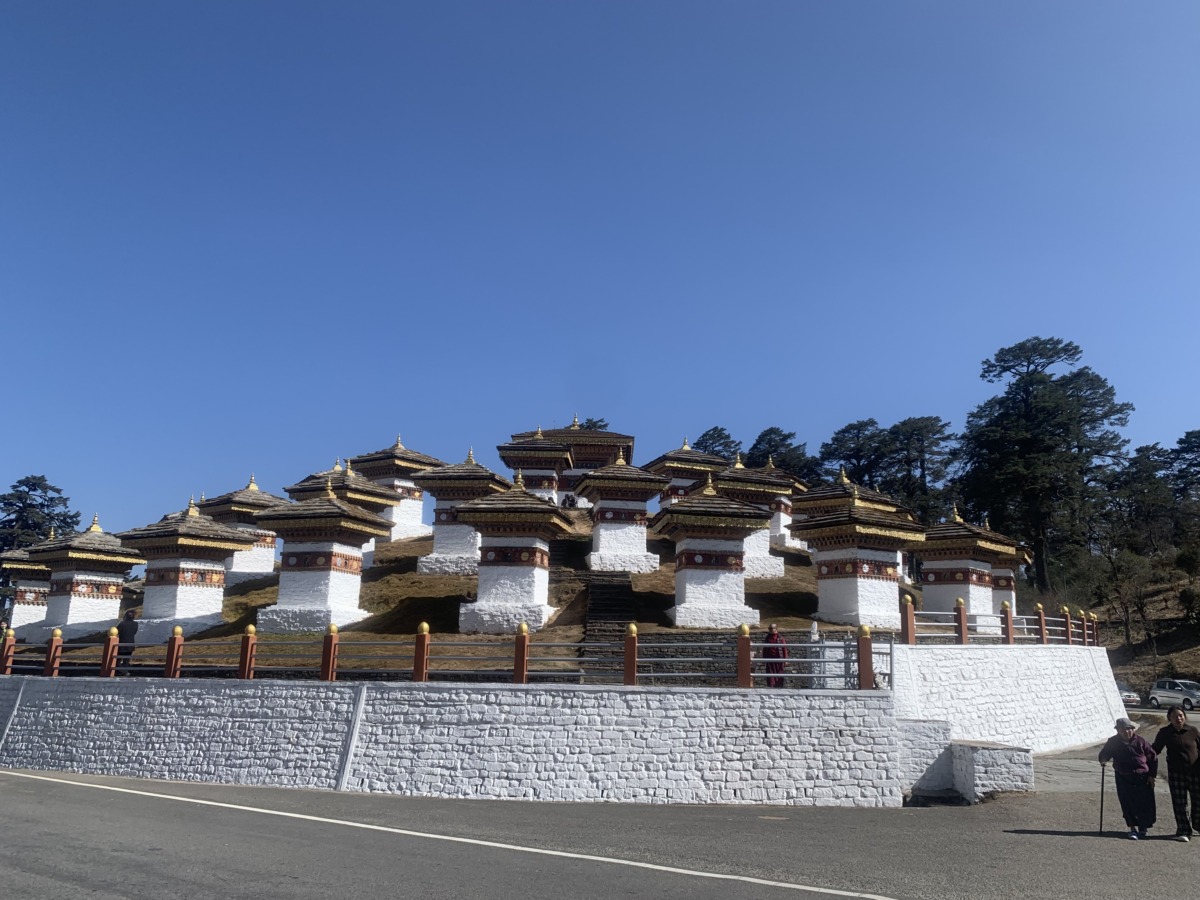
Dochula Pass, situated between Thimphu and Punakha, is a high mountain pass famous for its 108 chortens (stupas) and breathtaking panoramic views of the Himalayan range. On clear days, snow-capped peaks create a dramatic backdrop, making Dochula one of the most photographed viewpoints in Bhutan. It also holds cultural and spiritual importance, often visited during religious observances.
Together, these destinations form the foundation of most Bhutan itineraries, offering a balanced combination of spirituality, history, and natural beauty. Their accessibility and significance make them essential components of any Bhutan journey, especially within structured packages organized by experienced operators like Mountain Treks Nepal.
FAQ: Bhutan Trip Cost for 2026 and 2027
1. What is the average Bhutan Trip Cost for 2026 and 2027?
The average Bhutan Trip Cost for 2026 and 2027 ranges between $180 to $300 per person per day, depending on accommodation standard, group size, and travel style. This cost typically includes accommodation, meals, guide, transport, permits, and the Sustainable Development Fee (SDF), making Bhutan travel pricing structured and predictable.
2. Is Bhutan expensive to visit?
Bhutan is considered a premium destination due to its high-value, low-impact tourism policy. The cost reflects quality services, environmental sustainability, and cultural preservation rather than mass tourism, making the experience more exclusive compared to other destinations.
3. What is included in Bhutan Tour from Nepal packages?
A standard Bhutan Tour from Nepal package includes accommodation, full-board meals, licensed guide services, private transport, visa processing, route permits, monument entry fees, and government taxes including SDF. This all-inclusive model simplifies travel planning.
4. How much is the Bhutan visa fee?
The Bhutan visa fee is generally included in the tour package. However, the Sustainable Development Fee (SDF), currently around $100 per person per night, forms a major part of the overall Bhutan Trip Cost for 2026 and 2027.
5. Can Bhutan travel be done independently?
Independent travel in Bhutan is restricted for most international travelers. All trips must be arranged through licensed operators, ensuring compliance with government regulations and maintaining Bhutan’s controlled tourism model.
6. What is the cheapest way to visit Bhutan?
The most cost-effective way to reduce the Bhutan Trip Cost for 2026 and 2027 is by joining group tours from Nepal. Shared costs for guides, transport, and logistics help lower the overall price compared to private customized tours.
7. How many days are ideal for Bhutan tour?
A duration of 5 to 7 days is considered ideal for a Bhutan tour. This allows sufficient time to explore major destinations like Paro, Thimphu, and Punakha while experiencing Bhutanese culture and landscapes.
8. Does Bhutan Trip Cost include flights?
In most cases, international flights, especially Kathmandu–Paro routes, are not included in the base package. These costs are added separately, typically ranging between $400 and $700 round trip.
9. What is SDF in Bhutan?
The Sustainable Development Fee (SDF) is a daily fee charged by the Bhutanese government. It supports environmental conservation, cultural preservation, and national development, making it a key component of the Bhutan Trip Cost for 2026 and 2027.
10. Is trekking expensive in Bhutan?
Yes, trekking in Bhutan is relatively expensive, with costs ranging from $250 to $500 per day. This is due to additional logistics such as guides, camping equipment, permits, and support staff required in remote Himalayan regions.
11. Are luxury tours available in Bhutan?
Luxury tours are widely available in Bhutan, featuring high-end accommodations like Amankora and Six Senses resorts. These significantly increase the Bhutan Trip Cost for 2026 and 2027 due to premium services and exclusive experiences.
12. What currency is used in Bhutan?
Bhutan uses the Ngultrum (BTN), which is pegged to the Indian Rupee (INR). Indian currency is widely accepted, while international transactions are generally handled through USD-based tour payments.
13. Is Bhutan safe for travel?
Bhutan is considered one of the safest countries for travelers, with low crime rates and a strong cultural emphasis on hospitality and respect. Organized tours further enhance safety through structured travel arrangements.
14. Are guides mandatory in Bhutan?
Yes, licensed guides are mandatory for most international travelers. Guides ensure smooth travel, provide cultural insights, and help maintain compliance with Bhutan’s tourism policies.
15. Can Bhutan Tour from Nepal be customized?
Bhutan Tour from Nepal packages can be customized based on travel duration, accommodation preferences, and specific interests such as cultural tours or trekking experiences.
16. Is food included in Bhutan packages?
Most Bhutan tour packages include full-board meals (breakfast, lunch, and dinner). This inclusion helps maintain a predictable Bhutan Trip Cost for 2026 and 2027 without additional daily food expenses.
17. What is the best season for Bhutan travel?
Spring (March–May) and autumn (September–November) are considered the best seasons due to clear weather, pleasant temperatures, and vibrant landscapes, although these periods may have higher travel costs.
18. Are ATMs widely available in Bhutan?
ATMs are available in major cities like Paro and Thimphu but are limited in remote areas. Carrying sufficient cash is recommended when traveling outside urban centers.
19. What documents are required for Bhutan visa?
A valid passport with at least 6 months validity is required for Bhutan visa processing. The visa is arranged through licensed tour operators as part of the travel package.
20. Does Mountain Treks Nepal organize Bhutan tours?
Yes, Mountain Treks Nepal organizes Bhutan tours with complete logistics, including visa processing, permits, accommodation, transport, and guided services, ensuring a seamless and professionally managed travel experience.
Conclusion
The Bhutan Trip Cost for 2026 and 2027 reflects the country’s commitment to sustainable tourism, cultural preservation, and premium travel experiences. A Bhutan Tour from Nepal offers a structured, convenient, and enriching journey into one of the most unique Himalayan destinations.
With proper planning and expert coordination from agencies like Mountain Treks Nepal, Bhutan travel becomes a seamless and memorable experience.