



Share This:

Everest Base Camp Trek from Australia
Embarking on the Everest Base Camp Trek from Australia requires flying into Kathmandu (KTM) via a transit hub in Asia, securing a Nepalese tourist visa on arrival, and booking a guided trek with a registered local agency. While the logistics of traveling from the Southern Hemisphere to the Himalayas may seem complex, the process is straightforward with proper planning.
For Australian adventurers, reaching the foot of the world’s highest peak is a highly accessible dream. The journey involves trading the coastal beaches and outback for the towering, snow-capped peaks of the Khumbu Valley. This comprehensive guide covers everything Australians need to know, from booking flights out of Sydney, Melbourne, or Brisbane, to understanding high-altitude insurance, breaking down the costs in AUD, and preparing for the physical demands of Everest Base Camp with Mountain Treks Nepal.
Flights and Logistics: Australia to Kathmandu
Because there are no direct commercial flights from Australia to Nepal, travelers must book a connecting flight to Kathmandu’s Tribhuvan International Airport (KTM).
The most efficient transit hubs for Australians are usually Singapore (SIN), Kuala Lumpur (KUL), or Guangzhou (CAN).
-
From Sydney (SYD), Melbourne (MEL), and Brisbane (BNE): Singapore Airlines offers excellent connections to Kathmandu, usually with a short layover in Singapore. Malaysia Airlines and Batik Air via Kuala Lumpur are also popular, cost-effective options.
-
From Perth (PER): Travelers often find the fastest routes via Kuala Lumpur or Singapore, with total travel times sometimes under 15 hours.
Important Tip: When booking, aim to arrive in Kathmandu at least one or two full days before your trek begins. This provides a buffer in case of delayed luggage and allows you time to overcome jet lag and attend a pre-trek briefing.
Visas and Entry Requirements for Australian Citizens
Australian passport holders require a visa to enter Nepal, but the process is highly accommodating. You can obtain a Visa on Arrival at the airport in Kathmandu.
What you need:
-
A passport valid for at least six months from your date of entry.
-
A completed arrival card (you can fill this out on the electronic kiosks at the airport or online up to 15 days before arrival).
-
Visa fee payment.
Visa Fees:
The Nepalese government charges in USD, though you can generally pay in AUD, EUR, or GBP at the airport exchange rate. As of recent regulations, fees are typically:
-
15 Days: $30 USD
-
30 Days: $50 USD
-
90 Days: $125 USD
For a standard 12-to-14-day Everest Base Camp Trek, the 30-day visa is highly recommended to account for your arrival days, the trek itself, and any potential flight delays out of Lukla.
Travel Insurance for Australians Trekking in Nepal
If you are trekking in Nepal, standard travel insurance is not enough. The Australian Government’s Smartraveller website strongly advises that your insurance policy must specifically cover high-altitude trekking.
When purchasing a policy from providers popular in Australia (such as Cover-More, World Nomads, or Fast Cover), you must ensure the fine print includes:
-
Altitude limits: Coverage must extend up to 6,000 meters (Everest Base Camp is 5,364m, and Kala Patthar is 5,545m).
-
Helicopter Evacuation: In the event of severe Acute Mountain Sickness (AMS) or injury, a helicopter is the only way out of the Khumbu region. Your policy must cover emergency medical evacuation.
-
Trip Cancellation: To protect your investment in case of personal emergencies or severe weather grounding flights to Lukla.
Your trekking agency will require a copy of your insurance certificate before you depart for the mountains.
The Standard Everest Base Camp Trek Itinerary

While Mountain Treks Nepal can customize your journey, the standard Everest Base Camp Trek itinerary takes 12 to 14 days, starting and ending in Kathmandu.
Phase 1: The Approach
The adventure begins with a thrilling 35-minute twin-otter flight from Kathmandu (or Ramechhap) to the cliffside airstrip at Lukla (2,860m). From here, you trek through lush pine forests and cross suspension bridges draped in prayer flags over the Dudh Kosi river, eventually reaching the bustling Sherpa capital of Namche Bazaar (3,440m).
Phase 2: Acclimatization and Ascent
To prevent altitude sickness, mandatory rest days are built into the schedule at Namche Bazaar and Dingboche (4,410m). The landscape transitions from green forests to alpine scrub, and finally to the stark, glacial moraines of the high Himalayas. You will pass the famous Tengboche Monastery, set against the backdrop of Ama Dablam.
Phase 3: Base Camp and Kala Patthar
On day eight or nine, you reach Everest Base Camp (5,364m). Because Mount Everest itself is mostly obscured from Base Camp by the Lhotse ridge, you will wake before dawn the next morning to climb Kala Patthar (5,545m). This vantage point offers the definitive, glowing sunrise view of the Everest peak.
Everest Base Camp Trek From Australia Cost: Expectations for Australians

Budgeting for the Everest Base Camp Trek requires understanding both the package costs and personal expenses.
| Expense Category | Estimated Cost (AUD) | What it Includes |
| International Flights | $1,100 – $1,800 | Return flights from Australia to Kathmandu. |
| Trek Package | $2,000 – $2,800+ | Local flights (Lukla), permits, registered guide, porters, teahouse accommodation, and standard meals during the trek. |
| Travel Insurance | $150 – $300 | High-altitude coverage including helicopter rescue. |
| Nepal Tourist Visa | ~$75 | 30-day Visa on Arrival (approx. $50 USD). |
| Personal Gear | $500 – $1,500 | Boots, down jacket, sleeping bag (can be rented in Kathmandu to save money). |
| On-Trek Extras | $200 – $400 | Wi-Fi cards, hot showers, charging electronics, extra snacks, and guide tips. |
Note: Costs fluctuate based on exchange rates and seasonality. Package prices vary depending on group size and luxury levels.
Ready to budget your adventure? Navigating international payments, permits, and domestic flights can be stressful. Let our team handle the logistics. Contact Mountain Treks Nepal today for a transparent, all-inclusive quote for your EBC trek.
When is the Best Time for Australians to Trek?

The Nepalese trekking seasons align well with specific Australian holidays, but you must avoid the monsoon season.
Autumn (Late September to November)
This is the absolute best time to trek. The monsoon rains have washed the skies clean, providing crystal-clear views of the mountains. The weather is stable, making it ideal for the September/October Australian school holidays.
Spring (March to May)
The second most popular season. The weather is warmer, and the lower trails are vibrant with blooming rhododendrons. This coincides nicely with the Easter break in Australia. It is also the main expedition season, meaning Base Camp will be filled with colorful tents belonging to climbers attempting the summit.
Winter (December to February) & Monsoon (June to August)
Winter is incredibly cold, though skies are clear; it is only recommended for highly experienced trekkers willing to brave freezing teahouses. The monsoon season brings heavy rain, leeches, and obscured views, and should be avoided for Everest.
Physical Preparation: Training in Australia for the Himalayas

You do not need to be an elite athlete to reach Everest Base Camp, but you do need excellent cardiovascular endurance and leg strength. You will be trekking 5 to 8 hours a day for nearly two weeks.
Because Australia lacks extreme high-altitude training grounds (Mount Kosciuszko peaks at just 2,228m), your focus should be on stamina.
-
Stair Climbing: Find local stadiums, coastal stairs, or large hills. Load a backpack with 5-8kg and do repeated ascents.
-
Bushwalking: Utilize Australia’s national parks. The Blue Mountains, the Grampians, or the Overland Track provide excellent terrain for hardening your feet and breaking in your trekking boots.
-
Cardio: Incorporate running, cycling, or swimming 3 to 4 times a week in the months leading up to your trip.
Managing High Altitude Safely
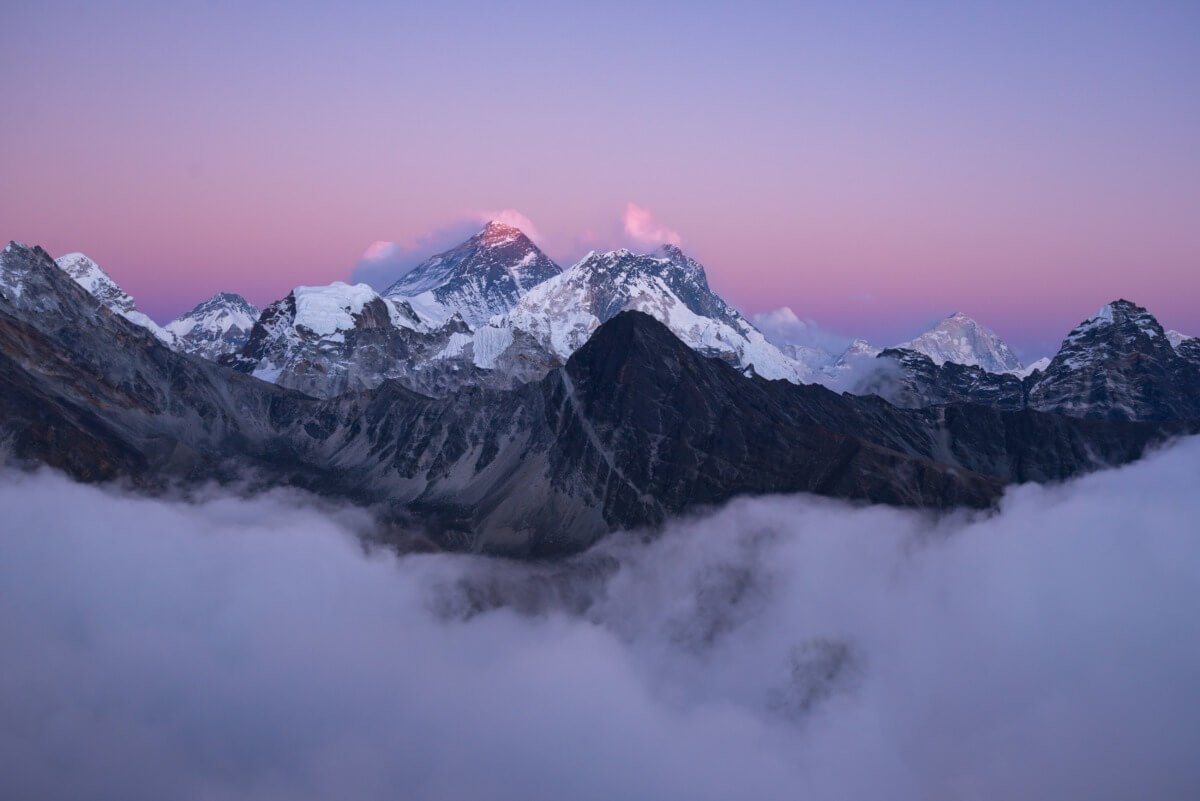
The biggest challenge of the EBC trek is not the steepness of the trail, but the lack of oxygen. At Base Camp, there is roughly 50% less oxygen in the air than at sea level in Sydney or Melbourne.
Acute Mountain Sickness (AMS) can affect anyone, regardless of age or fitness level. Symptoms include headaches, nausea, dizziness, and extreme fatigue. If ignored, AMS can progress to fatal conditions like High Altitude Pulmonary Edema (HAPE) or High Altitude Cerebral Edema (HACE).
To minimize risk:
-
Walk slowly (Pole, Pole): Keep your heart rate down.
-
Hydrate: Drink 3 to 4 liters of water a day.
-
Acclimatize: Never skip the scheduled rest days in Namche Bazaar and Dingboche.
-
Listen to your guide: The guides at Mountain Treks Nepal are trained in high-altitude first aid. If they advise you to descend, you must follow their instructions.
FAQs
How difficult is it to trek to Everest Base Camp?
Trekking to Everest Base Camp is moderately to highly difficult. It does not require technical climbing skills, ropes, or crampons; it is a long, sustained hiking trail. The primary difficulty stems from the high altitude, cold temperatures, and the physical endurance required to walk 5 to 8 hours daily over rugged, rocky terrain for two weeks.
How much does a 12-day trek to Everest Base Camp cost?
A standard 12-day guided Everest Base Camp trek typically costs between $1,400 and $1,800 USD ($2,000 to $2,800 AUD). This price generally covers your domestic flights to Lukla, national park permits, a licensed guide, porters, teahouse accommodation, and standard meals during the trek. International flights and insurance are extra.
Why does it cost $40,000 to climb Mount Everest?
Climbing Mount Everest (reaching the 8,848m summit) is vastly different from trekking to Base Camp (5,364m). The $40,000 to $100,000+ cost for climbing covers a highly expensive $11,000 climbing permit, extensive supplemental oxygen systems, months of logistical support, specialized high-altitude Sherpa climbing guides, icefall route-fixing fees, and advanced base camp infrastructure over a two-month expedition.
What is the 2pm rule in Everest?
The 2pm rule is a crucial mountaineering and trekking safety guideline. Weather in the Himalayas is highly predictable in its unpredictability; afternoons frequently bring intense cloud cover, high winds, and sudden snowstorms. The 2pm rule dictates that climbers and trekkers should aim to reach their destination, camp, or turn around before 2:00 PM to avoid being caught exposed in dangerous afternoon weather systems.
Trading the Australian coast for the roof of the world is an experience you will never forget. At Mountain Treks Nepal, we provide expert local guides, prioritize your safety in high altitudes, and handle all the complicated logistics so you can simply enjoy the hike. Your Himalayan adventure awaits.