



Pikey Peak Trek - 9 Days
-
Duration:
9 days -
Max Altitude:
4,065m -
Difficulty Level:
Moderate -
Group Size:
1-10 people -
Destination:
Pikey Peak -
Start/End:
Kathmandu -
Accommodation:
Tea House and Hotel -
Transportation:
Bus, Car , Jeep or Van -
Best Season:
March to May and September to December
Trek Overview
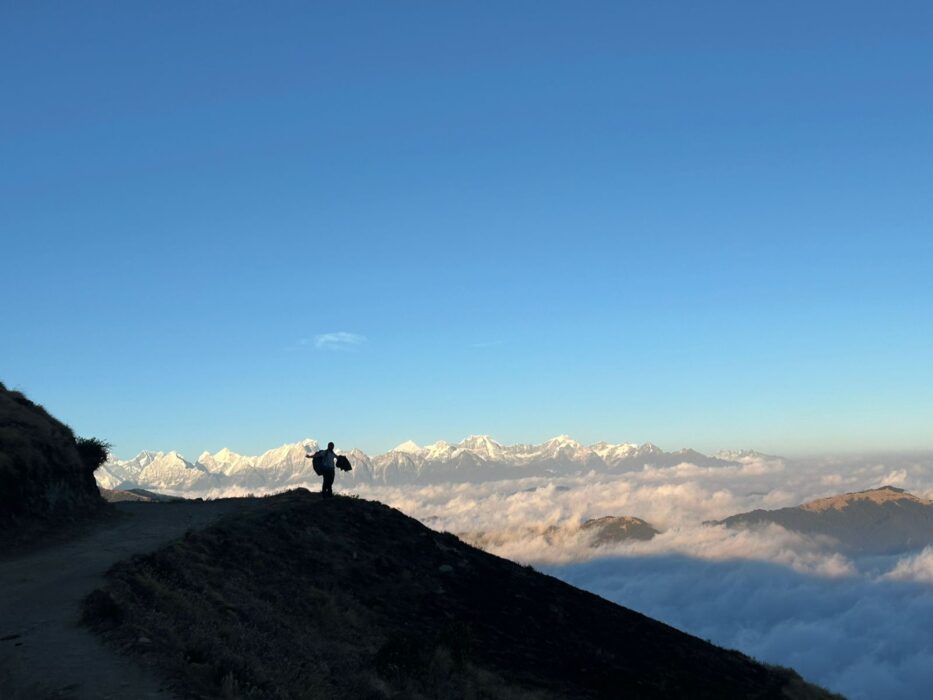
The Pikey Peak Trek is one of the most beautiful short treks in the Lower Everest region of Nepal, offering peaceful trails, authentic Sherpa culture, traditional villages, Buddhist monasteries, and outstanding Himalayan views without the heavy crowds of the classic Everest Base Camp route. This 9-day journey is perfect for travelers who want to experience the Everest region in a shorter time while still enjoying wide mountain panoramas, quiet walking paths, local hospitality, and a rewarding sunrise from Pikey Peak at 4,065 meters.
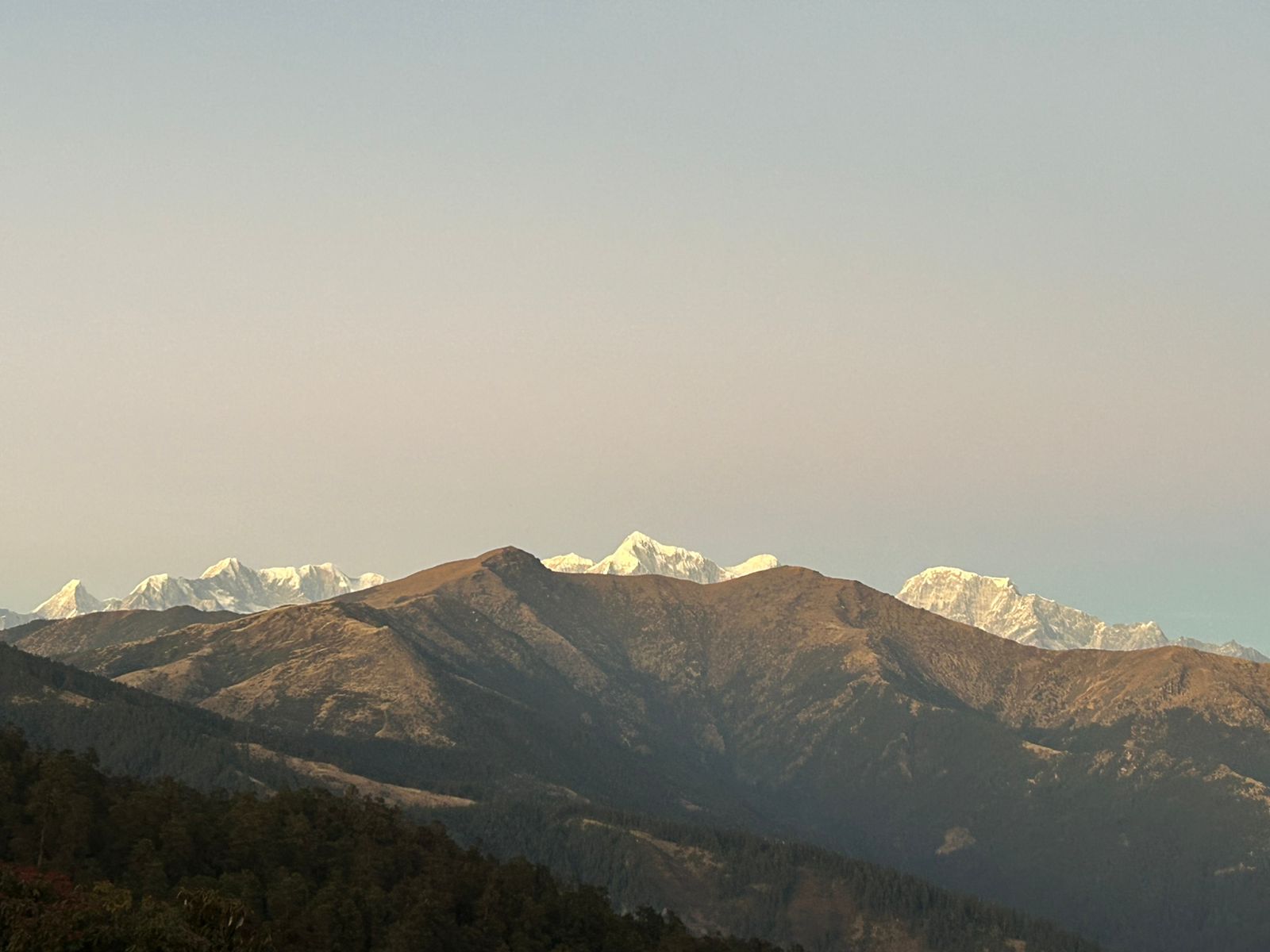
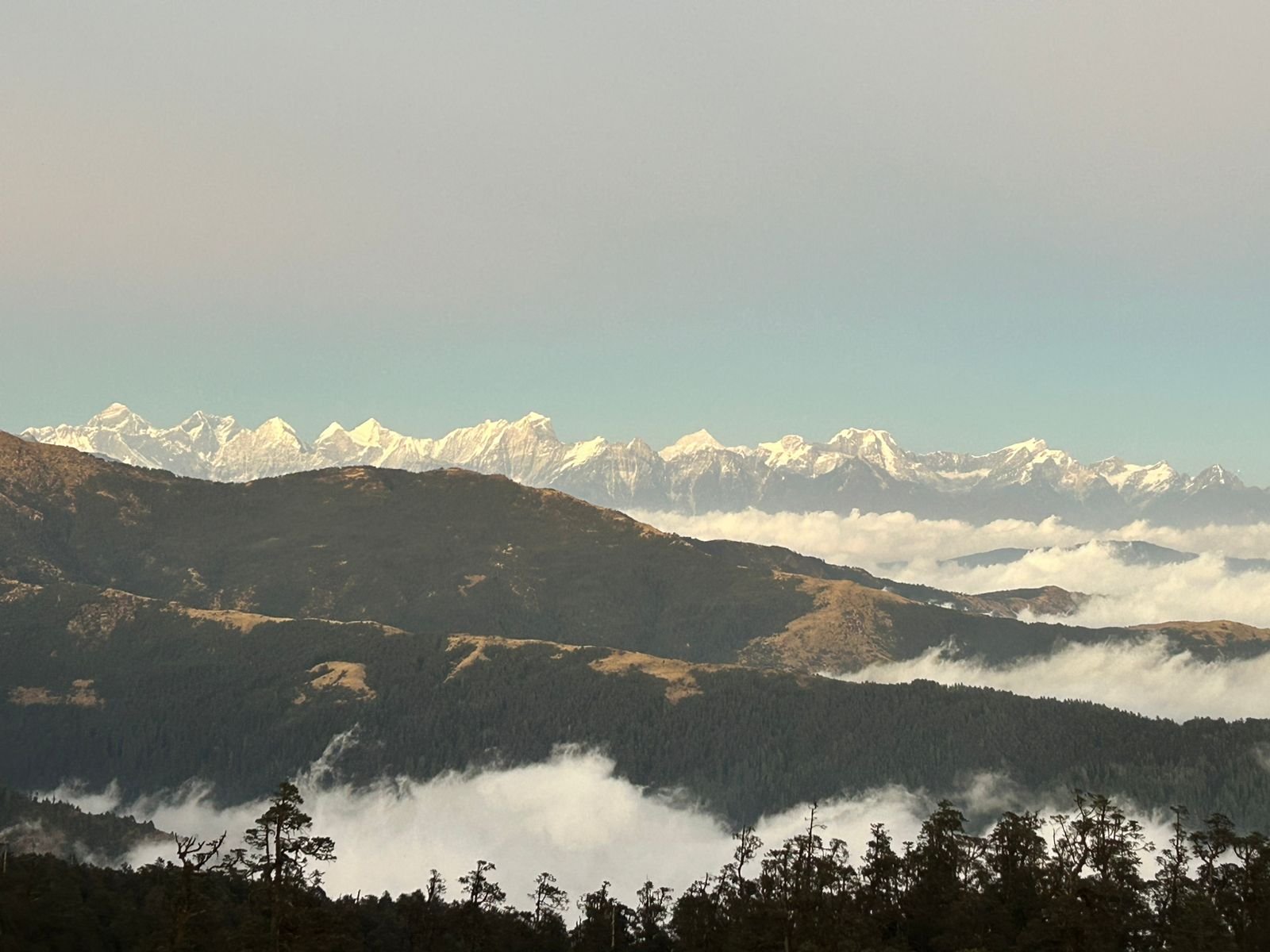
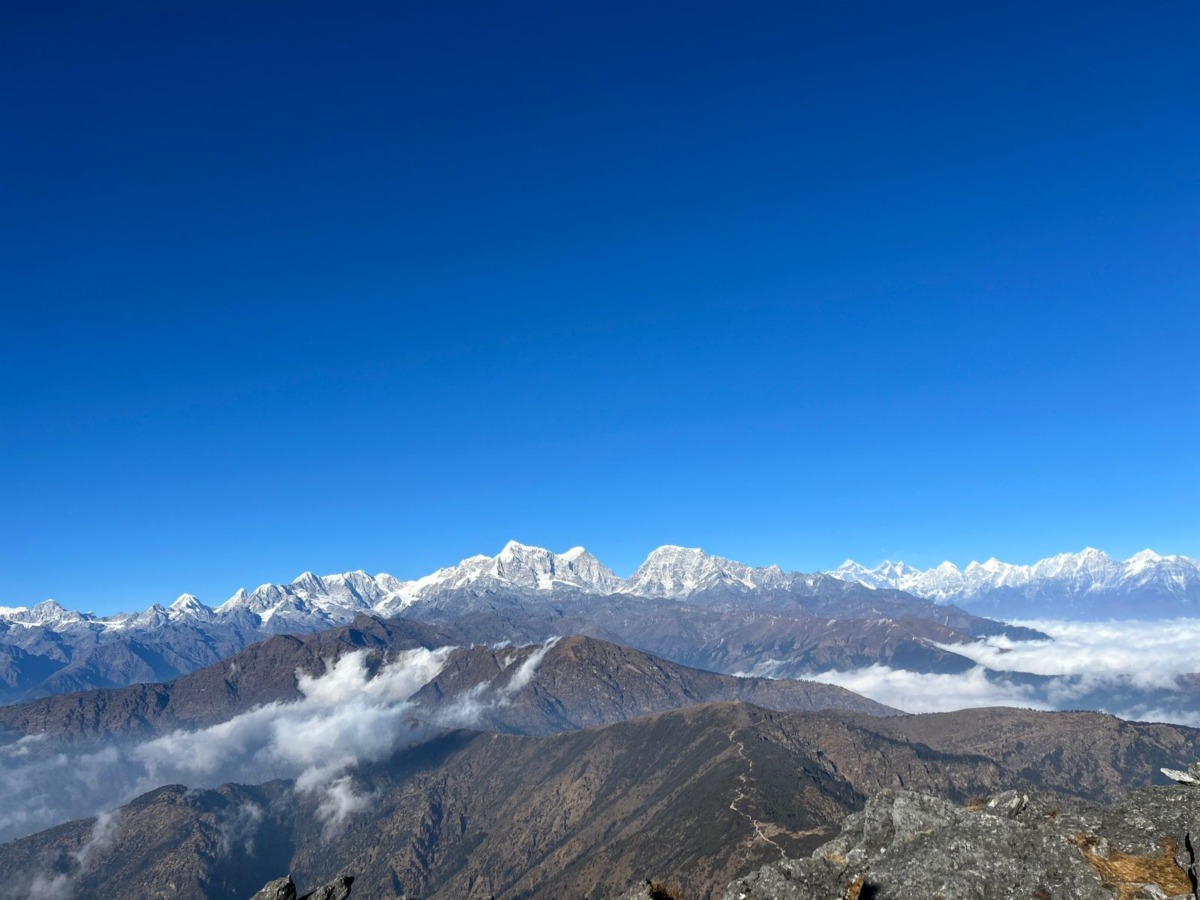
Located in the Solukhumbu region, Pikey Peak is famous for its magnificent views of Mount Everest and the surrounding Himalayan range. From the summit viewpoint, trekkers can enjoy sweeping views of Everest, Lhotse, Makalu, Kanchenjunga, Gaurishankar, Numbur Himal, and many other snow-covered peaks on a clear day. Pikey Peak itself is commonly listed at around 4,065 meters and is known as a lower-altitude Everest viewpoint compared with longer and more demanding treks in the Khumbu region.
This trek begins with your arrival in Kathmandu and continues with a scenic drive to Dhap Bazaar. From Dhap, the walking route passes through Jhapre, Pikey Base Camp, Jase Bhanjyang, Junbesi, and Phaplu before returning to Kathmandu by road. Along the way, you will walk through forests, ridges, farmlands, yak pastures, prayer-flag-covered viewpoints, and Sherpa settlements. The route combines natural beauty with cultural depth, making it ideal for trekkers who want a quieter and more meaningful Himalayan experience.
Unlike the busier Everest Base Camp Trek, the Pikey Peak route remains less crowded and more peaceful. It is suitable for beginner and intermediate trekkers with a reasonable level of fitness, as the daily walking duration is usually around 4 to 6 hours. The highest point of the trek is Pikey Peak at 4,065 meters, so altitude should still be respected, but the risk is generally lower than on higher Everest region treks. A slow pace, proper hydration, warm clothing, and guidance from an experienced local team make the journey safer and more enjoyable.
Why Choose Pikey Peak Trek?
The Pikey Peak Trek is an excellent choice for travelers who want a short Everest view trek from Kathmandu without taking a flight to Lukla. The journey begins by road, which helps avoid the uncertainty of mountain flight delays and gives trekkers a scenic drive through Nepal’s hills, rivers, towns, and rural landscapes. This makes the trek more flexible, practical, and accessible for those who have limited time in Nepal.
Another reason to choose Pikey Peak is the balance between scenery and culture. The trek does not only focus on mountain views; it also gives you the chance to experience Sherpa villages, Buddhist monasteries, mani walls, prayer flags, and traditional mountain lifestyles. Villages such as Jhapre and Junbesi offer a calm and authentic atmosphere where trekkers can see daily life in the Lower Solukhumbu region.
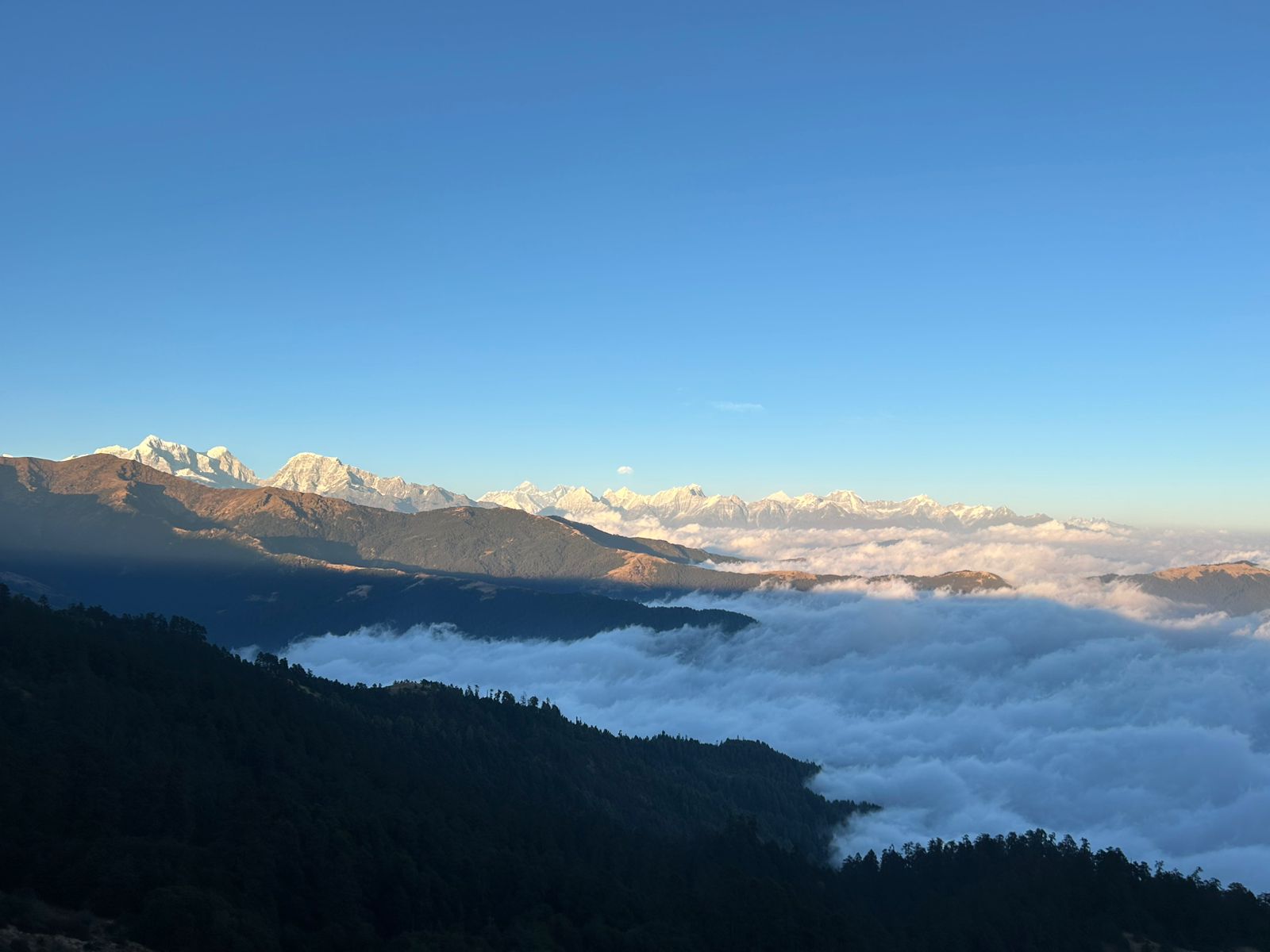
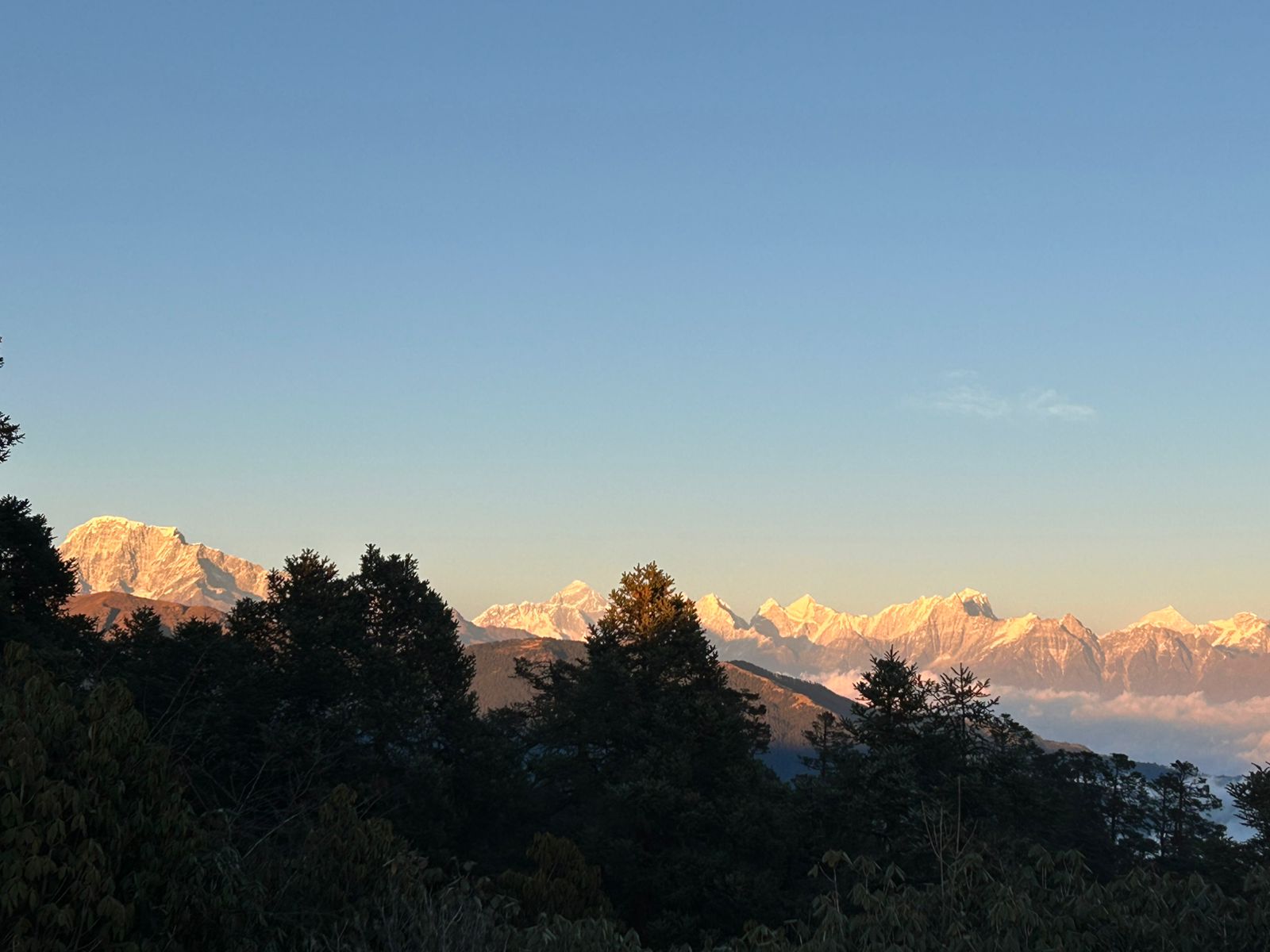
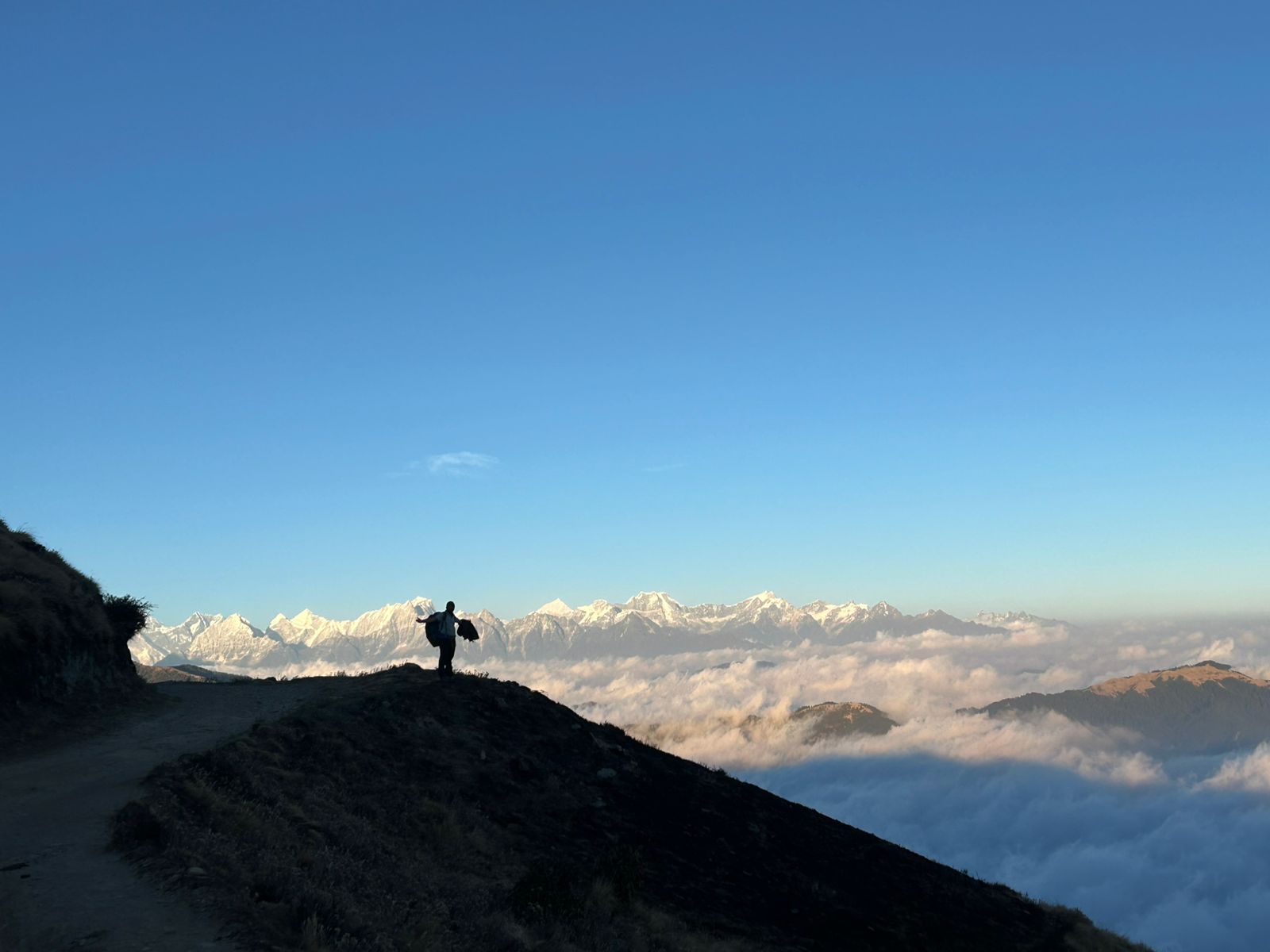
The sunrise from Pikey Peak is the main highlight of the journey. Early in the morning, trekkers hike toward the summit viewpoint to watch the first golden light touch the Himalayan peaks. On a clear day, the view stretches across some of Nepal’s most famous mountains, including Everest, Makalu, Kanchenjunga, Gaurishankar, and Numbur Himal. This wide Himalayan panorama is one of the major reasons Pikey Peak is considered one of the best short treks for mountain photography in Nepal.
Pikey Peak Trek Route
The Pikey Peak Trek route starts in Kathmandu, where Mountain Treks Nepal welcomes you and transfers you to your hotel. After trip preparation, the journey continues by road to Dhap Bazaar, a hillside settlement in the Lower Solukhumbu region. The drive is long but scenic, passing through changing landscapes, local towns, river valleys, terraced fields, and rural roads before reaching the trekking starting point.
From Dhap Bazaar, the trek moves toward Jhapre, a beautiful village known for its mountain views, Buddhist influence, and peaceful surroundings. The trail then climbs gradually toward Pikey Base Camp through forested paths, open ridges, grazing areas, and highland landscapes. This section gives trekkers a real feeling of entering the Himalayan foothills while still remaining away from the busiest routes.
The most important trekking day is the hike from Pikey Base Camp to Pikey Peak. Trekkers usually start early to reach the viewpoint for sunrise. After enjoying the mountain panorama from the summit area, the trail descends toward Jase Bhanjyang. The following day continues through quiet trails and village landscapes to Junbesi, one of the most charming settlements on the route. From Junbesi, the trek heads to Phaplu, where the walking journey ends. A long drive from Phaplu brings you back to Kathmandu, followed by final departure the next day.
Pikey Peak Trek Difficulty
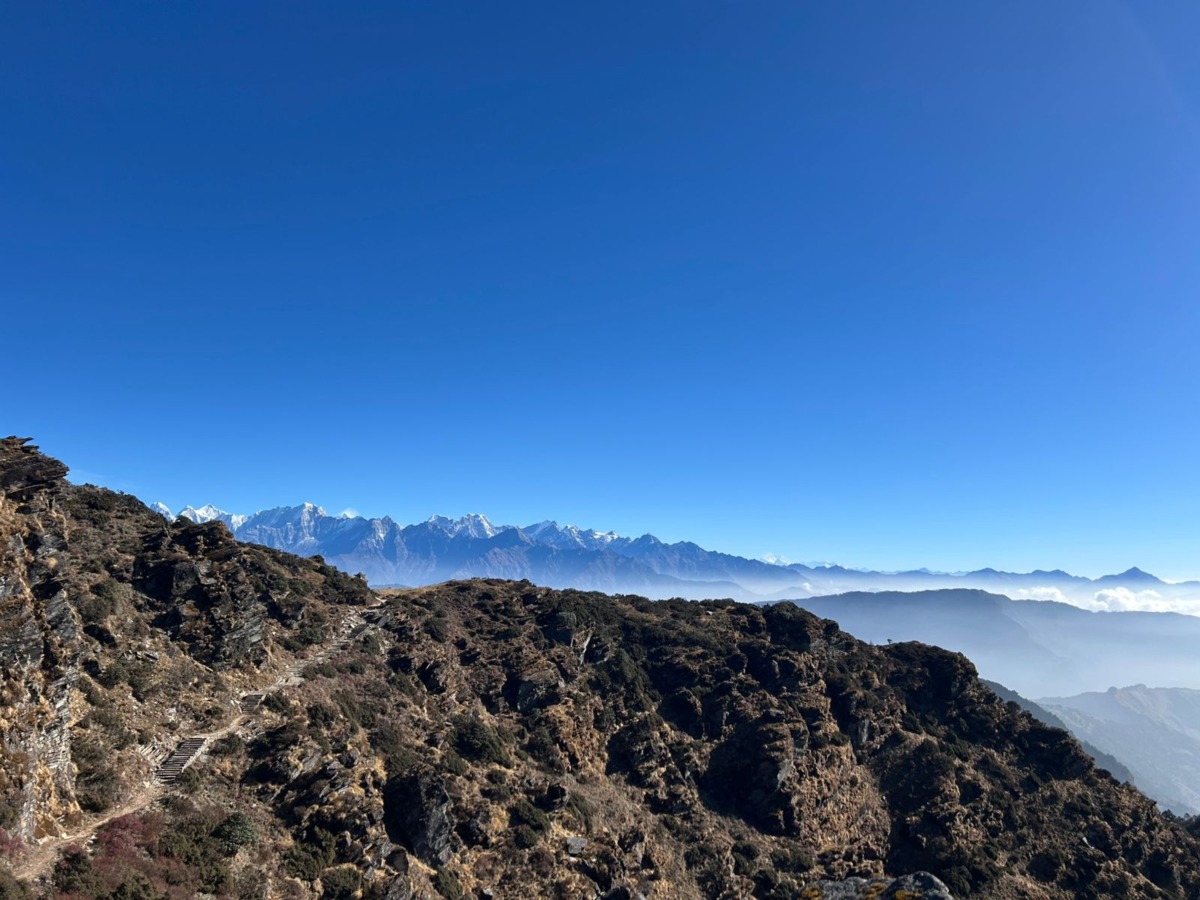
The Pikey Peak Trek is considered an easy to moderate trek, depending on your fitness level, walking experience, and the season. It does not require technical climbing skills or previous mountaineering experience, but trekkers should be ready to walk for several hours each day on uphill and downhill trails. Some sections include gradual climbs, forest paths, stone steps, and ridge walking, so basic physical preparation is helpful.
The highest elevation of this trek is Pikey Peak at 4,065 meters. Although this is lower than many classic high-altitude treks in Nepal, altitude can still affect some trekkers. Walking slowly, drinking enough water, eating well, and following your guide’s advice are important throughout the journey. The itinerary is designed with manageable walking days, making it suitable for active beginners, families with older children, students, couples, and travelers looking for a short Himalayan trek with rewarding views.
Before joining the trek, it is helpful to prepare with regular walking, light hiking, cycling, jogging, or stair climbing for a few weeks. Trekkers who can comfortably walk 4 to 6 hours a day with a small daypack will usually enjoy this route. The trek is less demanding than Everest Base Camp or Annapurna Circuit, but it still offers a genuine Himalayan walking experience.
Best Time for Pikey Peak Trek
The best time for the Pikey Peak Trek is generally during spring and autumn. Spring, from March to May, brings warmer daytime temperatures, blooming rhododendron forests, colorful hillsides, and pleasant walking conditions. Autumn, from September to November, is known for stable weather, clear skies, dry trails, and excellent mountain visibility. These two seasons are widely recommended for trekking in the Pikey Peak region.
Winter, from December to February, can also be a beautiful time for Pikey Peak if you are prepared for cold mornings and nights. The skies are often clear in winter, and the mountain views can be excellent, but trekkers should carry warm clothing and a good sleeping bag. Monsoon season, from June to August, brings rain, clouds, muddy trails, and reduced visibility, so it is less ideal for those whose main goal is a clear Everest view.
For the best overall experience, October, November, March, and April are especially strong months for this trek. During these months, the route offers a good balance of mountain visibility, comfortable weather, cultural atmosphere, and scenic landscapes.
Accommodation During the Pikey Peak Trek
Accommodation during the Pikey Peak Trek is generally in local teahouses, lodges, and simple mountain guesthouses. These accommodations are basic but warm and welcoming, usually offering twin-sharing rooms with beds, mattresses, pillows, and blankets. The rooms are not luxurious, but they provide a comfortable place to rest after a day of walking.
In lower villages, the lodges may have slightly better facilities, while higher or more remote areas can be simpler. Bathrooms are usually shared, and hot showers may be available in some places for an extra charge. Heating is normally available in the dining room rather than inside bedrooms, so trekkers should bring warm sleeping clothes and a suitable sleeping bag, especially during colder months.
Staying in local teahouses is one of the best parts of the Pikey Peak experience. It gives trekkers the chance to meet local families, taste local food, learn about mountain life, and support the rural economy. The hospitality of the Sherpa and local communities adds a personal and cultural value to the journey.
Food During the Pikey Peak Trek
Food on the Pikey Peak Trek is simple, fresh, and filling. The most common meal is dal bhat, a traditional Nepali dish served with rice, lentil soup, vegetables, pickles, and sometimes curry. Dal bhat is popular among trekkers because it provides good energy for walking and is usually available in almost every lodge along the route.
Other meals may include noodles, soups, fried rice, potatoes, eggs, chapati, pancakes, porridge, tea, coffee, and seasonal local dishes. In remote areas, food choices can be limited compared with Kathmandu, but the meals are usually enough to keep trekkers warm and energized. Vegetarian meals are easy to arrange and are often recommended in the mountains because they are fresh and easier to digest.
Drinking water is available at lodges, but trekkers should drink boiled, filtered, or purified water. Carrying a reusable water bottle and purification tablets or a water filter is a good way to reduce plastic waste and stay healthy during the trek.
Culture and Local Experience
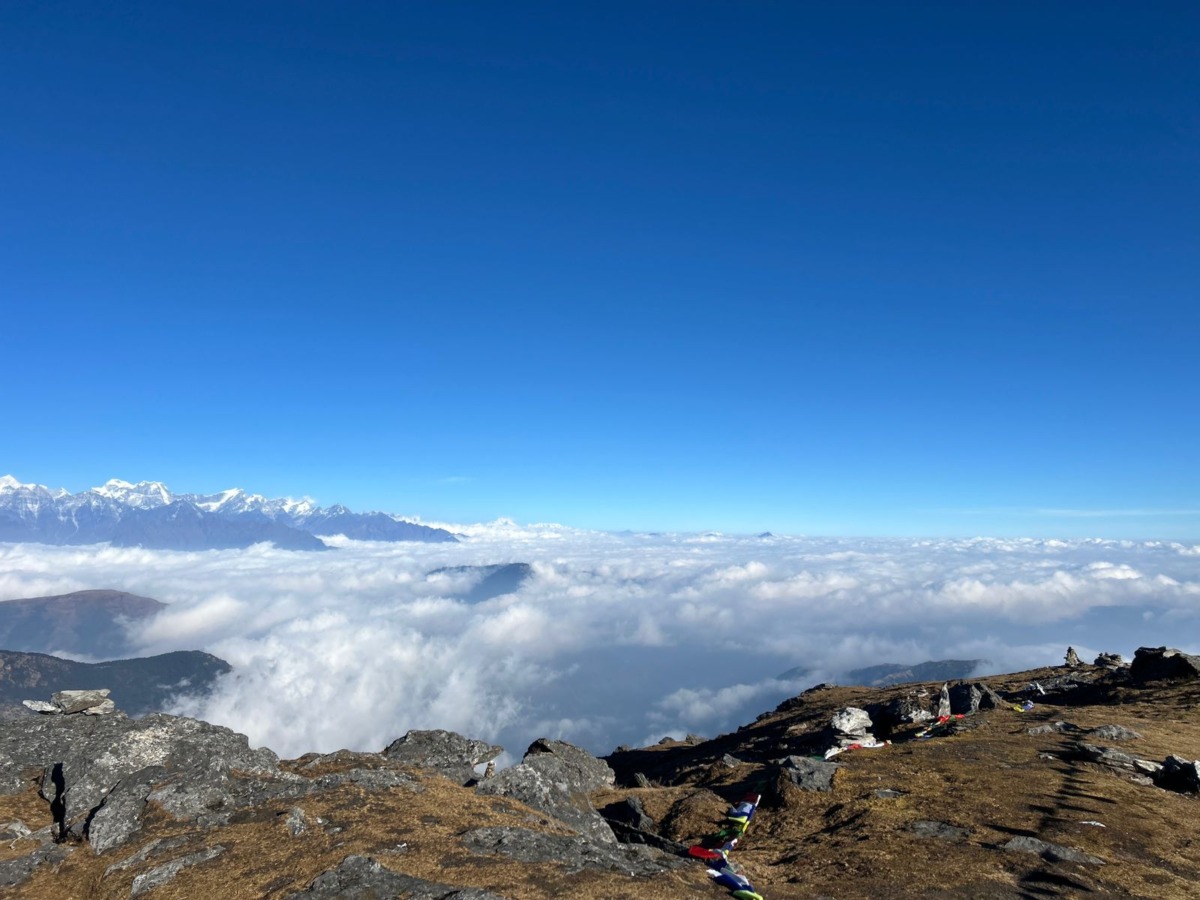
The Pikey Peak Trek passes through the Lower Solukhumbu region, where Sherpa culture, Buddhist traditions, and rural mountain life are deeply connected. Along the trail, trekkers can see monasteries, chortens, mani walls, prayer wheels, and colorful prayer flags. These cultural features give the trek a spiritual and peaceful atmosphere.
Villages such as Jhapre and Junbesi are important cultural stops on the journey. Junbesi is especially known for its traditional houses, calm surroundings, and Buddhist heritage. The route offers opportunities to observe local farming, yak and cattle grazing, village festivals if the timing matches, and the everyday lifestyle of people living in the Himalayan foothills.
Trekkers are encouraged to respect local customs by walking clockwise around Buddhist monuments, asking before taking photos of people, dressing modestly in villages and religious areas, and greeting locals with “Namaste.” Respectful travel helps create a positive connection between visitors and host communities.
Safety and Guide Support
Mountain Treks Nepal organizes the Pikey Peak Trek with experienced local guides who understand the route, weather, culture, and safety needs of trekkers. A guide helps with navigation, lodge arrangements, communication with local people, daily pacing, and emergency response if needed. Although Pikey Peak is not a technical trek, having a licensed guide makes the journey safer, smoother, and more informative.
Trekkers should have travel insurance that covers trekking activities up to at least 4,100 meters. The route has road access in some sections, but weather and local conditions can change, so proper insurance is important. Nepal’s official tourism guidance also notes that TIMS provisions and trekking rules apply to many trekking areas, and using a registered trekking agency helps travelers manage permits and paperwork correctly.
Pikey Peak Trek Cost
The cost of the Pikey Peak Trek depends on the group size, service standard, hotel category in Kathmandu, transportation type, guide and porter arrangements, and included services. A private trek usually costs more than a group trek because transportation, guide service, and logistics are arranged privately. The package price can be customized for solo trekkers, couples, families, student groups, and small private groups.
Mountain Treks Nepal can provide a clear cost based on your travel date, group size, and service preference. The package can include airport transfers, Kathmandu hotel accommodation, ground transportation, trekking guide, porter service, teahouse accommodation, meals during the trek, required permits, and government taxes. Personal expenses, international flights, Nepal visa fee, travel insurance, hot showers, Wi-Fi, charging, bottled drinks, tips, and extra services are usually not included unless mentioned in the final package agreement.
Permits for Pikey Peak Trek
For the Pikey Peak Trek, permit requirements can depend on the exact route, local regulations, and current trekking rules. In general, trekkers in Nepal may need official trekking documentation such as a TIMS card and applicable local or conservation area permits where required. Nepal Tourism Board’s TIMS guidance explains that revised TIMS provisions apply to many trekking routes and that trekking through a registered agency helps manage documentation correctly.
Mountain Treks Nepal will assist with the required paperwork before the trek begins. Travelers should carry a valid passport, passport-size photos if needed, and travel insurance details. Permit rules can change, so it is best to confirm the latest requirements during booking.
Nepal Visa Information
Most travelers can obtain a tourist visa on arrival at Tribhuvan International Airport in Kathmandu, and Nepal’s Department of Immigration provides official information about the tourist visa process. The Department of Immigration states that visa-on-arrival service is available for tourists flying into Nepal, though queues may occur during peak travel seasons.
Travelers should check the latest visa rules before departure, especially if they are traveling from a country with special requirements. It is also possible to complete certain visa-related steps online through Nepal’s official immigration portal.
Trip Highlights
- Mesmerizing views of snow-covered peaks like Everest, Lhotse, Makalu, and many others.
- Sunrise and sunset views from the viewpoints.
- Exhilarating hike to the top of Pikey Peak
- A chance to witness beautiful Sherpa Villages and observe their culture and lifestyle.
- Trek through the quiet and less crowded trail.
Have a Question? Inquire Now
Why Mountain Treks Nepal?
- Expert Team for Unparalleled Experience
- Best Price Guarantee
- Safety is the first Priority
- Easy Booking & Secure Online Payment
- Flexible And Personalized Service
- 24/7 Support
- Highest Satisfaction Guaranteed
- Highly Experienced Guides
- Your Satisfaction is Our Guarantee
- One-time Deposit, Assured for a Life Time
Detailed Itinerary
Upon your arrival at Tribhuvan International Airport in Kathmandu, a representative from Mountain Treks Nepal will welcome you and transfer you to your hotel. Kathmandu is the capital city of Nepal and the main gateway for trekking adventures in the Himalayas. After checking in, you can rest from your international flight or take a short walk around the nearby area. In the evening, there will be time for a trip briefing, where your guide will explain the Pikey Peak Trek itinerary, trail conditions, packing requirements, accommodation style, transportation plan, and safety information. This day is mainly designed for arrival, rest, preparation, and getting ready for the journey ahead.
After breakfast in Kathmandu, the journey begins with a scenic drive to Dhap Bazaar, located at an altitude of around 2,850 meters. The driving distance is approximately 240 kilometers, and the journey takes about 8 hours depending on road and traffic conditions. The drive passes through changing landscapes, including busy towns, river valleys, terraced hillsides, forests, and rural settlements. As you leave the Kathmandu Valley behind, the scenery becomes more peaceful and natural.
Dhap Bazaar is the starting point of your trekking route. After reaching Dhap, you can relax at the lodge and enjoy the cooler mountain air. The long drive may feel tiring, but it gives you a beautiful introduction to Nepal’s middle hills and rural life before the walking days begin. Overnight stay will be at a local lodge in Dhap Bazaar.
Today is the first walking day of the Pikey Peak Trek. After breakfast, the trail leads from Dhap Bazaar to Jhapre, situated at an altitude of around 2,815 meters. The trekking distance is approximately 14 kilometers, and the walk usually takes 4 to 5 hours. The route follows peaceful trails through rural landscapes, hillside paths, small settlements, and open areas with beautiful views.
As you walk toward Jhapre, you will begin to experience the slower rhythm of the mountains. The trail offers glimpses of local life, traditional houses, farmlands, and forested hills. On clear days, you may also see distant mountain views along the way. Jhapre is a beautiful village with Buddhist influence, prayer flags, and a calm mountain atmosphere. Overnight stay will be at a local teahouse in Jhapre.
After breakfast in Jhapre, the trek continues toward Pikey Base Camp at an altitude of around 3,640 meters. The walking distance is approximately 13.73 kilometers, and the trek takes about 5 to 6 hours. This is one of the most scenic days of the journey as the route gradually climbs through forests, ridges, pastures, and highland landscapes.
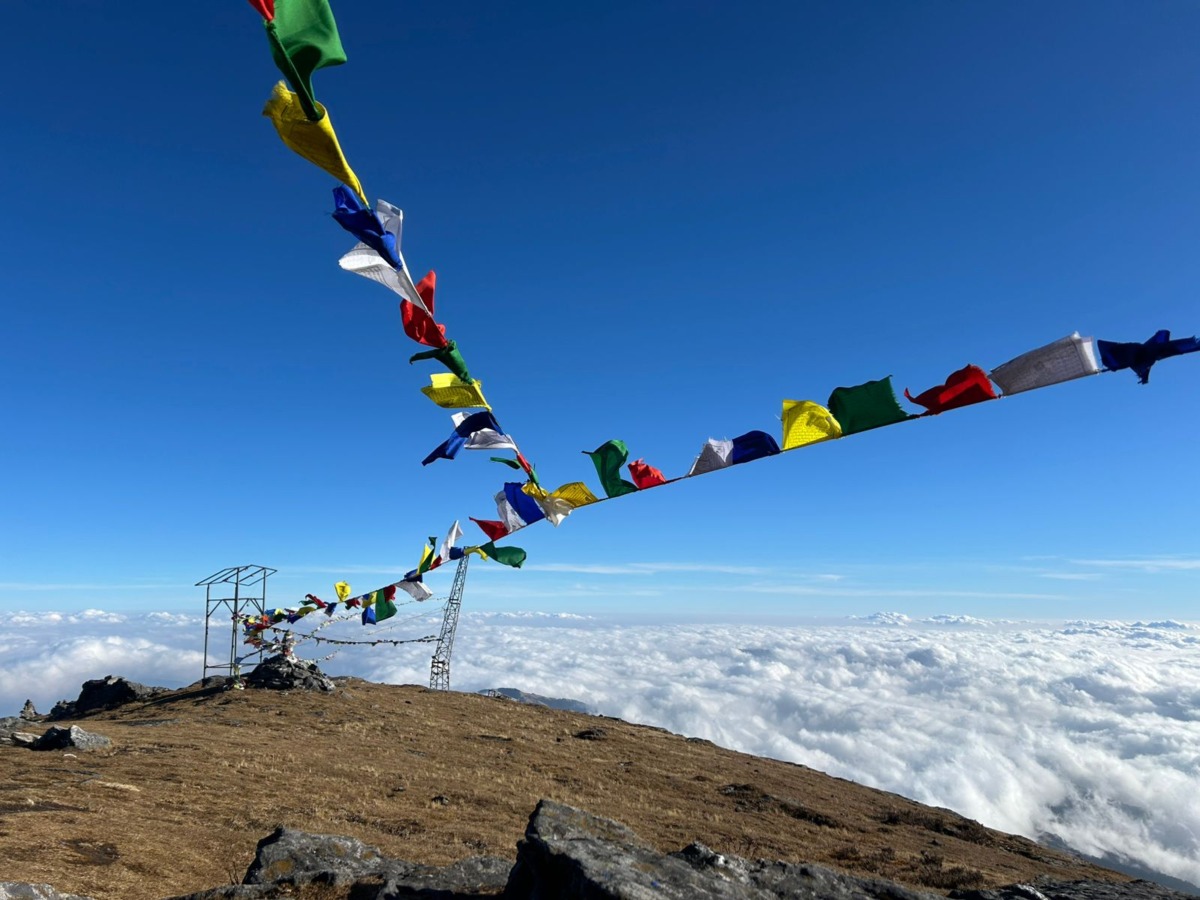
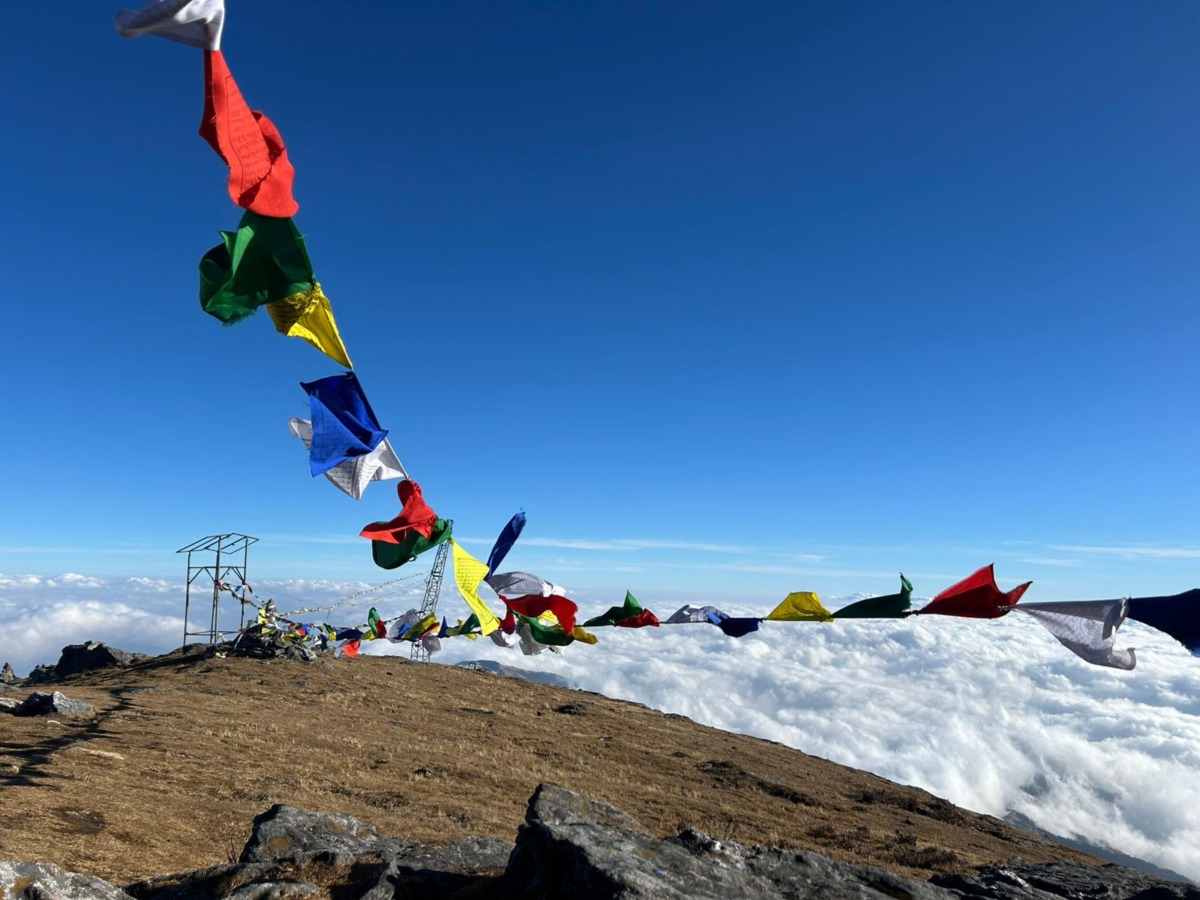
The trail becomes more open as you gain altitude, and the surrounding hills begin to reveal wider Himalayan views. During spring, rhododendron forests add color to the trail, while autumn usually offers clear skies and long-distance visibility. You may pass yak grazing areas, prayer flags, and quiet resting places before reaching Pikey Base Camp. The temperature becomes colder here, especially in the evening, so warm clothing is important. Overnight stay will be at a teahouse near Pikey Base Camp.
This is the most important and rewarding day of the Pikey Peak Trek. Early in the morning, you will hike from Pikey Base Camp to Pikey Peak, which stands at approximately 4,065 meters. The early start is worth the effort because the sunrise view from Pikey Peak is the major highlight of the trek. On a clear morning, the golden light slowly touches the Himalayan range, creating unforgettable views of Everest, Makalu, Kanchenjunga, Lhotse, Gaurishankar, Numbur Himal, and many other peaks.
After spending time at the viewpoint and taking photographs, the trail descends toward Jase Bhanjyang, located at around 3,520 meters. The walking distance for the day is around 5 kilometers, and the total walking duration is usually 4 to 5 hours depending on pace, weather, and time spent at the summit viewpoint. The descent offers peaceful landscapes, open ridges, and beautiful mountain scenery. Overnight stay will be at a local teahouse in Jase Bhanjyang.
After breakfast, the trek continues from Jase Bhanjyang to Junbesi, a beautiful village located at around 2,680 meters. The walking distance is approximately 11.02 kilometers, and the trek takes about 5 to 6 hours. The trail descends through forested areas, quiet hillsides, and traditional village landscapes. Compared with the previous high-altitude section, today’s route feels greener and more settled.
Junbesi is one of the most charming villages in the Lower Solukhumbu region. It is known for its peaceful atmosphere, traditional houses, Buddhist culture, and warm local hospitality. After reaching Junbesi, you can rest at the lodge and explore the village surroundings. This is a wonderful place to experience Sherpa culture and enjoy a slower evening after the summit day. Overnight stay will be at a teahouse in Junbesi.
Today is the final trekking day of the Pikey Peak route. After breakfast in Junbesi, you will walk toward Phaplu, located at around 2,380 meters. The trekking distance is approximately 13.26 kilometers, and the walk usually takes 5 to 6 hours. The trail passes through villages, forested paths, farmland, and gentle hills as you gradually move toward the end point of the trek.
This day gives you a final opportunity to enjoy the landscapes and local life of the Solukhumbu region. The walk is not only a physical journey but also a cultural experience, as you pass through settlements where traditional lifestyles are still part of daily life. After reaching Phaplu, you can relax and celebrate the successful completion of the walking section of the trek. Overnight stay will be at a lodge in Phaplu.
After breakfast, you will drive from Phaplu back to Kathmandu. The driving distance is approximately 280 kilometers, and the journey takes around 9 to 10 hours depending on road conditions. The road follows hills, valleys, rivers, and local towns, giving you one last scenic experience before returning to the capital.
After arriving in Kathmandu, you will be transferred to your hotel. The evening is free for rest, shopping, or enjoying a farewell dinner. You may also explore nearby areas such as Thamel, where there are restaurants, cafés, trekking shops, and souvenir stores. Overnight stay will be at a hotel in Kathmandu.
Today is your final day in Nepal. Depending on your flight schedule, a representative from Mountain Treks Nepal will transfer you to Tribhuvan International Airport for your international departure. If your flight is later in the day, you may have some free time for last-minute shopping or a short walk around Kathmandu. Your Pikey Peak Trek ends with beautiful memories of Everest views, peaceful trails, Sherpa villages, and the warm hospitality of Nepal.
Trip Includes
- Airport pick-up and drop-off services by private vehicle.
- 3-star accommodation in Kathmandu with breakfast.
- Shared/local jeep transportation from Kathmandu to the trekking starting point and from the trek ending point back to Kathmandu.
- Full-board meals during the trek (breakfast, lunch, dinner, a cup of tea, and coffee in the morning ).
- Basic ccommodation in teahouses/lodges during the trek.
- Experienced trekking leader (English-speaking, First Aid and eco-trained), Sherpa helper, and all staff expenses.
- Sagarmatha National Park entry fee and all necessary permits.
- Everest Base Camp Trek permit and TIMS card.
- Down jacket and four-season sleeping bag for use during the trek.
- Comprehensive medical kit.
Trip Excludes
- Lunch and dinner in kathmandu
- Travel and rescue insurance
- Personal trekking Equipment
- Personal expenses e.g. phone calls, laundry, hot shower, bettery re-charge,bar bills & extra porters
- Tips for guides and porters
- Any others expenses which are not mentioned on the “Trip Includes” Section
Trip Photo Gallery

Packing List For Pikey Peak Trek

General
- Four-season (zero degree) sleeping bag
- Sleeping bag liner
- Puffy down jacket
- Daypack (35-45 liters) with rain cover

Upper Body
- Warm Hat
- Sunglasses
- Scarf/Neck Gaiter/Buff (highly recommended)

Torso
- Moisture-wicking base layers
- Insulating layers (fleece jacket)
- Puffy down jacket
- Waterproof and windproof outer shell jacket

Lower Body
- Quick-drying trekking pants
- Thermal leggings (for high altitudes)
- Waterproof and windproof pants
- Sturdy hiking boots
- Moisture-wicking trekking socks
- Shorts (for lower altitudes or warmer days)

Hands
- Insulated gloves or mittens
- Liner gloves (for added warmth or dexterity)
- Waterproof outer gloves or mittens
- Hand warmers (optional, for extra cold conditions)
- Sunscreen (for protecting your hands from sunburn at high altitudes)
- Hand sanitizer or wet wipes
- Small repair kit (including duct tape for any handwear repairs)

Feet
- Tough hiking boots
- Trekking socks that wick away moisture
- Optional liner socks for increased comfort
(To prevent snow and debris out of your boots) gaiters - Foot warmers—optional in very cold climates
extra laces - Supplies for treating blisters

Medicines and First Aid Kits
- Personalized first aid kit
- Bandages and adhesive tape
- Antiseptic wipes
- Pain relievers
- Anti-diarrheal medication
- Altitude sickness medication
- Sunburn relief cream
- Cough Syrup

Other Equipments
- Passport and Documents
- Trekking poles for stability
- Water bottles or hydration system
- Water purification tablets or filter
- Lightweight towel and toiletries
- Sunscreen and lip balm with SPF
- Insect repellent
- Portable charger or solar charger
Frequently Asked Questions
The Pikey Peak Trek is a short and scenic trekking route in the Lower Solukhumbu region of Nepal. It is best known for its peaceful trails, Sherpa villages, Buddhist culture, rhododendron forests, and panoramic sunrise views of Mount Everest and other Himalayan peaks from Pikey Peak at around 4,065 meters.
This Pikey Peak Trek package takes 9 days from arrival in Kathmandu to final departure. The actual trekking section begins from Dhap Bazaar and ends at Phaplu, while the full itinerary includes arrival, road transfers, trekking days, return to Kathmandu, and airport departure.
The highest altitude of this trek is Pikey Peak, which is approximately 4,065 meters above sea level. This viewpoint offers wide Himalayan views and is the main highlight of the trek.
Yes, the Pikey Peak Trek is suitable for beginners who have basic fitness and can walk for 4 to 6 hours a day. The trek does not require technical climbing skills, but it includes uphill and downhill walking, so some preparation before the trip is recommended.
The Pikey Peak Trek is generally considered easy to moderate. The walking days are manageable, but the route still includes mountain trails, altitude gain, forest paths, and ridge sections. Trekkers should be prepared for changing weather and several hours of walking each day.
On a clear day, trekkers can see Mount Everest, Lhotse, Makalu, Kanchenjunga, Gaurishankar, Numbur Himal, and many other Himalayan peaks from the Pikey Peak viewpoint. The sunrise view from the summit area is one of the best reasons to choose this trek.
Pikey Peak and Everest Base Camp are different experiences. Everest Base Camp is longer, higher, busier, and more physically demanding, while Pikey Peak is shorter, quieter, lower in altitude, and easier to complete. Pikey Peak is better for travelers who want Everest views, Sherpa culture, and peaceful trails in a shorter time.
No, this itinerary does not require a flight to Lukla. The trek starts with a drive from Kathmandu to Dhap Bazaar and ends with a drive from Phaplu back to Kathmandu. This makes the trek a good option for travelers who want to avoid possible Lukla flight delays.
The best time for the Pikey Peak Trek is spring from March to May and autumn from September to November. These seasons usually offer clear skies, comfortable temperatures, better mountain visibility, and good trail conditions. Winter is also possible with proper warm clothing, while monsoon is less recommended because of rain and clouds.
Yes, Pikey Peak Trek can be done in winter, especially from December to February, but trekkers should be prepared for cold mornings, cold nights, and possible snow near higher sections. Winter can offer very clear mountain views, but warm gear is essential.
Accommodation on the Pikey Peak Trek is usually in teahouses, lodges, and simple local guesthouses. Rooms are basic and often twin-sharing, with shared toilets and common dining areas. Facilities are simple but comfortable enough for a short Himalayan trek.
Food during the trek usually includes dal bhat, noodles, soups, fried rice, potatoes, eggs, porridge, pancakes, tea, coffee, and seasonal local meals. Dal bhat is the most common and filling meal for trekkers because it provides good energy for walking.
Yes, drinking water is available at lodges and villages along the route, but trekkers should drink boiled, filtered, or purified water. Carrying a reusable bottle with purification tablets or a water filter is recommended for safety and environmental reasons.
A guide is strongly recommended for the Pikey Peak Trek. A licensed guide helps with navigation, local communication, lodge arrangements, safety, cultural explanation, and emergency support. Trekking with a registered agency also makes permit and logistics management easier.
Permit requirements can vary depending on the current rules and the exact route. Trekkers may need trekking documentation such as TIMS and applicable local permits where required. Mountain Treks Nepal will check the latest rules and arrange the necessary permits before the trek.
Most trekking days involve around 4 to 6 hours of walking. The walking duration depends on your pace, weather, trail conditions, and rest stops. The itinerary is designed to be comfortable and suitable for trekkers with average fitness.
Altitude sickness is possible because the trek reaches 4,065 meters, but the risk is generally lower than on higher treks such as Everest Base Camp. Trekkers should walk slowly, drink enough water, avoid rushing, eat properly, and inform the guide if they feel unwell.
Trekkers should pack warm layers, a waterproof jacket, comfortable trekking pants, broken-in hiking boots, warm socks, gloves, a woolen hat, sun hat, sunglasses, sunscreen, a reusable water bottle, personal medicine, toiletries, a headlamp, and a sleeping bag suitable for cold nights. Packing light but warm is important for this trek.
Yes, families with active members can join the Pikey Peak Trek. The route is shorter and less demanding than many high-altitude treks in Nepal, making it suitable for families with older children, parents, and first-time trekkers who are comfortable walking several hours per day.
Booking the Pikey Peak Trek with Mountain Treks Nepal gives you local expertise, experienced guides, organized transportation, teahouse arrangements, permit assistance, safety support, and a carefully planned itinerary. As a Nepal-based trekking company, Mountain Treks Nepal helps you experience the route in a safe, authentic, and meaningful way.
Sarah Mitchell (United Kingdom)
April 28, 2026 at 1:30 pmPeaceful Trek with Stunning Himalayan Views
⭐⭐⭐⭐⭐
The Pikey Peak Trek was one of the most beautiful and peaceful treks I’ve ever done. The sunrise over Everest and the surrounding Himalayan peaks was unforgettable. Our guide Ram was friendly, knowledgeable, and always made sure we were comfortable. Thanks to Mr. Bharat for organizing everything perfectly. I highly recommend Mountain Treks Nepal.
Daniel Foster (Australia)
October 8, 2024 at 7:31 pmHidden Gem of Nepal
If you’re looking for a less crowded trek with incredible mountain scenery, Pikey Peak is the perfect choice. Our guide Roshan was fantastic and shared so much about Sherpa culture and local traditions. Porter Lakpa worked incredibly hard and was always smiling. Mr. Bharath made the entire booking process easy and stress-free. Mountain Treks Nepal provided outstanding service from start to finish.
Emma Rodriguez (Spain)
November 5, 2022 at 3:33 pmAmazing Short Trek and Excellent Service
The Pikey Peak Trek exceeded all my expectations. The villages, forests, monasteries, and panoramic Himalayan views made every day special. Our guide Dipak was professional, patient, and very experienced, while porter Kiran was incredibly helpful throughout the trek. I would definitely choose Mountain Treks Nepal again.