



Share This:
The Ultimate Guide to the Top Trekking Routes in Nepal
The top trekking routes in Nepal offer an unmatched blend of towering Himalayan peaks, ancient cultures, and diverse landscapes. If you are looking for the absolute best places to hike, the choice depends entirely on your experience level, time, and goals.
For first-time trekkers and those short on time, the Ghorepani Poon Hill Trek offers spectacular views with moderate effort. For those seeking the ultimate high-altitude bucket-list achievement, the Everest Base Camp Trek stands as the pinnacle of adventure. Meanwhile, seasoned hikers looking to escape the crowds often turn to the remote beauty of the Manaslu Circuit.
With eight of the world’s fourteen highest peaks located within its borders, Nepal is the undisputed trekking capital of the world. However, navigating the sheer number of trails can be overwhelming. This comprehensive guide breaks down the finest trekking routes in Nepal, comparing their difficulty, cultural highlights, and landscapes to help you choose the perfect Himalayan adventure.
The Classic Himalayan Trails: Most Popular Treks
When travelers dream of trekking in Nepal, they are usually picturing these legendary routes. They feature excellent “teahouse” infrastructure, meaning you will sleep in mountain lodges and eat hot meals along the way rather than camping.
Everest Base Camp (EBC) Trek
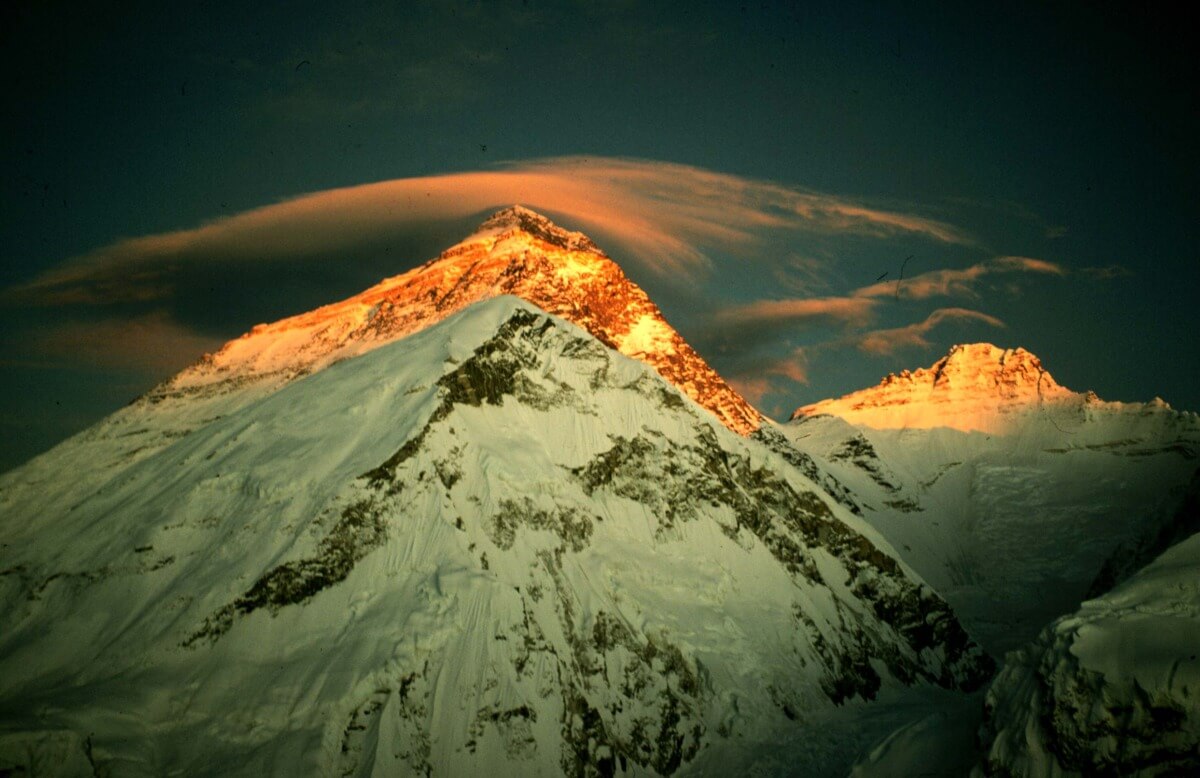
The journey to the base of the world’s highest mountain is arguably the most famous trek on the planet. Starting with a thrilling flight into the mountain airstrip of Lukla, the trail winds through the Khumbu Valley, deep into the heart of Sherpa culture.
You will pass iconic landmarks such as the Tengboche Monastery and the Khumbu Glacier. The trek culminates at Everest Base Camp (5,364m) and includes a morning ascent of Kala Patthar (5,545m) for the most spectacular, unobstructed sunrise views of Mount Everest.
-
Duration: 12–14 days
-
Max Altitude: 5,545m (Kala Patthar)
-
Difficulty: Strenuous
-
Best For: High-altitude adventure and standing at the foot of the world’s highest peak.
Annapurna Base Camp (ABC) Trek
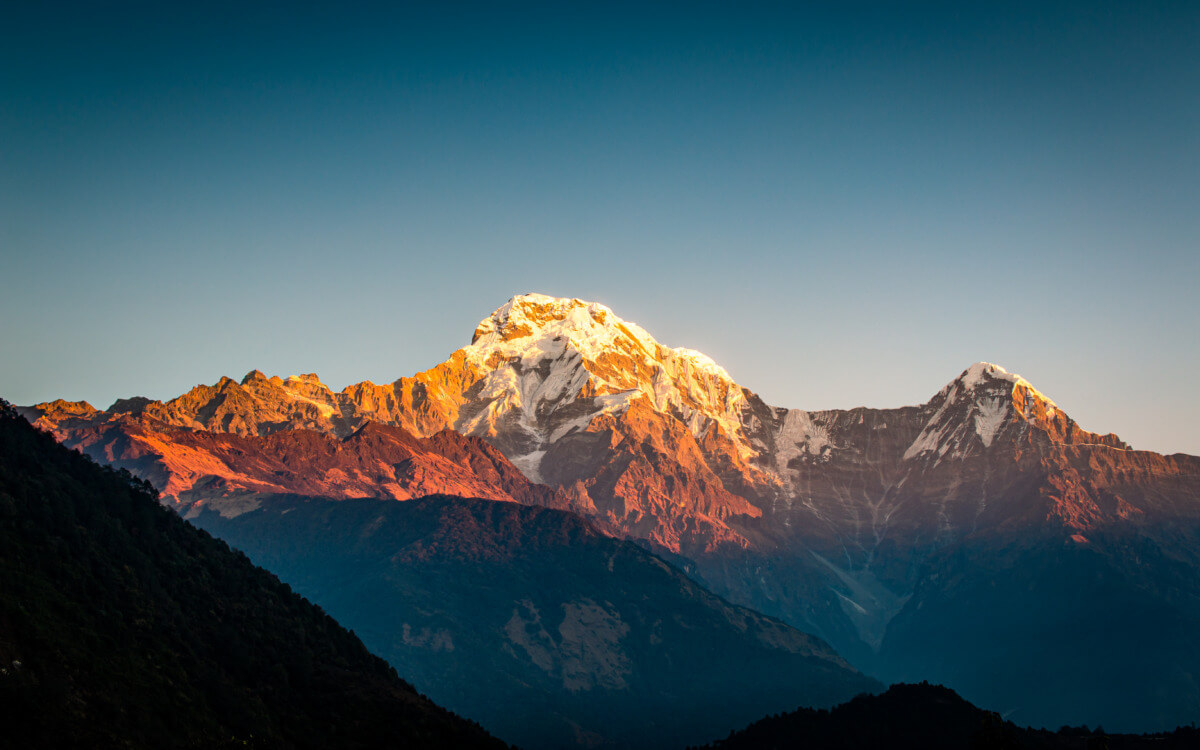
If Everest is about sheer scale, the Annapurna Base Camp trek is about stunning ecological diversity. The trail begins in the lush, subtropical foothills near Pokhara, passing through terraced rice paddies and dense rhododendron forests before ascending into the stark, high-altitude Annapurna Sanctuary.
At the base camp (4,130m), you are surrounded by a 360-degree amphitheater of towering, snow-capped peaks, including Annapurna I, Machapuchare (Fishtail), and Hiunchuli. It offers a slightly lower maximum altitude than EBC, making it slightly more accessible.
-
Duration: 7–11 days
-
Max Altitude: 4,130m
-
Difficulty: Moderate to Strenuous
-
Best For: Incredible mountain panoramas and diverse landscapes over a shorter timeline.
Annapurna Circuit Trek
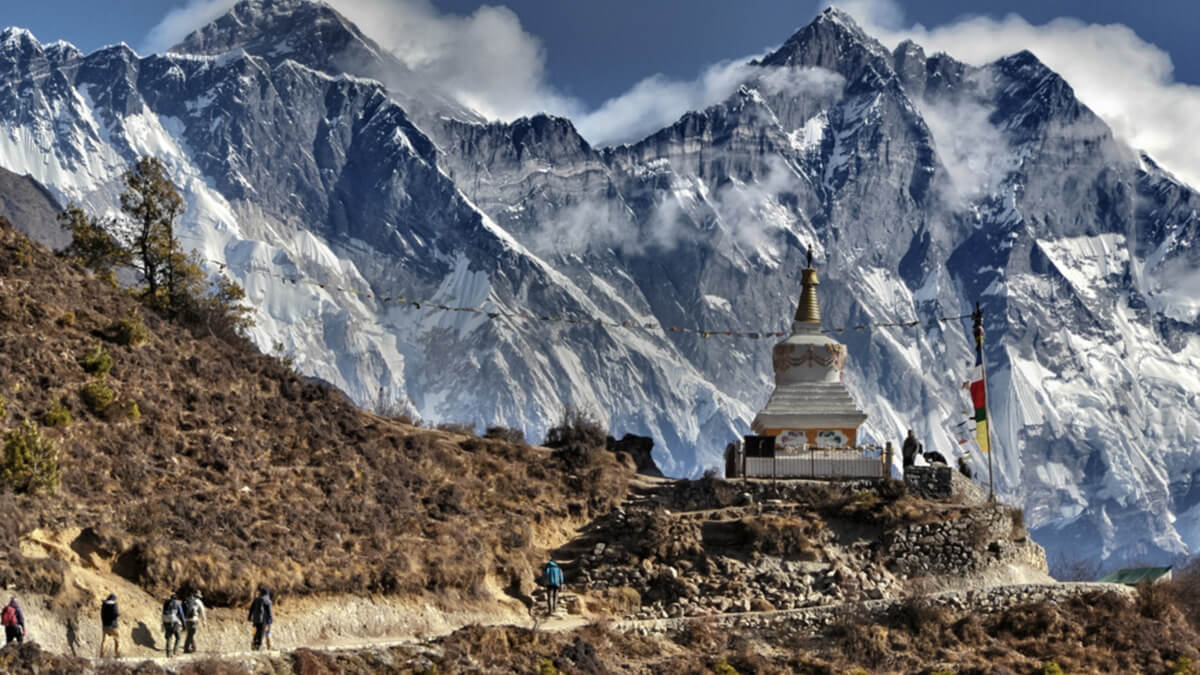
Historically considered one of the greatest long-distance treks in the world, the Annapurna Circuit circumnavigates the entire Annapurna Massif. The trail offers a dramatic cross-section of Nepal, starting in lush green valleys and ending in the arid, high-altitude Tibetan plateau environment of the Mustang region.
The physical climax of the trek is crossing the formidable Thorong La Pass at 5,416 meters. Road construction has shortened the traditional route in recent years, but it remains a culturally rich and physically demanding adventure.
-
Duration: 12–18 days
-
Max Altitude: 5,416m (Thorong La Pass)
-
Difficulty: Strenuous
-
Best For: Experiencing changing climate zones, crossing a major mountain pass, and long-distance trekking.
Off-the-Beaten-Path & Restricted Area Treks
For those who have already completed the classic routes, or who simply prefer solitude over social teahouses, Nepal’s restricted areas offer pristine wilderness and untouched cultural experiences.
Manaslu Circuit Trek

Rapidly gaining a reputation as the “new Annapurna Circuit,” the Manaslu Circuit is one of the top trekking routes in Nepal for experienced hikers seeking fewer crowds. It circles Mount Manaslu, the eighth highest mountain in the world.
Because it is a restricted area, you must trek with a registered guide. The route is culturally fascinating, heavily influenced by Tibetan Buddhism, and features a challenging crossing of the Larkya La Pass (5,106m). The trails are rugged, and the mountain views are exceptionally dramatic.
-
Duration: 14–16 days
-
Max Altitude: 5,106m (Larkya La Pass)
-
Difficulty: Strenuous
-
Best For: Avoiding crowds, rugged trails, and authentic Himalayan culture.
Upper Mustang Trek
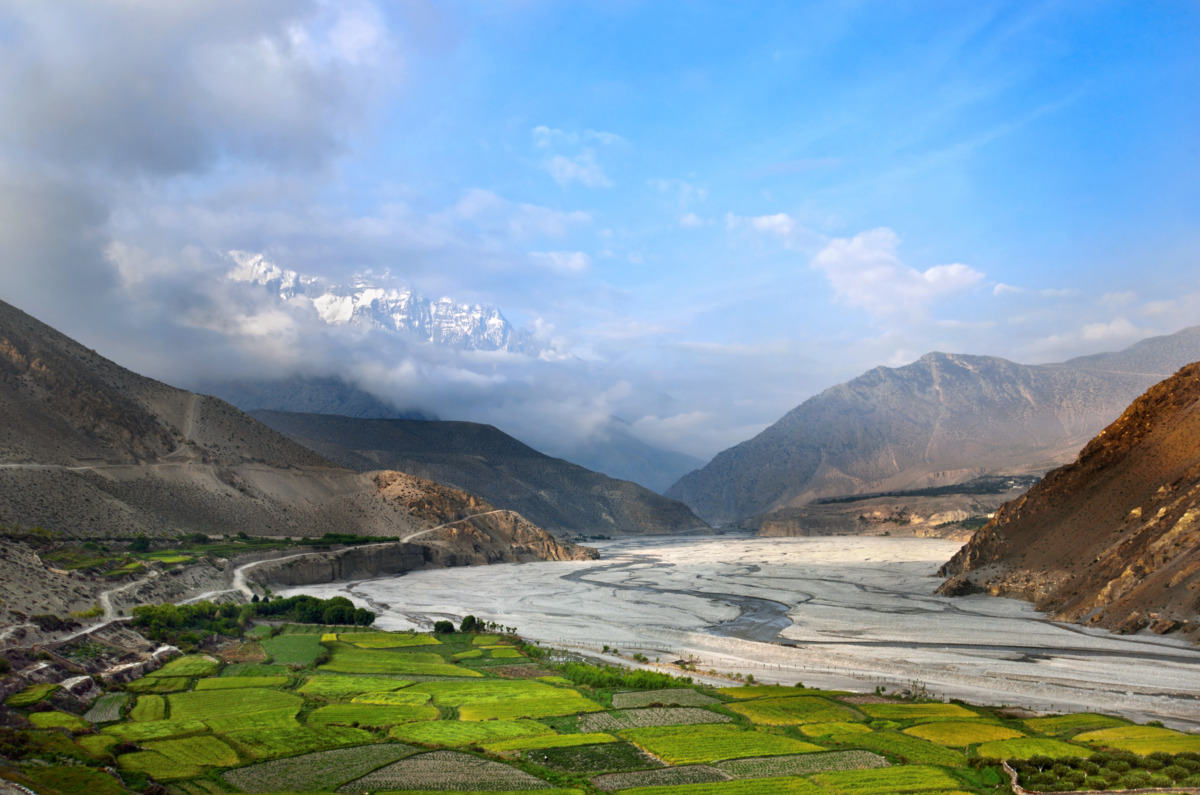
Trekking into Upper Mustang is like stepping back in time. This arid, high-altitude desert region lies in the rain shadow of the Himalayas, meaning it can be trekked even during the summer monsoon season.
Formerly an independent Tibetan kingdom, Upper Mustang was closed to foreigners until 1992. The trek leads to the walled capital city of Lo Manthang. Instead of snowy peaks, you will hike past striking, wind-eroded sandstone cliffs, ancient cave dwellings, and centuries-old Buddhist monasteries.
-
Duration: 10–14 days
-
Max Altitude: 3,810m
-
Difficulty: Moderate
-
Best For: Tibetan culture, arid desert landscapes, and monsoon-season trekking.
Looking to escape the crowds on a restricted route? Organizing permits for restricted areas like Manaslu and Mustang requires navigating complex government regulations. Let the experts at Mountain Treks Nepal handle the paperwork and logistics while you focus on the adventure.
Short & Beginner-Friendly Trekking Routes in Nepal
Not everyone has two weeks or the desire to hike above 5,000 meters. Nepal offers several world-class shorter treks that provide incredible views without the extreme physical demands or risks of severe altitude sickness.
Ghorepani Poon Hill Trek
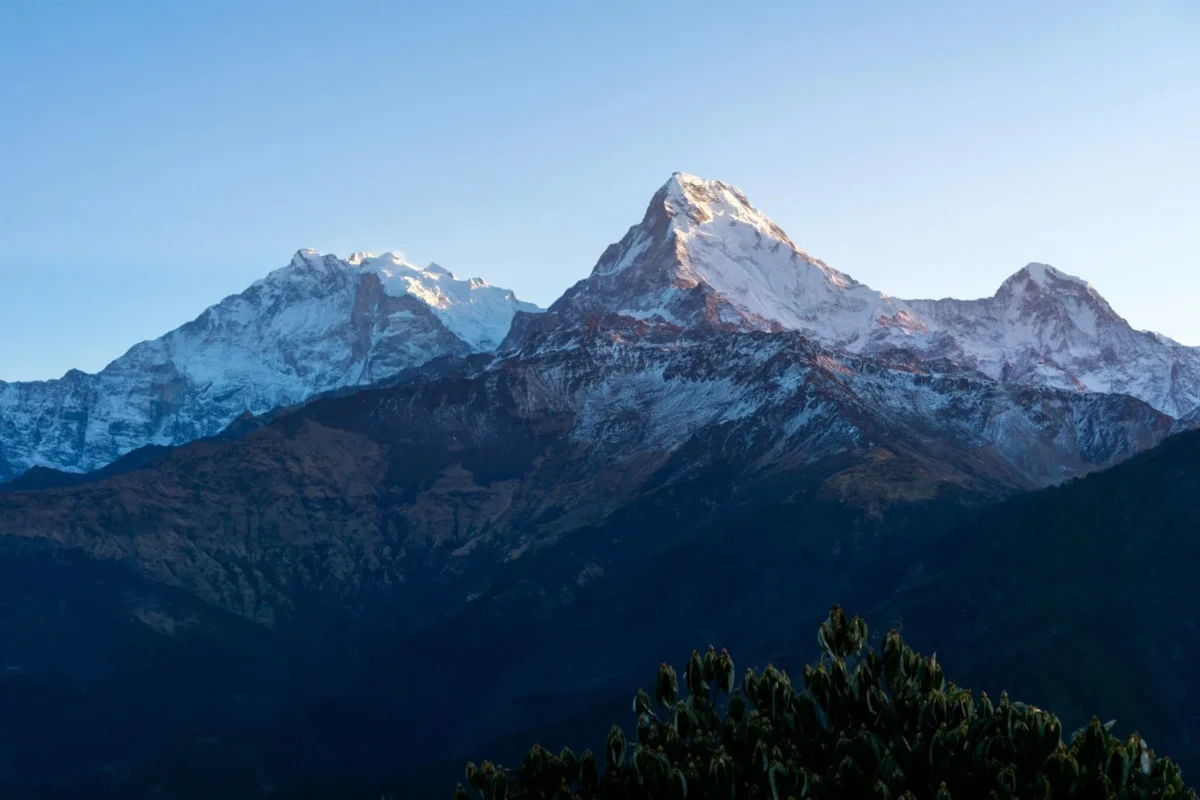
This is the premier short trek in the Annapurna region. It requires no high-altitude acclimatization days, making it perfect for families, beginners, or travelers on a tight schedule. The highlight is the early morning hike up Poon Hill (3,210m) to witness the sunrise illuminating the Dhaulagiri and Annapurna mountain ranges.
-
Duration: 3–5 days
-
Max Altitude: 3,210m (Poon Hill)
-
Difficulty: Easy to Moderate
-
Best For: Beginners, families, and those with limited time who still want epic views.
Langtang Valley Trek
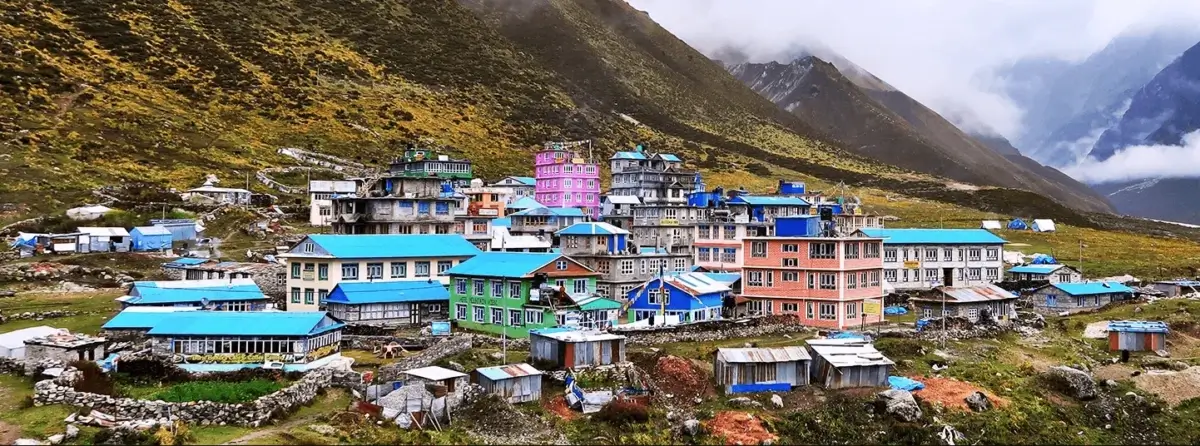
The Langtang Valley, often called the “Valley of Glaciers,” is the closest major trekking region to Kathmandu, eliminating the need for domestic flights. The trail follows the Langtang River through dense pine forests up to wide, alpine meadows surrounded by snow-capped peaks.
The region was heavily impacted by the 2015 earthquake, but the local Tamang communities have beautifully rebuilt the teahouses. Trekking here directly supports the local economy and offers a deeply rewarding cultural experience.
-
Duration: 7–9 days
-
Max Altitude: 4,984m (Tserko Ri viewpoint)
-
Difficulty: Moderate
-
Best For: Easy access from Kathmandu, avoiding domestic flights, and supporting local communities.
Comparing the Best Treks: Which Route is Right for You?
Choosing among the trekking routes in Nepal comes down to your timeframe, fitness level, and what you want to see. Use this comparison table to guide your decision.
| Trekking Route | Average Duration | Max Altitude | Difficulty | Main Highlight | Crowd Level |
| Everest Base Camp | 12-14 Days | 5,545m | Strenuous | Standing at the foot of Everest | High |
| Annapurna Base Camp | 7-11 Days | 4,130m | Mod/Strenuous | 360-degree mountain amphitheater | High |
| Manaslu Circuit | 14-16 Days | 5,106m | Strenuous | Remote wilderness and Tibetan culture | Low |
| Annapurna Circuit | 12-18 Days | 5,416m | Strenuous | Crossing the epic Thorong La Pass | Medium/High |
| Upper Mustang | 10-14 Days | 3,810m | Moderate | Ancient caves and arid desert landscapes | Low |
| Langtang Valley | 7-9 Days | 4,984m | Moderate | Glaciers and easy access from Kathmandu | Medium |
| Poon Hill | 3-5 Days | 3,210m | Easy/Moderate | Accessible sunrise views of the Himalayas | High |
Essential Preparation for Trekking in Nepal
Trekking in the Himalayas requires thoughtful preparation regarding logistics, health, and timing.
Understanding Permits and Regulations
Almost all trekking routes in Nepal require specific permits.
-
TIMS Card (Trekkers’ Information Management System): Required for most standard treks.
-
National Park / Conservation Area Permits: Depending on your route (e.g., Sagarmatha National Park entry for EBC, or ACAP for Annapurna).
-
Restricted Area Permits (RAP): Required for border regions like Manaslu and Upper Mustang. These are expensive and must be arranged through a registered local agency like Mountain Treks Nepal. Independent trekking is banned in these areas.
The Best Time to Trek
Timing your trip correctly can make or break your experience.
-
Autumn (Late September to November): The absolute best time. The monsoon rains have cleared the dust from the air, offering crystal-clear mountain views and stable temperatures.
-
Spring (March to May): The second most popular season. The weather is warmer, and the lower-elevation trails explode with blooming rhododendron forests.
-
Winter (December to February): Skies are clear, but high-altitude temperatures drop drastically, and some major passes (like Thorong La) may close due to snow.
-
Monsoon/Summer (June to August): Generally avoided for standard treks due to rain, leeches, and obscured views. However, rain-shadow regions like Upper Mustang and Upper Dolpo are excellent during this time.
FAQs
Which place is best for trekking in Nepal?
The best place for trekking in Nepal depends entirely on your goals. For viewing the world’s highest peaks, the Khumbu (Everest) region is unmatched. For diverse landscapes ranging from jungles to alpine deserts, the Annapurna region is best. For remote, uncrowded cultural experiences, the Manaslu and Mustang regions are the top choices.
Which is harder, EBC or ABC?
Everest Base Camp (EBC) is significantly harder than Annapurna Base Camp (ABC). EBC requires 12-14 days of trekking and reaches a maximum altitude of 5,545m, increasing the risk of altitude sickness. ABC is shorter (7-11 days), peaks at a much lower 4,130m, and has more oxygen available, making it less physically demanding.
What is the longest trek route in Nepal?
The longest single trekking route in Nepal is the Great Himalaya Trail (GHT). The continuous high-route version stretches approximately 1,700 kilometers across the entire length of the country from east to west. Completing the entire GHT in one push takes experienced mountaineers between 90 and 150 days.
Which trek is the most beautiful in Nepal?
Beauty is subjective, but the Annapurna Base Camp trek is frequently cited as the most beautiful due to its dramatic transition from lush, green rhododendron forests to a stark, icy sanctuary surrounded by 360-degree mountain walls. The Gokyo Lakes trek in the Everest region is also renowned for its stunning, turquoise glacial lakes.
Whether you want to stand face-to-face with Mount Everest, explore the hidden valleys of Manaslu, or enjoy a short sunrise hike to Poon Hill, your adventure begins here. With over 15 years of experience, Mountain Treks Nepal provides expert guides, seamless logistics, and unforgettable Himalayan experiences.