



Share This:
Manaslu Circuit Trek Difficulty: Challenges, Preparation, and Expert Tips
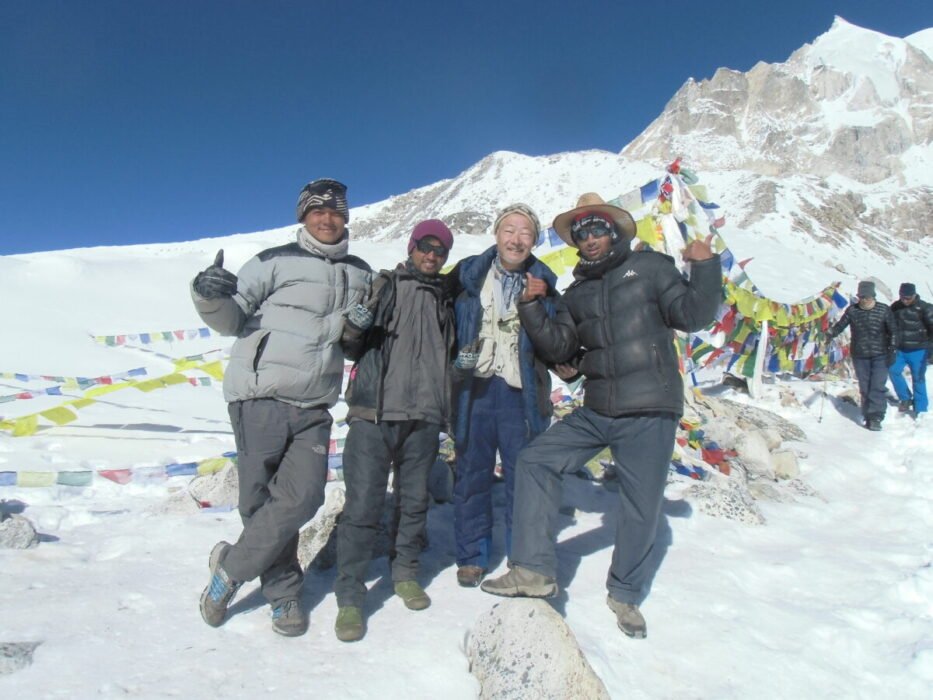
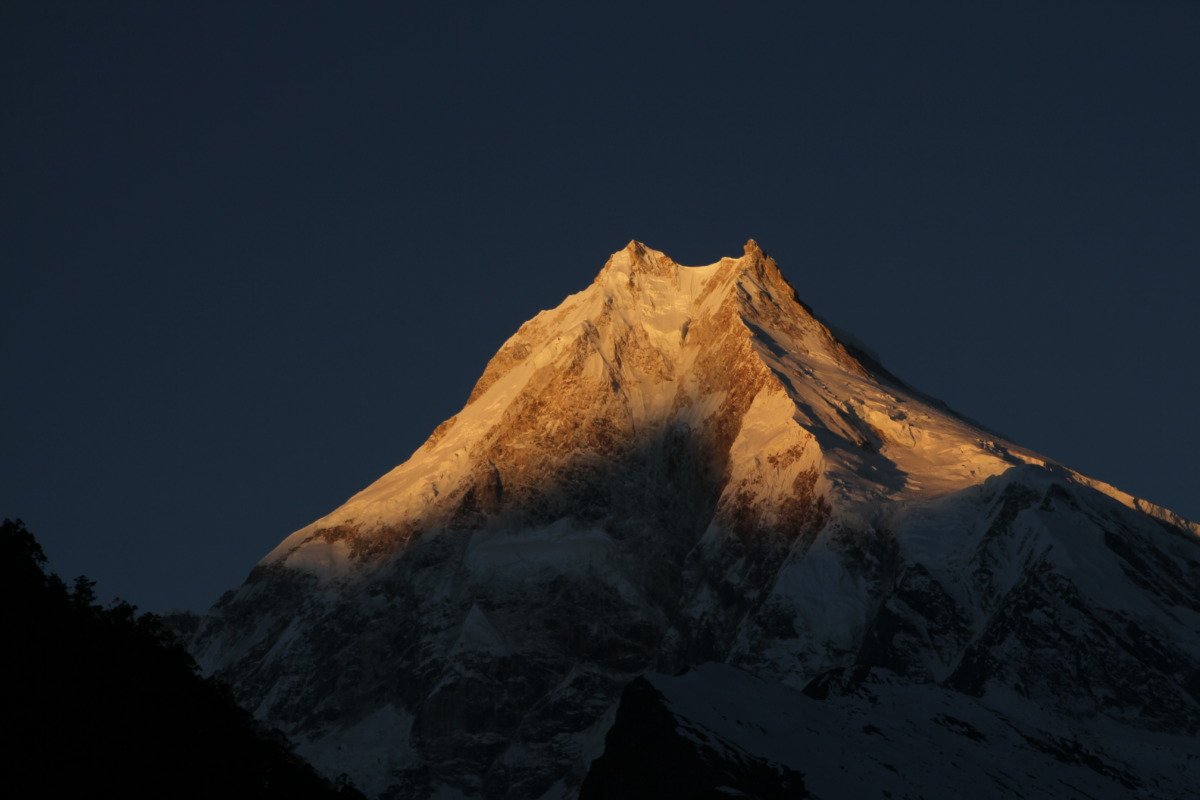
The Manaslu Circuit Trek is classified as a moderate-to-strenuous high-altitude teahouse trek in Nepal. Covering approximately 130 to 180 kilometers (80–112 miles) depending on your exact starting point and side trips, the route circles the world’s eighth-highest mountain, Mount Manaslu (8,163m / 26,781ft). Trekkers walk between 5 to 8 hours daily over rugged, varied terrain, reaching a maximum elevation of 5,106 meters (16,752 feet) at Larkya La Pass. While technical climbing skills or mountaineering equipment are not required, success demands strong cardiovascular endurance, leg strength, proper high-altitude acclimatization, and mental resilience.
Understanding the Overall Difficulty of the Manaslu Circuit Trek

When evaluating the Manaslu Circuit Trek difficulty, it is essential to look beyond raw distance. Unlike commercial trails with paved stone staircases, the Manaslu region remains a restricted-area wilderness route that transitions from dense, warm subtropical river valleys into high-alpine glacial passes.
Trekkers begin at relatively low elevations often starting from Soti Khola or Maccha Khola (approx. 700 to 900 meters) and steadily ascend along the Budhi Gandaki River gorge. This dramatic shift in altitude over a period of 10 to 14 days exposes your body to significant environmental changes, demanding continuous physical adaptation.
The route demands consistent physical output every single day. You are not simply walking on flat dirt tracks; you are navigating loose scree, rocky moraines, narrow cliff-side paths, and steep natural staircases while carrying a daypack.
Core Challenge Factors on the Manaslu Circuit
1. Altitude and Elevation Gain (Crossing Larkya La Pass)
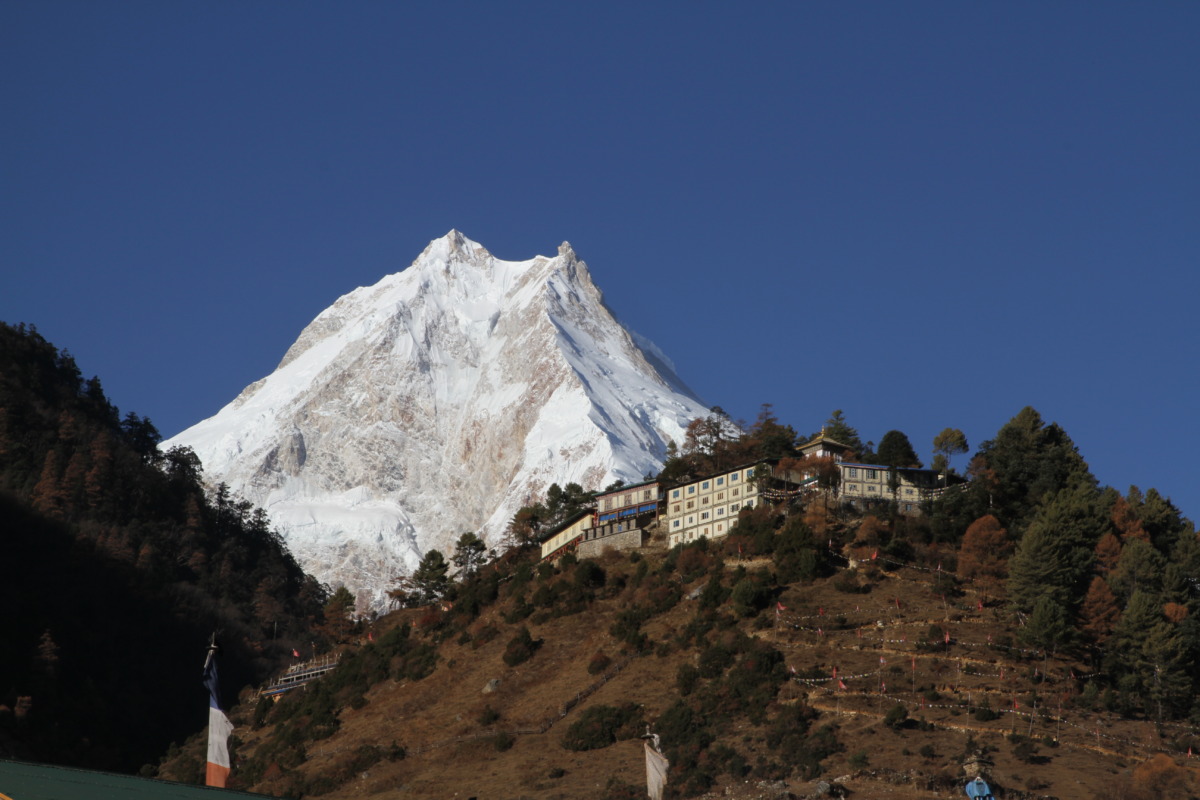
Altitude is the single greatest factor contributing to the trek’s difficulty rating. As you climb above 3,000 meters (9,842 feet), atmospheric pressure drops, reducing the density of available oxygen per breath.
The high point of the trek, Larkya La Pass (5,106m), requires an early-morning start (typically around 3:00 AM to 4:00 AM) from Dharamsala (4,460m). The push to the summit takes 4 to 5 hours of uphill trekking through freezing temperatures, followed by a steep, knee-jarring descent to Bimthang (3,720m). Preventing Acute Mountain Sickness (AMS) requires a slow pace, deliberate hydration, and designated rest days in villages like Samagaun (3,530m) or Samdo (3,860m).
2. Daily Trekking Distance and Terrain Complexity
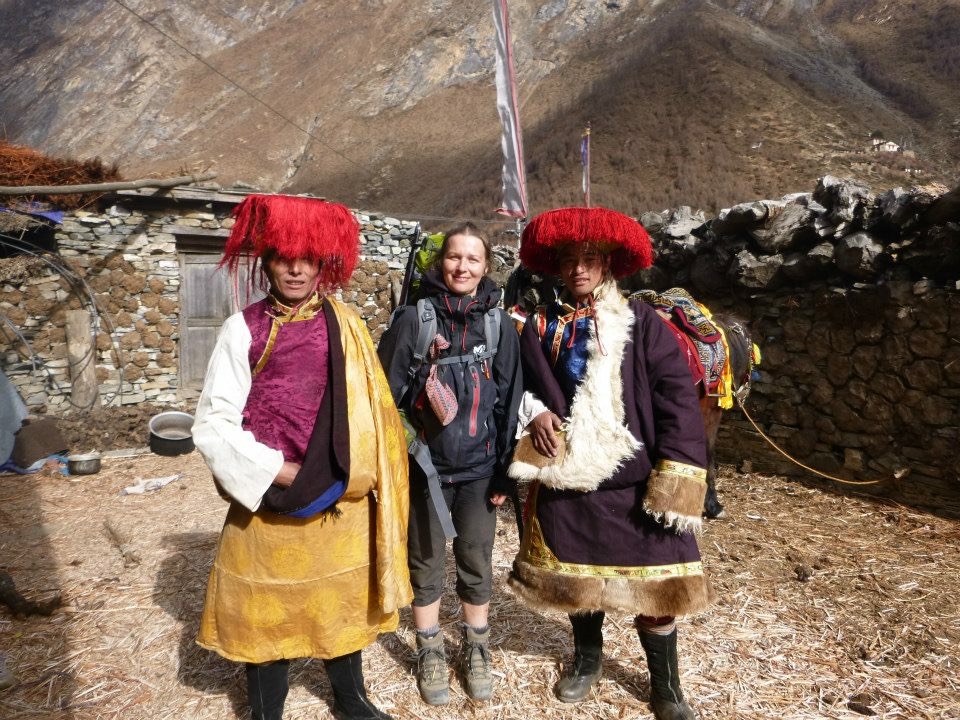
Over the course of the Manaslu Circuit, you will walk an average of 12 to 18 kilometers per day. In mountain terrain, distance is measured in hours rather than miles:
-
Valleys and Gorges: Rolling uphills and downhills (Nepali flat) along suspension bridges and riverbanks.
-
High Alpine Zones: Glacial moraine, ice-slick rocks, and unstable scree fields near the pass.
-
Descent Challenges: The 1,400-meter descent from Larkya La down to Bimthang places severe impact stress on ankles and knees, requiring steady footing and trekking poles.
3. Weather Conditions and Temperature Fluctuations
Weather varies dramatically depending on elevation and season:
-
Subtropical Lowlands: Daytime temperatures can reach 20°C to 25°C (68°F–77°F), leading to heat exposure and sweat loss.
-
High Pass Region: Temperatures at Dharamsala and Larkya La regularly drop below freezing, reaching -10°C to -15°C (14°F to 5°F) during autumn and spring nights. High winds on the pass further increase wind-chill risks.
4. Remoteness and Infrastructure Realities
The Manaslu Circuit is far less commercialized than the Everest or Annapurna regions. Teahouses offer clean, comfortable, but basic amenities. As you gain elevation, heating is confined to common dining halls, hot showers become scarce or carry extra fees, and cellular connectivity drops completely. Medical facilities are minimal beyond basic health posts in larger villages, making self-care, proper gear, and experienced guide leadership essential.
Manaslu Circuit vs. Other Popular Treks in Nepal
To understand how hard the Manaslu Circuit Trek is, it helps to compare it to Nepal’s other iconic routes.
| Metric / Feature | Manaslu Circuit Trek | Everest Base Camp (EBC) | Annapurna Circuit Trek |
| Max Elevation | 5,106m (Larkya La) | 5,545m (Kala Patthar) | 5,416m (Thorong La) |
| Overall Distance | 130 – 180 km | 130 km (Round Trip) | 160 – 200 km |
| Average Daily Walk | 6 – 8 Hours | 5 – 7 Hours | 5 – 7 Hours |
| Terrain Style | Wild, narrow gorges, scree | Rock, moraine, stone stairs | Vehicle dirt roads & trail |
| Crowd Level | Moderate (Restricted Area) | Very High | High to Moderate |
| Guide Requirement | Mandatory (Min 2 trekkers) | Optional (Rules vary) | Mandatory (TAAN rules) |
| Relative Difficulty | Strenuous (4/5) | Strenuous (4/5) | Moderate-Strenuous (3.5/5) |
How to Prepare for the Manaslu Circuit Trek

Successful completion of the Manaslu Circuit depends on preparation months before arriving in Nepal.
1. Physical Fitness and Cardiovascular Training
Begin training 8 to 12 weeks prior to your departure. Focus on three main pillars:
-
Aerobic Endurance: 3 to 4 sessions weekly of running, cycling, swimming, or stair-master workouts to build lung capacity and heart health.
-
Weighted Hiking: The most specific preparation is walking on incline trails carrying a 5 to 8 kg (11–18 lbs) backpack.
-
Leg & Core Strength: Incorporate bodyweight squats, lunges, step-ups, and core stability exercises to prepare your joints for multi-hour downhill ascents and descents.
2. Acclimatization Strategy and Sickness Prevention
Altitude sickness affects individuals regardless of baseline fitness. Adhere to key high-altitude safety guidelines:
-
Ascent Limits: Do not increase your sleeping altitude by more than 300 to 500 meters per day above 3,000 meters.
-
Climb High, Sleep Low: Use rest days in Samagaun to take acclimatization hikes up to Pungyen Gompa or Birendra Lake before returning to sleep at lower elevations.
-
Hydration: Drink 3 to 4 liters of clean, treated water daily. Avoid alcohol and sedatives.
-
Proactive Care: Carry Acetazolamide (Diamox) after consulting your medical physician, and notify your guide immediately if you experience early symptoms of AMS (headache, nausea, dizziness).
3. Essential Gear and Footwear
Invest in reliable equipment to buffer against harsh weather:
-
Footwear: Sturdy, broken-in high-top trekking boots with strong ankle support and Vibram-style soles.
-
Layering System: Thermal base layers, fleece mid-layers, windproof/waterproof hard shell jacket, and a down jacket rated to -15°C.
-
Trekking Poles: Adjustable poles drastically reduce knee joint impact during steep downhill sections.
Safety Guidelines and Mandatory Guide Regulations
Under Government of Nepal immigration regulations, the Manaslu Circuit is classified as a Restricted Trekking Area.
Important Regulatory Notice: Trekkers cannot trek solo in the Manaslu region. You must be accompanied by a licensed Nepalese trekking guide and be part of a registered group of at least two trekkers. Permits required include the Manaslu Restricted Area Permit (RAP), Manaslu Conservation Area Project (MCAP) permit, and Annapurna Conservation Area Project (ACAP) permit.
Partnering with an experienced, safety-focused operator like Mountain Treks Nepal ensures that permit compliance, emergency evacuation logistics, satellite communication, and high-altitude safety protocols are professionally managed. Explore our comprehensive high-altitude trekking packages in Nepal to learn how guided support maximizes safety on remote routes.
Frequently Asked Questions
Is Manaslu harder than Everest?
In terms of pure technical trekking difficulty, many guides consider the Manaslu Circuit harder than Everest Base Camp (EBC). While EBC reaches a higher peak elevation at Kala Patthar (5,545m), Manaslu features rougher, narrower trails, longer daily walking stages, and a more demanding pass crossing over Larkya La (5,106m) with remote, limited teahouse infrastructure.
Which is the hardest trek in Nepal?
The hardest popular trekking routes in Nepal include the Great Himalaya Trail (GHT), Kanchenjunga North and South Circuit, and high-pass crossings like Everest Three Passes Trek and Dhaulagiri Circuit. The Manaslu Circuit is categorized as strenuous, making it harder than moderate routes like Ghorepani Poon Hill, but more accessible than full mountaineering expeditions.
Can a beginner climb Manaslu?
If “climbing Manaslu” refers to reaching the true summit of Mount Manaslu (8,163m), no it is an extreme 8,000-meter mountaineering expedition requiring advanced technical climbing experience. However, if referring to the Manaslu Circuit Trek, beginner hikers with excellent physical fitness, strong mental stamina, and proper preparation can complete the trek under the supervision of a licensed guide.
Is Manaslu Circuit trek harder than Everest Base Camp?
Yes, for most trekkers, the Manaslu Circuit Trek is physically harder than Everest Base Camp. The trail in Manaslu involves steeper grade shifts, greater daily distance coverage, raw wilderness terrain, and a steep 1,400-meter descent following Larkya La Pass, whereas the EBC trail is wider, highly established, and supported by extensive infrastructure.
How hard is the Manaslu circuit trek?
The Manaslu Circuit Trek is rated as moderate to strenuous. Trekkers walk 5 to 8 hours daily over 130–180 km of mountain terrain, reach an extreme altitude of 5,106 meters at Larkya La Pass, and navigate remote weather conditions. It demands good cardiovascular endurance, strong legs, and progressive acclimatization.
Is Manaslu harder than Annapurna?
The Manaslu Circuit is generally harder than the standard Annapurna Circuit. While both treks cross 5,000-meter passes (Larkya La at 5,106m vs. Thorong La at 5,416m), the Annapurna Circuit has more road development, denser villages, and broader trails. Manaslu remains more remote, quieter, and physically demanding under foot.
Can beginners do Manaslu Trek?
Yes, ambitious beginners can complete the Manaslu Circuit Trek, provided they undertake structured physical endurance training (running, hiking, weight work) 2 to 3 months prior, follow a strict acclimatization itinerary, carry proper cold-weather gear, and travel with an experienced licensed guide.
How many kilometers is Manaslu Circuit trek?
The Manaslu Circuit Trek covers between 130 km and 180 km (80 to 112 miles). The exact distance depends on your starting point (e.g., Arughat, Soti Khola, or Maccha Khola), your endpoint (Dharapani or Besisahar), and whether you include side trips to Birendra Lake, Pungyen Gompa, or Manaslu Base Camp.
How many people died climbing Manaslu?
Mount Manaslu (the 8,163m peak) is an 8,000er mountain with historical expedition risks; over 80 mountaineers have died on high-altitude summit climbs since records began. However, on the Manaslu Circuit Trekking Route, fatalities are rare and typically linked to severe unmanaged acute mountain sickness (AMS) or extreme unexpected rockfalls/avalanches during out-of-season blizzards. Trekking with a licensed guide minimizes these safety risks significantly.
How long does the Manaslu Circuit take?
The typical Manaslu Circuit Trek takes 12 to 16 days from Kathmandu. This duration allows for drive times to and from the trailheads, 10 to 12 active trekking days, and mandatory acclimatization rest days in Samagaun or Samdo to safely cross Larkya La Pass.
Which is better, Annapurna Circuit or Manaslu Circuit?
Neither is objectively “better,” but they offer different experiences:
-
Choose the Manaslu Circuit if you prefer off-the-beaten-path wilderness, authentic Tibetan culture, fewer crowds, and a pristine restricted-area feel.
-
Choose the Annapurna Circuit if you prefer better lodge amenities, flexible transport options, varied ecosystems, and a classic introductory Himalayan experience.
Key Takeaways: Is the Manaslu Circuit Right for You?
The Manaslu Circuit Trek is a rewarding high-altitude journey around one of the world’s highest peaks. While its difficulty is real defined by cold high passes, long daily walks, and steep altitude gains it is fully manageable with structured physical training, proper acclimatization, and professional support.
Ready to tackle the circuit safely? Reach out to consult our local trekking experts at Mountain Treks Nepal to build a personalized, safety-first itinerary tailored to your fitness level.