



Share This:
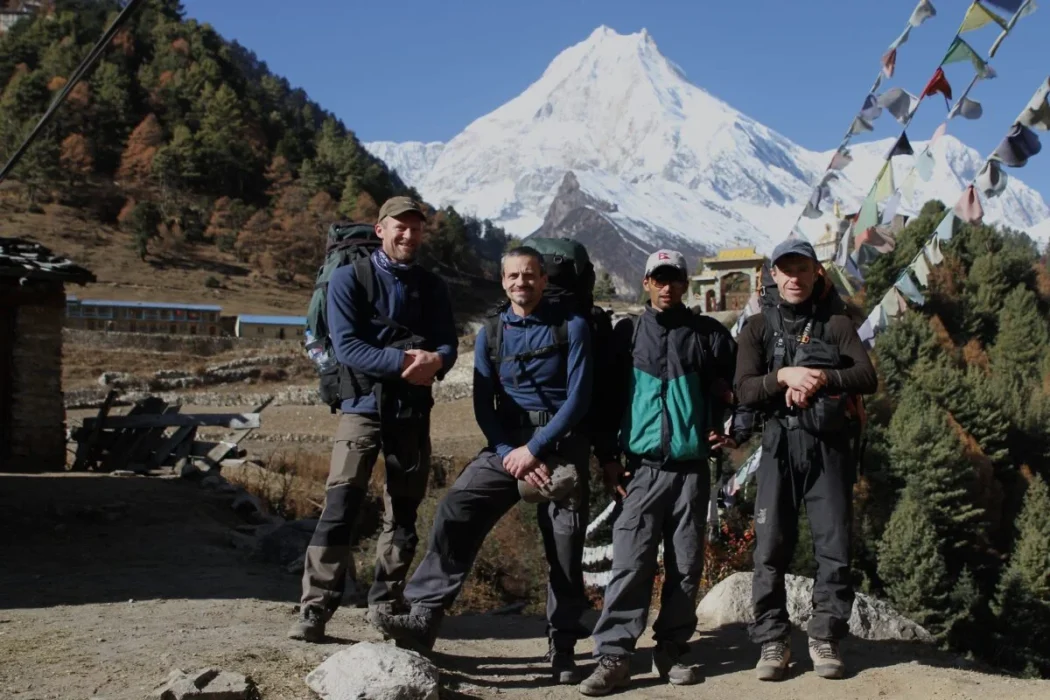
Best Time for the Manaslu Circuit Trek
The best time for the Manaslu Circuit Trek is during the Autumn (late September to November) and Spring (March to May) seasons. Because this trek starts in the humid, low-elevation Budhi Gandaki gorge (800m) and climbs to the glaciated Larkya La Pass (5,106m), choosing a season with highly stable weather is critical for your safety, comfort, and visibility.
Autumn is widely considered the absolute best trekking window. Once the summer monsoon clears in late September, the skies become deep blue and crystal clear, offering unmatched, razor-sharp views of Mount Manaslu. Spring is the second-best option, bringing warmer trekking temperatures, blooming rhododendron forests in the lower valleys, and a slightly quieter trail.
Conversely, the extreme winter (December to February) brings heavy snow that frequently blocks the Larkya La Pass, while the summer monsoon (June to August) unleashes torrential rain that causes severe landslides in the lower gorge. This comprehensive guide from Mountain Treks Nepal breaks down the specific temperatures, trail conditions, and seasonal nuances of the Manaslu region so you can plan a safe and spectacular journey.
Autumn (September to November): The Peak Season for Clarity
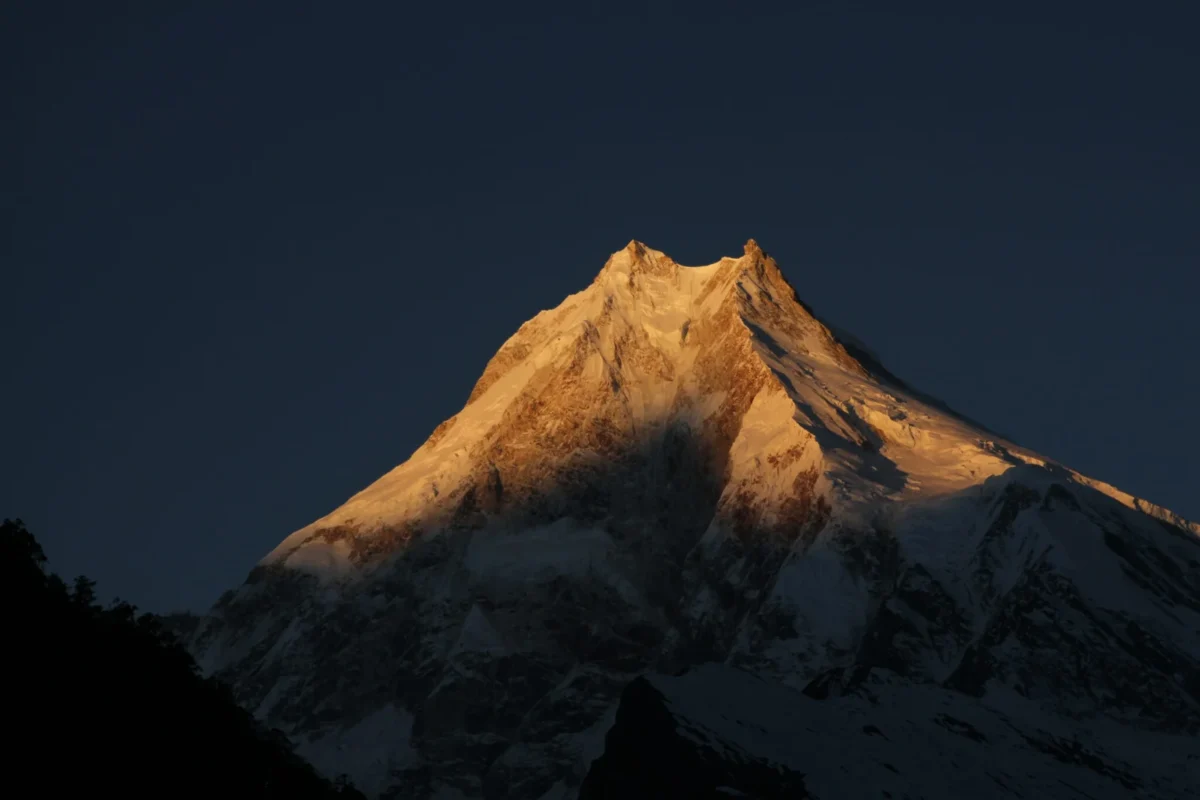
Autumn is the gold standard for trekking the Manaslu Circuit. The heavy monsoon rains of the summer have washed the dust and pollution from the atmosphere, leaving the Himalayan air incredibly crisp.
Weather and Temperatures
-
September: The first half of the month can still experience lingering monsoon showers, keeping the lower trails incredibly green and lush, but occasionally slippery. By late September, the weather stabilizes completely.
-
October: This is the absolute peak month. Days are bright, sunny, and highly photogenic. In the lower regions (Soti Khola to Jagat), daytime temperatures range from 15°C to 20°C (59°F to 68°F). Higher up, in villages like Samagaon (3,530m), daytime highs hover around 10°C (50°F), with nighttime lows dropping to -5°C (23°F).
-
November: The skies remain impeccably clear, but the temperature drops sharply as winter approaches. Nighttime temperatures at Dharamsala (the base camp before the pass) routinely fall between -10°C and -15°C (14°F to 5°F).
Pros and Cons of Autumn Trekking
Pros:
-
Unparalleled visibility of Mount Manaslu, Himalchuli, and Cheo Himal.
-
Highly stable weather makes crossing the 5,106m Larkya La Pass safer and more predictable.
-
The major Nepali festivals of Dashain and Tihar usually fall during this time, adding cultural vibrancy to the lower villages.
Cons:
-
Crowds: October is the busiest month. While Manaslu is far less crowded than Everest or Annapurna, the limited number of teahouses on this route can fill up quickly.
Spring (March to May): Rhododendrons and Warmer Days
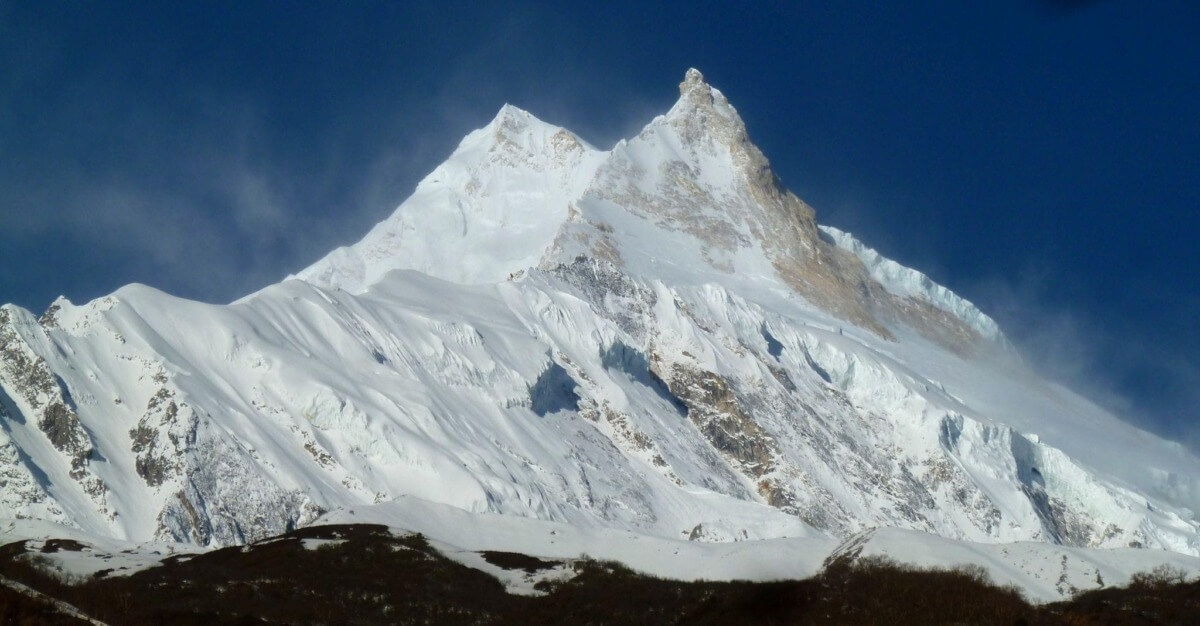
Spring is the second most popular time for the Manaslu Circuit Trek. As the freezing winter thaws, the temperatures gradually warm up, bringing color and life back to the subtropical valleys.
Weather and Temperatures
-
March: The first half of March is still quite cold, and you will likely encounter residual winter snow on the trails above 4,000 meters, especially around the Larkya La Pass. However, the days are bright and clear.
-
April: April rivals October for ideal trekking conditions. The weather is stable, and the lower valleys burst into color with blooming pink and red rhododendron forests. Temperatures are mild, making for highly comfortable hiking.
-
May: May is the warmest trekking month. Daytime temperatures in the lowlands can reach 25°C to 30°C (77°F to 86°F). However, as May progresses, rising humidity brings the threat of pre-monsoon afternoon showers and a heat haze that can occasionally obscure the peaks.
Pros and Cons of Spring Trekking
Pros:
-
Warmer daytime temperatures make the long hiking days more comfortable.
-
Vibrant, blooming flora in the lower elevation zones.
-
Slightly fewer crowds than October, offering a more peaceful teahouse experience.
Cons:
-
Lingering winter snow in early March can make the pass crossing physically harder.
-
Occasional afternoon cloud build-up and heat haze in late May can limit visibility.
Winter & Monsoon: Why the Off-Seasons Are Highly Challenging?
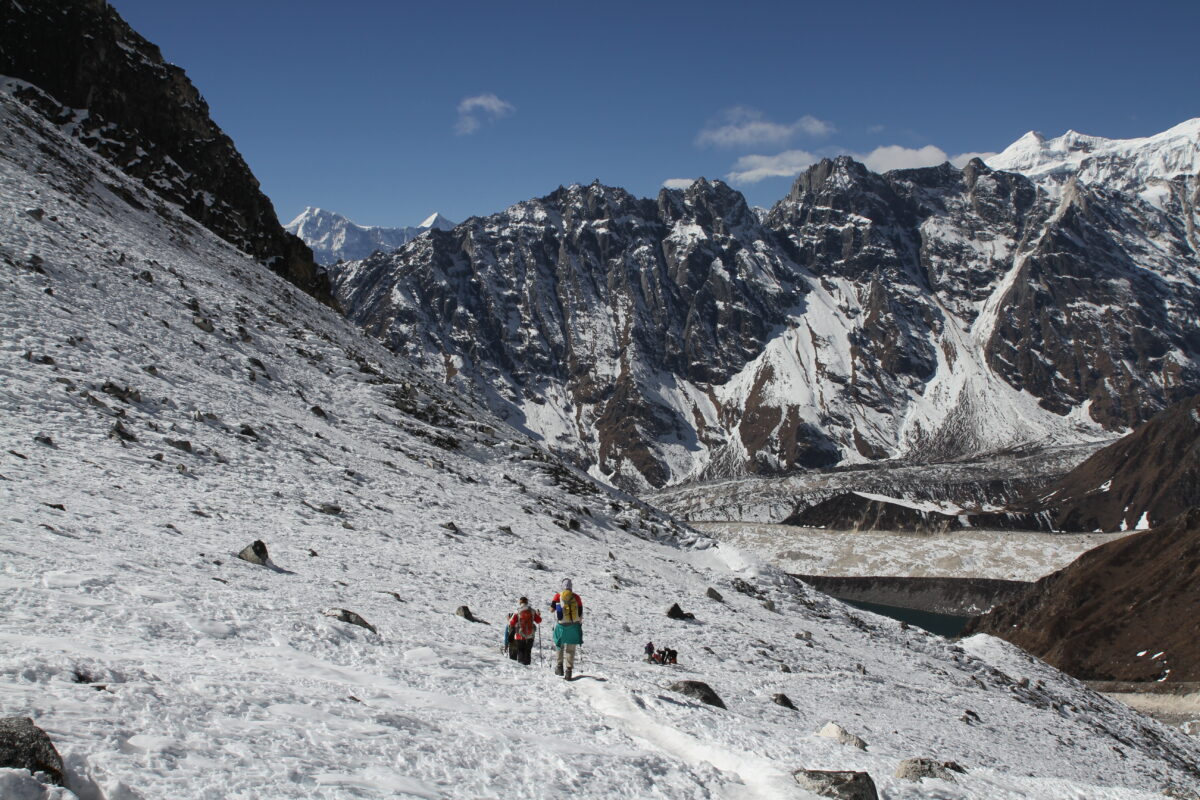
Unlike easier, lower-altitude treks, the Manaslu Circuit is highly susceptible to extreme off-season weather. We generally advise against trekking during these months unless you are a highly experienced mountaineer.
Winter (December to February)
Winter in the Nubri and Tsum valleys is harsh and unforgiving. While the skies are often brilliantly clear and blue, the cold is absolute. Nighttime temperatures at Dharamsala frequently plummet to -20°C (-4°F) or colder. More importantly, heavy snowfall regularly blocks the Larkya La Pass, making the circuit impossible to complete and forcing trekkers to turn back. Additionally, many teahouse owners migrate to lower elevations for the winter, severely limiting food and lodging options.
Monsoon / Summer (June to August)
The summer months bring the Asian monsoon, unleashing torrential rain across Nepal. The Manaslu Circuit is particularly dangerous during this time. The trail along the Budhi Gandaki river gorge is incredibly steep, and heavy rains trigger frequent, dangerous landslides that wipe out trails and bridges. Furthermore, the trails are infested with leeches, and thick clouds completely obscure the mountains.
Month-by-Month Manaslu Weather & Temperature Guide
Note: The Manaslu Circuit features drastic elevation changes. The “Lowlands” represent the first few days of the trek (800m – 2,000m), while the “High Altitude” represents areas like Samagaon and Dharamsala (3,500m – 4,500m).
| Month | Season | Avg. Daytime Temp (Lowlands) | Avg. Nighttime Temp (High Altitude) | Trekking Conditions & Verdict |
| January | Winter | 8°C to 12°C | -15°C to -25°C | Deep winter. Pass often blocked by snow. Not recommended. |
| February | Winter | 10°C to 15°C | -12°C to -20°C | Very cold. Deep snow at higher elevations. Highly challenging. |
| March | Spring | 16°C to 20°C | -8°C to -15°C | Good. Chilly mornings, clear skies, melting snow. |
| April | Spring | 20°C to 25°C | -5°C to -10°C | Peak Season. Warm days, blooming rhododendrons. |
| May | Spring | 25°C to 30°C | -2°C to -8°C | Good. Warmest month, afternoon haze, pre-monsoon showers. |
| June – Aug | Monsoon | 22°C to 30°C | 0°C to 5°C | Off-Season. Heavy rain, landslides, leeches. Avoid. |
| September | Autumn | 18°C to 22°C | 2°C to -5°C | Good (Late Sept). Trails dry out, skies clear beautifully. |
| October | Autumn | 15°C to 20°C | -5°C to -10°C | Peak Season. Perfect clarity, stable weather, busy trails. |
| November | Autumn | 12°C to 18°C | -10°C to -15°C | Good. Crystal clear, very cold nights, thinning crowds. |
Crossing the Larkya La Pass (5,106m): Seasonal Conditions
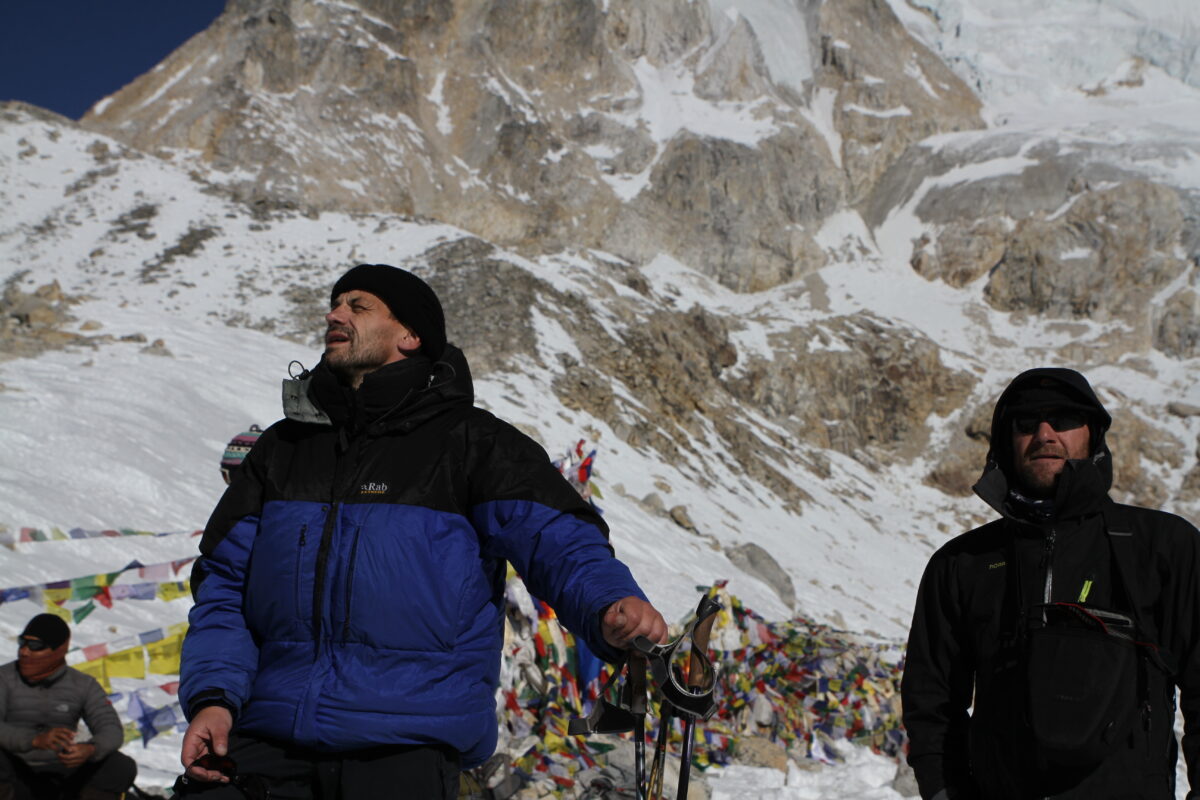
The success of your Manaslu Circuit Trek hinges entirely on crossing the Larkya La Pass.
-
In Autumn (Oct/Nov): The pass is generally free of deep, fresh snow, making the 8-to-10-hour crossing over the moraine and scree much safer and less exhausting. Microspikes are rarely needed, though always good to carry.
-
In Spring (March/April): You will likely encounter packed ice and residual winter snow on the approach and the descent toward Bimthang. Trekking poles and microspikes are highly recommended to prevent slipping on the icy descent.
-
The Golden Rule: Regardless of the season, the weather at 5,100 meters is unpredictable. You will start your ascent from Dharamsala at 4:00 AM to ensure you cross the summit of the pass before noon, avoiding the severe high-altitude winds that routinely pick up in the early afternoon.
FAQs
How much does it cost to trek the Manaslu Circuit?
A full 14-to-16-day guided Manaslu Circuit Trek typically costs between $950 and $1,400 USD per person. This standard package covers the mandatory Restricted Area Permits, conservation fees, a certified guide, porter support, private ground transportation to and from the trailheads, teahouse lodging, and three daily meals.
Can a beginner do Manaslu Circuit trek?
A beginner can complete the Manaslu Circuit provided they have strong cardiovascular fitness, good endurance, and mental stamina. While no technical mountaineering skills are needed, the trail is rugged and steep. Beginners must train with weighted hikes for 2 to 3 months prior and ensure their itinerary includes built-in acclimatization days, as the risk of altitude sickness is real.
Is Manaslu harder than Annapurna?
Yes, the Manaslu Circuit is generally considered more physically demanding than the Annapurna Circuit. Manaslu features rougher, narrower trails, more remote teahouse facilities, and a longer sustained wilderness approach before crossing the 5,106-meter Larkya La Pass. Annapurna has more developed infrastructure and quicker road access if evacuation is needed.
Is Manaslu harder than Everest?
In terms of daily trail terrain and isolation, Manaslu is more rugged than the standard Everest Base Camp (EBC) trek. However, Everest reaches a higher maximum elevation (5,545m at Kala Patthar vs. 5,106m at Larkya La) and keeps trekkers above 4,000 meters for more days, which places greater strain on the body. Manaslu requires greater self-reliance due to fewer commercial amenities.
Whether you want to witness the blooming rhododendrons of spring or the crystal-clear, post-monsoon skies of autumn, timing is everything on the Manaslu Circuit. With over 15 years of experience, Mountain Treks Nepal knows exactly how to navigate the seasons and restricted area permits to give you the perfect Himalayan adventure.