



Share This:

How Difficult Is the Manaslu Circuit Trek? An Expert Guide to Terrain, Altitude, and Preparation
The Manaslu Circuit Trek is officially categorized as a strenuous to challenging high-altitude teahouse trek. Circuiting Mount Manaslu (8,163 meters / 26,781 feet)—the eighth-highest mountain in the world—this classic route combines rugged alpine terrain, steep stone staircases, narrow gorge crossings, and a high-altitude pass, Larkya La, sitting at 5,106 meters (16,752 feet).
While it does not require technical mountaineering skills, ropes, or ice axes under normal conditions, it demands solid physical endurance, cardiovascular stamina, and mental resilience.
At a Glance: Manaslu Circuit Trek Difficulty Breakdown

| Difficulty Metric | Rating / Value | What It Means for Trekkers |
| Overall Grade | Strenuous / Moderate-to-Hard | High physical output daily over 12 to 16 days. |
| Max Elevation | 5,106 meters (16,752 feet) | High risk of Acute Mountain Sickness (AMS) if unacclimatized. |
| Daily Trekking | 5 to 8 hours (10–18 km / 6–11 miles) | Requires long-distance hiking stamina on uneven ground. |
| Trail Condition | Remote, rocky, narrow ledges | Landslide-prone gorges in lower sections; snow/ice near pass. |
| Technical Skill | None (Non-technical) | Standard trekking boots; crampons/microspikes only in heavy snow. |
| Permit Requirement | Restricted Area Permit (RAP) | Requires a licensed local guide and minimum 2 trekkers. |
Key Factors That Determine Manaslu Circuit Difficulty
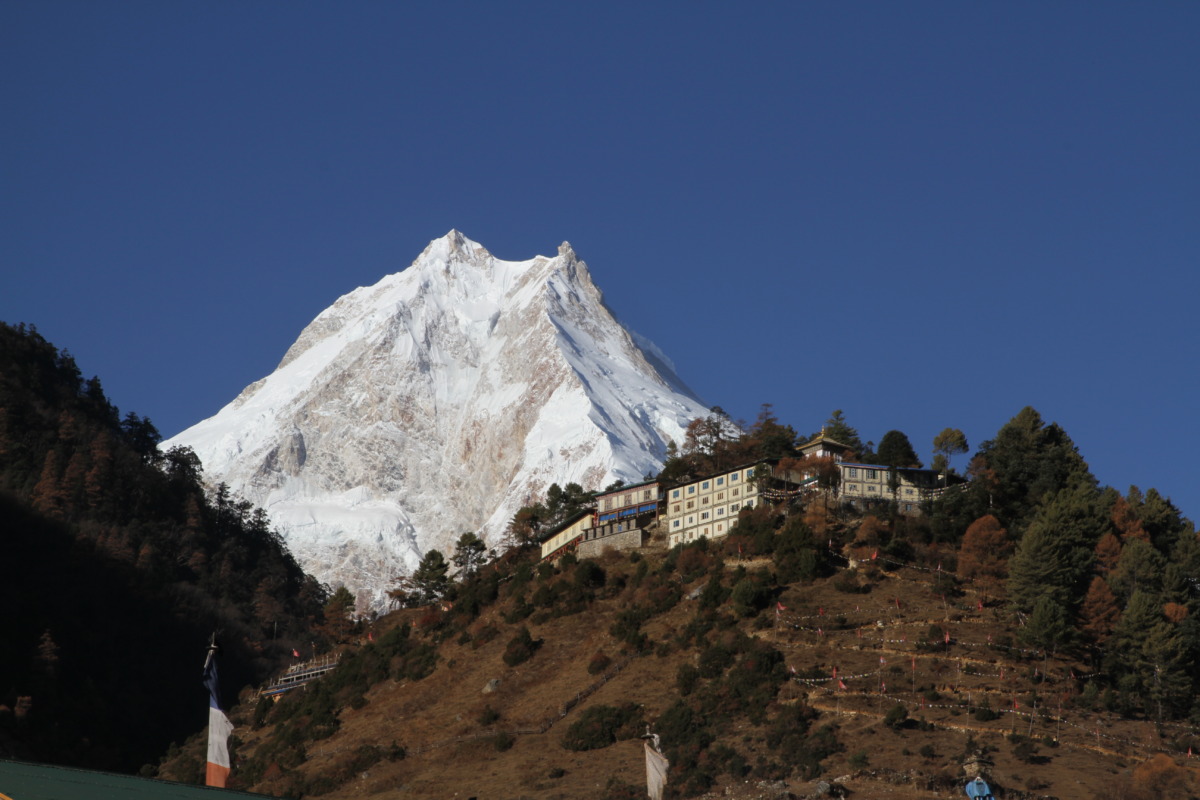
Understanding why the Manaslu Circuit Trek is challenging helps you prepare effectively. The difficulty stems from four primary factors:
1. High Elevation and Altitude Sickness (AMS)
Elevation is the primary challenge of the Manaslu circuit. You start at around 700–900 meters (Soti Khola or Machha Khola) and ascend to 5,106 meters at Larkya La Pass.
As oxygen levels drop by nearly 50% at the pass compared to sea level, Acute Mountain Sickness (AMS) becomes a real risk. Proper acclimatization days (typically in Samagaun at 3,530m and Samdo at 3,860m) are mandatory to allow your body to produce more red blood cells.
2. Terrain and Trail Conditions
Unlike the paved or wide trails of the Everest Base Camp or lower Annapurna routes, the Manaslu Circuit Trek difficulty includes raw, unpaved terrain:
-
-
Lower Gorge Section: Deep drop-offs along the Budhi Gandaki River, cliffside overhangs, wooden suspension bridges, and loose scree slopes.
-
Middle Elevation: Infinite uneven stone steps ascending through rhododendron and pine forests.
-
Upper Alpine Pass: Glacial moraines, boulder fields, and potentially deep snow or ice crossing Larkya La.
-
3. Remote Infrastructure and Teahouses

Manaslu is a Restricted Area with controlled tourist entry. While teahouses have upgraded significantly in recent years, amenities remain basic compared to Annapurna or Everest:
-
Squat toilets or shared facilities in higher villages.
-
Limited heating (fireplaces in common dining areas only).
-
Unheated bedrooms; temperatures frequently drop below freezing (-10°C to -15°C) at Samdo and Dharmasala.
4. Summit Day / Crossing Larkya La
The hardest single day on the trek is the push over Larkya La Pass. On this day:
-
You wake up at 3:00 AM at Dharmasala (4,460m).
-
You hike 4–5 hours uphill in sub-zero temperatures and freezing winds.
-
After reaching the summit (5,106m), you face a steep, knee-jarring 1,400-meter descent to Bimthang (3,720m), taking another 4–5 hours.
Manaslu Circuit vs. Other Popular Treks in Nepal
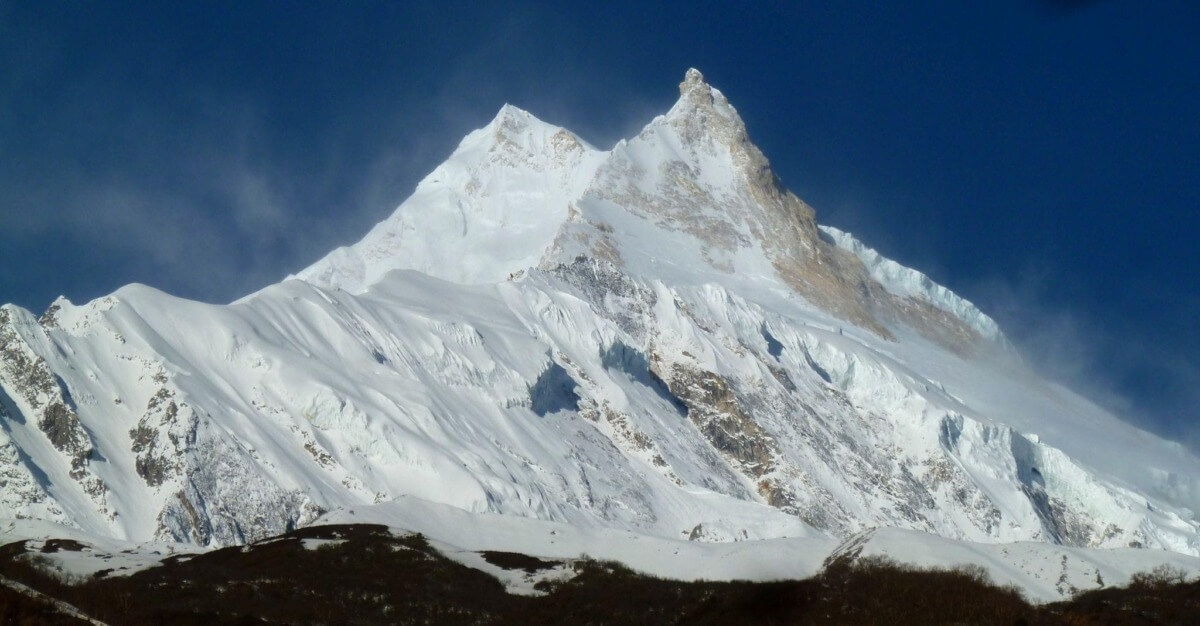
How does the difficulty of the Manaslu Circuit Trek stack up against other legendary routes?
| Feature | Manaslu Circuit | Annapurna Circuit | Everest Base Camp |
| Max Altitude | 5,106m (Larkya La) | 5,416m (Thorong La) | 5,545m (Kala Patthar) |
| Crowd Density | Low to Moderate (Restricted) | High | High |
| Trail Ruggedness | High (Wild & Remote) | Moderate (Dirt roads in parts) | Moderate (Well-maintained) |
| Mandatory Guide? | Yes (Government rule) | Yes | Yes |
| Overall Fatigue | High | Moderate-High | High |
Comprehensive FAQ Section
1. Is Manaslu harder than Annapurna?
Yes, overall Manaslu is considered harder than the classic Annapurna Circuit. Although Thorong La Pass on the Annapurna Circuit is slightly higher (5,416m vs. 5,106m), Manaslu features steeper, narrower trails, longer wilderness stretches, colder lodges, and fewer modern comforts.
2. Which is the toughest trek in Nepal?
While non-technical trekking routes like Kanchenjunga Base Camp, Dhaulagiri Circuit, and Everest Three Passes rank among the toughest, Manaslu Circuit stands firmly in the top tier of challenging teahouse treks due to its high pass and remote gorge geography.
3. Can a beginner climb Manaslu?
A complete beginner can trek the Manaslu Circuit, but NOT without preparation. If you are healthy, build strong cardiovascular fitness 2–3 months in advance, and trek with an experienced guide from Mountain Treks Nepal, you can successfully complete it. (Note: Climbing the actual peak of Mt. Manaslu requires mountaineering experience, whereas the trek around the mountain requires endurance walking).
4. Is Manaslu harder than Everest?
In terms of trail terrain, yes. The Everest Base Camp trek has better teahouse infrastructure, wider paths, and well-established rest stops. Manaslu has steeper drop-offs, longer walking days, and less developed trail sections. However, Everest reaches higher sleeping altitudes.
5. How difficult is the Manaslu Trek?
It is rated strenuous. You walk 10–18 kilometers daily over 12–14 days, carrying a daypack on steep uphill and downhill terrain, culminating in a 5,106m mountain pass.
6. Why is Manaslu not climbed as often as Everest?
Mount Manaslu (the 8,163m peak expedition) is known for high avalanche risks and technical ice sections on its upper slopes. As for the trek, it sees fewer visitors than Everest because it requires a Restricted Area Permit, a minimum of two trekkers, and a mandatory registered guide.
7. What is the altitude of the Manaslu circuit trek?
The trek starts at roughly 700m (Soti Khola) or 930m (Machha Khola) and reaches its peak altitude at 5,106m (16,752 ft) at Larkya La Pass. Key sleeping altitudes include Samagaun (3,530m) and Dharmasala (4,460m).
8. Do I need technical climbing gear for the Manaslu Circuit?
No. Standard trekking equipment (sturdy waterproof boots, trekking poles, thermal layers, sleeping bag rated to -15°C) is sufficient. Microspikes are only recommended during late autumn or spring if snow coats Larkya La.
9. What is the best month to trek Manaslu?
The best seasons are Autumn (September to November) and Spring (March to May). Autumn offers crystal-clear mountain views and stable weather, while spring brings blooming rhododendrons and warmer lower valleys.
10. How long is the Manaslu Circuit Trek?
The total distance of the loop is approximately 170 to 180 kilometers (105 to 112 miles), depending on where your jeep drop-off and pick-up points are located. Standard itineraries take 12 to 14 days.
11. Can I trek Manaslu solo without a guide?
No. Nepal law strictly prohibits solo trekking in the Manaslu Restricted Area. You must trek with a licensed guide registered with a authorized agency like Mountain Treks Nepal and in a group of at least two trekkers.
12. How many hours a day do you walk on the Manaslu Circuit?
On average, you walk 5 to 7 hours per day. On the day of crossing Larkya La Pass, the trek extends to 8 to 10 hours.
13. What training should I do before the trek?
Focus on cardiovascular endurance and leg strength:
-
Stair climbing or inclined treadmill walking with a weighted backpack (5–8 kg).
-
Long weekend hikes on uneven terrain (4–6 hours).
-
Squats, lunges, and core stability exercises.
14. What are the symptoms of altitude sickness on Manaslu?
Early symptoms include mild headache, nausea, dizziness, fatigue, and loss of appetite. If symptoms worsen, the primary rule is not to ascend further, and if necessary, descend immediately with your guide.
15. Are there private rooms and hot showers on the trail?
Lower villages offer private rooms and hot showers (sometimes solar or gas-heated for a small fee). Above 3,500m, facilities become basic, hot water is scarce, and toilets are shared.
16. Is oxygen available on the trek?
Teahouses do not supply supplemental oxygen canisters routinely, but Mountain Treks Nepal guides carry comprehensive first-aid kits, pulse oximeters to monitor blood oxygen levels, and emergency evacuation protocols.
17. How dangerous are landslides on the Manaslu trail?
The lower sections along the Budhi Gandaki gorge are prone to rockfalls during the monsoon season (June–August). During peak autumn and spring seasons, the trails are cleared and safe, though trekkers should always follow their guide’s instructions through active landslide zones.
18. What is the success rate for completing the Manaslu Circuit?
With a well-paced itinerary that includes proper acclimatization days, the completion success rate exceeds 95%. Pacing yourself and staying hydrated (3–4 liters of water daily) are crucial.
19. How much does a Manaslu Circuit Trek cost?
Costs typically range from $900 to $1,500 USD per person, covering restricted permits, guide/porter fees, accommodation, meals, and transport to/from Kathmandu.
20. Why choose Mountain Treks Nepal for the Manaslu Circuit?
Mountain Treks Nepal provides locally born Sherpa and Gurung guides with deep regional knowledge, tailored itineraries with built-in acclimatization safety, transparent pricing, and direct support for mountain communities.
How to Prepare for a Successful Trek: 4 Essential Steps

Final Verdict: Is the Manaslu Circuit Right for You?
If you have solid physical fitness, a spirit of adventure, and want an authentic, uncrowded Himalayan journey, the Manaslu Circuit Trek is one of the most rewarding experiences in Nepal. Respect the altitude, prepare your legs, and go with local experts.