



Share This:
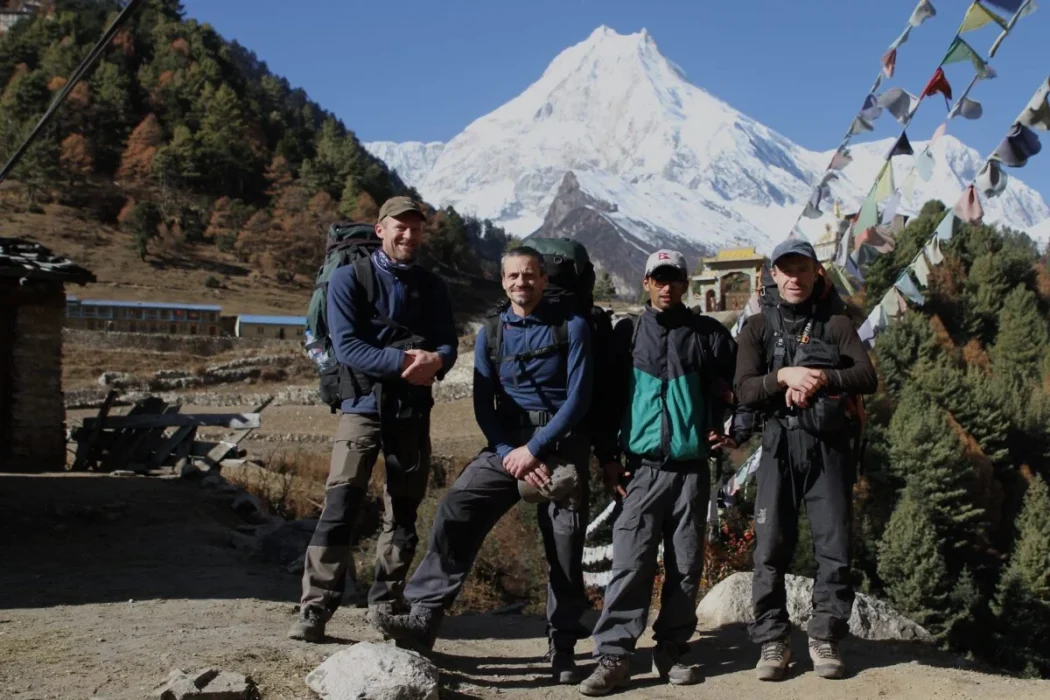
The Ultimate Packing List for the Manaslu Circuit Trek
A successful packing list for the Manaslu Circuit Trek requires mastering the art of alpine layering while adhering to strict porter weight limits. You must pack to survive both the sweltering 30°C (86°F) subtropical jungles of Soti Khola and the freezing -15°C (5°F) glaciated winds of the Larkya La Pass.
The golden rule for this restricted-area trek is maximum versatility with minimum weight. If you hire a porter through your trekking agency, the strict weight limit is typically 15 kg (33 lbs) per trekker for your main duffel bag, plus a 5–7 kg (11–15 lbs) daypack that you carry yourself.
Because the Manaslu Circuit is far more remote than Everest or Annapurna, teahouse amenities are basic. You cannot rely on buying forgotten gear on the trail, heating in the dining rooms is limited, and electricity for charging devices is scarce. This comprehensive packing guide from Mountain Treks Nepal breaks down exactly what clothing, footwear, and survival gear you need to safely conquer the Himalayas.
The Manaslu Climate Challenge: 800m to 5,106m
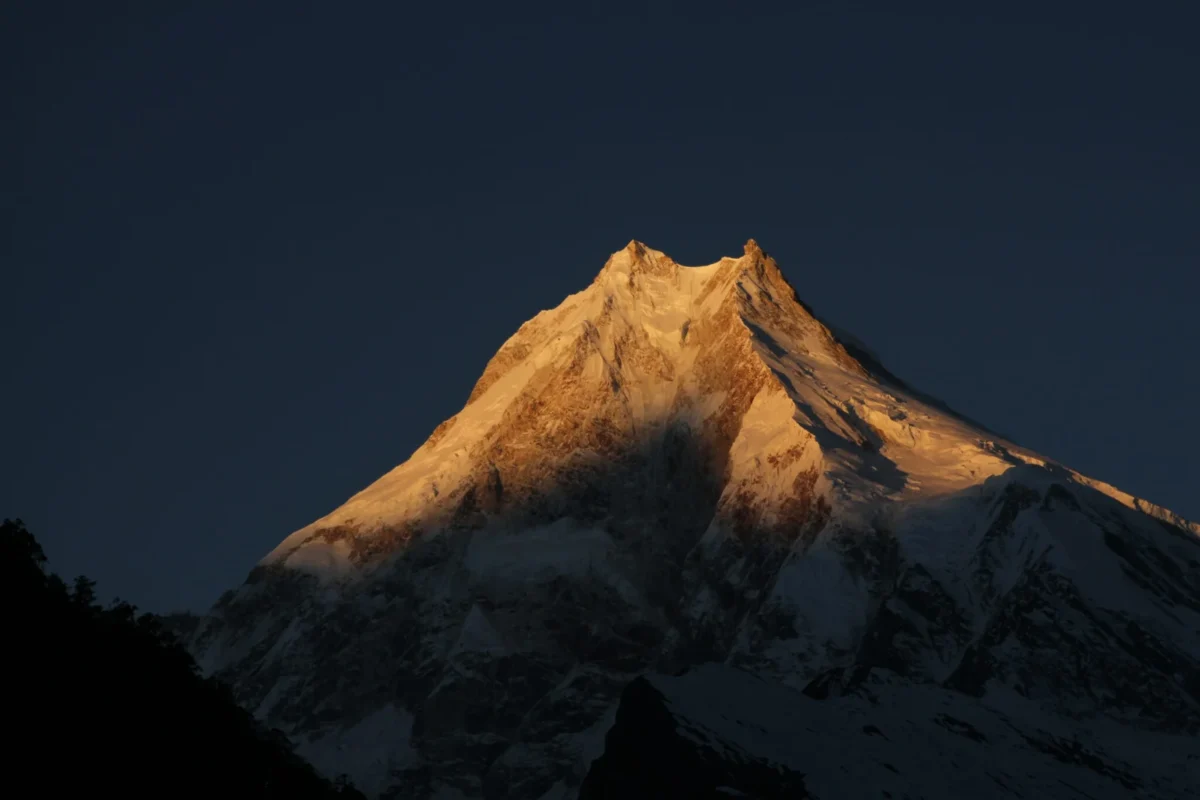
Packing for Manaslu is uniquely challenging because of the drastic ecological changes along the Budhi Gandaki river valley.
-
Days 1–4 (800m – 2,000m): You are trekking through dense, humid forests. You will sweat heavily and hike primarily in trekking shorts and moisture-wicking t-shirts.
-
Days 5–8 (2,000m – 3,500m): You enter alpine pine forests. Days are comfortable for hiking pants and light fleeces, but nights become sharply cold.
-
Days 9–12 (3,500m – 5,106m): You are in the alpine desert and glacial zones. Daytime wind chill is severe, and nighttime temperatures plummet below freezing. You will wear thermal base layers, a heavy down jacket, and a windproof outer shell.
1. The Layering System: Trekking Clothing
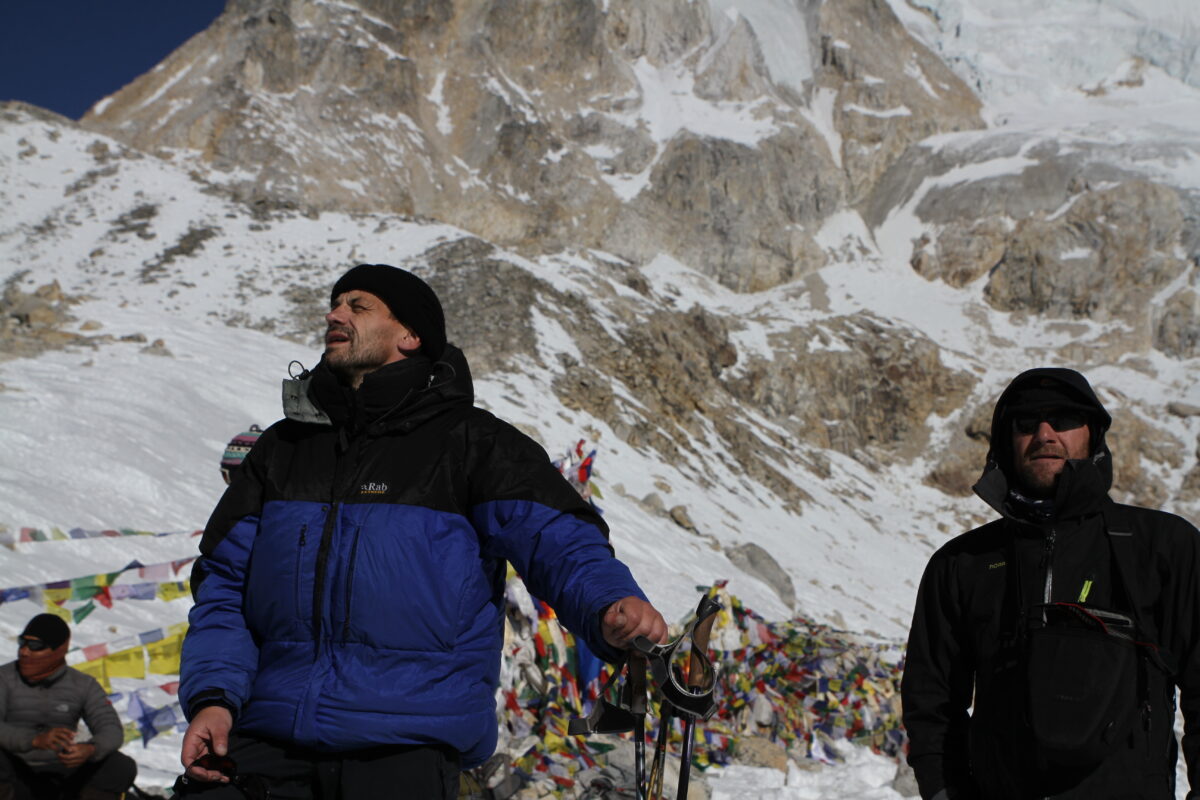
Avoid cotton entirely. Cotton traps sweat, which will freeze against your skin at higher altitudes. Rely on Merino wool or advanced synthetics.
Base Layers (Moisture Management)
-
3–4 Moisture-Wicking T-Shirts: For the hot lower altitudes.
-
2 Pairs of Thermal Tops (Long Sleeve): Merino wool is highly recommended because it resists odor for days.
-
2 Pairs of Thermal Bottoms: To wear under trekking pants at high altitudes and for sleeping.
-
5–7 Pairs of Underwear: Breathable, quick-drying sports fabrics.
Mid Layers (Insulation)
-
1 Lightweight Fleece Jacket: Perfect for trekking in the mid-elevations.
-
1 Heavy Fleece or Wool Sweater: For cold evenings in the teahouse dining rooms.
-
2 Pairs of Trekking Pants: Nylon, quick-drying, and durable. Convertible pants (that zip off into shorts) are highly useful for the lower jungle sections.
-
1 Heavy Down Jacket: Crucial. It must be rated for at least -15°C. (Note: You can easily rent this in Kathmandu).
Outer Layers (Weather Protection)
-
1 Waterproof / Windproof Shell Jacket: Gore-Tex or equivalent. This is your ultimate protection against the biting winds on Larkya La Pass.
-
1 Pair of Waterproof / Windproof Pants: To wear over your trekking pants during heavy wind or unexpected snow.
-
1 Warm Winter Hat / Beanie: To retain body heat at night.
-
1 Sun Hat or Baseball Cap: The UV radiation at high altitude is intense.
-
Gloves: 1 pair of lightweight liner gloves (for lower altitudes) and 1 pair of heavy, waterproof insulated gloves (for the pass).
2. Footwear: The Most Important Gear You Will Own
If your feet fail, your trek is over. Invest heavily in your footwear and break them in for at least a month before arriving in Nepal.
-
Trekking Boots: Must be waterproof, have robust ankle support, and feature a stiff sole (Vibram or equivalent) to handle the rocky moraine of the Larkya La descent.
-
Camp Shoes: A pair of lightweight sneakers, trail runners, or Crocs. You will want to take your heavy boots off immediately upon arriving at the teahouse.
-
4–5 Pairs of Trekking Socks: Merino wool is the gold standard. Bring varying thicknesses (lighter for the jungle, heavy thermal for the high camps).
-
Microspikes (Crampons): Highly recommended if trekking in early Spring (March) or late Autumn (November) when residual ice coats the pass.
3. Backpacks and Sleeping Gear
-
The Main Duffel Bag (70–90 Liters): This is carried by your porter. It should be durable and waterproof. Note: Most reputable agencies, including Mountain Treks Nepal, provide clients with a branded, waterproof trekking duffel upon arrival.
-
The Daypack (25–35 Liters): You will carry this daily. It should hold your water, rain gear, camera, passport, money, and daily snacks. Ensure it has a rain cover and a supportive hip belt.
-
Sleeping Bag (-15°C to -20°C Rating): Teahouse rooms in Manaslu are unheated plywood or stone rooms. The blankets provided are rarely enough for the high camps like Samdo or Dharamsala. A high-quality four-season down sleeping bag is mandatory (can be rented in Kathmandu).
-
Sleeping Bag Liner: Adds extra warmth and keeps rented sleeping bags hygienic.
4. Essential Trekking Accessories & Electronics
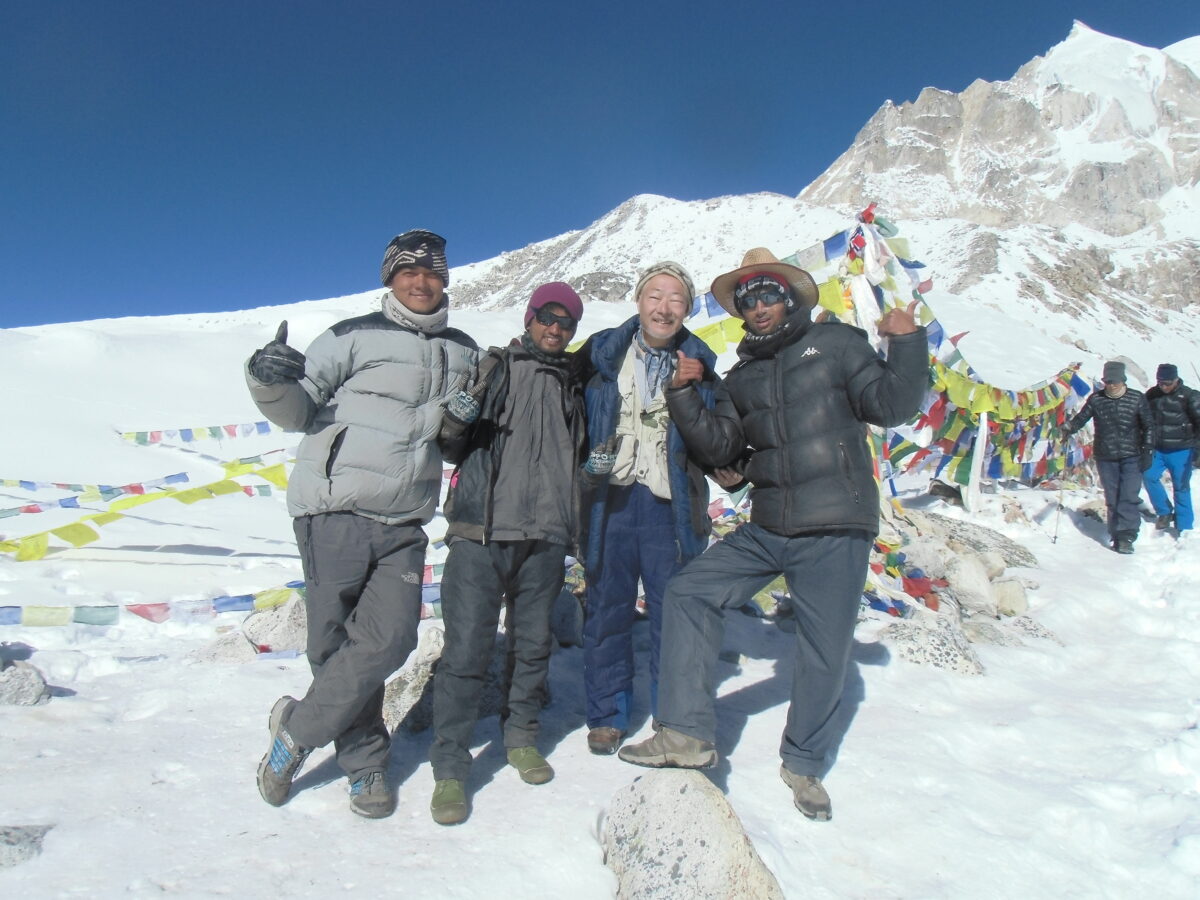
The Manaslu Circuit is rustic. Electricity is generated entirely by small solar panels, meaning charging your devices is both expensive (usually $3–$5 per charge) and unreliable on cloudy days.
-
High-Capacity Power Bank: Bring at least a 20,000mAh to 30,000mAh power bank to keep your phone and camera charged for days.
-
Water Purification: Crucial for Manaslu. Bottled water is banned in the conservation area, and buying boiled water gets very expensive. Bring a robust filtration system (like a LifeStraw or Sawyer Squeeze) OR chemical purification tablets (chlorine/iodine).
-
Trekking Poles: Essential for saving your knees on the brutal 1,500-meter descent from Larkya La Pass to Bimthang.
-
Headlamp: With extra batteries. Required for the 4:00 AM start to cross the pass.
-
UV Sunglasses: High-altitude snow blindness is a serious risk. Choose wrap-around polarized glasses.
-
Hydration Bladder or Nalgene Bottles: Capacity to carry 3 liters of water per day. A hard Nalgene bottle is great because teahouse owners can fill it with boiling water at night to act as a bed warmer.
5. First Aid and Toiletries
Disclaimer: Consult a travel doctor before your trip regarding high-altitude medications.
-
First Aid Kit: Blister plasters (Compeed), athletic tape, ibuprofen, anti-diarrheal medication (Imodium), and broad-spectrum antibiotics (prescribed by your doctor).
-
Altitude Medication: Acetazolamide (Diamox) is commonly used to prevent Acute Mountain Sickness (AMS).
-
Toiletries: Biodegradable soap, a quick-dry microfiber towel, toothbrush/toothpaste, lip balm with SPF, and high-SPF sunscreen (50+).
-
Wet Wipes & Hand Sanitizer: Hot showers are rare and expensive above 3,500m. Wet wipes are your primary method of bathing for the second week of the trek.
-
Toilet Paper: Bring 2–3 rolls. Teahouses do not provide it in the bathrooms.
Renting vs. Buying Gear in Kathmandu (Thamel)
You do not need to spend thousands of dollars buying expedition-grade gear in your home country. The tourist district of Thamel in Kathmandu has hundreds of trekking shops offering both genuine brand names and high-quality local knock-offs.
What you should bring from home:
-
Trekking boots (they must be perfectly broken in).
-
High-quality base layers and trekking socks.
-
A well-fitted daypack.
-
Personal medications.
What you should rent/buy in Kathmandu:
-
Heavy down jacket (Rent: ~$2–$3 per day).
-
-20°C sleeping bag (Rent: ~$2–$3 per day).
-
Trekking poles (Buy: ~$15–$25 for a decent local pair).
-
Water purification tablets.
Worried about missing essential gear? When you book a full-board classic Manaslu Circuit Trek with Mountain Treks Nepal, we provide a comprehensive pre-trip briefing in Kathmandu. We supply a heavy-duty duffel bag for your porter and help you navigate Thamel to rent any missing down jackets or sleeping bags at fair, local prices.
FAQs
How much weight can a porter carry on the Manaslu trek?

In Nepal, strict ethical guidelines limit the amount of weight a porter can carry. Typically, one porter carries the gear for two trekkers. The weight limit per trekker is 15 kg (33 lbs) for the main duffel bag. You will carry your remaining daily essentials (water, camera, rain jacket) in your own 5–7 kg daypack.
Do I need a sleeping bag for the Manaslu Circuit?
Yes, a high-quality sleeping bag rated for at least -15°C (5°F) to -20°C (-4°F) is absolutely mandatory for the Manaslu Circuit. Unlike Everest or Annapurna, the teahouses on the Manaslu route are very basic. The rooms are unheated, and the thin blankets provided by the lodges will not protect you from the freezing temperatures at high camps like Dharamsala (4,460m).
Can I buy bottled water on the Manaslu trek?
No, single-use plastic water bottles are banned in the Manaslu Conservation Area to protect the environment. You must bring reusable water bottles (like Nalgene) or a hydration bladder. You can pay teahouses to boil water for you (which becomes expensive at higher altitudes), or you can use your own water purification tablets or portable water filters.
Do I need trekking poles for Larkya La Pass?
Yes, trekking poles are highly recommended. While the ascent to Larkya La Pass (5,106m) is gradual and steady, the descent into Bimthang is incredibly steep, dropping nearly 1,400 meters in a few hours over loose moraine, scree, and potential ice. Trekking poles save your knees from immense strain and prevent slips on the descent.