



Share This:

Best Trekking Company for Everest Base Camp Trek: How to Choose a Trusted Local Agency
Choosing the best trekking company for your Everest Base Camp trek comes down to four non-negotiable factors: government authorization, rigorous altitude safety protocols, transparent pricing, and ethical guide treatment. Booking directly with a licensed, Kathmandu-based operator like Mountain Treks Nepal typically costs between $1,200 and $1,800 for a standard 12-to-14-day teahouse trek saving you 30% to 50% compared to international brokers while providing direct access to native Sherpa guides.
Standing at Everest Base Camp (5,364 m / 17,598 ft) beneath the Khumbu Icefall is a dream for thousands of hikers each year. However, navigating hundreds of outfitters online can feel daunting. This guide details the criteria required to choose the right agency, compare costs, ensure your safety at high altitude, and make an informed decision for your Himalayan adventure.
What Makes the Best Trekking Company for Everest Base Camp?

Not all trekking agencies operate with the same commitment to safety, ethics, and service quality. Evaluating a local company against concrete operational standards helps protect both your financial investment and your physical well-being in the mountains.
1. Official Licensing & Government Registration
Before paying a deposit, verify that the operator holds active registration with official government bodies and industry associations in Nepal:
-
Ministry of Culture, Tourism and Civil Aviation (MoCTCA)
-
Department of Industry & Office of Company Registrar
-
Trekking Agencies’ Association of Nepal (TAAN)
-
Nepal Tourism Board (NTB)
-
Nepal Rastra Bank (authorized for foreign currency transactions)
Unregistered operators or freelance booking agents often lack comprehensive insurance for their staff and cannot directly issue mandatory permits like the Khumbu Pasang Lhamu Rural Municipality Entrance Permit or Sagarmatha National Park entry permits.
2. Guide Credentials, Safety Protocols & Emergency Rescue

High altitude introduces real physiological risks, primarily Acute Mountain Sickness (AMS), High Altitude Pulmonary Edema (HAPE), and High Altitude Cerebral Edema (HACE). The best trekking agency prioritizes prevention and response:
-
Certified Wilderness First Aid Guides: Guides must hold certification from the Nepal Academy of Tourism and Hotel Management (NATHM).
-
Pulse Oximeter Monitoring: Daily medical monitoring of blood oxygen saturation ($SpO_2$) and heart rate twice daily (after reaching Namche Bazaar at 3,440 m and above).
-
Emergency Evacuation Logistics: The agency must maintain established credit lines and communication links with helicopter rescue operators and major medical centers in Kathmandu (such as CIWEC Hospital or Era Health).
3. Porter Welfare & Ethical Trekking Practices
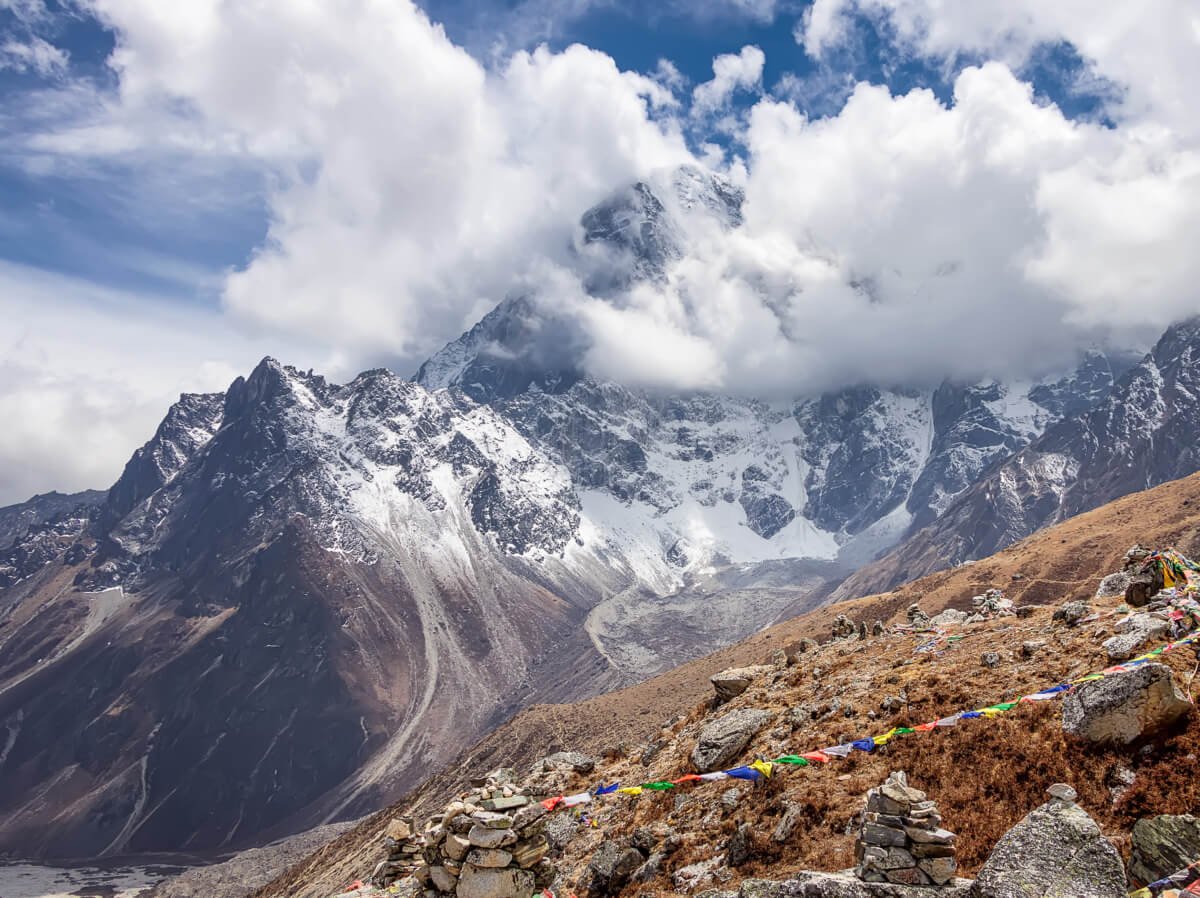
Ethical tourism directly impacts the quality of your trek. Choose agencies that comply with the guidelines set by the International Porter Protection Group (IPPG):
-
Weight Limits: Porters should carry no more than 20–25 kg total (10–12.5 kg per client for a standard two-client-to-one-porter ratio).
-
Proper Gear & Insurance: Agencies must provide porters with adequate cold-weather clothing, sturdy footwear, shelter, and medical insurance covering high-altitude injuries and evacuation.
4. Transparent Pricing Without Hidden Upcharges
Budget operators often quote low upfront rates ($600–$800) but charge extra on the trail for hot showers, battery charging, drinking water, meals, or flight surcharges. A reputable company offers all-inclusive or clearly itemized pricing structures so you can budget accurately.
Comparing Local Nepal Agencies vs. International Tour Operators
When searching for the best trekking agency in Nepal, you will encounter two primary options: international adventure travel agencies (headquartered in Western nations) and local, government-registered Nepali agencies based in Kathmandu.
| Feature | Local Nepali Agency (e.g., Mountain Treks Nepal) | International Booking Agency |
| Typical Cost (Standard EBC) | $1,200 – $1,800 | $2,800 – $4,500+ |
| Payment Destination | Directly into Nepal’s local economy | Majority retained overseas |
| On-Ground Flexibility | Immediate local rebooking for weather delays | Subject to overseas head-office policies |
| Guide Expertise | Native Sherpas and local high-altitude experts | Local subcontracted guides or western leaders |
| Customization | Flexible dates, custom routes, private groups | Fixed departures with rigid schedules |
By booking directly with a local operator, your funds support local guide communities, porters, and lodge owners in the Solukhumbu region directly, avoiding western agency commission markups.
How Much Does the Everest Base Camp Trek Cost with a Top Agency?

Understanding the components of Everest Base Camp trek pricing helps you avoid hidden charges and overly cheap budget traps.
A standard comprehensive Everest Base Camp trek guide includes these essential cost factors:
-
Permits ($50 – $60 per trekker):
-
Khumbu Pasang Lhamu Permit: NPR 3,000 (~$22 USD)
-
Sagarmatha National Park Permit: NPR 3,000 + 13% VAT (~$27 USD)
-
-
Domestic Flights ($380 – $450 return): Round-trip flight tickets between Kathmandu/Ramechhap and Lukla (Tenzing-Hillary Airport).
-
Accommodation & Food ($30 – $50 per day): Teahouse rooms (twin sharing) and three full meals daily (breakfast, lunch, dinner) along the route.
-
Professional Staff ($40 – $60 per day combined): Daily wages, food, accommodation, gear, and insurance for your licensed guide and porter.
Budgeting Tip: Always carry $250–$350 in local currency (NPR) in cash for personal expenses along the trail, such as Wi-Fi cards ($3–$5), hot showers ($3–$6), device charging ($2–$5 per charge), and personal tips for your crew.
What to Look for in an Everest Base Camp Itinerary
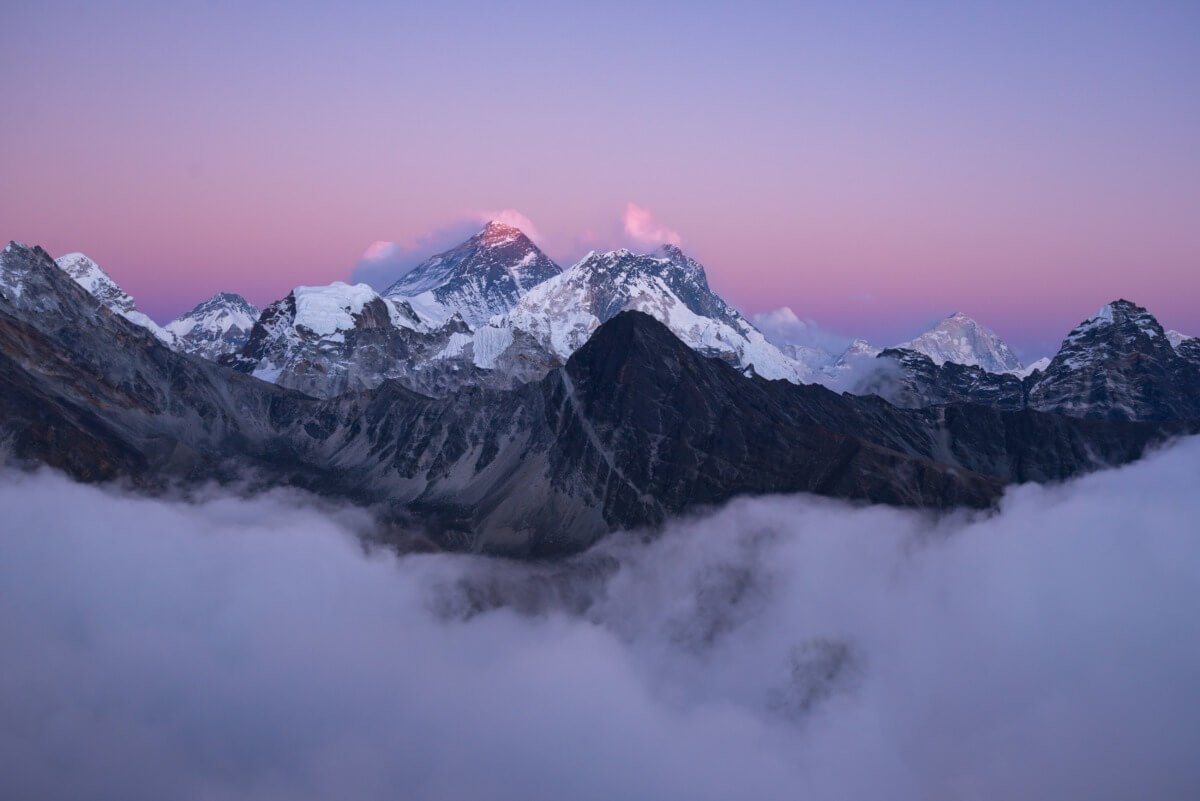
A safe and enjoyable journey requires a well-structured itinerary. High-altitude acclimatization cannot be rushed.
Built-In Acclimatization Days (Namche & Dingboche)
Never choose a itinerary shorter than 12 days for a standard flight-in, flight-out EBC trek unless it includes a helicopter return option. Your schedule must feature at least two dedicated acclimatization rest days:
-
Day 3 at Namche Bazaar (3,440 m): Day hike to Everest View Hotel (3,880 m) or Khumjung village, returning to lower altitude to sleep (“climb high, sleep low”).
-
Day 6 at Dingboche (4,410 m): Active rest hike up Nagarjun Hill (5,100 m) or toward Chhukung Valley to adapt before entering the 5,000+ meter zone.
Flexible Flight & Buffer Day Contingencies
Weather at Lukla Airport is notoriously unpredictable. Clouds, high winds, or fog can ground flights for days, particularly during seasonal transitions. The best trekking agencies explain flight contingency plans upfront—such as flying out of Ramechhap Airport during peak months (Spring and Autumn) or organizing emergency helicopter shifts if regular fixed-wing flights are suspended.
Why Trekkers Choose Mountain Treks Nepal
As a Kathmandu-based, local trekking operator with over 15 years of Himalayan experience, Mountain Treks Nepal delivers reliable safety, transparent costs, and authentic local experiences.
-
Experienced Local Sherpa Crew: Guides are native to the high-altitude regions, licensed by the Nepal Government, and trained in wilderness first aid and AMS management.
-
100% Price Transparency: No hidden fees on arrival. Packages explicitly detail meals, accommodation, permits, flights, and staff coverage.
-
Safety First Protocol: Pulse oximeter checks are conducted twice daily, and instant emergency helicopter evacuation support is available 24/7.
-
Tailored Experiences: Whether you prefer the classic 14-day teahouse trek, an upgraded 14-day Everest Base Camp itinerary, or a luxury helicopter return, every journey is adjusted to your individual fitness level and schedule.
Frequently Asked Questions (FAQs)
What is the best trekking in Nepal?
The “best” trek depends on your personal preferences for scenery, difficulty, and duration. For classic mountain views and cultural heritage, the Everest Base Camp Trek and Annapurna Circuit Trek rank highest. For remote trails with fewer crowds, the Manaslu Circuit Trek and Upper Mustang offer extraordinary alternatives.
Which is the best trekking company?
The best trekking company is a government-registered, locally licensed operator that prioritizes altitude safety, employs certified guides, practices ethical porter care, and provides transparent pricing. Local agencies like Mountain Treks Nepal offer high safety standards, personalized itineraries, and direct pricing without foreign broker fees.
Is Nepal High Trek a good company?
Nepal High Trek is a recognized, legally registered local trekking agency based in Kathmandu that receives positive client reviews. When evaluating any agency—including Nepal High Trek or Mountain Treks Nepal—check active registration with TAAN, review guide credentials, verify staff insurance coverage, and ensure clear refund policies for weather delays.
What are the best trekking companies in Nepal?
Top-rated trekking companies in Nepal share common traits: legal registration with the Ministry of Culture, Tourism and Civil Aviation, active TAAN membership, experienced Sherpa guides, and positive independent reviews on platforms like TripAdvisor. Trusted local choices include specialized outfitters like Mountain Treks Nepal that maintain high guide-to-client ratios and clear safety protocols.
Which is best for trekking?
For classic high-altitude landscapes and reaching the foot of the world’s highest peak, the Everest region is unmatched. For diverse landscapes ranging from subtropical forests to high passes, the Annapurna region is ideal. For preserved Tibetan culture and restricted wilderness, Manaslu or Upper Mustang are best.
What is the best Everest Base Camp trek?
The classic 14-Day Everest Base Camp Trek via Lukla, Namche Bazaar, Tengboche, and Kala Patthar is considered the best balance of safety, acclimatization, and sightseeing. Trekkers seeking enhanced scenery often opt for the Gokyo Lakes with Cho La Pass Trek, while those short on time prefer the EBC Trek with Helicopter Return.
Which is better, EBC or ABC?
Choose Everest Base Camp (EBC) if your priority is seeing Mount Everest, experiencing Sherpa culture, and reaching higher altitudes (5,545 m at Kala Patthar). Choose Annapurna Base Camp (ABC) if you prefer lower maximum elevation (4,130 m), shorter trekking duration, greener landscapes, and lower overall cost.
How much money do I need for Everest Base Camp trek?
A complete Everest Base Camp trek generally costs $1,200 to $1,800 USD for a fully guided standard package, including domestic flights, permits, teahouse accommodation, meals, and guide/porter services. You should also budget an additional $250 to $350 USD in cash (NPR) for personal trail expenses like Wi-Fi, hot showers, device charging, and tips.
Planning your Everest Base Camp trek?
Speak directly with our head travel planners in Kathmandu to build a custom acclimatization schedule and get an all-inclusive quote with zero hidden charges.
Contact Mountain Treks Nepal Today
Ready to Stand at the Base of the World’s Highest Peak?
Let Mountain Treks Nepal handle your flights, permits, teahouses, and safety logistics while you focus on the trail. Explore our standard, luxury, or helicopter-return packages today.