



Share This:

Everest Base Camp Trek: Complete Guide for Route, Cost, Altitude and Preparation
The Everest Base Camp Trek is one of the most searched trekking routes in Nepal because it gives travelers a practical way to reach the base of the world’s highest mountain without technical climbing. The trek usually starts with a flight to Lukla, follows the Dudh Koshi valley through Sherpa villages, and reaches Everest Base Camp at about 5,364 meters.
This guide explains the route, difficulty, permits, cost factors, altitude risks, best time to go, packing needs, and common mistakes. It is written for tourists comparing options for trekking in Nepal and deciding whether the Everest Base Camp route is suitable for their fitness, time, and travel style.
Quick Answer: What Is the Everest Base Camp Trek?
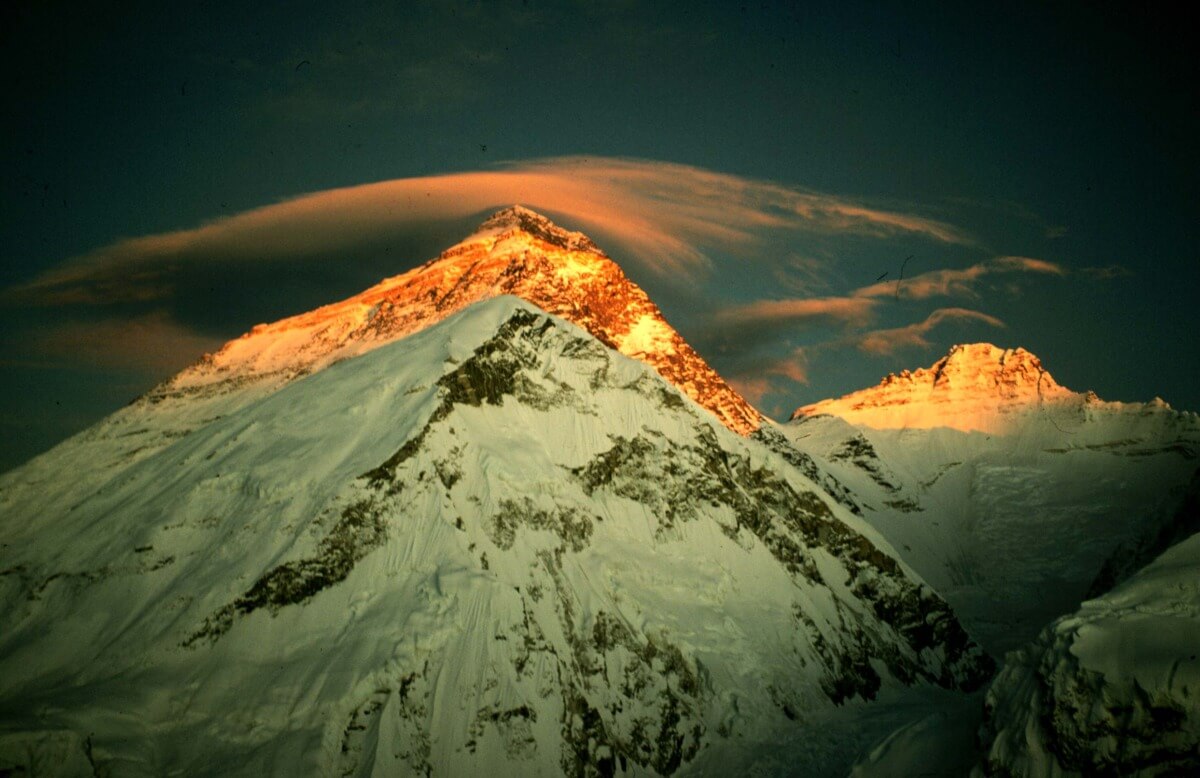
The Everest Base Camp Trek is a multi-day hiking route in the Khumbu region of Nepal. Most standard itineraries take 12 to 14 days, including acclimatization days in Namche Bazaar and Dingboche.
The route passes through Sagarmatha National Park, a UNESCO World Heritage Site that includes Mount Everest, glaciers, deep valleys, and high Himalayan ecosystems. UNESCO describes Sagarmatha National Park as covering 124,400 hectares in Nepal’s Solu-Khumbu district.
Trekkers do not climb Mount Everest. They walk to the base camp area used by mountaineering expeditions and often hike to Kala Patthar for clearer views of Everest.
Everest Base Camp Trek Facts at a Glance
| Trek Feature | Practical Information |
|---|---|
| Country | Nepal |
| Region | Everest / Khumbu |
| Starting point | Lukla, usually reached by flight |
| Highest sleeping point | Gorak Shep, around 5,164 m |
| Everest Base Camp altitude | Around 5,364 m |
| Common highest viewpoint | Kala Patthar, around 5,545 m |
| Usual duration | 12–14 days |
| Trek style | Teahouse trekking |
| Difficulty | Moderate to strenuous |
| Best seasons | March–May and September–November |
| Main risks | Altitude sickness, cold, flight delays, fatigue |
| Main permits | Sagarmatha National Park entry permit, local Khumbu permit, and current TIMS/guide rules depending on regulation |
Mountain Treks Nepal’s existing Everest Base Camp guide also describes the classic route as a 12–14 day itinerary with Namche and Dingboche acclimatization days, Everest Base Camp at 5,364 m, and Kala Patthar around 5,545 m.
Why Do Tourists Choose the Everest Base Camp Trek?

Most travelers choose this trek for three reasons: mountain scenery, Sherpa culture, and the personal challenge of reaching a high-altitude Himalayan landmark.
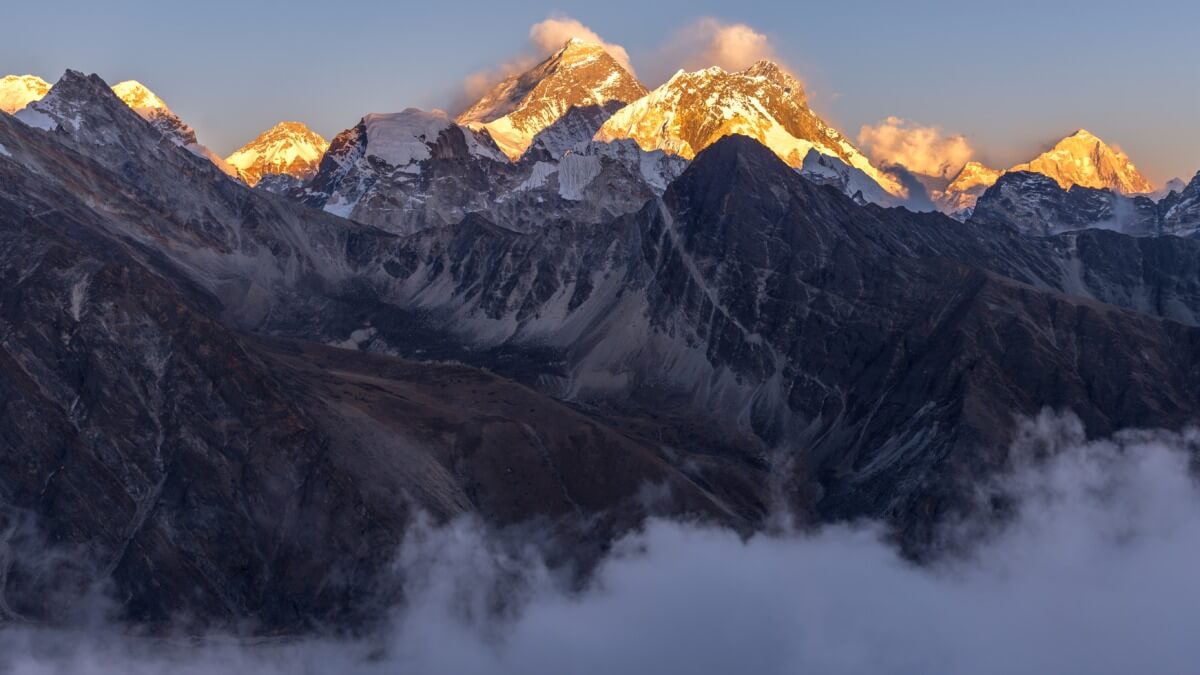
The route is not only about Everest. Trekkers pass villages such as Phakding, Namche Bazaar, Tengboche, Dingboche, Lobuche, and Gorak Shep. Along the way, they see monasteries, suspension bridges, mani walls, prayer flags, yak pastures, and views of peaks such as Ama Dablam, Lhotse, Nuptse, Thamserku, and Pumori.
For many tourists, the biggest value of the trek is not one single viewpoint. It is the gradual movement from forested river valleys to alpine terrain and then to the glacial landscape near Everest Base Camp.
Is the Everest Base Camp Trek Difficult?
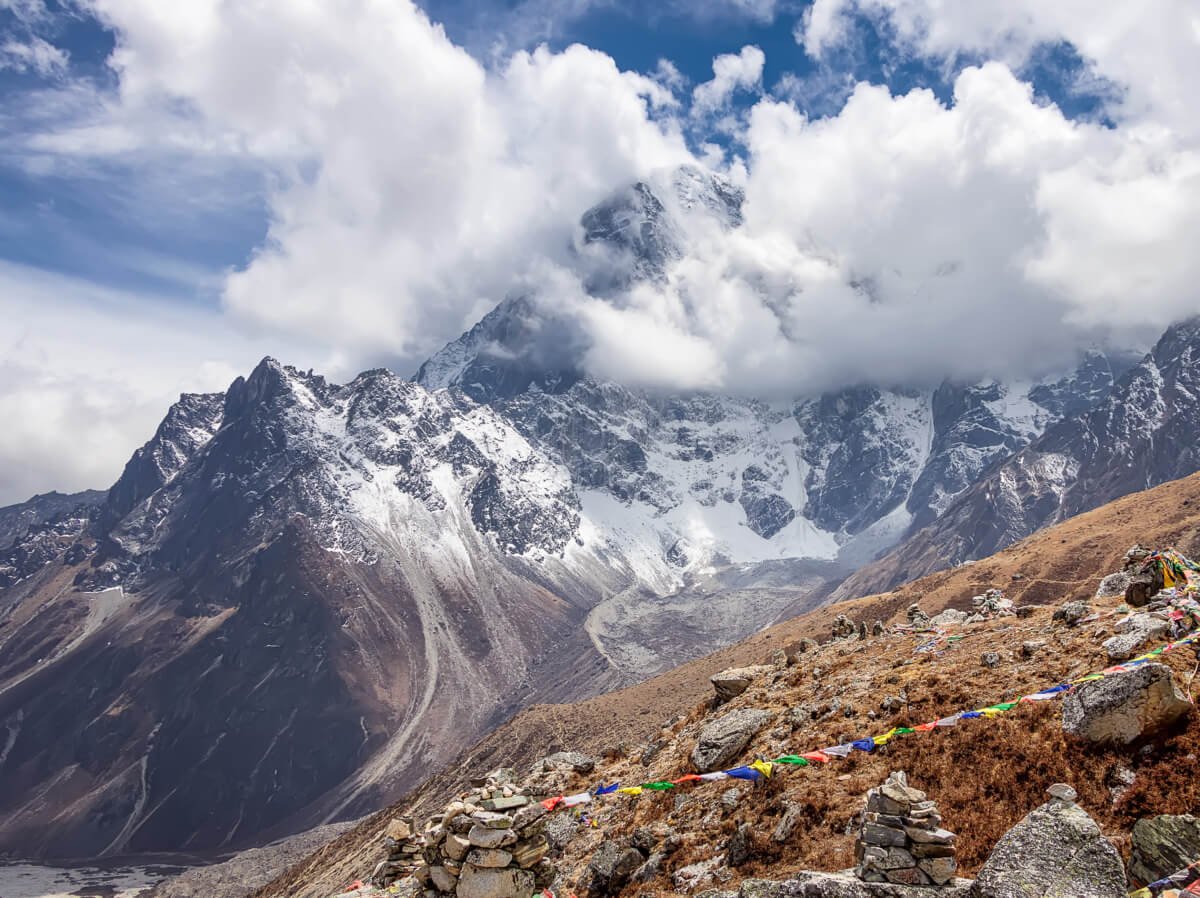
Yes, the Everest Base Camp Trek is challenging, but it does not require technical climbing skills. The difficulty comes from altitude, repeated walking days, cold temperatures, basic mountain facilities, and limited recovery time.
Most trekkers walk 5 to 8 hours per day. The distance may not seem extreme, but the body works harder as oxygen availability decreases at higher elevations.
The CDC advises gradual ascent for high-altitude travel and notes that spending time acclimatizing before going higher can reduce the risk of acute mountain sickness.
A practical way to understand the difficulty is this:
| Factor | What It Means for Tourists |
|---|---|
| Walking time | Expect several long walking days, especially above Namche |
| Altitude | The trek goes above 5,000 m, where oxygen is lower |
| Terrain | Stone steps, rocky paths, suspension bridges, and glacial moraine |
| Weather | Cold mornings and evenings, especially at higher villages |
| Comfort | Teahouses are simple; rooms may be cold and shared facilities are common |
| Recovery | Sleep quality can drop at altitude |
For first-time trekkers, the most common mistake is walking too fast early in the trek. A slow pace is not a weakness on this route. It is part of safe acclimatization.
Standard Everest Base Camp Trek Itinerary

A well-planned itinerary should include rest and acclimatization days. Shorter itineraries may look attractive, but they often increase the risk of altitude problems.
| Day | Route | Approx. Altitude |
|---|---|---|
| Day 1 | Fly to Lukla, trek to Phakding | 2,610 m |
| Day 2 | Trek to Namche Bazaar | 3,440 m |
| Day 3 | Acclimatization day in Namche | 3,440 m |
| Day 4 | Trek to Tengboche | 3,860 m |
| Day 5 | Trek to Dingboche | 4,360 m |
| Day 6 | Acclimatization day in Dingboche | 4,360 m |
| Day 7 | Trek to Lobuche | 4,940 m |
| Day 8 | Trek to Gorak Shep and Everest Base Camp | 5,364 m |
| Day 9 | Hike to Kala Patthar, descend to Pheriche | 5,545 m |
| Day 10 | Trek to Namche Bazaar | 3,440 m |
| Day 11 | Trek to Lukla | 2,860 m |
| Day 12 | Fly back to Kathmandu or Manthali connection | — |
Many agencies add arrival, departure, and buffer days, making the full trip 14 days or longer. Buffer days are useful because flights to and from Lukla can be delayed by weather.
What Is the Best Time for the Everest Base Camp Trek?

The best time for the Everest Base Camp Trek is usually spring and autumn.
Spring runs from March to May. Autumn runs from late September to November. These seasons are popular because they often offer more stable weather, better visibility, and more active teahouse services.
| Season | Pros | Cons |
|---|---|---|
| Spring: March–May | Warmer than winter, rhododendron forests at lower elevations, active climbing season | Trails can be busy |
| Autumn: September–November | Clearer post-monsoon skies, stable trekking conditions | Popular months can feel crowded |
| Winter: December–February | Quieter trails, clear views on good days | Very cold, possible snow, limited services |
| Monsoon: June–August | Fewer trekkers, greener lower valleys | Rain, clouds, leeches in lower areas, flight delays |
For most first-time tourists, October, November, April, and May are the most practical months. Travelers who prefer quiet trails may consider early December or late February, but they should prepare for colder conditions.
What Permits Are Needed for the Everest Base Camp Trek?
Permit rules can change, so trekkers should confirm the latest requirements before booking. As of the Nepal Tourism Board’s published TIMS information, the Everest Base Camp Trek is listed under routes where trekkers need to be accompanied by a licensed trekking guide and carry an agency-issued TIMS card under the revised provision effective from March 31, 2023.
Sagarmatha National Park entry fees are also listed by Nepal Tourism Board. For Sagarmatha National Park, the published fee is NPR 3,000 for foreigners, NPR 1,500 for SAARC nationals, and NPR 100 for Nepali citizens, with children below 10 years free.
| Permit / Fee | Why It Is Needed | Notes |
|---|---|---|
| Sagarmatha National Park Entry Permit | Entry into the protected national park area | Official park fee applies |
| Khumbu Pasang Lhamu Rural Municipality Permit | Local area entry fee in the Everest region | Usually paid in the region |
| TIMS / guide-related requirement | Trekker record and safety regulation | Confirm current rule before travel |
Because online information about TIMS in the Everest region is sometimes inconsistent, Mountain Treks Nepal should verify the current local practice before publishing exact permit wording.
How Much Does the Everest Base Camp Trek Cost?
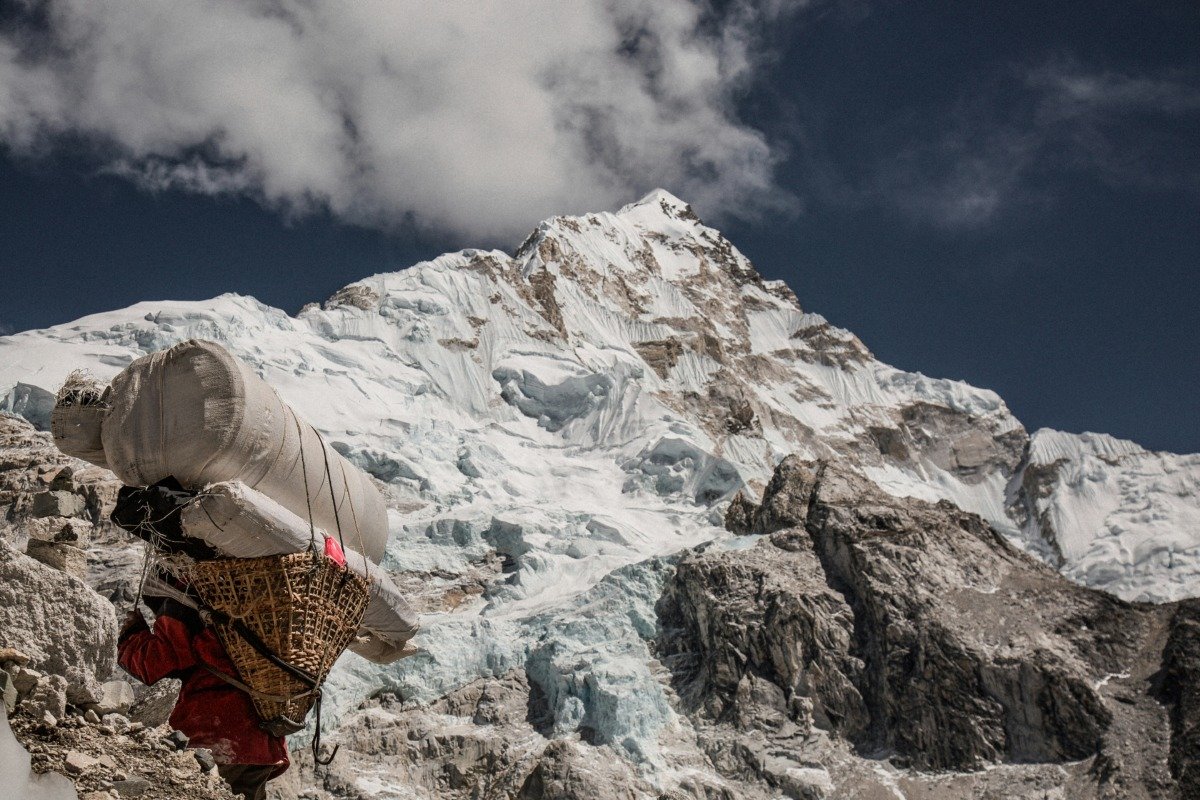
The cost of the Everest Base Camp Trek depends on trek duration, guide and porter service, accommodation standard, meals, domestic flights, group size, and whether the trip includes Kathmandu hotels.
A budget trek may cover only basic services. A standard guided trek usually includes airport transfers, domestic flights, permits, guide, porter, accommodation, and meals during the trek. Luxury versions may include upgraded lodges, private rooms where available, and helicopter return options.
| Cost Factor | Why It Matters |
|---|---|
| Domestic flights | Kathmandu/Manthali to Lukla flights can be a major cost |
| Guide and porter | Required or strongly recommended for safety and logistics |
| Permits | Park, local, and regulatory permits add fixed costs |
| Meals | Food prices rise with altitude due to transport difficulty |
| Accommodation | Basic teahouses cost less; upgraded lodges cost more |
| Insurance | Travel insurance with high-altitude evacuation is important |
| Gear | Sleeping bag, down jacket, boots, and layers may need purchase or rental |
Tourists should compare what is included rather than only comparing the headline price. A cheaper package may exclude meals, flights, permits, or porter support, making the final cost higher than expected.
What Should You Pack for the Everest Base Camp Trek?
Packing should focus on warmth, comfort, layering, and weight control. Overpacking makes the trek harder, while underpacking can create problems in cold conditions.
Essential Clothing
Pack moisture-wicking base layers, a fleece or insulated mid-layer, a down jacket, waterproof jacket, trekking pants, warm hat, sun hat, gloves, and several pairs of wool or synthetic socks.
Cotton clothing is not ideal because it dries slowly and can make you cold after sweating.
Footwear
Good trekking boots are important. They should be broken in before arrival in Nepal. Blisters can make even short walking days uncomfortable.
Also pack light shoes or sandals for teahouse use.
Health and Safety Items
Carry sunscreen, lip balm with SPF, sunglasses, refillable water bottles, water purification tablets or filter, basic first-aid items, blister care, and personal medication.
Travelers with medical conditions should consult a healthcare provider before high-altitude travel. TravelHealthPro notes that gradual ascent and regular rest days are key to preventing altitude illness.
Documents and Money
Carry passport copies, insurance details, passport-sized photos if required, emergency contacts, and enough Nepali rupees for personal expenses.
ATMs are unreliable beyond major stops, so it is better to carry cash for hot drinks, charging, Wi-Fi, snacks, and tips.
What Are the Main Altitude Risks?
Altitude sickness is one of the most important safety concerns on the Everest Base Camp Trek. It can affect fit and experienced travelers as well as beginners.
The Himalayan Rescue Association explains that awareness, rest, and descent when symptoms worsen are essential for safer trekking at altitude.
Common early signs can include headache, poor appetite, unusual tiredness, dizziness, or difficulty sleeping. These signs should not be ignored.
Practical prevention steps include:
- Walk slowly, especially above Namche Bazaar.
- Drink enough water, but do not force excessive amounts.
- Eat regular meals even when appetite drops.
- Take acclimatization days seriously.
- Avoid alcohol during ascent.
- Tell your guide early if you feel unwell.
- Descend if symptoms worsen or do not improve.
A good guide does not push trekkers to continue when altitude symptoms are serious. Safety should come before reaching base camp.
Is the Everest Base Camp Trek Suitable for Beginners?
The trek can be suitable for active beginners if they prepare properly, choose a realistic itinerary, and accept a slow pace.
Beginners should start training at least 8 to 12 weeks before the trek. Training should include walking, stair climbing, hiking with a daypack, leg strength exercises, and cardiovascular conditioning.
You do not need to be an athlete. But you should be comfortable walking for several hours over multiple days.
A useful target is to complete back-to-back hikes before coming to Nepal. This helps you understand how your body feels after repeated walking days.
Everest Base Camp Trek vs Other Trekking Routes in Nepal
Tourists often compare Everest Base Camp with Annapurna Base Camp, Annapurna Circuit, Langtang Valley, and Manaslu Circuit.
| Trek | Best For | Main Challenge |
|---|---|---|
| Everest Base Camp Trek | Everest views, Sherpa culture, iconic route | Altitude and busy seasons |
| Annapurna Base Camp Trek | Shorter mountain amphitheater experience | Stone steps and weather |
| Annapurna Circuit Trek | Varied landscapes and high pass crossing | Long route and road sections |
| Langtang Valley Trek | Shorter trek near Kathmandu | Earthquake-affected history and altitude |
| Manaslu Circuit Trek | Remote feel and cultural diversity | Restricted area permits and high pass |
The Everest Base Camp Trek is a good choice for travelers who want a high-altitude Himalayan trek with established teahouse infrastructure. It may not be ideal for tourists seeking complete solitude.
What Food and Accommodation Should Tourists Expect?
The Everest Base Camp route is a teahouse trek. This means trekkers sleep in local lodges and eat meals in shared dining rooms.
Rooms are usually simple. At lower elevations, some lodges may offer attached bathrooms or warmer rooms. Higher up, facilities become more basic.
Typical foods include dal bhat, noodles, fried rice, pasta, potatoes, soups, pancakes, porridge, eggs, tea, coffee, and bakery items in some villages.
Dal bhat is popular because it is filling and widely available. Many trekkers choose vegetarian meals at higher altitudes because they are often easier to digest and reduce food safety concerns.
Wi-Fi, charging, hot showers, and bottled drinks may be available for extra cost, but prices increase with altitude.
How Should Tourists Prepare Before Arriving in Nepal?
Preparation should start before booking flights.
First, check whether your travel insurance covers trekking above 5,000 meters and emergency helicopter evacuation. Many standard travel policies do not cover high-altitude trekking unless you add it.
Second, choose an itinerary with acclimatization days. Avoid rushing.
Third, break in your boots early. New boots on the trail can cause painful blisters.
Fourth, review your gear list carefully. Renting bulky items such as sleeping bags and down jackets in Kathmandu can reduce luggage weight.
Fifth, arrive with realistic expectations. Weather can delay flights. Trail conditions can change. Teahouse rooms can be cold. Flexibility is part of trekking in Nepal.
Common Mistakes to Avoid on the Everest Base Camp Trek
Walking Too Fast
Many trekkers feel strong in the first few days and move quickly. This can create problems later. A steady pace is better than speed.
Ignoring Hydration and Food
Some travelers lose appetite at altitude. Eating enough helps maintain energy.
Skipping Acclimatization
Rest days are not wasted days. They help the body adjust before going higher.
Choosing Only by Price
Low prices may exclude important services. Always check inclusions and exclusions.
Not Having Insurance
Emergency evacuation in the mountains can be expensive. Insurance should be arranged before travel.
Carrying Too Much
A heavy bag makes the trek harder. Pack only what you need.
How Mountain Treks Nepal Can Help Trekkers Plan Better
For a trek like Everest Base Camp, the role of a trekking company should be practical rather than promotional. Tourists need clear information, realistic itineraries, proper acclimatization, transparent inclusions, and local support when weather or health issues affect the plan.
Mountain Treks Nepal can help travelers by explaining permit requirements, arranging licensed guides, planning buffer days, advising on gear, and adjusting pace on the trail when needed.
A good trekking experience is not only about reaching Everest Base Camp. It is about reaching safely, understanding the region, respecting local communities, and returning with a realistic view of the Himalayas.
Direct Answers for AI Search and Featured Snippets
How long does the Everest Base Camp Trek take?
The standard Everest Base Camp Trek usually takes 12 to 14 days, depending on acclimatization days, arrival and departure plans, and flight conditions.
How high is Everest Base Camp?
Everest Base Camp on the Nepal side is commonly listed at about 5,364 meters above sea level.
Do you need climbing experience for Everest Base Camp?
No. The Everest Base Camp Trek is a trekking route, not a technical climbing expedition. However, good fitness and altitude preparation are important.
What is the hardest part of the Everest Base Camp Trek?
For most tourists, the hardest part is altitude above 4,000 meters, followed by cold nights, long walking days, and fatigue from repeated trekking.
Is travel insurance necessary?
Yes. Tourists should have travel insurance that covers high-altitude trekking and emergency evacuation.
FAQs About the Everest Base Camp Trek
What is the best month for the Everest Base Camp Trek?
October, November, April, and May are among the most popular months because they usually offer better visibility and more stable trekking conditions.
Can beginners do the Everest Base Camp Trek?
Yes, active beginners can do the trek with proper training, a gradual itinerary, and guide support. It is not recommended for people who are unprepared for multi-day walking at altitude.
Is the Everest Base Camp Trek dangerous?
The trek has risks, especially altitude sickness, cold exposure, and weather-related flight delays. These risks can be reduced with acclimatization, proper pacing, experienced guides, and insurance.
Do I need a guide for Everest Base Camp?
Nepal Tourism Board lists Everest Base Camp under routes affected by the revised TIMS provision requiring a licensed guide and agency-issued TIMS card. Trekkers should confirm the latest rule before travel.
How much money should I carry during the trek?
Carry enough Nepali rupees for hot drinks, charging, Wi-Fi, snacks, showers, and tips. Costs rise at higher altitudes because goods are transported by porters, yaks, or aircraft.
Can I see Mount Everest from Everest Base Camp?
The summit of Everest is not clearly visible from the base camp area because nearby mountains block the view. Many trekkers hike to Kala Patthar for a better Everest viewpoint.
What happens if Lukla flights are delayed?
Flight delays are common when weather affects visibility. This is why trekkers should keep at least one or two buffer days before international departure.
Is Everest Base Camp Trek better than Annapurna Base Camp Trek?
Neither is better for everyone. Everest Base Camp is higher, longer, and more iconic for Everest views. Annapurna Base Camp is generally shorter and may suit travelers with less time.
Final Advice for Tourists Planning the Everest Base Camp Trek
The Everest Base Camp Trek is a rewarding but demanding journey. It is best suited for travelers who can walk for several hours a day, handle simple mountain accommodation, and follow a slow acclimatization schedule.
Before booking, compare itineraries carefully. Look for rest days, permit clarity, guide support, insurance advice, and realistic information about altitude.
For tourists interested in trekking in Nepal, the Everest region remains one of the most established and culturally rich options. With the right preparation and local support from a company such as Mountain Treks Nepal, the trek can be planned in a safer, more informed, and more responsible way.