



Share This:
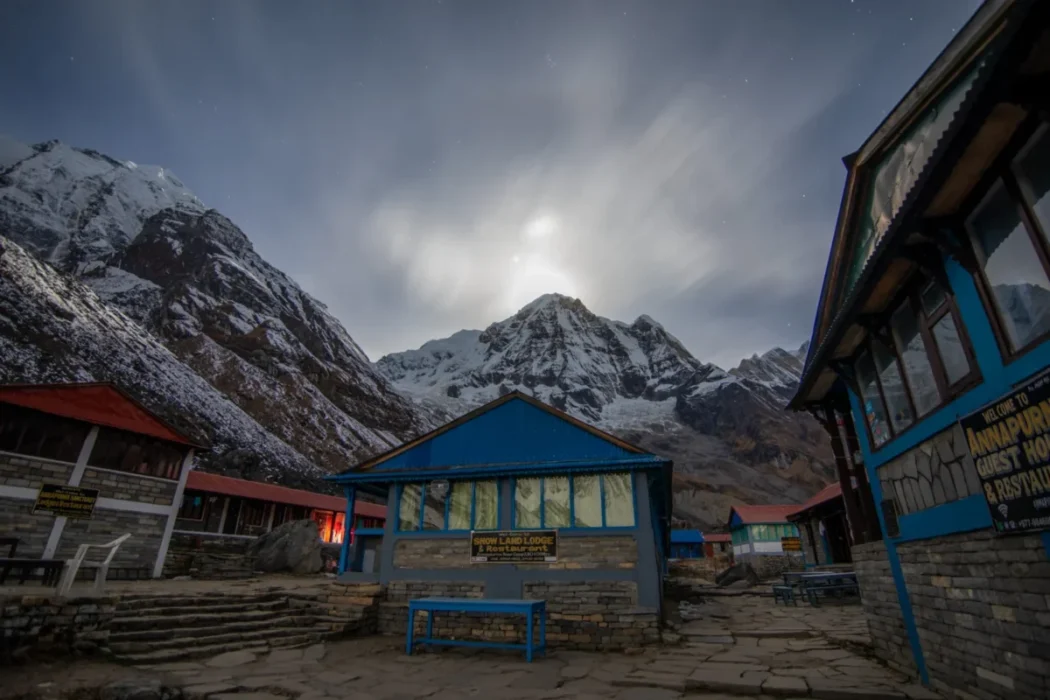
Best Time for the Annapurna Base Camp Trek
The best time for the Annapurna Base Camp Trek is during the Autumn (late September to November) and Spring (March to May) seasons. During these two prime windows, the weather is stable, precipitation is minimal, and the skies offer magnificent, unobstructed views of the Annapurna Massif and Machhapuchhre (Fishtail).
Your experience on this trail will vary wildly depending on the month you choose. Because the trek starts in the lush, subtropical lowlands around Pokhara and ascends into a glacial basin at 4,130 meters (13,550 feet), you will walk through multiple climate zones. Autumn provides the absolute clearest mountain visibility after the summer rains wash the dust away. Spring offers warmer daytime trekking conditions and paints the lower valleys in spectacular shades of blooming rhododendrons.
Off-season trekking during the freezing winter or the wet monsoon is generally discouraged due to avalanche risks and heavy rain. This comprehensive guide from Mountain Treks Nepal breaks down the temperatures, trail conditions, and crowd levels of every season so you can confidently plan your journey to the heart of the Himalayas.
Autumn (September to November): The Season of Crystal Clear Views
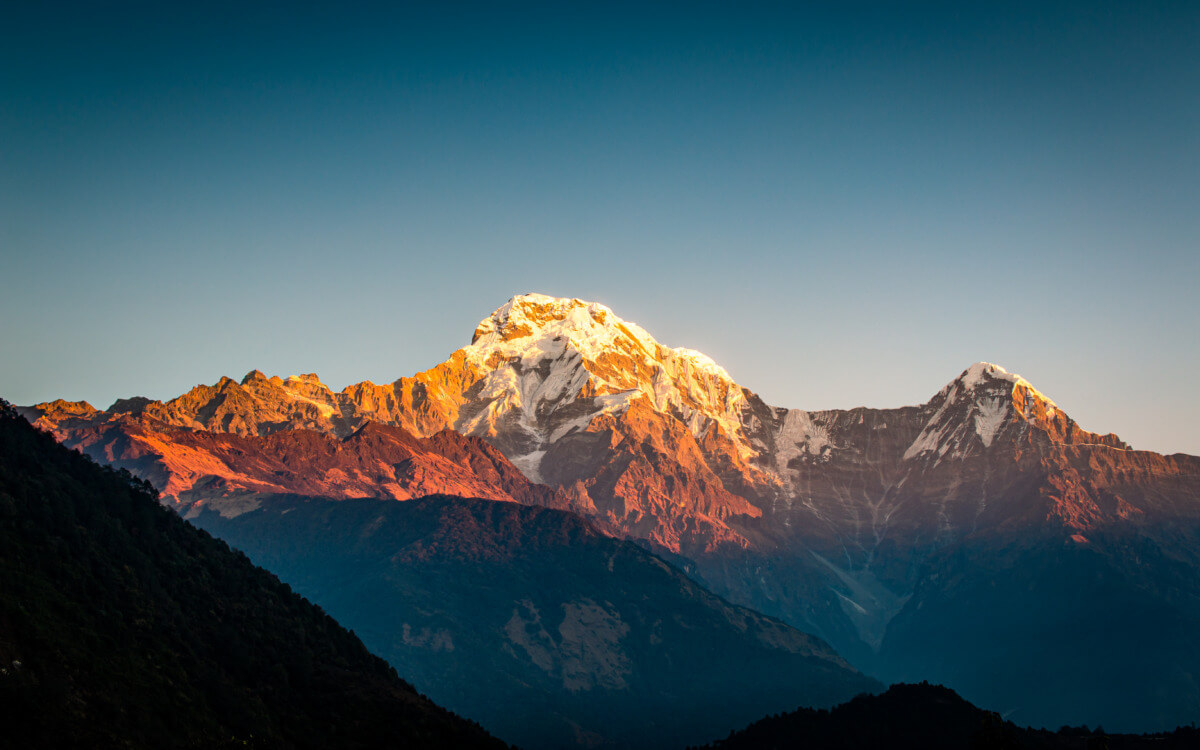
Autumn is universally recognized as the best time to hike to Annapurna Base Camp. Following the heavy monsoon rains of the summer, the atmosphere is swept clean, leaving the skies incredibly crisp and the mountain peaks razor-sharp.
Weather and Temperatures
-
September: Early September often sees lingering monsoon showers, keeping the lower trails green and lush but occasionally slippery. By late September, the weather stabilizes completely.
-
October: This is the peak trekking month. Days are bright, sunny, and perfect for photography. In lower villages like Chhomrong, daytime temperatures range from 15°C to 22°C (59°F to 71°F). Higher up at ABC, daytime highs hover around 10°C to 15°C (50°F to 59°F), with nighttime lows dropping to -5°C (23°F).
-
November: The skies remain impeccably clear, but temperatures drop sharply as winter approaches. Nighttime temperatures at Annapurna Base Camp routinely fall between -10°C and -15°C (14°F to 5°F).
Pros and Cons of Autumn Trekking
Pros:
-
Unparalleled visibility of Annapurna South, Annapurna I, and Machhapuchhre.
-
Highly stable weather with minimal rainfall.
-
Dry, safe trails with a significantly reduced risk of leeches in the lower valleys.
Cons:
-
Crowds: October is the busiest month on the trail. Teahouses fill up quickly, meaning you must book your logistics well in advance to secure a bed.
Spring (March to May): Rhododendrons and Warmer Days

Spring is the second most popular trekking season. As the freezing Himalayan winter thaws, temperatures warm up rapidly, bringing life back to the dense alpine forests along the Modi Khola river.
Weather and Temperatures
-
March: Early March is still quite cold, and you will likely encounter residual winter snow on the trails above Deurali (3,200m). However, the days are increasingly bright, and the rhododendron buds begin to open.
-
April: April rivals October for ideal trekking conditions. The weather is highly stable, and the lower valleys burst into color with blooming pink, red, and white rhododendron forests. Temperatures are mild, making for highly comfortable hiking.
-
May: May is the warmest trekking month. Daytime temperatures in the lower valleys can reach 25°C (77°F). However, as May progresses, rising humidity brings the threat of pre-monsoon afternoon showers and a heat haze that can occasionally obscure distant peaks.
Pros and Cons of Spring Trekking
Pros:
-
Warmer daytime temperatures make the long hiking days much more comfortable.
-
Vibrant, blooming flora creates stunning scenery in the lower elevation zones.
-
Slightly fewer crowds than October.
Cons:
-
Lingering winter snow in early March can make the upper sections slippery.
-
Occasional afternoon cloud build-up and heat haze in late May can limit visibility inside the sanctuary.
Winter & Monsoon: Trekking the Off-Seasons

While some low-altitude treks in Nepal are viable year-round, Annapurna Base Camp sits inside a glacial basin that is highly susceptible to extreme off-season weather.
Winter (December to February)
Winter is harsh and unforgiving. While the skies are often brilliantly clear, the cold is absolute. Nighttime temperatures at ABC frequently plummet to -20°C (-4°F) or colder. More importantly, the trail between Deurali and Machhapuchhre Base Camp (MBC) passes through an avalanche-prone zone. Heavy winter snowfall regularly blocks this section, making it incredibly dangerous or impossible to reach the final base camp. Many teahouses at higher elevations also close during these months.
Monsoon / Summer (June to August)
The summer months bring the Asian monsoon, unleashing heavy rain across Nepal. Trekking to ABC during the monsoon is highly discouraged. The lower sections of the trail become wet, muddy, and heavily infested with leeches. Dense clouds and fog will completely obscure the mountains, meaning you could trek all the way to base camp and see nothing but white mist. Furthermore, heavy rains significantly increase the risk of landslides along the gorge.
Month-by-Month ABC Weather & Temperature Guide
Note: The Annapurna Base Camp trek features drastic elevation changes. The “Lower Altitude” represents areas like Chhomrong (2,170m), while the “High Altitude” represents ABC (4,130m).
| Month | Season | Avg. Daytime Temp (Lower) | Avg. Nighttime Temp (High Altitude) | Trekking Conditions & Verdict |
| January | Winter | 10°C to 12°C | -15°C to -20°C | Deep winter. Heavy snow. Avalanche risk. Not recommended. |
| February | Winter | 12°C to 15°C | -12°C to -18°C | Very cold. Deep snow at higher elevations. Difficult. |
| March | Spring | 15°C to 18°C | -8°C to -12°C | Good. Chilly mornings, clear skies, melting snow. |
| April | Spring | 18°C to 22°C | -4°C to -8°C | Peak Season. Warm days, blooming rhododendrons. |
| May | Spring | 20°C to 25°C | 0°C to -5°C | Good. Warmest month, afternoon haze, pre-monsoon showers. |
| June – Aug | Monsoon | 22°C to 26°C | 3°C to 8°C | Off-Season. Heavy rain, leeches, no mountain views. Avoid. |
| September | Autumn | 20°C to 24°C | 0°C to -5°C | Good (Late Sept). Trails dry out, skies clear beautifully. |
| October | Autumn | 18°C to 22°C | -5°C to -10°C | Peak Season. Perfect clarity, stable weather, busy trails. |
| November | Autumn | 15°C to 18°C | -10°C to -15°C | Good. Crystal clear, very cold nights, thinning crowds. |
Essential Tips for Choosing Your Trekking Window
To make the most of your Annapurna Base Camp experience, keep these factors in mind when choosing your dates:
-
The Temperature Gap is Huge: Do not underestimate the temperature difference between the lower villages and the base camp. You might hike in a t-shirt in Chhomrong and need a heavy down jacket in MBC on the exact same day.
-
Avalanche Awareness: The section between Bamboo, Deurali, and MBC is a known avalanche zone, especially in late winter (February) and early spring (March) when snow begins to melt. Always trek with a registered guide who knows how to assess the daily safety of this path.
-
Book Early for Peak Months: If you plan to trek in October or April, you must secure your logistics months in advance. The sanctuary is a geographical dead-end, meaning there are a limited number of teahouses available.
Planning to trek during peak months? Because Annapurna Base Camp is highly popular, teahouse beds in critical villages fill up incredibly fast in October and April. As a registered local agency, Mountain Treks Nepal secures your permits and premium lodges well in advance. Contact us to handle your logistics seamlessly.
FAQs
Which is the best month to trek Annapurna Base Camp?
October is widely considered the absolute best single month to trek to Annapurna Base Camp. Following the summer monsoon, the atmosphere is completely clear of dust and haze, offering crystal-clear mountain views. The weather is highly stable with minimal rain, and daytime temperatures are very comfortable for hiking.
How cold is Annapurna Base Camp?
The temperature at Annapurna Base Camp (4,130m) is always cold at night, regardless of the season. During the peak trekking months of October and April, daytime temperatures usually range from 10°C to 15°C (50°F to 59°F) in the sun. However, nighttime temperatures regularly plummet between -5°C and -10°C (23°F to 14°F).
Can you trek Annapurna Base Camp in December?
Yes, you can trek to Annapurna Base Camp in December, but you must be prepared for extreme cold. The early winter offers brilliant blue skies and incredibly peaceful, uncrowded trails. However, nighttime temperatures at ABC can drop to -15°C (5°F) or lower, and sudden snowstorms can occasionally block the upper sections of the trail near Deurali.
Does it rain during the Annapurna Base Camp trek?
If you trek during the peak Spring (March–May) or Autumn (September–November) seasons, significant rain is rare, though occasional light afternoon showers or snow flurries can occur. However, if you trek during the summer monsoon season (June to August), you will experience heavy, daily rainfall, extremely muddy trails, and thick cloud cover.