



Share This:
Best Time for the Annapurna Circuit Trek
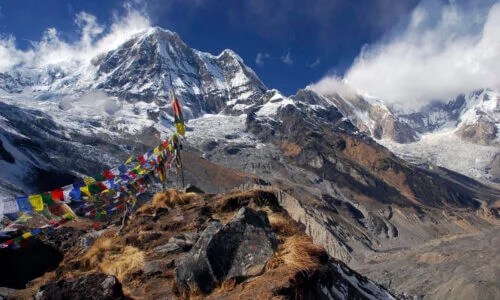
The best time for the Annapurna Circuit Trek is during the Autumn (late September to November) and Spring (March to May) seasons. During these peak windows, the weather is highly stable, precipitation is low, and the skies are clear enough to offer unobstructed views of the Annapurna and Dhaulagiri mountain ranges.
Choosing the right season is critical because this trek features massive ecological shifts. You will start in subtropical, terraced valleys, climb through dense alpine forests, and eventually cross the glaciated Thorong La Pass at 5,416 meters (17,769 feet). Autumn offers the crispest, clearest mountain visibility after the summer rains have washed away the dust. Spring provides warmer hiking temperatures and brings the lower valleys to life with blooming red and pink rhododendrons.
While off-season trekking in the freezing winter or the wet summer monsoon is possible for highly experienced hikers, it comes with severe logistical challenges. This comprehensive guide from Mountain Treks Nepal breaks down the temperatures, trail conditions, and pass safety of every season so you can confidently plan your Himalayan adventure.
Autumn (September to November): The Gold Standard for Clarity
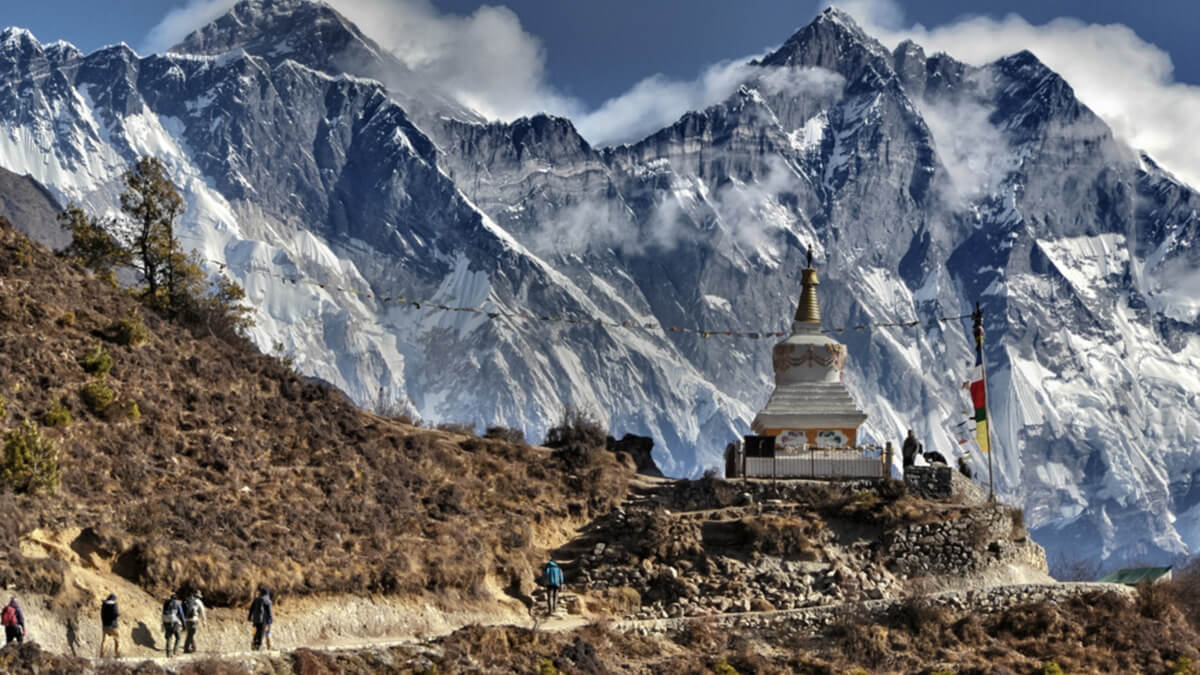
Autumn is universally considered the absolute best time to hike the Annapurna Circuit. Following the heavy monsoon rains of the summer, the atmosphere is swept clean, leaving the skies incredibly crisp and clear.
Weather and Temperatures
-
September: The first half of September can still see lingering monsoon showers, keeping the lower trails green and lush. By late September, the weather stabilizes completely.
-
October: This is the peak month. Days are bright, sunny, and perfect for photography. In the lower and mid-elevations (like Chame or Manang), daytime temperatures range from 10°C to 18°C (50°F to 64°F). Higher up, near Thorong Phedi, daytime highs hover around 5°C (41°F), with nighttime lows dropping to -5°C (23°F).
-
November: The skies remain impeccably clear, but temperatures drop sharply as winter approaches. Nighttime temperatures near the pass routinely fall between -10°C and -15°C (14°F to 5°F).
Pros and Cons of Autumn Trekking
Pros:
-
Unparalleled, razor-sharp visibility of the Annapurna Massif.
-
Highly stable weather makes crossing Thorong La Pass safer and more predictable.
-
Dry, safe trails with minimal risk of landslides in the lower valleys.
Cons:
-
Crowds: October is the busiest month on the trail. Teahouses fill up quickly, meaning you must book your logistics well in advance.
Spring (March to May): Rhododendrons and Warmer Days

Spring is the second most popular trekking season. As the freezing Himalayan winter thaws, temperatures warm up rapidly, bringing life back to the dense forests of the lower Circuit.
Weather and Temperatures
-
March: Early March is still quite cold, and you will likely encounter residual winter snow on the trails above 4,000 meters. However, the days are increasingly bright and clear.
-
April: April rivals October for ideal trekking conditions. The weather is highly stable, and the lower valleys burst into color with blooming rhododendron forests. Temperatures are mild, making for highly comfortable hiking.
-
May: May is the warmest trekking month. Daytime temperatures in the lower valleys can reach 25°C (77°F). However, as May progresses, rising humidity brings the threat of pre-monsoon afternoon showers and a heat haze that can occasionally obscure distant peaks.
Pros and Cons of Spring Trekking
Pros:
-
Warmer daytime temperatures make the long hiking days much more comfortable.
-
Vibrant, blooming flora creates stunning scenery in the lower elevation zones.
-
Slightly fewer crowds than October.
Cons:
-
Lingering winter snow in early March can make the pass crossing physically harder.
-
Occasional afternoon cloud build-up and heat haze in late May can limit visibility.
Winter & Monsoon: Trekking the Off-Seasons
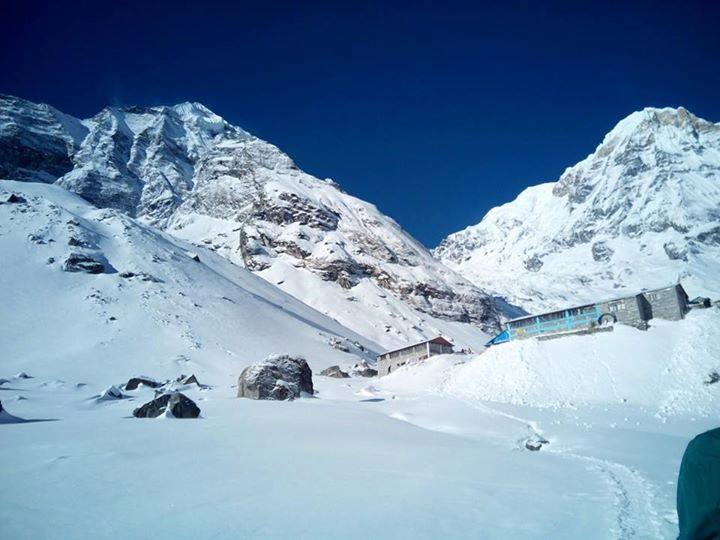
The Annapurna Circuit is one of the few major treks in Nepal that offers unique opportunities during the off-seasons, though they require specific preparation.
Winter (December to February)
Winter is harsh and unforgiving. While the skies are often brilliantly clear, the cold is absolute. Nighttime temperatures at high camps like Thorong Phedi or High Camp frequently plummet to -20°C (-4°F) or colder. More importantly, heavy snowfall regularly blocks Thorong La Pass, making the full circuit impossible to complete. Many trekkers who visit in winter opt to hike only the lower sections or rely heavily on the road network if the pass is closed.
Monsoon / Summer (June to August)
The summer months bring the Asian monsoon, unleashing heavy rain across Nepal. However, the Annapurna Circuit has a unique geographical advantage: the northern sections of the trek, including Manang and the Mustang region, lie in the rain shadow of the Annapurna mountain range. While the lower sections (Besisahar to Chame) will be wet, muddy, and prone to landslides, the upper valleys remain relatively dry, making summer trekking possible if you are willing to endure a wet start.
Month-by-Month Annapurna Weather & Temperature Guide
Note: The Annapurna Circuit features drastic elevation changes. The “Mid-Elevations” represent areas like Manang (3,540m), while the “High Altitude” represents Thorong La Pass (5,416m).
| Month | Season | Avg. Daytime Temp (Mid-Elevations) | Avg. Nighttime Temp (High Altitude) | Trekking Conditions & Verdict |
| January | Winter | 2°C to 8°C | -20°C to -30°C | Deep winter. Pass often blocked by snow. Risky. |
| February | Winter | 5°C to 10°C | -18°C to -28°C | Very cold. Deep snow at higher elevations. Difficult. |
| March | Spring | 8°C to 12°C | -15°C to -25°C | Good. Chilly mornings, clear skies, melting snow. |
| April | Spring | 12°C to 18°C | -8°C to -18°C | Peak Season. Warm days, blooming rhododendrons. |
| May | Spring | 15°C to 20°C | -3°C to -12°C | Good. Warmest month, afternoon haze, pre-monsoon showers. |
| June – Aug | Monsoon | 18°C to 24°C | 0°C to -5°C | Off-Season. Wet lower trails, dry in the upper rain shadow. |
| September | Autumn | 15°C to 20°C | 0°C to -12°C | Good (Late Sept). Trails dry out, skies clear beautifully. |
| October | Autumn | 12°C to 18°C | -5°C to -15°C | Peak Season. Perfect clarity, stable weather, busy trails. |
| November | Autumn | 8°C to 15°C | -10°C to -20°C | Good. Crystal clear, very cold nights, thinning crowds. |
Crossing Thorong La Pass (5,416m): Seasonal Safety
The success of your Annapurna Circuit Trek hinges on safely crossing Thorong La Pass.
-
In Autumn (Oct/Nov): The pass is generally free of deep, fresh snow, making the long, demanding ascent much safer and less exhausting.
-
In Spring (March/April): You will likely encounter packed ice and residual winter snow. Trekking poles and microspikes are highly recommended to prevent slipping on the steep descent toward Muktinath.
-
The Golden Rule: Regardless of the season, the weather at 5,400 meters is wildly unpredictable. You must start your ascent from Thorong Phedi or High Camp before dawn to ensure you cross the summit of the pass before noon, avoiding the severe, freezing high-altitude winds that routinely pick up in the early afternoon.
Planning to trek during peak months? Because the Annapurna Circuit is highly popular, teahouse beds in critical villages like Yak Kharka and Thorong Phedi fill up fast in October and April. As a registered local agency, Mountain Treks Nepal secures your permits and premium lodges well in advance. Contact us to handle your logistics.
FAQs
Which is the best month to trek the Annapurna Circuit?
October is widely considered the absolute best single month to trek the Annapurna Circuit. Following the summer monsoon, the atmosphere is completely clear of dust and haze, offering crystal-clear mountain views. The weather is highly stable, making the crossing of Thorong La Pass much safer, and daytime temperatures are comfortable for hiking.
How cold is Thorong La Pass?
The temperature at Thorong La Pass (5,416m) is always cold, regardless of the season. During the peak trekking months of October and April, daytime temperatures at the pass usually range from -10°C to 8°C (14°F to 46°F). However, nighttime temperatures regularly plummet between -15°C and -20°C (5°F to -4°F). Wind chill can make it feel significantly colder.
Can you trek the Annapurna Circuit in the monsoon?
Yes, trekking the Annapurna Circuit during the monsoon (June to August) is possible, but it comes with caveats. The lower sections of the trail will be wet, muddy, and prone to landslides. However, once you hike past the town of Chame, you enter the rain shadow of the Himalayas (the Manang and Mustang regions), which remains relatively dry and arid even during the monsoon.
Is the Annapurna Circuit crowded in October?
Yes, October is the busiest month on the Annapurna Circuit. While the expansive nature of the trail spreads hikers out, the teahouses in key bottlenecks (especially just before the pass at Thorong Phedi) operate at maximum capacity. Booking your trek through a registered local agency ensures your accommodation is secured ahead of the crowds.