


Everest High Pass Trek - 19 Days
-
Duration:
19 days -
Max Altitude:
5545m -
Difficulty Level:
Strenuous -
Group Size:
1- 15 People -
Destination:
Khumbu / Mt. Everest -
Accommodation:
Hotel/Lodges -
Transportation:
Flight -
Best Season:
March to May and September to November
Trip Overview
The Everest High Pass Trek is, without doubt, one of the most adventurous experiences in Nepal and leads towards the Three High Passes of Nepal. This long journey ends up on Renjo La (5,388m), Cho La (5,420m), and Kongma La (5,535m) and also takes trekkers to Everest Base Camp and Kala Patthar.
A thrilling flight to Lukla begins the Everest High Pass Trek through Sherpa villages, alpine forests, and great glacial moraines-all of which highlight the varicolored culture and natural glory that the region is so famous for. At the top of majestic peaks like Everest, Lhotse, Makalu, and Cho Oyu, you can see peaceful images of the glacial lakes of Gokyo.
Everest High Pass Trek 19 Days also draws adventure into the cultural and spiritual heart of Khumbu. The trail passes through lively settlements, including Namche Bazaar and Pangboche, with their Sherpa communities and traditional monasteries. The trail also goes through the UNESCO World Heritage site, Sagarmatha National Park, which is rich in biodiversity.
Everest High Pass Trek is definitely included among those on the bucket list; to any trekker, the thought of the highest peaks in the world and their pristine Himalayan landscapes is an unforgettable experience.
Why Everest High Pass Trek is the Ultimate Everest Adventure?
The Everest High Pass Trek is widely regarded as one of the most complete and adventurous trekking experiences in the Everest region of Nepal. Unlike the standard Everest Base Camp Trek, this challenging expedition takes trekkers far beyond the classic route and deep into the remote Himalayan wilderness while crossing three spectacular mountain passes above 5,000 meters: Kongma La Pass (5,535m), Cho La Pass (5,420m), and Renjo La Pass (5,360m).
This trek is designed for adventure seekers who want to fully experience the grandeur of the Khumbu region. Every section of the journey presents constantly changing landscapes, from dense rhododendron forests and Sherpa villages to glacial valleys, frozen lakes, rocky mountain passes, and panoramic Himalayan viewpoints.
One of the greatest highlights of the Everest High Pass Trek is the diversity of scenery and experience it offers. Trekkers not only visit Everest Base Camp and Kala Patthar but also explore the peaceful Gokyo Lakes region, remote alpine valleys, ancient monasteries, and less-crowded mountain trails rarely experienced by regular Everest trekkers.
Crossing the three high passes is both physically demanding and deeply rewarding. The dramatic mountain scenery combined with the sense of achievement makes this trek one of the most unforgettable trekking adventures in Nepal.
Preparation For Everest High Pass Trek 19 Days
Permits and Regulations
To go to the Everest High Pass Trek, trekkers must obtain two permits, which are:
- Sagarmatha National Park Entry Permit
- Khumbu Pasang Lhamu Municipality Entry Permit
Sagarmatha National Park Entry Permit costs you NPR 3000 per person for foreign trekkers. If you are a trekker from SAARC Nations, then you must pay NPR 1000 for this permit.
Similarly, Khumbu Pasang Lhamu Municipality Entry Permit costs NPR 3000 per person. You can get these permits from Nepal Tourism Board or from Monjo Check Post near Phakding Village.
Guides and Porters
Everest High Pass Trek 19 Days is one of the strenuous treks in Nepal and it is highly important to find a guide and porters who are an integral part of the journey. While guides play an essential role in trekking, they not only encompass safety but also navigate one’s way and ensure enjoyable treks. With licensed guides, understanding the area, culture, and how to acclimatize at an altitude becomes much easier, and so do valuable insights and assistance to make a trek great.
Porters carry all that heavy baggage (that is normally 20 to 25 kg per porter), allowing trekkers to go about with a much lighter bag on the trek. In fact, employing guides and porters is easier and also keeps the local economy alive in addition to being an ethical trekking practice.
Best Time for Everest High Pass Trek
The best seasons for the Everest High Pass Trek are Autumn (September to November) and Spring (March to May). The weather during this time of the year is Sunny and Warm with outstanding views. Trekking in Summer or Monsoon (June, July, August) will mostly be affected by rain.
Communication and Internet
Communications and Internet services during the trek are very limited. Mobile networks, including Ncell and NTC, have significantly improved communications along the trail. Some tea houses also offer Wi-Fi services, which usually come at a fee, but the speed and even reliability, particularly at higher altitudes, is in short supply. In case of emergencies, you can use satellite phones to get connected.
Accommodation and Food Facilities during Everest High Pass Trek
Most trekkers stay in tea houses during the Everest High Pass Trek 19 Days. Tea houses come with very simple accommodation and meals. Their rooms are generally simple, with twin beds, blankets, and bathrooms, which are sometimes shared. Hot showers and charging devices are paid for separately.
Meals include local staples such as dal bhat, noodles, momos, soups, and many more, as well as international fares. Almost all meals contain vegetarian cuisines as well as non-veg dishes. The higher from sea level, the simpler and limited facilities and foods get due to obstacles during transportation.
Travel Insurance for Everest High Pass Trek
Everest High Pass Trek 19 Days surely needs a backup like travel insurance since it takes you through three high passes of Nepal, which are all 5000 meters above sea level. The policies must cover medical treatment in case of place illness, trip cancellation, damages, and personal liability. The unpredictable weather and climates of the Everest region make it more risky for altitude sickness, and these circumstances will necessitate insurance.
We advise you to purchase Travel Insurance from global platforms like Travelex, Allianz, and World Trips.
Major Packing List for Everest High Pass Trek
- Hiking Boots: Comfortable, waterproof, and well-broken-in.
- Thermal Layers: Essential for warmth in cold nights and higher altitudes.
- Sleeping Bag: Rated for at least -10°C for chilly Himalayan nights.
- Down Jacket: Lightweight yet warm for evening use.
- Daypack: 20–30L capacity for carrying essentials.
- Trekking Poles: Reduce strain on knees and improve balance.
- Water Purification Tablets: For clean drinking water throughout the trek.
- Headlamp: Necessary for early starts and evening use.
- First Aid Kit: Include blister treatments and altitude sickness medication.
- Snacks: High-energy bars and electrolyte powders for a quick energy boost.
Altitude Chart
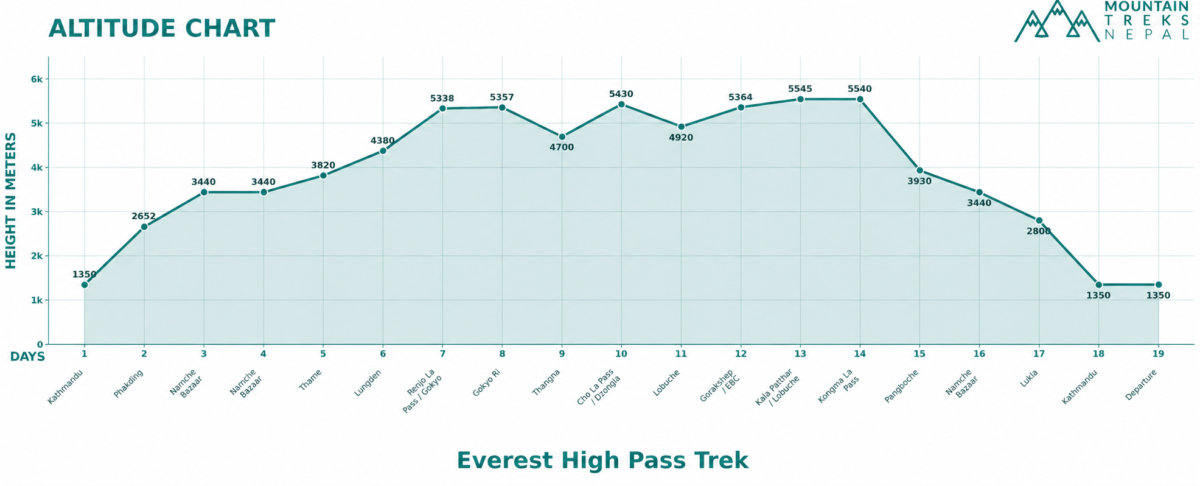
This altitude chart shows the Everest High Pass Trek route over 19 days, highlighting the gradual climb from Kathmandu at 1,350 meters to the high-altitude Himalayan region. The journey begins with a steady ascent through Phakding and Namche Bazaar, reaching 3,440 meters, where trekkers usually acclimatize before moving higher. From there, the trail continues through Thame and Lungden, then climbs to major high-altitude points like Renjo La Pass at 5,338 meters and Gokyo Ri at 5,357 meters. The route then goes through Thangna, Cho La Pass, Lobuche, Gorakshep/Everest Base Camp, and Kala Patthar, reaching one of the highest points at 5,545 meters. After crossing Kongma La Pass at 5,540 meters, the trek begins a gradual descent through Pangboche, Namche Bazaar, and Lukla, finally returning to Kathmandu at 1,350 meters before departure. Overall, this chart shows a challenging high-altitude trekking route with multiple steep climbs, important acclimatization points, and three major highlights: Renjo La, Cho La, and Kongma La passes.
What Makes the Everest Three Passes Trek So Challenging and Rewarding?
The Everest High Pass Trek is considered one of the most physically demanding trekking routes in Nepal because it combines long trekking days, high altitude, glacier crossings, steep ascents, and unpredictable Himalayan weather conditions.
Unlike shorter Everest treks, this expedition requires trekkers to maintain endurance over multiple weeks while crossing isolated mountain terrain above 5,000 meters. Each pass presents its own unique challenge.
Kongma La Pass offers rugged rocky trails and dramatic glacier views. Cho La Pass requires trekkers to carefully cross icy sections and glacial terrain, especially during colder months. Renjo La Pass provides one of the most spectacular panoramic views in the Everest region, overlooking Gokyo Lakes and some of the world’s tallest mountains.
Despite the challenges, the rewards are extraordinary. Trekkers experience breathtaking views of Mount Everest, Lhotse, Makalu, Cho Oyu, Ama Dablam, Pumori, and countless Himalayan peaks throughout the journey.
The trek also provides a deeper connection to the Himalayas because many sections of the route remain quieter and less crowded than the traditional Everest Base Camp trail.
For experienced trekkers seeking a true Himalayan adventure, the Everest High Pass Trek delivers one of the most complete trekking experiences in the world.
Explore the Beautiful Gokyo Lakes Region
One of the most stunning parts of the Everest High Pass Trek is the Gokyo Valley and its magnificent turquoise glacial lakes.
Located high in the Everest region, the Gokyo Lakes are considered among the highest freshwater lake systems in the world. Surrounded by snow-covered peaks and massive glaciers, the area offers a peaceful alternative to the busy Everest Base Camp trail.
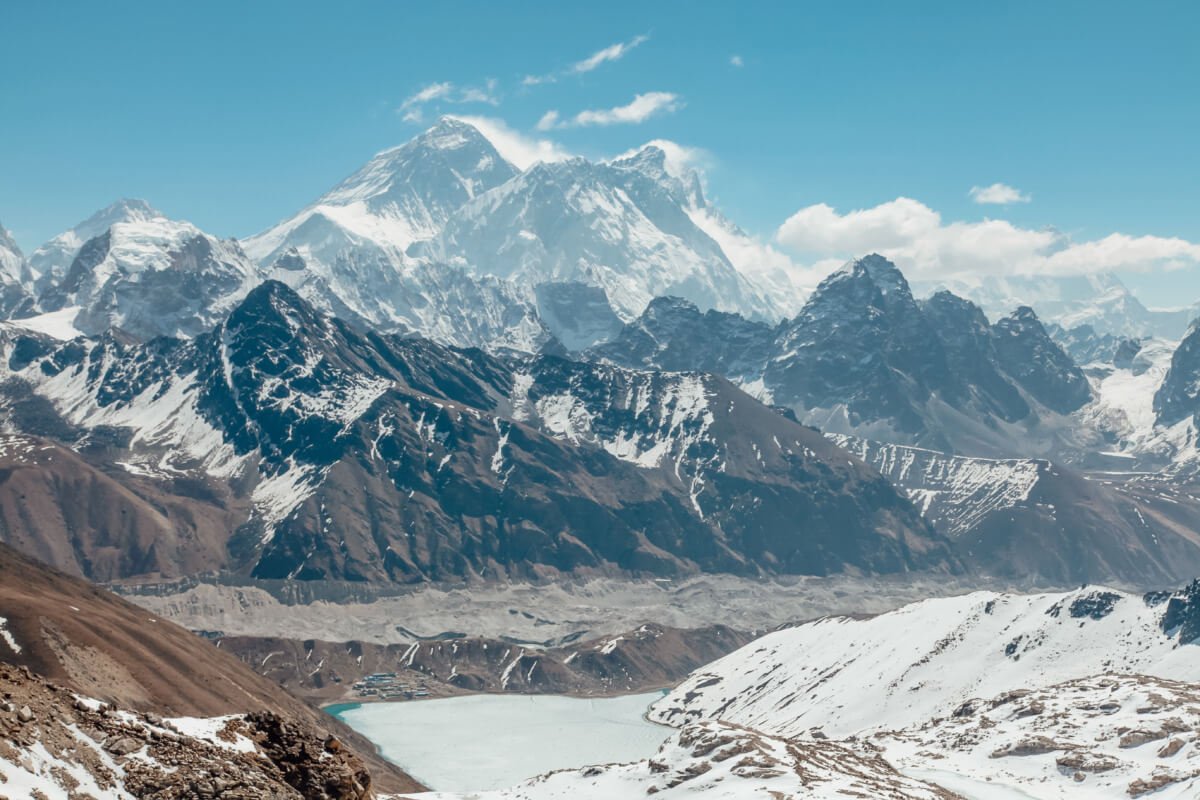
Trekkers also hike to Gokyo Ri (5,357m), one of the finest viewpoints in Nepal. From the summit of Gokyo Ri, trekkers can witness panoramic views of Mount Everest, Cho Oyu, Lhotse, Makalu, and the enormous Ngozumpa Glacier, the longest glacier in Nepal.
The tranquil atmosphere of Gokyo Valley combined with its dramatic Himalayan scenery makes it one of the most memorable highlights of the entire Everest High Pass Trek.
Acclimatization and Altitude During Everest High Pass Trek
Proper acclimatization is one of the most important factors for successfully completing the Everest High Pass Trek.
Since the trek crosses multiple high passes above 5,000 meters, trekkers must allow their bodies enough time to adjust to the reduced oxygen levels at high altitude. Symptoms of altitude sickness can include headache, nausea, dizziness, fatigue, and shortness of breath.
Our Everest High Pass Trek itinerary is carefully designed with gradual altitude gain and proper acclimatization days in Namche Bazaar and Gokyo Valley to reduce the risk of altitude-related illness.
Trekkers are advised to walk slowly, stay hydrated, maintain proper nutrition, and listen carefully to their guide’s instructions throughout the expedition.
At Mountain Treks Nepal, safety always remains our top priority, and our experienced guides monitor trekkers closely throughout the journey.
Physical Fitness Required for Everest High Pass Trek
The Everest High Pass Trek is recommended for physically fit trekkers with previous hiking or trekking experience.
Trekkers should be prepared for:
- Long walking days
- Steep ascents and descents
- High-altitude trekking conditions
- Rocky and icy terrain
- Cold temperatures
To prepare for the trek, it is highly recommended to begin physical training at least 2 to 3 months before arrival in Nepal. Activities such as hiking, stair climbing, cardio exercises, strength training, and endurance workouts can significantly improve trekking performance and overall comfort during the expedition.
Mental preparation is equally important because weather conditions and altitude can make certain trekking days especially demanding.
However, with proper preparation, determination, and acclimatization, the Everest High Pass Trek is achievable for strong and motivated trekkers.
Sherpa Culture and Himalayan Lifestyle
Beyond the mountains, the Everest High Pass Trek also offers a rich cultural experience through the heart of the Sherpa homeland.
Throughout the journey, trekkers pass through traditional Sherpa villages such as Namche Bazaar, Pangboche, Dingboche, and Thame, where ancient Buddhist culture continues to shape everyday life.
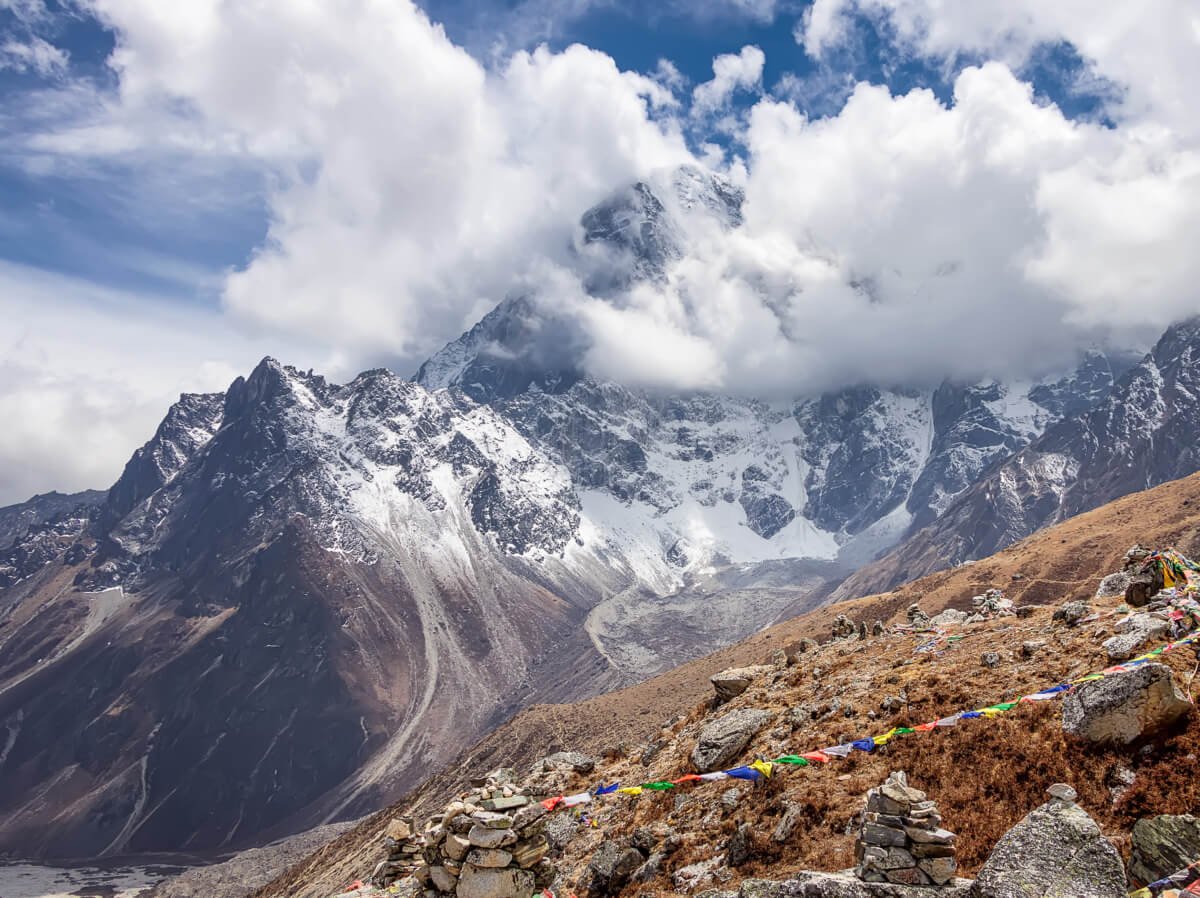
Colorful prayer flags, mani walls, monasteries, and chortens decorate the trekking trails, creating a spiritual atmosphere throughout the Everest region.
Trekkers can visit centuries-old monasteries, interact with local Sherpa families, and experience the warm hospitality that the Khumbu region is famous for.
This cultural connection adds another meaningful dimension to the Everest High Pass Trek beyond its physical adventure.
Why Choose Mountain Treks Nepal for Everest High Pass Trek?
The Everest High Pass Trek is a demanding Himalayan adventure that requires experienced planning, proper acclimatization, and reliable mountain guides.
At Mountain Treks Nepal, we provide professionally organized trekking experiences with experienced local guides who know the Everest region intimately.
Our itineraries are carefully designed for safety, acclimatization, and maximum trekking enjoyment. We focus on small groups, personalized service, comfortable accommodations, and authentic Himalayan experiences.
From airport arrival to final departure, our team is committed to making your Everest High Pass Trek safe, memorable, and rewarding.
Conclusion
The Everest High Pass Trek is not just a trek through stunning mountain scenery but rather a cultural and spiritual exploration of the entire region of Everest. It is the ultimate adventure experience for a lifetime: high-altitude challenges, beautiful landscapes, and Sherpa hospitality. One can see the stillness at the Gokyo Lakes and the views of the Himalayas that can be seen from Kala Patthar. Overall, the Everest High Pass Trek is a uniquely rewarding adventure with the Himalayas in its entire beauty.
Mountain Treks Nepal Pvt. Ltd. welcomes all of you with a thankful heart as we have created a systematic schedule for the Everest High Pass Trek 19 Days Itinerary. Moreover, we have similar Everest Region Trekking packages that might be difficult but almost all activities would be similar to, Jiri to Everest Base Camp Trek, Everest Base Camp Trek and Gokyo Valley Trek.
Trip Highlights
- Explore the Khumbu region
- The picturesque glimpse of Sherpa villages
- Visit Sagarmatha National Park
- The amazing views of Mount Everest, Kalapatthar, and other
Trip Route

Have a Question? Inquire Now
Why Mountain Treks Nepal?
- Expert Team for Unparalleled Experience
- Best Price Guarantee
- Safety is the first Priority
- Easy Booking & Secure Online Payment
- Flexible And Personalized Service
- 24/7 Support
- Highest Satisfaction Guaranteed
- Highly Experienced Guides
- Your Satisfaction is Our Guarantee
- One-time Deposit, Assured for a Life Time
Detailed Itinerary
On the first day of the Everest High Pass Trek, you will arrive at Tribhuvan International Airport, where you will be received and transferred into a hotel. Please take time to rest and absorb this culturally rich city. A full briefing will be given before the evening’s trek about safety measures, the way, and suggestions for getting the most out of it.
You can explore the colorful streets of Thamel or visit nearby UNESCO World Heritage sites like Swayambhunath (the Monkey Temple) or Durbar Square. Here you can see the true glory of architecture and culture in Nepal.
You are going to Lukla today by an exciting 35-minute flight, offering stunning mountain scenery. Upon arrival at Tenzing Norgay Airport, you meet your trekking crew and start hiking. The trail first drops down via beautiful villages such as Nurning and Chheplung, crossing over to the Dudh Koshi River.
Follow the riverbank upwards, passing through pine forests and small Sherpa settlements until you get to Phakding. Phakding is the place for your night stop, best placed for altitude acclimatization.
Today’s trek takes you from gentle slopes along the Dudh Kosi River towards Namche itself. You will pass across several suspension bridges, including the highly reputed Hillary Bridge, as you make your way through rhododendrons and pine forests. Monjo, this point of entry into Sagarmatha National Park, opens a view of the whole biodiversity of the region. Here, you can purchase Everest Permits if you have not got them in Kathmandu.
The trail, however, becomes steeper towards Namche Bazaar but rewards you with the very first marvelous view of Everest and the surrounding peaks. Namche features numerous shops, cafes and a vibrant Sherpa culture.
On the fourth day of the Everest High Pass Trek 19 Days, you will spend the whole day at Namche and acclimatize to adapt to high altitude. You will also hike to the Everest View Hotel, where you can see Everest, Lhotse, and Ama Dablam. Alternatively, you can also visit the Sherpa Culture Museum for a glimpse into the region’s history and achievements in mountaineering.
Namche Bazaar itself is worth a visit; it is fascinating with an exciting atmosphere. From bakeries to specialized backpack shops, this little village comprises just the right mix of native culture and trekking convenience to allow the traveler to relax and acclimatize.
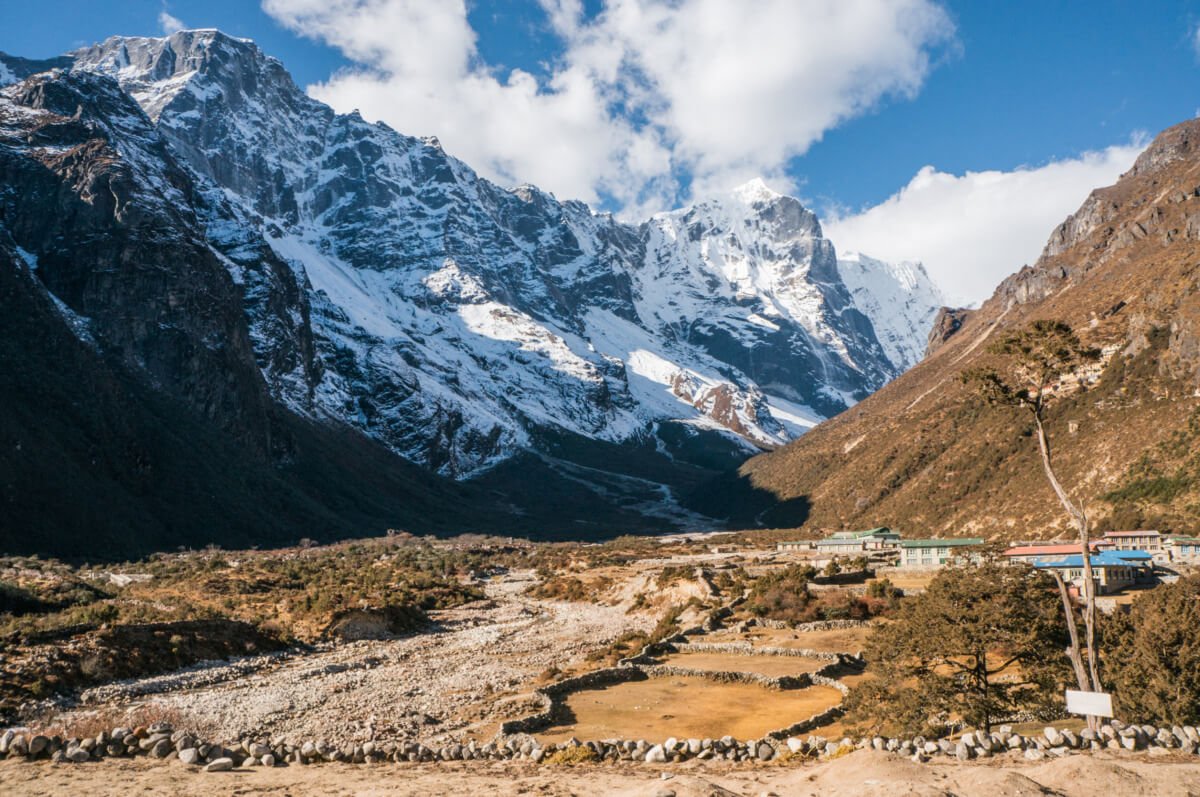
Today’s trek will take you to Thame, a quiet Sherpa settlement famous for its mountaineering heritage. The trail starts easy from Namche Bazaar, then glides through the forested rhododendron onto the Bhote Koshi River. You will come across some mani walls with Buddhist prayers and some traditional villages.
Thame, after all, it is also time to explore the monastery which is quite ancient and sacred. With the ambience of ancient Tibetan Buddhism and insights into Sherpa culture, Thame presents some fine views of the mountains, which are the major highlights of this trek.
The trail stretches from Thame to Lungden, where one enters the quiet Bhote Koshi Valley. The trail gradually goes uphill, providing views of the beautifully capped peaks in the surrounding area. This part of the journey has very few settlements, which leads one deep into the untouched Himalayan wilderness.
Lungden is a small Sherpa Village away from the busier city vibes. The scenery here is stunning as it offers the best views of Mt. Everest, Ama Dablam, and more. And undoubtedly, you can have a wonderful time continuing the process of acclamation before reaching the high pass.
The trip over Renjo La Pass is one of the most difficult but rewarding during the trek. Starting early, the steep ascent to the pass takes you through the rugged terrain that is totally different from the lowlands of Lukla and Namche. From there, panoramic views of Everest, Lhotse, Makalu, and Cho Oyu greet you with a great smile.
Following the exploration of Renjo La Pass at 5,360 meters (17,581 ft) above sea level, you will descend to Gokyo Village. The descent to Gokyo is just as beautiful as it presents you with frozen lakes. Gokyo, located next to the serene Dudh Pokhari, is an ideal place to stay overnight and prepare for the next day’s hike.
The eighth day of the Everest High Pass Trek is set aside for acclimatization as well as discovering the beautiful areas of the Gokyo region. A beautiful morning hike to Gokyo Ri will be a fantastic viewpoint from which to view the wonderful panoramic sights of Everest, Lhotse, Makalu, Cho Oyu, and the rest of the surrounding peaks. This point opens to a wide view of where the longest glacier in Nepal, Ngozumpa, unfolds.
The rest of the day will be spent exploring the frozen lakes of Gokyo after descending. It’s a pristine atmosphere with soaring peaks reflecting clear sky waters is a place where you can relax and enjoy the surroundings.
Today’s climb gets steeper as you descend towards Thangna, which is the base camp for the Cho La Pass trek. The trail passes through the Ngozumpa Glacier and is very tough and icy for careful navigation. It is the moraine that offers beautiful views of peaks and valleys in the surrounding area.
Thangna is a small village that mostly caters to trekkers before crossing the Cho La Pass. It’s surrounded by the dramatic mountainous region where this area can normally be found very quiet at night. You will stay overnight at Thangna because tomorrow holds one of the toughest days for the trek.
Today, we will reach the second pass of this trek, Cho La Pass, at 5,420 meters (17,782 ft) above sea level climb. Starting the trek, we will catch a steep path that involves a challenging hike through a snow-covered trail. The reward at this point is breathtaking views of Ama Dablam, Cholatse, and other great heights.
The trails are sharp and rocky and though the way is long, it always leads to a point where the actual descent to Dzongla begins. It is a tiring descent but has beautiful views of Khumbu. At the end of your day, you will finally reach Dzongla village, where you will stay overnight.
Today, we will start our day with a warm breakfast at Dzongla and then head towards Lobuche, which takes around 6 to 7 hours. You will find a path gently sloped downward but then parts level along that of the Khumbu Glacier. As you hike, the views around the region get sparse, and both massive peaks and glacial moraine become more visible.
Lobuche is a gateway to Everest Base Camp, from where you can have visibility toward Nuptse and other nearby mountains. Overnight stay at Lobuche, enjoying traditional cuisine.
The day will start with the slow uphill climb towards Gorakshep. This is a small place, also called the last Sherpa Village of Khumbu Region, located below enormous peaks. The trail takes you along the lateral moraine of the Khumbu glacier, offering breathtaking views of ice pinnacles above you and the massive peaks of Nuptse and Pumori. From Gorakshep, you will push your hike towards Everest Base Camp, which brings massive views of the Mahalangur range.
You can see the Khumbu Icefall as well from close. After exploring the base camp, you will return to Gorak Shep to enjoy a good rest afterward.
On the thirteenth day of the Everest High Pass Trek 19 Days, you will catch a steep trail to Kala Patthar at 5644 meters that is worth the climb because it leads to the most stunning views of Everest. Especially during sunrise, you can completely see from this point Everest, Nuptse, Lhotse, and other golden peaks. Kala Patthar is considered the best view point to take some stunning photos of Everest.
Then, you come back down to Gorak Shep and have breakfast before trekking back to Lobuche. On the way down, you now have the rugged Himalayan landscape displayed against a different backdrop, with glaciers and enormous peaks still gracing the route.
It is an early morning start upward on the hard climb to Kongma La Pass at 5,545 meters above sea level. The trail moves upward over rocky grounds and glacial moraines, offering a dramatic view of Makalu, Lhotse, and Ama Dablam. It is really fulfilling to reach the pass because it has a sweeping view of the surrounding Himalayan ranges.
After exploring the views from Kongma La Pass, you will descend back to Chhukung. It’s a steep downhill track to Chhukung that offers amazing views of Imja Valley and Island Peak. Chhukung is a small little village offering a quite comfortably relaxing spot among the alpine scenery.
On the fifteenth day of the Everest High Pass Trek, you will descend to Pangboche, where the famous Pangboche Airport is located. You will hike through the Imja Valley and yak pastures in a few dispersed settlements. This trek is quite challenging, but with wonderful views of Ama Dablam, you will have a worth-it moment.
After arriving at Pangboche, you can visit the Pangboche Monastery, which is one of the oldest monasteries in this region. The glimpse into Sherpa culture and traditions is worth it, plus you can have the beautiful framing of mountains around the village.
The path goes downhill through the forests of rhododendrons and some suspension bridge connections, with small uphill climbs in it. As you follow back, the fine views of Everest and the peaks around get gradually replaced by the view of lush forests and river valleys.
Namche Bazaar here welcomes you back to its lively atmosphere; it is the last chance to wind down, visit local stores, or have a warm meal in its cozy tea houses. This night marks the last in the heart of the Everest region.
The final phase of the trek now goes downwards towards Lukla from Namche. It crosses suspension bridges over the Dudh Koshi River, making its way through charming villages like Nurning, Phakding, and Monjo.
Lukla welcomes the successful completion of the trek, where guides and fellow trekkers celebrate together. You will stay overnight in Lukla enjoying and celebrating your trek completion.
Today, a flight takes you back to Kathmandu early in the morning. On arrival, you will transfer to your hotel, and spend the day at leisure. Also, you can explore the bustling streets of Kathmandu or just enjoy relaxation after a challenging trek.
In the evening, join for a farewell dinner with Mountain Treks Nepal Team to celebrate your awesome trip.
Overnight stay at a hotel.
Today, our representative will escort you to Tribhuvan International Airport from where you will depart to your home country.
Trip Includes
- 19 days Trip, 17 of which include 3 meals a day
- 2 nights of accommodation in Kathmandu, breakfast included
- Round-trip airfare between Kathmandu and Lukla
- Accommodation while trekking
- Airport transfers (Domestic and international)
- Everest trekking permit and TIMS (traveler security) Card
- Fully-licensed, English-speaking guide
- Porter service from lukla
- Local and government taxes
- Insurance for porter and guide
- Sleeping bag / Down Jacket if needed (Need to Returned after the trek)
- Farewell Dinner with culture show.
Trip Excludes
- Personal Travel insurance
- International airfare
- Nepal entry visa.
- Drinks (mineral water, Tea, coffee, whisky) or other snacks and any meals beside breakfast, lunch and dinner. Hot shower, battery charge, WIFI charge etc.
- Guide and potter Tips
- Snacks and other personal expenses
- Personal trekking equipment
- Any others expenses which are not mentioned on the “Trip Includes” Section.
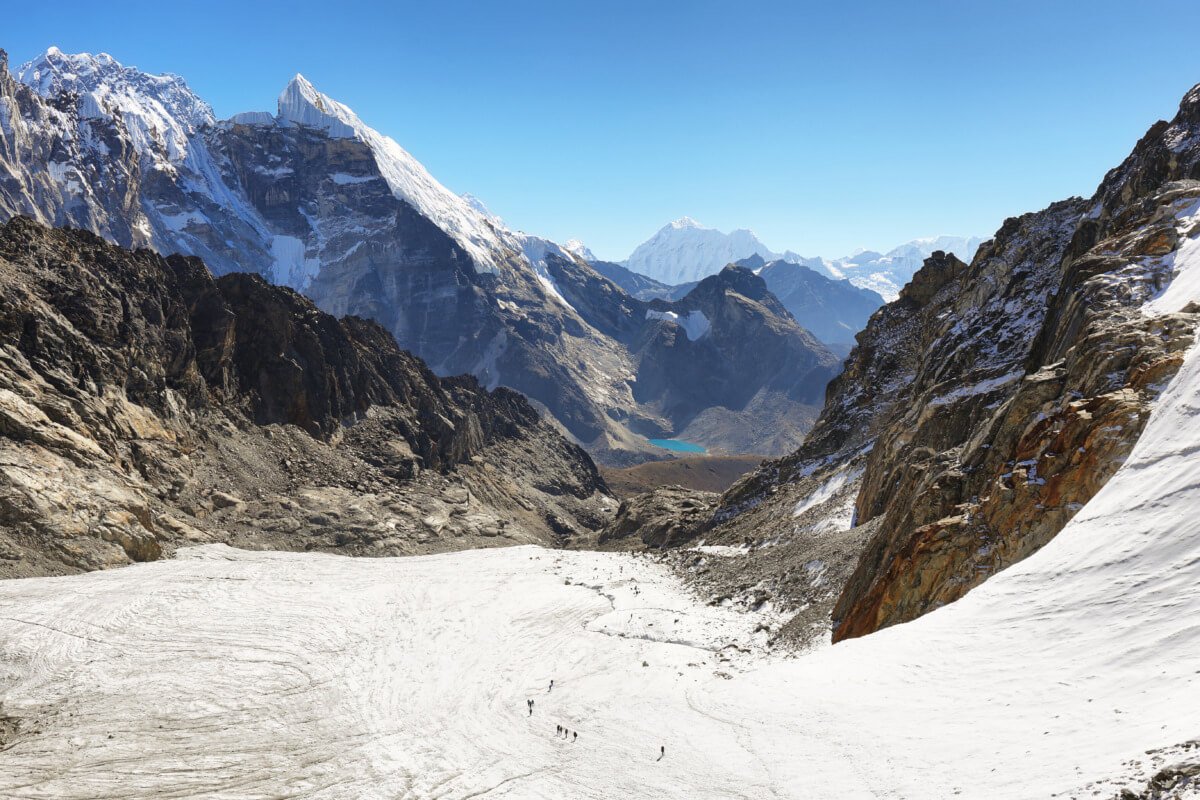
Trip Photo Gallery

Packing List For Everest High Pass Trek

Clothing
- Thermal tops and bottoms
- Fleece jackets and pullovers
- Waterproof/windproof jackets and pants
- Warm hat/caps and gloves

Foot Wears
- Sturdy hiking boots
- Warm hiking socks
- Sandals/slippers for your use at tea houses

Trekking Items
- Trekking poles
- Daypack, Duffel Bags, and dry bags to carry your items

Other Items
- Sleeping pads and sleeping bags
- Hot Water Bottle
- Sunglasses for UV protection
- First aid kit
- Trek map and guidebooks
- Trek permits
Frequently Asked Questions
We have safety measures in place, such as satellite phone connection for prompt contact with rescue personnel. Our guides can offer emergency medical care and work with local authorities to arrange evacuations if needed, since they have received training in wilderness first aid.
We are dedicated to responsible and environmentally friendly travel methods. In order to preserve the natural environment, our staff commits to the Leave No Trace concept. We also encourage eco-friendly hiking methods and take part in local environmental campaigns.
Absolutely, we can satisfy unique dietary needs including those who are gluten-free, vegetarian, vegan, or have dietary allergies. If you could let us know ahead of time, we can make plans to make sure your nutritional needs are satisfied while on the walk.
We prioritize the health and safety of our staff and porters. They are provided with proper equipment, clothing, and accommodation during the trek. We adhere to ethical porter treatment guidelines, including weight limits and rest intervals, to ensure their well-being throughout the journey.
Yes, we can help arrange additional activities such as sightseeing tours, wildlife safaris, or cultural excursions before or after the trek. Let us know your interests, and we'll tailor a custom itinerary to complement your Everest High Pass Trek experience.
To guarantee that the financial advantages of tourism are shared equally, we place a high priority on collaborations with regionally owned resorts, restaurants, and service providers. In addition, a percentage of our earnings supports community development initiatives that prioritise infrastructure, healthcare, and education.
Spring and Autumn seasons are the best time to go on this trek which comes with favorable weather conditions.
Major attractions include Renjo La (5,388m), Cho La (5,420m), and Kongma La (5,535m), Everest Base Camp, and Kala Patthar.
Yes, you need prior trekking experience since this trek is difficult as it takes you 5000 meters above sea level with an average trek time of 6 to 7 hours daily.
Mostly, tea houses are the most common form of accommodation during Everest High Pass Trek.
The Everest High Pass Trek is considered one of the most challenging trekking adventures in Nepal. The trek involves crossing three high mountain passes above 5,000 meters, long trekking days, steep ascents, glacier crossings, and high-altitude conditions. Good physical fitness, mental endurance, and proper acclimatization are essential for successfully completing the trek.
The Everest High Pass Trek includes crossing three major Himalayan passes: Kongma La Pass (5,535m), Cho La Pass (5,420m), and Renjo La Pass (5,360m). Each pass offers unique mountain scenery and different trekking challenges.
Previous trekking experience is highly recommended for the Everest High Pass Trek. Since the trek involves difficult terrain and high altitude, trekkers with prior multi-day hiking or trekking experience generally perform much better and enjoy the journey more comfortably.
The best seasons for Everest High Pass Trek are spring (March to May) and autumn (September to November). These months offer stable weather, clear mountain views, dry trekking trails, and safer conditions for crossing high mountain passes.
The Everest High Pass Trek usually takes around 18 to 21 days depending on the itinerary, acclimatization schedule, side trips, and weather conditions.
The highest point of the Everest High Pass Trek is Kala Patthar at 5,545 meters or Kongma La Pass at approximately 5,535 meters, depending on the trekking route.
Yes, altitude sickness can occur during the Everest High Pass Trek because the route crosses multiple passes above 5,000 meters. Proper acclimatization, slow ascent, hydration, and experienced guides significantly reduce the risk.
Hiring a guide is strongly recommended for Everest High Pass Trek because of the challenging terrain, remote mountain sections, glacier crossings, and unpredictable Himalayan weather. An experienced guide also helps with navigation, safety, acclimatization, and local cultural insights.
Trekkers need two permits for Everest High Pass Trek:
Sagarmatha National Park Entry Permit
Khumbu Pasang Lhamu Rural Municipality Permit
These permits are mandatory for trekking in the Everest region.
Accommodation during Everest High Pass Trek is mainly in teahouses and mountain lodges. Rooms are generally simple but comfortable, with twin beds, blankets, and shared dining areas. Facilities become more basic at higher elevations.
Hannah Cooper (United Kingdom)
March 25, 2026 at 11:59 pmFantastic Family Adventure Across the Three High Passes
Our family of six dreamed of trekking in the Everest region, and Mountain Treks Nepal made it happen. Guide Roshan was patient, knowledgeable, and always looked after every member of our family. Porter Lakpa was cheerful and incredibly helpful throughout the journey. The itinerary was perfectly planned, thanks to Mr. Bharat, who answered all our questions before the trek. It was truly the adventure of a lifetime.
James Walker (United States)
October 12, 2025 at 1:58 pmIncredible Everest High Pass Trek for Our Group of 12
Our group of 12 friends had an unforgettable Everest High Pass Trek with Mountain Treks Nepal. Crossing Kongma La, Cho La, and Renjo La was challenging but absolutely worth it. Our guide Ram kept everyone motivated and ensured we acclimatized properly. Porters Lakpa, Furba, and Kiran were amazing and worked incredibly hard every day. A special thanks to Mr. Bharat for organizing everything perfectly. We couldn’t have asked for a better trekking company.
Nicolas Dubois (France)
November 5, 2024 at 4:01 pmExcellent Organization for Our Private Trek
My wife and I booked a private Everest High Pass Trek, and everything exceeded our expectations. Guide Dipak was highly experienced and knew exactly how to manage the high-altitude sections safely. Porter Furba was always smiling and incredibly hardworking. Mr. Bharat arranged every detail, from airport pickup to the final farewell, making the trip completely stress-free. Mountain Treks Nepal is a first-class trekking agency.
Andewre
October 18, 2023 at 2:58 amAmazing Everest high pass trekking
“Mountain Treks Nepal’s Everest High Pass Trek was an unforgettable adventure. The Himalayas’ majestic beauty left me speechless, especially the awe-inspiring views from Kongma La Pass. Our guide Millan were incredibly knowledgeable and ensured our safety throughout the trek. They even helped us spot elusive wildlife like Himalayan tahr! Mountain Treks Nepal’s logistics were flawless, with comfortable lodges and delicious meals. If you’re looking for a challenging yet rewarding trek with a top-notch operator, look no further than Mountain Treks Nepal..
The Best Agency Ever..