



Share This:
Annapurna Circuit Trek: Complete Guide to Nepal’s Classic Himalayan Adventure
The Annapurna Circuit Trek is one of the most iconic trekking journeys in Nepal and remains one of the finest long-distance hikes in the world. Known for its dramatic mountain scenery, extraordinary cultural variety, and ever-changing landscapes, the trail circles the Annapurna Massif through lush valleys, traditional villages, alpine forests, high desert terrain, and the legendary Thorong La Pass at 5,416 meters. For trekkers seeking a complete Himalayan experience, the Annapurna Circuit Trek offers a rare combination of physical challenge, natural beauty, and cultural depth.
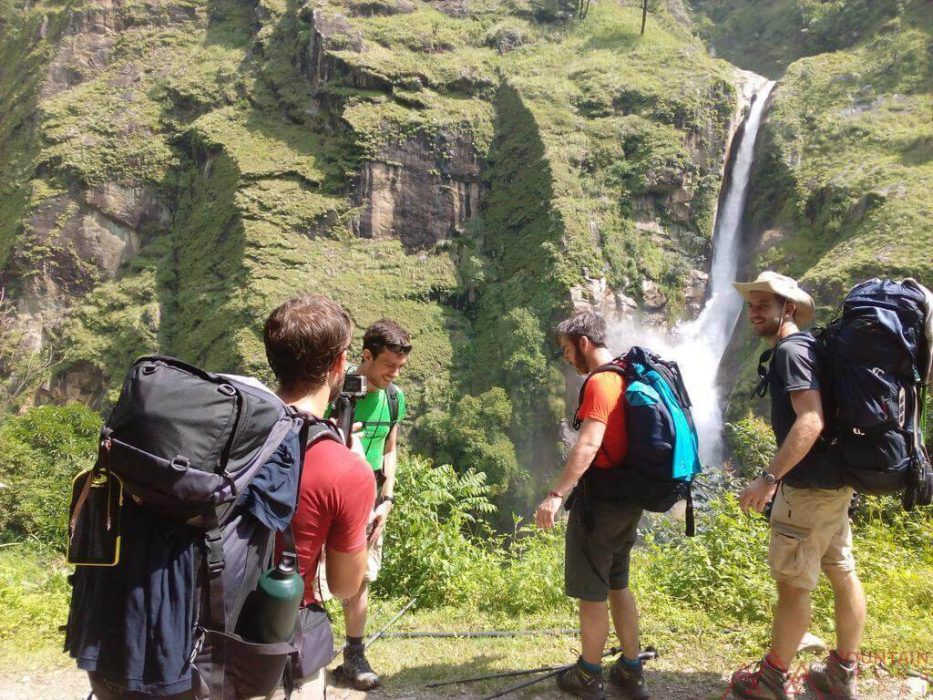
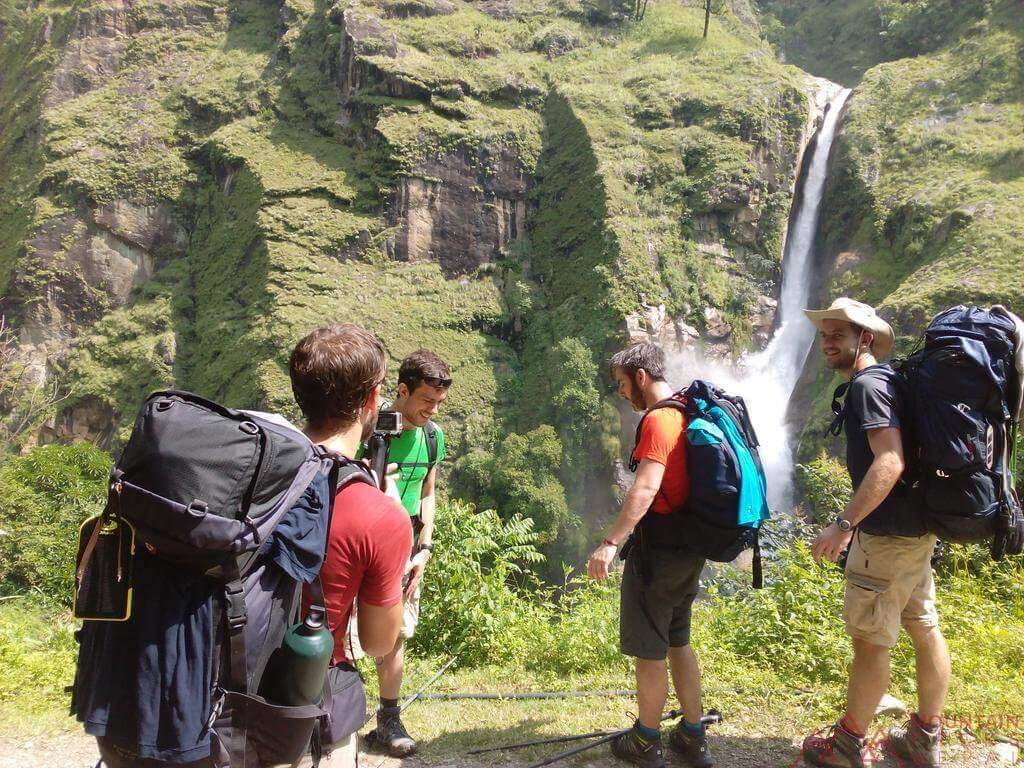
Unlike many trekking routes that focus mainly on a single destination, the Annapurna Circuit unfolds gradually and reveals a broad spectrum of Nepal’s geography and ethnic traditions. The lower sections pass through terraced farmland, subtropical forests, and villages inhabited by Gurung, Thakali, and Manangi communities. As the trail climbs higher, the environment changes dramatically into a rugged trans-Himalayan landscape shaped by wind, altitude, and ancient trade routes. This variety is one of the main reasons the Annapurna Circuit Trek continues to attract trekkers from across the world.
Another reason for its lasting popularity is the sense of progression built into the route. Every few days bring a visible change in terrain, temperature, architecture, and lifestyle. The journey is not only about reaching Thorong La Pass but about experiencing the full rhythm of the Himalayas, from warm river valleys to stark mountain deserts. This makes the Annapurna Circuit Trek a rewarding option for trekkers who want more than a viewpoint and prefer a richer, more immersive route through Nepal.
Where Is the Annapurna Circuit Trek Located?
The Annapurna Circuit Trek is located in central Nepal within the Annapurna Conservation Area, the country’s largest protected region. The trail traditionally starts in the lower Marsyangdi Valley and continues northward through settlements such as Chame, Pisang, Manang, Yak Kharka, and Thorong Phedi before crossing Thorong La Pass and descending into Muktinath and the Kali Gandaki Valley. The route lies north of Pokhara and can be reached from Kathmandu by road or a combination of road and domestic transport, depending on the chosen starting point.
Over the years, road construction has changed some sections of the original trail, allowing more flexible itineraries. Many trekkers now begin from places such as Besisahar, Dharapani, or Chame to shorten the trekking duration while still preserving the most scenic and rewarding sections. Despite these changes, the essence of the Annapurna Circuit Trek remains intact, especially in the upper valleys and the high mountain crossing that define the journey.
Why the Annapurna Circuit Trek Is So Famous?

The Annapurna Circuit Trek is famous because it delivers an exceptional range of experiences in one journey. On this trek, the scenery shifts from rice terraces and waterfalls to pine forests, glacial valleys, barren cliffs, and snow-covered peaks. Mountains such as Annapurna II, Annapurna III, Annapurna IV, Gangapurna, Tilicho Peak, Dhaulagiri, and Nilgiri dominate the skyline at different stages of the route. Few treks in Nepal offer this level of geographical diversity over such a continuous trail.
The cultural richness of the Annapurna Circuit is equally important. Hindu traditions are prominent in the lower hills, while Tibetan Buddhist influence becomes stronger in the upper regions around Manang and Mustang. Prayer wheels, chortens, mani walls, monasteries, and traditional stone villages create a strong sense of place throughout the trek. The route also follows a historic trade corridor that once connected Nepal and Tibet, adding a deeper historical layer to the adventure.
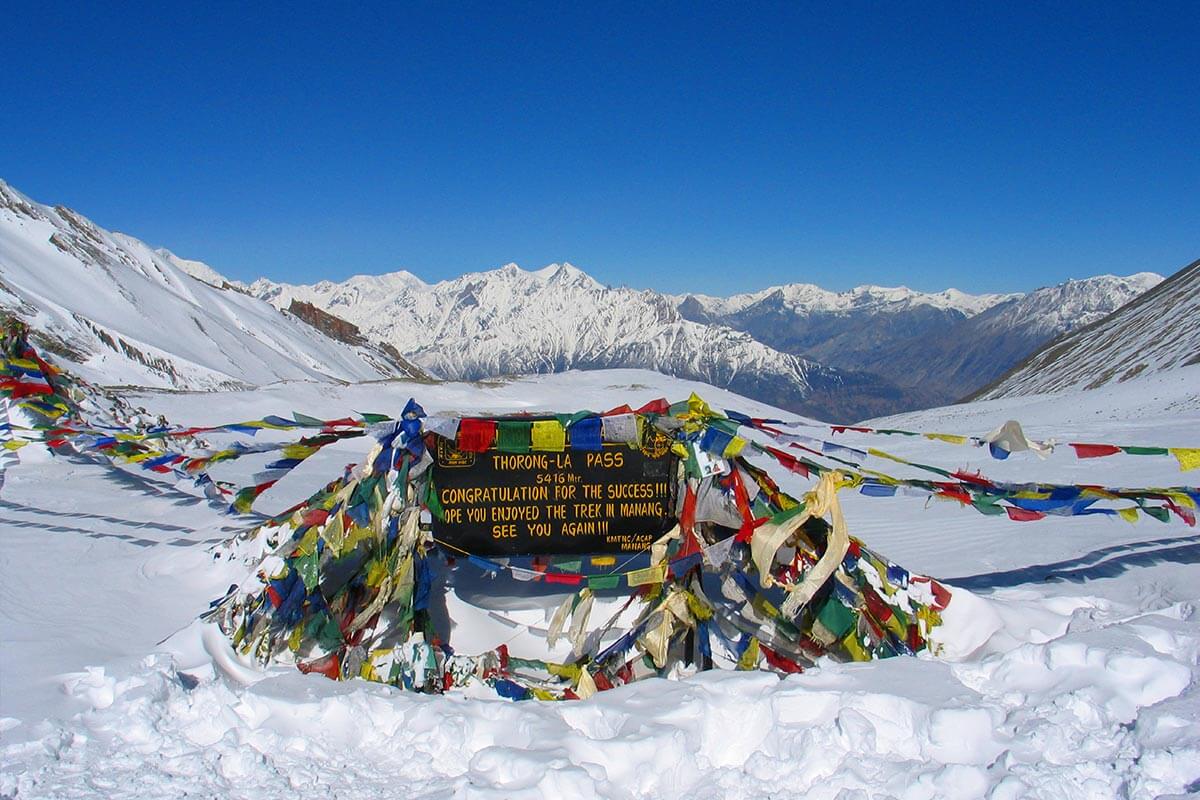
The crossing of Thorong La Pass is another defining feature. Reaching 5,416 meters, it is one of the highest trekking passes in Nepal and a major milestone for trekkers. The ascent begins before sunrise, often under clear mountain skies, and leads through a demanding but unforgettable high-altitude landscape. The sense of achievement at the top, surrounded by Himalayan giants, is one of the most powerful moments of the entire Annapurna Circuit Trek.
Annapurna Circuit Trek Route Overview
The classic Annapurna Circuit Trek begins in the low hills and follows the Marsyangdi River valley upward. Early stages often pass through villages like Besisahar, Jagat, Dharapani, and Chame, where the trail moves through forested ridges and deep gorges. From Chame, the scenery opens dramatically toward Pisang and the wider valley of Manang. This section introduces impressive mountain views and begins the gradual acclimatization needed for the higher elevations ahead.
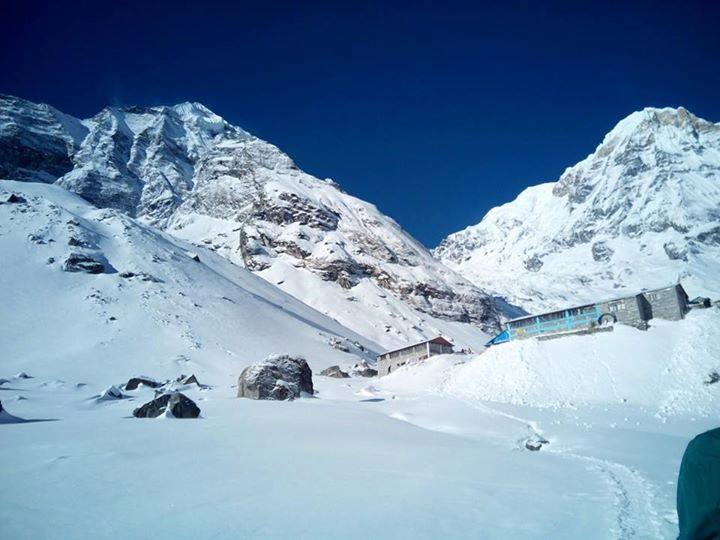
Manang is one of the most important acclimatization stops on the Annapurna Circuit Trek. Located at around 3,540 meters, it offers a chance to rest, explore the surrounding ridges, and adapt to the altitude before continuing higher. Many trekkers spend an extra night here and take short side hikes to help the body adjust. From Manang, the trail becomes more alpine and exposed as it continues through Yak Kharka and Ledar toward Thorong Phedi or High Camp.
The most challenging day of the trek is the crossing of Thorong La Pass. The route starts early in the morning and climbs steadily to the pass before descending to Muktinath, a sacred pilgrimage site important to both Hindus and Buddhists. From Muktinath, the trail continues into the Kali Gandaki Valley, often passing through Kagbeni, Jomsom, Marpha, and Tatopani depending on the chosen itinerary. Some routes conclude earlier with road or flight connections, while others continue on foot toward Ghorepani and Poon Hill for an extended version of the Annapurna Circuit Trek.
How Long Does the Annapurna Circuit Trek Take?

The Annapurna Circuit Trek usually takes between 12 and 18 days depending on the itinerary, starting point, fitness level, acclimatization schedule, and side trips. Shorter versions are possible due to road access, but a well-paced trek is generally recommended to allow proper altitude adaptation and a more enjoyable experience. Rushing through the route may increase fatigue and reduce the chance to appreciate the cultural and scenic transitions that make the trek special.
A balanced itinerary often includes at least one acclimatization day in Manang and enough time to cross Thorong La Pass safely. Some trekkers also include a detour to Tilicho Lake, which adds extra days but creates an even more memorable Himalayan experience. The choice between a shorter or longer Annapurna Circuit Trek depends on available time and trekking goals, but a comfortable pace almost always leads to a more rewarding journey.
Best Time for Annapurna Circuit Trek
The best time for Annapurna Circuit Trek is during the spring and autumn trekking seasons in Nepal. Spring, from March to May, offers mild temperatures, blooming rhododendron forests in the lower sections, and generally stable weather. Mountain views are often excellent, and the trail atmosphere is lively without being overwhelming. Higher areas remain cold, especially in the early mornings and evenings, but conditions are usually favorable for crossing Thorong La Pass.
Autumn, from September to November, is considered the most popular season for the Annapurna Circuit Trek. After the monsoon, the air becomes clear and the mountain views are often spectacular. The weather tends to be more stable, making it one of the best periods for long Himalayan treks. Villages are active, trails are in good condition, and visibility across the Annapurna and Dhaulagiri ranges is often outstanding.
Winter trekking on the Annapurna Circuit is possible, but heavy snow can make Thorong La Pass difficult or temporarily inaccessible. Summer coincides with the monsoon season, bringing rain, slippery trails, leeches in the lower areas, and transport delays. Still, some sections of the upper Annapurna region lie in a rain-shadow zone and may remain relatively dry compared to other trekking areas in Nepal. For most trekkers, spring and autumn remain the ideal seasons for the Annapurna Circuit Trek.
Annapurna Circuit Trek Difficulty
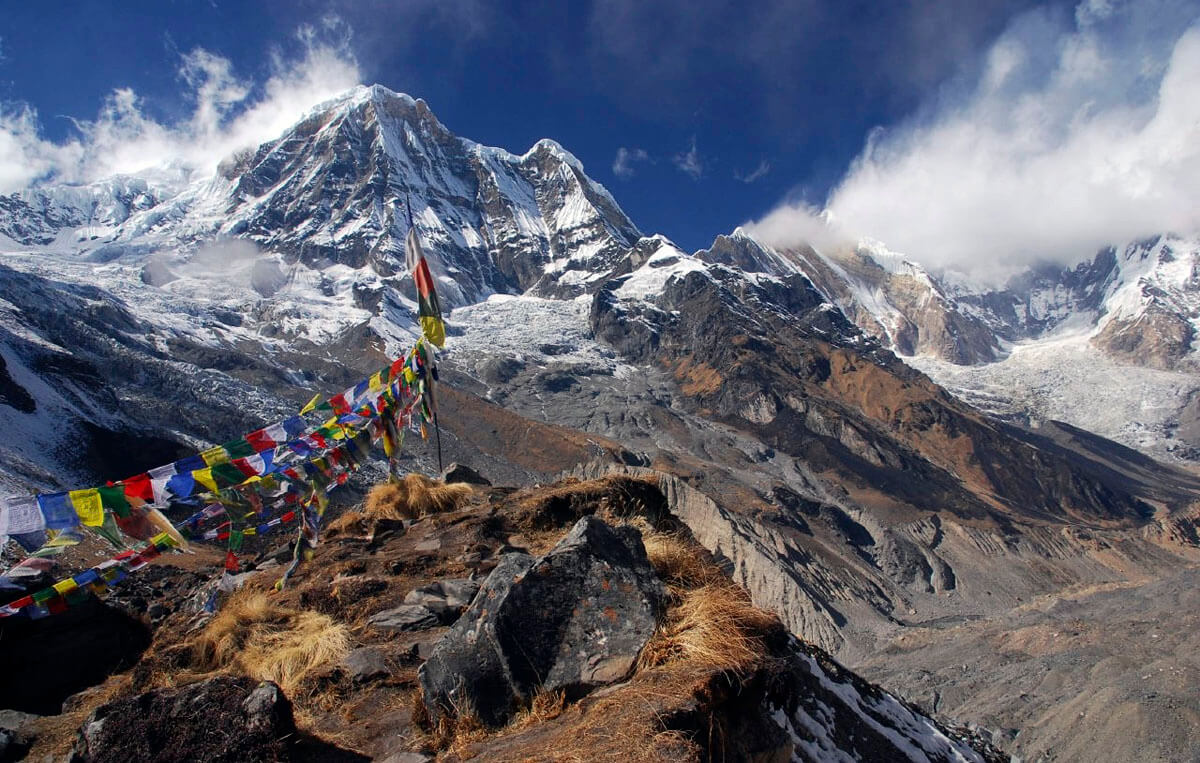
The Annapurna Circuit Trek is considered a moderate to challenging trek. The route does not require technical climbing skills, but it does demand endurance, steady walking over multiple days, and the ability to handle high altitude. Daily hikes can last several hours, and the crossing of Thorong La Pass is physically demanding because of the elevation, cold temperatures, and long ascent. Good physical preparation makes a major difference in overall comfort and enjoyment.
Altitude is the most serious challenge on the Annapurna Circuit Trek. As the trail climbs above 3,000 meters, the risk of altitude-related illness increases. Proper acclimatization, hydration, slow pacing, and rest are essential. A strong walking habit before arrival in Nepal helps build stamina, but even fit trekkers must respect the altitude. The best approach is to trek steadily, allow the body time to adjust, and avoid pushing too hard on the higher days.
Trail conditions vary by season and section. Lower areas may involve stone steps, forest trails, and suspension bridges, while upper areas become more rocky, dry, and exposed. Cold weather near the pass adds an extra challenge. Even so, thousands of trekkers complete the Annapurna Circuit Trek each year with sound preparation, realistic pacing, and experienced local support.
Permits Required for Annapurna Circuit Trek
The Annapurna Circuit Trek requires two main permits: the Annapurna Conservation Area Permit and the Trekkers’ Information Management System card, often known as the TIMS card depending on current trekking regulations and management procedures. These permits help regulate trekking activity, support conservation work, and improve route management in the region.
Permit procedures can change over time, so it is always best to arrange them through a reliable trekking company or confirm the latest requirements before departure. Carrying permits throughout the trek is essential because there are multiple checkpoints along the route. Organized trekking with a local agency often makes the process smoother and saves valuable travel time before the trek begins.
Accommodation and Food on the Annapurna Circuit Trek

Accommodation on the Annapurna Circuit Trek is mainly provided through teahouses, which are local mountain lodges offering simple rooms and meals. In the lower sections, facilities are often more comfortable and varied. Rooms usually include twin beds, blankets, and basic shared bathrooms. As the trail climbs higher, accommodation becomes more basic due to the remoteness and the cost of transporting supplies. Despite the simplicity, teahouses create a warm and social atmosphere that adds greatly to the trekking experience.
Food options on the Annapurna Circuit Trek are better than many first-time trekkers expect. Dal bhat, the classic Nepali meal of rice, lentils, vegetables, and pickles, is widely available and remains one of the best choices for sustained energy. Menus often include noodles, fried rice, soups, potatoes, eggs, porridge, pancakes, tea, coffee, and seasonal local dishes. In popular villages such as Manang and Jomsom, choices may be broader. Prices rise with altitude because everything must be carried higher into the mountains.
The teahouse system is one of the reasons the Annapurna Circuit Trek is accessible to a wide range of trekkers. There is no need to camp on a standard itinerary, and daily logistics become much easier with the support of local lodges. A guided trek adds another layer of comfort through smoother coordination, cultural insight, and extra support during high-altitude sections.
Annapurna Circuit Trek Cost
The Annapurna Circuit Trek cost depends on trek duration, group size, transport choices, guide and porter services, permit fees, accommodation standards, and personal spending habits. Budget-conscious trekkers may spend less by choosing basic services and traveling independently where allowed, while a full-service trek with guide, porter, transport, permits, accommodation, and meals naturally costs more. The final amount also depends on the inclusion of side trips such as Tilicho Lake or extended routes toward Poon Hill.
A well-organized Annapurna Circuit Trek package through a local company often offers the best balance of value, safety, and convenience. It can include airport transfers, Kathmandu or Pokhara arrangements, permits, transport to the trek start, guide services, porter support, meals, lodging, and route planning. For many international visitors, working with a reputable Nepal-based agency improves both safety and overall experience while directly supporting the local tourism economy.
Thorong La Pass: The Highest Point of the Trek
Thorong La Pass is the highlight of the Annapurna Circuit Trek and the most physically demanding section of the route. At 5,416 meters, the pass is high enough to require serious respect, careful acclimatization, and an early start. Most trekkers leave Thorong Phedi or High Camp before dawn to take advantage of calmer weather and reach the top before clouds or wind intensify later in the day.
The climb is gradual but relentless, especially in thin air. Every step requires steady breathing and patience. The sunrise over the surrounding peaks often creates a dramatic atmosphere, and the prayer flags at the top of the pass mark a moment of major achievement. From the summit, the descent toward Muktinath is long and can be tough on the knees, but the sense of accomplishment remains one of the most memorable rewards of the Annapurna Circuit Trek.
Thorong La Pass is not just a high point in terms of elevation. It is also the emotional peak of the journey. The days leading up to it build anticipation, and the crossing often becomes the story trekkers remember most vividly long after leaving Nepal.
Cultural Experience on the Annapurna Circuit Trek
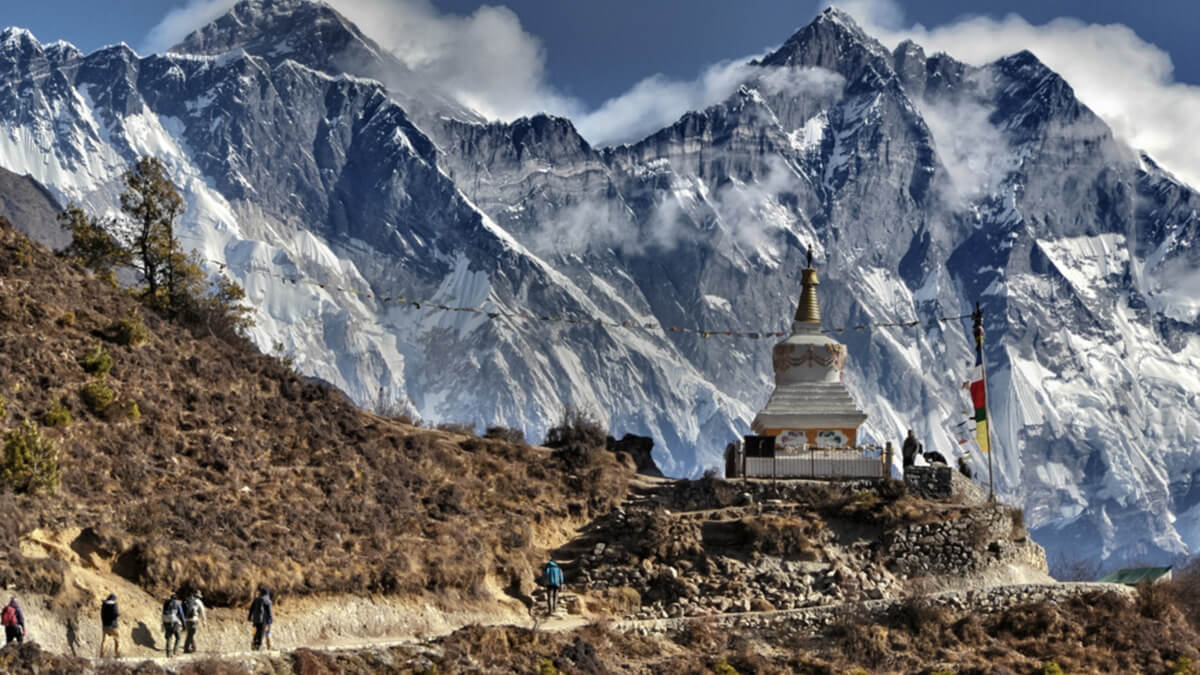
One of the greatest strengths of the Annapurna Circuit Trek is its cultural diversity. The route moves through villages shaped by different ethnic traditions, religious practices, and architectural styles. In the lower regions, everyday life is closely tied to agriculture, animal husbandry, and terraced farming. Farther north, Tibetan Buddhist influence becomes dominant, visible in monasteries, carved mani stones, fluttering prayer flags, and whitewashed chortens standing against a harsh mountain backdrop.
Manang and the villages beyond reveal a way of life closely adapted to altitude, trade, and seasonal movement. Muktinath adds another dimension, drawing Hindu and Buddhist pilgrims who come to this sacred site for spiritual reasons. Villages like Marpha are known for their stone lanes, whitewashed houses, apple orchards, and strong regional identity. The Annapurna Circuit Trek is not only a mountain trail but also a journey through living Himalayan cultures that remain deeply connected to landscape and history.
For travelers interested in more than scenery, this cultural richness makes the route especially meaningful. Encounters with local traditions, mountain hospitality, and regional food help turn the Annapurna Circuit Trek into a deeper travel experience rather than simply a physical challenge.
Side Trips and Route Extensions
The Annapurna Circuit Trek can be expanded with several side trips that enrich the journey. One of the most famous additions is Tilicho Lake, one of the highest lakes in the world, located in a dramatic high-altitude basin above the main circuit. This detour adds time and effort, but the landscape is extraordinary and widely considered worth the extra challenge.
Another popular extension is the continuation toward Ghorepani and Poon Hill after descending into the lower Kali Gandaki region. This addition offers another classic Himalayan viewpoint and extends the variety of scenery at the end of the trek. Some trekkers also spend extra time exploring villages such as Kagbeni and Marpha, which provide a stronger sense of the cultural landscape of Mustang and the Kali Gandaki corridor.
These route variations allow the Annapurna Circuit Trek to be tailored to different interests, timeframes, and trekking styles. Some prefer a direct approach focused on Thorong La Pass, while others choose a longer itinerary that captures even more of the region’s beauty and diversity.
Essential Preparation for Annapurna Circuit Trek
Preparation for the Annapurna Circuit Trek should focus on endurance, altitude awareness, gear selection, and realistic pacing. Walking practice in the weeks before arrival helps build stamina, especially on hills, stairs, or long-distance trails. Strengthening the legs and improving cardiovascular fitness can make daily trekking more comfortable and reduce fatigue on steep sections.
Gear should be chosen according to season and altitude. Warm layers, a down jacket, quality trekking boots, gloves, a hat, sun protection, and a reliable sleeping bag are all important for a successful Annapurna Circuit Trek. Temperatures vary greatly from the warm lower valleys to freezing conditions near Thorong La Pass. Packing too heavily can create extra strain, while packing too lightly can reduce comfort and safety.
Mental preparation matters as well. Long mountain treks require patience, flexibility, and a willingness to adapt to weather, trail conditions, and altitude. A calm approach, combined with good support from experienced local guides, greatly improves the overall trekking experience in Nepal.
Why Choose a Local Trekking Company for Annapurna Circuit Trek?
Choosing a local trekking company for the Annapurna Circuit Trek brings several advantages. Local operators understand trail conditions, weather patterns, transport logistics, permit procedures, and cultural etiquette in ways that are difficult to match from abroad. They can adjust itineraries when needed, monitor acclimatization carefully, and provide reliable support in remote sections of the route.
A licensed local guide also enriches the trek through cultural interpretation, practical advice, and stronger connections with local communities. Porters reduce the physical burden of carrying heavy bags, which can make a major difference at altitude. Booking the Annapurna Circuit Trek with a trusted Nepal-based company also supports guides, porters, teahouses, transport workers, and regional livelihoods directly.
For a route as varied and high as the Annapurna Circuit, local expertise can transform the trek from a basic itinerary into a smooth, rewarding, and safer Himalayan adventure.
Conclusion
The Annapurna Circuit Trek remains one of Nepal’s most remarkable trekking journeys because it combines everything that makes Himalayan travel extraordinary. It offers powerful mountain scenery, authentic village life, rich cultural encounters, dramatic landscape transitions, and the unforgettable challenge of crossing Thorong La Pass. From the first days in green river valleys to the stark beauty of the high mountains and the spiritual atmosphere of Muktinath, every stage contributes to a journey of unusual depth and variety.
For trekkers seeking a classic route in Nepal that goes far beyond a simple destination hike, the Annapurna Circuit Trek stands out as a complete adventure. The trail rewards patience, preparation, and curiosity with one of the most diverse and satisfying trekking experiences in the Himalayas. With the right itinerary, the right season, and the support of an experienced local team, the Annapurna Circuit Trek becomes more than a holiday. It becomes a journey that stays vivid for years.
FAQ Section for SEO
How difficult is the Annapurna Circuit Trek?
The Annapurna Circuit Trek is considered moderate to challenging because it involves multiple days of walking, high altitude, and the demanding crossing of Thorong La Pass. Good physical fitness and proper acclimatization are very important.
How many days are needed for Annapurna Circuit Trek?
Most itineraries take around 12 to 18 days, depending on the route, acclimatization schedule, transport choices, and side trips such as Tilicho Lake or Poon Hill.
What is the best time for Annapurna Circuit Trek?
Spring from March to May and autumn from September to November are the best seasons due to stable weather, clear mountain views, and favorable trekking conditions.
What is the highest point of the Annapurna Circuit Trek?
The highest point is Thorong La Pass at 5,416 meters, which is one of the highest trekking passes in Nepal.
Do trekkers need a guide for Annapurna Circuit Trek?
Many trekkers choose to go with a guide for safety, local knowledge, logistics, and a more comfortable overall experience. Current trekking rules and permit requirements should always be checked before travel.
Is Annapurna Circuit Trek worth it?
The Annapurna Circuit Trek is widely considered one of the best treks in Nepal because of its mountain scenery, cultural diversity, changing landscapes, and iconic high pass crossing.