


Share This:
Packing List for the Everest Base Camp Trek
Packing list for the Everest Base Camp Trek is a delicate balancing act. You must carry enough high-quality alpine gear to survive -15°C (5°F) nights at Gorak Shep, yet pack light enough to comply with strict domestic aviation weight limits.
Unlike many other treks where overland vehicles can transport heavy luggage, the journey to the Khumbu region begins with a flight in a small Twin Otter aircraft to the Tenzing-Hillary Airport in Lukla. Every kilogram counts. Furthermore, because you will be hiking for up to two weeks through drastically different ecological zones starting in lush, warm pine forests and ending in a stark, frozen glacial basin versatility in your clothing is paramount.
This comprehensive packing guide from Mountain Treks Nepal breaks down exactly what clothing, footwear, and survival gear you need. From mastering the three-tier layering system to deciding what to rent in Kathmandu versus what to bring from home, this is everything you need to safely conquer the trail to Mount Everest.
The Golden Rule of EBC Packing: The 15kg Lukla Flight Limit
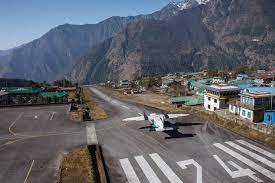
The most important factor dictating your packing list is the strict baggage allowance enforced by the domestic airlines flying into Lukla.
The total weight limit per passenger is 15 kg (33 lbs).
This is typically divided into two bags:
-
Duffel Bag (Carried by Porter/Yak): Maximum 10 kg (22 lbs).
-
Daypack (Carried by You): Maximum 5 kg (11 lbs).
If you exceed this 15kg limit, the airline will charge steep excess baggage fees, and in many cases, they may simply refuse to load the extra weight due to safety regulations on the short runway. Packing smart and utilizing the layering system is not just about comfort; it is a logistical necessity.
1. The Layering System: Trekking Clothing

The Himalayas feature wild temperature swings. You might be sweating in a t-shirt at noon and shivering in a down jacket by 4:00 PM. Avoid cotton entirely, as it traps sweat and will freeze against your skin at higher altitudes. Rely exclusively on Merino wool or advanced synthetics.
Base Layers (Moisture Management)
-
3–4 Moisture-Wicking T-Shirts: For the warm lower altitudes between Lukla and Namche Bazaar.
-
2 Pairs of Thermal Tops (Long Sleeve): Merino wool is highly recommended because it regulates temperature well and resists odor for days.
-
2 Pairs of Thermal Bottoms: To wear under your trekking pants at high altitudes (above Dingboche) and to sleep in.
-
5–7 Pairs of Underwear: Breathable, quick-drying sports fabrics.
Mid Layers (Insulation)
-
1 Lightweight Fleece Jacket: Perfect for trekking in the mid-elevations where a heavy jacket is too much.
-
1 Heavy Fleece or Wool Sweater: For cold evenings in the teahouse dining rooms.
-
2 Pairs of Trekking Pants: Nylon, quick-drying, and durable.
Outer Layers (Weather Protection)
-
1 Heavy Down Jacket: Crucial. It must be rated for at least -15°C to -20°C. You will wear this every evening and on your early morning ascent of Kala Patthar. (Note: You can easily rent this in Kathmandu).
-
1 Waterproof / Windproof Shell Jacket: Gore-Tex or equivalent. This is your ultimate protection against the biting winds above 4,000 meters.
-
1 Pair of Waterproof / Windproof Pants: To wear over your trekking pants during heavy wind or unexpected snow.
-
1 Warm Winter Hat / Beanie: To retain body heat at night.
-
1 Sun Hat or Baseball Cap: The UV radiation at high altitude is intense.
-
Gloves: 1 pair of lightweight liner gloves and 1 pair of heavy, waterproof insulated gloves.
2. Footwear: The Foundation of Your Trek
If your feet fail, your Everest dream ends. Invest heavily in your footwear and break your boots in for at least a month before arriving in Nepal.
-
Trekking Boots: Must be waterproof, have robust ankle support, and feature a stiff sole (like Vibram) to handle the rocky moraine of the Khumbu Glacier.
-
Camp Shoes: A pair of lightweight sneakers, trail runners, or Crocs. You will want to take your heavy boots off immediately upon arriving at the teahouse to let your feet breathe.
-
4–5 Pairs of Trekking Socks: Merino wool is the gold standard. Bring varying thicknesses (lighter for the lower valleys, heavy thermal for the high camps).
-
Microspikes (Optional but Recommended): Highly useful if trekking in early Spring (March) or late Autumn (November) when residual ice coats the trails near Base Camp.
3. Backpacks and Sleeping Gear
-
The Main Duffel Bag (70–90 Liters): This is carried by your porter. It should be durable and waterproof. Note: Most reputable agencies, including Mountain Treks Nepal, provide clients with a branded, waterproof trekking duffel upon arrival.
-
The Daypack (25–35 Liters): You will carry this daily. It should hold your water, rain gear, camera, passport, money, and daily snacks. Ensure it has a rain cover and a supportive hip belt to take the weight off your shoulders.
-
Sleeping Bag (-15°C to -20°C Rating): Teahouse rooms in the Everest region are unheated. The thin blankets provided by the lodges will not protect you from the freezing temperatures at Lobuche or Gorak Shep. A high-quality four-season down sleeping bag is mandatory (can be rented in Kathmandu).
-
Sleeping Bag Liner (Fleece or Silk): Adds extra warmth and keeps rented sleeping bags hygienic.
4. Essential Trekking Accessories & Electronics
The Everest region is increasingly modern, but electricity is primarily generated by solar panels. Charging your devices is expensive (usually $3–$8 per full charge at high altitudes) and cold weather drains batteries incredibly fast.
-
High-Capacity Power Bank: Bring at least a 20,000mAh power bank. Pro Tip: Sleep with your phone and power bank inside your sleeping bag to prevent the cold from draining the battery.
-
Water Purification: Crucial. Single-use plastic water bottles are banned in the Khumbu region. Bring a robust filtration system (like a LifeStraw or Sawyer Squeeze) OR chemical purification tablets (chlorine/iodine).
-
Trekking Poles: Essential for saving your knees on the steep, endless stone staircases of the region.
-
Headlamp: With extra batteries. Required for navigating teahouse bathrooms at night and for the 4:00 AM dark ascent of Kala Patthar.
-
UV Sunglasses: High-altitude snow blindness is a serious risk. Choose wrap-around, category 3 or 4 polarized glasses.
-
Nalgene Bottles: Capacity to carry 2 to 3 liters of water. A hard Nalgene bottle is fantastic because teahouse owners can fill it with boiling water at night to act as a bed warmer inside your sleeping bag.
5. First Aid and Personal Hygiene
-
First Aid Kit: Blister plasters (Compeed), athletic tape, ibuprofen, anti-diarrheal medication (Imodium), and broad-spectrum antibiotics.
-
Altitude Medication: Acetazolamide (Diamox) is commonly used to prevent and treat Acute Mountain Sickness (AMS).
-
Toiletries: Biodegradable soap, a quick-dry microfiber towel, toothbrush/toothpaste, lip balm with SPF, and high-SPF sunscreen (50+).
-
Wet Wipes & Hand Sanitizer: Hot showers are rare and expensive above Namche Bazaar. Wet wipes are your primary method of bathing for the second week of the trek.
-
Toilet Paper: Bring 2–3 rolls. Teahouses generally do not provide it in the bathrooms, and buying it on the trail is expensive.
Renting vs. Buying Gear in Kathmandu (Thamel)
You do not need to spend thousands of dollars buying expedition-grade down gear in your home country. The tourist district of Thamel in Kathmandu has hundreds of trekking shops offering both genuine brand names and high-quality local knock-offs perfectly suited for a two-week trek.
| Gear Item | Bring From Home | Rent in Kathmandu | Buy in Kathmandu |
| Trekking Boots | YES (Must be broken in) | No | No (Risk of blisters) |
| Base Layers / Socks | YES | No | Yes (But quality varies) |
| Down Jacket | Optional | YES (~$2-$3/day) | Yes |
| -20°C Sleeping Bag | Optional | YES (~$2-$3/day) | Yes |
| Trekking Poles | Optional | No | YES (~$15-$25 to buy) |
| Daypack | YES (For perfect fit) | No | Yes |
FAQs
What is the weight limit for the Lukla flight?
The total weight limit for flights from Kathmandu (or Ramechhap) to Lukla is strictly 15 kg (33 lbs) per passenger. This includes both your main duffel bag (usually limited to 10 kg) and your personal daypack (limited to 5 kg). Exceeding this limit will result in excess baggage fees or having your luggage left behind due to aircraft weight restrictions.
Do I need to buy a sleeping bag for Everest Base Camp?
No, you do not need to buy an expensive sleeping bag if you do not plan to use it regularly after the trek. You can easily rent a high-quality, four-season down sleeping bag (rated to -15°C or -20°C) in the Thamel district of Kathmandu for approximately $2 to $3 USD per day. Bringing your own fleece sleeping bag liner for hygiene and extra warmth is recommended.
Can I buy bottled water on the Everest Base Camp trek?
No, the sale of single-use plastic water bottles is officially banned in the Khumbu region to protect the fragile environment. You must bring reusable water bottles (like a Nalgene or a CamelBak) and purify your own tap/stream water using tablets, a UV Steripen, or a physical filter. You can also purchase boiled water from teahouses, though it becomes expensive at higher altitudes.
What size daypack do I need for Everest Base Camp?
A 25 to 35-liter daypack is ideal for the Everest Base Camp trek. Because your porter will carry your heavy gear (sleeping bag, extra clothes, toiletries) in a duffel bag, you only need to carry your daily essentials in your daypack. This includes 2-3 liters of water, a rain jacket, a warm layer, your camera, passport, cash, sunscreen, and daily snacks.