



Share This:
Trekking in Nepal: The Crown Jewel of the Himalayas
Nepal is not just a destination; it is a pilgrimage for the human spirit. Home to eight of the world’s fourteen 8,000-meter peaks including Mount Everest (Sagarmatha) this tiny, landlocked nation boasts a geographical diversity that defies logic. From the steamy, subtropical jungles of the Terai plains to the frozen, sweeping glaciers of the high Himalayas, Nepal offers an adventure landscape unmatched anywhere else on Earth.
For decades, the phrase “Trekking in Nepal“ has conjured images of rugged explorers, colorful prayer flags snapping in the alpine wind, and ancient stone villages perched on the edge of impossible chasms. Today, the reality of trekking here is vastly more dynamic. Whether you are a hardcore mountaineer seeking the brutal isolation of the Kanchenjunga Circuit, a luxury traveler wanting to sleep in heated beds beneath Everest, or a cultural enthusiast exploring the forbidden kingdom of Upper Mustang, Nepal has a trail specifically engineered for your soul.
However, navigating the logistics of a Himalayan expedition in 2026 requires meticulous preparation. The rules have changed. Independent trekking without a guide is now largely illegal, domestic flight routes to the mountains have shifted, and the variety of permits required can be dizzying.
Crafted by the expedition architects at Mountain Treks Nepal, this exhaustive, encyclopedic guide is your definitive blueprint. We will break down the major trekking regions, decode the best seasons to travel, explain the reality of altitude safety, provide the ultimate gear list, and outline exactly what you need to know to safely conquer the roof of the world.
The Major Trekking Regions of Nepal
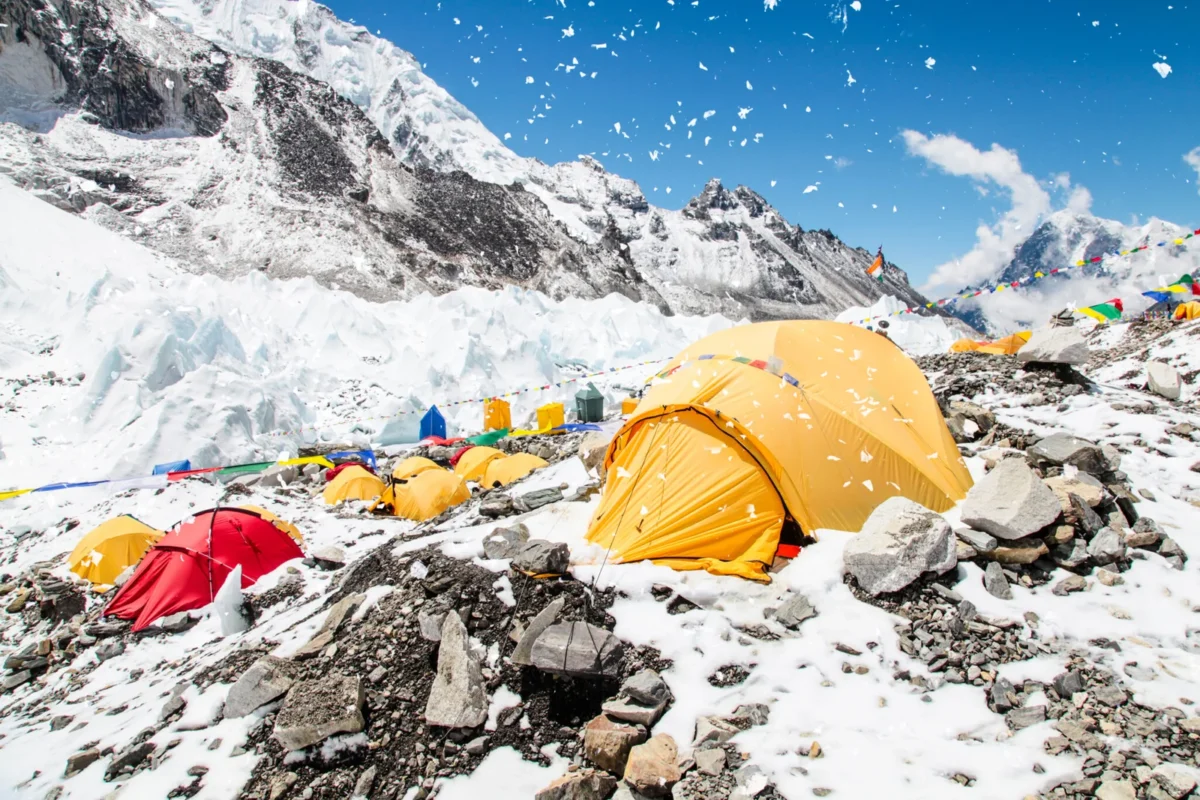
Nepal is divided into several distinct trekking regions, each possessing its own unique geological signature, indigenous culture, and physical difficulty.
1. The Everest Region (Khumbu)
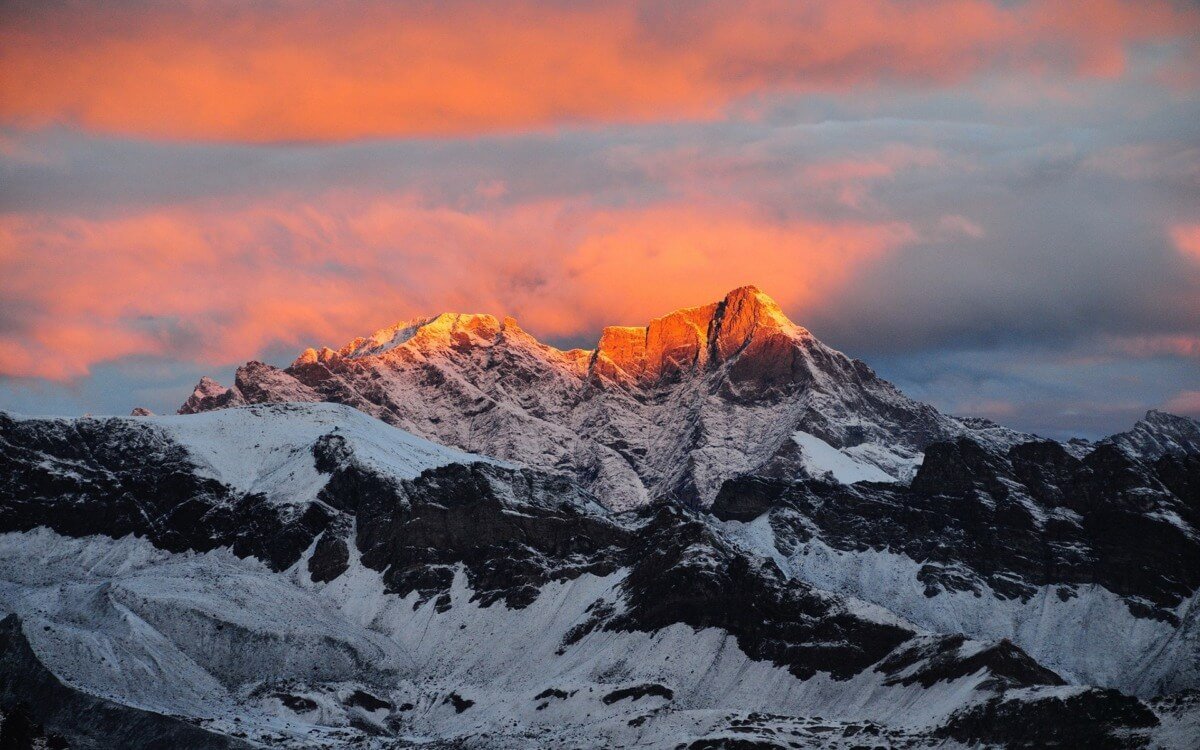
The Khumbu Valley is the undisputed king of Himalayan trekking. It is the historic homeland of the Sherpa people and the gateway to Mount Everest (8,848m).
-
The Vibe: High-altitude, dramatic, and heavily developed. The infrastructure here is the best in Nepal, boasting luxury lodges, German bakeries, and high-speed Wi-Fi up to 5,000 meters.
-
Top Treks: Everest Base Camp (EBC), The Three Passes Trek, Gokyo Lakes.
-
The Challenge: Extreme altitude. Most of the trekking happens above 4,000 meters, making proper acclimatization a matter of life and death.
-
Best For: First-time Himalayan trekkers who want iconic views, excellent lodge facilities, and the bragging rights of standing at the foot of the world’s highest peak.
2. The Annapurna Region

If Everest is famous for its sheer altitude, the Annapurna region is famous for its staggering ecological diversity.
-
The Vibe: A journey through microclimates. You will walk through terraced rice paddies, dense bamboo jungles, blooming rhododendron forests, and finally, stark alpine deserts.
-
Top Treks: The Annapurna Circuit, Annapurna Base Camp (ABC), Mardi Himal, Poon Hill.
-
The Challenge: The infamous “Nepali Flat” (thousands of steep stone steps up and down) and the grueling crossing of Thorong La Pass (5,416m) on the Circuit.
-
Best For: Trekkers who want a mix of rich Gurung/Magar culture, diverse landscapes, and slightly warmer lower-valley hiking before hitting the high passes.
3. The Manaslu Region
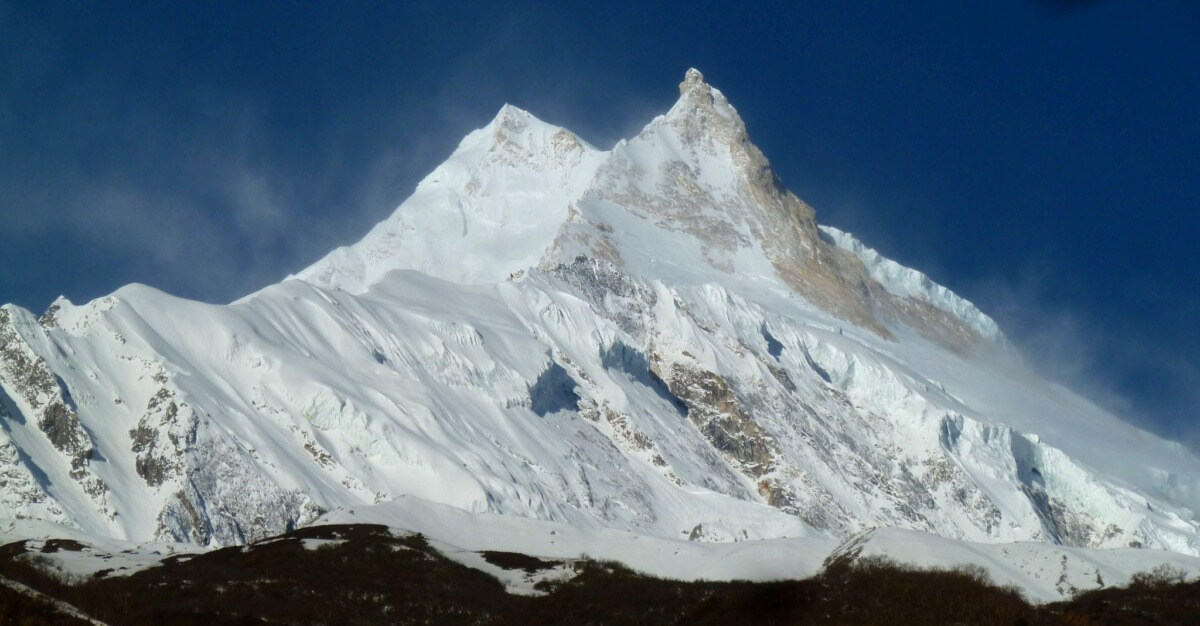
Manaslu (8,163m) is the “New Annapurna.” Because it is a Restricted Area requiring special permits, it sees only a fraction of the crowds of the major two regions.
-
The Vibe: Raw, authentic, and culturally profound. The trail circles the mountain, transitioning from Hindu lowland gorges into the ancient Tibetan Buddhist settlements of the Nubri Valley.
-
Top Treks: The Manaslu Circuit, Tsum Valley.
-
The Challenge: The incredibly steep, deep gorge of the Budhi Gandaki river, and the freezing, pre-dawn crossing of Larkya La Pass (5,106m).
-
Best For: Wilderness purists, returning trekkers, and those who want the epic scale of the Annapurna Circuit without the motor roads and crowds.
4. The Wild East (Makalu & Kanchenjunga)
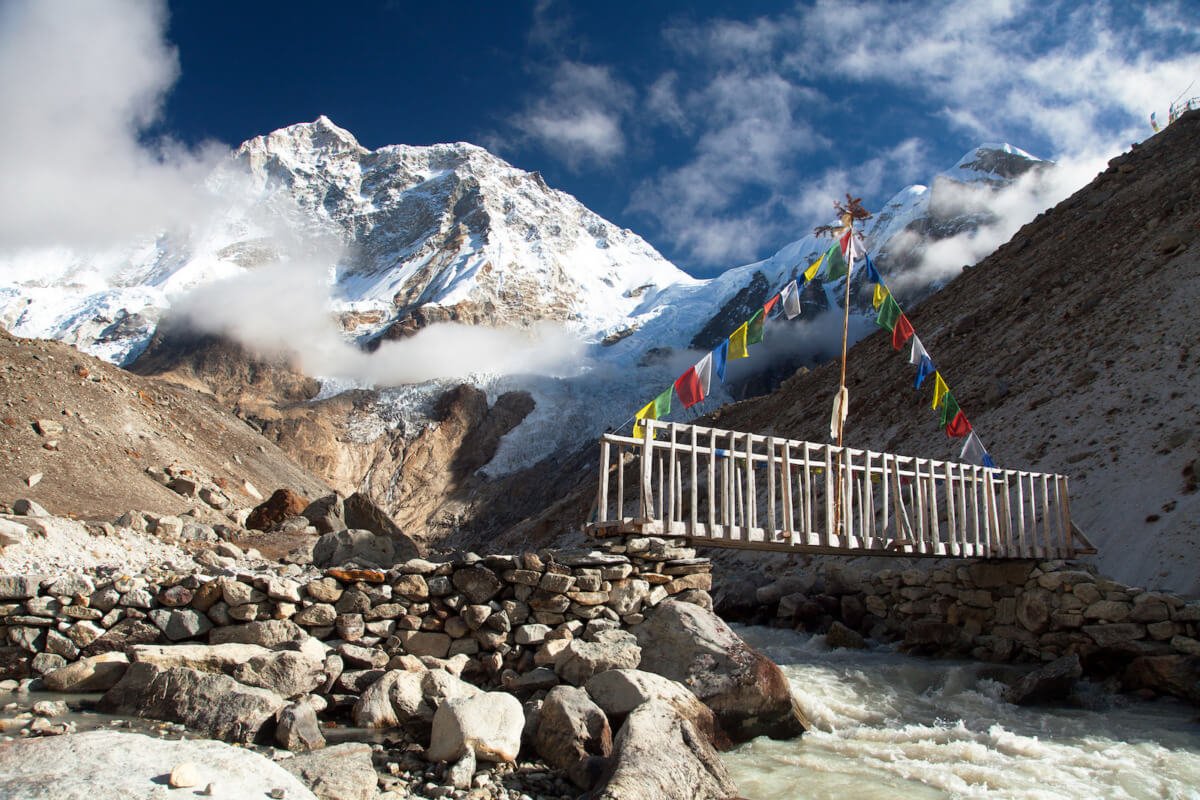
Eastern Nepal takes the full force of the monsoon, resulting in lush, impenetrable jungles and massive, heavily glaciated peaks.
-
The Vibe: Complete isolation. There are no luxury lodges or bakeries here. You are entirely off the grid, sleeping in basic stone huts or tents.
-
Top Treks: Makalu Base Camp, Kanchenjunga Circuit (North and South Base Camps).
-
The Challenge: Extreme logistical isolation, highly rugged and active landslide zones, and the grueling 3-pass Sele Le traverse on Kanchenjunga.
-
Best For: Hardcore alpine veterans, isolationists, and those who prioritize untouched wilderness over physical comfort.
5. The Rain Shadow (Upper Mustang & Upper Dolpo)

These regions sit north of the Himalayan ridgeline, blocking the monsoon rains.
-
The Vibe: A high-altitude, arid trans-Himalayan desert. It looks more like Tibet or the American Southwest than the classic snowy Himalayas. It is defined by golden rock formations, ancient cave dwellings, and deep, preserved Tibetan culture.
-
Top Treks: Upper Mustang, Upper Dolpo.
-
The Challenge: Fierce, howling afternoon headwinds and severe dust.
-
Best For: Cultural anthropologists, luxury jeep travelers (Mustang), and summer trekkers looking to avoid the monsoon rains.
When to Go: The Best Time for Trekking in Nepal
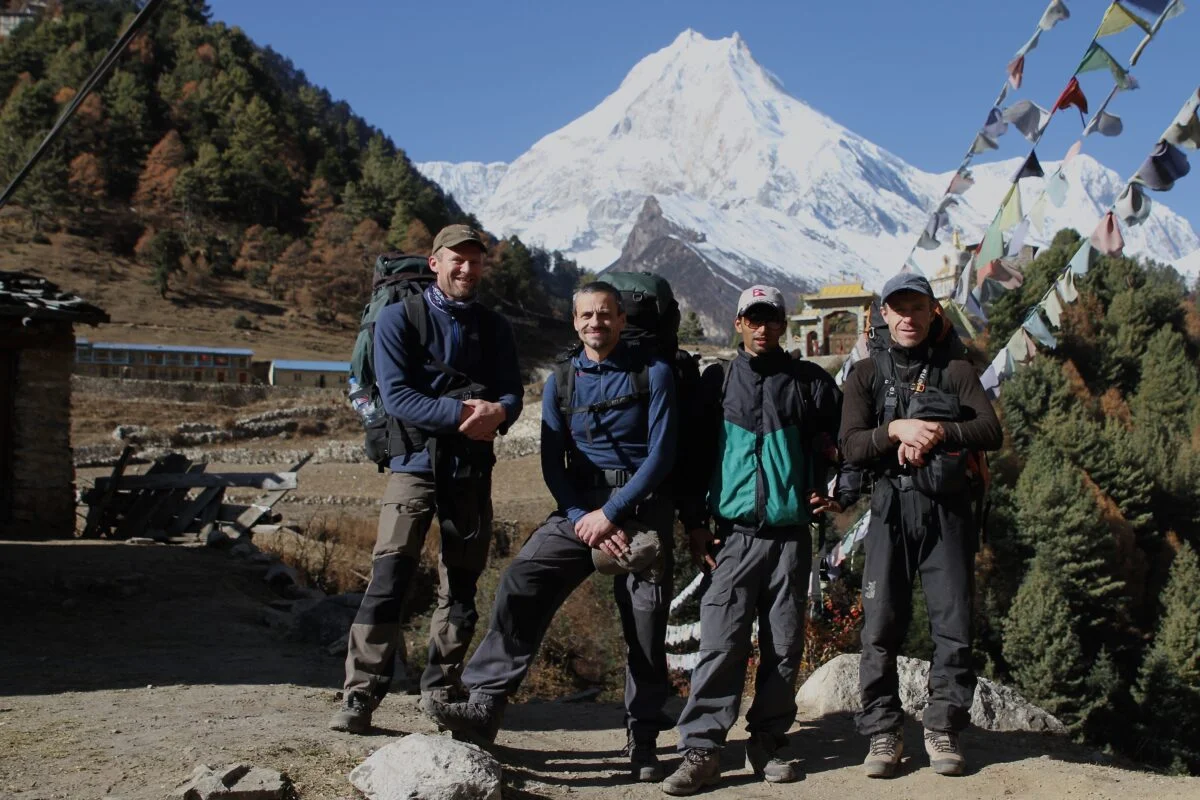
Choosing the right season dictates your safety, your mountain views, and your overall experience. Nepal has two primary trekking windows.
1. Autumn (Late September to Late November) — The Gold Standard
Autumn is universally recognized as the absolute best time for trekking in Nepal.
-
The Weather: The summer monsoon has just retreated, washing all the dust and pollution out of the atmosphere. The skies are razor-sharp, crystal clear, and deeply blue.
-
The Views: Flawless mountain visibility day after day.
-
The Temperatures: Daytime hiking is comfortable (15°C to 20°C in the mid-hills). However, by late November, nighttime temperatures above 4,000 meters routinely drop to -15°C.
-
The Catch: It is the peak season. Trails in Everest and Annapurna are busy, and domestic flights to Lukla are heavily booked.
2. Spring (March to May) — The Floral Spectacle
Spring is the second most popular season, bringing vibrant color and warming weather.
-
The Landscape: The lower and mid-elevation forests erupt into a breathtaking sea of blooming red, pink, and white rhododendrons.
-
The Wildlife: Animals wake up from the winter freeze, making this the best time for bird watching and spotting red pandas.
-
The Expeditions: Everest Base Camp transforms into a massive, vibrant tent city filled with summit climbers.
-
The Catch: As spring progresses into May, rising heat in the lowlands creates afternoon thermal clouds and haze, which can obscure distant peaks. Early March also carries a risk of heavy, residual winter snow blocking high passes like Thorong La or Larkya La.
3. Winter (December to February)
-
The Vibe: Quiet, incredibly cold, and beautifully isolated.
-
Where to go: Stick to lower-altitude treks like Poon Hill, Mardi Himal, or the lower Everest panorama (up to Namche or Tengboche).
-
The Danger: High passes (over 4,500m) are frequently buried in deep snow, making circuits like Manaslu, Annapurna, and Kanchenjunga completely impassable and highly prone to avalanches.
4. Summer / Monsoon (June to August)
-
The Vibe: Wet, muddy, and green.
-
The Danger: The main trekking trails (Everest, Annapurna, Makalu) become treacherous. Rivers wash out bridges, trails suffer severe landslides, leeches infest the jungles, and mountain visibility drops to zero. Flights to Lukla are grounded for days.
-
The Exception: This is the perfect time to trek in the “Rain Shadow” regions like Upper Mustang and Upper Dolpo, which remain dry and accessible.
Trekking Styles: Teahouses vs. Camping vs. Luxury
How you sleep and eat on the trail has evolved dramatically.
The Teahouse Trek (The Standard)
The vast majority of trekking in Nepal is “Teahouse Trekking.” Teahouses are family-run mountain lodges spaced out every few hours along the major trails. You do not need to carry a tent or cooking gear. You sleep in a basic wooden bed with a foam mattress, eat in a communal dining room heated by a wood stove, and order massive plates of Dal Bhat (rice and lentils). As you get higher, these lodges become increasingly basic, uninsulated, and freezing at night.
The Camping Trek (Expedition Style)
Used primarily for highly remote routes (like Upper Dolpo, Dhaulagiri Circuit, or peak climbing). A massive support crew of porters and mules carries everything: sleeping tents, dining tents, kitchen equipment, and all food. A dedicated chef cooks your meals. It is true wilderness survival, fully supported by a professional team.
Luxury Trekking
A booming sector in the Everest and lower Annapurna regions. You stay in premium boutique lodges (like Yeti Mountain Home or Ker & Downey) featuring electric heated beds, en-suite bathrooms, and hot high-pressure showers. You walk with an elite, private guide, your pacing is entirely bespoke, and you often utilize private helicopters to bypass long, grueling descents (e.g., flying from Gorak Shep back to Kathmandu).
The 2026 Legal Reality: The FIT Ban and Permits
Trekking in Nepal is highly regulated to protect the environment, the border zones, and the safety of tourists.
The Mandatory Guide Rule (No Solo Trekking)
As of 2023, the Nepal Tourism Board (NTB) strictly banned “Free Independent Trekkers” (FIT) across all of Nepal’s national parks and conservation areas. Foreigners are no longer legally permitted to trek solo. You must hire a government-licensed guide affiliated with an authorized trekking agency (like Mountain Treks Nepal). You will be turned away at police checkpoints if you arrive without a guide.
The Permits
Your trekking agency will handle all of these in Kathmandu before you depart, but you must be aware of them:
-
National Park / Conservation Area Permits: (e.g., Sagarmatha National Park, ACAP, MCAP). Usually around $25 USD.
-
TIMS Card (Trekkers’ Information Management System): A database registry for your safety. Usually around $15 USD.
-
Local Municipality Taxes: Small fees (approx. $15-$20) collected locally at the trailheads (e.g., the Khumbu Pasang Lhamu fee).
-
Restricted Area Permits (RAP): If you are trekking near the Tibetan/Chinese border (Manaslu, Upper Mustang, Kanchenjunga, Tsum Valley, Dolpo), you require a highly expensive RAP. These range from $20 per week to $500 for the first 10 days (Mustang). Crucially, RAP regions strictly require a minimum of two foreign trekkers applying together.
Altitude Sickness (AMS) and Mountain Safety
The single greatest threat to any trekker in Nepal is Acute Mountain Sickness (AMS).
At 5,000 meters, the effective oxygen level is 50% of what it is at sea level. If you ascend faster than your body can adapt, you will get sick. Mild symptoms include crushing headaches, nausea, dizziness, and extreme fatigue. Severe symptoms (High Altitude Cerebral or Pulmonary Edema HACE/HAPE) are fatal without immediate descent.
The Golden Rules of Altitude:
-
Climb High, Sleep Low: Once above 3,000 meters, never increase your sleeping elevation by more than 500 meters per day.
-
Acclimatization Days: Every safe itinerary includes mandatory rest days (e.g., Namche Bazaar on EBC, Manang on the Annapurna Circuit) where you hike high during the day and return to sleep at the same elevation.
-
Bistari, Bistari (Slowly, Slowly): Walk at a painfully slow, deliberate pace. If you are out of breath, you are walking too fast.
-
Hydration: Drink 4 to 5 liters of water daily. Dehydration thickens the blood, accelerating altitude sickness.
The Mountain Treks Nepal Safety Guarantee: Our elite Sherpa guides are Wilderness First Responder (WFR) certified. They carry digital pulse oximeters to check your blood oxygen saturation twice daily, ensuring we catch altitude stress before it becomes an emergency. If a severe emergency occurs, we coordinate immediate satellite-dispatched helicopter evacuations.
The Ultimate Nepal Trekking Packing List
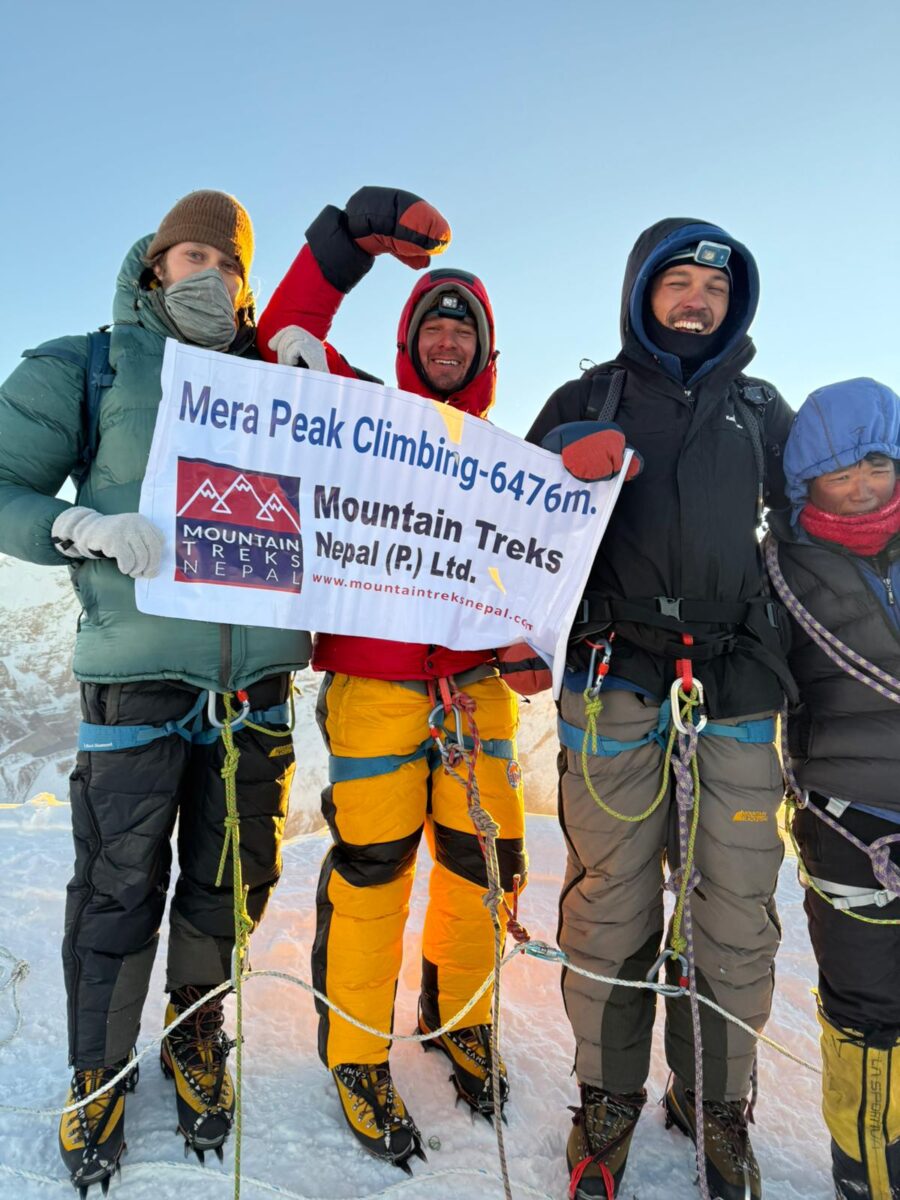
You must pack for 30°C (86°F) jungle heat and -20°C (-4°F) arctic winds, all while keeping your duffel bag under the strict 15 kg (33 lbs) weight limit enforced by domestic airlines and porter ethics.
The Essentials:
-
The Layering System: Absolutely zero cotton. Pack 3 moisture-wicking synthetic base layers, heavy Merino wool thermals for sleeping, a fleece mid-layer, and a heavy-duty Gore-Tex waterproof/windproof shell.
-
Extreme Cold Gear: A 700+ fill-power expedition down jacket and a genuine -15°C to -20°C four-season sleeping bag. (Mountain Treks Nepal provides these as complimentary loaner gear to our clients).
-
Footwear: Sturdy, waterproof, high-ankle trekking boots. They must be rigorously broken in. Pack lightweight camp shoes (Crocs) to let your feet breathe in the teahouses.
-
Hardware: A 300+ lumen headlamp, category 4 UV wrap-around sunglasses, insulated mittens, and flick-lock trekking poles (mandatory for saving your knees on the thousands of stone stairs).
-
Hydration: Plastic bottles are banned on most trails. Bring two 1-liter Nalgene bottles and a water purification system (Chlorine Dioxide tablets or a SteriPen).
-
Power: A 20,000mAh power bank to charge your devices (teahouses charge $3-$5 for solar charging, which is unreliable).
Physical Preparation: How to Train
Do not underestimate the Himalayas. You will be walking 5 to 8 hours a day, for 12 to 19 days, carrying a daypack, with 50% less oxygen.
-
The Aerobic Engine: Build cardiovascular endurance. Run, cycle, or swim 3 to 4 times a week for 45-60 minutes in Zone 2 to train your body to process limited oxygen efficiently.
-
Stairs and Rucking: The trails in Nepal are relentless. Load a backpack with 7-10 kg (15-20 lbs) and climb the tallest stadium stairs, local hill, or gym Stairmaster for 1-2 hours twice a week. This builds the exact muscular endurance your calves and quads need.
-
Mental Grit: Prepare yourself for discomfort. You will be cold, you will be exhausted, and you will miss your bed. Mental resilience is what pushes you over a 5,000m pass in the freezing pre-dawn dark.
Frequently Asked Questions (FAQs)
How much does a trek in Nepal cost?
A standard, all-inclusive 14-day teahouse trek (like EBC or Annapurna) typically ranges from $1,100 to $1,500 USD per person. Highly remote restricted treks (Manaslu, Kanchenjunga) range from $1,400 to $2,000. True luxury treks with helicopter integrations range from $3,000 to $8,000+.
Is the water safe to drink?
Never drink untreated tap or stream water in Nepal. You must carry reusable bottles and treat all water with purification tablets or a high-quality filter before drinking. Alternatively, you can purchase boiled water from the teahouse kitchens.
How much weight will my porter carry?
Mountain Treks Nepal adheres to strict ethical guidelines. One porter is assigned to every two trekkers, carrying a combined maximum of 20 to 25 kg (about 10 to 12.5 kg per trekker). You will pack your heavy gear in a provided waterproof duffel bag for the porter, while you carry only a small 25-30L daypack with your water, camera, rain jacket, and valuables.
What happens if my domestic flight is canceled?
Mountain weather is unpredictable, and flights to places like Lukla or Jomsom rely entirely on visual flight rules (VFR). If weather grounds the flights, you wait. This is why building 1 to 2 “buffer days” into your international travel schedule is an absolute necessity.
Conclusion: Start Your Journey with Mountain Treks Nepal
Trekking in Nepal is an expedition into the sublime. It is a physical crucible that strips away the noise of modern life, rewarding you with unparalleled natural majesty, profound cultural warmth, and an indelible sense of achievement.
However, navigating the logistical complexities of the Himalayas from securing restricted permits and negotiating domestic flight diversions to ensuring your medical safety at 5,000 meters requires a partner you can trust with your life.
Mountain Treks Nepal is a premier, Kathmandu-based adventure operator specializing in flawless expedition logistics. We provide elite, government-licensed Sherpa guides, manage all bureaucratic red tape, and supply the heavy-duty survival gear you need to thrive on the trail. Whether you want to navigate the absolute isolation of Makalu Base Camp, fly a luxury helicopter over Everest, or conquer the classic Annapurna Circuit, we are ready to build your bespoke itinerary.
Don’t leave your dream trek to chance. Contact the expedition planners at Mountain Treks Nepal today to secure your dates for the upcoming season, and start preparing for the adventure of a lifetime.