



Share This:
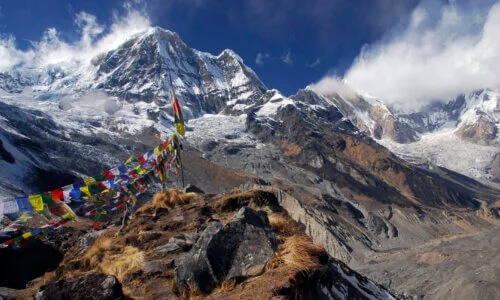
Packing List for the Annapurna Circuit Trek
A complete packing list for the Annapurna Circuit Trek must prepare you for the most dramatic ecological transition in the Himalayas starting in humid subtropical valleys at 800 meters (2,624 feet) and climbing to the windswept, glaciated summit of Thorong La Pass at 5,416 meters (17,769 feet). To stay comfortable without overpacking, you need a modular three-layer clothing system, broken-in waterproof hiking boots, a four-season sleeping bag rated to -15°C or -20°C (5°F to -4°F), and a heavy down jacket.
When trekking with a licensed agency, one porter typically carries the main luggage for two trekkers. That means your primary duffel bag must stay under 15 kg (33 lbs), while you carry a 5 to 7 kg (11 to 15 lbs) daypack containing your daily water, camera, and warm layers.
Because the circuit loops entirely around the Annapurna Massif crossing from the lush Marsyangdi River gorge into the arid Tibetan-like rain shadow of Manang and Mustang your gear must handle heat, snow, and fierce afternoon valley winds. This field-tested guide from Mountain Treks Nepal breaks down every item you need to pack, plus what you can easily rent in Kathmandu before hitting the trail.
Why Packing for the Annapurna Circuit Is Unique: Four Climate Zones in One Trek?
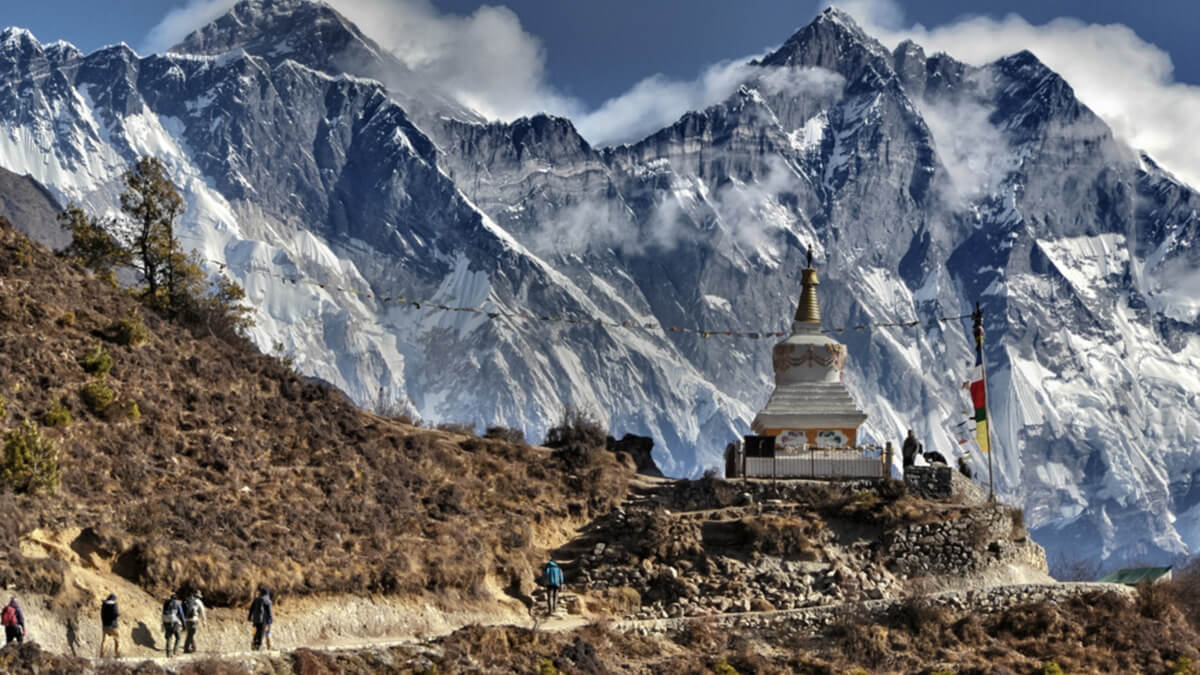
Packing for the Annapurna Circuit is very different from packing for shorter base camp hikes. As outlined in our ultimate 14-day Annapurna Circuit guide, you will walk through four distinct microclimates over two weeks:
-
Subtropical Lowlands (800m – 2,000m | Besisahar, Syange, Jagat, Dharapani): The early trail winds past waterfalls, rice terraces, and broadleaf forests. Daytime temperatures in spring and autumn often sit between 18°C and 26°C (64°F to 79°F). You will hike in breathable shorts or lightweight trousers and a short-sleeve shirt.
-
Temperate Pine & Alpine Valleys (2,000m – 3,800m | Chame, Pisang, Manang): As you climb higher along the Marsyangdi River and cross into the rain shadow behind the Annapurna range, the air grows dry and crisp. Days are sunny and pleasant (10°C to 15°C / 50°F to 59°F), but temperatures drop below freezing as soon as the sun dips behind the peaks.
-
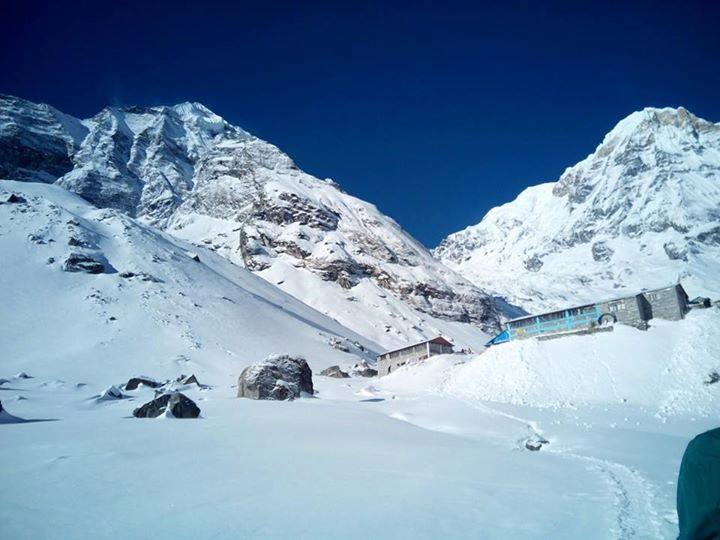
The High Arctic Pass Zone (4,000m – 5,416m | Yak Kharka, Thorong Phedi, High Camp, Thorong La Pass): Above the tree line, vegetation disappears into rocky moraine and snowfields. Nighttime temperatures at Thorong Phedi (4,450m) and High Camp (4,880m) drop to -10°C to -20°C (14°F to -4°F), and pre-dawn wind chills on the pass are severe.
-
The Arid Kali Gandaki Wind Tunnel (3,800m – 2,670m | Muktinath, Kagbeni, Jomsom): Descending the western side of the pass brings you into the world’s deepest gorge. Every day around 11:00 AM, thermal shifts create gale-force winds that blow fine dust and gravel up the Kali Gandaki riverbed, making wrap-around eye protection and a neck buff essential.
1. Clothing: The Modular Alpine Layering System
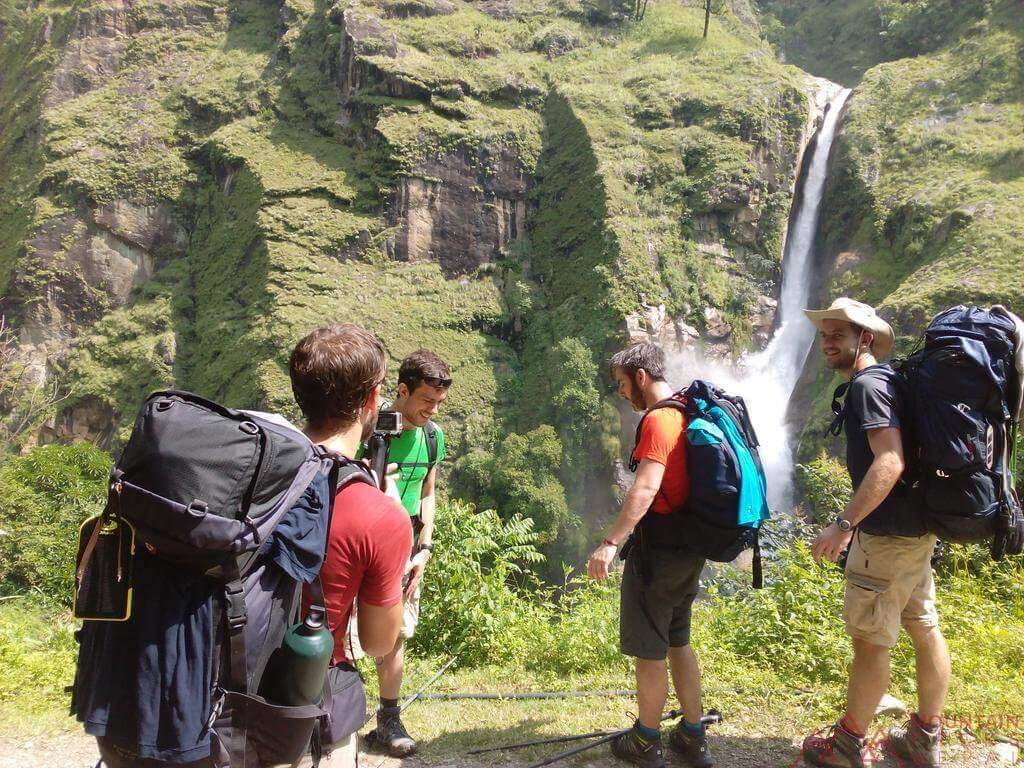
Instead of packing heavy, single-purpose winter coats, use technical layers that can be combined as you gain altitude. Avoid 100% cotton clothing (including denim jeans and cotton hoodies), as cotton traps sweat against your skin and leads to rapid chilling above 3,000 meters. Prioritize Merino wool and quick-drying synthetic fabrics.
Base Layers (Moisture Management)
-
3 to 4 Moisture-Wicking Short-Sleeve T-Shirts: Lightweight polyester or Merino wool (150g) shirts for the warm lower days from Syange to Chame.
-
1 Long-Sleeve Sun Hoodie (UPF 40+): Ideal for hiking under the intense high-altitude sun in the dry Manang and Mustang valleys.
-
2 Mid-to-Heavyweight Thermal Base Layer Tops (200g–250g Merino Wool): Wear one for active trekking above Manang and keep the second clean inside your dry bag strictly for sleeping and pass day.
-
2 Pairs of Thermal Base Layer Bottoms (Long Johns): One lightweight pair for trekking in cold winds and one heavyweight pair for sleeping at Yak Kharka and Thorong Phedi.
-
5 to 7 Pairs of Breathable Trekking Underwear: Seamless synthetic or Merino briefs prevent chafing during 6-to-8-hour walking days.
-
2 to 3 Sports Bras (for women): Medium-to-high support with moisture-wicking bands.
Mid Layers (Adjustable Insulation)
-
1 Mid-Weight Fleece Jacket or Grid Fleece Pullover: Your workhorse insulation layer for cool morning starts between Chame and Manang.
-
1 Lightweight Packable Insulated Jacket (Synthetic or Light Down): Great for wearing during lunch stops or cool afternoons in Manang without overheating.
-
1 Expedition-Grade Heavy Down Jacket (700 to 800+ Fill Power): Mandatory. You will wear this every evening in unheated teahouse dining rooms above 3,500m and during the freezing pre-dawn climb over Thorong La Pass.
-
2 Pairs of Trekking Pants: Weather-resistant, four-way stretch nylon hiking trousers. Having one convertible pair (zip-off legs) is convenient for the warm lower valleys.
-
1 Pair of Warm Fleece Pants or Thermal Joggers: For relaxing inside lodges at night.
Outer Layers (Wind, Dust, and Snow Protection)
-
1 Waterproof, Windproof Hard Shell Jacket (Gore-Tex or 3-Layer Equivalent): Even though the upper Manang valley lies in a rain shadow, a windproof shell is critical to block sub-zero gusts on Thorong La Pass and dust winds in Jomsom.
-
1 Pair of Waterproof, Windproof Rain Pants: Choose a pair with ankle zippers so you can pull them on without removing your boots if snow or high winds roll in.
Headwear, Gloves, and Neck Protection
-
1 Sun Cap or Wide-Brimmed Trekking Hat: Essential for sun protection between Pisang and Muktinath.
-
1 Thermal Fleece-Lined Beanie: Must cover your ears completely.
-
2 Neck Gaiters or Buffs: Bring one lightweight microfiber Buff (to pull over your nose and mouth against the dusty Kali Gandaki winds) and one fleece-lined neck warmer for the pass.
-
1 Pair of Lightweight Liner Gloves: Thin wool or wind-stopper fleece gloves for cool mornings and operating your camera without exposing bare skin.
-
1 Pair of Heavy Insulated, Waterproof Mountaineering Gloves or Mittens: On Thorong La Pass at 4:00 AM, gripping metal trekking poles in -15°C wind will numb your fingers quickly without windproof, insulated outer gloves.
2. Footwear: From Dirt Tracks to Glaciated High Passes
Crossing a 5,416-meter Himalayan pass followed by a knee-punishing 1,600-meter (5,250-foot) descent into Muktinath demands supportive, well-cushioned footwear.
-
1 Pair of Broken-In Waterproof Trekking Boots: Choose mid-to-high-cut boots with robust ankle support, a stiff midsole, and deep Vibram lugs for gripping loose scree and frozen dirt. Size up by half a size to allow room for thick thermal socks and natural foot swelling at high altitude.
-
1 Pair of Camp Shoes or Recovery Sandals: Lightweight trail runners, Crocs, or slip-on camp booties for walking around lodges and giving your feet relief at the end of the day.
-
4 to 5 Pairs of Merino Wool Trekking Socks: Pack 3 pairs of mid-weight cushioned hiking socks for days 1–6, and 2 pairs of thick, expedition-weight thermal wool socks for Yak Kharka, Thorong Phedi, and pass day.
-
1 Pair of Pocket Microspikes (Traction Cleats): Highly Recommended. The high trail over Thorong La Pass (and the steep descent toward Muktinath) often holds hard-packed snow and glacial ice, especially in March, April, and November. Slip-on microspikes weigh less than 350 grams and provide essential stability.
-
1 Pair of Ankle Gaiters (Optional): Useful for keeping snow out of your boots on the pass and keeping fine sand out of your shoes between Kagbeni and Jomsom.
3. Backpacks, Duffel Bags, and Sleeping Gear
When you join our 14-day Annapurna Circuit Trek package, your porter carries your main duffel bag from lodge to lodge while you walk with a light daypack.
-
1 Heavy-Duty Waterproof Duffel Bag (70L – 90L): Porters carry up to 30 kg total (two trekkers’ bags combined), meaning your individual duffel must not exceed 15 kg (33 lbs).
-
1 Supportive Trekking Daypack (28L – 35L): Carried by you. Look for an internal frame pack with a padded hip belt, load-lifter straps, external trekking pole loops, and a high-visibility waterproof rain cover.
-
1 Four-Season Down Sleeping Bag (-15°C to -20°C / 5°F to -4°F Comfort Rating): Teahouses provide mattresses and blankets, but bedrooms at Thorong Phedi (4,450m), High Camp (4,880m), and Tilicho Base Camp (4,150m) have zero heating. A true four-season sleeping bag is vital for recovery and restful sleep at altitude.
-
1 Thermal or Silk Sleeping Bag Liner: Adds extra warmth and keeps rented or loaner sleeping bags clean.
-
4 to 5 Waterproof Dry Sacks or Packing Cubes: Color-code your bags (e.g., base layers, warm outer layers, electronics, dirty laundry) so you can find items instantly in dim teahouse rooms.
4. Trekking Hardware, Safe Hydration, and Electronics
Staying hydrated (3 to 4 liters daily) is one of the most effective ways to help your body acclimatize on the gradual climb toward Manang. To reduce plastic waste, the Annapurna Conservation Area Project (ACAP) operates Safe Drinking Water Stations in major villages where you can refill reusable bottles with UV-treated or filtered water for 50 to 150 NPR per liter.
-
1 Pair of Adjustable Shock-Absorbing Trekking Poles: Essential for maintaining balance on narrow cliffside trails and protecting your knees during the massive descent from 5,416m to Muktinath (3,800m). Choose flick-lock (lever-lock) poles rather than twist-lock poles, as twist mechanisms often jam in freezing temperatures.
-
2 Wide-Mouth 1-Liter Nalgene Bottles: Do not rely solely on a CamelBak / hose bladder above Manang. On pass morning, exposed drinking tubes freeze solid within 15 minutes of leaving the lodge. Instead, carry two wide-mouth BPA-free Nalgene bottles inside insulated bottle sleeves (or tucked inside your daypack). At night, fill a Nalgene with boiling water and place it at the bottom of your sleeping bag to warm your feet.
-
Water Purification Backup: Bring chlorine dioxide purification tablets (Micropur Forte or Aquamira) or a Sawyer Squeeze filter for trail sections between safe water stations.
-
1 High-Output LED Headlamp (250+ Lumens) + Extra Batteries: You will start walking toward Thorong La Pass between 3:30 AM and 4:30 AM in pitch darkness and freezing temperatures. Ensure your headlamp is fully charged or carries fresh lithium batteries.
-
1 Pair of Category 3 or 4 Wrap-Around Sunglasses: Protects your eyes from snow glare on the pass and blowing grit in the Kali Gandaki valley.
-
1 High-Capacity Power Bank (20,000mAh – 26,800mAh): While lower villages up to Manang have hydroelectricity and free or low-cost room outlets, high camps rely on solar power and charge $2 to $5 USD per device. Store your power bank, phone, and camera batteries inside your sleeping bag at night to prevent cold-weather voltage drops.
-
Universal Travel Adapter (Type C, D, and M plugs): Standard across Nepal lodges and hotels.
5. First Aid Kit, High-Altitude Medications, and Toiletries
Medical & Safety Disclaimer: Crossing Thorong La Pass at 5,416 meters exposes trekkers to roughly half the oxygen molecules available at sea level. Acute Mountain Sickness (AMS), High Altitude Pulmonary Edema (HAPE), and High Altitude Cerebral Edema (HACE) are serious medical risks. Always consult a physician before departing, and never ascend with worsening symptoms of altitude illness.
Personal Medical Kit
Our certified high-altitude guides carry a group medical kit and monitor your health during our scheduled acclimatization day in Manang (3,540m). In your own daypack, include:
-
Altitude Medication: Acetazolamide (Diamox) if prescribed by your doctor, alongside Ibuprofen or Paracetamol for mild altitude headaches.
-
Blister Prevention & Foot Care: Compeed hydrocolloid blister patches, moleskin, antiseptic wipes, and a roll of sticky zinc-oxide or kinesiology tape.
-
Stomach & Hydration Support: 8 to 10 packets of Oral Rehydration Salts (electrolyte powder), anti-diarrheal tablets (Loperamide), and a doctor-prescribed antibiotic for traveler’s diarrhea.
-
Throat Lozenges & Saline Nasal Spray: The cold, bone-dry air between Manang and Muktinath frequently causes “Khumbu cough” (high-altitude bronchitis) and dry nasal passages; menthol lozenges and a Buff worn over your mouth while sleeping help immensely.
Toiletries and Personal Care
-
Broad-Spectrum Sunscreen (SPF 50+) & SPF 30+ Lip Balm: UV intensity increases by roughly 10% to 12% for every 1,000 meters of elevation gain.
-
1 Quick-Dry Microfiber Trekking Towel: Medium size for hot showers in lower villages and the natural hot springs at Chame.
-
Biodegradable Wet Wipes & Hand Sanitizer: Above Manang (3,540m), we advise against taking showers to avoid catching a chill while acclimatizing; wet wipes keep you comfortable for the 3-day push over the pass.
-
Intense Moisturizing Cream or Vaseline: The dry winds of Manang and Jomsom quickly crack knuckles, lips, and cheeks.
-
2 to 3 Rolls of Toilet Paper + Ziploc Bags: Teahouses do not provide toilet paper in washrooms.
Seasonal & Route Adjustments: Tilicho Lake, Winter, and Monsoon

If you are customizing your route or trekking outside peak windows, adjust your packing list using our classic Annapurna Circuit Trek itinerary as a reference:
-
Adding the Tilicho Lake Side Trek (4,919m / 4,949m): As covered in our guide to the Tilicho Lake extension and route highlights, adding this 2-to-3-day detour from Manang requires crossing narrow, landslide-prone scree slopes. Pack an extra pair of trekking socks, ensure your boots have rigid ankle support, and carry a windproof balaclava for the freezing winds at the lake shore.
-
Spring (March – May) & Autumn (September – November): Our standard packing list above is tailored for these peak seasons. Early March and late November trekkers should ensure they pack microspikes and an extra heavyweight thermal layer.
-
Winter (December – February): Temperatures at High Camp can drop below -25°C (-13°F) and heavy snow can close the pass. Upgrade to an expedition 800-fill down parka, a -25°C sleeping bag, insulated mountaineering boots, gaiters, and full microspikes.
-
Summer / Monsoon (June – August): While Upper Manang and Mustang sit in the dry rain shadow, the lower approach (Besisahar to Chame) experiences heavy rain. Pack a full backpack rain poncho, waterproof gaiters, insect repellent for leeches, and extra dry bags.
Renting vs. Buying Gear in Kathmandu and Pokhara
You do not need to buy expensive mountaineering equipment for a single two-week holiday. The Thamel district in Kathmandu (where your trek begins) has hundreds of reliable outdoor shops where you can rent or buy equipment during your arrival day.
Equipment Support from Mountain Treks Nepal: Our team provides high-quality trekking supplies including sleeping bags, down jackets, and waterproof porter duffel bags—to ensure your comfort and safety on the trail. Let our staff know during booking what gear you need!
| Gear Item | Bring from Home | Rent in Kathmandu | Buy in Kathmandu | Practical Advice |
| Waterproof Trekking Boots | YES (Mandatory) | No | No | Must be worn and broken in for 4+ weeks before your flight to prevent severe blisters. |
| Merino Wool Base Layers & Socks | YES | No | Optional | Genuine 100% Merino wool is much easier to buy in your home country. |
| -15°C / -20°C Sleeping Bag | Optional | YES (~$2–$3/day) | No | Saves huge luggage space on international flights; bring your own silk liner for hygiene. |
| Heavy Down Jacket | Optional | YES (~$2–$3/day) | Optional | High-fill down jackets are widely available to rent in Thamel or through our agency. |
| Trekking Poles & Microspikes | Optional | Optional | YES ($15–$25) | Easily purchased in Thamel if you want to fly carry-on only from home. |
| 30L Daypack | YES | No | Optional | Bring a daypack that fits your back and hips comfortably for 7-hour walking days. |
FAQs
What is the porter weight limit on the Annapurna Circuit Trek?
The standard porter weight limit on the Annapurna Circuit is 15 kg (33 lbs) per trekker. Because one porter carries the combined gear of two trekkers (up to 30 kg total), staying within your 15 kg duffel allowance is strictly enforced for porter welfare. You can leave excess city luggage safely locked at your hotel in Kathmandu or have it transferred to Pokhara.
What temperature rating sleeping bag do I need for Thorong La Pass?
You need a four-season sleeping bag with a comfort rating of -15°C to -20°C (5°F to -4°F). While teahouses in lower villages are relatively mild, bedrooms at Thorong Phedi (4,450m) and High Camp (4,880m) are unheated, and indoor temperatures regularly drop well below freezing at night.
Do I need crampons or microspikes for the Annapurna Circuit?
You do not need technical mountaineering crampons, but lightweight slip-on microspikes (traction cleats) are strongly recommended. The ascent to Thorong La Pass (5,416m) and the steep 1,600-meter descent to Muktinath frequently hold packed snow and black ice, especially in March, April, and November.
How does the packing list for the Annapurna Circuit differ from Annapurna Base Camp?
The Annapurna Circuit reaches a much higher elevation (5,416m at Thorong La Pass vs. 4,130m at Annapurna Base Camp) and crosses into the dry, windy rain shadow of Manang and Mustang. Therefore, the Circuit requires a warmer sleeping bag (-15°C to -20°C), heavier windproof gloves, extra lip/skin moisturizers, and wrap-around sunglasses with a Buff for the dusty Kali Gandaki valley winds.