



Share This:
Mount Everest Bodies – How Many People Have Died on Mount Everest?
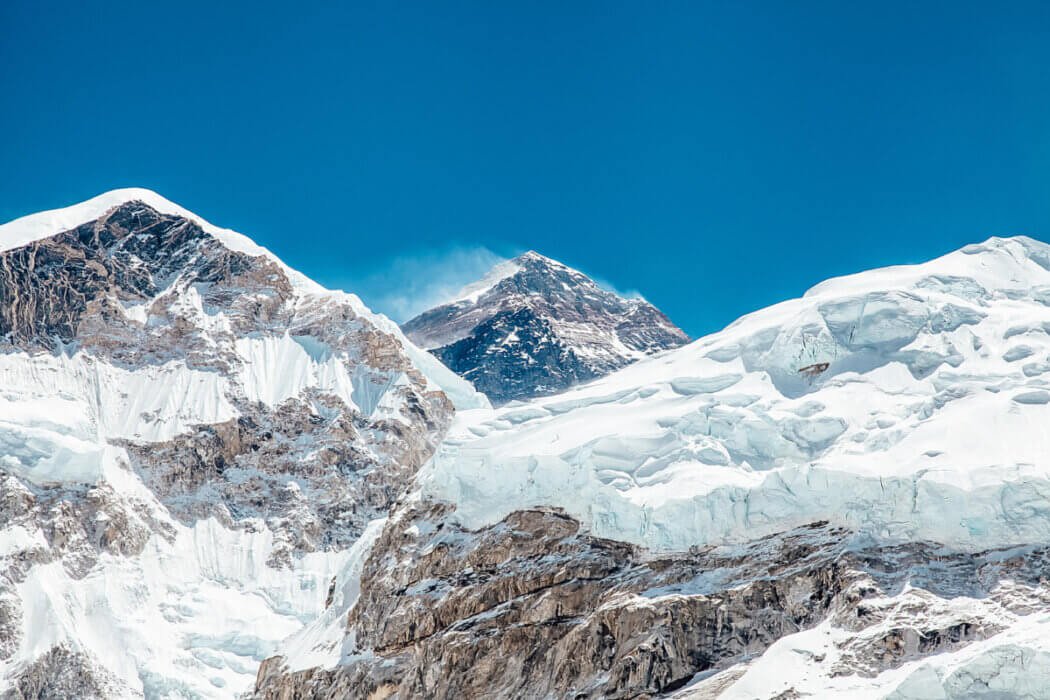
Mount Everest, standing at 8,848.86 meters (29,031.7 ft), represents the ultimate test of human endurance. However, the world’s highest peak is also one of its most famous open-air graveyards.
According to official records maintained by the Himalayan Database, 344 people have lost their lives attempting to climb or descend Mount Everest. An estimated 200+ preserved bodies remain frozen on the mountain slopes today.
Understanding these tragic figures and the extreme conditions that cause them is essential for anyone planning a high-altitude Himalayan adventure. Leading local agencies like Mountain Treks Nepal prioritize rigorous acclimatization schedules, certified Sherpa guidance, and strict safety protocols to ensure trekkers and climbers navigate the Himalayas safely.
Mount Everest Death Statistics at a Glance
| Metric | Statistic |
| Total Confirmed Fatalities | 344 |
| Estimated Bodies Remaining on Mountain | 200+ |
| Overall Fatality Rate | ~1.3% of expedition members |
| Deadliest Single Year | 2023 (18 confirmed deaths) |
| Deadliest Single Disaster | 2015 Earthquake Avalanche (19 fatalities at Base Camp) |
| Most Fatal Route | South Col / Southeast Ridge (Nepal side, ~230+ deaths) |
How Many Dead Bodies Are Still on Mount Everest?
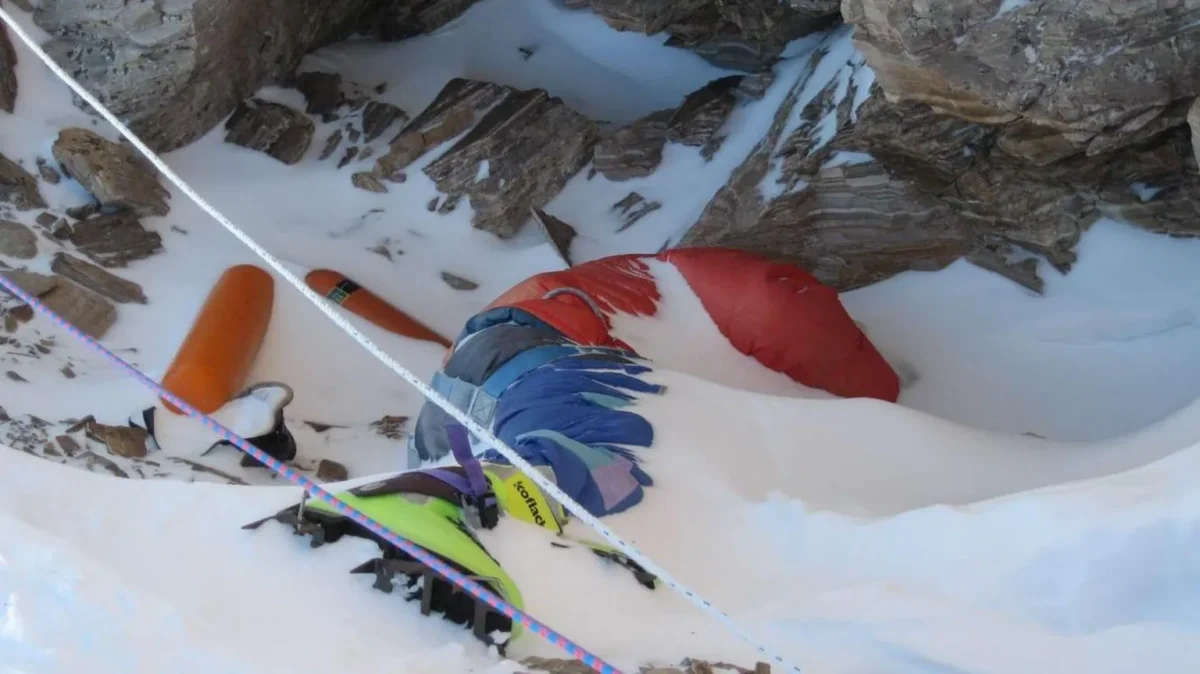
Of the 344 known fatalities, more than 200 bodies have never been recovered. They lie trapped under deep snow, preserved inside glacial crevasses, or resting directly along standard climbing routes in what mountaineers call the “Death Zone.”
Why Are Bodies Not Removed From Everest?
Recovering a body from extreme high altitudes is dangerous, logistically complex, and exceptionally expensive:
-
Extreme Physical Risk: Carrying a frozen body which can weigh over 100 kg (220 lbs) due to accumulated ice down steep, narrow snow ridges at sub-zero temperatures requires a team of 6–8 experienced Sherpa guides. It puts multiple lives at severe risk.
-
Exorbitant Cost: A single high-altitude recovery operation above Camp 4 can cost between $30,000 and $100,000 USD.
-
Severe Helicopter Limits: Rescue helicopters generally cannot generate enough lift to hover or land reliably in the thin air above Camp 3 (7,200 meters).
Famous Fallen Climbers and Everest Landmarks
Over the decades, several deceased climbers became tragic, well-known reference points along the route to the summit:
-
“Green Boots” (Tsewang Paljor): Believed to be Indian climber Tsewang Paljor, who died during the infamous 1996 Everest blizzard. Located near an alcove at 8,500 meters on the Northeast Ridge, his bright green boots served as a landmark for climbers for nearly two decades.
-
“Sleeping Beauty” (Francys Arsentiev): The first American woman to summit Everest without supplemental oxygen in 1998. She collapsed during her descent and died after three days stranded at high altitude despite rescue attempts.
-
George Mallory: The British explorer who famously disappeared in 1924 with climbing partner Andrew Irvine. Mallory’s frozen body was discovered in 1999 at 8,155 meters.
-
David Sharp: An English climber who died near the “Green Boots” alcove in 2006. His death generated global ethical debates after dozens of climbers passed him on their way to the summit while he was slowly freezing to death.
Primary Causes of Death on Mount Everest
Data from the Himalayan Database identifies four primary causes accounting for roughly 70% of all Everest fatalities:
1. Avalanches & Serac Collapses
Avalanches are the single largest cause of death on Everest. The most hazardous section on the popular South Route is the Khumbu Icefall a constantly shifting glacier of massive ice blocks (seracs) where 16 Sherpas died in a single avalanche in 2014.
2. Fatal Falls
Climbers often slip while navigating technical sections like the Lhotse Face, the Hillary Step, or exposed ridges above Camp 4. Small errors during clipping into fixed safety ropes on the descent when fatigue peaks frequently prove fatal.
3. Acute Mountain Sickness (HACE / HAPE)
In the “Death Zone” above 8,000 meters, human cells deteriorate rapidly due to atmospheric pressure dropping to one-third of sea level pressure:
-
High Altitude Cerebral Edema (HACE): Brain swelling that causes confusion, loss of coordination, coma, and rapid death.
-
High Altitude Pulmonary Edema (HAPE): Fluid buildup in the lungs that causes severe respiratory failure.
4. Severe Exhaustion & Exposure
Many fatalities occur on the descent after reaching the summit. Climbers who expend 100% of their energy reaching the top run out of supplemental oxygen or energy on the way down, collapse in extreme cold (-40°C), and succumb to hypothermia.
Where Do Most Fatalities Happen? The “Death Zone”
More than 80% of all Everest fatalities occur above 8,000 meters (26,247 feet) in the Death Zone.
Trekking Safely in the Everest Region with Mountain Treks Nepal
While summiting Everest carries inherent high-altitude mountaineering risks, hiking to Everest Base Camp (EBC) or scaling non-technical trekking peaks (like Mera Peak or Island Peak) is extremely safe when managed by licensed, experienced local professionals.
Why Choose Mountain Treks Nepal?
At Mountain Treks Nepal, guest safety and ethical Himalayan guiding form the core of every expedition:
-
Certified Local Sherpa Guides: Lead guides are NMA-licensed, wilderness-first-responder certified, and deeply experienced in high-altitude logistics.
-
Built-In Acclimatization Schedules: Custom itineraries feature designated rest and acclimatization days (such as at Namche Bazaar and Dingboche) to drastically reduce the risk of Altitude Sickness (AMS).
-
Comprehensive Emergency Support: Outfitted with satellite communications, pulse oximeters, and instant emergency helicopter evacuation protocols.
-
100% Local Expertise: Based in Kathmandu, Mountain Treks Nepal manages all permits, logistics, and ground arrangements directly, guaranteeing ethical support for high-altitude porter staff.