



Share This:
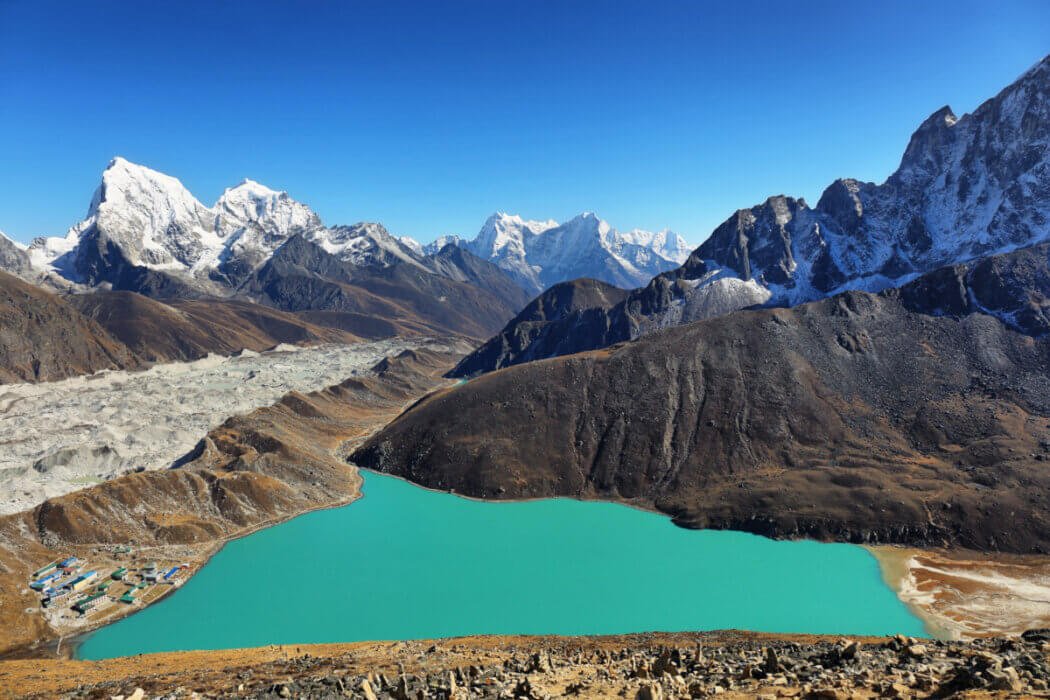
Everest Base Camp Trek with Gokyo Lake via Chola Pass – 16 Days
The Everest Base Camp Trek with Gokyo Lake via Chola Pass is a 16-day high-altitude journey that combines the classic Everest Base Camp experience with the quieter beauty of Gokyo Valley. This trek takes you through Sherpa villages, Buddhist landmarks, glacial landscapes, turquoise lakes, and some of the most recognisable viewpoints in the Everest region.
Unlike the standard Everest Base Camp Trek, this route follows a rewarding circuit. You first travel through the Gokyo Valley, visit the Gokyo Lakes, climb Gokyo Ri, cross the challenging Cho La Pass, and then continue toward Everest Base Camp and Kala Patthar.
It is a trek for travellers who want to experience more than one side of the Khumbu region. The route combines cultural encounters, mountain scenery, physical challenge, and a carefully planned acclimatization schedule.
Everest Base Camp with Gokyo Lake and Cho La Pass: Trip Overview
| Trip Detail | Information |
| Duration | 16 Days |
| Destination | Gokyo Lake and Everest Base Camp |
| Maximum Altitude | Kala Patthar, 5,545 m |
| Difficulty Level | Challenging |
| Group Size | 1–10 People |
| Accommodation | Hotel in Kathmandu and teahouses during the trek |
| Transportation | Flight, bus, car, jeep, or van as per itinerary |
| Best Season | March to May and September to November |
| Trek Start and End | Kathmandu |
| Major Highlights | Gokyo Lake, Gokyo Ri, Cho La Pass, Everest Base Camp, Kala Patthar |
Why Choose This Everest Trekking Route?
The Everest Base Camp Trek is popular because it leads to the base of the world’s highest mountain. However, the Gokyo Lake and Cho La Pass route adds more diversity to the journey.
Instead of walking directly from Namche Bazaar toward Tengboche and Dingboche, this route heads toward Phortse, Machhermo, and Gokyo. This side of the Khumbu region offers quieter trails, high mountain valleys, yak pastures, turquoise lakes, and views of the Ngozumpa Glacier.
After Gokyo, trekkers climb Gokyo Ri, one of the most impressive viewpoints in the Everest region. The route then crosses Cho La Pass before joining the traditional Everest Base Camp trail near Dzonglha and Lobuche.
This makes the journey more complete because it includes two major trekking experiences in one itinerary:
- The peaceful Gokyo Valley and Gokyo Lakes
- The iconic Everest Base Camp and Kala Patthar route
For trekkers who have enough time, good fitness, and a desire for a more immersive Himalayan experience, this circuit is a strong alternative to the regular Everest Base Camp Trek.
What Makes the Gokyo and Cho La Pass Route Different?

The standard Everest Base Camp Trek usually follows the same route to Base Camp and back. The Gokyo Lake via Cho La Pass trek creates a circular route, giving trekkers a wider view of the Everest region.
| Feature | Standard Everest Base Camp Trek | EBC with Gokyo Lake via Cho La Pass |
| Main Highlights | Everest Base Camp and Kala Patthar | Gokyo Lakes, Gokyo Ri, Cho La Pass, EBC, Kala Patthar |
| Route Type | Return route | Circular trekking route |
| Duration | Usually 12–14 days | 16 days |
| Difficulty | Strenuous | Challenging |
| High Pass Crossing | No major pass | Cho La Pass |
| Scenery | Khumbu Valley and EBC trail | Gokyo Valley plus classic EBC trail |
The longer route allows more time in the Everest region and brings together mountain scenery, glacier landscapes, cultural villages, and major trekking landmarks.
Major Highlights of the 16-Day Trek
Scenic Flight to Lukla
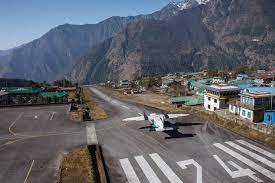
The journey starts with a mountain flight from Kathmandu to Lukla at approximately 2,860 metres. Lukla is the gateway to the Everest region and the starting point for many Everest trekking routes.
The flight provides an early introduction to the Himalayan landscape. Weather conditions can affect the schedule, so travellers should keep some flexibility in their travel plans.
Namche Bazaar: The Sherpa Heartland
Namche Bazaar is one of the most important stops on the trek. Located at approximately 3,440 metres, it is a major Sherpa settlement with lodges, cafes, shops, bakeries, and trekking facilities.
The itinerary includes an acclimatization day in Namche Bazaar. This is essential because trekkers need time to adjust before moving toward higher elevations.
Gokyo Lakes
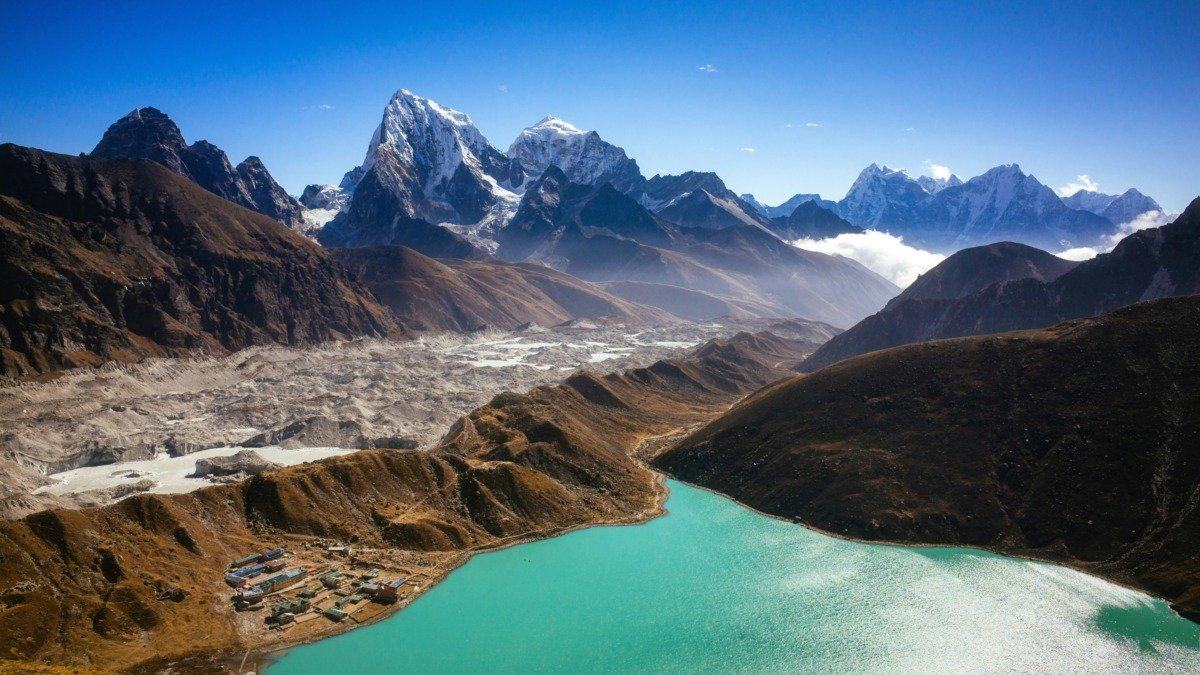
The Gokyo Lakes are among the most visually striking destinations in the Everest region. Their turquoise colour, mountain setting, and glacier surroundings make the valley distinctly different from the main Everest Base Camp trail.
The lakes are surrounded by high Himalayan terrain, and the nearby Ngozumpa Glacier adds another important natural feature to the experience.
Gokyo Ri
Gokyo Ri rises to approximately 5,357 metres and is one of the best Himalayan viewpoints on the trek. The climb is demanding because of altitude and steep terrain, but the reward is a wide mountain panorama.
On clear days, trekkers may see Everest, Lhotse, Makalu, Cho Oyu, Ama Dablam, and the vast Ngozumpa Glacier.
Cho La Pass
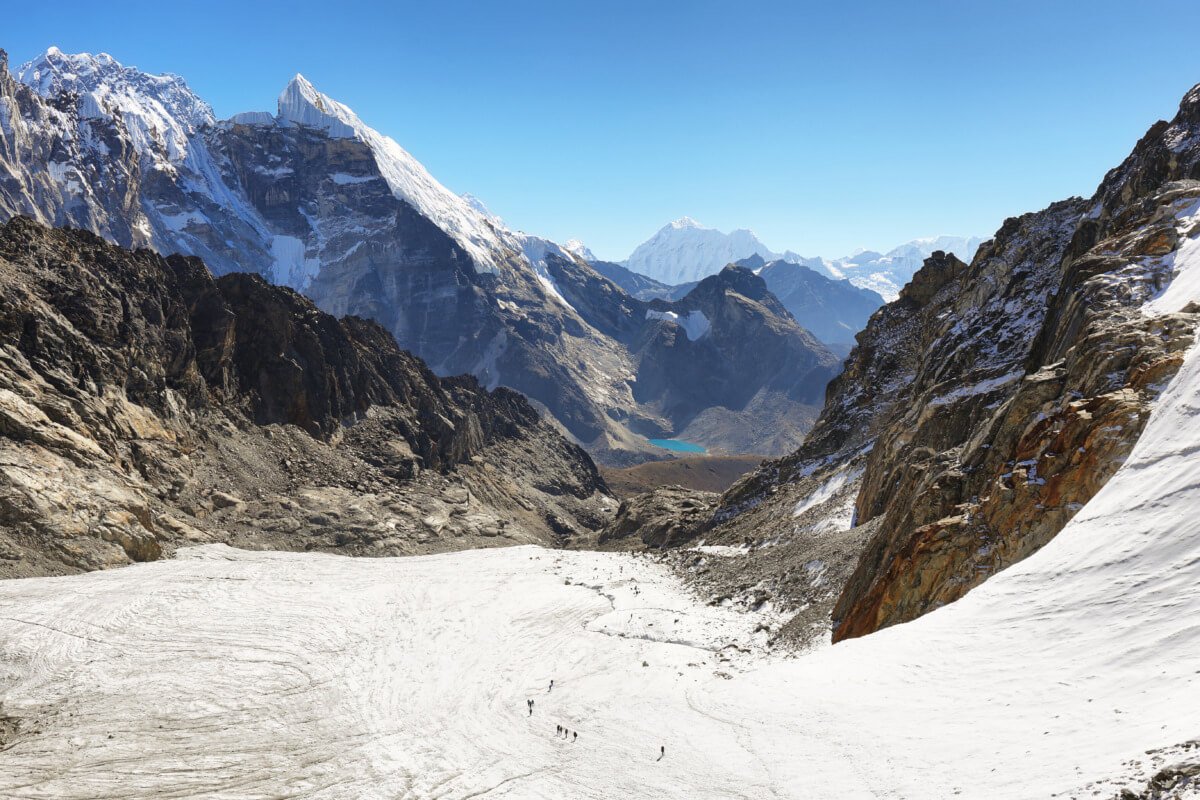
Cho La Pass is the most challenging part of the journey. Located at approximately 5,420 metres, it connects the Gokyo Valley with the Everest Base Camp route.
The pass may involve snow, ice, loose rocks, and uneven terrain depending on the season. It does not require technical climbing skills, but it does require proper gear, good fitness, patience, and an experienced trekking team.
Everest Base Camp

Everest Base Camp stands at approximately 5,364 metres. Reaching it is a major milestone for trekkers visiting Nepal.
The area is surrounded by glacial landscapes and high peaks. During spring, trekkers may also see tents and expedition activity related to the Everest climbing season.
Kala Patthar
Kala Patthar is the highest viewpoint on this itinerary at approximately 5,545 metres. The early morning hike is challenging, but it provides one of the best close-up views of Mount Everest.
Trekkers also get dramatic views of Nuptse, Pumori, Lhotse, and the surrounding Himalayan landscape.
Detailed 16-Day Everest Base Camp Gokyo Cho La Pass Itinerary
Day 1: Arrival in Kathmandu
Arrive at Tribhuvan International Airport and transfer to your hotel. This day is for rest, introduction to the trekking team, equipment preparation, and a trip briefing.
Kathmandu is also the best place to purchase any last-minute trekking essentials such as gloves, trekking poles, water purification tablets, power banks, or warm layers.
Day 2: Fly to Lukla and Trek to Phakding
Take an early scenic flight from Kathmandu to Lukla. After landing, begin the trek toward Phakding through Sherpa settlements, suspension bridges, and riverside trails.
- Trekking distance: Approximately 8 km
- Walking time: 3–4 hours
- Overnight: Phakding
Day 3: Trek from Phakding to Namche Bazaar
Follow the Dudh Koshi River and cross several suspension bridges. The route enters the Sagarmatha National Park area before climbing steadily toward Namche Bazaar.
- Walking time: 5–6 hours
- Altitude: 3,440 m
- Overnight: Namche Bazaar
Day 4: Acclimatization Day at Namche Bazaar
This day helps your body adapt to increasing altitude. Trekkers can take a short hike to a higher viewpoint and return to Namche for the night.
You may also explore local markets, cafes, museums, and viewpoints with views of Everest, Lhotse, Ama Dablam, and other Himalayan peaks.
Day 5: Trek from Namche Bazaar to Phortse
Leave Namche Bazaar and follow a quieter trail toward Phortse. This traditional Sherpa village offers mountain views and a more peaceful trekking environment.
- Walking time: 5–6 hours
- Altitude: Approximately 3,600 m
- Overnight: Phortse
Day 6: Trek from Phortse to Machhermo
The trail moves deeper into the Gokyo Valley. You pass alpine landscapes, yak pastures, and remote settlements before reaching Machhermo.
- Walking time: 4–5 hours
- Altitude: Approximately 4,450 m
- Overnight: Machhermo
Day 7: Trek from Machhermo to Gokyo
Continue toward Gokyo through high-altitude landscapes, glacier views, and turquoise lakes. Gokyo is one of the most scenic overnight locations in the Everest region.
- Walking time: 4–5 hours
- Altitude: Approximately 4,750 m
- Overnight: Gokyo
Day 8: Hike to Gokyo Ri and Trek to Dragnak
Begin early with a hike to Gokyo Ri. The summit offers wide views of Everest, Lhotse, Makalu, Cho Oyu, and the Ngozumpa Glacier.
After returning from Gokyo Ri, continue toward Dragnak.
- Gokyo Ri altitude: Approximately 5,357 m
- Walking time: 4–5 hours
- Overnight: Dragnak
Day 9: Cross Cho La Pass and Trek to Dzonglha
This is one of the longest and most challenging days of the trek. Start early and cross Cho La Pass before descending toward Dzonglha.
- Cho La Pass altitude: Approximately 5,420 m
- Walking time: 7–8 hours
- Overnight: Dzonglha
Day 10: Trek from Dzonglha to Lobuche
This is a comparatively shorter day, but altitude remains an important factor. The trail joins the main Everest Base Camp route and continues toward Lobuche.
- Walking time: 2–3 hours
- Altitude: Approximately 4,930 m
- Overnight: Lobuche
Day 11: Trek to Gorak Shep and Everest Base Camp
Trek from Lobuche to Gorak Shep, then continue to Everest Base Camp after a short break.
- Everest Base Camp altitude: 5,364 m
- Walking time: 6–7 hours
- Overnight: Gorak Shep
Day 12: Kala Patthar Hike and Trek to Pheriche
Wake early for the sunrise hike to Kala Patthar. After enjoying the Himalayan panorama, descend and continue toward Pheriche.
- Kala Patthar altitude: 5,545 m
- Walking time: 6–7 hours
- Overnight: Pheriche
Day 13: Trek from Pheriche to Namche Bazaar
Begin descending through valleys, villages, and forest sections. The route usually passes through the Tengboche area before reaching Namche Bazaar.
- Walking time: 6–7 hours
- Overnight: Namche Bazaar
Day 14: Trek from Namche Bazaar to Lukla
Continue down through the lower Everest region, crossing suspension bridges and passing Sherpa villages before reaching Lukla.
- Walking time: 6–7 hours
- Overnight: Lukla
Day 15: Fly from Lukla to Kathmandu
Take a mountain flight back to Kathmandu. After arrival, transfer to your hotel and enjoy a farewell dinner.
Day 16: Final Departure or Extend Your Nepal Journey
Transfer to the airport for your departure flight or extend your stay with another travel experience in Nepal.
How Difficult Is the Everest Base Camp Trek with Gokyo Lake via Cho La Pass?
This trek is graded as challenging because it includes several high-altitude locations, long walking days, uneven trails, Gokyo Ri, Cho La Pass, Everest Base Camp, and Kala Patthar.
Trekkers usually walk between four and eight hours each day. The Cho La Pass crossing day is often the most demanding because of the altitude, early start, snow or ice, steep terrain, and long descent.
The trek does not require technical mountaineering experience. However, it is important to be physically fit, mentally prepared, and comfortable walking on rocky and uneven trails.
A training plan should ideally begin six to eight weeks before departure. Useful preparation includes:
- Regular walking and hiking
- Stair climbing
- Cardio training
- Strength and leg exercises
- Practice hikes with a backpack
- Flexibility and recovery exercises
Previous high-altitude trekking experience is useful but not compulsory. A slow pace, regular hydration, adequate meals, and proper acclimatization are essential.
Altitude and Acclimatization on This Trek
Altitude is one of the most important factors during Everest trekking. The itinerary gradually moves from Kathmandu at approximately 1,400 metres to Kala Patthar at 5,545 metres.
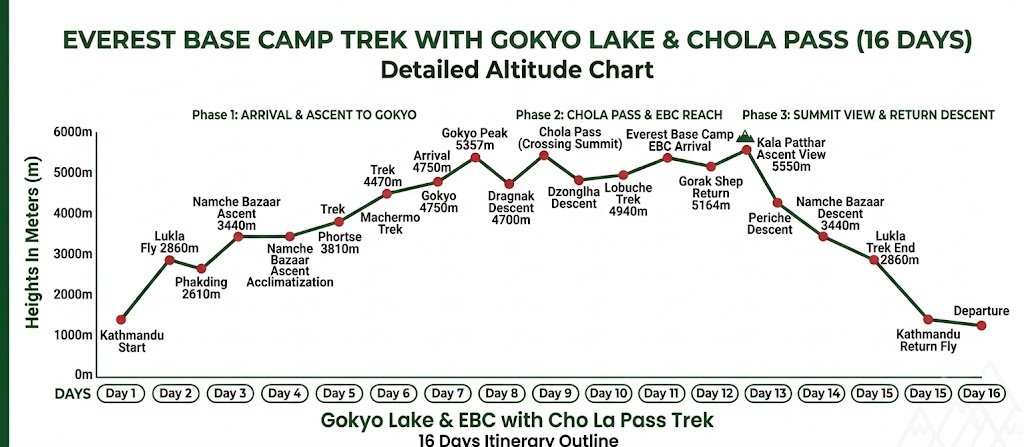
| Location | Approximate Altitude |
| Kathmandu | 1,400 m |
| Lukla | 2,860 m |
| Phakding | 2,610 m |
| Namche Bazaar | 3,440 m |
| Phortse | 3,600–3,810 m |
| Machhermo | 4,450–4,470 m |
| Gokyo | 4,750 m |
| Gokyo Ri | 5,357 m |
| Dragnak | 4,700 m |
| Cho La Pass | 5,420 m |
| Lobuche | 4,930–4,940 m |
| Gorak Shep | 5,164 m |
| Everest Base Camp | 5,364 m |
| Kala Patthar | 5,545 m |
The acclimatization day in Namche Bazaar is built into the itinerary to help reduce altitude-related risks. Trekkers should walk slowly, drink enough water, eat regularly, avoid alcohol at higher elevations, and inform the guide immediately if they feel unwell.
Best Time for the Gokyo Lake and Cho La Pass Trek
Spring: March to May
Spring is one of the best seasons for the Everest Base Camp Trek with Gokyo Lake via Chola Pass. Days are generally comfortable for trekking, mountain views can be clear, and rhododendrons bloom in the lower forest areas.
Spring is also the Everest climbing season, so trekkers may see expedition teams around Everest Base Camp.
Autumn: September to November
Autumn is another highly suitable season. The monsoon usually clears the dust and haze, making mountain views sharper. Trails are generally drier, and conditions are often favourable for Gokyo Ri, Cho La Pass, Everest Base Camp, and Kala Patthar.
Winter: December to February
Winter trekking is possible, but it is more suitable for experienced trekkers. Temperatures can fall significantly, and Cho La Pass may become difficult to cross because of snow and ice.
Monsoon: June to Early September
Monsoon trekking requires more flexibility. Flights can be delayed, lower trails may be wet, and visibility may be limited. However, the landscape can be greener and quieter during this period.
Accommodation, Meals, Drinking Water, and Communication
Accommodation during the trek is mainly in local teahouses and mountain lodges. Rooms are generally simple twin-sharing rooms with basic beds, blankets, and pillows.
Facilities become more limited at higher places such as Dragnak, Dzonglha, Lobuche, and Gorak Shep. Hot showers, charging, Wi-Fi, and private toilets may be limited or available at an extra cost.
Meals are served at teahouses and usually include dal bhat, rice, noodles, soups, potatoes, eggs, pasta, bread, tea, and coffee. Warm meals and adequate hydration are especially important at higher elevations.
Trekkers should aim to drink around three to four litres of water daily. Boiled water, filtered water, and bottled water are usually available, but costs increase with altitude. Carrying a reusable bottle or hydration bladder helps reduce plastic waste.
Wi-Fi and mobile networks may work in places such as Namche Bazaar, Gokyo, and other major stops, but services can be slow, paid, or affected by weather. A power bank or solar charger is recommended.
Permits Required for the Trek
Two permits are generally required for this route:
- Sagarmatha National Park Entry Permit
- Khumbu Pasang Lhamu Rural Municipality Entry Permit
These permits allow trekkers to enter and travel through the protected Everest region. Mountain Treks Nepal arranges the required permits as part of the trekking process.
Travel Insurance for the Everest Region
Travel insurance is compulsory for high-altitude trekking. Your policy should include:
- High-altitude trekking coverage
- Medical treatment
- Emergency helicopter evacuation
- Rescue support
- Trip cancellation or interruption coverage
Trekkers should confirm that their policy covers trekking above 5,500 metres before travelling to Nepal.
Essential Packing List
A well-prepared trekking kit makes a major difference at high altitude.
Essential items include waterproof trekking boots, trekking poles, a down jacket, thermal base layers, fleece layers, a waterproof outer shell, gloves, warm hats, sunglasses, a cold-weather sleeping bag, headlamp, reusable water bottle, sunscreen, lip balm, medicines, and a power bank.
For Cho La Pass, warm waterproof gloves, sturdy boots, trekking poles, and appropriate insulation are particularly important.
Why Trek with Mountain Treks Nepal?
This trek requires good planning because it involves high altitude, changing weather, flights to and from Lukla, permits, teahouse arrangements, and the Cho La Pass crossing.
Mountain Treks Nepal supports travellers with experienced licensed guides, porter service, permit arrangements, teahouse accommodation, meals during the trek, first-aid support, and practical route management.
Guides help manage daily pace, monitor altitude-related symptoms, explain Sherpa culture, and make informed decisions when weather or trail conditions change. Porters carry the main luggage, allowing trekkers to walk with a lighter daypack and save energy for the trail.
Frequently Asked Questions
What is the Everest Base Camp Trek with Gokyo Lake via Chola Pass?
It is a 16-day Everest region trek that combines Gokyo Lakes, Gokyo Ri, Cho La Pass, Everest Base Camp, and Kala Patthar. The route starts from Lukla and follows a circular trekking route through the Gokyo Valley before joining the traditional Everest Base Camp trail.
How long is the trek?
The package takes 16 days, including arrival in Kathmandu, Lukla flights, acclimatization, trekking days, return to Kathmandu, farewell dinner, and final departure.
What is the maximum altitude of this trek?
The highest point is Kala Patthar at approximately 5,545 metres. It is one of the most popular viewpoints for sunrise views of Everest and the surrounding Himalayan peaks.
Is the Gokyo Cho La Pass Everest Base Camp Trek difficult?
Yes. It is a challenging trek because of high altitude, long walking days, rocky trails, cold conditions, Gokyo Ri, and the Cho La Pass crossing. Good physical preparation and careful acclimatization are necessary.
Do I need previous trekking experience?
Previous high-altitude trekking experience is helpful but not compulsory. Motivated beginners with strong fitness, mental preparation, proper training, and experienced guidance can join this trek.
How many hours do trekkers walk each day?
Most days involve around four to seven hours of walking. The Cho La Pass crossing day can take approximately seven to eight hours depending on weather, snow conditions, and trekking pace.
Why is acclimatization in Namche Bazaar important?
The acclimatization day helps the body adjust gradually to higher elevation before moving toward Gokyo and Everest Base Camp. It is one of the most important safety measures on the trek.
What kind of accommodation is available?
Accommodation is mainly in local teahouses and mountain lodges. Rooms are basic but comfortable, usually with twin beds and shared dining areas. Facilities become more limited at higher elevations.
What happens if the Lukla flight is delayed?
Lukla flights depend heavily on weather conditions. Delays or cancellations can require itinerary changes and may create extra accommodation, food, or transportation costs.
Is Wi-Fi available during the trek?
Wi-Fi and charging are available at many teahouses, often for an additional charge. However, service can be slow or unavailable in remote and high-altitude locations.
What meals are available during the trek?
Teahouses usually provide dal bhat, noodles, soups, rice dishes, potatoes, eggs, pasta, bread, tea, coffee, and other basic meals. Warm, nutritious meals and regular hydration are important at high altitude.
Do I need travel insurance?
Yes. Comprehensive travel insurance with high-altitude trekking and emergency helicopter evacuation coverage is required for this trek.
Final Thoughts
The Everest Base Camp Trek with Gokyo Lake via Chola Pass is not simply a route to Everest Base Camp. It is a complete Himalayan circuit that combines Sherpa culture, mountain villages, glacier valleys, high-altitude lakes, a major mountain pass, and two of the Everest region’s finest viewpoints.
For travellers who want a more complete Everest trekking experience than the standard route, this 16-day journey offers the beauty of Gokyo Valley and the achievement of Everest Base Camp in one carefully planned adventure.
Book your Everest Base Camp Gokyo Cho La Pass Trek with Mountain Treks Nepal and explore the Himalayas with an experienced local trekking team.