



Share This:
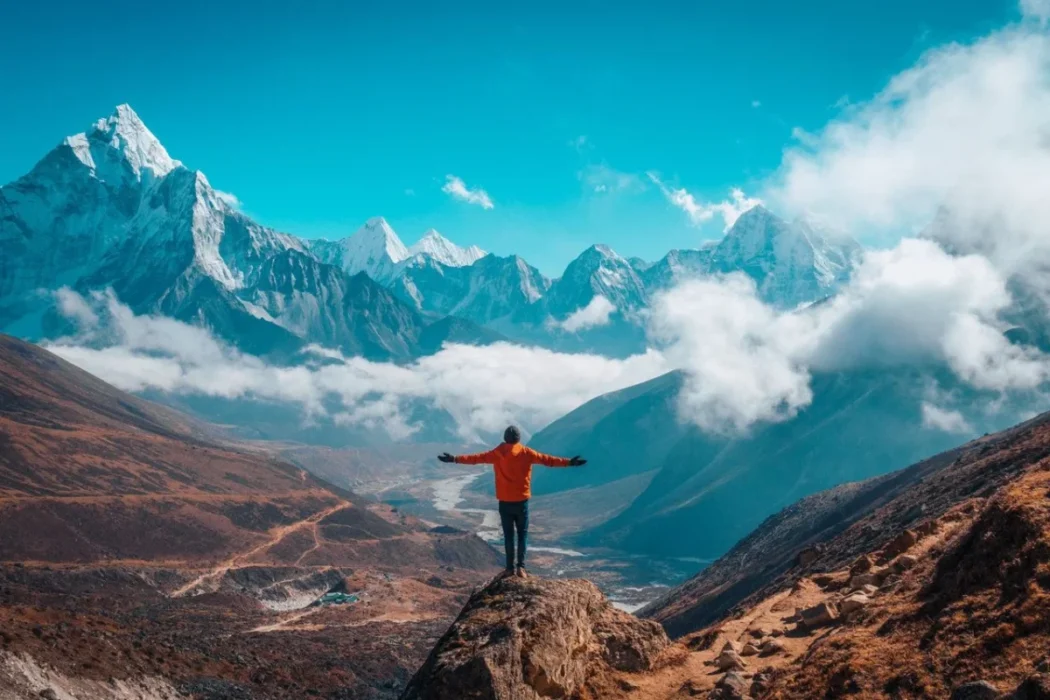
14-Day Everest Base Camp Trek Itinerary: Journey to the Roof of the World
Standing at the foot of Mount Everest (8,848.86m / 29,031ft) the highest point on planet Earth is a pilgrimage that calls to adventurers, dreamers, and mountaineers from every corner of the globe. The Everest Base Camp (EBC) Trek is not just a hike; it is a 14-day physical and spiritual immersion into the heart of the Khumbu Valley, home to the legendary Sherpa people and the most dramatic alpine scenery in existence.
Reaching an elevation of 5,364 meters (17,598 feet) at Base Camp and peaking at 5,545 meters (18,192 feet) on the summit of Kala Patthar, this journey demands respect. Over two weeks, you will cross swaying suspension bridges draped in colorful prayer flags, walk through ancient rhododendron forests, spin Buddhist prayer wheels in centuries-old monasteries, and eventually leave the tree line behind to traverse the raw, icy expanse of the Khumbu Glacier.
Trekking to EBC is a test of endurance, mental fortitude, and altitude tolerance. To help you prepare for this monumental achievement, the high-altitude experts at Mountain Treks Nepal have crafted this definitive, 3,000-word guide. We meticulously break down our 14-day Everest Base Camp Trek itinerary, detailing exactly what you will encounter each day from the steep climbs of Namche Bazaar to the freezing pre-dawn ascent of Kala Patthar along with essential advice on acclimatization, packing, and teahouse realities.
Why the Everest Base Camp Trek is the Ultimate Himalayan Adventure
While Nepal offers dozens of world-class trekking routes, the Everest Base Camp Trek retains a mythical status that sets it apart.
-
Proximity to Giants: You do not just see Mount Everest from afar. You walk directly beneath it, surrounded by a jaw-dropping amphitheater of 8,000-meter and 7,000-meter peaks, including Lhotse, Nuptse, Makalu, and the stunning, perfectly sculpted spire of Ama Dablam.
-
Sherpa Culture and Buddhist Heritage: The Khumbu region is the historic homeland of the Sherpa people. The trail is lined with massive, intricately carved Mani stones, whitewashed stupas, and ancient gompas (monasteries), providing a deeply spiritual backdrop to your physical exertion.
-
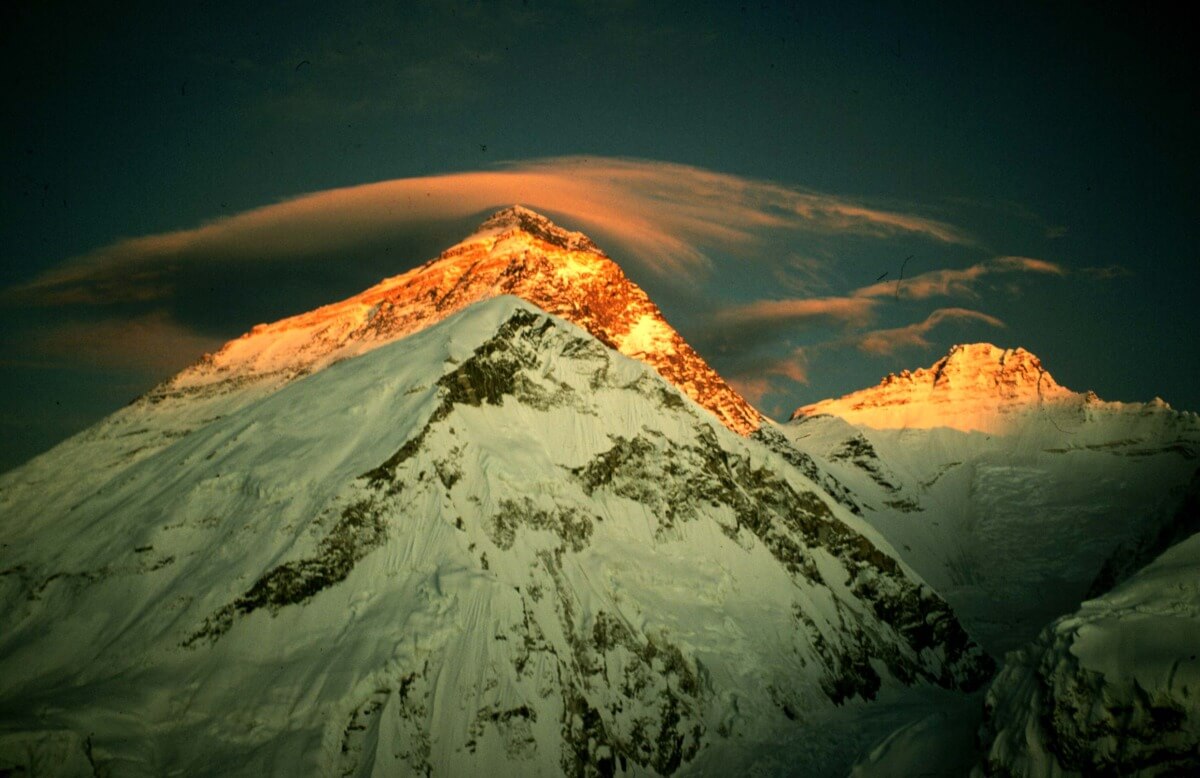
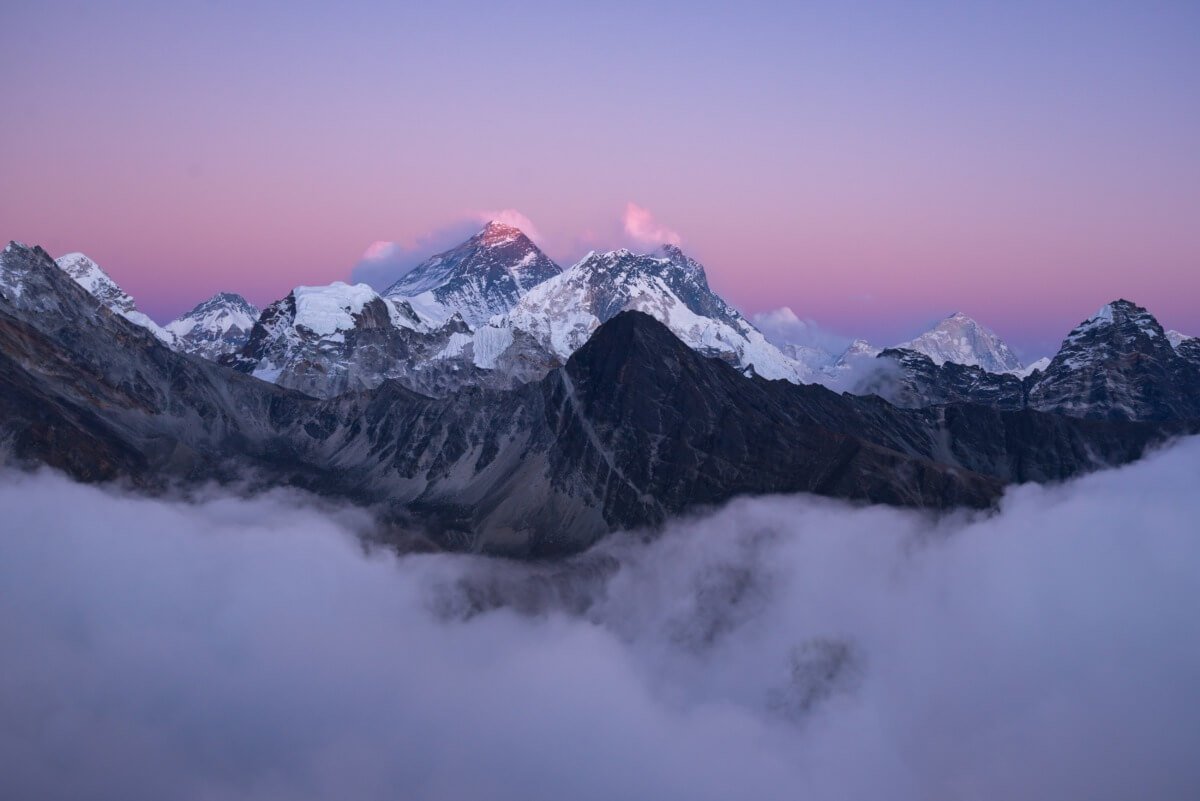
The Kala Patthar Sunrise: Mount Everest’s summit is actually blocked by the Nuptse ridge when standing at Base Camp. The true visual climax of the trek is the ascent of Kala Patthar, a rocky viewpoint that offers an unobstructed, 360-degree panorama of Everest turning gold in the morning sun.
-
Trekking History: You are walking the exact same footsteps as Sir Edmund Hillary, Tenzing Norgay, and thousands of legendary mountaineers who have approached the mountain since the 1950s.
The Geography of the Khumbu: From River Valleys to Glacial Moraines
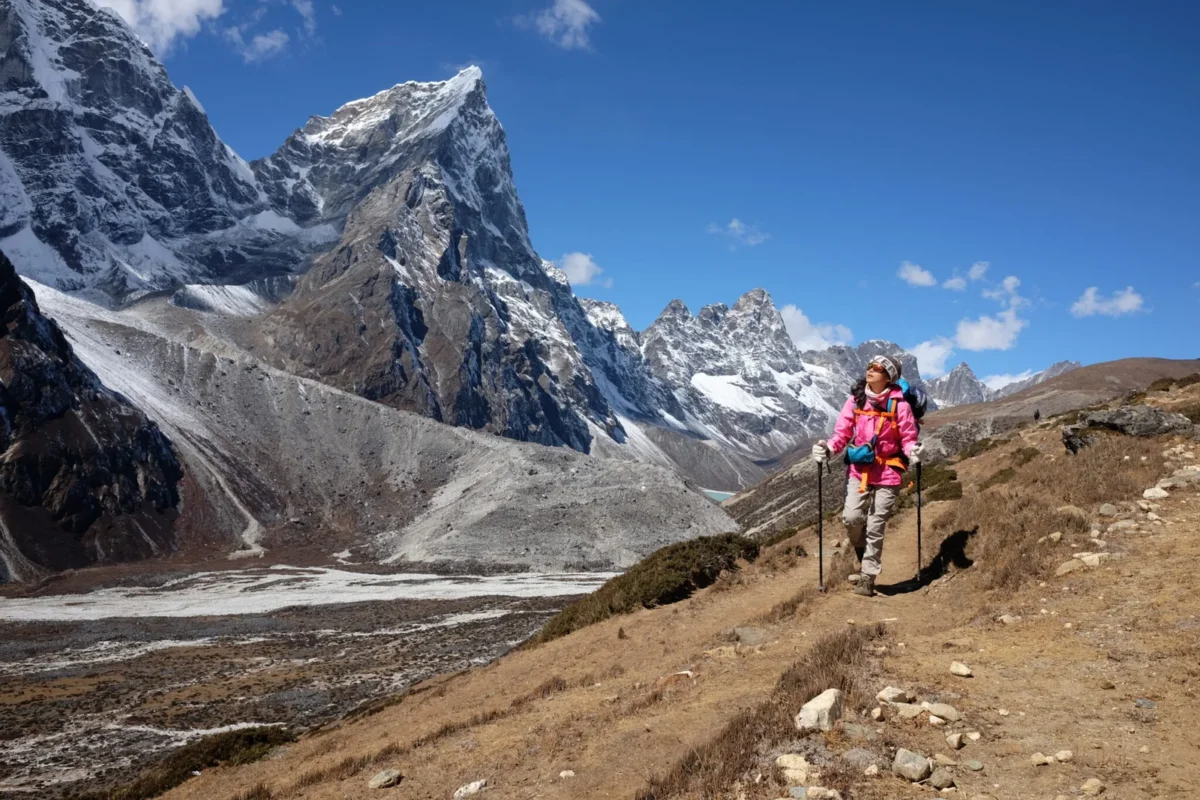
Your 14-day journey traverses the Sagarmatha National Park, a UNESCO World Heritage site that spans 1,148 square kilometers of the high Himalayas. The geography changes drastically as you gain elevation.
-
The Lower Valley (2,600m – 3,500m): Starting in Lukla, you follow the milky-blue waters of the Dudh Koshi (Milk River) gorge. The landscape is lush, dominated by pine, fir, and rhododendron forests. The air is thick with oxygen, and agricultural terraces dot the hillsides.
-
The Sub-Alpine Zone (3,500m – 4,000m): Above Namche Bazaar, the forests begin to thin out into juniper and birch. You walk along high, exposed ridges offering sweeping views of the valleys below. The famous Tengboche Monastery sits in this zone.
-
The Alpine Tundra (4,000m – 4,900m): As you pass Pangboche and Dingboche, the trees disappear entirely. The landscape transforms into vast, barren plains of low shrubs, mosses, and dry alpine dust. The air grows noticeably thinner and colder.
-
The Glacial Moraine (4,900m+): Past Lobuche, you enter a stark, lunar landscape of gray rock and blinding white ice. You are walking along the lateral moraine of the Khumbu Glacier, a moving river of ice littered with massive boulders, leading directly into the treacherous Khumbu Icefall at Base Camp.
How Difficult is the Everest Base Camp Trek?
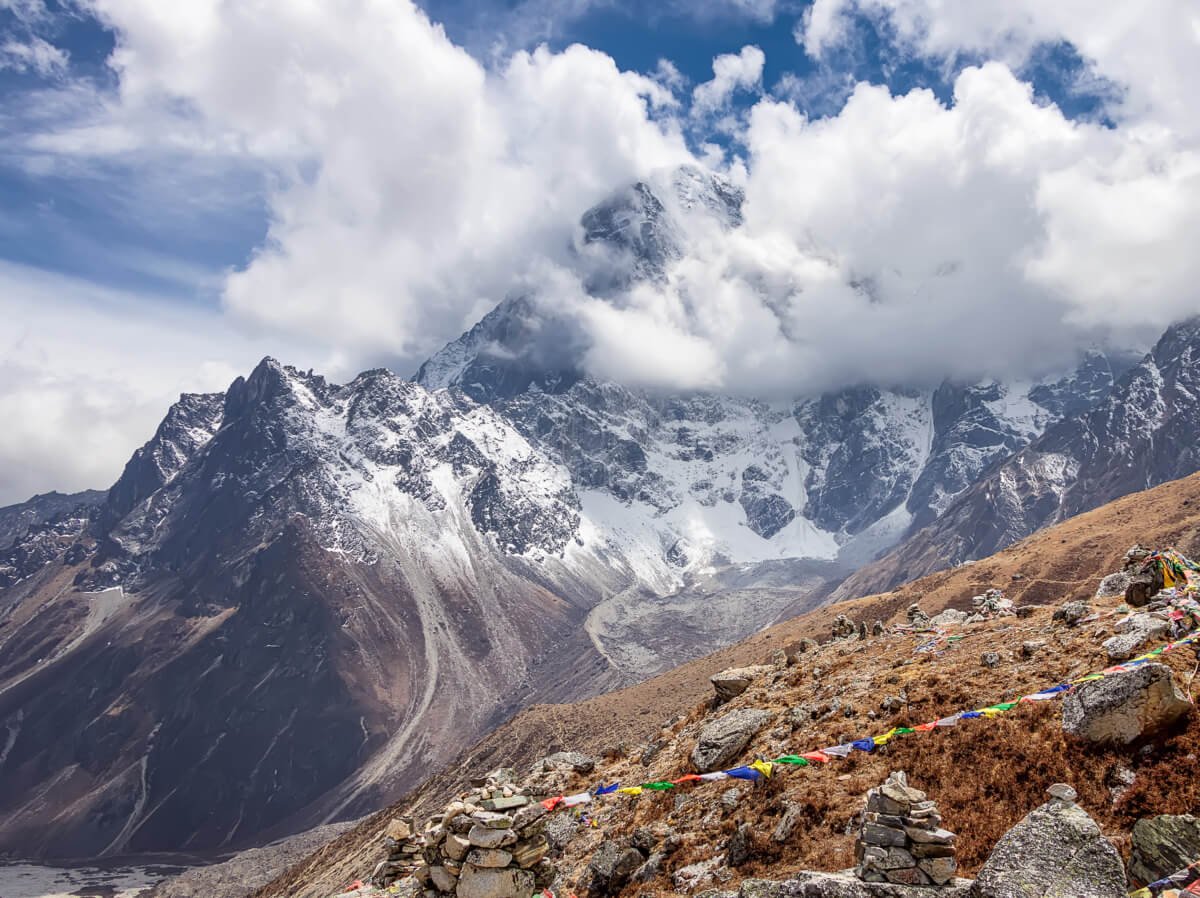
The Everest Base Camp Trek is graded as Moderate to Challenging. You do not need technical climbing skills there are no ropes, ice axes, or crampons required. However, it requires significant physical and mental endurance.
The Physical Toll: You will be walking for 5 to 8 hours a day for 12 days straight. While the trail is generally well-maintained, it is relentlessly undulating. You will face massive, steep, rocky ascents (like the 800-meter climb to Namche Bazaar) and jarring descents.
The Altitude Factor: The true difficulty of EBC is the lack of oxygen. At Base Camp, there is roughly 50% less oxygen in the air than at sea level. This causes fatigue, shortness of breath, and disrupted sleep. The trek is a marathon of acclimatization. Our 14-day itinerary is purposefully designed with two mandatory rest/acclimatization days to allow your body to adapt safely.
The Complete 14-Day Everest Base Camp Itinerary
This is the definitive, day-by-day operational breakdown of the Mountain Treks Nepal 14-Day EBC itinerary, engineered for maximum altitude safety, scenic exposure, and cultural interaction.
Day 1: Arrival in Kathmandu (1,350m / 4,428ft)
Your Everest journey begins the moment you touch down at Tribhuvan International Airport in Kathmandu. A representative from Mountain Treks Nepal will greet you and transfer you via private vehicle to your hotel in the bustling tourist district of Thamel.
After checking in, you will attend a comprehensive pre-trek briefing led by your lead Sherpa guide. We will review the itinerary, double-check your cold-weather gear, and address any last-minute questions. The rest of the day is yours to rest, exchange currency, or explore the chaotic, vibrant streets of Kathmandu. Overnight at a hotel in Kathmandu.
Day 2: Flight to Lukla (2,800m) & Trek to Phakding (2,610m)
Walking Time: 3-4 hours The day starts early with a transfer to the domestic airport. You board a small Twin Otter aircraft for a breathtaking, 35-minute flight to the Tenzing-Hillary Airport in Lukla famous for its short, cliffside runway. Flying over the terraced hills of Nepal with the snow-capped Himalayas looming in the distance is an adrenaline-pumping start to the trek. (Note: During peak seasons, flights may be diverted to Ramechhap, requiring an early morning drive from Kathmandu).
Upon landing in the crisp mountain air of Lukla, you meet your porters, load the duffel bags, and begin the trek. The trail today is a relatively gentle descent along the Dudh Koshi River. You pass through the Buddhist settlements of Chheplung and Nurning, marveling at the giant boulders painted with Tibetan mantras and spinning your first prayer wheels. The day is short, allowing your body to ease into the altitude. You arrive in the riverside village of Phakding for your first night in a mountain teahouse.
Day 3: Trek from Phakding to Namche Bazaar (3,440m / 11,286ft)
Walking Time: 6-7 hours Today is one of the most physically demanding days of the entire trek. You enter Sagarmatha National Park at Monjo, where your permits are checked. The trail zigzags back and forth across the Dudh Koshi River, crossing multiple suspension bridges, including the towering, wind-whipped Hillary Suspension Bridge.
After crossing the Hillary Bridge, you face a brutal, relentless two-hour climb up a steep, dusty zigzag path through pine forests. Halfway up, through a gap in the trees, you can catch your very first glimpse of Mount Everest in the distance. Pushing through the fatigue, you finally crest the ridge and enter Namche Bazaar, a sprawling, vibrant town built into a natural horseshoe-shaped amphitheater. Namche is the undisputed capital of the Khumbu, filled with bakeries, gear shops, and stunning views of Kongde Ri.
Day 4: Acclimatization at Namche Bazaar (3,440m)
Walking Time: 3-4 hours (Acclimatization hike) At 3,440 meters, the air is noticeably thinner. Today is a mandatory acclimatization day, adhering to the mountaineering rule of “climb high, sleep low.”
After breakfast, you will hike up a steep ridge to the Everest View Hotel (3,880m). This hike forces your body to adapt to the lower oxygen levels while rewarding you with a phenomenal, panoramic view of Everest, Lhotse, Nuptse, and the iconic, jagged peak of Ama Dablam. You will also visit the Sherpa Culture Museum and the twin villages of Khumjung and Khunde before returning to Namche for the afternoon. Spend the rest of the day relaxing in a cafe, hydrating, and preparing for the higher altitudes ahead.
Day 5: Trek from Namche to Tengboche (3,860m / 12,664ft)
Walking Time: 5-6 hours Leaving Namche, the trail is smooth and highly scenic, hugging the side of the valley high above the Dudh Koshi River. The views of Everest and Ama Dablam are constant companions. The trail eventually plunges sharply down to the river at Phunke Tenga, where you stop for lunch.
From the riverbed, you face a strenuous, two-hour climb through dense, dusty rhododendron forests. The trees abruptly clear as you step onto the grassy plateau of Tengboche. This village is home to the Tengboche Monastery, the largest and most important Buddhist monastery in the Khumbu region. The monastery sits against a staggering backdrop of the Everest massif. In the late afternoon, trekkers are welcome to sit quietly inside the monastery and listen to the resident monks chant their evening prayers.
Day 6: Trek from Tengboche to Dingboche (4,410m / 14,468ft)
Walking Time: 5-6 hours The landscape changes dramatically today. Leaving Tengboche, you descend through a birch and conifer forest to the village of Debuche, cross a suspension bridge over the Imja Khola, and begin a steady climb toward Pangboche.
As you pass 4,000 meters, you cross the tree line. The lush forests vanish, replaced by stark alpine tundra, low shrubs, and sweeping wind. The air becomes thin and dry. The trail follows the Imja Valley eastward, slowly gaining elevation until you arrive in Dingboche. Known as the “Summer Valley,” Dingboche is a sprawling settlement protected by kilometers of stone walls built to shield barley crops from the freezing alpine winds.
Day 7: Rest and Acclimatization in Dingboche (4,410m)
Walking Time: 4-5 hours (Acclimatization hike) You have officially entered high altitude. A second acclimatization day is crucial here to prevent Acute Mountain Sickness.
In the morning, your guide will lead you on a steep, challenging hike up the ridge of Nangkartshang Peak to an elevation of around 5,083 meters. Breathing will be heavily labored, but the panoramic views are unmatched. You look directly across the valley at the sheer face of Ama Dablam and can see Makalu (the world’s fifth-highest peak) in the distance. After spending an hour at 5,000 meters to trigger red blood cell production, you descend back to Dingboche to rest, hydrate, and recover.
Day 8: Trek from Dingboche to Lobuche (4,940m / 16,207ft)
Walking Time: 5-6 hours The trail climbs gently out of Dingboche to the vast, windswept plateau of Thukla (Dughla). Here, you stop for tea before facing the most emotionally and physically taxing section of the trek: the Thokla Pass.
The climb up the terminal moraine of the Khumbu Glacier takes about an hour of steep, grueling stepping. At the crest of the pass (4,830m), you enter the Chukwu Lya memorial. The ridge is dotted with dozens of stone chortens and shrines built in memory of the climbers and Sherpas who have lost their lives on Everest (including Scott Fischer and Rob Hall). It is a somber, powerful place that demands respect for the mountain. From the memorial, the trail flattens out, following the glacier’s lateral moraine to the freezing, barren outpost of Lobuche.
Day 9: Trek to Gorak Shep (5,140m) & Everest Base Camp (5,364m / 17,598ft)
Walking Time: 7-9 hours The Climax Day. You start early, navigating the rocky, undulating, and often icy path alongside the Khumbu Glacier. The terrain is a massive, gray sea of rock and ice. After 3 hours, you reach Gorak Shep, a small cluster of lodges sitting on a frozen, sandy lakebed. It is the final settlement before the mountain.
After a quick lunch and dropping your heavy gear in your room, you push forward. The 2-to-3-hour trek from Gorak Shep to Everest Base Camp requires careful navigation over shifting boulders and glacial debris. Finally, you see the prayer flags. You have reached Everest Base Camp (5,364m).
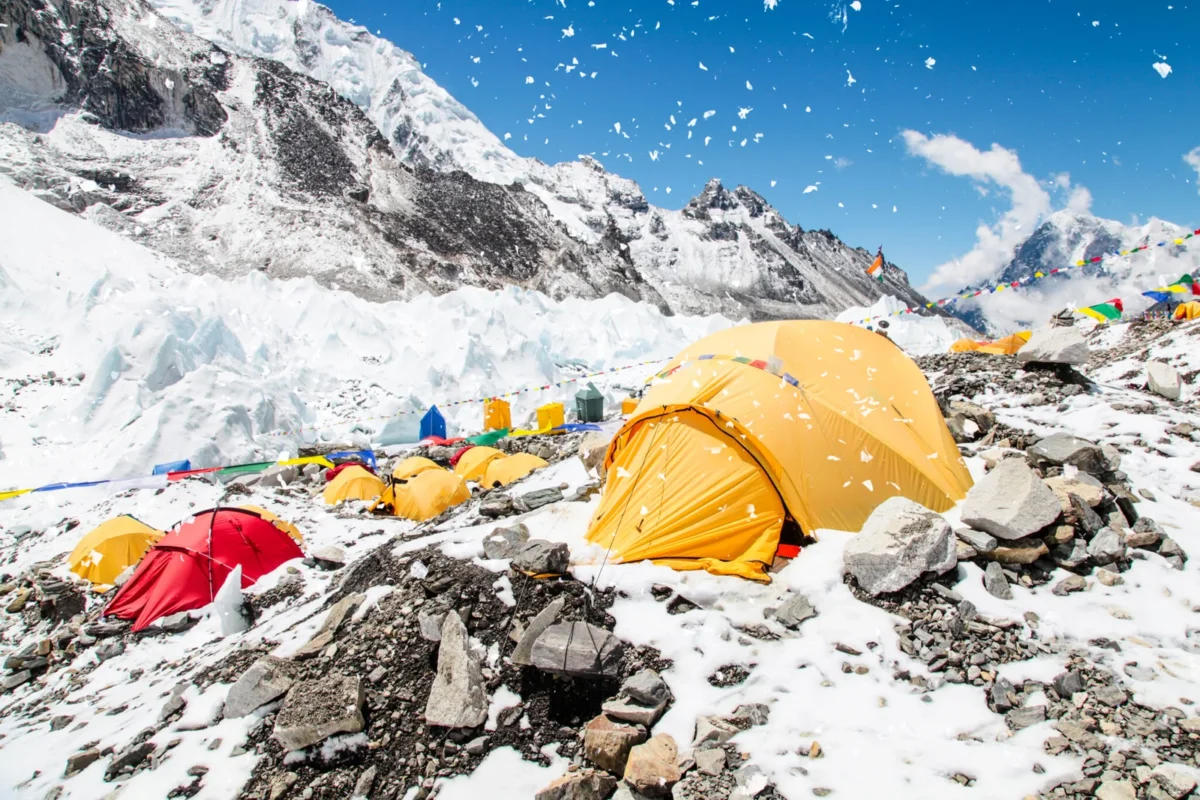
During the spring climbing season, EBC is a sprawling city of bright yellow expedition tents pitched directly on the moving ice. You stand directly beneath the terrifying, towering ice seracs of the Khumbu Icefall. After celebrating, taking photos, and letting the immense achievement sink in, you trek back to Gorak Shep for a freezing, exhausting, but triumphant night.
Day 10: Gorak Shep to Kala Patthar (5,545m) and Trek to Pheriche (4,371m)
Walking Time: 7-8 hours Because the summit of Everest is hidden behind the Nuptse ridge from Base Camp, you must climb Kala Patthar to see it.
You wake up at 4:00 AM. Temperatures are often well below -15°C (5°F). You strap on your headlamp and begin the steep, grueling two-hour ascent in the pitch dark. As you reach the rocky summit of Kala Patthar (5,545m) the highest point of the trek the sun breaches the horizon. The first light strikes the black, triangular summit of Mount Everest, turning it brilliant gold. It is a 360-degree panorama of the Mahalangur Range that defies description.
After descending back to Gorak Shep for breakfast, you pack up and begin the long descent. You retrace your steps past Lobuche and the Thokla Pass, eventually dropping into the lower valley to arrive at the settlement of Pheriche. The air here feels incredibly thick and rich with oxygen, and you will sleep more soundly than you have in days.
Day 11: Trek from Pheriche to Namche Bazaar (3,440m)
Walking Time: 6-7 hours The return journey is significantly faster. You are walking downhill, and your body is fully acclimatized. You descend through Pangboche, dropping back below the tree line. The sight of green pine trees and blooming rhododendrons is a welcome relief after days in the barren alpine desert.
You face one last steep climb up to Tengboche before dropping down to the river and cruising along the ridge back into the vibrant, bustling streets of Namche Bazaar. Tonight is a night to celebrate with a hot shower, a yak steak, and a celebratory drink in the highest Irish pub in the world.
Day 12: Trek from Namche Bazaar to Lukla (2,860m)
Walking Time: 6-7 hours The final day of walking. You plunge back down the massive hill from Namche, crossing the Hillary Suspension Bridge one last time. You follow the Dudh Koshi River out of Sagarmatha National Park, passing through Phakding and the familiar Sherpa villages.
The final short climb into Lukla marks the official end of your trek. You check into your teahouse and spend the evening celebrating with your Sherpa guides and porters, exchanging stories, tipping the staff, and reflecting on the monumental journey you just completed.
Day 13: Flight Back to Kathmandu
Depending on the weather, you board an early morning Twin Otter flight from Lukla back to Kathmandu (or Ramechhap). Watching the Himalayas shrink into the distance from the airplane window is a bittersweet moment.
Upon arriving back in Kathmandu and transferring to your hotel, the afternoon is entirely yours. You can shop for souvenirs in Thamel, visit the Boudhanath Stupa, or simply enjoy the luxury of a soft bed. In the evening, Mountain Treks Nepal hosts a grand farewell dinner at a traditional Nepali restaurant to celebrate your successful expedition.
Day 14: Final Departure
Your Himalayan journey comes to a close. A representative from Mountain Treks Nepal will escort you to Tribhuvan International Airport three hours prior to your flight departure. You leave Nepal carrying a profound sense of achievement, a deep respect for the mountains, and memories that will last a lifetime.
Acclimatization, Health, and Surviving at 5,364 Meters
The Everest Base Camp Trek is defined by its altitude. Acute Mountain Sickness (AMS) is a primary concern. Symptoms include severe headaches, nausea, dizziness, loss of appetite, and extreme fatigue. If left untreated, AMS can progress into life-threatening HACE (Cerebral Edema) or HAPE (Pulmonary Edema).
Mountain Treks Nepal Safety Protocols:
-
Oximeter Monitoring: Our guides carry digital pulse oximeters. Every morning and evening, we measure your blood oxygen saturation (SpO2) and resting heart rate to detect altitude stress before symptoms manifest.
-
Pacing: Bistari, Bistari (Slowly, Slowly). Moving at a slow, deliberate, rhythmic pace is the absolute best way to prevent AMS. Do not race other trekkers.
-
Hydration: You must drink 4 to 5 liters of clean water daily. The air is bone-dry, and dehydration thickens your blood, making it harder to oxygenate your body.
-
Diamox: Many trekkers take Acetazolamide (Diamox) prophylactically to speed up acclimatization. Consult your doctor before arriving in Nepal.
-
Helicopter Evacuation: If severe altitude sickness occurs, our guides are trained to coordinate immediate helicopter evacuations directly from Gorak Shep or Lobuche to Kathmandu. Comprehensive travel insurance covering high-altitude evacuation up to 6,000m is mandatory.
Teahouse Culture: Accommodation, Food, and Wi-Fi on the Trail
The EBC trek features the most highly developed teahouse infrastructure in the Himalayas, balancing rustic mountain living with surprising modern comforts.
Accommodation: In lower villages like Phakding and Namche, teahouses are large and comfortable, often featuring en-suite bathrooms and hot gas showers. As you ascend to Dingboche, Lobuche, and Gorak Shep, the lodges become highly utilitarian. Rooms are constructed of plywood, are entirely unheated, and temperatures inside the bedroom regularly drop below freezing. The only heated space is the communal dining room, warmed by a central yak-dung stove.
Food and Nutrition: The teahouses offer an extensive menu designed to fuel your hiking.
-
Dal Bhat: The staple of the Himalayas (rice, lentil soup, and vegetables). It is highly nutritious and comes with unlimited refills. “Dal Bhat Power, 24 Hour!”
-
Western Food: You will find pizza, pasta, pancakes, oatmeal, and garlic soup (which locals swear aids acclimatization).
-
Meat Warning: Do not eat meat above Namche Bazaar. All meat is carried up the mountain by porters for days without refrigeration. Stick to a vegetarian diet of dal bhat, eggs, and pasta to avoid gastrointestinal illness.
Connectivity: You are rarely off the grid on the EBC trek. Everest Link offers prepaid Wi-Fi cards available for purchase at almost every teahouse (usually $5 to $10 for a data package). However, charging your devices costs money. Teahouses charge $3 to $5 to charge a phone via solar panels. Bring a high-capacity power bank and sleep with it inside your sleeping bag to prevent the cold from draining the battery.
Essential Packing List for the EBC Trek

Packing for EBC requires preparing for 20°C (68°F) in Lukla and -20°C (-4°F) at Kala Patthar, all while adhering to a strict 15 kg (33 lbs) weight limit for the Lukla flight.
-
Layering System: No cotton. Pack 3 sets of Merino wool base layers, a fleece mid-layer, and a heavy-duty Gore-Tex windproof/waterproof jacket and pants.
-
Insulation: An expedition-grade heavy down jacket (700+ fill power) is mandatory. (Mountain Treks Nepal provides high-quality down jackets as complimentary loaner gear).
-
Sleeping Bag: A genuine four-season down sleeping bag rated to -15°C to -20°C. (Also provided as complimentary loaner gear by Mountain Treks Nepal).
-
Footwear: Sturdy, fully broken-in, high-ankle waterproof trekking boots.
-
Accessories: A 250+ lumen headlamp (vital for Kala Patthar), category 4 UV wrap-around sunglasses, warm insulated mittens, and flick-lock trekking poles.
-
Water Purification: Plastic bottles are banned. Bring two 1-liter Nalgene bottles and water purification tablets (Chlorine Dioxide). A Nalgene filled with boiling water at night makes a perfect hot water bottle for your sleeping bag.
Best Time to Trek to Everest Base Camp
Because you are flying into Lukla and trekking above 5,000 meters, choosing a season with stable weather is critical.
-
Autumn (Late September to November): The undisputed best time. The monsoon has washed the dust from the sky, offering crystal-clear, razor-sharp views of Everest. The weather is stable, significantly reducing Lukla flight cancellations. November is colder but offers the best clarity.
-
Spring (March to May): The second-best window. The lower valleys are bursting with rhododendron blooms, and Everest Base Camp is an active, colorful tent city full of summit climbers. Spring afternoons often bring haze and thermal cloud buildup, but mornings are clear.
-
Winter (Dec–Feb): Strongly discouraged for beginners. Extreme cold (-30°C) and heavy snowfall routinely bury the trail above Tengboche, and many teahouses close for the season.
-
Monsoon (June–Aug): Not recommended. Zero visibility, constant rain, trail washouts, leeches, and chronic Lukla flight cancellations.
Permits, Costs, and the Reality of Lukla Flights
Required Permits:
-
Sagarmatha National Park Entry Permit: NPR 3,000 (~$23 USD).
-
Khumbu Pasang Lhamu Rural Municipality Permit: NPR 3,000 (~$23 USD). (Mountain Treks Nepal handles all permit processing and government taxes as part of your package).
The Lukla Flight Reality: Flights to Lukla’s Tenzing-Hillary Airport operate on strict visual flight rules (VFR). If there are clouds or high winds, flights are grounded. During the peak trekking months of October and April, the Civil Aviation Authority of Nepal frequently reroutes all Lukla flights away from Kathmandu to Ramechhap (Manthali Airport) to reduce airspace congestion.
This requires waking up at 1:00 AM in Kathmandu for a 4-hour overland drive to catch your morning flight. It is exhausting, but it is a necessary part of the modern Everest trekking experience. Always build 1 or 2 buffer days into your international travel schedule to account for potential weather delays in Lukla.
Frequently Asked Questions (FAQs)
How difficult is the Everest Base Camp Trek?
The EBC Trek is graded as “Moderate to Challenging.” It does not require technical climbing skills, ropes, or crampons, but it demands excellent cardiovascular endurance. You will walk 5 to 8 hours a day for 12 days over steep, uneven terrain at extreme altitudes. Prior hiking experience and a 3-month physical training regimen are highly recommended.
Do I need a guide to trek to Everest Base Camp?
While independent trekking is legally permitted in the Everest region (unlike other restricted areas in Nepal), hiring a guide is strongly recommended. A licensed guide ensures your safety by monitoring your blood oxygen levels, navigating the rocky terrain of the Khumbu Glacier, securing lodge rooms during peak seasons, and coordinating immediate helicopter rescue if you develop altitude sickness.
How cold does it get at Everest Base Camp?
During the peak trekking seasons (Spring and Autumn), daytime temperatures at EBC range from 5°C to 15°C (41°F to 59°F) in the sun. However, the moment the sun sets, temperatures plummet. Nighttime temperatures at Gorak Shep and Base Camp regularly drop to between -10°C and -15°C (14°F to 5°F). You must have a -20°C sleeping bag and a heavy down jacket.
Is the food and water safe to consume on the trail?
The food served at teahouses is safe, heavily carbohydrate-focused, and highly regulated. However, you should strictly adhere to a vegetarian diet above Namche Bazaar to avoid meat-borne gastrointestinal issues. Tap water and stream water are not safe to drink untreated. You must carry reusable bottles and use water purification tablets, a SteriPen, or purchase boiled water from the lodges.
What is the “Khumbu Cough” and how do I prevent it?
The “Khumbu Cough” is a persistent, dry, hacking cough caused by breathing in the freezing, bone-dry, and dusty air above 4,000 meters. To prevent it, you must wear a Buff or neck gaiter over your nose and mouth to warm and humidify the air before it reaches your lungs. Sucking on throat lozenges and staying highly hydrated also helps mitigate the irritation.