



Share This:
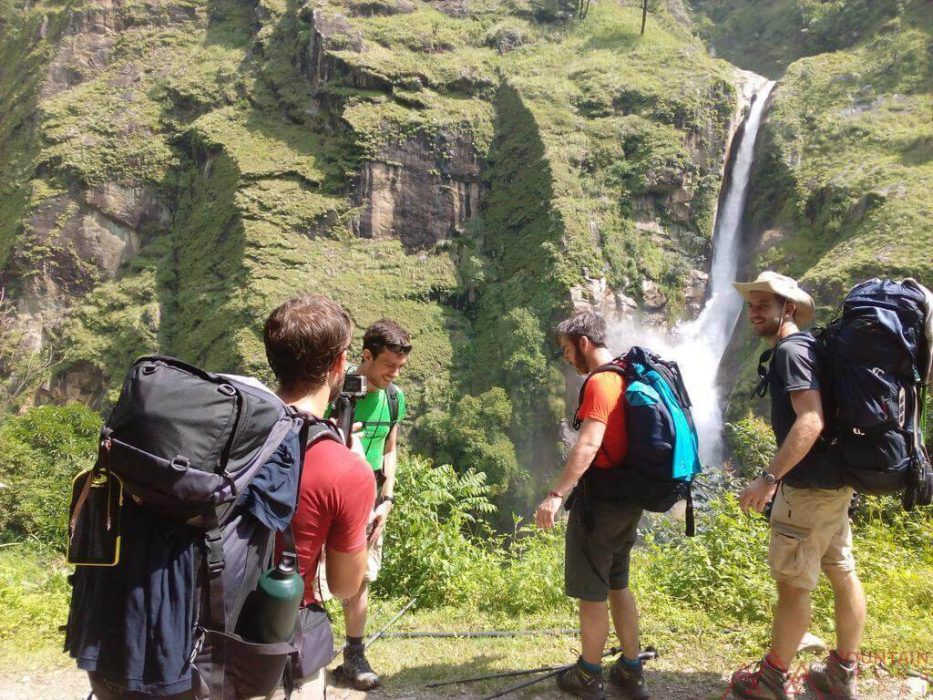
Annapurna Circuit Trek: Complete Guide to Nepal’s Classic Himalayan Journey
Introduction
The Annapurna Circuit Trek is one of the most iconic trekking adventures in Nepal, famous for its dramatic landscapes, cultural diversity, high mountain passes, and close views of the Annapurna and Dhaulagiri ranges. This classic route circles the Annapurna massif and takes trekkers from green river valleys and terraced fields to alpine meadows, dry Himalayan deserts, sacred pilgrimage sites, and the challenging Thorong La Pass at 5,416 meters.
For many travelers, the Annapurna Circuit is more than a trek. It is a complete Himalayan journey that combines nature, culture, altitude, endurance, and local hospitality. The route passes through Gurung, Manangi, Thakali, and Tibetan-influenced villages, offering a rich experience of mountain life and tradition.
Mountain Treks Nepal offers a well-organized 14-day Annapurna Circuit Trek with experienced guides, permit support, accommodation arrangements, transportation, and safety-focused planning. The company’s current Annapurna Circuit package lists the trek as 14 days, strenuous in difficulty, reaching 5,416 m, with March–May and September–November as the best trekking seasons.
Why the Annapurna Circuit Trek Is So Popular?
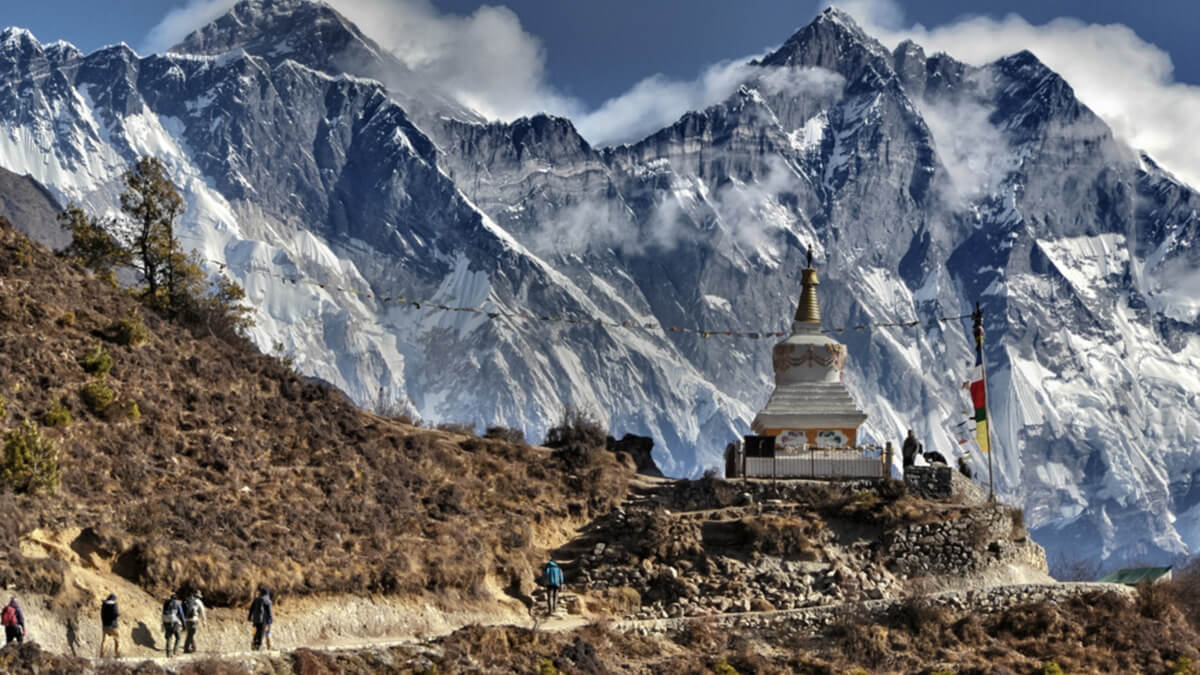
The Annapurna Circuit is popular because it offers a rare variety of landscapes in a single trekking route. One day, you may walk through subtropical forests and villages beside the Marsyangdi River. A few days later, you enter the dry and windy valleys of Manang and Mustang, surrounded by snow peaks and Buddhist monasteries.
The trek is also famous because it crosses Thorong La Pass, one of the highest points reached on a regular trekking route in Nepal. From the pass, trekkers can enjoy wide Himalayan views before descending toward Muktinath, a sacred site for both Hindus and Buddhists.
Unlike short treks that focus mainly on mountain views, the Annapurna Circuit gives a full experience of Trekking in Nepal: changing ecosystems, high-altitude challenge, village culture, teahouse lifestyle, mountain spirituality, and long-distance Himalayan walking.
Annapurna Circuit Trek Highlights
The Annapurna Circuit Trek includes several unforgettable experiences:
- Crossing Thorong La Pass at 5,416 m
- Walking through Manang Valley and Mustang landscapes
- Visiting the sacred Muktinath Temple
- Exploring Gurung, Manangi, Thakali, and Tibetan-influenced villages
- Seeing Annapurna, Dhaulagiri, Nilgiri, Hiunchuli, Machhapuchhre, and other peaks
- Experiencing the Kali Gandaki Valley and dramatic mountain terrain
- Staying in local teahouses and mountain lodges
- Enjoying one of the most diverse routes in the Annapurna region
The Annapurna Conservation Area is Nepal’s largest protected area, covering 7,629 sq. km, and it is known for rich biodiversity, local communities, and unique natural features such as the Kali Gandaki Gorge.
Annapurna Circuit Trek Route Overview
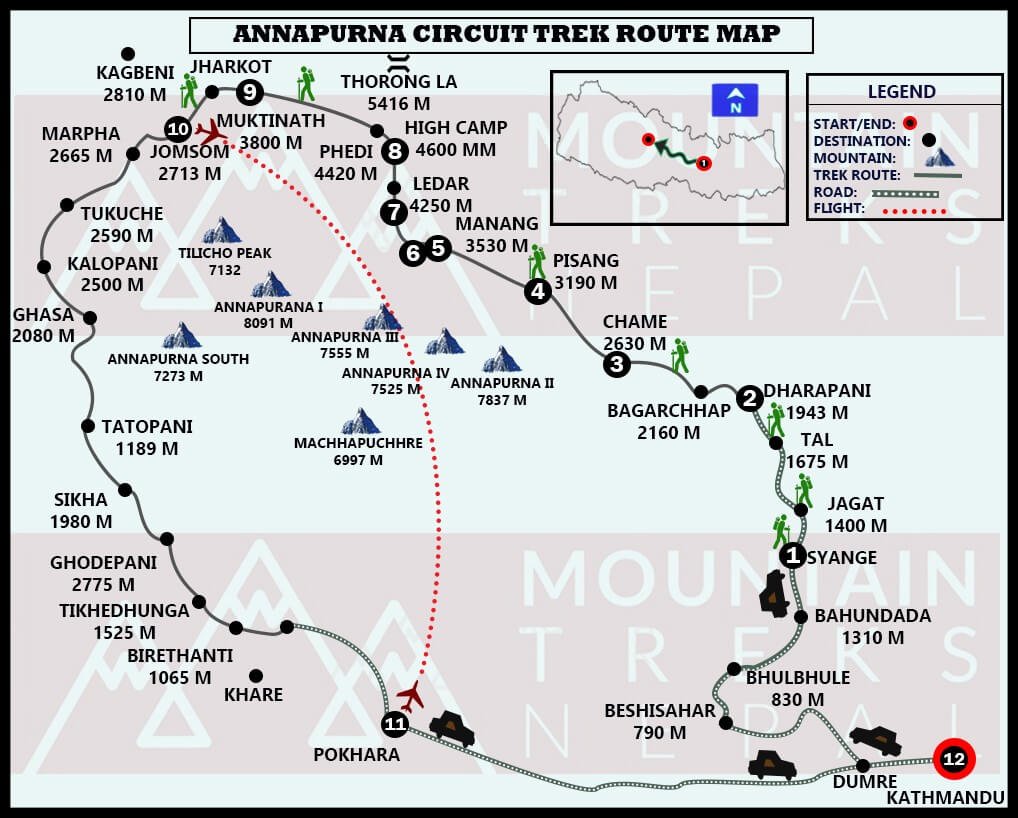
The standard Annapurna Circuit route usually starts with a drive from Kathmandu to Besisahar or Syange. From there, the trek gradually follows the Marsyangdi River valley through villages such as Dharapani, Chame, Pisang, and Manang.
After proper acclimatization in Manang, the trail continues to Yak Kharka and Thorong Phedi before crossing Thorong La Pass. After the pass, the route descends to Muktinath and continues toward Jomsom. From Jomsom, travelers usually return to Pokhara by road or optional flight, then continue back to Kathmandu.
A typical Mountain Treks Nepal route includes:
Kathmandu → Syange → Dharapani → Chame → Pisang → Manang → Yak Kharka → Thorong Phedi → Thorong La Pass → Muktinath → Jomsom → Pokhara → Kathmandu
This route is designed to allow gradual altitude gain, especially before crossing Thorong La Pass.
14-Day Annapurna Circuit Trek Itinerary
Day 1: Arrival in Kathmandu
Your journey begins in Kathmandu, the capital city of Nepal. After arrival, the Mountain Treks Nepal team welcomes you and transfers you to your hotel. You can rest, prepare your trekking gear, and explore Thamel in the evening.
Day 2: Drive to Syange via Besisahar
The journey leaves Kathmandu and follows scenic highways through hills, villages, rivers, and terraced fields. After reaching Besisahar, the route continues by local transport or jeep toward Syange, the starting point of the trek.
Day 3: Trek to Dharapani
The trek begins along rugged trails, suspension bridges, waterfalls, and river valleys. As you move toward Dharapani, the landscape slowly changes and Buddhist cultural elements such as prayer flags and chortens begin to appear.
Day 4: Trek to Chame
The trail climbs through forests and mountain villages before reaching Chame, the district headquarters of Manang. Trekkers may enjoy views of Annapurna II and other nearby peaks.
Day 5: Trek to Pisang
From Chame, the route follows pine forests, rocky cliffs, apple-growing areas, and wide valley views. Pisang offers beautiful scenery and a stronger feeling of entering the high Himalayan region.
Day 6: Trek to Manang
The trail continues through Tibetan-influenced villages and open mountain landscapes before reaching Manang. This is one of the most culturally rich and scenic villages on the Annapurna Circuit.
Day 7: Acclimatization Day in Manang
An acclimatization day is important before going higher. Trekkers can take a short hike around Manang, visit viewpoints, explore monasteries, or walk toward Gangapurna Lake. This day helps the body adjust to altitude.
Day 8: Trek to Yak Kharka
The trail gradually climbs above Manang into alpine terrain. Vegetation becomes thinner, the air feels colder, and yaks can often be seen grazing near the trail.
Day 9: Trek to Thorong Phedi
This day brings trekkers closer to Thorong La Pass. The walk is shorter but more demanding due to altitude. Good rest, hydration, and warm clothing are important at Thorong Phedi.
Day 10: Cross Thorong La Pass and Trek to Muktinath
This is the most challenging and rewarding day of the Annapurna Circuit Trek. Trekkers start early and climb toward Thorong La Pass at 5,416 m. After reaching the pass, the trail descends to Muktinath, a sacred pilgrimage site.
Day 11: Trek to Jomsom via Kagbeni
The route descends through dry Mustang landscapes and passes Kagbeni, a beautiful village with Tibetan-style houses, narrow lanes, and mountain views. The day ends in Jomsom.
Day 12: Drive to Pokhara
From Jomsom, the journey continues by road to Pokhara. Pokhara is a relaxing lakeside city where trekkers can rest after completing the high-altitude journey.
Day 13: Drive to Kathmandu
After breakfast, you drive back to Kathmandu by tourist bus. The route follows rivers, hills, and countryside scenery before returning to the capital.
Day 14: Final Departure
Mountain Treks Nepal transfers you to Tribhuvan International Airport for your departure flight, marking the end of the Annapurna Circuit Trek.
Best Time for Annapurna Circuit Trek
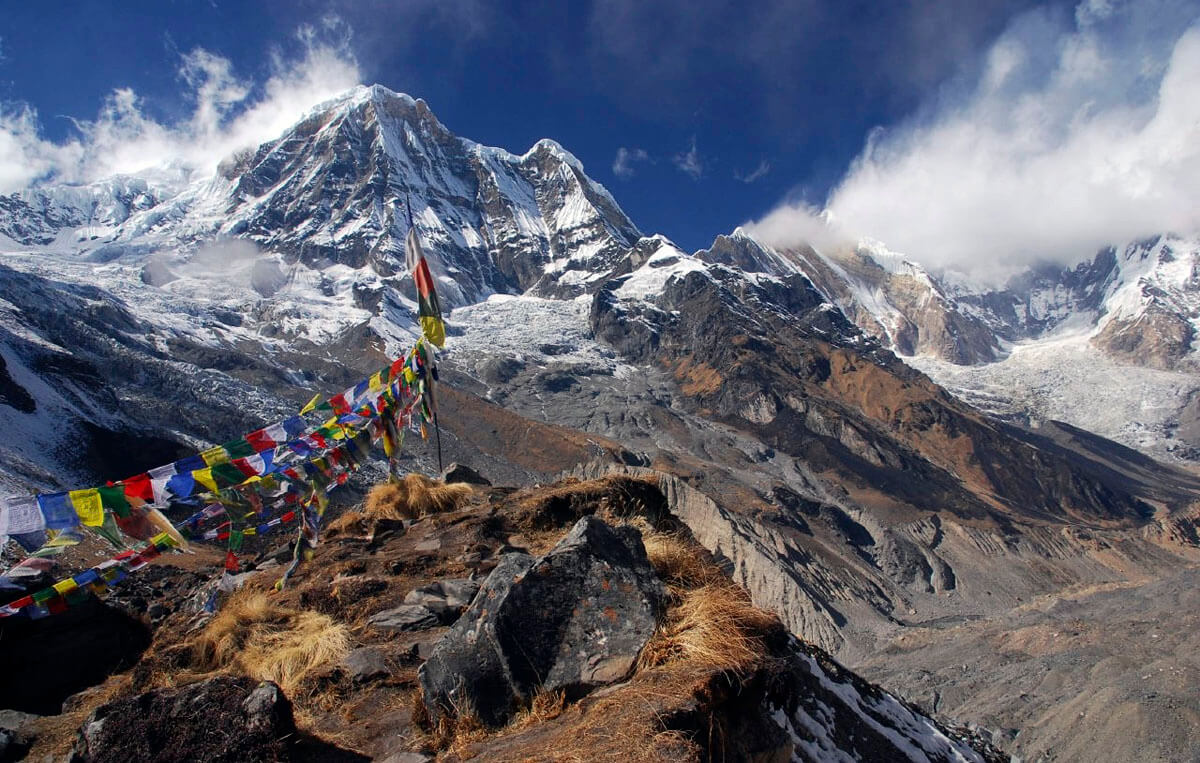
The best time for the Annapurna Circuit Trek is spring and autumn.
Spring, from March to May, offers warmer days, blooming rhododendrons, and good mountain visibility. It is a popular season for trekking in Nepal.
Autumn, from September to November, is considered one of the best seasons because the weather is usually stable, skies are clearer, and mountain views are excellent.
Winter trekking is possible, but Thorong La Pass can become difficult due to snow, ice, and extreme cold. Monsoon trekking is less popular because of rain, landslides, muddy trails, and reduced visibility in lower areas.
Annapurna Circuit Trek Difficulty
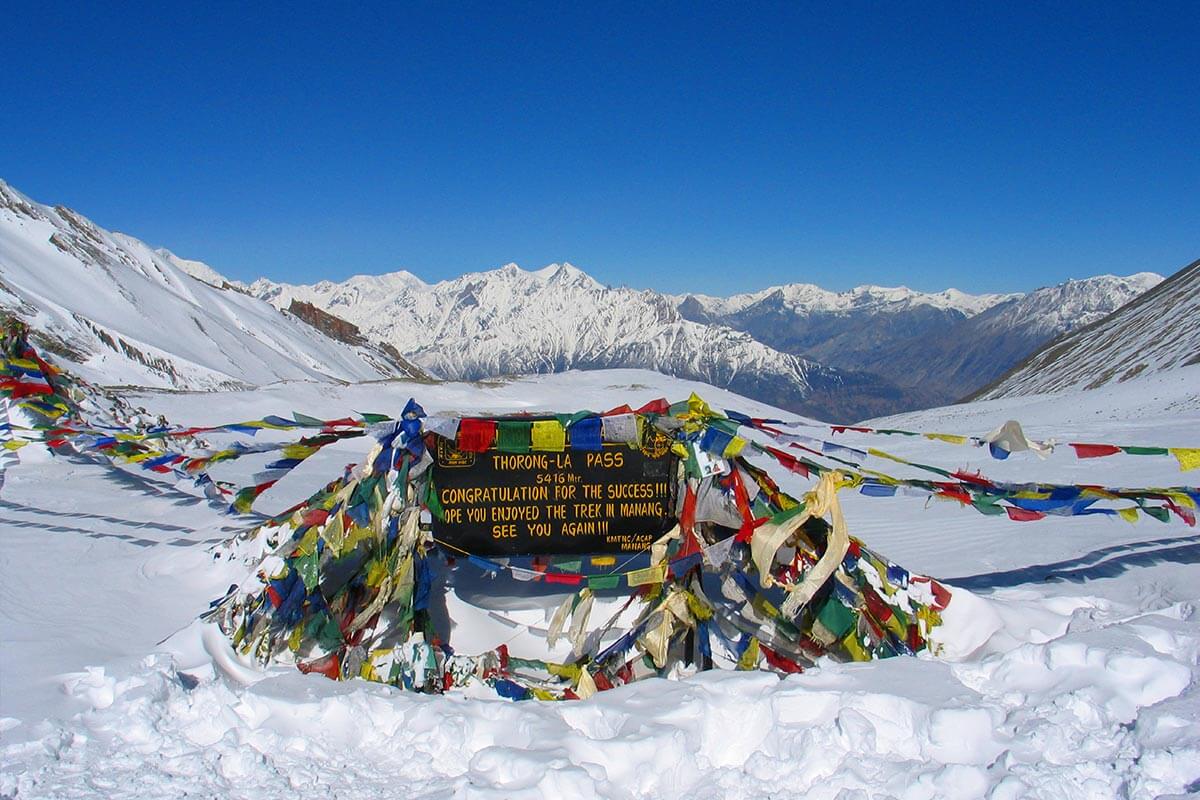
The Annapurna Circuit Trek is considered a strenuous trek. It involves long walking days, high-altitude conditions, steep ascents, downhill sections, and the crossing of Thorong La Pass at 5,416 m.
Trekkers should be prepared to walk around 5 to 8 hours per day on mixed terrain. The most difficult day is usually the Thorong La Pass crossing because it requires an early start, strong stamina, and careful altitude management.
Beginners can complete the Annapurna Circuit with proper fitness, preparation, acclimatization, and guide support. However, this trek is better suited for active travelers who are comfortable walking for several hours over multiple days.
Altitude Sickness and Safety
Altitude safety is one of the most important parts of the Annapurna Circuit Trek. The route gradually climbs above 3,000 m and eventually reaches 5,416 m at Thorong La Pass.
Common symptoms of altitude sickness include headache, tiredness, dizziness, loss of appetite, nausea, and difficulty sleeping. Trekkers should walk slowly, drink enough water, eat properly, avoid alcohol, and listen carefully to the guide’s advice.
Mountain Treks Nepal includes an acclimatization day in Manang, which helps trekkers adjust before continuing toward Yak Kharka, Thorong Phedi, and Thorong La Pass.
Permits Required for Annapurna Circuit Trek
Trekkers need proper permits and trekking documentation for the Annapurna Circuit. The route lies within the Annapurna Conservation Area, and the conservation permit must be carried throughout the trip. NTNC’s permit system notes that entry permits are valid for single entry, must be carried during the entire trip, and must be shown when checked by conservation area staff.
Nepal Tourism Board also lists the Annapurna Circuit Trek under routes where trekkers need to be accompanied by a licensed trekking guide and carry a trekking agency-issued TIMS Card under the revised TIMS provision.
Mountain Treks Nepal helps arrange the required permits and trekking documentation before the trek begins, making the process easier for travelers.
Food and Accommodation on the Trek
Accommodation on the Annapurna Circuit is usually in teahouses and mountain lodges. Rooms are basic, often twin-sharing, with simple beds and blankets. Facilities are more developed in places like Manang and Jomsom, while higher-altitude areas such as Thorong Phedi are more basic.
Food options usually include dal bhat, noodles, soup, fried rice, potatoes, pasta, pancakes, eggs, momos, tea, and coffee. Dal bhat is a popular trekking meal because it provides rice, lentil soup, vegetables, and energy for long walking days.
As altitude increases, menu options become more limited and prices may rise because supplies are transported to remote mountain villages.
Packing List for Annapurna Circuit Trek
A good packing list makes the trek safer and more comfortable. Important items include:
- Waterproof hiking boots
- Thermal base layers
- Fleece jacket
- Down jacket
- Waterproof and windproof jacket
- Trekking pants
- Warm gloves and hat
- Sunglasses and sunscreen
- Sleeping bag
- Trekking poles
- Headlamp
- Water purification tablets
- Personal medicine and first aid kit
- Power bank
- Reusable water bottle
- Daypack
- Duffel bag
- Quick-dry towel
- Toiletries
Pack light but wisely. A porter can carry the main duffel bag, while trekkers carry a small daypack with water, snacks, camera, jacket, and personal essentials.
Annapurna Circuit Trek Cost

The cost of the Annapurna Circuit Trek depends on group size, travel season, transportation type, guide and porter service, accommodation standard, permits, meals, and customization.
Mountain Treks Nepal’s package generally includes major services such as airport transfers, accommodation in Kathmandu and Pokhara, meals during trekking days, licensed guide, permits, transportation, government taxes, and trekking support. Travelers should prepare extra budget for personal expenses such as Wi-Fi, hot showers, charging, bottled drinks, snacks, tips, and optional flight upgrades.
Booking with a local trekking company helps keep logistics organized and reduces the stress of arranging permits, transport, accommodation, and guide support separately.
Culture and Local Lifestyle on the Annapurna Circuit
The Annapurna Circuit is not only about mountains. It is also one of the best cultural trekking routes in Nepal.
In the lower sections, trekkers pass through Hindu and Gurung-influenced villages. As the trail moves higher into Manang and Mustang, Tibetan Buddhist culture becomes more visible. Prayer wheels, mani walls, monasteries, chortens, and prayer flags are common along the route.
Manang offers a deep look into mountain lifestyle, while Muktinath adds spiritual meaning to the journey. The temple is sacred to both Hindus and Buddhists, making it one of the most important religious sites on the trek.
Why Book Annapurna Circuit Trek with Mountain Treks Nepal?

Choosing the right trekking company is important for a high-altitude trek like the Annapurna Circuit. Mountain Treks Nepal provides experienced local guides, permit support, transportation arrangements, accommodation management, porter options, and safety-focused planning.
With Mountain Treks Nepal, travelers can focus on enjoying the trail while the team handles essential logistics. Whether you are a solo traveler, couple, family, or group, the itinerary can be organized according to your travel date, pace, fitness level, and preferences.
For a challenging journey like Thorong La Pass, local expertise matters. A reliable guide can help with altitude awareness, weather decisions, route navigation, cultural explanation, and emergency support.
Conclusion
The Annapurna Circuit Trek is one of the finest trekking experiences in Nepal. It combines high mountain adventure, cultural discovery, natural diversity, spiritual landmarks, and the unforgettable challenge of crossing Thorong La Pass.
From the green valleys of Syange and Dharapani to the dry landscapes of Manang and Mustang, every section of the Annapurna Circuit feels different. The journey rewards trekkers with mountain views, local hospitality, personal achievement, and memories that last a lifetime.
For travelers looking for a complete Himalayan adventure, the Annapurna Circuit Trek with Mountain Treks Nepal is a powerful choice. With experienced guides, organized logistics, and a carefully planned route, Mountain Treks Nepal helps make your trekking in Nepal safe, meaningful, and memorable.
FAQs About Annapurna Circuit Trek
1. How long is the Annapurna Circuit Trek?
The Annapurna Circuit Trek with Mountain Treks Nepal is a 14-day journey, including arrival, trekking, acclimatization, transport, and departure.
2. What is the highest point of the Annapurna Circuit Trek?
The highest point is Thorong La Pass at 5,416 meters.
3. How difficult is the Annapurna Circuit Trek?
The Annapurna Circuit Trek is strenuous because of long walking days, high altitude, and Thorong La Pass.
4. Can beginners do the Annapurna Circuit Trek?
Yes, fit beginners can do it with preparation, acclimatization, and a licensed guide.
5. What is the best time for Annapurna Circuit Trek?
The best time is March to May and September to November.
6. Is Thorong La Pass difficult?
Yes, Thorong La Pass is the hardest part due to altitude, cold, wind, and long walking hours.
7. Do I need a guide for Annapurna Circuit Trek?
Yes, a licensed guide is required under Nepal’s revised trekking rules for the Annapurna Circuit route.
8. What permits are needed for Annapurna Circuit Trek?
You need the Annapurna Conservation Area Permit and required trekking documentation such as a TIMS Card.
9. Is travel insurance necessary?
Yes, travel insurance should cover high-altitude trekking up to at least 5,416 meters and emergency evacuation.
10. What mountains can I see on the trek?
You can see Annapurna, Dhaulagiri, Nilgiri, Hiunchuli, Machhapuchhre, and other Himalayan peaks.
11. What kind of accommodation is available?
Accommodation is mainly in local teahouses and mountain lodges.
12. What food is available on the trek?
Common meals include dal bhat, noodles, soup, fried rice, pasta, momos, eggs, potatoes, tea, and coffee.
13. Is Wi-Fi available on the Annapurna Circuit?
Yes, Wi-Fi is available in many villages, but it may be slow or unreliable at higher altitudes.
14. Can I charge my phone during the trek?
Yes, charging is available in many teahouses, usually for an extra fee.
15. Do I need a porter?
A porter is recommended because the trek has long walking days and high-altitude sections.
16. Is drinking water available?
Yes, bottled, boiled, and filtered water are available; purification tablets are recommended.
17. Can the itinerary be customized?
Yes, Mountain Treks Nepal can customize the itinerary based on your schedule, fitness, and preferences.
18. Is Annapurna Circuit better than Annapurna Base Camp?
Annapurna Circuit is longer and more diverse, while Annapurna Base Camp focuses on reaching the base of Annapurna.
19. Can I add Tilicho Lake to the Annapurna Circuit Trek?
Yes, Tilicho Lake can be added with extra days and proper acclimatization.
20. How do I book the Annapurna Circuit Trek?
You can book by contacting Mountain Treks Nepal with your travel date, group size, and trip preferences.