



Share This:

Annapurna Base Camp Trek 2026 – Ultimate Guide to Cost, Itinerary, and What to Expect?
Introduction
The Annapurna Base Camp Trek (ABC Trek) is one of the most popular treks in Nepal, offering breathtaking views of the Annapurna Massif and a rich cultural experience. In 2026, this classic trek continues to attract trekkers from around the world seeking to immerse themselves in the stunning beauty of the Himalayas. The trek takes you deep into the heart of the Annapurna region, passing through rhododendron forests, alpine meadows, and traditional Gurung villages. But how much will it cost, and what should trekkers expect in 2026? In this guide, we’ll break down everything you need to know about the Annapurna Base Camp Trek Cost in 2026, including the cost, itinerary, and essential tips.
1. What is the Annapurna Base Camp Trek?

The Annapurna Base Camp Trek is a scenic and culturally immersive journey that takes trekkers to the base of the iconic Annapurna massif, with stunning views of towering peaks such as Annapurna I, Annapurna South, Machapuchhre (Fishtail), and Hiunchuli. The trek offers a combination of natural beauty, cultural experiences, and adventure that is unparalleled in the Himalayas.
The trek begins from Pokhara, a picturesque lakeside town, and follows a trail that winds through terraced fields, dense forests, and quaint mountain villages. Trekkers will pass through areas of significant cultural importance, particularly Gurung villages, where locals adhere to traditional lifestyles. The journey culminates at Annapurna Base Camp (4,130 meters), offering stunning panoramic views of the surrounding peaks.
The trek is accessible to a wide range of trekkers, including those with moderate trekking experience, due to its manageable elevation gain and gradual ascent.
2. Annapurna Base Camp Trek Cost 2026 – Breakdown
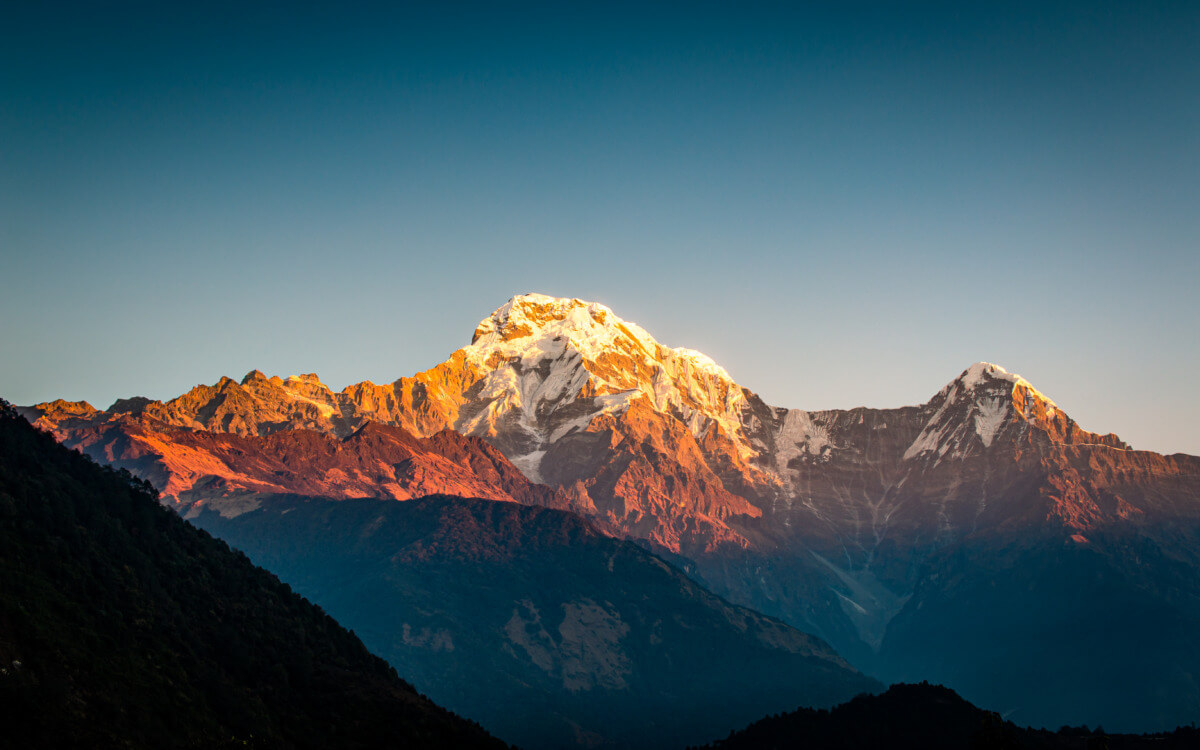
The Annapurna Base Camp Trek in 2026 offers a variety of budget options. However, several factors influence the cost of the trek. Here’s a breakdown of the key costs involved:
a. Permits and Fees
To trek in the Annapurna region, you will need two primary permits:
- Annapurna Conservation Area Permit (ACAP): Approximately $30 USD.
- TIMS (Trekkers’ Information Management System) Card: Approximately $20 USD.
These permits help preserve the area and contribute to sustainable tourism in the region.
b. Transportation Costs
The trek begins with a scenic drive or flight from Pokhara to Nayapul, the starting point of the trek. The drive typically costs around $25–$40 USD (depending on whether you opt for a private jeep or a tourist bus). The flight option, though more expensive, costs around $100–$150 USD one way.
c. Accommodation and Meals
Accommodation on the Annapurna Base Camp Trek is typically in teahouses (small guesthouses along the trail). Prices for accommodation generally range from $5–$10 USD per night, depending on the altitude and season. At higher altitudes, such as at Machapuchhre Base Camp, prices may rise.
Meals along the trek will cost $5–$10 USD per meal. The further you ascend, the higher the prices for food and drinks become.
d. Guide and Porter Fees
While not mandatory, hiring a guide and/or porter is highly recommended for safety, navigation, and carrying your gear. In 2026, guides typically charge $25–$35 USD per day, while porters cost $20–$25 USD per day. A guide provides invaluable knowledge about the local culture and the trail, while a porter can carry up to 20 kg of luggage, allowing you to trek more comfortably.
e. Additional Costs
Other costs include equipment rental, such as sleeping bags or jackets, and optional services like hot showers, Wi-Fi, and charging fees. Renting trekking gear in Pokhara or on the trail costs between $2–$10 USD per day, while services like Wi-Fi or charging your devices can cost around $3–$5 USD per hour.
3. Total Estimated Cost for the Annapurna Base Camp Trek 2026

Here’s an estimated cost breakdown for a 12-day trek to Annapurna Base Camp in 2026:
| Item | Estimated Cost (USD) |
|---|---|
| International Flights | $700–$1,200 |
| Kathmandu to Pokhara (Bus/Flight) | $25–$150 |
| Trekking Permits | $50 |
| Guide (per day) | $25–$35 |
| Porter (per day) | $20–$25 |
| Accommodation (per night) | $5–$10 |
| Meals (per day) | $15–$25 |
| Additional Costs (gear, Wi-Fi) | Varies by need |
Total Estimated Cost (for 12-day trek): $1,200–$2,500 USD
4. Itinerary for the Annapurna Base Camp Trek 2026
The Annapurna Base Camp Trek is typically completed over 7–12 days, depending on your pace and acclimatization needs. Below is a sample itinerary for a 12-day trek:
- Day 1: Arrive in Kathmandu and prepare for the trek.
- Day 2: Drive or fly to Pokhara and prepare for the trek.
- Day 3: Drive from Pokhara to Nayapul (1,070 meters) and trek to Tikhedhunga (1,540 meters).
- Day 4: Trek to Ghorepani (2,850 meters) and explore the village.
- Day 5: Early morning hike to Poon Hill for sunrise views, then trek to Tadapani (2,630 meters).
- Day 6: Trek to Chhomrong (2,170 meters).
- Day 7: Trek to Dovan (2,600 meters).
- Day 8: Trek to Machapuchhre Base Camp (3,700 meters).
- Day 9: Reach Annapurna Base Camp (4,130 meters) for stunning views of the Annapurna range.
- Day 10: Trek back to Bamboo (2,310 meters).
- Day 11: Trek to Jinhu (1,780 meters) and enjoy a hot spring bath.
- Day 12: Return to Nayapul and drive back to Pokhara.
5. Why Trek the Annapurna Base Camp in 2026?
The Annapurna Base Camp Trek in 2026 offers trekkers a chance to experience one of the world’s most beautiful trekking routes. In recent years, the infrastructure along the route has improved, with better accommodation and clearer trail markers, making it even more accessible.
Additionally, the Annapurna region is known for its vibrant Gurung culture, stunning natural beauty, and diverse wildlife. The trek passes through dense forests, terraced fields, and charming villages, giving you a unique glimpse into rural Nepalese life.
With the ongoing improvement of Nepal’s trekking infrastructure and the world’s growing interest in nature tourism, the Annapurna Base Camp Trek in 2026 is set to be an unforgettable journey.
6. Frequently Asked Questions (FAQs)
- What is the best time to do the Annapurna Base Camp Trek in 2026?
- The best times for trekking are pre-monsoon (March to May) and post-monsoon (September to November). During these months, trekkers can expect clear skies, moderate temperatures, and stunning views of the Annapurna massif.
- How difficult is the Annapurna Base Camp Trek?
- The Annapurna Base Camp Trek is considered moderate in difficulty. It is suitable for trekkers with average fitness levels, though acclimatization is essential to prevent altitude sickness.
- How long is the Annapurna Base Camp Trek in 2026?
- The trek typically takes 7 to 12 days to complete, depending on your pace, acclimatization, and rest days. Most treks are around 10–12 days long.
- Is the Annapurna Base Camp Trek suitable for beginners?
- Yes, the Annapurna Base Camp Trek is ideal for beginners and trekkers with moderate experience. The gradual ascent and well-maintained trail make it a great choice for first-time trekkers.
- Do I need a permit for the Annapurna Base Camp Trek in 2026?
- Yes, you need the Annapurna Conservation Area Permit (ACAP) and a TIMS (Trekkers’ Information Management System) Card. These permits are essential for trekking in the Annapurna region and help with the conservation efforts.
- What should I pack for the Annapurna Base Camp Trek?
- For the Annapurna Base Camp Trek, pack warm clothing, a good pair of trekking boots, a sleeping bag rated for cold temperatures, water bottles, a headlamp, sunscreen, and a first-aid kit. Layering is key for varying temperatures along the trek.
- Is altitude sickness a concern on the Annapurna Base Camp Trek?
- Yes, altitude sickness is a risk as you will ascend to 4,130 meters at Annapurna Base Camp. To reduce the risk, take time to acclimatize, drink plenty of water, and trek slowly.
- What is the cost of the Annapurna Base Camp Trek in 2026?
- The cost of the Annapurna Base Camp Trek 2026 can vary from $1,200 to $2,500 USD, depending on the type of package, guide services, and duration of the trek. Additional costs include permits, meals, accommodation, and tips.
- How can I prevent altitude sickness on the Annapurna Base Camp Trek?
- To prevent altitude sickness, follow the “climb high, sleep low” rule, stay hydrated, avoid alcohol, and take rest days to allow your body to adjust to the changing altitude.
- How much does a guide cost for the Annapurna Base Camp Trek?
- A guide for the Annapurna Base Camp Trek typically costs $25–$35 USD per day. A guide ensures safety, provides cultural insights, and helps navigate the trek.
- Can I do the Annapurna Base Camp Trek solo in 2026?
- While solo trekking is not recommended, you can hire a guide and trek with them. Nepal’s trekking regulations in 2026 require a guide for safety reasons.
- What is the average daily walking time on the Annapurna Base Camp Trek?
- On average, trekkers spend 5 to 7 hours per day walking, depending on the stage of the trek. The pace is generally moderate, with opportunities to rest at scenic spots.
- Are there ATMs along the Annapurna Base Camp Trek?
- ATMs are available in Pokhara and Beni, but there are no ATMs on the trekking route. It’s recommended to carry enough cash for the entire trek before leaving Pokhara.
- Is Wi-Fi available on the Annapurna Base Camp Trek?
- Some teahouses on the trek provide Wi-Fi, especially in Ghorepani and Pokhara. However, internet speeds may be slow and can be unreliable in higher-altitude areas like Annapurna Base Camp.
- What type of accommodation is available on the Annapurna Base Camp Trek?
- The trek features teahouses along the route, offering basic accommodations with shared rooms and communal bathrooms. At higher elevations, the amenities may be more basic, but the warmth of the hospitality makes up for it.
- How high is Annapurna Base Camp?
- Annapurna Base Camp is located at an altitude of 4,130 meters (13,550 feet) and offers panoramic views of the Annapurna massif, including Machapuchhre and Annapurna I.
- Can I hire a porter for the Annapurna Base Camp Trek?
- Yes, you can hire a porter to carry your gear, which costs around $20–$25 USD per day. A porter will carry up to 20 kg of luggage, helping make the trek easier and more comfortable.
- Do I need special travel insurance for the Annapurna Base Camp Trek?
- It is highly recommended to get travel insurance that covers high-altitude trekking and includes emergency evacuation in case of an emergency. Coverage for medical expenses and trip cancellation is also important.
- Can I do the Annapurna Base Camp Trek in winter (December to February)?
- While possible, trekking in winter can be challenging due to cold temperatures and potential snow. Ensure you are well-prepared with suitable cold-weather gear if planning the trek during winter months.
- What is the weather like on the Annapurna Base Camp Trek in 2026?
- The weather on the Annapurna Base Camp Trek varies by season. In spring (March–May) and autumn (September–November), expect clear skies and moderate temperatures. Winter (December–February) can bring freezing temperatures, and monsoon season (June–August) is rainy, affecting trail conditions.
Conclusion:
The Annapurna Base Camp Trek in 2026 offers trekkers the opportunity to explore some of Nepal’s most iconic landscapes and immerse themselves in the country’s rich culture. Whether you’re trekking for the breathtaking views, the adventure, or the cultural experience, ABC is a must-do for any avid hiker. With careful planning and preparation by Mountain Treks Nepal, your Annapurna adventure will be one for the books.