



Share This:

Everest Base Camp Trek: Complete Guide to the Legendary Himalayan Journey
The Everest Base Camp Trek stands among the most iconic high-altitude journeys on Earth. Located in the Khumbu region of Nepal, this trek leads through Sherpa villages, alpine valleys, ancient monasteries, and glacial landscapes to the base of the world’s highest peak, Mount Everest (8,848.86 m).
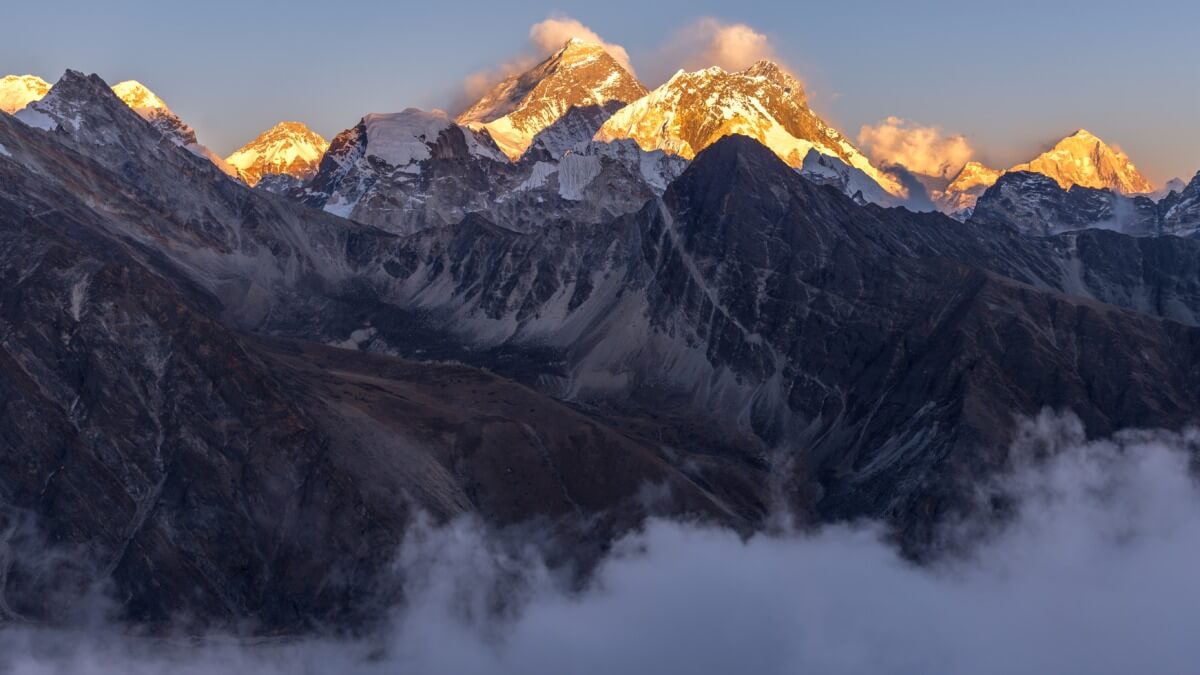
Every year thousands of trekkers travel to Nepal for this expedition, drawn by the unique combination of Himalayan scenery, cultural immersion, and personal achievement. The trail culminates at Everest Base Camp (5,364 m) and the famous viewpoint Kala Patthar (5,545 m), where panoramic views of Everest, Lhotse, Nuptse, and Ama Dablam dominate the skyline.
Guided trekking programs organized by Mountain Treks Nepal, a locally based Himalayan trekking company, provide logistical support, experienced guides, and carefully designed itineraries that prioritize safety and acclimatization.
This comprehensive guide explains everything about the Everest Base Camp Trek including route overview, itinerary, difficulty level, preparation, altitude considerations, permits, best seasons, accommodation, and frequently asked questions.
Everest Base Camp Trek Overview
| Trek Duration | 14 Days |
|---|---|
| Maximum Altitude | 5,545 m (Kala Patthar) |
| Base Camp Altitude | 5,364 m |
| Trek Difficulty | Moderate to Strenuous |
| Region | Khumbu / Everest Region |
| Accommodation | Teahouses & Lodges |
| Transportation | Kathmandu–Lukla Flight |
| Ideal Trekking Seasons | Spring & Autumn |
| Trekking Company | Mountain Treks Nepal |
The Everest Base Camp Trek typically spans 12–14 days of trekking with additional days for arrival and departure in Kathmandu. The journey begins with a scenic flight to Lukla, followed by a gradual ascent through the Dudh Koshi Valley toward the upper Khumbu.
Trekkers encounter:
-
Suspension bridges over glacial rivers
-
Ancient Buddhist monasteries
-
Sherpa settlements and yak pastures
-
Glacial valleys beneath Himalayan giants
The final stages approach the Khumbu Glacier, eventually reaching the historic Everest Base Camp used by mountaineering expeditions.
Why the Everest Base Camp Trek Is Globally Famous?

Several factors make the Everest Base Camp Trek one of the most sought-after trekking adventures in the world.
1. Proximity to Mount Everest
Reaching the base of the world’s highest mountain provides a rare perspective of the Himalayas. The trek passes through the heart of the Everest region, allowing close views of towering peaks.
2. Sherpa Culture and Himalayan Heritage
The Khumbu region is home to the Sherpa community, known for mountaineering expertise and Tibetan Buddhist traditions. Monasteries such as Tengboche Monastery serve as cultural landmarks along the trail.
3. UNESCO World Heritage Environment
The route crosses Sagarmatha National Park, a protected ecosystem containing alpine forests, glaciers, and wildlife such as Himalayan tahr and musk deer.
4. A True High-Altitude Adventure
Daily trekking distances, changing landscapes, and gradual altitude gain create an expedition-like experience while remaining achievable with proper preparation.
Guided trekking services offered by Mountain Treks Nepal ensure structured acclimatization schedules and professional guidance throughout the journey.
Everest Base Camp Trek Route
The classic trekking route follows the historic trail established by early Everest expeditions.
Major Trekking Locations
-
Lukla (2,860 m)
-
Phakding (2,610 m)
-
Namche Bazaar (3,440 m)
-
Tengboche (3,860 m)
-
Dingboche (4,410 m)
-
Lobuche (4,940 m)
-
Gorak Shep (5,180 m)
-
Everest Base Camp (5,364 m)
-
Kala Patthar (5,545 m)
The route gradually climbs through valleys, forests, and glacial terrain while allowing acclimatization days in Namche Bazaar and Dingboche.
Each location contributes to the overall trekking experience through scenery, culture, and altitude adaptation.
Typical Everest Base Camp Trek Itinerary (14 Days)
A standard Everest Base Camp Trek itinerary structured by Mountain Treks Nepal includes the following stages.
Day 1 – Arrival in Kathmandu
Airport arrival, hotel transfer, and trek briefing.
Day 2 – Flight to Lukla and Trek to Phakding
A short trek along the Dudh Koshi River.
Day 3 – Trek to Namche Bazaar
Entrance into Sagarmatha National Park and arrival at the Sherpa trading hub.
Day 4 – Acclimatization in Namche Bazaar
Short hikes to Everest View Hotel or nearby ridges.
Day 5 – Trek to Tengboche
A scenic walk with views of Ama Dablam and Everest.
Day 6 – Trek to Dingboche
Alpine landscape with expansive Himalayan views.
Day 7 – Acclimatization in Dingboche
High-altitude preparation with short hikes.
Day 8 – Trek to Lobuche
Route passes memorials honoring climbers lost on Everest.
Day 9 – Trek to Everest Base Camp via Gorak Shep
Arrival at the legendary base camp.
Day 10 – Sunrise at Kala Patthar and Trek to Pheriche
Best panoramic Everest views.
Day 11 – Trek to Namche Bazaar
Day 12 – Trek to Lukla
Day 13 – Flight to Kathmandu
Day 14 – Final Departure
This itinerary balances trekking progress with essential acclimatization days, reducing altitude-related risks.
Everest Base Camp Trek Difficulty

The Everest Base Camp Trek is categorized as moderate to strenuous due to altitude, terrain, and trekking duration.
Key Difficulty Factors
Altitude
-
Base Camp elevation: 5,364 m
-
Highest viewpoint: Kala Patthar (5,545 m)
Oxygen levels at these elevations drop significantly, requiring careful acclimatization.
Daily Trekking Distance
Typical trekking days involve 5–7 hours of walking over varied terrain.
Terrain
The route includes:
-
Rocky mountain paths
-
Glacial moraines
-
Stone staircases
-
Suspension bridges
Fitness Requirements
Preparation generally includes:
-
Cardiovascular endurance training
-
Long-distance walking practice
-
Light strength training
Guided treks organized by Mountain Treks Nepal include experienced guides trained in altitude management and emergency response.
Permits Required for Everest Base Camp Trek

Two permits are required for the Everest region.
Sagarmatha National Park Entry Permit
Required for entry into the national park.
Approximate fees:
-
International trekkers: NPR 3000
-
SAARC citizens: NPR 1000
Khumbu Pasang Lhamu Rural Municipality Permit
Local government permit for the Everest region.
Approximate cost:
-
NPR 3000 per trekker
Most trekking agencies arrange permits as part of trekking packages.
Best Time for Everest Base Camp Trek

Weather conditions strongly influence trekking success.
Spring Season (March – May)
Advantages:
-
Rhododendron forests in bloom
-
Clear mountain views
-
Stable weather patterns
Spring is also the Everest expedition season, creating a lively atmosphere at Base Camp.
Autumn Season (September – November)
Advantages:
-
Dry weather after the monsoon
-
Excellent visibility
-
Comfortable trekking temperatures
These months are considered the most reliable trekking window.
Accommodation During the Everest Base Camp Trek

Accommodation along the trail consists of teahouses and mountain lodges.
Typical facilities include:
-
Twin rooms with blankets
-
Shared bathrooms
-
Communal dining areas
-
Basic heating near dining rooms
Meals commonly available on the trail include:
-
Dal Bhat (traditional Nepali meal)
-
Noodles and soups
-
Pasta and rice dishes
-
Pancakes and eggs
Food becomes progressively simpler at higher altitudes due to transportation challenges.
Altitude and Safety Considerations
High altitude remains the primary challenge during the Everest Base Camp Trek.
Important acclimatization practices include:
-
Gradual ascent
-
Hydration
-
Adequate rest days
-
Slow walking pace
Symptoms of altitude sickness may include headaches, fatigue, or nausea. Professional guides monitor trekkers and adjust itineraries when necessary.
Safety protocols used by Mountain Treks Nepal include trained guides, emergency evacuation procedures, and structured acclimatization schedules.
Essential Equipment for Everest Base Camp Trek
Key trekking gear includes:
Clothing
-
Down jacket
-
Thermal layers
-
Waterproof shell jacket
-
Trekking pants
Footwear
-
Waterproof trekking boots
-
Moisture-wicking socks
Equipment
-
Trekking poles
-
Sleeping bag rated to −10°C
-
Daypack with rain cover
-
Water purification tablets
Proper gear preparation greatly improves comfort and safety at high altitudes.
Why Trekkers Choose Mountain Treks Nepal?
Mountain Treks Nepal specializes in Himalayan trekking experiences with locally trained guides and Sherpa support teams.
Core strengths include:
-
Experienced Everest region guides
-
Well-structured acclimatization itineraries
-
Permit and logistics management
-
Strong safety protocols
-
Positive international trekker reviews
Local expertise provides deeper cultural insight into Sherpa traditions, mountain history, and the Himalayan environment.
Review Note (Evidence-Based Feedback)
Recent trek reviews highlight the organizational reliability and knowledgeable guides provided by Mountain Treks Nepal.
Trekkers frequently mention:
-
Professional logistics coordination
-
Experienced guides familiar with Everest trails
-
Supportive porter teams
-
Comfortable lodge arrangements along the trek
Positive feedback consistently reflects strong safety practices and well-planned itineraries.
Frequently Asked Questions
How long does the Everest Base Camp Trek take?
The standard Everest Base Camp Trek takes 12–14 days of trekking, including acclimatization days in Namche Bazaar and Dingboche.
What is the altitude of Everest Base Camp?
Everest Base Camp sits at 5,364 meters (17,598 ft) above sea level.
How difficult is the Everest Base Camp Trek?
The trek is considered moderate to strenuous due to altitude and daily walking distances of 5–7 hours.
Which season offers the best conditions for Everest Base Camp Trek?
The most reliable trekking seasons are spring (March–May) and autumn (September–November) due to stable weather and clear mountain views.
What permits are required for the Everest Base Camp Trek?
Two permits are required:
-
Sagarmatha National Park Entry Permit
-
Khumbu Pasang Lhamu Rural Municipality Permit
What type of accommodation is available during the trek?
Accommodation typically consists of teahouses and mountain lodges offering basic rooms, meals, and shared facilities.
Conclusion
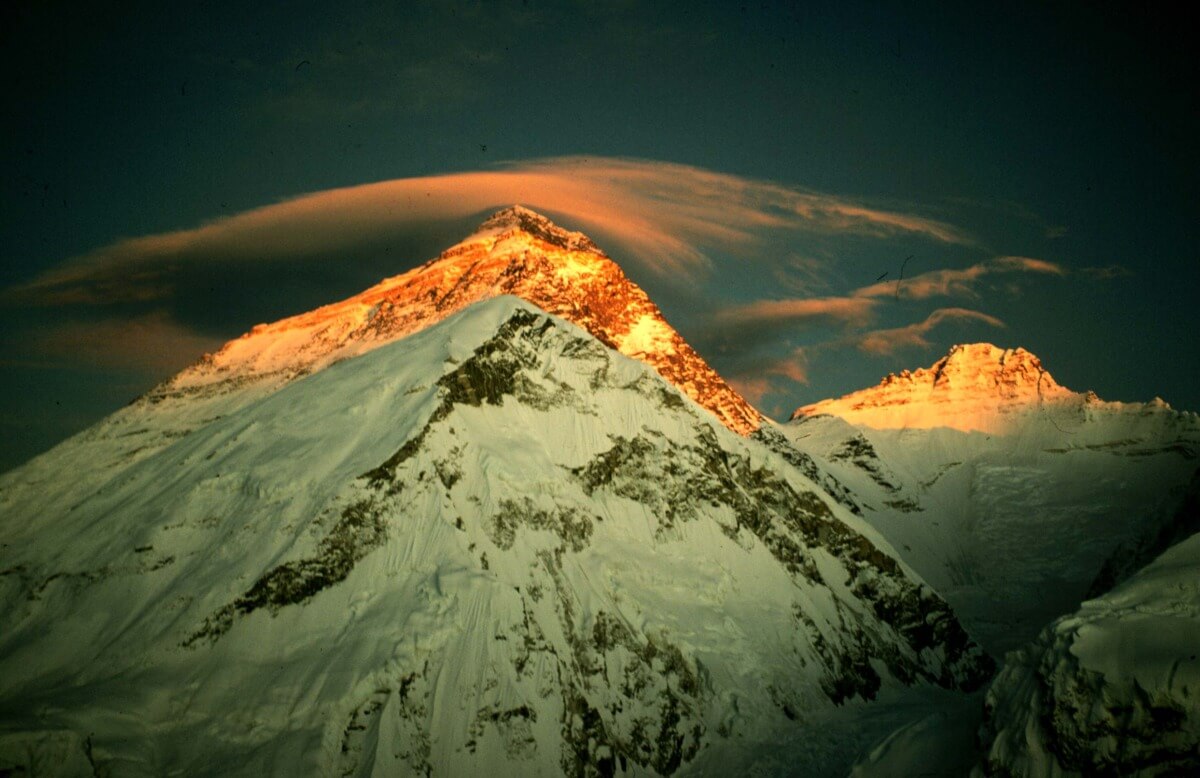
The Everest Base Camp Trek represents one of the most remarkable trekking experiences available in the Himalayas. The route combines dramatic landscapes, Sherpa culture, and the unforgettable presence of Mount Everest itself.
Carefully planned itineraries, proper acclimatization, and professional guidance remain essential elements of a successful trek. With experienced guides and deep regional knowledge, Mountain Treks Nepal continues to support trekkers seeking a safe and immersive journey through the Everest region.
From the vibrant streets of Namche Bazaar to the icy moraine of the Khumbu Glacier, every stage of the trek reveals a new dimension of Himalayan beauty.
The Everest Base Camp Trek remains not only a trekking adventure but also a powerful encounter with the highest mountains on Earth.