


Share This:
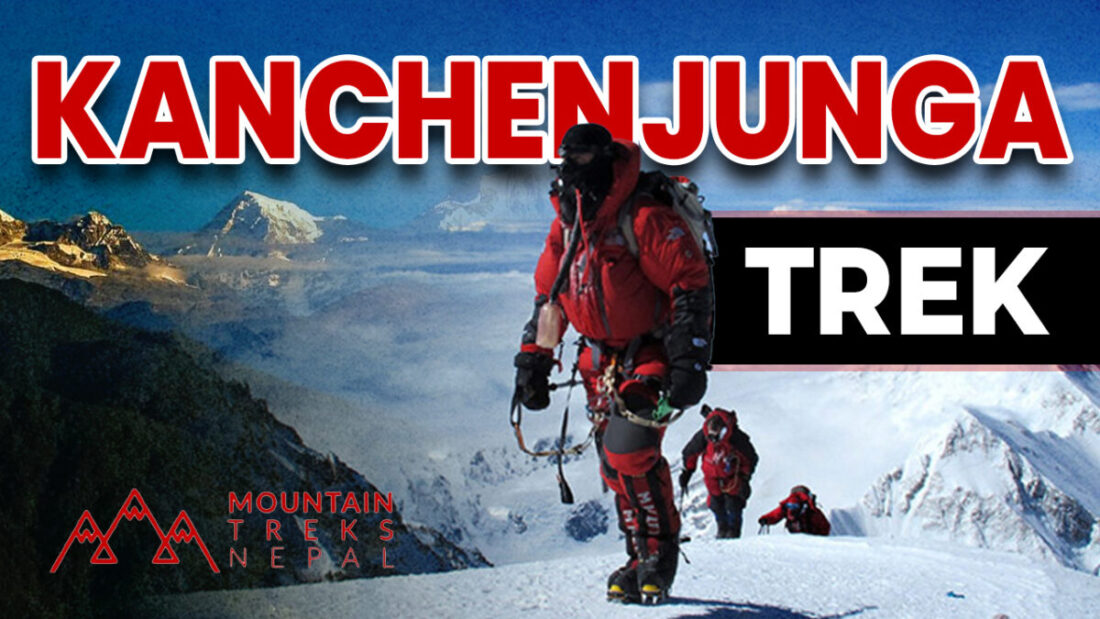
Kanchenjunga Circuit Trek: Complete Guide to Nepal’s Remote Himalayan Trail
Introduction to Kanchenjunga Circuit Trek
The Kanchenjunga Circuit Trek is one of Nepal’s most remote and rewarding Himalayan journeys, leading trekkers to both the north and south base camp areas of Mount Kanchenjunga. Rising to 8,586 meters, Kanchenjunga is the third-highest mountain in the world and stands in far eastern Nepal near the borders of India and Tibet.
This trek is best known for wild landscapes, quiet trails, high mountain passes, traditional villages, deep river valleys, rhododendron forests, glaciers, and close views of Kanchenjunga, Jannu, Kabru, Rathong, and other peaks. Unlike Everest Base Camp or Annapurna Base Camp, the Kanchenjunga region receives fewer trekkers, making the journey feel more natural, peaceful, and culturally authentic.
What Makes the Kanchenjunga Circuit Trek Special?
The Kanchenjunga Circuit Trek is different from many popular trekking routes in Nepal because it explores both the northern and southern sides of the Kanchenjunga massif. The northern route leads toward Pangpema, also known as Kanchenjunga North Base Camp, while the southern route reaches the Oktang and Ramche area, offering dramatic views of the south face of Kanchenjunga.
The region lies within the Kanchenjunga Conservation Area, a protected Himalayan landscape known for rich biodiversity, alpine forests, wildlife habitat, and traditional mountain communities. The wider Kangchenjunga Landscape includes more than 4,500 plant species, 500 orchid varieties, 40 rhododendron varieties, over 160 mammal species, and 580 bird species, according to ICIMOD.
Kanchenjunga Circuit Trek Overview
| Trek Feature | Details |
|---|---|
| Trek Name | Kanchenjunga Circuit Trek |
| Location | Taplejung District, Eastern Nepal |
| Highest Mountain | Mount Kanchenjunga, 8,586 m |
| Highest Trekking Point | Pangpema / North Base Camp, around 5,143 m |
| Duration | Usually 21 to 26 days |
| Difficulty | Challenging |
| Trek Style | Tea house and basic lodge trek |
| Best Seasons | Spring and autumn |
| Required Permits | Restricted Area Permit and Kanchenjunga Conservation Area Permit |
| Main Highlights | Ghunsa, Pangpema, Sele La, Ramche, Oktang viewpoint |
Kanchenjunga Circuit Trek Itinerary
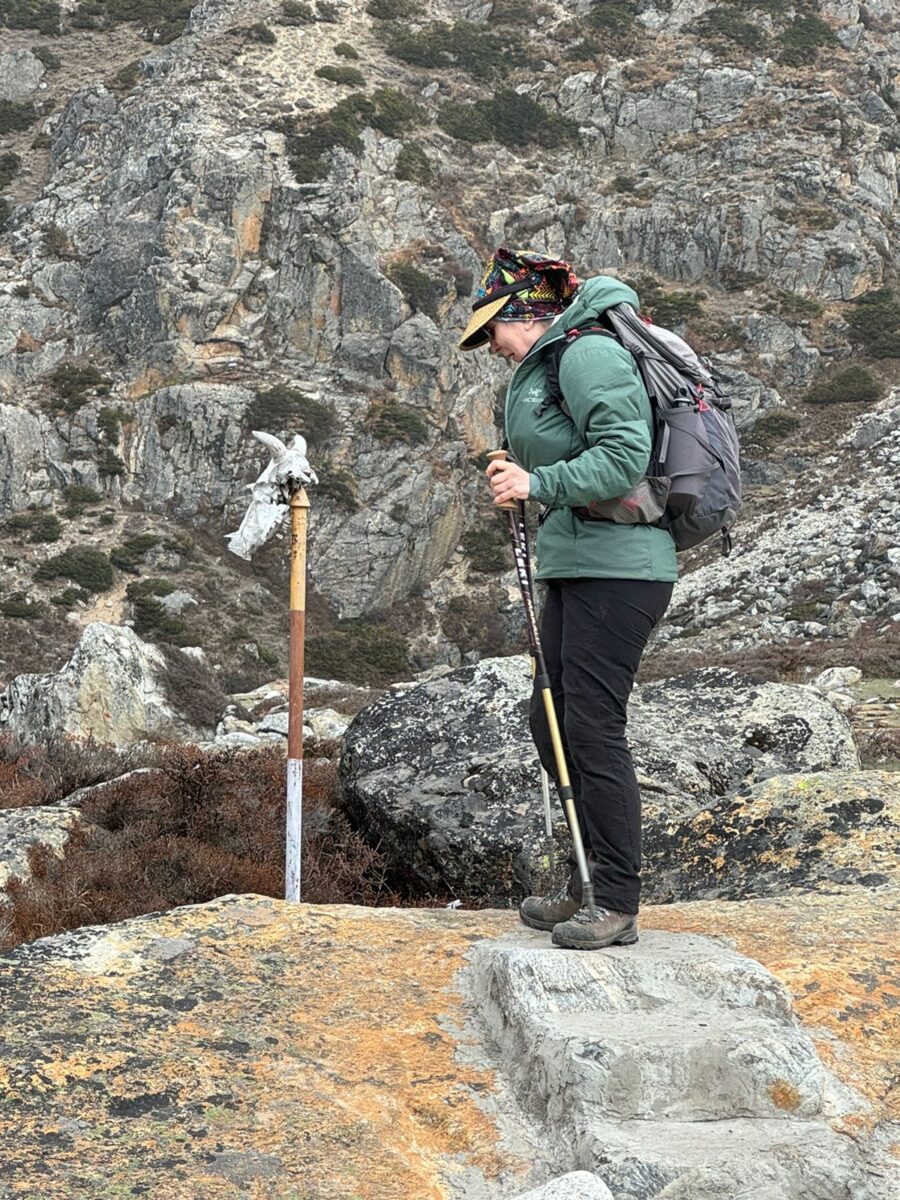
A standard Kanchenjunga Circuit Trek itinerary usually takes around 22 to 26 days, depending on road access, acclimatization, walking pace, and route conditions. The journey commonly begins with a flight from Kathmandu to Bhadrapur, followed by a long drive toward Taplejung or nearby trailheads.
| Day | Route | Altitude |
|---|---|---|
| 1 | Arrival in Kathmandu | 1,400 m |
| 2 | Trek preparation and permit arrangement | 1,400 m |
| 3 | Fly to Bhadrapur and drive toward Taplejung | Approx. 1,820 m |
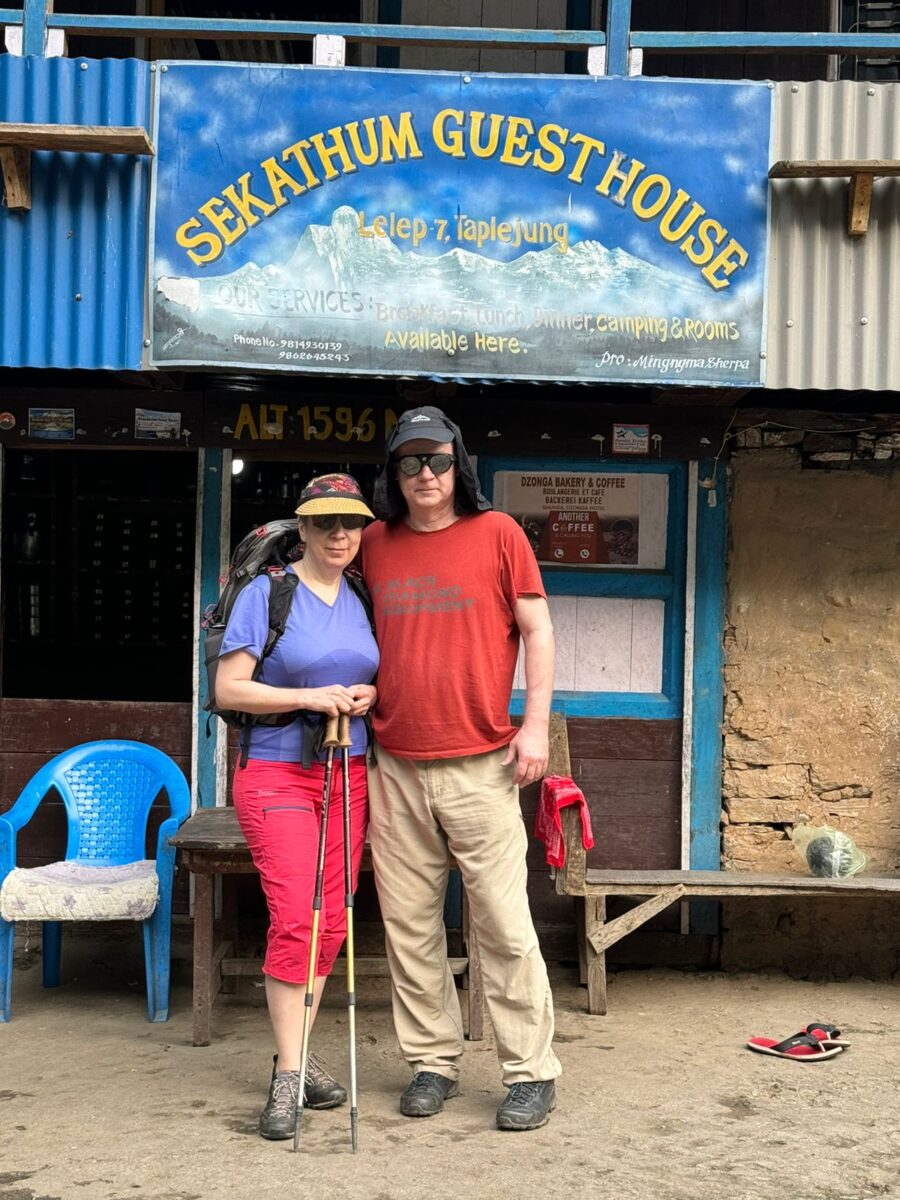
| 4 | Drive or trek to Sekathum | Approx. 1,650 m |
| 5 | Trek to Amjilosa | Approx. 2,510 m |
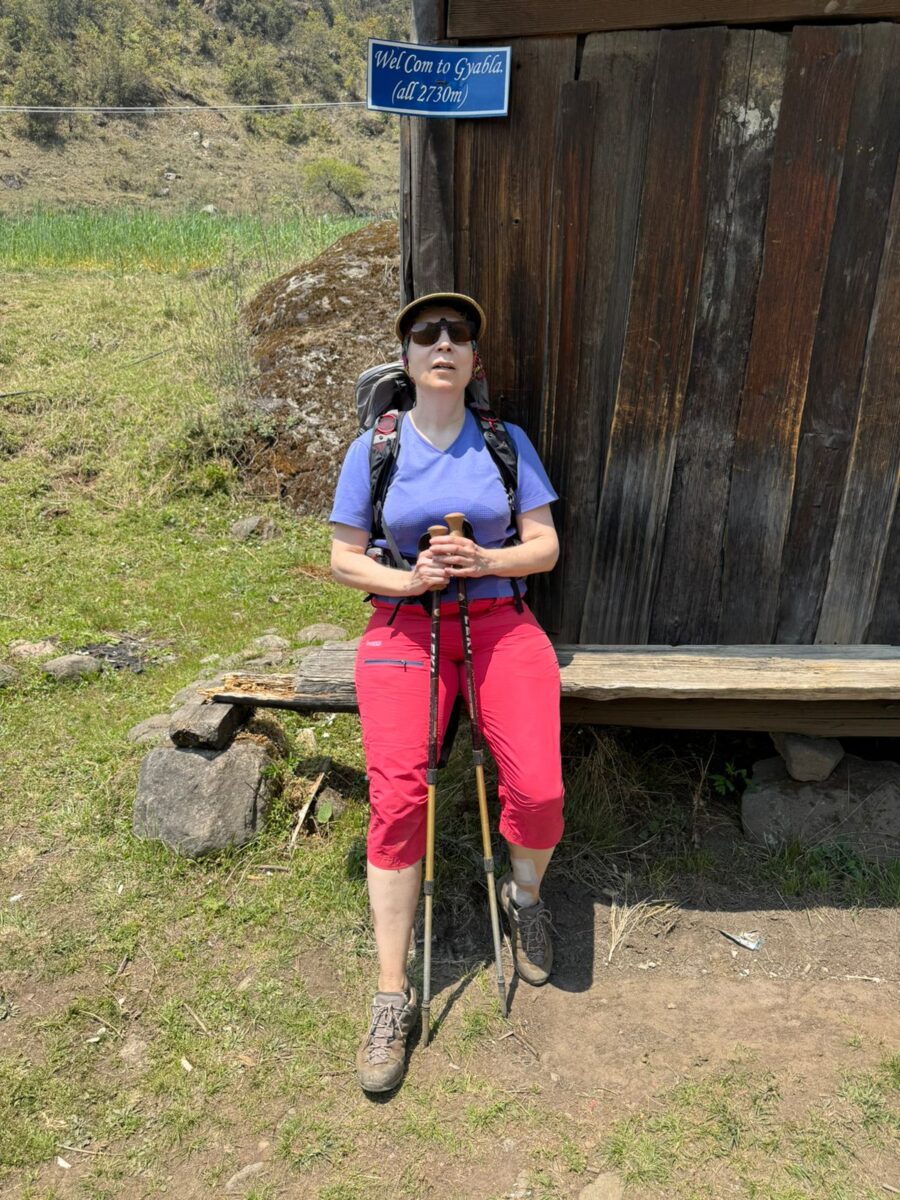
| 6 | Trek to Gyabla | Approx. 2,730 m |
| 7 | Trek to Ghunsa | Approx. 3,595 m |
| 8 | Acclimatization day in Ghunsa | 3,595 m |
| 9 | Trek to Khambachen | Approx. 4,050 m |
| 10 | Acclimatization at Khambachen | 4,050 m |
| 11 | Trek to Lhonak | Approx. 4,780 m |
| 12 | Hike to Pangpema / North Base Camp and return to Lhonak | Approx. 5,143 m |
| 13 | Trek back to Ghunsa | 3,595 m |
| 14 | Trek to Sele La High Camp | Approx. 4,200 m |
| 15 | Cross Sele La and trek to Tseram | Approx. 3,870 m |
| 16 | Trek to Ramche | Approx. 4,580 m |
| 17 | Explore Oktang viewpoint and return to Tseram | Approx. 4,730 m |
| 18 | Trek to Tortong | Approx. 2,995 m |
| 19 | Trek to Yamphudin | Approx. 2,080 m |
| 20 | Trek or drive toward Khebang / Taplejung | Varies |
| 21 | Drive to Bhadrapur | Lowland Nepal |
| 22 | Fly back to Kathmandu | 1,400 m |
This itinerary gives enough time for acclimatization in Ghunsa and Khambachen, which is important because the Kanchenjunga trekking route reaches elevations above 5,000 meters.
Kanchenjunga Circuit Trek Difficulty
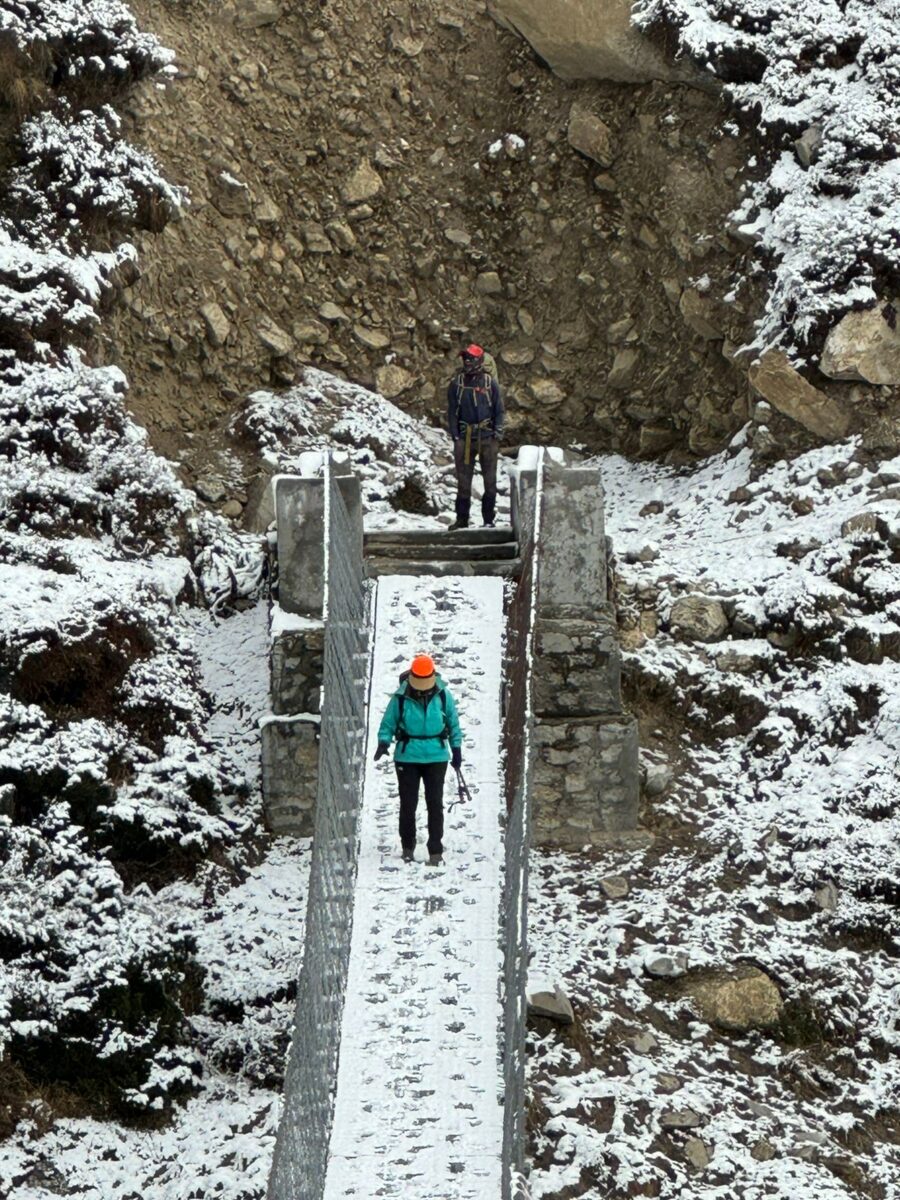
The Kanchenjunga Circuit Trek is a challenging trek suitable for trekkers with good fitness, previous multi-day hiking experience, and comfort with remote mountain conditions. The trail involves long walking days, steep ascents, high-altitude sections, basic accommodation, changing weather, and limited facilities compared with the Everest and Annapurna regions.
The route is not technically a climbing expedition, but it requires patience, endurance, and proper acclimatization. The most demanding parts include the approach to Lhonak and Pangpema, the crossing of Sele La, and the long descent toward the southern villages.
Best Time for Kanchenjunga Circuit Trek
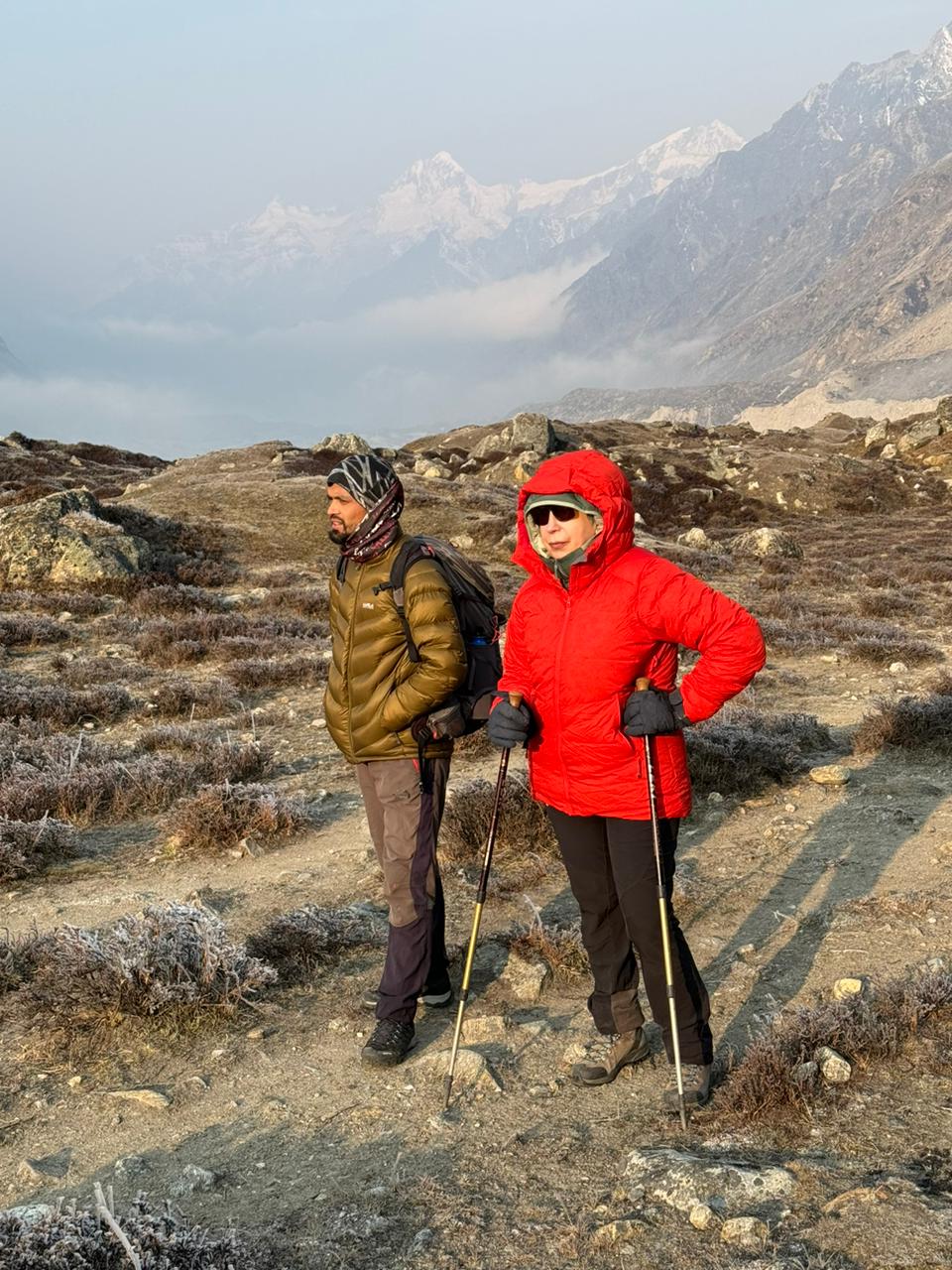
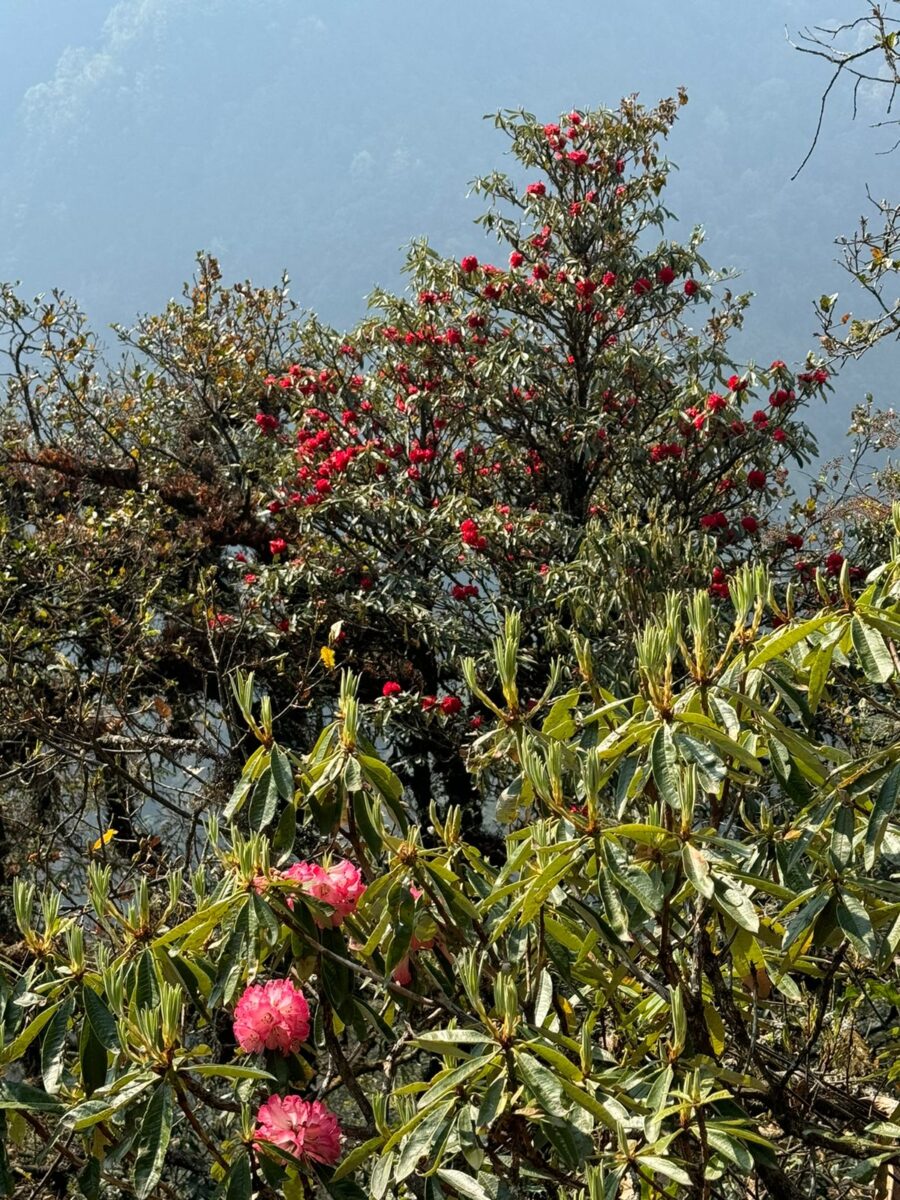
The best time for the Kanchenjunga Circuit Trek is spring and autumn. Spring, from March to May, brings blooming rhododendrons, warmer daytime temperatures, and clearer high-altitude trails. Autumn, from late September to November, offers stable weather, clear mountain views, and excellent trekking conditions.
Winter trekking is possible only with strong preparation because high passes can be affected by snow and extreme cold. The monsoon season, from June to August, brings rain, leeches at lower elevations, cloudy skies, and landslide risks on access roads.
Kanchenjunga Circuit Trek Permits
The Kanchenjunga region is a restricted trekking area, so trekkers need special permits and must travel through a registered trekking agency with a licensed guide. Nepal’s Department of Immigration lists restricted trekking areas and permit rules for controlled regions.
| Permit | Purpose |
|---|---|
| Kanchenjunga Restricted Area Permit | Required for restricted sections of the trail |
| Kanchenjunga Conservation Area Permit | Required to enter the conservation area |
Permit fees can change, so the latest cost should be confirmed before booking. Mountain Treks Nepal arranges required permits, guide support, itinerary planning, transportation, and local logistics for the Kanchenjunga Circuit Trek.
Accommodation and Food on the Trek
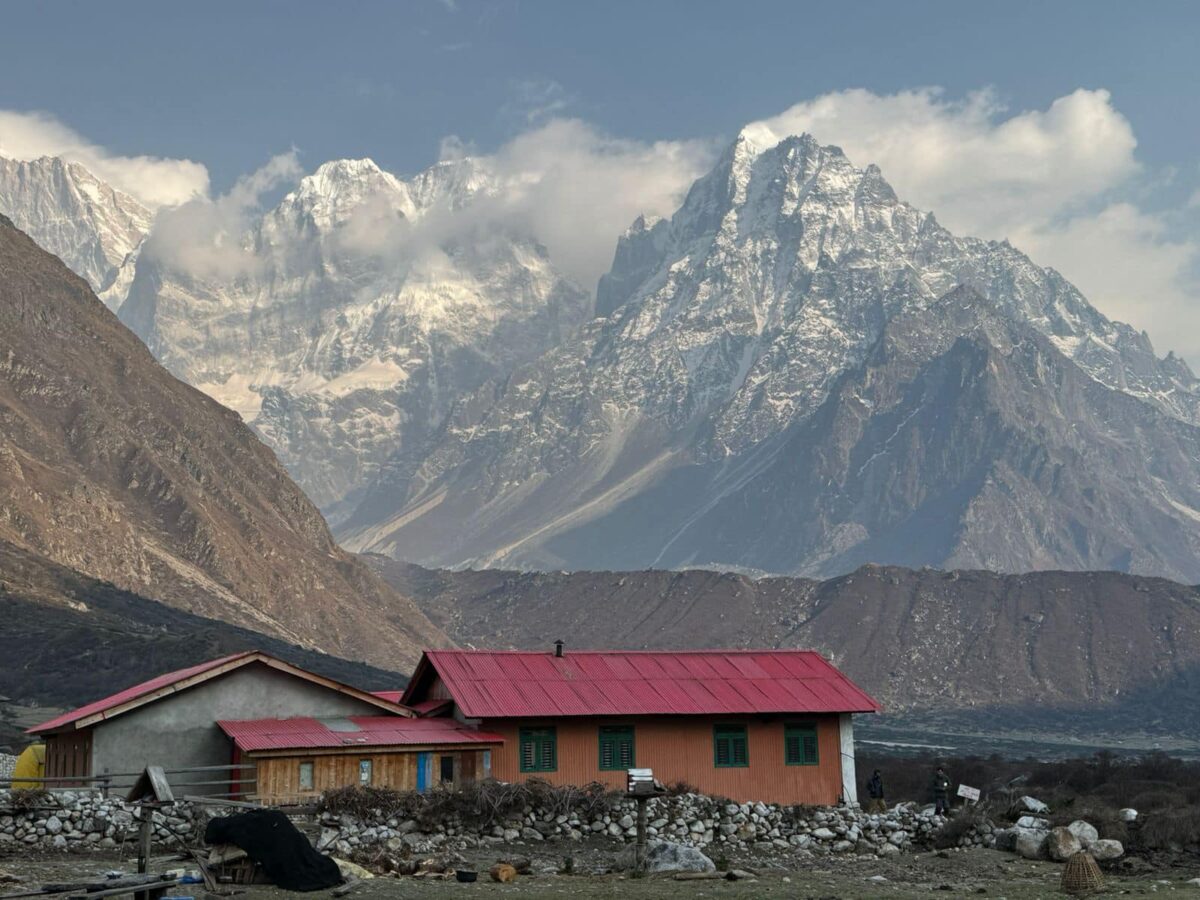
Accommodation on the Kanchenjunga Circuit Trek is simpler than in popular trekking regions. Most nights are spent in basic tea houses or local lodges with twin-sharing rooms, shared toilets, and limited heating. In remote sections, food choices are more limited, but trekkers can usually find dal bhat, noodles, soup, potatoes, rice, Tibetan bread, tea, and basic breakfast items.
Dal bhat is the most reliable meal during the trek because it provides rice, lentil soup, vegetables, and energy for long walking days. Carrying snacks, electrolyte powder, water purification tablets, and a few comfort foods is useful for the higher sections.
Kanchenjunga Circuit Trek Cost

The Kanchenjunga Circuit Trek cost depends on group size, itinerary length, guide and porter service, transportation, accommodation standard, meals, permits, and agency support. Because the route is remote and requires special permits, the overall cost is usually higher than short treks near Kathmandu or Pokhara.
| Cost Factor | Details |
|---|---|
| Permits | Restricted Area Permit and conservation permit |
| Guide | Licensed guide required for restricted area trekking |
| Porter | Recommended for long remote trekking days |
| Transportation | Kathmandu–Bhadrapur flights and local jeep transfers |
| Accommodation | Hotels in Kathmandu and tea houses during the trek |
| Meals | Breakfast, lunch, dinner, tea, and drinking water |
| Contingency | Weather delays, road delays, extra nights |
A detailed quotation from Mountain Treks Nepal gives the most accurate price based on trek date, group size, and service level.
Kanchenjunga Circuit Trek Altitude Profile
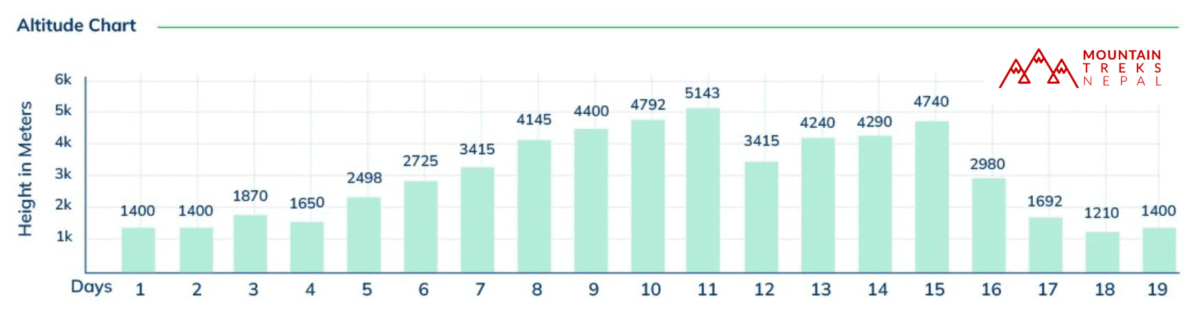
The Kanchenjunga Circuit Trek is a true high-altitude adventure that takes you from subtropical lowlands to alpine terrain and glacier viewpoints, with elevations ranging from 1,400 meters to a high point of 5,143 meters.
Here’s what the altitude journey looks like over 19 days:
- Start low and slow: The trek begins at around 1,400 meters, allowing your body ample time to adjust through gradual elevation gain.
- Scenic elevation rise: From Day 3 to Day 7, you’ll ascend steadily through rhododendron forests and traditional villages crossing elevations like 1,870m, 2,725m, and 3,415m.
- High-altitude highlights: Between Day 8 and Day 11, the trail climbs dramatically reaching up to 5,143 meters near the North Base Camp of Kanchenjunga. These are the trek’s most exhilarating and panoramic sections.
- Carefully managed descent: The return trail follows a balanced descent pattern, with rest stops and scenic recovery days, ensuring proper acclimatization and minimal strain.
At Mountain Treks Nepal, we’ve designed this altitude flow strategically for safe acclimatization, following best practices for high-altitude trekking. Our experienced guides are trained in altitude awareness and always prioritize your well-being on the trail.
Tip: Drink plenty of water, walk at your own pace, and listen to your guide. The changing elevation is part of what makes this trek both challenging and rewarding.
Packing List for Kanchenjunga Circuit Trek

Packing for Kanchenjunga requires careful preparation because the trail reaches cold, remote, and high-altitude environments. Essential gear includes a warm down jacket, layered clothing, waterproof jacket and trousers, trekking boots, thermal base layers, gloves, warm hat, sun hat, sunglasses, sleeping bag, headlamp, trekking poles, reusable water bottle, water purification method, personal medicine, sunscreen, lip balm, and a power bank.
A porter can carry the main duffel bag, while the trekker carries a daypack with water, snacks, camera, rain gear, and warm layers.
Kanchenjunga Circuit Trek vs Everest Base Camp Trek
| Feature | Kanchenjunga Circuit Trek | Everest Base Camp Trek |
|---|---|---|
| Crowd Level | Very low | High |
| Duration | Longer, usually 21–26 days | Usually 12–16 days |
| Accommodation | Basic tea houses | More developed lodges |
| Remoteness | Very remote | Popular and busier |
| Permits | Restricted area permit required | Standard national park/local permits |
| Best For | Experienced trekkers seeking solitude | Trekkers seeking classic Everest views |
The Kanchenjunga Circuit Trek is better for travelers seeking wilderness, culture, and quiet trails. Everest Base Camp is better known globally and has more developed facilities.
Responsible Trekking in Kanchenjunga
The Kanchenjunga region is ecologically and culturally sensitive. Responsible trekking supports local families, protects fragile trails, reduces plastic waste, and respects village customs. Trekkers should use refillable bottles, avoid single-use plastic, stay on marked trails, respect monasteries and sacred places, and follow guide instructions in high-altitude sections.
Mount Kanchenjunga is considered sacred by local communities, including Tibetan, Sikkimese, and Kiranti people. Respect for local beliefs is an important part of the trekking experience.
Conclusion
The Kanchenjunga Circuit Trek is one of Nepal’s finest remote trekking adventures, combining high Himalayan scenery, quiet trails, traditional villages, glaciers, forests, wildlife habitat, and views of the world’s third-highest mountain. The journey is long and challenging, but it rewards trekkers with a deeper experience of Nepal beyond the busy trekking routes.
Mountain Treks Nepal provides guided Kanchenjunga Circuit Trek packages with itinerary planning, permits, licensed guides, porter support, transportation, accommodation, and local expertise.
FAQs About Kanchenjunga Circuit Trek
How long is the Kanchenjunga Circuit Trek?
The Kanchenjunga Circuit Trek usually takes 21 to 26 days, depending on the itinerary, road access, acclimatization days, and trekking pace.
Is Kanchenjunga Circuit Trek difficult?
Yes, the Kanchenjunga Circuit Trek is a challenging trek. It includes long walking days, remote trails, high altitude, basic lodges, and high passes.
What is the highest point of the Kanchenjunga Circuit Trek?
The highest trekking point is Pangpema, also called Kanchenjunga North Base Camp, at around 5,143 meters.
What permits are required for Kanchenjunga Circuit Trek?
Trekkers need a Kanchenjunga Restricted Area Permit and a Kanchenjunga Conservation Area Permit.
Can Kanchenjunga Circuit Trek be done solo?
Solo trekking is not allowed in the restricted sections. The trek requires a licensed guide through a registered trekking agency.
What is the best season for Kanchenjunga Circuit Trek?
Spring from March to May and autumn from late September to November are the best seasons for clear views and safer trekking conditions.
Is Kanchenjunga Circuit Trek crowded?
No, the Kanchenjunga Circuit Trek is much less crowded than Everest Base Camp and Annapurna routes.