


Share This:
Complete Guide to the Everest Base Camp Trek: Journey to the Roof of the World
Standing at the foot of Mount Everest (8,848.86m / 29,031ft) the highest point on planet Earth is a pilgrimage that calls to adventurers, dreamers, and mountaineers from every corner of the globe. The Everest Base Camp (EBC) Trek is not just a hike; it is a 14-day physical and spiritual immersion into the heart of the Khumbu Valley. It is the home of the legendary Sherpa people and the most dramatic alpine scenery in existence.
Reaching an elevation of 5,364 meters (17,598 feet) at Base Camp and peaking at 5,545 meters (18,192 feet) on the summit of Kala Patthar, this journey demands profound respect. Over two weeks, you will cross swaying suspension bridges draped in colorful prayer flags, walk through ancient rhododendron forests, spin Buddhist prayer wheels in centuries-old monasteries, and eventually leave the tree line behind to traverse the raw, icy expanse of the Khumbu Glacier.
This exhaustive, encyclopedic guide is crafted by the high-altitude expedition experts at Mountain Treks Nepal. Whether you are planning your first Himalayan trek or returning to push your boundaries, this guide covers absolutely every aspect of the EBC trail. We meticulously break down the geology, the Sherpa culture, the rigorous 14-day itinerary, the latest 2026 flight diversions to Ramechhap, the strict permit regulations, and the exact gear you need to survive and thrive above 5,000 meters.
The Geography and Ecology of the Khumbu
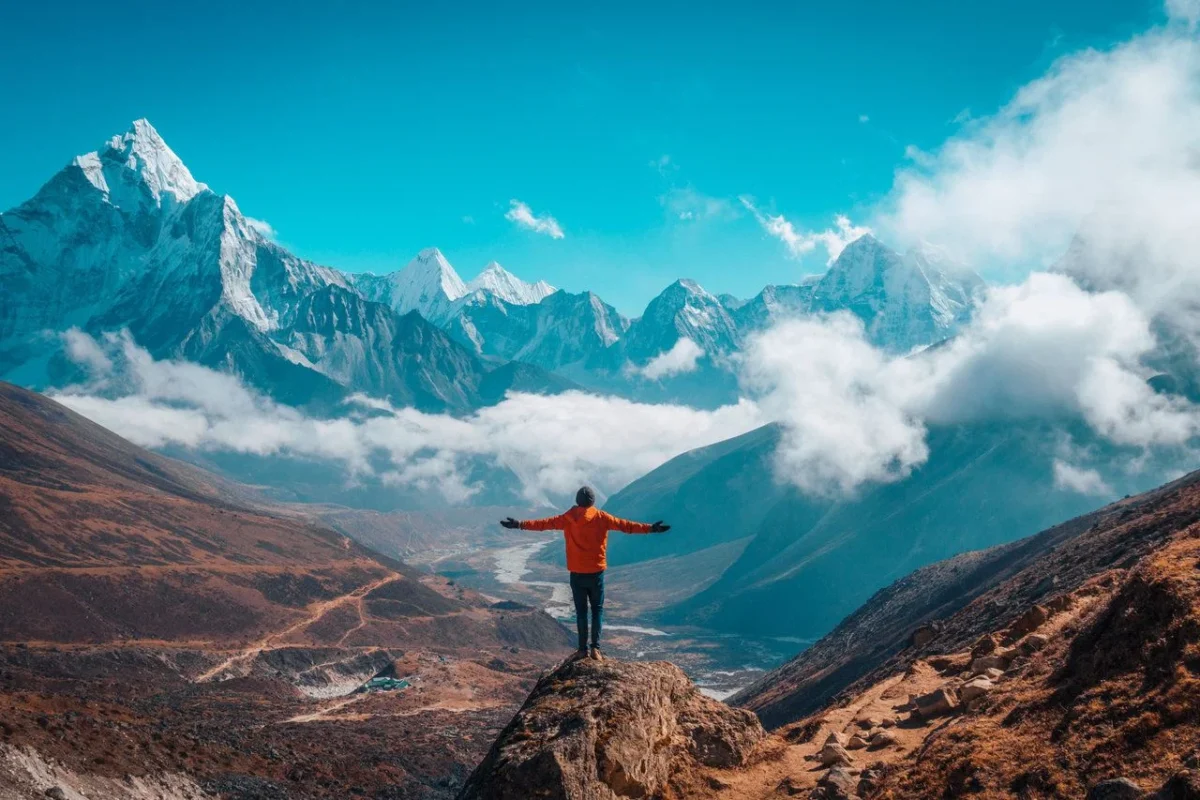
Your 14-day journey traverses the Sagarmatha National Park, a UNESCO World Heritage site established in 1976 that spans 1,148 square kilometers of the high Himalayas. The geography changes drastically as you gain elevation, dictated by the powerful Dudh Koshi (Milk River) that carved this monumental valley.
The Lower Valley (2,600m – 3,500m)
Starting from the cliffside runway in Lukla, you follow the milky-blue waters of the Dudh Koshi gorge. The landscape is lush and deeply green, dominated by dense temperate forests of blue pine, fir, and rhododendron. The air here is relatively thick with oxygen, and agricultural terraces dot the hillsides where locals grow potatoes and buckwheat. You will hear the constant roar of the river echoing off the steep valley walls.
The Sub-Alpine Zone (3,500m – 4,000m)
As you climb the massive, grueling hill into Namche Bazaar, the environment undergoes a stark shift. The forests begin to thin out into hardy juniper, Himalayan birch, and low-lying shrubs. You walk along high, exposed ridges offering sweeping, panoramic views of the valleys below. The famous Tengboche Monastery sits perfectly in this zone, perched on a grassy plateau surrounded by the jagged peaks of Thamserku and Ama Dablam.
The Alpine Tundra (4,000m – 4,900m)
As you pass the villages of Pangboche and Dingboche, the trees disappear entirely. The landscape transforms into vast, barren plains of low scrub, mosses, and dry alpine dust. The air grows noticeably thinner and colder, and the wind howls relentlessly through the open valleys. This zone is the prime grazing territory for massive, shaggy yaks.
The Glacial Moraine (4,900m+)
Past the somber memorials at the Thokla Pass, you enter a stark, lunar landscape of gray rock and blinding white ice. You are walking directly along the lateral moraine of the Khumbu Glacier, a moving river of ice littered with massive boulders, which leads directly into the treacherous Khumbu Icefall at Everest Base Camp.
Sherpa Culture and Spiritual Heritage

The Khumbu region is the historic heartland of the Sherpa people. Originally migrating from the eastern Tibetan province of Kham over 500 years ago, the Sherpas have adapted biologically and culturally to survive in extreme high altitudes.
Tibetan Buddhism on the Trail
Buddhism is deeply woven into the physical landscape of the Everest Base Camp trek.
-
Mani Stones and Walls: The trail is lined with massive, intricately carved stone tablets bearing the mantra Om Mani Padme Hum. You must always walk to the left (clockwise) of these walls to show respect.
-
Prayer Flags: The five colors of the flags (blue, white, red, green, yellow) represent the five elements (sky, air, fire, water, earth). As the fierce Himalayan wind blows through them, it is believed to carry the printed prayers out to the universe.
-
Monasteries (Gompas): You will visit ancient spiritual centers, most notably the Tengboche Monastery. Sitting beneath the twin peaks of Everest and Lhotse, it is the largest and most important Gompa in the region. Trekkers are welcome to sit quietly inside and listen to the resident monks chant their evening prayers.
Daily Life in the Khumbu
The economy is driven entirely by tourism and agriculture. Yaks and dzos (a yak-cow hybrid) are the primary engines of transport, carrying heavy loads of kerosene, rice, and expedition gear up the steep trails. The hospitality of the Sherpa people is legendary; despite the harsh living conditions, you will be welcomed into teahouses with immense warmth, hot tea, and genuine smiles.
Why Everest Base Camp Remains the Ultimate Pilgrimage?
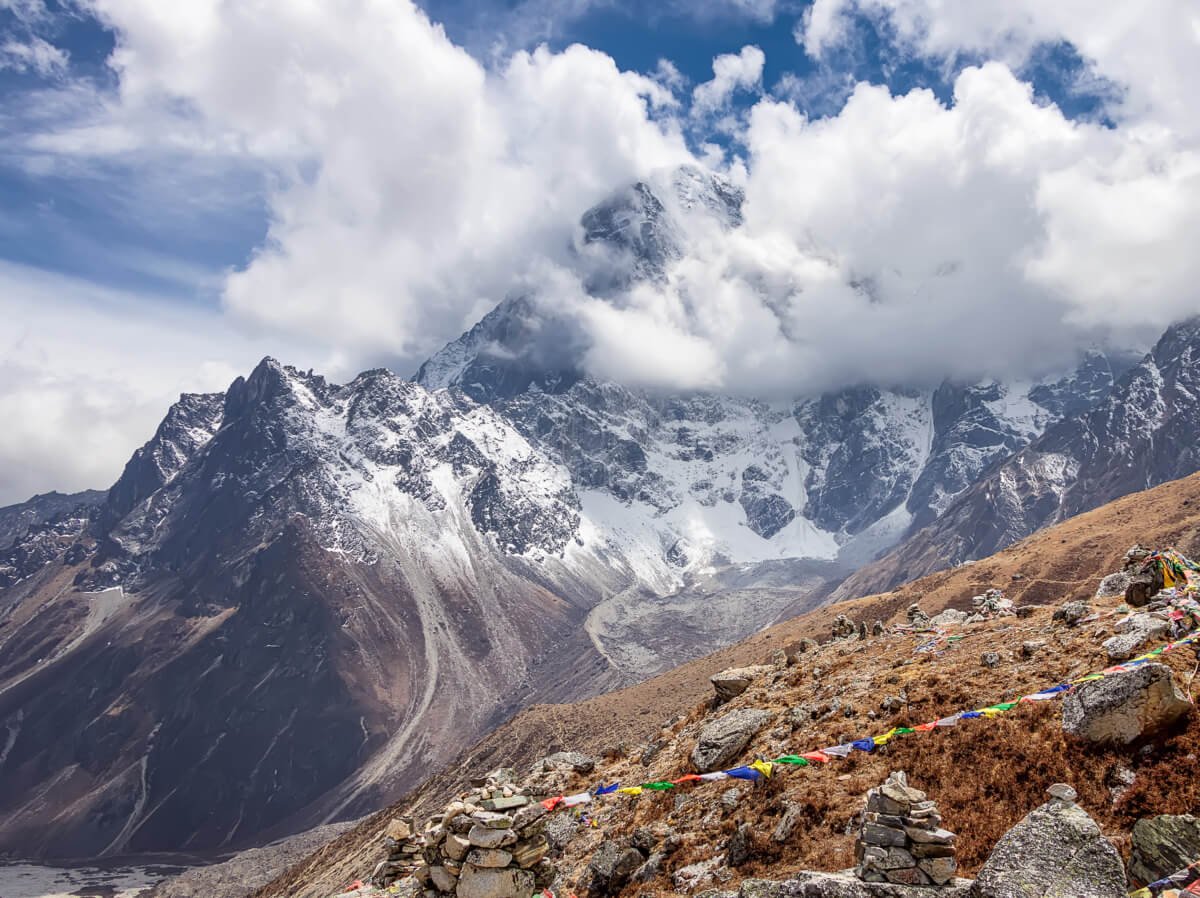
With dozens of trekking routes opening across Nepal, why does Everest Base Camp remain the undisputed king of adventure travel?
-
Proximity to Giants: You do not just see Mount Everest from afar. You walk directly beneath it, surrounded by a jaw-dropping amphitheater of 8,000-meter and 7,000-meter peaks, including Lhotse, Nuptse, Makalu, and the stunning, perfectly sculpted spire of Ama Dablam.
-
The Kala Patthar Sunrise: Mount Everest’s actual summit is hidden behind the Nuptse ridge when you stand at Base Camp. The true visual climax of the trek is the pre-dawn ascent of Kala Patthar (5,545m). This rocky viewpoint offers an unobstructed, 360-degree panorama of the Everest massif turning brilliant gold in the morning sun.
-
Trekking Infrastructure: The Khumbu boasts the most highly developed teahouse network in the world. You can hike in some of the most hostile, remote terrain on earth, yet sleep in a proper bed, eat a hot pizza, and even connect to Wi-Fi at 5,000 meters.
-
Walking in the Footsteps of Legends: The trail from Lukla to EBC is the exact same route pioneered by Sir Edmund Hillary, Tenzing Norgay, and thousands of legendary mountaineers who have approached the mountain since the 1950s.
Important 2026 Logistical Updates (The Ramechhap Diversion)
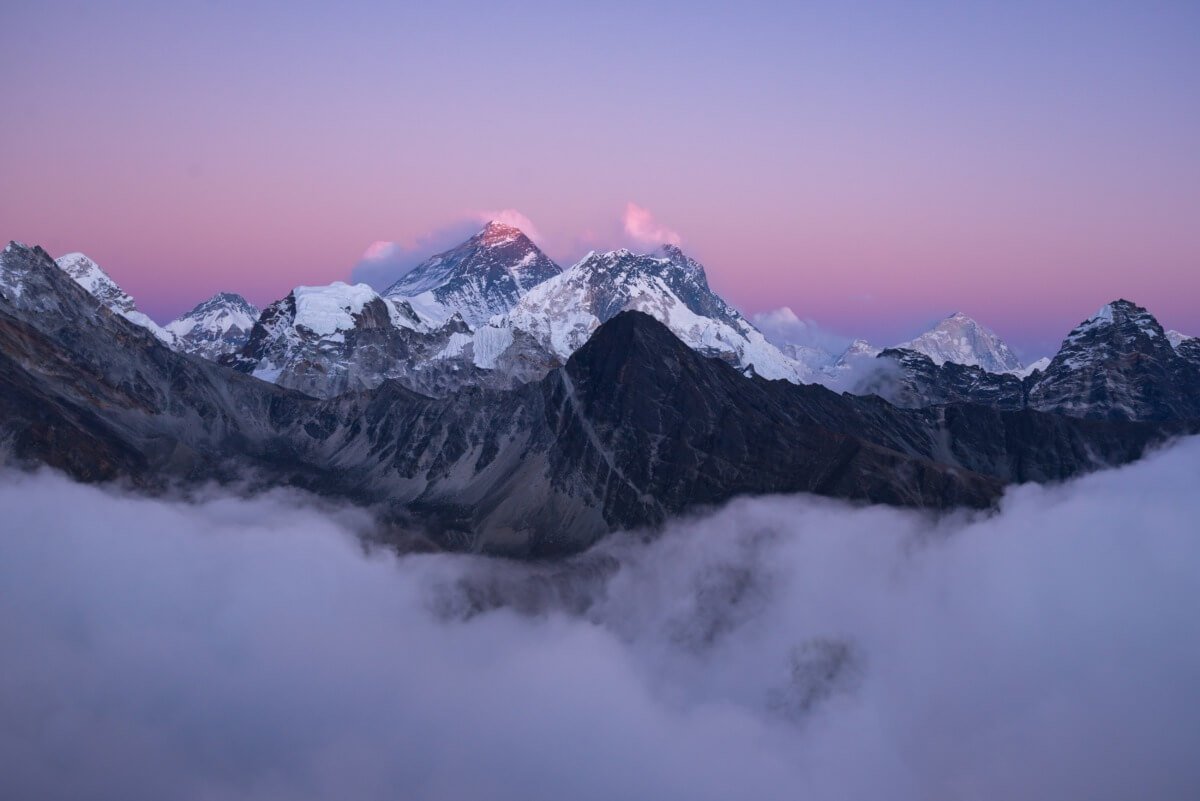
Trekking in the Himalayas requires extreme adaptability. In 2026, the Civil Aviation Authority of Nepal has implemented strict protocols for flights into Lukla’s Tenzing-Hillary Airport to manage severe airspace congestion during peak seasons.
The Manthali (Ramechhap) Diversion
If you are trekking during the peak Spring (March to May) or Autumn (Late September to November) seasons of 2026, your flight to Lukla will likely not depart from Kathmandu.
-
The Logistics: All fixed-wing flights are diverted to Manthali Airport in the Ramechhap district.
-
The Drive: To catch a morning flight, you must wake up at 1:30 AM in Kathmandu and take a 4-to-5-hour overland drive (approx. 132 kilometers) through winding, dark mountain roads to reach Manthali.
-
The Flight: The flight from Manthali to Lukla is incredibly short only 18 to 20 minutes.
-
Why This is Better: While the 1:30 AM wake-up call is exhausting, this diversion dramatically increases your chances of reaching the mountains on time. Lukla’s weather window usually closes by 10:00 AM due to heavy winds and thermal clouds. Because Manthali is so close to Lukla, planes can fly back-to-back rotations rapidly before the weather deteriorates, successfully transporting five times as many trekkers as they could from Kathmandu.
-
Buffer Days: The weather is still the ultimate boss. Even with the Manthali diversion, high winds or fog in Lukla can ground all flights for days. You must always schedule at least 2 “buffer days” at the end of your itinerary before your international flight home.
The Definitive 14-Day Everest Base Camp Itinerary

This is the exact, field-tested operational itinerary utilized by Mountain Treks Nepal. It is specifically engineered to balance strenuous physical exertion with the crucial physiological need for high-altitude acclimatization.
Day 1: Arrival in Kathmandu (1,350m / 4,428ft)
Your Everest journey begins the moment your flight touches down at Tribhuvan International Airport. A representative from Mountain Treks Nepal will greet you at the arrival gate and transfer you via a private vehicle to your boutique hotel in the bustling tourist district of Thamel.
After checking in, you will attend a comprehensive pre-trek briefing led by your lead Sherpa guide and expedition manager. We will review the 14-day itinerary, verify your travel insurance, double-check your cold-weather gear, and finalize your Sagarmatha National Park and local municipality permits.
If time permits, you can explore the chaotic, vibrant streets of Kathmandu, visit the ancient temples of Durbar Square, or purchase last-minute gear in Thamel. Ensure you pack your duffel bags tonight and get to sleep early, as the logistics for tomorrow begin before dawn. Overnight at a hotel in Kathmandu.
Day 2: Drive to Ramechhap & Flight to Lukla (2,800m), Trek to Phakding (2,610m)
Drive Time: 4 to 5 hours | Flight Time: 20 mins | Walking Time: 3 to 4 hours
Elevation Loss: -190m
You wake up at 1:30 AM and board a comfortable, private tourist vehicle for the dark, winding drive to Manthali Airport in Ramechhap. Arriving around 6:00 AM, you check your heavy duffel bags (strict 15kg limit per person) and board a small, 16-seat Twin Otter aircraft.
The 20-minute flight is an adrenaline-pumping experience, ending with a dramatic landing on the steep, angled, cliffside runway of Tenzing-Hillary Airport in Lukla. Stepping out of the plane, the crisp, thin mountain air hits your lungs instantly.
You meet your porters, load the gear, and begin the trek. The trail today is a relatively gentle, downhill warm-up along the roaring Dudh Koshi River. You pass through the Buddhist settlements of Chheplung and Ghat, spinning your first prayer wheels and dodging trains of heavily loaded yaks. After a short 3-hour hike, you arrive in the riverside village of Phakding. The afternoon is free to rest and ease into the altitude. Overnight in a teahouse in Phakding.
Day 3: Trek from Phakding to Namche Bazaar (3,440m / 11,286ft)
Walking Time: 6 to 7 hours
Elevation Gain: +830m
Today is one of the most physically demanding days of the entire trek. You leave Phakding and continue north up the Dudh Koshi valley. At the village of Monjo, you officially enter Sagarmatha National Park, where your permits are checked by the authorities.
The trail zigzags back and forth across the river, crossing five different suspension bridges. The final and highest of these is the towering, wind-whipped Hillary Suspension Bridge, draped in thousands of colorful prayer flags.
After crossing the bridge, you face a brutal, relentless two-hour climb up a steep, dusty zigzag path through pine forests. Halfway up this exhausting incline, through a gap in the trees, you will catch your very first glimpse of Mount Everest’s summit peeking over the Lhotse-Nuptse ridge. Pushing through the burning in your quadriceps, you finally crest the ridge and enter Namche Bazaar.
Built into a natural horseshoe-shaped amphitheater, Namche is the undisputed capital of the Khumbu region. It is a sprawling, vibrant town filled with bakeries, gear shops, Irish pubs, and stunning views of the Kongde Ri peak. Overnight in Namche Bazaar.
Day 4: Mandatory Acclimatization at Namche Bazaar (3,440m)
Walking Time: 3 to 4 hours (Acclimatization hike)
At 3,440 meters, the air is noticeably thinner. Today is a mandatory acclimatization day, adhering to the absolute mountaineering rule of “climb high, sleep low.”
After breakfast, your guide will lead you on a steep, challenging hike up the ridge above town toward the Everest View Hotel (3,880m). This hike forces your body to adapt to the lower oxygen levels while rewarding you with a phenomenal, panoramic view of Everest, Lhotse, Nuptse, and the iconic, jagged peak of Ama Dablam.
You will also visit the Sherpa Culture Museum and the twin villages of Khumjung and Khunde (home to the famous “Yeti skull” housed in the local monastery) before returning to Namche for lunch. Spend the rest of the afternoon relaxing in a bakery, hydrating heavily, and preparing for the higher altitudes ahead. Overnight in Namche Bazaar.
Day 5: Trek from Namche to Tengboche (3,860m / 12,664ft)
Walking Time: 5 to 6 hours
Elevation Gain: +420m
Leaving Namche, the trail is incredibly smooth, relatively flat, and highly scenic. It hugs the side of the valley high above the Dudh Koshi River. The views of Everest, Lhotse, and Ama Dablam are constant, majestic companions.
The trail eventually plunges sharply down to the riverbed at the small settlement of Phunke Tenga, where you stop for lunch and cross a suspension bridge. From the river, you face a strenuous, two-hour climb through dense, dusty rhododendron forests. The ascent is taxing, but the trees abruptly clear as you step onto the grassy, open plateau of Tengboche.
Tengboche is the spiritual heart of the Khumbu. It is home to the Tengboche Monastery, the largest Buddhist monastery in the region, sitting against a staggering backdrop of the Everest massif. In the late afternoon, trekkers are welcome to take off their shoes, sit quietly inside the monastery, and listen to the resident monks chant their evening prayers. Overnight in Tengboche.
Day 6: Trek from Tengboche to Dingboche (4,410m / 14,468ft)
Walking Time: 5 to 6 hours
Elevation Gain: +550m
The landscape changes dramatically today as you cross the tree line. Leaving Tengboche, you descend through a birch and conifer forest to the village of Debuche, cross a suspension bridge over the Imja Khola, and begin a steady climb toward Pangboche.
As you pass 4,000 meters, the lush forests vanish entirely. The landscape transforms into stark alpine tundra, low shrubs, and sweeping wind. The air becomes thin, dry, and freezing. The trail follows the Imja Valley eastward, slowly gaining elevation until you arrive in Dingboche.
Known as the “Summer Valley,” Dingboche is a sprawling settlement protected by kilometers of intricate stone walls built to shield the fragile barley crops from the freezing alpine winds. You are now in the high alpine desert. Overnight in Dingboche.
Day 7: Rest and Acclimatization in Dingboche (4,410m)
Walking Time: 4 to 5 hours (Acclimatization hike)
You have officially entered extreme altitude. A second acclimatization day is crucial here to prevent Acute Mountain Sickness (AMS).
In the morning, your guide will lead you on a steep, challenging hike up the ridge of Nangkartshang Peak to an elevation of around 5,083 meters. Breathing will be heavily labored, and your pace will slow to a crawl, but the panoramic views are unmatched. You look directly across the valley at the sheer, vertical face of Ama Dablam, and you can see Makalu (the world’s fifth-highest peak) in the distance.
After spending an hour at 5,000 meters to trigger intense red blood cell production, you descend back to Dingboche. Spend the afternoon resting in the sunroom of your teahouse, drinking massive amounts of tea and water to rehydrate. Overnight in Dingboche.
Day 8: Trek from Dingboche to Lobuche (4,940m / 16,207ft)
Walking Time: 5 to 6 hours
Elevation Gain: +530m
The trail climbs gently out of Dingboche, leading you to the vast, windswept, barren plateau of Thukla (Dughla). Here, you stop for tea and mental preparation before facing the most emotionally and physically taxing section of the trek: the Thokla Pass.
The climb up the terminal moraine of the Khumbu Glacier takes about an hour of steep, grueling, breathless stepping. At the crest of the pass (4,830m), you enter the Chukwu Lya memorial. The ridge is dotted with dozens of stone chortens and shrines built in memory of the climbers and Sherpas who have lost their lives on Everest (including legends like Scott Fischer and Rob Hall). It is a somber, powerful, and humbling place.
From the memorial, the trail flattens out, following the glacier’s lateral moraine to the freezing, barren outpost of Lobuche. Located directly under the old moraines of the glacier, Lobuche is extremely cold and isolated. Overnight in a basic teahouse in Lobuche.
Day 9: Trek to Gorak Shep (5,140m) & Everest Base Camp (5,364m / 17,598ft)
Walking Time: 7 to 9 hours
Elevation Gain: +424m
The Climax Day. You start early in the freezing cold, navigating the rocky, undulating, and often icy path alongside the Khumbu Glacier. The terrain is a massive, gray sea of rock and ice that constantly shifts underfoot. After 3 hours of exhausting hiking, you reach Gorak Shep, a small cluster of lodges sitting on a frozen, sandy lakebed. It is the final human settlement before the mountain.
After a quick lunch and dropping your heavy gear in your unheated room, you push forward. The 2-to-3-hour trek from Gorak Shep to Everest Base Camp requires careful navigation over massive boulders and glacial debris.
Finally, you see the prayer flags. You have reached Everest Base Camp (5,364m).
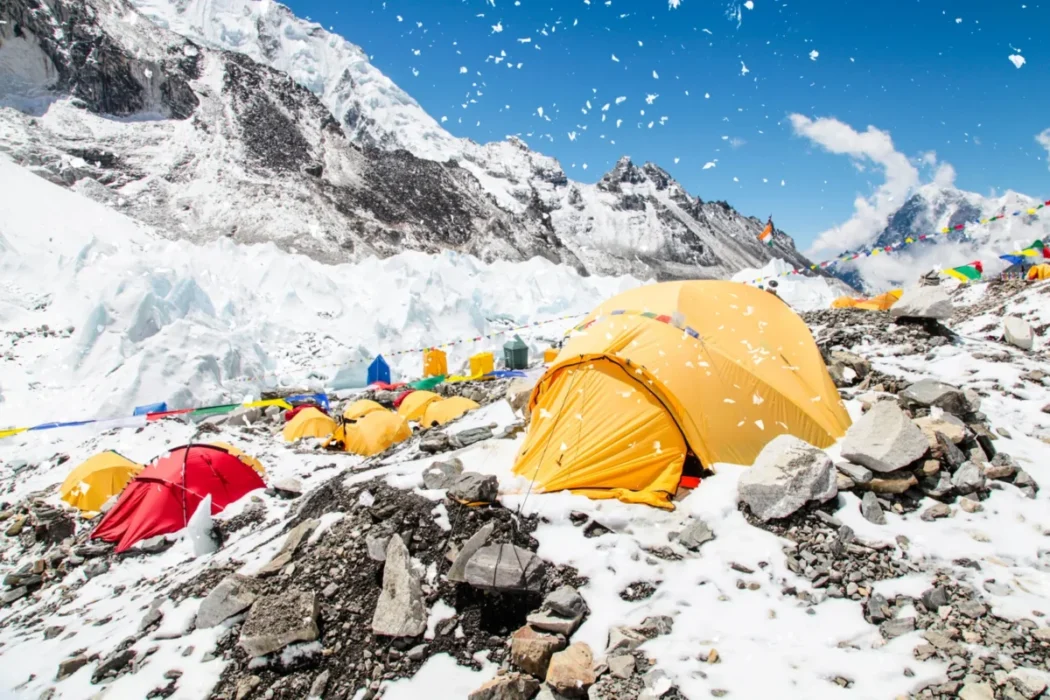
During the spring climbing season (April-May), EBC is a sprawling, chaotic city of bright yellow expedition tents pitched directly on the moving ice. You stand directly beneath the terrifying, towering blue ice seracs of the Khumbu Icefall. After celebrating, taking photos, and letting the immense achievement sink in, you trek back to Gorak Shep for an exhausting, triumphant, but often restless night in the thin air. Overnight in Gorak Shep.
Day 10: Gorak Shep to Kala Patthar (5,545m / 18,192ft) and Trek to Pheriche (4,371m)
Walking Time: 7 to 8 hours
Elevation Profile: +405m Ascent / -1,174m Descent
Because the actual summit of Everest is hidden behind the Nuptse ridge from Base Camp, you must climb the peak of Kala Patthar to see it.
You wake up at 4:00 AM. Temperatures are routinely well below -15°C (5°F) with a bitter wind chill. You strap on your headlamp, pull on your heavy down jacket, and begin the steep, grueling two-hour ascent in the pitch dark.
As you reach the rocky summit of Kala Patthar (5,545m) the highest point of the entire trek the sun breaches the horizon. The first light strikes the black, triangular summit of Mount Everest, turning it brilliant gold. It is a 360-degree panorama of the Mahalangur Range that defies description and makes every moment of suffering worthwhile.
After descending back to Gorak Shep for a hot breakfast, you pack up your duffel bags and begin the long descent. You retrace your steps past Lobuche and the Thokla Pass, eventually dropping into the lower valley to arrive at the settlement of Pheriche. The air here feels incredibly thick and rich with oxygen, and you will sleep more soundly than you have in days. Overnight in Pheriche.
Day 11: Trek from Pheriche to Namche Bazaar (3,440m)
Walking Time: 6 to 7 hours
Elevation Loss: -931m
The return journey is significantly faster. You are walking downhill, and your body is now fully acclimatized and functioning like a high-altitude machine. You descend through Pangboche, dropping back below the tree line. The sight of green pine trees and the smell of blooming rhododendrons is a massive psychological relief after days in the barren alpine desert.
You face one last steep climb up to Tengboche before dropping down to the river, crossing the suspension bridge, and cruising along the flat ridge back into the vibrant, bustling streets of Namche Bazaar. Tonight is a night to celebrate. Enjoy your first hot shower in over a week, order a yak steak, and share a celebratory drink in the highest Irish pub in the world. Overnight in Namche Bazaar.
Day 12: Trek from Namche Bazaar to Lukla (2,860m)
Walking Time: 6 to 7 hours
Elevation Loss: -580m
The final day of walking. You plunge back down the massive, dusty hill from Namche, crossing the towering Hillary Suspension Bridge one last time. You follow the Dudh Koshi River out of Sagarmatha National Park, passing through Phakding and the familiar Sherpa villages you encountered on Day 2.
The final, unexpected short climb back up into Lukla marks the official end of your trek. You check into your teahouse right next to the airstrip. Spend the evening celebrating with your Sherpa guides and porters. This is the traditional time to exchange stories, hand out gratuities to the support staff, and reflect on the monumental physical and mental journey you just completed. Overnight in Lukla.
Day 13: Flight Back to Ramechhap / Drive to Kathmandu
Depending on the notoriously fickle mountain weather, you board an early morning Twin Otter flight from Lukla. Watching the Himalayas shrink into the distance from the airplane window as you fly back to Manthali Airport in Ramechhap is a bittersweet moment.
Upon landing in Manthali, you board a private vehicle for the 4-to-5-hour drive back to the Kathmandu Valley. Arriving back in the chaos of the city feels surreal after two weeks in the pure mountain silence. You transfer to your hotel in Thamel. The afternoon is entirely yours to enjoy the luxury of a soft bed. In the evening, Mountain Treks Nepal hosts a grand farewell dinner at a traditional Nepali restaurant to celebrate your successful expedition. Overnight in Kathmandu.
Day 14: Final Departure
Your Himalayan journey comes to a close. Depending on your flight schedule, you may have time for some last-minute souvenir shopping in Thamel. A representative from Mountain Treks Nepal will transfer you to Tribhuvan International Airport three hours before your international flight. You bid farewell to Nepal, carrying home an indelible sense of achievement, a deep respect for the mountains, and a camera full of unforgettable memories.
Conquering the Altitude: Safety at 5,364m
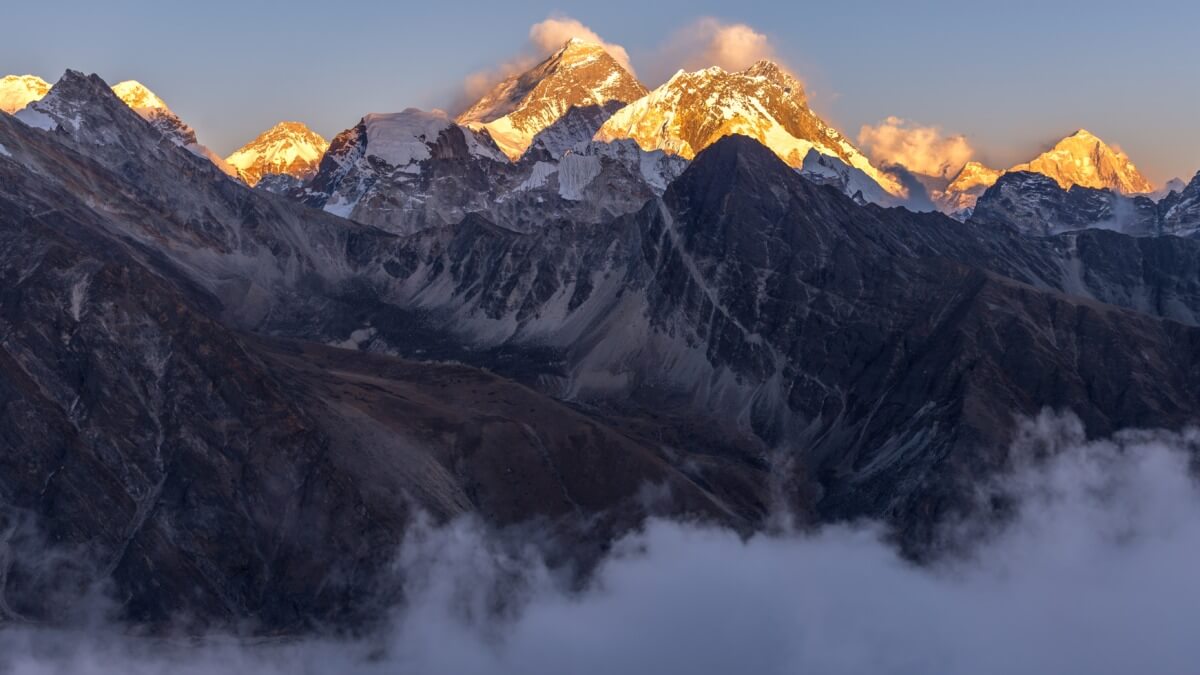
The Everest Base Camp Trek is defined by its extreme altitude. While the trails are non-technical, the lack of oxygen makes this one of the most physically demanding commercial hikes on earth.
Acute Mountain Sickness (AMS)
At Base Camp, the effective oxygen level in the air is roughly 50% of what it is at sea level. Your body must work incredibly hard to oxygenate your blood. If you ascend too quickly, you risk developing Acute Mountain Sickness (AMS). Symptoms include severe headaches, nausea, dizziness, loss of appetite, and extreme fatigue. If ignored, AMS can progress into fatal High Altitude Cerebral Edema (HACE) or Pulmonary Edema (HAPE).
Mountain Treks Nepal Safety Protocols
We do not take chances with altitude safety. Our protocols are rigorous and non-negotiable.
-
Pacing (Bistari, Bistari): The secret to the Himalayas is moving “Slowly, Slowly.” A rhythmic, deliberate pace prevents rapid glycogen depletion and helps stave off AMS.
-
Oximeter Monitoring: Our guides carry digital pulse oximeters. Every morning and evening, we measure your blood oxygen saturation (SpO2) and resting heart rate to detect altitude stress before severe symptoms manifest.
-
Hydration: The mountain air is bone-dry. Dehydration thickens your blood, making acclimatization impossible. You must drink 4 to 5 liters of purified water every day.
-
Helicopter Evacuation: In the event of a severe medical emergency (such as HAPE/HACE), Mountain Treks Nepal is equipped with satellite communication to coordinate a rapid helicopter evacuation directly from Gorak Shep, Lobuche, or Dingboche to a hospital in Kathmandu. Comprehensive travel insurance covering high-altitude evacuation up to 6,000 meters is absolutely mandatory.
Mandatory Permits, Costs, and Regulations
Trekking in the Khumbu region requires two specific permits, both of which are strictly enforced by local authorities and fully arranged by Mountain Treks Nepal as part of your package.
Required Permits for 2026
There is no single online portal for these permits; they are collected in different locations and require physical payment in Nepalese Rupees.
-
Sagarmatha National Park Entry Permit: The official 2026 fee is NPR 3,000 (approx. $20 USD) for foreign nationals and NPR 1,500 for SAARC nationals. This permit funds environmental protection and trail maintenance, and is typically acquired in Kathmandu before the trek or at the Monjo checkpoint.
-
Khumbu Pasang Lhamu Rural Municipality Permit (Trek-Card): This local tax replaces the old TIMS card for the Everest region. The 2026 fee is NPR 2,000 (approx. $13 USD) for foreign and SAARC nationals. It is collected physically on the trail at Lukla or Monjo.
The total permit cost for a standard foreign trekker in 2026 is NPR 5,000 (approx. $33 USD). (Note: Some sources bundle this into a total of NPR 6,000 depending on exact administrative routing, but your trekking agency handles all exact payments on your behalf).
The Guide Regulation
While the Everest region has historically been open to solo, independent trekkers, local regulations and safety standards heavily favor (and occasionally mandate depending on exact local municipal rulings) the use of a registered guide. A licensed guide ensures your safety by monitoring your blood oxygen levels, securing lodge rooms during peak seasons, and coordinating immediate helicopter rescues.
Teahouse Culture: Food, Lodging, and Wi-Fi
The EBC trek features the most highly developed teahouse infrastructure in the Himalayas, balancing rustic mountain living with surprising modern comforts.
Accommodation (The Teahouses)
In lower villages like Phakding and Namche Bazaar, teahouses are large and surprisingly luxurious. You will find comfortable beds, en-suite bathrooms, and hot gas-powered showers.
As you ascend to Dingboche, Lobuche, and Gorak Shep, the lodges become highly utilitarian. Rooms are constructed of plywood, are entirely unheated, and temperatures inside the bedroom regularly drop below freezing at night. The only heated space is the communal dining room, warmed by a central stove burning dried yak-dung or kerosene. You must bring a -20°C sleeping bag.
Food and Nutrition
The teahouses offer an extensive menu designed to provide the massive caloric intake required for 8 hours of daily hiking.
-
Dal Bhat: The staple of the Himalayas steamed rice, lentil soup, vegetable curry, and pickles. It is highly nutritious, filling, and comes with unlimited free refills. “Dal Bhat Power, 24 Hour!”
-
Western Food: You will find pizza, pasta, pancakes, oatmeal, and the famous garlic soup (which Sherpas swear aids acclimatization).
-
The Meat Warning: Do not eat meat above Namche Bazaar. All meat is carried up the mountain by porters for days without refrigeration. Consuming it at high altitudes is a massive risk for gastrointestinal illness. Stick to a vegetarian diet of dal bhat, eggs, and pasta.
Connectivity and Charging
You are rarely off the grid on the EBC trek.
-
Wi-Fi: Everest Link offers prepaid Wi-Fi cards available for purchase at almost every teahouse (usually $5 to $10 for a data package). It works reasonably well up to Gorak Shep, though weather can disrupt the signal.
-
Charging: Charging your devices costs money. Teahouses charge $3 to $5 to charge a phone or battery pack via their solar panels. Bring a high-capacity (20,000mAh) power bank and sleep with it inside your sleeping bag to prevent the freezing temperatures from draining the battery.
Physical Training: How to Prepare

You cannot walk off the couch and conquer Everest Base Camp. You will be walking for 5 to 8 hours a day for 12 days straight, covering roughly 130 kilometers over steep, rocky terrain at extreme altitudes. You must begin training at least 12 weeks before departure.
-
Cardiovascular Endurance: Build a massive aerobic base. Run, cycle, or swim 3 to 4 times a week for 45-60 minutes, keeping your heart rate in a comfortable conversational zone. This trains your body to process limited oxygen efficiently.
-
Stair Climbing with Weight: The most specific training you can do is climbing stairs or steep hills with a weighted backpack. Load a pack with 7-10 kg (15-20 lbs) and climb for 1-2 hours twice a week. This builds the exact muscular endurance in your calves and quads needed for the climb to Namche and the Thokla Pass.
-
Mental Resilience: The trek is a mental marathon. Prepare yourself for the discomfort of cold nights, basic food, and sheer physical exhaustion.
The Ultimate Gear and Packing List

Packing for EBC requires extreme versatility. You must prepare for 20°C (68°F) in Lukla and -20°C (-4°F) at Kala Patthar, all while adhering to a strict 15 kg (33 lbs) weight limit for the Lukla flight (this includes your duffel bag and your daypack).
The Layering System (No Cotton!)
-
Base Layers: 3 moisture-wicking synthetic or Merino wool t-shirts, plus a heavy thermal base layer (top and bottom) strictly for sleeping. Cotton absorbs sweat and freezes, causing hypothermia.
-
Mid-Layers: A lightweight grid fleece and a heavier synthetic insulated jacket.
-
Outer Shell: A heavy-duty Gore-Tex windproof and waterproof jacket and pants. Windchill is your biggest enemy above 4,000m.
-
Insulation: An expedition-grade heavy down jacket (700+ fill power) is absolutely mandatory for the freezing evenings at Gorak Shep and the pre-dawn Kala Patthar climb. (Mountain Treks Nepal provides high-quality loaner down jackets upon request).
Hardware and Sleeping
-
Sleeping Bag: Even though teahouses provide blankets, a genuine four-season down sleeping bag rated to -15°C to -20°C is highly recommended for hygiene and guaranteed survival warmth. (Mountain Treks Nepal provides loaner sleeping bags).
-
Footwear: Sturdy, fully broken-in, high-ankle waterproof trekking boots. Bring lightweight sandals or Crocs for wearing around the teahouses to let your feet breathe.
-
Trekking Poles: Absolutely mandatory for protecting your knees on the jarring, steep descents from Kala Patthar and Namche.
-
Accessories: A 300+ lumen headlamp, category 4 UV wrap-around sunglasses (snow blindness is a real threat), warm insulated mittens, and a Buff or neck gaiter.
-
The Khumbu Cough: The freezing, dry, dusty air above 4,000m causes a persistent, hacking cough. Wearing a Buff over your nose and mouth humidifies the air before it hits your lungs, significantly reducing this irritation.
Best Time to Trek EBC
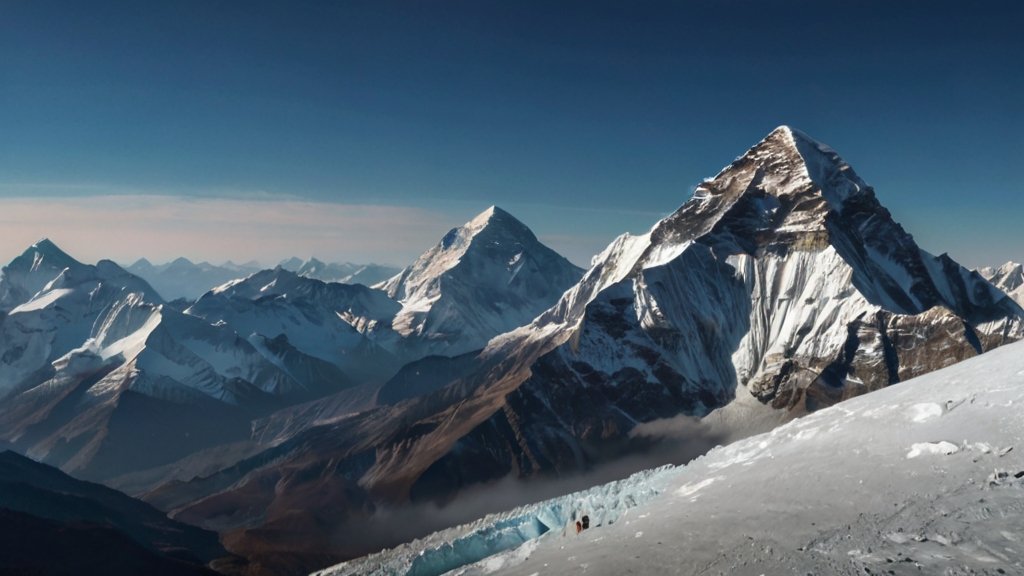
Because you are relying on visual flight rules (VFR) to land in Lukla, and trekking above 5,000 meters, choosing a season with stable weather is critical.
-
Autumn (Late September to November): The gold standard for Himalayan trekking. The summer monsoon washes the dust out of the atmosphere, leaving the skies razor-sharp and deep blue. The views of the Everest massif are impeccable. November is significantly colder, but offers the best visual clarity and lower chances of flight cancellations.
-
Spring (March to May): The second-best window. The lower valleys are bursting with rhododendron blooms, and Everest Base Camp is an active, vibrant tent city full of summit climbers. Spring afternoons often bring thermal cloud buildup and haze, but mornings are beautifully clear.
-
Winter (Dec–Feb): Strongly discouraged for beginners. Extreme cold (-30°C) and heavy snowfall routinely bury the trail above Tengboche, and many teahouses close for the season.
-
Monsoon (June–Aug): Not recommended. Zero visibility, constant torrential rain, trail washouts, leeches in the lower valley, and chronic Lukla flight cancellations.
Frequently Asked Questions (FAQs)
How difficult is the Everest Base Camp Trek?
The EBC Trek is graded as “Moderate to Challenging.” It does not require technical climbing skills, ropes, or crampons, but it demands excellent cardiovascular endurance. You will walk 5 to 8 hours a day for 12 days over steep, uneven terrain at extreme altitudes.
Is the water safe to drink?
No, never drink untreated tap or stream water. Bottled plastic water is banned in the Khumbu region to protect the environment. You must carry reusable water bottles (like Nalgenes) and purify the tap water provided at teahouses using chlorine dioxide tablets, a SteriPen, or by purchasing boiled water from the lodges.
How much weight will the porter carry?
For ethical and safety reasons, Mountain Treks Nepal enforces a strict weight limit. One porter is assigned to every two trekkers, carrying a combined maximum weight of 20 to 25 kg (about 10 to 12.5 kg per trekker). You will only carry a small 20-30L daypack with your water, camera, rain jacket, and valuables.
What happens if my flight to Lukla is canceled?
If weather grounds the flights out of Manthali/Ramechhap, you will wait at the airport or a nearby hotel until the weather clears. This is why building 1 to 2 buffer days into your international travel schedule is absolutely critical. In severe cases, helicopters can often fly when fixed-wing planes cannot, and you can opt to pay a premium (usually $400-$600) to share a helicopter to Lukla.
Your Next Great Himalayan Adventure
Trekking to Everest Base Camp is a life-defining achievement. It pushes your physical and mental limits, rewards you with unparalleled natural beauty, and leaves you with a profound sense of accomplishment. Walking in the shadows of the highest peaks on earth changes you forever.
However, navigating the complex logistics of the Khumbu from the 1:30 AM Ramechhap flight diversions to altitude safety protocols at 5,364 meters requires a partner you can trust with your life. Mountain Treks Nepal guarantees your safety, comfort, and success. We provide elite, government-licensed Sherpa guides, handle all complex permit acquisitions, and supply the heavy-duty survival gear you need to thrive.
Don’t leave your dream trek to chance. Contact the team at Mountain Treks Nepal today to customize your expedition, secure your dates for the upcoming trekking season, and start preparing to stand at the roof of the world.