


Share This:

Bhutan Tour From Nepal: Complete Travel Guide from Kathmandu
A Bhutan Tour From Nepal is one of the easiest ways to explore the Himalayan kingdom of Bhutan, especially for travelers already arriving in Kathmandu. A Bhutan Tour From Kathmandu usually includes a short flight to Paro, guided sightseeing in Thimphu and Punakha, and a visit to the famous Tiger’s Nest Monastery. The Cost of Bhutan Tour depends mainly on the number of nights, hotel category, flights, guide, transport, visa fee, and Bhutan’s Sustainable Development Fee, currently USD 100 per adult per night, with a USD 40 visa application fee for most international travelers.
Why Choose a Bhutan Tour From Nepal?
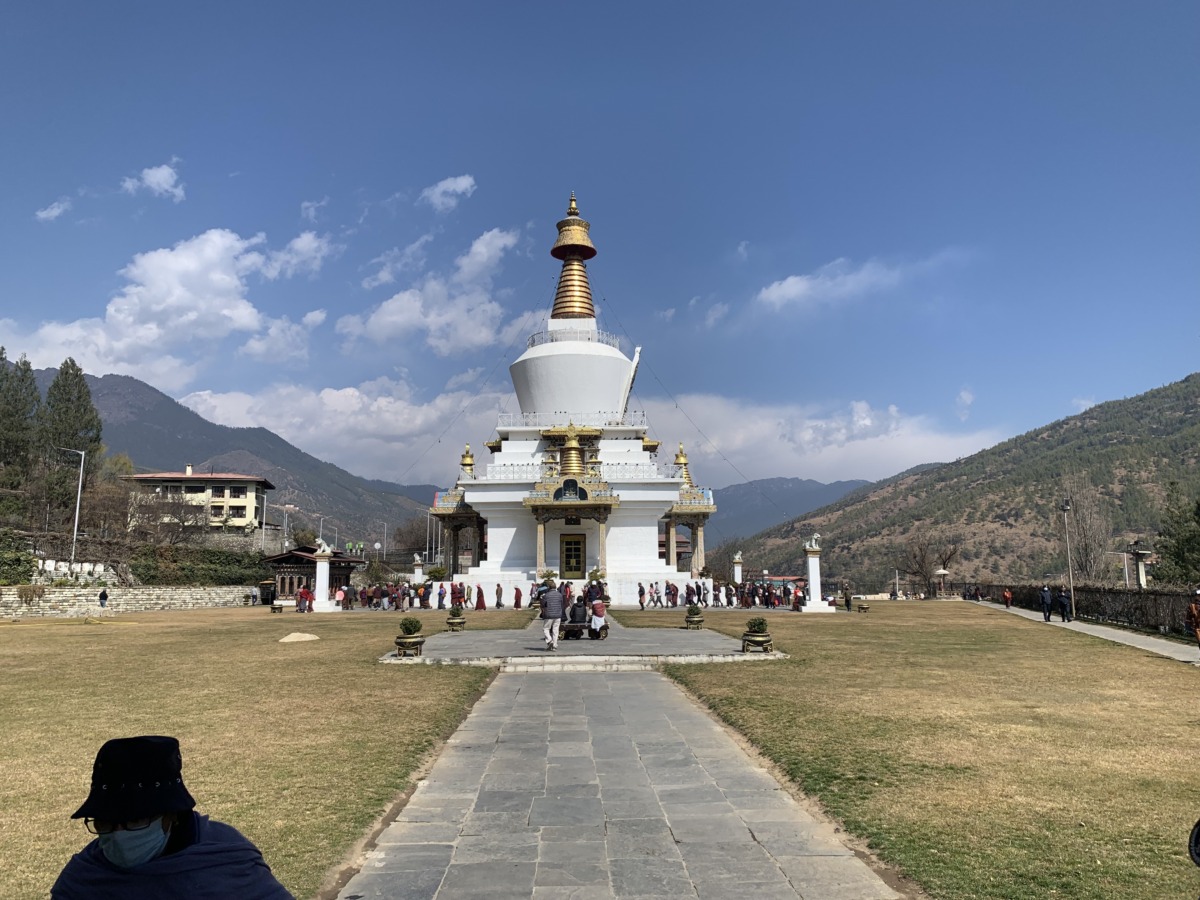
Nepal and Bhutan combine naturally because both countries sit in the Himalayas, yet they offer very different travel experiences. Nepal is known for trekking, high mountain trails, living temples, and adventure travel, while Bhutan is known for peaceful monasteries, preserved traditions, dzongs, forested valleys, and a carefully managed tourism system.
For many visitors, Kathmandu is a convenient starting point because direct flights connect Kathmandu with Paro, Bhutan’s only international airport. The flight itself is scenic on clear days, with views of the Himalayan range. A Bhutan trip from Nepal is ideal after completing an Everest Base Camp Trek, Annapurna Trek, Langtang Trek, Manaslu Trek, or a cultural tour in Nepal.
Bhutan Tour From Kathmandu: How Does It Work?
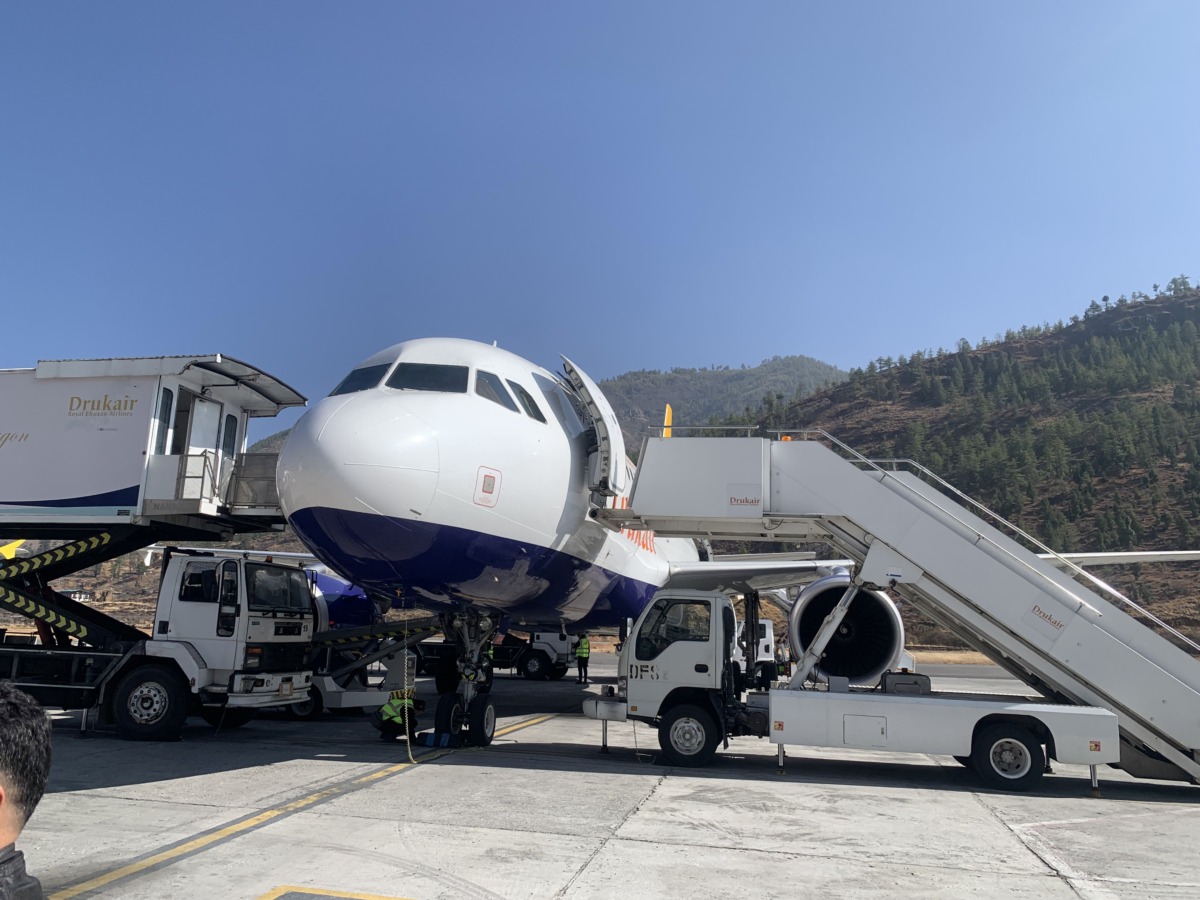
A Bhutan Tour From Kathmandu normally begins with an international flight from Tribhuvan International Airport to Paro. After arrival, travelers are received by a licensed Bhutanese guide and transferred to Thimphu or Paro depending on the itinerary.
Most Bhutan tours are guided because Bhutan follows a structured tourism model. Visitors can apply for a visa online or through a tour operator, and hotels or operators can process the visa on behalf of travelers. The official Bhutan tourism visa page states that the SDF and visa fee are part of the visa application process.
A standard tour usually covers Paro, Thimphu, Punakha, Dochula Pass, and Tiger’s Nest Monastery. Longer tours may include Gangtey, Phobjikha Valley, Bumthang, Haa Valley, or eastern Bhutan.
Cost of Bhutan Tour From Nepal
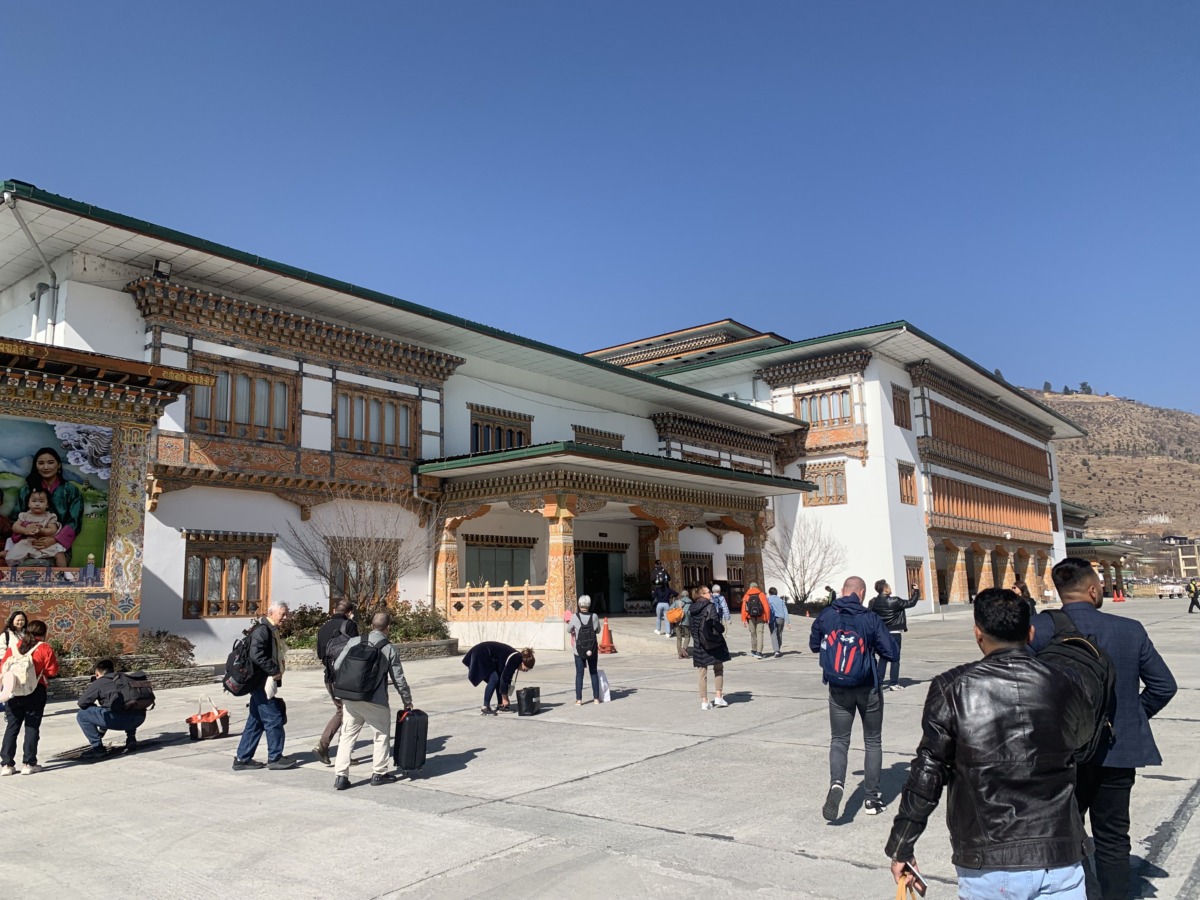
The Cost of Bhutan Tour from Nepal varies by season, group size, hotel standard, number of travel days, airfare, and personal preferences. The most important fixed government cost is the Sustainable Development Fee. Bhutan’s current SDF is USD 100 per adult per night for most international visitors, while children aged 6 to 12 receive a 50% discount and children aged 5 and under are exempt. Indian visitors pay a different SDF rate of INR 1,200 per person per night.
| Cost Component | Estimated Amount |
|---|---|
| Bhutan SDF | USD 100 per adult per night |
| Bhutan visa fee | USD 40 per person |
| Kathmandu–Paro–Kathmandu flight | Varies by season and availability |
| 3-star hotel package | Moderate |
| 4-star or luxury hotel package | Higher |
| Guide, transport, sightseeing | Usually included in package |
| Meals | Often included, depending on package |
| Monument fees | May be included or separate |
A 4-day Bhutan tour from Kathmandu usually costs less than a 6-day or 8-day journey because the SDF is charged per night. However, a longer itinerary gives a better cultural experience and reduces the feeling of rushing between valleys.
Suggested Bhutan Tour Itinerary From Nepal

4 Days Bhutan Tour From Kathmandu
A 4-day itinerary is suitable for travelers with limited time. It usually includes Paro, Thimphu, and the Tiger’s Nest hike. Day one begins with the Kathmandu to Paro flight and transfer to Thimphu. Day two covers Thimphu sightseeing, including memorial chortens, monasteries, traditional arts, and viewpoints. Day three is focused on Paro and the hike to Taktsang Monastery, also known as Tiger’s Nest. Day four is departure from Paro to Kathmandu.
5 Days Bhutan Tour From Nepal
A 5-day itinerary is more comfortable because it allows time for Punakha. Travelers can cross Dochula Pass, visit Punakha Dzong, walk through rural valleys, and enjoy a more balanced cultural journey. This option is popular because it includes Bhutan’s most important western highlights without making the trip too long.
6 to 8 Days Bhutan Cultural Tour
A longer Bhutan Tour allows travelers to add Gangtey or Phobjikha Valley, one of Bhutan’s most beautiful glacial valleys. This itinerary is better for photographers, culture lovers, families, and travelers who prefer slower travel. Longer tours can also include Haa Valley, Bumthang, or special festival dates.
Best Time for Bhutan Tour From Nepal
The best time for a Bhutan Tour from Nepal is spring and autumn. Spring, from March to May, brings pleasant weather, blooming rhododendrons, and clear valley views. Autumn, from September to November, is known for stable weather, blue skies, and major festivals. Winter, from December to February, is colder but peaceful and often clear. Summer, from June to August, is greener but wetter due to monsoon conditions.
Travelers combining Nepal trekking and Bhutan touring often choose March, April, October, or November because both countries are at their seasonal best.
Visa Requirements for Bhutan Tour
Most international travelers need a Bhutan visa before arrival. The visa can be applied for online or arranged through a licensed operator or hotel. The official tourism information says that travelers must pay the SDF as part of the visa process and that a non-refundable USD 40 visa application fee applies.
Indian nationals do not require a standard tourist visa for Bhutan, but they need an entry permit and must carry accepted travel documents. The Consulate General of India in Phuentsholing notes that Indian nationals visiting Bhutan are issued an entry permit instead of a visa.
What to See During a Bhutan Tour
Tiger’s Nest Monastery
Tiger’s Nest Monastery is Bhutan’s most iconic landmark. Built on a cliff above Paro Valley, it requires a moderate uphill hike. The trail is not technical, but travelers should walk slowly and wear comfortable shoes. The monastery is deeply important in Bhutanese Buddhism and is often the emotional highlight of the trip.
Thimphu
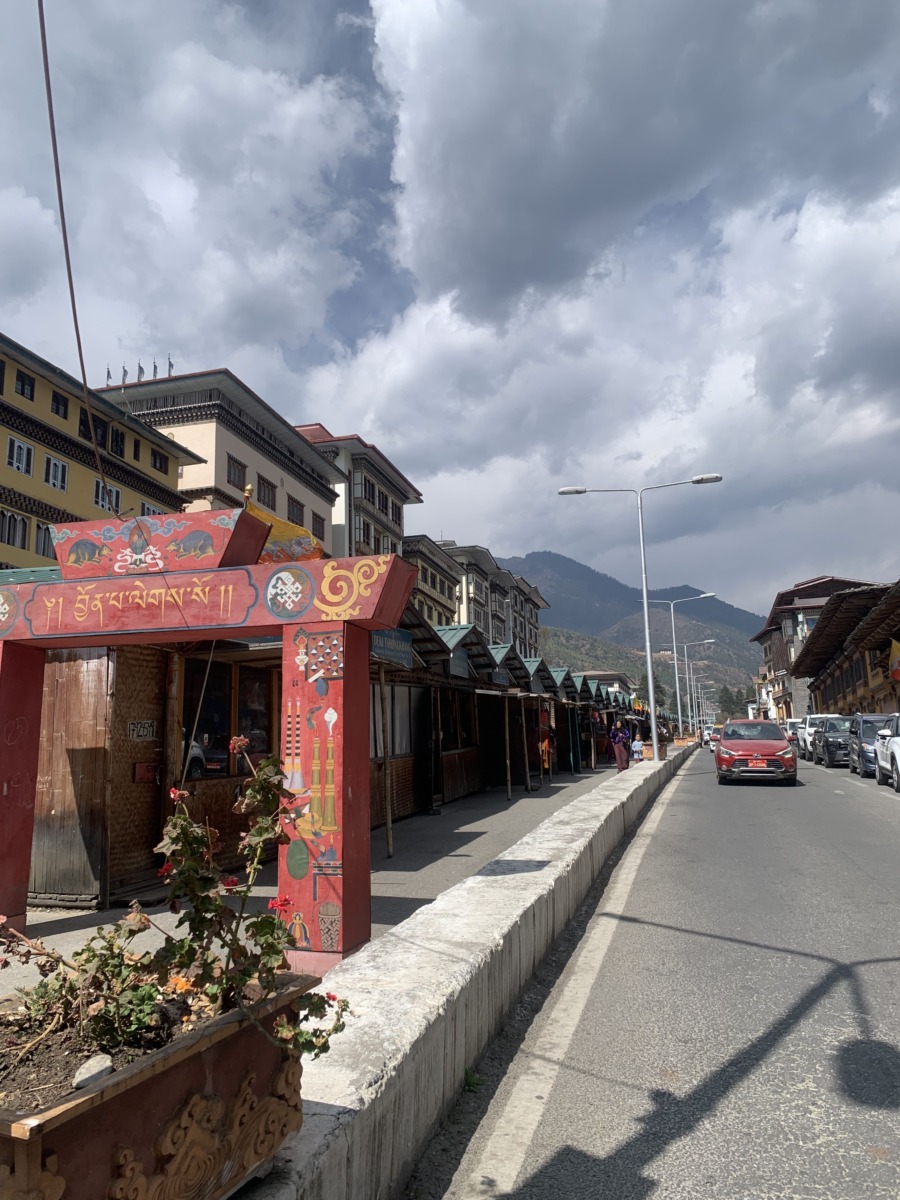
Thimphu is Bhutan’s capital and cultural center. It offers a mix of traditional architecture, government buildings, monasteries, museums, weekend markets, and viewpoints. Unlike many capitals, Thimphu feels calm and organized.
Punakha Dzong
Punakha Dzong is one of Bhutan’s most beautiful fortress-monasteries. Located between two rivers, it is historically important and visually impressive. Punakha is warmer than Thimphu and Paro, making it pleasant in winter and spring.
Dochula Pass
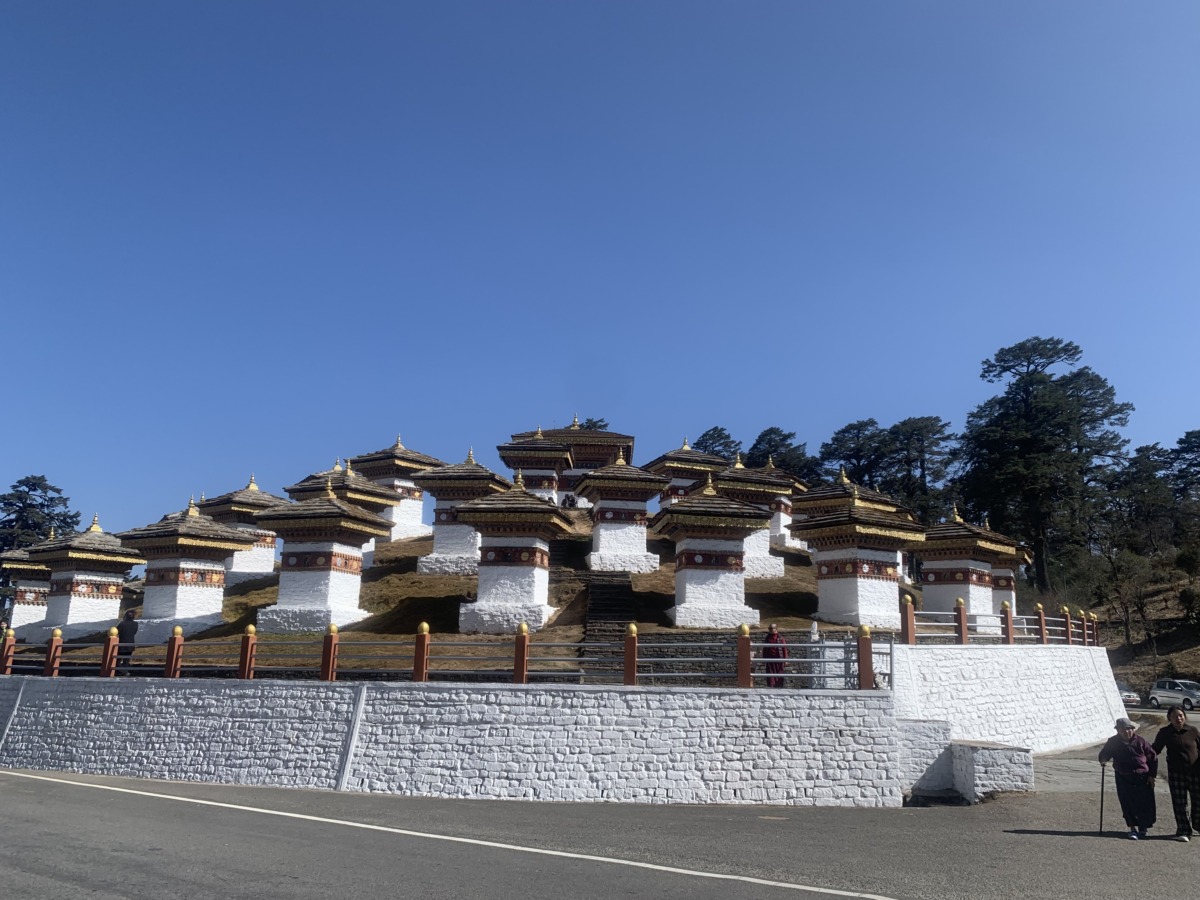
Dochula Pass lies between Thimphu and Punakha. On clear days, travelers can see snow-covered Himalayan peaks. The 108 chortens at the pass make it a meaningful cultural and photographic stop.
Bhutan Tour vs Nepal Tour
| Feature | Nepal | Bhutan |
|---|---|---|
| Main appeal | Trekking, temples, adventure | Culture, monasteries, peaceful valleys |
| Travel style | Flexible, independent or guided | Mostly guided and structured |
| Cost level | Wide range, budget to luxury | Higher due to SDF and regulated tourism |
| Best for | Trekkers, adventure travelers | Culture lovers, slow travelers |
| Common route | Kathmandu, Pokhara, Everest, Annapurna | Paro, Thimphu, Punakha, Tiger’s Nest |
A Bhutan Tour From Nepal works well because travelers experience two Himalayan countries in one journey without needing long overland transfers.
Practical Travel Tips
Travelers should book flights and permits early, especially in March, April, October, and November. Bhutan has limited flight seats, and Paro flight schedules can be affected by weather. It is wise to keep at least one flexible day in Kathmandu before international departure.
Modest clothing is recommended when visiting dzongs, monasteries, and temples. Shoulders and knees should be covered in religious places. Photography may be restricted inside certain temples, so always follow the guide’s instructions.
FAQs About Bhutan Tour From Nepal

1. How do I travel to Bhutan from Nepal?
The easiest way to travel to Bhutan from Nepal is by taking a direct flight from Kathmandu to Paro. The flight is short and scenic, and once you arrive in Paro, your Bhutanese guide usually receives you at the airport. Overland travel is possible through India, but it takes longer and requires additional planning, so most travelers prefer the Kathmandu to Paro flight.
2. How much does a Bhutan Tour From Nepal cost?
The cost depends on the number of nights, hotel category, airfare, meals, transport, guide, visa fee, and Bhutan’s Sustainable Development Fee. The SDF is currently USD 100 per adult per night for most international visitors, and the Bhutan visa fee is USD 40 per person. Flight prices vary by season and availability.
3. Is there a direct flight from Kathmandu to Bhutan?
Yes, Kathmandu and Paro are connected by direct flights on selected schedules. Flight frequency may vary depending on season and airline operation. Because Bhutan flights can fill quickly during peak months, advance booking is strongly recommended.
4. How many days are enough for a Bhutan Tour From Kathmandu?
Four to six days are enough for a first Bhutan Tour From Kathmandu. A 4-day tour can cover Paro, Thimphu, and Tiger’s Nest, while a 5- or 6-day tour can include Punakha and Dochula Pass. Travelers who prefer a deeper cultural experience can choose 7 to 10 days.
5. Do I need a visa for Bhutan from Nepal?
Most international travelers need a Bhutan visa before arrival. The visa can be arranged online or through a tour operator. Indian nationals do not need a standard tourist visa but require an entry permit with valid documents.
6. What is the Sustainable Development Fee in Bhutan?
The Sustainable Development Fee is a daily tourism fee charged by Bhutan’s government. It supports Bhutan’s tourism policy and national development priorities. The current rate for most international adults is USD 100 per night, with discounts for children aged 6 to 12 and exemption for children aged 5 and under.
7. Is Bhutan expensive to visit from Nepal?
Bhutan is generally more expensive than Nepal because of the SDF, guided travel structure, and limited flight availability. However, the cost includes a highly organized travel experience, cultural guidance, private transport, and access to a carefully preserved destination.
8. What is the best time for a Bhutan Tour From Nepal?
Spring and autumn are the best seasons. March to May offers flowers and pleasant weather, while September to November offers clear skies and major festivals. Winter is also good for fewer crowds, although mornings and evenings can be cold.
9. Can I combine Nepal trekking with a Bhutan Tour?
Yes, combining a Nepal trek with a Bhutan tour is very popular. Many travelers complete Everest Base Camp, Annapurna Base Camp, Mardi Himal, Langtang Valley, or Manaslu Circuit before flying from Kathmandu to Paro for a cultural Bhutan journey.
10. What places are included in a classic Bhutan Tour?
A classic Bhutan Tour usually includes Paro, Thimphu, Punakha, Dochula Pass, Punakha Dzong, and Tiger’s Nest Monastery. Longer itineraries may include Gangtey, Phobjikha Valley, Haa Valley, or Bumthang.
11. Is Tiger’s Nest hike difficult?
Tiger’s Nest hike is moderate. The trail climbs uphill and usually takes several hours for a round trip, depending on pace and rest stops. It does not require technical climbing, but comfortable shoes, water, and slow walking are important.
12. Can elderly travelers visit Bhutan?
Yes, elderly travelers can visit Bhutan with a comfortable itinerary. The tour can be planned with shorter drives, relaxed sightseeing, and optional hikes. Tiger’s Nest can be attempted partially or skipped depending on fitness.
13. Are guides compulsory in Bhutan?
Bhutan travel is generally guided for tourists, especially for cultural sightseeing and movement between major destinations. A licensed guide helps with permits, cultural interpretation, temple etiquette, and smooth travel logistics.
14. What currency is used in Bhutan?
Bhutan uses the Ngultrum, and Indian Rupees are also widely accepted in many places. International travelers should carry some cash, although cards may work in larger hotels and selected shops.
15. Is Bhutan safe for tourists?
Bhutan is considered a safe destination for tourists. The travel system is organized, guides accompany visitors, and major tourist routes are peaceful. Normal travel care is still important, such as keeping documents safe and following local rules.
16. What clothes should I pack for Bhutan?
Pack layered clothing because temperatures vary between valleys and high passes. Modest clothing is important for monasteries and dzongs. Comfortable walking shoes, a warm jacket, sunglasses, and a rain layer are useful depending on season.
17. Can I visit Bhutan without a tour operator?
Bhutan allows visa applications online, but many travelers still use a tour operator or hotel for easier processing and logistics. Guided arrangements are useful because transport, guide service, sightseeing, and permits must be coordinated properly.
18. How far is Bhutan from Nepal by flight?
Kathmandu to Paro is a short international Himalayan flight. Exact flight time can vary, but it is usually much faster than traveling overland through India. Clear-weather flights may offer mountain views.
19. Which is better, a 4-day or 5-day Bhutan Tour?
A 4-day tour is suitable for travelers with limited time, but a 5-day tour is better because it can include Punakha. Punakha adds variety, warmer landscapes, riverside scenery, and one of Bhutan’s most impressive dzongs.
20. Does the Bhutan tour package include meals?
Many Bhutan tour packages include meals, but inclusions depend on the chosen package. Travelers should check whether breakfast only, half board, or full board is included before booking.
21. Are Bhutan flights included in the tour cost?
Flights may or may not be included depending on the package. Kathmandu–Paro–Kathmandu airfare is often quoted separately because prices change by season and availability.
22. Can Indian travelers book Bhutan Tour From Nepal?
Yes, Indian travelers can travel to Bhutan from Nepal, but they should check permit requirements, documents, SDF rules, and flight arrangements before travel. Indian nationals follow different visa rules from most international travelers.
23. Is Bhutan good for family travel?
Bhutan is good for families because the pace is calm, the culture is rich, and the environment feels peaceful. Families should choose a comfortable itinerary with shorter travel days and age-appropriate activities.
24. What documents are required for Bhutan Tour?
Most travelers need a valid passport, Bhutan visa approval, travel details, and confirmed services. Indian nationals can use accepted travel documents for entry permit processing. Requirements should be checked before booking because rules can change.
25. Why book Bhutan Tour with Mountain Treks Nepal?
Mountain Treks Nepal can help combine Nepal trekking, Kathmandu stays, Bhutan flights, visa coordination, itinerary planning, and guided Bhutan arrangements into one smooth Himalayan journey. This is especially helpful for travelers who want to visit both Nepal and Bhutan without managing separate logistics.