


Share This:
Nepal and Bhutan Luxury Tour: The Definitive Premium Himalayan Journey
The high Himalayas possess an enduring, transformative pull that has drawn global travelers for generations. Yet, witnessing the rugged, dramatic vertical topography of Earth’s highest peaks no longer requires compromising on comfort or enduring weeks of strenuous, high-altitude trekking. A meticulously crafted Nepal and Bhutan Luxury Tour offers an unparalleled opportunity to immerse yourself in the world’s most profound spiritual landscapes while enjoying world-class hospitality. Organized by Mountain Treks Nepal, this exclusive multi-country journey seamlessly bridges two distinct cultural and geographic realms: the historic, UNESCO-filled Kathmandu Valley and the serene, untouched valleys of the legendary Dragon Kingdom.
For travelers arriving on a premium bhutan tour from kathmandu, the contrast between these neighbor states presents a captivating study in architecture, spirituality, and geography. This human-first guide details the logistical parameters, seasonal nuances, cultural high points, and luxury infrastructures that define a premium double-kingdom vacation.
1. Defining the Premium Himalayan Circuit: Core Geography and Logistics
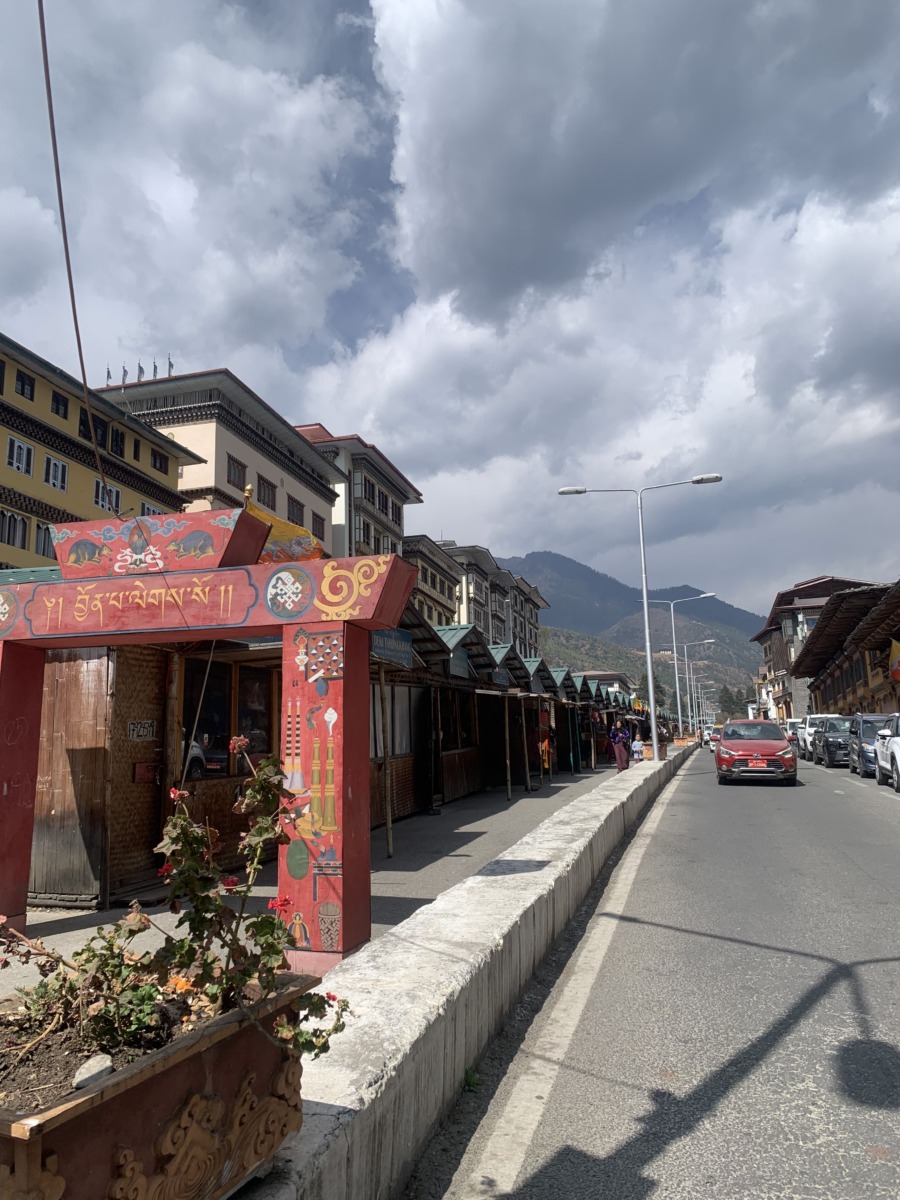
A multi-country itinerary across the central and eastern Himalayas requires highly coordinated logistics to ensure a seamless transition between destinations. Travelers embarking on a premium bhutan tour from nepal bypass standard transit challenges through meticulously planned private transport networks and dedicated aviation corridors.
Geographic Scope of the Journey
The journey begins at an altitude of 1,350 meters in the Kathmandu Valley, an ancient lake bed surrounded by emerald hills. The topography shifts dramatically on an elite aerial excursion into the Khumbu region, scaling adjacent to the vertical massifs of Mount Everest, Lhotse, and Nuptse.
From Nepal, the route traces a spectacular eastward flight path over the sub-Himalayan hills to Paro, Bhutan. This landing introduces travelers to a highly protected ecosystem where pristine pine forests, glacial rivers, and cliff-hanging fortresses are preserved through strict nationwide environmental mandates. The circuit then loops through the political hub of Thimphu and across the high-altitude Dochula Pass into the subtropical agricultural valleys of Punakha.
Aviation and Transit Infrastructure

A smooth international journey depends on reliable regional aviation. Direct flights connecting Tribhuvan International Airport (KTM) in Kathmandu to Paro International Airport (PBH) offer some of the most dramatic commercial aviation views on Earth, flying parallel to the snow-capped peaks of Kanchenjunga, Makalu, and the Everest massif.
[Kathmandu, Nepal (1,350m)] ──(Premium Heli Excursion)──> [Kalapatthar Viewpoint (5,545m)]
│
(Scenic International Flight)
▼
[Paro Valley, Bhutan (2,280m)] ──(Private Luxury Car)──> [Thimphu Capital (2,334m)]
│
(Dochula Pass – 3,100m)
▼
[Punakha Subtropical Valley (1,242m)]
Ground transit in both countries utilizes premium, climate-controlled, four-wheel-drive luxury SUVs, ensuring absolute comfort across winding mountain highways and high-altitude passes.
2. Comparative Analysis: Infrastructure, Terrain, and Travel Pacing
Navigating a multi-destination itinerary requires a clear understanding of how each country structures its hospitality, geographical elevation, and daily travel pacing. The table below outlines the core differences and complementary elements of the two nations during this unified itinerary:
| Parameter | Kathmandu & Khumbu Region (Nepal) | Thimphu, Punakha & Paro (Bhutan) |
| Primary Overnight Elevation | 1,350 meters (4,428 feet) | 1,242 to 2,334 meters (4,075 to 7,657 feet) |
| Peak Excursion Elevation | 5,545 meters (18,192 feet) via Helicopter | 3,120 meters (10,236 feet) via foot/horse trail |
| Hospitality Infrastructure | International 5-star luxury flagships and heritage boutique oases. | Handpicked 4-star premium resorts blending traditional design with high-end comfort. |
| Terrain Characteristics | Dense urban valley history transitioning to extreme high-alpine glacial massifs. | Deeply forested glacial valleys, pristine rivers, and strict architectural harmony. |
| Primary Cultural Drivers | Intricate fusion of Newari Hinduism and Vajrayana Buddhism. | Strongly preserved, state-protected Drukpa Kagyu Buddhist traditions. |
| Transit Modality | Private luxury cars for urban transfers; private helicopter for high-alpine access. | Private premium SUVs with dedicated personal guides and drivers across all districts. |
3. High-Value Micro-Itinerary Analysis: Day-by-Day Logistics
Day 01: Arrival in Kathmandu, Nepal
The journey begins upon landing at Kathmandu’s international terminal. Guests are greeted by a private airport representative and chauffeured to a luxury 5-star hotel. The afternoon is dedicated to checking in, adjusting to the local environment, and relaxing. In the evening, a specialized welcome dinner introduces travelers to authentic Nepalese fine dining, paired with a live performance highlighting the country’s diverse ethnic dances.
Day 02: Everest Base Camp Helicopter Tour
An early morning departure minimizes potential cloud cover in the high mountains. Guests board a premium helicopter from Kathmandu, flying east past the rolling foothills toward the Khumbu region. The aircraft flies adjacent to the colossal south face of Mount Everest, offering an unhindered aerial view of the Khumbu Icefall.
A brief touchdown at the iconic viewpoint of Kalapatthar (5,545m) provides an up-close look at the world’s highest peak without the physical strain of a multi-week trek. The excursion concludes with a luxury champagne breakfast on a panoramic terrace overlooking the peaks before returning to Kathmandu by mid-day.
Day 03: Fly to Paro, Bhutan and Drive to Thimphu
Travelers take a morning commercial flight from Kathmandu to Paro. The flight path acts as an aerial sightseeing tour of the eastern Himalayas. After completing customs and immigration formalities at Paro’s international terminal, guests meet their dedicated local guide and driver from Mountain Treks Nepal.
A scenic 1.5-hour drive along winding, willow-lined river valleys brings travelers to Thimphu, the capital city. The day concludes with a visit to the massive Buddha Dordenma Statue, a 51-meter bronze monument overlooking the valley floor.
Day 04: Thimphu Sightseeing Tour
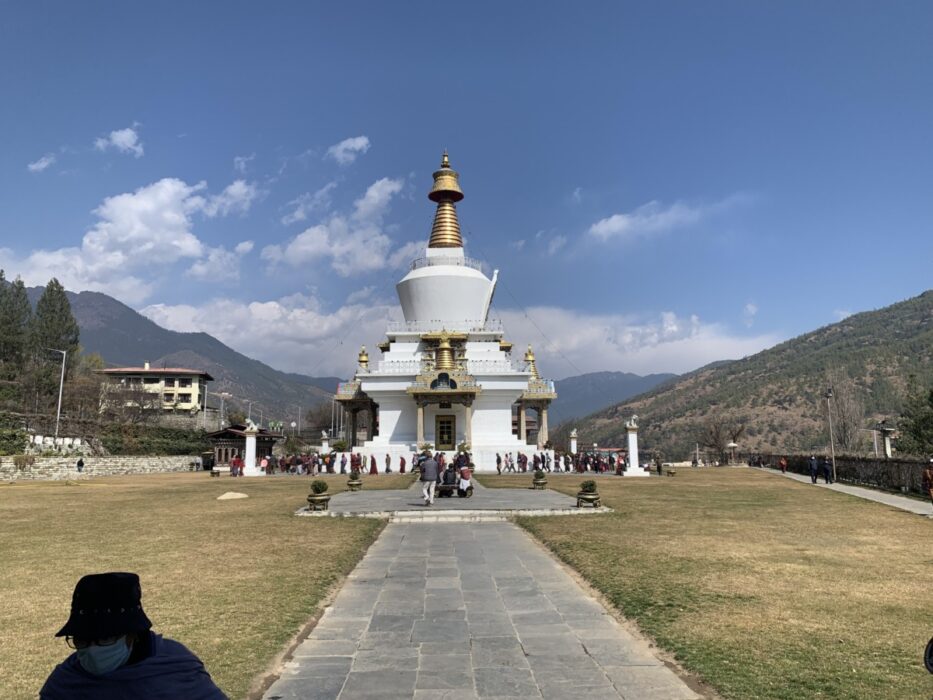
A full day is dedicated to exploring Thimphu’s living arts, political history, and cultural heritage. Key visits include the National Memorial Chorten—a central hub of daily devotion for local residents—followed by the National Folk Heritage Museum and the Textile Museum to see intricate traditional weaving.
After a brief stop at the Motithang Takin Preserve to view Bhutan’s unique national animal, the afternoon concludes at the grand Tashichho Dzong. This historic fortress and monastery houses the throne room, government offices, and the central monastic body.
[Everest Flight Path]
Kathmandu Airport ──────────────────────> Paro International Airport
│ │
(Luxury 5-Star Stay) (Customs Clearance)
│
▼
Thimphu Luxury Resort
Day 05: Thimphu – Dochula Pass – Punakha
The route heads east toward the ancient winter capital of Punakha, climbing steadily to the scenic Dochula Pass (3,100m). On clear days, this high vantage point offers a sweeping view of snow-capped Eastern Himalayan peaks alongside its 108 memorial chortens.
The road then winds down through temperate forests into the subtropical Punakha Valley. Here, travelers explore Punakha Dzong, an architectural masterpiece built in 1637 that sits elegantly at the confluence of the Pho Chhu and Mo Chhu rivers.
Day 06: Punakha – Paro
After a morning walk across the long Punakha Suspension Bridge, travelers enjoy a scenic return drive back to the Paro Valley. Upon arrival, the itinerary focuses on local history with visits to Rinpung Dzong (“Fortress on a Heap of Jewels”) and the Ta Dzong National Museum, which houses a rare collection of ancient Bhutanese art, historical thangkas, and stamps. The evening is free to explore the shops and artisanal cafes of Paro town.
Day 07: Hike to Tiger’s Nest Monastery (Paro Taktsang)
This day features the central cultural highlight of any comprehensive bhutan tour. Clinging to a sheer granite cliff 900 meters above the valley floor, Tiger’s Nest Monastery (Paro Taktsang) is one of the most sacred sites in the Buddhist world.
The guided hike takes roughly 5 to 6 hours round-trip along a well-maintained trail shaded by pine trees and Spanish moss. For travelers seeking a gentler pace, horses can be arranged for the first half of the ascent to the viewpoint cafeteria. The physical journey rewards hikers with a deeply spiritual atmosphere and spectacular views of the valley.
Day 08: Fly from Paro to Kathmandu
Guests return to Paro International Airport for the morning flight back to Kathmandu. After checking back into their luxury 5-star hotel, travelers enjoy a flexible afternoon for independent sightseeing around the colossal Boudhanath Stupa or souvenir shopping. The journey concludes with a special farewell dinner hosted by our team to celebrate the cross-country experience.
Day 09: Final Departure from Kathmandu
After a leisurely breakfast at the hotel, a private vehicle transfers guests back to Tribhuvan International Airport for their onward international departure flights home.
4. Mitigating Altitude and Managing High-Alpine Physiology
While this multi-country luxury circuit reaches a maximum elevation of 5,545 meters during the helicopter excursion to Kalapatthar, the risk of acute mountain sickness (AMS) is very low. This safety profile is due to the intentional layout of the itinerary’s overnight stays.
Guests spend their nights at safe, low elevations below 2,400 meters in valleys like Kathmandu, Thimphu, and Punakha. The brief 15-minute touchdown at Kalapatthar on Day 2 allows travelers to experience extreme high-alpine views without giving the body time to suffer from prolonged oxygen deprivation.
Additionally, the premium helicopters are fully equipped with built-in medical oxygen systems, and our private ground vehicles carry fully stocked medical kits to ensure guest safety.
5. Visa Regulations, Sustainability Fees, and Entry Protocols
International entry regulations for travelers undertaking a bhutan tour from nepal involve distinct bureaucratic steps for each country. Understanding these rules ensures a smooth transition between nations.
Nepal Entry Visa Protocols
Most international passport holders can easily obtain a Nepal Visa on Arrival at the Kathmandu airport terminal. The process requires a passport with at least six months of validity, two recent passport-sized photos, and the visa fee payable in major international currencies (US Dollars preferred).
Bhutan Visa Clearance and the Sustainable Development Fee (SDF)
Unlike Nepal’s on-arrival system, Bhutan requires travelers to secure an official visa clearance letter before boarding their flight to Paro. Independent tourist visa applications are not permitted by the government.
Instead, a licensed agency like Mountain Treks Nepal must process and manage the application on your behalf. To do this, you simply provide a clear, scanned color copy of your passport bio-data page well in advance of your trip.
Step 1: Submit Passport Bio-Scan to Mountain Treks Nepal
│
▼
Step 2: Processing of Visa & Payment of National SDF Fees
│
▼
Step 3: Electronic Visa Clearance Letter Issued Prior to Travel
│
▼
Step 4: Physical Visa Stamp Applied Upon Arrival at Paro Airport
A core element of Bhutan’s high-value, low-impact tourism model is the mandatory Sustainable Development Fee (SDF).
This daily royalty goes directly toward supporting state-funded education, healthcare, environmental conservation, and infrastructure
development across the country. For your absolute convenience, this daily fee is fully built into our luxury tour package price.
6. Cultural Etiquette, Dress Codes, and Regional Traditions
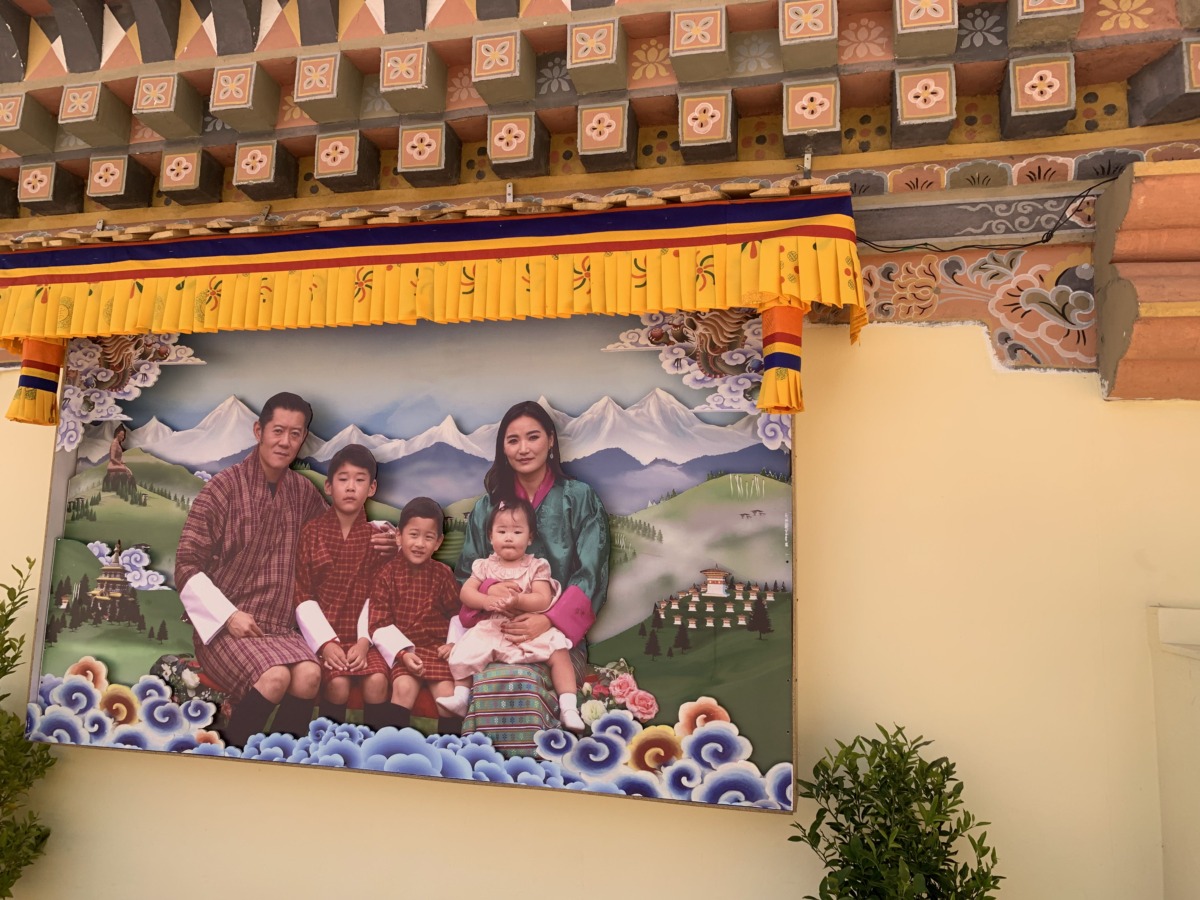
Both Nepal and Bhutan are deeply spiritual societies where religious traditions shape daily civic life. Following local cultural etiquette ensures respectful and meaningful interactions with communities along your journey.
-
Monastery Dress Codes: When entering dzongs, temples, shrines, and monasteries, visitors must follow a strict modest dress code. Shoulders and knees must be fully covered; shorts, sleeveless tops, and short skirts are not allowed.
-
Footwear Etiquette: Shoes must always be removed before stepping into indoor temple shrines or sacred spaces. Slippers or heavy socks are recommended for comfort on cold stone floors.
-
Circumambulation Direction: When walking around Buddhist stupas, mani stones, chortens, or prayer wheels, always walk in a clockwise direction.
-
Photography Restrictions: Photography is generally permitted in outdoor courtyards and public spaces. However, taking photos or videos is strictly prohibited inside temple sanctuaries and main altar rooms to preserve the sacred atmosphere.
7. Culinary Arts and Elite Accommodations
A premium multi-country journey is defined by high standards of dining and lodging. This itinerary balances exceptional luxury comfort with authentic regional culinary experiences.
Premium Lodging Ecosystems
In Kathmandu, guests stay in top-tier 5-star properties. These luxury hotels feature peaceful garden courtyards, oasis-style spas, pools, and excellent fine dining restaurants that offer a quiet escape from the energetic city.
In Bhutan, the lodging selection shifts to boutique luxury resorts that reflect traditional Bhutanese architecture. These properties use handcrafted woodwork, traditional wood-burning stoves (bukharis), and local textiles alongside high-end modern amenities, offering beautiful views over the surrounding pine forests and agricultural valleys.
Kathmandu (5-Star Luxury Hotels) ──> Oasis Spas, Pools, and Fine Dining
Thimphu & Paro (Boutique Resorts) ──> Handcrafted Woodwork & Valley Views
Fine Dining and Local Flavors
The dining itinerary features a rich mix of flavors. Guests enjoy premium international menus alongside traditional delicacies cooked to the highest standards. In Bhutan, you can sample the national dish, Ema Datshi—a flavorful dish of spicy green chili peppers and local cheese—served with organic red rice.
In Nepal, traditional banquets introduce travelers to slow-cooked lentil stews, spiced meats, and delicate dumplings (momos), ensuring a comfortable and memorable culinary journey.
Frequently Asked Questions
Do I need separate visas for Nepal and Bhutan on this combined luxury itinerary?
Yes, distinct visa entry protocols apply to each country. Nepal operates a straightforward Visa on Arrival system at Tribhuvan International Airport in Kathmandu for most nationalities. This requires a valid passport, entry forms, and the visa fee payable in major international currencies.
Conversely, Bhutan does not allow independent tourist visa applications. To visit Bhutan, a licensed operator like Mountain Treks Nepal must process and secure an official Visa Clearance Letter on your behalf before your trip. This document is required to board your flight to Paro, where the physical entry stamp is applied to your passport.
How physically demanding is the guided hike up to the Tiger’s Nest Monastery?
The hike to Tiger’s Nest Monastery (Paro Taktsang) is rated as moderate in difficulty. The route follows a well-maintained, inclined dirt trail through pine forests, climbing roughly 900 vertical meters above the valley floor to a maximum elevation of 3,120 meters. The total round-trip journey takes between 5 and 6 hours of walking at a relaxed pace.
To ensure guest comfort, the excursion is planned for later in the tour to allow for proper acclimation. Additionally, travelers can rent horses for the first half of the ascent to carry them up to the viewpoint cafeteria, leaving only the final section of stone steps to be completed on foot.
Is acute mountain sickness (AMS) a significant concern during the Everest Helicopter Tour?
Acute mountain sickness is very rarely an issue on this luxury itinerary. While the private helicopter ascends to 5,545 meters for a landing at the landmark Kalapatthar viewpoint, the transition is quick.
Guests spend only 10 to 15 minutes on the ground at high altitude to enjoy the views and take photos, which does not give the body enough time to suffer from prolonged oxygen deprivation. All overnight stays are safely located in low valley environments below 2,400 meters, allowing the body to rest comfortably. For absolute safety, all charter aircraft are fully equipped with built-in medical oxygen systems.
What is Bhutan’s Sustainable Development Fee (SDF), and how is it handled on this premium tour?
The Sustainable Development Fee (SDF) is a mandatory daily royalty collected by the government of Bhutan from international visitors. This fee reflects the country’s high-value, low-impact tourism policy, with the funds going directly toward supporting state-funded healthcare, education, environmental conservation, and infrastructure development across the nation.
For a seamless and stress-free experience, this daily fee is 100% built into the upfront package price for our premium Nepal and Bhutan Luxury Tour, meaning guests do not have to worry about any hidden tourism taxes during their stay.
What is the optimal time of year to book this multi-country Himalayan circuit?
The premier times to embark on this dual-country journey are during the Spring (March to May) and Autumn (September to November) seasons. The Spring months feature temperate daytime temperatures and clear mornings, with hillsides and valleys filled with blooming rhododendrons and wild orchids.
The Autumn months offer crisp mountain air and perfectly clear, deep-blue skies, providing unmatched visibility for your Everest helicopter excursion and mountain photography. Both periods offer stable weather conditions and coincide with vibrant local festivals, such as the Paro and Thimphu Tshechus.
What are the main culinary styles travelers will experience in Nepal and Bhutan?
This luxury tour offers a diverse and high-quality culinary experience. In Kathmandu, guests enjoy fine international menus alongside traditional Nepalese banquets featuring slow-cooked lentil stews, spiced meats, and delicate steamed dumplings (momos).
In Bhutan, the cuisine focuses heavily on fresh local vegetables, organic red rice, and cheese. Guests will have plenty of opportunities to sample the national dish, Ema Datshi (spicy green chili peppers cooked in cheese), with versions carefully customized by resort chefs to match your preferred spice tolerance.
Are international round-trip flights between Kathmandu and Paro included in the itinerary?
Yes, all international regional flights connecting Tribhuvan International Airport (KTM) in Kathmandu to Paro International Airport (PBH) in Bhutan are fully included in our package price.
Our operations team handles all flight reservations, ticketing, and seat coordination directly with the regional carriers (Drukair or Tashi Air), ensuring a seamless travel transition between the two countries.
What specific clothing requirements should I keep in mind for religious monuments?
Both nations maintain a deep respect for their religious monuments, dzongs, and temple shrines, which requires visitors to dress modestly. Both men and women must fully cover their shoulders and knees; sleeveless tops, shorts, sportswear, and short skirts are not permitted.
Long pants, collared shirts, and long skirts are highly recommended. Additionally, shoes and hats must always be removed before entering indoor temple sanctuaries, so carrying a comfortable pair of heavy socks is recommended.
Can the daily pacing of this luxury itinerary be customized for private groups or families?
Yes, we specialize in fully customized, flexible private travel experiences. If you are booking as a family, couple, or private group, our team can easily adjust the daily pacing, add specific cultural activities, or modify the excursions to match your preferred travel style and fitness levels.
How safe is traveling within Nepal and Bhutan for international visitors?
Both Nepal and Bhutan are widely recognized as exceptionally safe travel destinations with very low crime rates. Throughout this journey, guests travel in private vehicles accompanied by professional, licensed guides and drivers who handle all security, logistics, and comfort from your initial arrival to your final departure.