



Share This:
Indian Authorities Plan High-Altitude Mission to Retrieve ‘Green Boots’ Remains from Everest
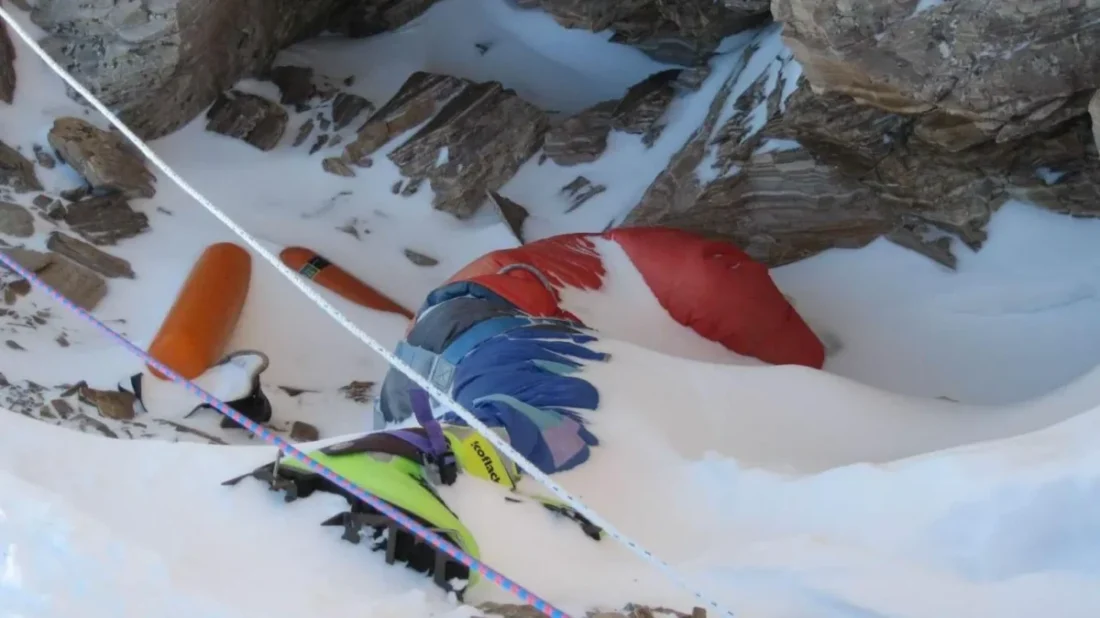
In high-altitude mountaineering, few names carry as much quiet solemnity as “Green Boots.” For three decades, the frozen body resting beneath a limestone alcove at 8,500 meters has served as an iconic, eerie landmark on Mount Everest’s treacherous North Face route.
Now, three decades after the infamous 1996 storm, official efforts are underway to retrieve the climber’s remains and return them to his family in Ladakh, India.
Clarifying a 30-Year Identity: Who Was Green Boots?
For years, widespread mountaineering lore attributed the green footwear to Tsewang Paljor, a member of the historic 1996 Indo-Tibetan Border Police (ITBP) expedition. However, comprehensive investigations combining expedition transmission records, gear details, and testimony from surviving teammates point to a different member of that ill-fated crew: Lance Naik Dorje Morup.
Morup was part of a six-man ITBP team attempting to mark India’s first successful summit via Everest’s steep, technically demanding northern route in Tibet/China. On May 10, 1996, a fierce blizzard enveloped the upper reaches of the mountain. While three members retreated, Morup and two companions pressed onward to reach the 8,849-meter summit before disaster struck during their descent.
While two of the fallen climbers were never located, Morup’s body remained preserved in Everest’s “Death Zone” where atmospheric pressure drops to one-third of sea level and temperatures routinely plunge past-40 degree Celcius.
The Extreme Engineering of High-Altitude Recovery
Retrieving remains from above 8,000 meters on Everest’s North Ridge presents logistical challenges that few operations in the world can match:
-
Hostile Terrain: Unlike the Nepal (South) side, where helicopter evacuations operate up to lower camps, the Chinese/Tibetan side features sheer rock faces, unpredictable autumn wind corridors, and strict limits on air support.
-
Physical Demands: At extreme altitudes, frozen gear, ice buildup, and awkward positioning can triple a body’s transport weight. Operations require 10 to 12 elite high-altitude Sherpa guide specialists working in unison to fix safety lines and perform manual rappels.
-
Logistical Costs: Specialized recoveries in the Death Zone carry substantial financial requirements often ranging from $40,000 to $80,000+ along with immense physical risk to the recovery team.
The ITBP is seeking specialized high-altitude rescue teams to initiate the operation, with plans to conduct DNA testing upon returning the remains to India before holding formal military honors in Leh, Ladakh.
Everest’s Changing Approach to Fallen Mountaineers
Over 300 climbers have lost their lives on Mount Everest since expeditions began a century ago. Traditionally, fallen climbers remain on the peak, often shifted out of direct view by local guide teams out of respect for the deceased and oncoming expeditions.
If this high-altitude recovery succeeds, it will mark one of the most complex technical retrievals ever executed on the mountain’s northern approach offering long-awaited closure to a family and bringing a legendary chapter of Everest history home.