


Short Everest Base Camp Trek - 10 Days

-
Duration:
10 days -
Max Altitude:
5,545mm -
Difficulty Level:
Strenuous / Demanding -
Group Size:
1- 15 people -
Destination:
Khumbu / Mt. Everest Region -
Start/End:
Kathmandu -
Accommodation:
Tea House and Hotel -
Transportation:
Flight, Bus, Car , Jeep or Van -
Best Season:
March to May (Spring) and September to December (Autumn)
Trip Overview
The Short Everest Base Camp Trek 10 Days is an intensive, high-reward Himalayan itinerary engineered specifically for experienced hikers, time-bound adventurers, and physically fit travelers who want to reach the foot of Mt. Everest without committing to a standard two-week schedule. By streamlining the classic route and consolidating transit days, this 10-day EBC itinerary delivers the full core Khumbu experience from landing at Lukla’s Tenzing-Norgay Airport to standing on the Khumbu Glacier (5,364m) and watching sunrise over Everest from Kala Patthar (5,545m).
This condensed route follows the legendary trail through Sagarmatha National Park, passing Sherpa cultural hubs like Phakding, Namche Bazaar, Tengboche, Dingboche, and Lobuche. However, because this short version omits the traditional dedicated acclimatization rest days in Namche and Dingboche, it demands a higher level of cardiovascular endurance, stamina, and pre-trip preparation. Daily trekking averages 5 to 7 hours over steep, rocky, and high-altitude terrain. Guided by Mountain Treks Nepal’s veteran high-altitude Sherpa leads, you will receive real-time physiological monitoring (pulse oximeter checks), disciplined pace management, and complete logistical support to maximize both safety and summit success on this rapid Himalayan journey.
Preparation For Short Everest Base Camp Trek 10 Days
Because the 10-day schedule moves continuously upward without dedicated multi-night acclimatization stops, physical readiness is non-negotiable. We strongly advise starting targeted cardiovascular and strength training at least 6 to 8 weeks before departure. Focus on stair climbing with a weighted pack (5–10 kg), long distance trail hiking, leg strengthening (squats, lunges), and aerobic exercises (running, cycling, swimming). Prior high-altitude trekking experience above 3,500 meters is highly recommended for this shorter itinerary.
Guides and Porters
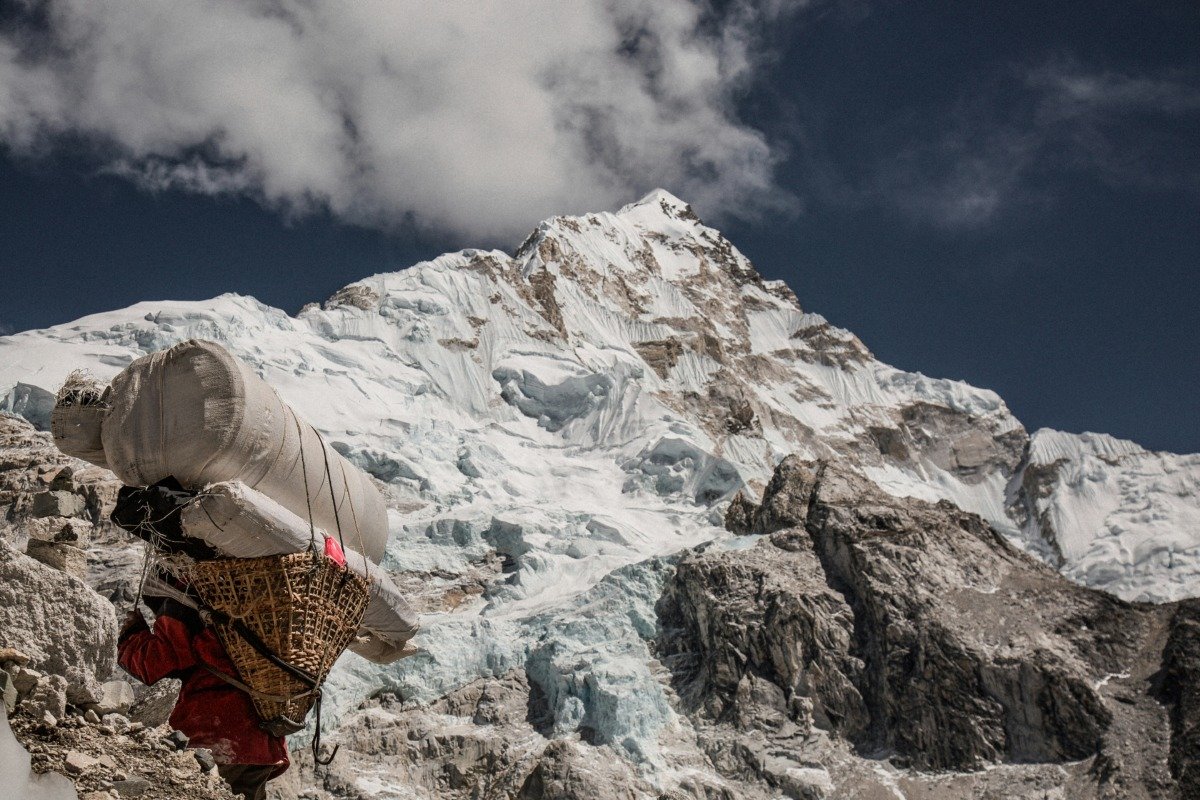
Experienced local guides and porters are the backbone of a successful 10-day EBC trek. On a fast-paced itinerary, your guide’s ability to read your physical condition, control trail pacing, and manage logistics is critical for preventing Acute Mountain Sickness (AMS). Our mountain guides are licensed, English-speaking local experts trained in wilderness first aid and high-altitude health protocols. To ensure you can trek efficiently without carrying excess weight, our porters carry the bulk of your main luggage (up to 12 kg per trekker), leaving you with only a light daypack for hydration, extra layers, and personal essentials.
Permits for 10 Days Everest Base Camp Trek
Trekking in the Khumbu region requires two mandatory government permits, both handled directly by Mountain Treks Nepal:
-
Sagarmatha National Park Entry Permit: Required for entry into the UNESCO World Heritage site protecting the Khumbu region’s flora, fauna, and alpine terrain. The fee is NPR 3,000 for international visitors, NPR 1,500 for SAARC nationals, and NPR 100 for Nepali citizens (plus 13% VAT where applicable).
-
Pasang Lhamu Municipality Entry Permit: A local government tax replacing the old TIMS card in this region, costing NPR 3,000 per person for all foreign trekkers.
Best Time for Short Everest Base Camp Trek
-
Spring (March to May): Offers stable atmospheric conditions, clear morning views, and vibrant rhododendron blooms at lower elevations. Temperatures at high camps range from 10°C during the day to -10°C at night.
-
Autumn (September to December): The premier trekking window following the monsoon season. Expect crisp air, razor-sharp mountain visibility, and stable weather. Temperatures drop lower as winter approaches, ranging from 12°C in daytime down to -15°C at high settlements like Gorak Shep.
Accommodation During The Trek
Accommodation along the trail consists of local teahouses—family-run mountain lodges offering clean, twin-share rooms with wooden beds, mattresses, pillows, and heavy blankets. While lower villages like Lukla and Namche Bazaar feature options with attached bathrooms, hot showers, and Wi-Fi, accommodations become more basic as you ascend past Dingboche. In Gorak Shep and Lobuche, facilities are simple, with communal dining halls heated by central yak-dung stoves and shared squat or western-style toilets.
Drinking Water
Hydration is one of your primary defenses against altitude sickness. Sealed bottled water is available at teahouses along the entire trail, but prices increase significantly with altitude (ranging from NPR 100 in Lukla to NPR 400+ in Gorak Shep). To minimize single-use plastic waste in fragile mountain ecosystems, we recommend bringing two reusable, wide-mouth water bottles or a hydration bladder along with water purification tablets, Chlorine Dioxide drops, or a UV purifier (Steripen) to safely treat tap and teahouse water.
Communication and Internet
Mobile network coverage via local SIM cards (NTC or Ncell) is available across major portions of the trail up to Pangboche, though signal strength varies with topography and weather. In higher villages like Lobuche and Gorak Shep, teahouses offer prepaid Everest Link Wi-Fi cards for a fee (approx. NPR 600–1000 for 10GB–20GB). Power outlets for charging devices (phones, power banks, camera batteries) are available in teahouse common areas for a small hourly fee.
Travel Insurance
Comprehensive travel insurance is mandatory for joining the 10-Day Short EBC Trek. Your insurance policy must specifically cover high-altitude trekking up to 6,000 meters and explicitly include emergency helicopter evacuation and medical repatriation. Standard travel policies often cap coverage at 3,000 meters, so verify your fine print with providers like World Nomads, Global Rescue, MetLife, or Allianz before arrival.
Short Everest Base Camp Trek Difficulty
Graded as Strenuous / Demanding, this 10-day variation compresses the standard 14-day distance into fewer days. You will gain elevation rapidly without dedicated rest days, walking 10 to 15 kilometers daily over rough trails, loose moraine, steep stone steps, and high-altitude terrain. Maintaining a steady, slow pace (“Bistari, Bistari”), staying hydrated (3-4 liters daily), avoiding alcohol, and listening closely to your guide’s instructions are essential to completing this trip safely.
Equipment and Trekking Kit Necessary For The Trek
-
Footwear: Broken-in, waterproof high-ankle hiking boots, moisture-wicking wool socks, camp shoes/sandals.
-
Outer Layers: Down jacket (rated to -15°C/0°F), windproof/waterproof hard shell jacket and pants.
-
Mid/Base Layers: Thermal merino wool base layers (top and bottom), fleece jacket or grid fleece pullover.
-
Hardware & Gear: 35-45L daypack, 70-90L duffel bag (carried by porter), trekking poles with snow baskets.
-
Sleeping Gear: 4-season sleeping bag (rated to -10°C to -15°C) and sleeping bag liner.
-
Personal Care: UV-400 polarized sunglasses, SPF 50+ sunscreen, lip balm, personal first aid kit (Diamox, ibuprofen, blister pads), wet wipes, and portable power bank (10,000–20,000 mAh).
Discover Everest: Rapid Journey to the Roof of the World with Mountain Treks Nepal
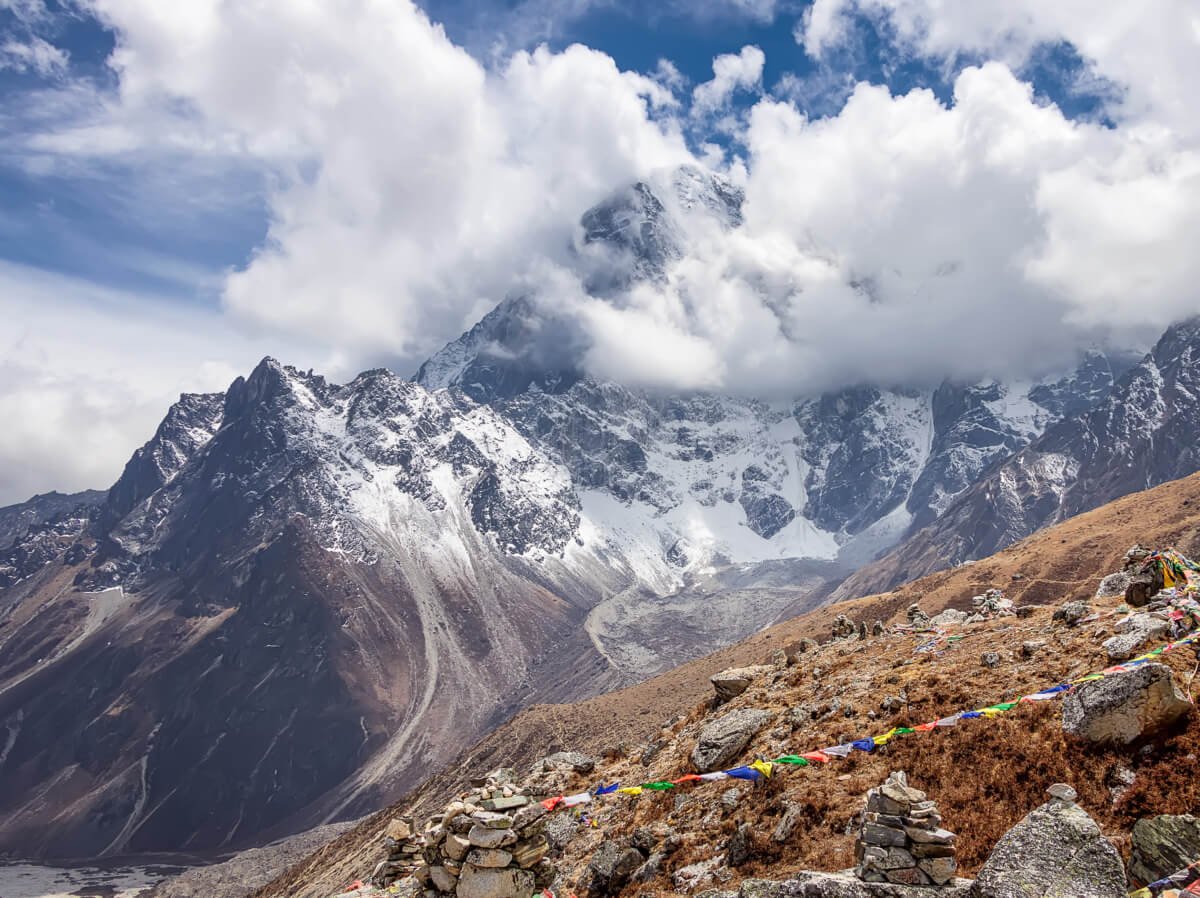
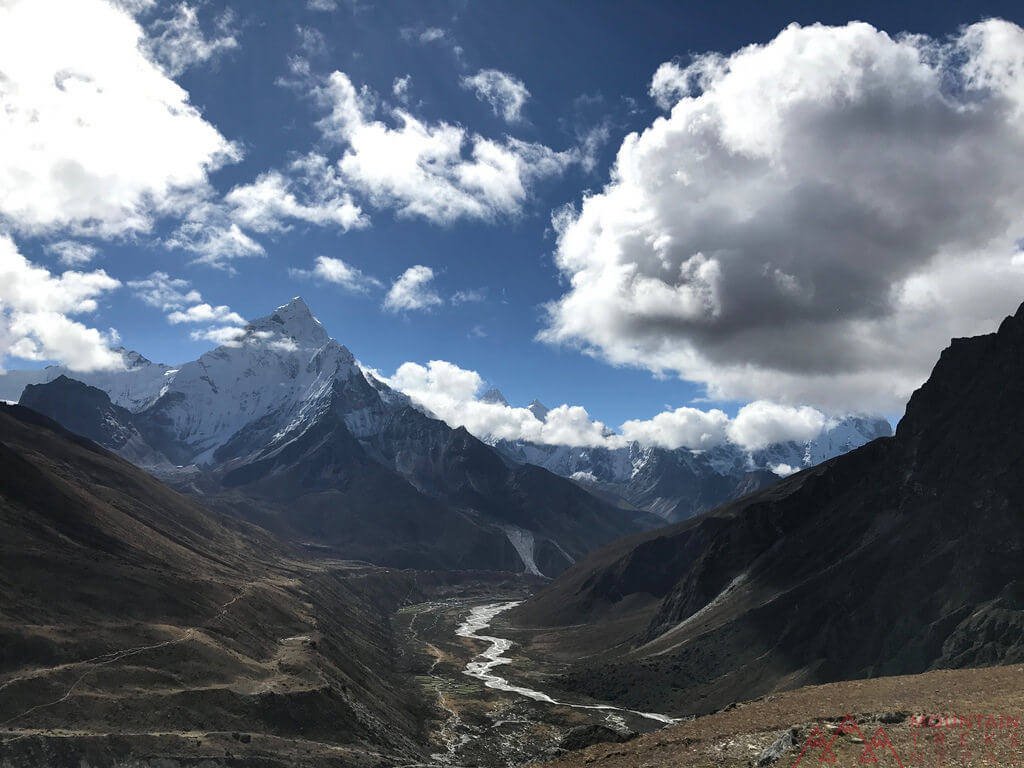
Experience the legendary Everest trail on a streamlined timeline tailored for modern travelers. The 10-Day Short EBC Trek takes you directly into the beating heart of the Khumbu, guiding you past ancient mani walls, crossing high suspension bridges draped in prayer flags, and standing beneath legendary Himalayan giants like Ama Dablam, Lhotse, Nuptse, and Mt. Everest. Designed for efficiency without compromising safety, our expert Sherpa team handles every detail from flight management and permits to trail pace and health monitoring ensuring an unforgettable, high-altitude journey.
The Everest Base Camp Trail: A Compressed Himalayan Odyssey
Your adventure begins with a scenic, high-adrenaline flight to Lukla, followed by immediate trail action down to Phakding along the Dudh Koshi River. Moving upward, you ascend the famous Hillary Suspension Bridge into Namche Bazaar. The journey continues past the spiritual sanctuary of Tengboche Monastery, through the wide glacial valley of Dingboche, and across the Thokla Pass memorial ground to Lobuche. Pushing through the rugged Khumbu Glacier moraine brings you to Gorak Shep and the final triumph: standing at Everest Base Camp (5,364m) before ascending Kala Patthar (5,545m) for world-class panoramic views.
Everest Base Camp Trek: Unforgettable Views from Kala Patthar
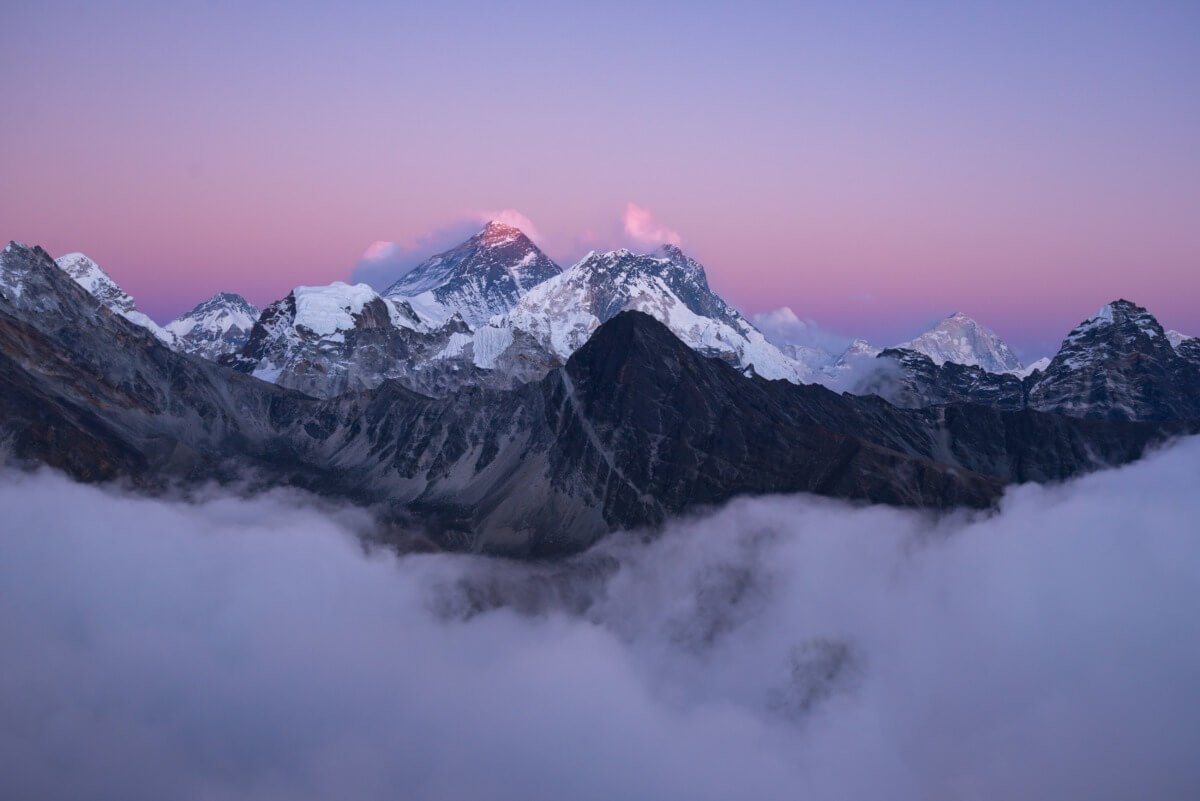
While reaching Everest Base Camp puts you right on the glacier beneath the Khumbu Icefall, the summit of Mt. Everest itself is hidden behind the shoulder of Nuptse from base camp. The ultimate visual highlight of the entire trek happens on the morning climb to Kala Patthar (5,545m). From this rocky landmark, you get an unobstructed, 360-degree view of Mt. Everest, Lhotse, Nuptse, Changtse, and the surrounding Himalayan ice giant panorama illuminated by the morning sun.
Is the Short Everest Base Camp Trek Your Next Great Adventure?
If you have a strict travel timeline, strong cardiovascular endurance, and prior trekking experience, this 10-day itinerary offers the ultimate efficiency. However, if you are new to high-altitude trekking, prefer a gentler pace, or want dedicated rest days to adjust to thinning air, our standard 14 Days Everest Base Camp Trek remains the recommended choice.
Altitude Chart
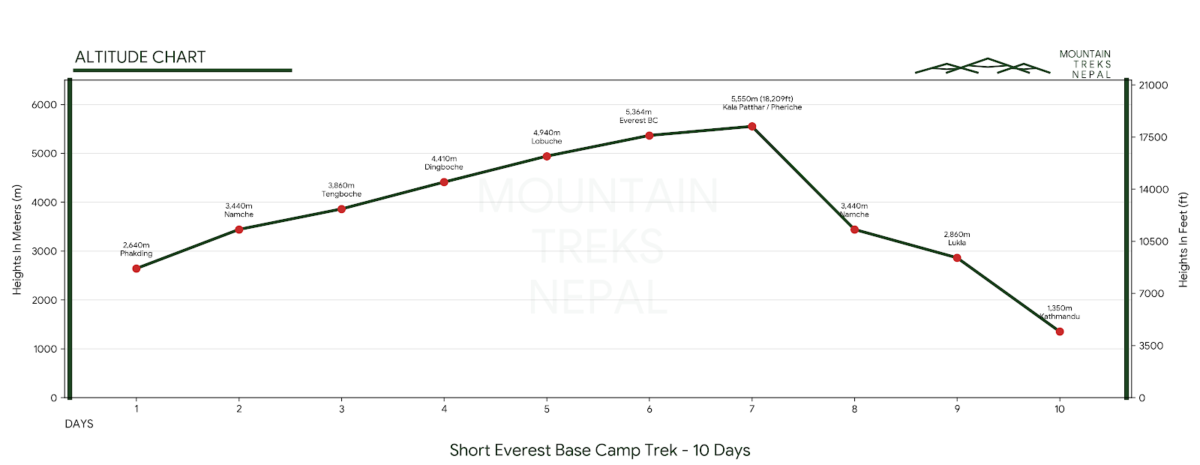
The Short Everest Base Camp Trek is an intensive 10-day journey through Nepal’s Khumbu region, characterized by a rapid altitude gain from Kathmandu (1,350 m / 4,429 ft) to its highest point at Kala Patthar (5,550 m / 18,209 ft). After a mountain flight to Lukla (2,860 m / 9,383 ft) and an initial descent to Phakding (2,640 m / 8,661 ft), the trail ascends sharply through iconic Sherpa settlements including Namche Bazaar (3,440 m / 11,286 ft), Tengboche (3,860 m / 12,664 ft), Dingboche (4,410 m / 14,469 ft), and Lobuche (4,940 m / 16,207 ft). Trekkers reach Everest Base Camp (5,364 m / 17,598 ft) on Day 6 before climbing Kala Patthar on Day 7 for peak panoramic views. The journey concludes with a quick three-day descent retracing the trail down through Pheriche, Namche, and Lukla before flying back to Kathmandu on Day 10.
How to Avoid Altitude Sickness on the Short EBC Trek
Because this itinerary moves quickly, proactive altitude management is essential:
-
Pacing: Hike at a slow, constant, aerobic pace. Never rush or race on the trail.
-
Hydration: Consume 3 to 4 liters of water daily. Dehydration accelerates AMS symptoms.
-
Nutrition: Eat high-carbohydrate meals (Dal Bhat, soups, hot cereals) to power your body at high altitudes.
-
Zero Alcohol/Smoking: Avoid alcohol, tobacco, and sleeping pills throughout the trek.
-
Medication: Consult your physician regarding prophylactic use of Acetazolamide (Diamox) to assist acclimatization.
-
Honest Communication: Report any early signs of AMS (headache, nausea, dizziness, insomnia) to your guide immediately.
Why Choose Mountain Treks Nepal for Your Short EBC Adventure?
-
Local Sherpa Expertise: Guided by certified local experts with deep roots in the Khumbu region.
-
Safety-First Protocols: Daily pulse oximeter monitoring and comprehensive emergency protocols.
-
Seamless Logistics: Hassle-free management of Lukla flights, high-altitude lodge reservations, and permits.
-
Transparent Pricing: Clear inclusions with no hidden fees or unexpected trail costs.
Important Notes for Peak Season Treks
-
Lukla Flight Diversions: During peak season months (Spring and Autumn), flights to Lukla often operate out of Ramechhap (Manthali Airport) instead of Kathmandu to avoid air traffic congestion. This requires a 4 to 5 hour drive from Kathmandu early in the morning.
-
Buffer Days: Weather at Lukla Airport is notoriously unpredictable. We strongly recommend booking 1 to 2 buffer days in Nepal at the end of your trip to accommodate potential flight delays.
Trip Highlights
-
Reach Everest Base Camp (5,364m) and walk along the edge of the world-famous Khumbu Glacier.
-
Panoramic 360-degree summit sunrise views of Mt. Everest (8,848.86m), Lhotse (8,516m), Nuptse (7,861m), and Pumori from Kala Patthar (5,545m).
-
Thrilling high-altitude mountain flight to and from Lukla’s Tenzing-Norgay Airport.
-
Explore Namche Bazaar (3,440m), the vibrant capital of the Sherpa nation.
-
Visit the historic Tengboche Monastery (3,867m), the spiritual center of the Khumbu region.
-
Cross high suspension bridges draped in colorful Buddhist prayer flags over the Dudh Koshi and Imja rivers.
-
Experience authentic Sherpa culture, alpine hospitality, and teahouse lifestyle.
-
Trek through the protected bio-diverse landscapes of Sagarmatha National Park, a UNESCO World Heritage Site.
Have a Question? Inquire Now
Why Mountain Treks Nepal?
- Expert Team for Unparalleled Experience
- Best Price Guarantee
- Safety is the first Priority
- Easy Booking & Secure Online Payment
- Flexible And Personalized Service
- 24/7 Support
- Highest Satisfaction Guaranteed
- Highly Experienced Guides
- Your Satisfaction is Our Guarantee
- One-time Deposit, Assured for a Life Time
Detailed Itinerary
Your journey begins with an early morning flight from Kathmandu (or Ramechhap) to Lukla (2,860m), offering spectacular aerial views of the Himalayan range. Upon landing at Tenzing-Norgay Airport, meet your trekking crew and porters. After a brief gear check and organization, begin trekking downhill towards the Dudh Koshi River valley. Pass through scenic Sherpa hamlets like Chheplung and Ghat, walking alongside traditional stone mani walls, prayer wheels, and pine forests until reaching Phakding for your overnight stay.
Follow the banks of the Dudh Koshi River, crossing several high suspension bridges decorated with prayer flags, including the famous Hillary Suspension Bridge. Pass through Monjo, where we register your permits at the Sagarmatha National Park entry checkpoint. Continue through Jorsalle before tackling the long, steep zigzagging uphill climb through dense pine forests to Namche Bazaar. If weather permits, catch your first glimpse of Mt. Everest through the trees before arriving at the horseshoe-shaped Sherpa town.
Leave Namche along a scenic contouring trail high above the Imja Khola River, enjoying panoramic views of Everest, Lhotse, Ama Dablam, and Thamserku. Descend through rhododendron forests to the river crossing at Phunki Thenga (3,250m) for lunch. From here, begin a sustained, 2-to-3-hour climb through alpine forests to Tengboche. Upon arrival, visit the famous Tengboche Monastery, surrounded by a dramatic backdrop of Ama Dablam and Everest.
Descend through birch, conifer, and rhododendron forests to Deboche, crossing a suspension bridge over the Imja Khola. The landscape becomes noticeably drier and more alpine as you rise above the tree line. Pass stone-walled fields and the village of Pangboche, home to one of the oldest monasteries in the region. Continue up the Imja Valley into Dingboche, a picturesque settlement surrounded by stone agricultural enclosures protecting crops from cold mountain winds.
Trek along the broad glacial valley toward Dughla (Thokla). After a short rest, tackle the steep climb up the Thokla Pass (4,830m), where stone memorials honor climbers and Sherpas who lost their lives on Everest. The trail then levels off, following the lateral moraine of the Khumbu Glacier up to Lobuche, a high-altitude outpost nestled beneath Nuptse and Lobuche peaks.
An iconic day. Trek early along the rugged, rocky crest of the Khumbu Glacier moraine to Gorak Shep (5,180m), the final outpost before base camp. Drop your main duffel bags at the lodge, grab a quick lunch, and push onward across glacial moraine and ice trails to Everest Base Camp (5,364m). Stand directly beneath the famous Khumbu Icefall, take photos at the iconic base camp marker, and celebrate your achievement before returning to Gorak Shep for overnight shelter.
Begin before dawn for the steep 2-hour ascent up Kala Patthar (5,545m), the highest point of the trek. Watch the sunrise illuminate Mt. Everest, Lhotse, and Nuptse in golden light. After capturing these iconic views, descend to Gorak Shep for breakfast, then pack your gear and descend down the valley past Lobuche and Thokla to the windy alpine village of Pheriche for a well-earned rest at lower altitude.
Retrace your steps down the Imja Valley, passing through Pangboche and ascending briefly back up to Tengboche. From Tengboche, descend steeply to Phunki Thenga, cross the river, and climb back up the contour trail leading into Namche Bazaar. Enjoy a hot shower, reliable Wi-Fi, fresh coffee, and bakeries in Namche.
Descend steeply down the Namche hill, crossing the Hillary Suspension Bridge and exiting Sagarmatha National Park at Monjo. Continue along the Dudh Koshi Valley through Phakding, Toktok, and Ghat, taking on one final uphill push into Lukla. Celebrate the completion of your trek with your guides and porters in the evening.
Board an early morning flight from Lukla back to Kathmandu (or Ramechhap). Upon arrival at the airport, our private representative transfers you to your hotel in Kathmandu. Spend the rest of the day relaxing, shopping for souvenirs in Thamel, or resting after your Himalayan journey.
Trip Includes
-
Round-trip domestic flights between Kathmandu/Ramechhap and Lukla, including airport taxes.
-
Private airport-hotel transfers in Kathmandu.
-
2 Nights hotel accommodation in Kathmandu (Bed & Breakfast basis).
-
Standard lodge/teahouse accommodation during the 8 nights on the trek.
-
Full board meals during the trek (Breakfast, Lunch, and Dinner each day).
-
All required permits: Sagarmatha National Park Entry Permit and Pasang Lhamu Municipality Permit.
-
Government-licensed, English-speaking trekking guide and porters (1 porter for every 2 trekkers, max 25 kg total carrying capacity).
-
Staff costs: Salary, insurance, equipment, food, accommodation, and transport for guides and porters.
-
Mountain Treks Nepal Duffel Bag, Down Jacket, and Sleeping Bag (available for use during the trek, to be returned post-trek).
-
All applicable local and government taxes.
- Farewell Dinner with Nepali culture show.
Trip Excludes
-
International airfare and Nepal entry visa fees ($30 for 15 days, $50 for 30 days).
-
Personal travel and emergency medical evacuation insurance (Mandatory, covering up to 6,000m).
-
Lunch and evening meals in Kathmandu (except welcome/farewell dinners if scheduled).
-
Personal expenses: Bar bills, bottled water, hot showers, device charging fees, Wi-Fi usage, laundry.
-
Tips for guide and porters (Tipping is expected in Nepalese tourism culture).
-
Costs incurred due to flight delays, cancellations, landslides, or factors beyond agency control.
- Personal trekking equipment.
- Any others expenses which are not mentioned on the “Trip Includes” Section.
Trip Photo Gallery







Packing List For Short Everest Base Camp Trek

Upper Body
-
Thermal merino wool base layers (2-3 pairs)
-
Moisture-wicking short and long sleeve trekking shirts
-
Fleece jacket or mid-layer sweater
-
Lightweight down jacket or insulated mid-layer
-
Heavyweight down jacket with hood (rated for high altitude)
-
Waterproof & windproof outer shell jacket

Lower Body
-
Thermal merino wool leggings / long underwear
-
Quick-dry convertible trekking pants (2 pairs)
-
Waterproof & windproof outer shell pants
-
Moisture-wicking wool trekking socks (4-5 pairs)
-
Sturdy, waterproof, broken-in hiking boots
-
Sandals / lightweight sneakers for teahouse use

Hands & Head
-
Warm fleece/beanie hat
-
Polarized UV-400 sunglasses
-
Buff / Neck gaiter / Bandana
-
Sun hat / Baseball cap
-
Inner liner gloves
-
Insulated waterproof heavy gloves or mittens

Health & Personal Care
-
Water purification tablets / Chlorine Dioxide drops / UV Steripen
-
SPF 50+ Sunscreen and SPF lip balm
-
Personal first aid kit (Diamox, Ibuprofen, Imodium, Blister plasters, antiseptic wipes)
-
Biodegradable wet wipes and hand sanitizer
-
Microfiber quick-dry towel
-
Power bank (10,000mAh – 20,000mAh) and extra camera batteries
Frequently Asked Questions
The 10-day itinerary covers the exact same route to Everest Base Camp and Kala Patthar as the 14-day trek, but it removes dedicated acclimatization rest days in Namche Bazaar and Dingboche. This makes it a faster, more physically demanding option best suited for fit trekkers with limited holiday time.
Yes, provided you are physically fit and disciplined about altitude management. Our guides conduct daily pulse oximeter monitoring to track your blood oxygen levels and heart rate. If symptoms of severe altitude sickness appear, safety protocols (including immediate descent) are strictly followed.
You need a high level of physical fitness, cardiovascular endurance, and leg strength. You will be walking 5 to 7 hours daily for 9 consecutive days over steep, uneven high-altitude terrain without multi-night rest stops.
Mountain weather can change quickly. In cases of fog or high winds at Lukla, flights may be delayed or postponed. We recommend keeping 1 to 2 buffer days at the end of your trip in Kathmandu. In severe delay scenarios, shared commercial helicopter flights may be arranged at an additional cost to the client.
Yes. Most teahouses provide charging facilities in their common dining rooms for a fee ranging from NPR 200 to NPR 500 per device/power bank. Wi-Fi is available at most lodges via Everest Link prepaid cards, though connection speeds decrease at higher elevations.
Teahouses offer a wide selection of cooked meals. Options include traditional Nepali Dal Bhat (rice, lentil soup, vegetable curry), vegetable fried rice, noodles, momos (dumplings), pasta, soups, porridge, eggs, and pancakes. Vegetarian options are widely available and recommended at high altitudes.
You are welcome to bring your own personal gear, but Mountain Treks Nepal provides high-quality four-season down jackets and sleeping bags for all clients upon request at no extra rental cost (to be returned after the trek).
Sophie Martin – France
April 19, 2026 at 5:18 pmExcellent Organization & Hospitality
From the moment we booked until the trek ended, everything was perfectly managed by Bharat Simkhada. Our guide Raju Tamang was patient, informative, and always made us feel confident on the trail. Our porter was dependable and always smiling. Mountain Treks Nepal provided outstanding hospitality and excellent service throughout the journey.
Daniel Brooks
October 12, 2025 at 2:17 amA Lifetime Experience
Mountain Treks Nepal exceeded all our expectations during our Short Everest Base Camp Trek. Manager Sandeep ensured everything ran smoothly before and during the trek. Our guide Phanindra was professional and caring, and our porter was incredibly hardworking. The entire experience was well organized, safe, and unforgettable.
James Walker
March 8, 2025 at 11:14 amPerfect Short Everest Base Camp Trek
Our Short Everest Base Camp Trek with Mountain Treks Nepal was amazing from start to finish. Manager Bharat organized everything perfectly and was always quick to respond. Our guide Ram was experienced, friendly, and ensured our safety throughout the trek, while our porter worked incredibly hard with a smile every day. Excellent hospitality and a truly memorable adventure. Highly recommended!
Maria Fernand
December 16, 2023 at 1:16 pmOutstanding Service & Great Team
We couldn’t have asked for a better trekking company. Bharat Simkhada managed every detail professionally, making the trip completely stress-free. Our guide Pasang Sherpa was knowledgeable and encouraging, and our porter was fantastic from beginning to end. The hospitality from Mountain Treks Nepal was exceptional. We highly recommend this team!