



Share This:

Annapurna Base Camp Trek – A Complete Journey into the Heart of the Himalayas with Mountain Treks Nepal
The Annapurna Base Camp Trek is one of the most iconic trekking adventures in Nepal, offering a perfect combination of Himalayan scenery, cultural immersion, and physical challenge. Nestled at an altitude of 4,130 meters, Annapurna Base Camp is surrounded by some of the most majestic peaks in the world, including Annapurna I (8,091 m), Machapuchare (Fishtail), Hiunchuli, and Annapurna South.
Organized by Mountain Treks Nepal, this trek is designed for trekkers seeking a moderately challenging route that delivers breathtaking views and authentic Himalayan experiences. With professional guidance, careful acclimatization, and deep local insight, Mountain Treks Nepal ensures that every trek to Annapurna Base Camp is both safe and unforgettable.
Overview of the Annapurna Base Camp Trek

The Annapurna Base Camp Trek lies in the Annapurna Conservation Area and is considered a moderate trek suitable for those with a reasonable fitness level. The route typically spans 7 to 12 days, depending on the itinerary, acclimatization needs, and rest preferences.
Starting from Pokhara, the trail passes through dense forests, terraced farmland, and traditional Gurung and Magar villages, before opening into the alpine basin known as the Annapurna Sanctuary. This natural amphitheater is surrounded on all sides by towering snow-capped peaks.
The journey offers ever-changing landscapes from subtropical greenery to high-altitude rock and ice presenting one of the most diverse and beautiful trekking experiences in Nepal.
Annapurna Base Camp Trek Route & Key Stops
The classic route begins with a short drive from Pokhara to Nayapul or Jhinu Danda, leading to a scenic trail that moves through culturally rich villages and lush forests. Major checkpoints include:
-
Ghandruk / Chhomrong – Traditional Gurung settlements with stunning mountain backdrops
-
Sinuwa / Bamboo – Dense rhododendron and bamboo forests in the mid-altitudes
-
Deurali / Himalaya – Transition zone into alpine territory
-
Machapuchare Base Camp (MBC) – The staging point before final ascent to Annapurna Base Camp
-
Annapurna Base Camp (4,130 m) – Surrounded by the towering peaks of the Annapurna massif
The return journey often follows the same path or detours through Jhinu Danda, known for its natural hot springs a rewarding conclusion after the ascent.
Trek Duration, Distance & Altitude Profile
-
Trek Duration: 7–12 days
-
Total Distance: Approximately 110–120 kilometers round trip
-
Max Elevation: Annapurna Base Camp – 4,130 meters
-
Average Walking Time: 5–7 hours per day
-
Starting Elevation (Pokhara): 820 meters
Each day’s hike involves a gradual gain in altitude, with sufficient breaks built into the itinerary to allow acclimatization and reduce risk of altitude-related illness. The professional planning provided by Mountain Treks Nepal helps manage this effectively.
Major Highlights of Annapurna Base Camp Trek
Panoramic Mountain Views
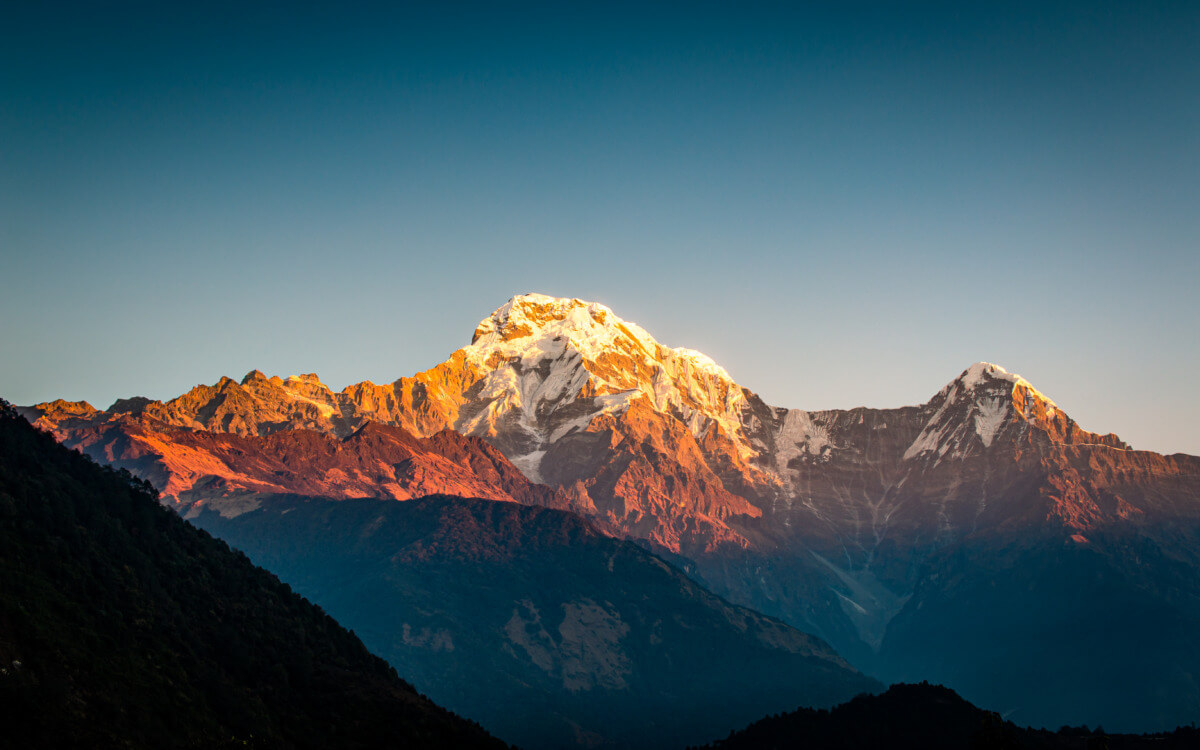
From early in the trek, views of Annapurna South, Machapuchare (Fishtail), and Hiunchuli accompany the trail. The final destination, Annapurna Base Camp, provides an awe-inspiring 360° panorama that leaves a lasting impression.
Rhododendron Forests and Alpine Valleys
The lower trails are lined with rhododendron and bamboo forests, particularly vibrant in the spring season. As the trail ascends, the landscape shifts to alpine meadows and glacial valleys — a dramatic contrast that showcases the Annapurna region’s ecological diversity.
Cultural Immersion
The trek passes through traditional villages inhabited by Gurung and Magar communities. Mountain Treks Nepal emphasizes responsible tourism, encouraging respectful interaction with local culture and supporting local economies.
Natural Hot Springs
After days of trekking, the hot springs at Jhinu Danda offer relaxation and rejuvenation before descending to lower elevations.
Wildlife and Biodiversity
The Annapurna Conservation Area is home to a variety of wildlife, including langurs, Himalayan monals, barking deer, and sometimes even snow leopards in higher elevations. Birdlife is particularly rich in the lower forested areas.
Best Seasons for Annapurna Base Camp Trek
Autumn (September – November)
This is the most popular trekking season due to clear skies, stable weather, and excellent mountain visibility. The post-monsoon freshness and crisp air make it ideal for photography and uninterrupted views.
Spring (March – May)
Spring offers pleasant temperatures and blooming rhododendrons. Forest trails turn vibrant with wildflowers, making the trek visually stunning and comfortable.
Off-Seasons
-
Winter (December – February): Colder temperatures and possible snowfall at higher elevations
-
Monsoon (June – August): Heavy rain, slippery trails, and lower visibility, though the landscape becomes lush and green
Mountain Treks Nepal recommends autumn and spring for optimal conditions, but can also arrange winter treks with appropriate gear and adjustments.
Annapurna Base Camp Trek Difficulty and Preparation
Trek Grade: Moderate
The trek does not require technical climbing skills but involves consistent uphill and downhill walking. Stone steps, narrow ridgelines, and altitude gain contribute to the challenge.
Physical Fitness
Good cardiovascular endurance, leg strength, and prior trekking experience (optional but helpful) increase comfort and enjoyment. Pre‑trek training is advisable, including daily walking, stair climbing, and core strengthening.
Altitude Considerations
Annapurna Base Camp sits at over 4,000 meters. Symptoms of altitude sickness can occur if the ascent is too rapid. Mountain Treks Nepal integrates acclimatization days and slow ascents to minimize this risk.
Accommodation and Meals on the Trek
The Annapurna Base Camp Trek follows a teahouse format. Teahouses are locally operated lodges providing basic accommodation and warm meals.
Accommodation
-
Private or twin-sharing rooms
-
Shared bathrooms at higher altitudes
-
Blanket and sleeping bags available (Mountain Treks Nepal also provides equipment rental)
Meals
-
Dal Bhat (rice with lentil soup and vegetables)
-
Tibetan bread, momos, noodles, soups
-
Hot tea, coffee, and snacks
-
Vegetarian options widely available
Mountain Treks Nepal ensures hygienic meal options and encourages hydration to support acclimatization.
Equipment & Packing Guide
Essential gear for the Annapurna Base Camp Trek includes:
-
Layered clothing: thermal base layers, fleece, down jacket, windproof outer shell
-
Waterproof trekking boots with good grip
-
Trekking poles
-
Daypack (25–30 liters)
-
Sleeping bag (rated -10°C)
-
Sunglasses, sunscreen, and lip balm
-
Reusable water bottles and purification tablets
-
Headlamp, power bank, and first aid kit
Mountain Treks Nepal offers gear consultation and rental options to ensure proper preparation.
Environmental and Cultural Responsibility
The Annapurna Base Camp Trek passes through environmentally sensitive zones and culturally significant villages. Mountain Treks Nepal promotes sustainable trekking by:
-
Encouraging reusable water bottles and biodegradable products
-
Supporting local teahouses and communities
-
Educating trekkers on local customs and cultural etiquette
-
Practicing Leave No Trace principles
Why Choose Mountain Treks Nepal?
Local Expertise and Safety
Mountain Treks Nepal employs licensed guides with years of experience in the Annapurna region. Guides are trained in first aid, altitude sickness prevention, and emergency response.
All-Inclusive Trek Packages
Trekking packages include permits, transportation, accommodation, meals, guide/porter services, and gear consultation. Optional customization for group size, pace, and rest days is available.
Custom Itineraries
Mountain Treks Nepal designs treks suited to diverse fitness levels and interests, ensuring a smooth experience for solo trekkers, small groups, or larger expeditions.
Cultural Connection
The company emphasizes interaction with local communities, fostering authentic connections and cultural appreciation.
Annapurna Base Camp Trek – 14 Days: Detailed Itinerary

Day 1: Arrival in Kathmandu (1,350 m / 4,428 ft)
Arrival at Tribhuvan International Airport is followed by a warm welcome and transfer to the hotel by a representative from Mountain Treks Nepal. A pre-trek briefing will be conducted to finalize preparations. Optional sightseeing around Durbar Square or Swayambhunath Stupa introduces Kathmandu’s rich cultural and historical heritage. Overnight at a hotel.
Day 2: Drive to Pokhara (820 m / 2,700 ft)
The journey to Pokhara, the City of Lakes, unfolds along scenic hillsides and rivers such as Trishuli and Marsyangdi. Passing through the districts of Dhading and Tanahun, this 6–7 hour drive offers a glimpse of rural Nepal. An evening stroll by Phewa Lake reveals the stunning backdrop of the Annapurna and Machapuchare ranges. Overnight in Pokhara.
Day 3: Drive to Nayapul and Trek to Ulleri (1,960 m)
From Pokhara, a drive to Nayapul marks the beginning of the trek. The trail ascends along the Modi Khola through villages like Hile and climbs steeply to Ulleri — a traditional Magar settlement offering views of terraced fields and distant peaks.
Day 4: Trek to Ghorepani (2,870 m)
The trail ascends through rhododendron and oak forests, revealing snow-capped views of Annapurna, Machapuchare, and Hiunchuli. Arrival at Ghorepani brings vibrant culture and warm hospitality, ideal for acclimatization and rest.
Day 5: Poon Hill Sunrise and Trek to Tadapani (2,721 m)
A pre-dawn hike to Poon Hill (3,210 m) offers a breathtaking sunrise over the Annapurna and Dhaulagiri ranges. After breakfast in Ghorepani, the trail leads through lush forests and ridgelines toward Tadapani. Overnight in a local teahouse.
Day 6: Trek to Chhomrong (1,939 m)
The trail descends through dense rhododendron forests and waterfalls, opening panoramic views of Annapurna South and Hiunchuli. Chhomrong, a Gurung village, is nestled under the Annapurna range and serves as a gateway to the higher Himalayas.
Day 7: Trek to Bamboo (2,340 m)
A descent to the Chhomrong Khola is followed by a steep ascent to Sinuwa and further through bamboo and rhododendron forests to reach Bamboo. Quiet and secluded, Bamboo offers a peaceful resting point.
Day 8: Trek to Himalaya (2,900 m)
Continuing through forested paths, the trail gradually enters alpine landscapes. Wildlife sightings become frequent, and the air grows thinner and colder. The lodges at Himalaya provide shelter amid striking views of towering ridges.
Day 9: Trek to Annapurna Base Camp (4,130 m)
The highlight of the trek begins with a hike to Machapuchare Base Camp (3,700 m), then onward to Annapurna Base Camp, surrounded by Annapurna I, Gangapurna, and Hiunchuli. Sunset and sunrise at the Base Camp present unforgettable Himalayan vistas. Overnight at ABC.
Day 10: Trek Back to Dovan (2,505 m)
The descent begins with retracing steps through MBC and down the forested trail to Dovan. With fewer crowds and soothing sounds of the Modi Khola, Dovan provides a tranquil overnight stop.
Day 11: Trek to Jhinu Danda (1,600 m)
The trail continues downhill to Jhinu Danda, where natural hot springs offer relaxation after days of trekking. Nestled among terraced fields and green hills, this village offers scenic beauty and comfortable lodging.
Day 12: Trek to Nayapul and Drive to Pokhara
The final stretch descends through lush farmland and traditional villages, reaching Nayapul. A vehicle transfer returns trekkers to Pokhara for a relaxing evening by the lake. Overnight at a hotel.
Day 13: Drive or Fly Back to Kathmandu
Return to Kathmandu by tourist bus or flight. A free afternoon allows for souvenir shopping or additional sightseeing. In the evening, enjoy a farewell dinner with a cultural performance. Overnight stay in Kathmandu.
Day 14: Final Departure
Departure day begins with a hotel transfer to Tribhuvan International Airport. The Annapurna Base Camp Trek concludes with cherished memories and a heartfelt farewell from the Mountain Treks Nepal team.
Alternate routes and durations can be arranged upon request with Mountain Treks Nepal.
Annapurna Base Camp Trek – A Timeless Himalayan Adventure
The Annapurna Base Camp Trek continues to captivate trekkers worldwide due to its accessibility, natural diversity, and panoramic Himalayan scenery. The route offers a remarkable blend of mountain vistas, local culture, and ecological wonder all within a manageable timeframe and moderate difficulty level.
With professional planning, cultural respect, and a commitment to sustainable travel, Mountain Treks Nepal crafts meaningful trekking experiences that go beyond sightseeing. Each step toward Annapurna Base Camp becomes a step into the heart of the Himalayas a journey shaped by effort, nature, and inspiration.
For trekkers seeking an unforgettable adventure into the core of the Annapurna range, Mountain Treks Nepal stands ready to lead the way.