



Share This:
Nepal Bhutan Tour: Complete Travel Guide from Kathmandu
A Nepal Bhutan Tour is one of the best ways to experience two Himalayan countries in one meaningful journey. Nepal offers ancient cities, mountain views, Buddhist and Hindu heritage, lakes, wildlife, and warm local culture. Bhutan adds peaceful valleys, fortress monasteries, dzongs, prayer flags, traditional architecture, and the famous Tiger’s Nest Monastery. For many travelers, a Bhutan Tour from Nepal is convenient because Kathmandu works as a natural gateway to Paro, Bhutan.
This guide explains how to plan a combined Nepal and Bhutan trip, including routes, itinerary ideas, visa rules, cost factors, best time to visit, major places, and practical travel tips.
What Is a Nepal Bhutan Tour?
A Nepal Bhutan Tour is a multi-country Himalayan journey that combines the cultural, natural, and spiritual highlights of Nepal and Bhutan. Most itineraries begin in Kathmandu, continue through major Nepal destinations such as Kathmandu Valley, Pokhara, or Chitwan, and then connect to Bhutan by flight from Kathmandu to Paro.
In Nepal, travelers usually explore UNESCO heritage sites, mountain viewpoints, temples, lakes, villages, and wildlife areas. Kathmandu Valley is especially important because UNESCO describes it as a World Heritage property made up of seven monument zones, including Kathmandu, Patan, Bhaktapur, Swayambhu, Boudhanath, Pashupati, and Changu Narayan.
In Bhutan, the tour usually focuses on Paro, Thimphu, Punakha, and the Tiger’s Nest hike. Bhutan follows a regulated tourism model where most international visitors need a visa before arrival and must pay the Sustainable Development Fee, currently listed by Bhutan’s official tourism portal as USD 100 per adult per day, plus a one-time visa fee of USD 40.
Why Combine Nepal and Bhutan in One Trip?

Nepal and Bhutan are close in geography but very different in travel experience. Nepal feels lively, diverse, and layered with centuries of trade, pilgrimage, trekking culture, and urban energy. Bhutan feels quieter, highly preserved, and deeply shaped by Vajrayana Buddhist traditions, mountain valleys, and national policies focused on cultural and environmental protection.
A combined tour works well because the two countries complement each other. Nepal gives you dramatic variety in a short time: Kathmandu’s temples, Pokhara’s lakeside atmosphere, Himalayan views, and Chitwan’s wildlife. Bhutan gives you a slower cultural journey through dzongs, monasteries, forested valleys, and traditional towns.
For travelers with 10 to 14 days, a Nepal and Bhutan itinerary can provide a complete Himalayan experience without needing high-altitude trekking. Mountain Treks Nepal also has a Nepal Bhutan Tour package covering Kathmandu, Pokhara, Chitwan, Thimphu, Paro, and Tiger’s Nest, which shows how these destinations can be connected into one practical route.
Bhutan Tour from Nepal: Why Kathmandu Is the Best Starting Point?
A Bhutan Tour from Nepal usually starts from Kathmandu because it is the main international arrival point for most Nepal travelers and has flight connections to Bhutan. A Bhutan Tour from Kathmandu is especially useful for travelers who first want to complete a Nepal tour or trek and then continue to Bhutan without returning home in between.
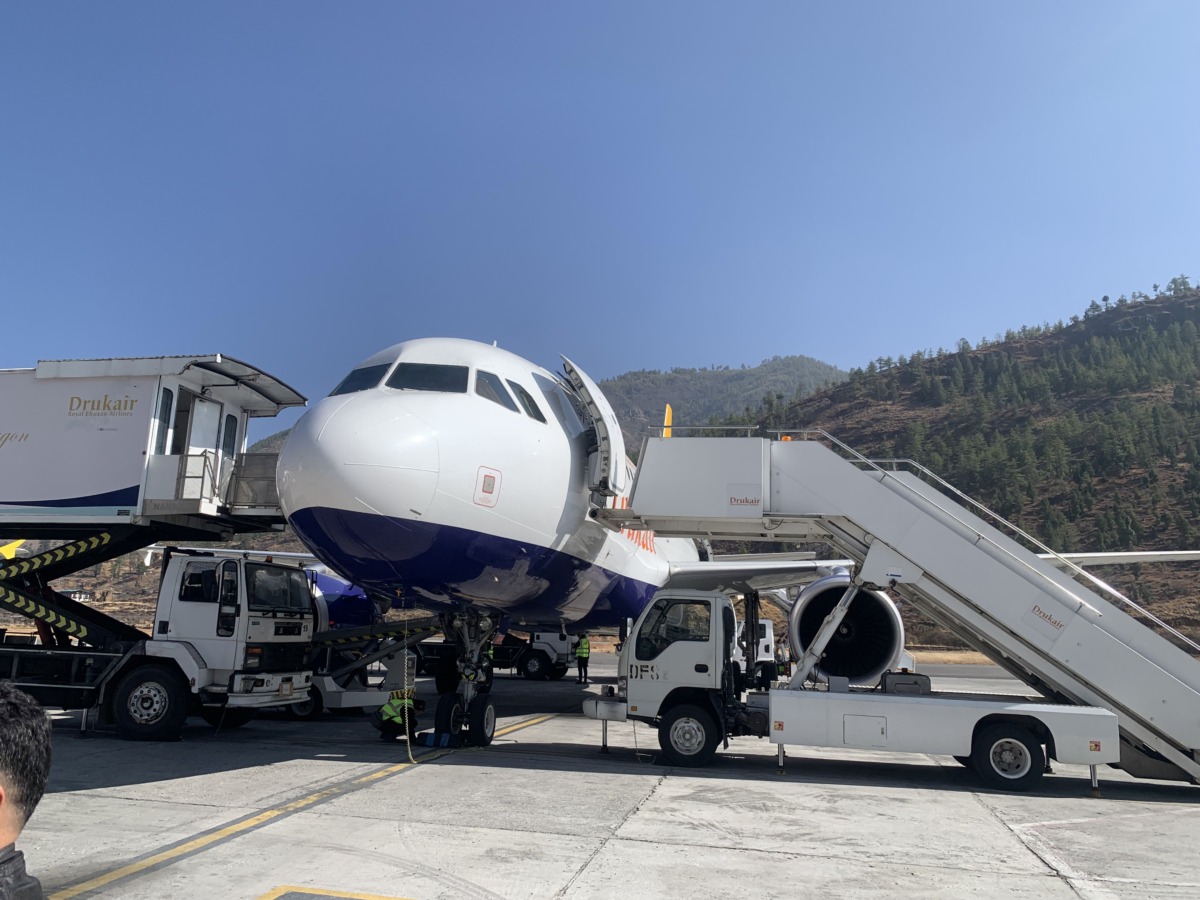
Kathmandu to Paro is also one of the most scenic Himalayan flight routes when the weather is clear. Bhutan Airlines lists Kathmandu–Paro and Paro–Kathmandu routes on its official site, while Drukair is Bhutan’s national airline and also operates international routes to and from Bhutan. Flight schedules can change by season, so travelers should confirm timing before finalizing hotel and tour arrangements.
A common route is:
| Stage | Route | Experience |
|---|---|---|
| Nepal arrival | International flight to Kathmandu | Start with cultural sightseeing |
| Nepal tour | Kathmandu, Pokhara, Chitwan, or short hikes | Culture, nature, wildlife, mountains |
| Bhutan connection | Kathmandu to Paro flight | Scenic Himalayan flight |
| Bhutan tour | Paro, Thimphu, Punakha | Dzongs, monasteries, valleys, Tiger’s Nest |
| Departure | Paro to Kathmandu or onward route | Flexible ending |
Suggested Nepal Bhutan Tour Itinerary
A 10 to 14-day itinerary gives enough time to enjoy both countries without rushing. The best route depends on your travel style, but the following 12-day plan is balanced for culture, nature, wildlife, and Bhutan highlights.
| Day | Destination | Main Experience |
|---|---|---|
| Day 1 | Arrival in Kathmandu | Airport pickup, hotel transfer, short briefing |
| Day 2 | Kathmandu Valley | UNESCO heritage sightseeing |
| Day 3 | Kathmandu to Pokhara | Drive or fly to Pokhara |
| Day 4 | Pokhara | Lakeside, mountain views, caves, viewpoints |
| Day 5 | Pokhara to Chitwan | Travel to Nepal’s southern lowland region |
| Day 6 | Chitwan | Jungle activities and cultural experience |
| Day 7 | Chitwan to Kathmandu | Return to Kathmandu |
| Day 8 | Kathmandu to Paro, drive to Thimphu | Enter Bhutan and visit Thimphu |
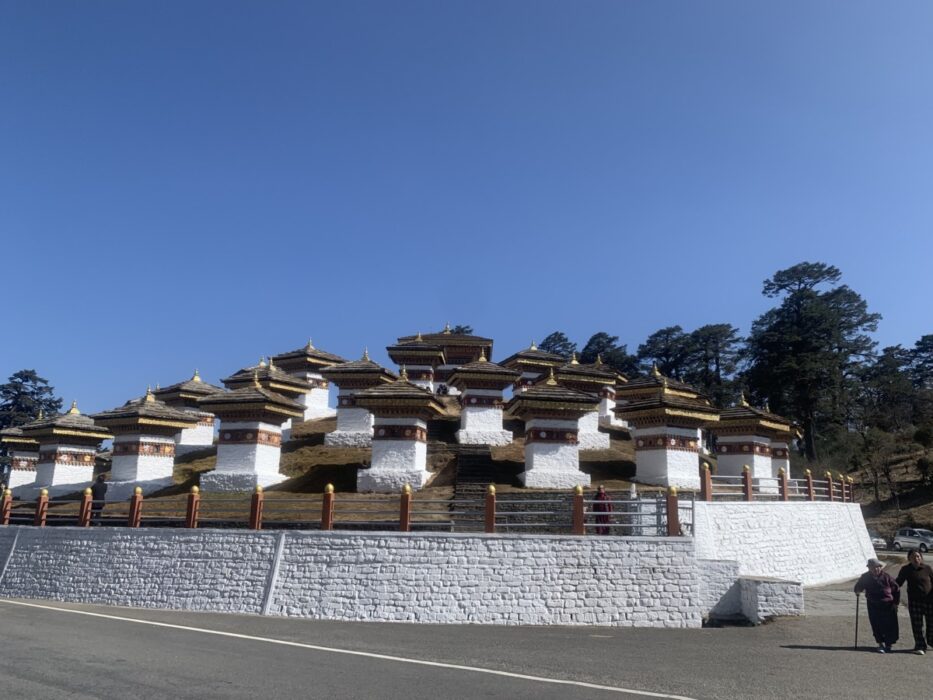
| Day 9 | Thimphu to Punakha | Dochula Pass, Punakha Dzong |
| Day 10 | Punakha to Paro | Valley drive, cultural visits |
| Day 11 | Tiger’s Nest Monastery hike | Bhutan’s signature spiritual hike |
| Day 12 | Departure | Fly from Paro to Kathmandu or onward |
This route gives Nepal enough time for heritage, lakes, mountains, and wildlife while keeping Bhutan focused on its classic cultural triangle: Thimphu, Punakha, and Paro.
Nepal Highlights on a Nepal Bhutan Tour
Kathmandu Valley
Kathmandu is more than a gateway city. It is one of the most important cultural regions in the Himalayas. Nepal Tourism Board describes Kathmandu Valley as the three ancient cities of Kathmandu, Patan, and Bhaktapur, with seven UNESCO World Heritage shrines and hundreds of temples, sculptures, and monuments.
A good Kathmandu sightseeing day may include Boudhanath Stupa, Pashupatinath Temple, Swayambhunath, Patan Durbar Square, or Bhaktapur Durbar Square. These places help travelers understand Nepal’s blend of Buddhist, Hindu, royal, artistic, and local Newari traditions before continuing to Bhutan.
Pokhara
Pokhara adds a softer natural contrast after Kathmandu. It is known for Phewa Lake, mountain views, caves, waterfalls, and nearby hill viewpoints. On a clear morning, travelers can see the Annapurna and Machhapuchhre ranges from several viewpoints around the valley. Pokhara is also a good place to slow down between Kathmandu sightseeing and onward travel to Chitwan or Bhutan.
Chitwan National Park
Chitwan is ideal for travelers who want wildlife and lowland landscapes. UNESCO notes that Chitwan National Park was established in 1973 as Nepal’s first national park and is known for rich flora and fauna, including the single-horned Asiatic rhinoceros and Bengal tiger habitat.
Activities often include canoe rides, nature walks, birdwatching, village visits, and jungle drives, depending on the program and park rules. Chitwan gives the tour a different ecological layer before moving into Bhutan’s mountain valleys.
Bhutan Highlights on a Nepal Bhutan Tour
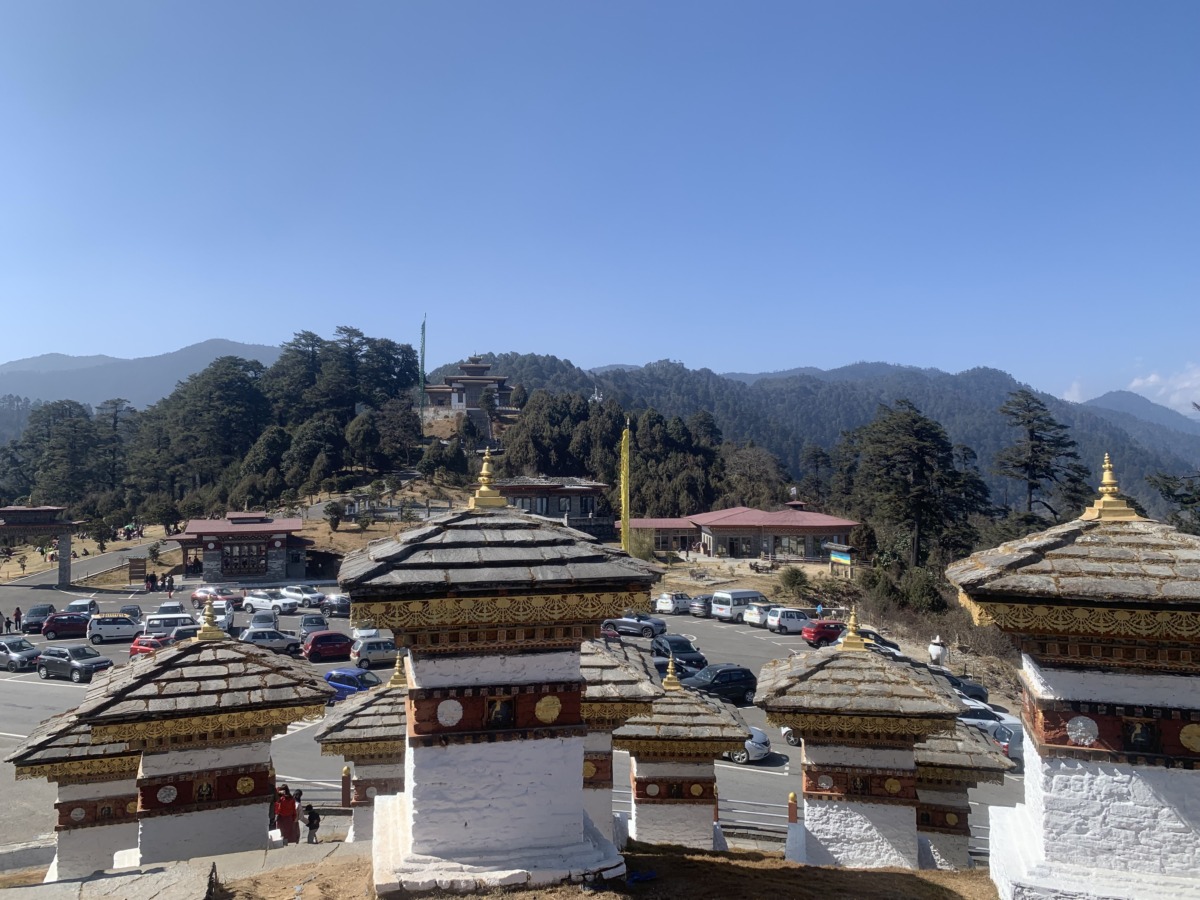
Thimphu
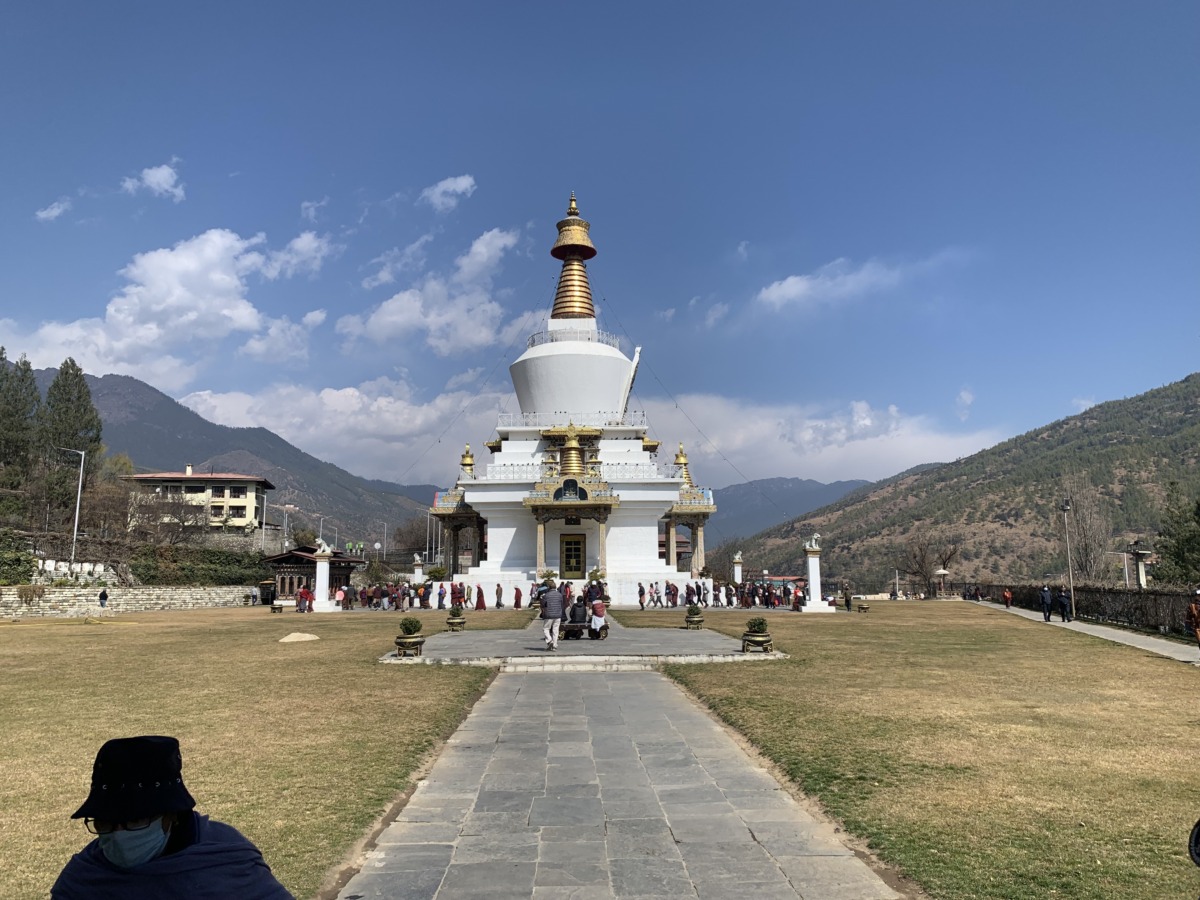
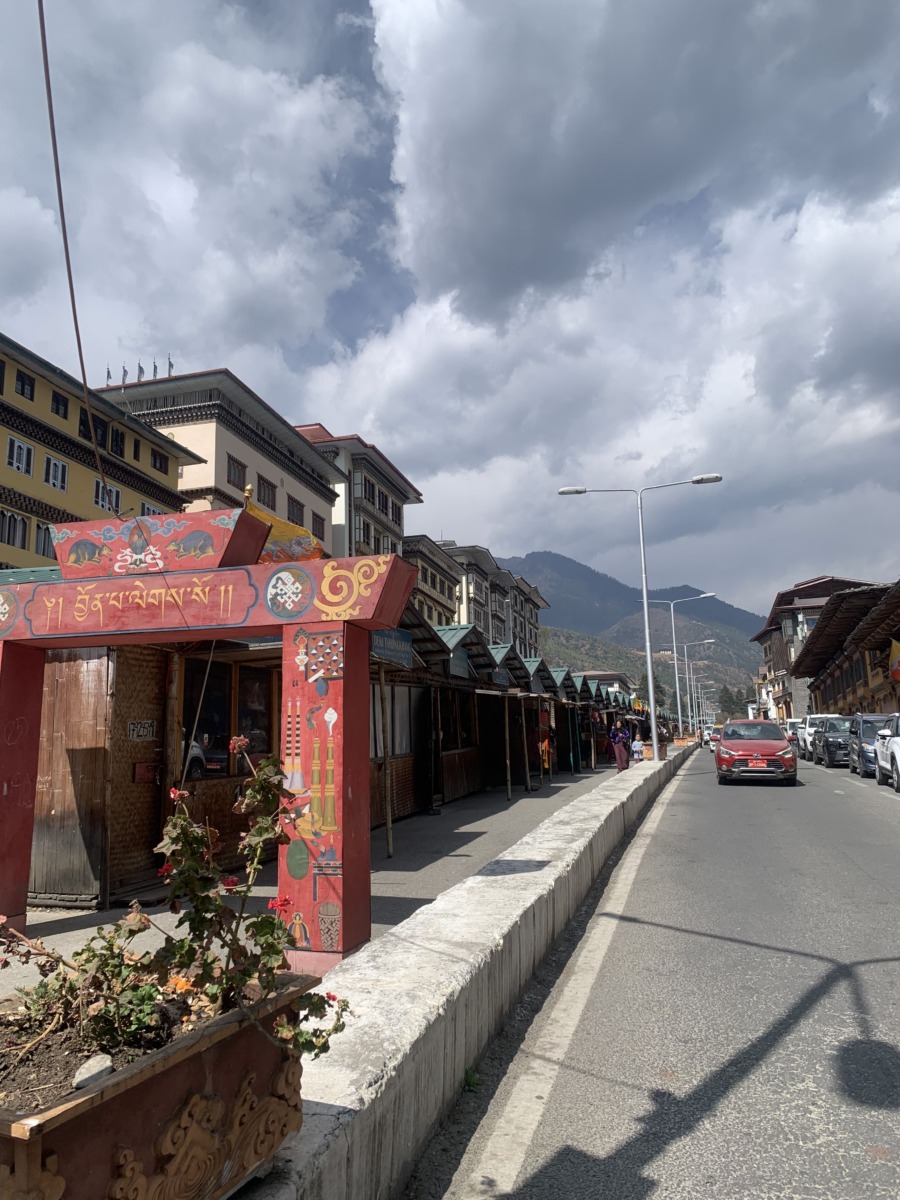
Thimphu is Bhutan’s capital and a good place to understand modern Bhutan. It blends government institutions, monasteries, traditional arts, local markets, and Buddhist landmarks. Visitors often explore sites such as Buddha Dordenma, the National Memorial Chorten, local craft centers, and traditional paper or textile workshops.
Thimphu is also a good introduction to Bhutanese etiquette. Dzongs, temples, and monasteries are active spiritual and administrative spaces, so modest clothing and respectful behavior are important throughout the tour.
Punakha
Punakha is one of Bhutan’s most beautiful valleys and is often included in a Bhutan tour from Kathmandu. The official Punakha district site describes Punakha Dzong as the administrative center of Punakha District, built in 1637–38, and one of Bhutan’s oldest and largest dzongs.
The drive from Thimphu to Punakha usually crosses Dochula Pass, which offers Himalayan views on clear days. Punakha is warmer than Thimphu and Paro, making it pleasant for short walks, photography, and cultural sightseeing.
Paro and Tiger’s Nest Monastery
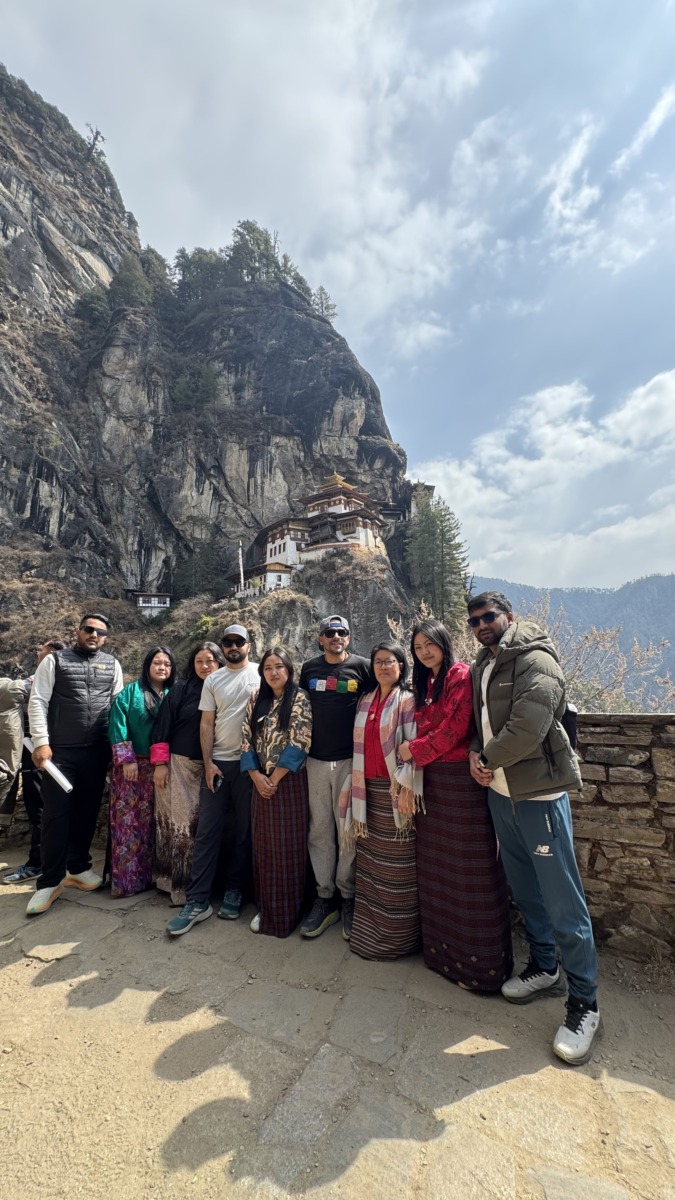
Paro is often the final highlight of a Bhutan tour. It is home to Paro Taktsang, commonly called Tiger’s Nest Monastery. The monastery is famous for its cliffside location above Paro Valley and is considered one of Bhutan’s signature pilgrimage and visitor sites.
The hike to Tiger’s Nest is not a technical trek, but it does require steady walking. Most travelers need several hours for the round trip, including stops for photos, tea, and temple visits. It is best placed near the end of the itinerary because travelers have already adjusted to Bhutan’s pace and altitude.
Nepal vs Bhutan: Travel Experience Comparison
| Topic | Nepal | Bhutan |
|---|---|---|
| Travel style | Flexible, diverse, lively | Regulated, peaceful, culturally preserved |
| Main gateway | Kathmandu | Paro |
| Best for | Heritage, trekking, wildlife, lakes, mountain views | Dzongs, monasteries, valleys, Buddhist culture |
| Tour pace | Can be fast or slow | Usually guided and structured |
| Visa process | Many travelers can use visa-on-arrival or online systems | Most international visitors need visa approval before travel |
| Cost style | Wide range from budget to luxury | Higher due to SDF and regulated tourism |
| Ideal duration | 5–8 days for a basic tour | 4–7 days for a classic cultural route |
Nepal is usually more flexible for different budgets and travel styles. Bhutan is more structured because of its entry rules, SDF, and guided arrangements. Together, they make a strong Himalayan cultural itinerary.
Best Time for Nepal Bhutan Tour
The best time for a Nepal Bhutan Tour is usually spring and autumn.
Spring, from March to May, is good for pleasant weather, blooming flowers, clear mountain views on many days, and comfortable sightseeing. It is also one of the best times for cultural tours and photography in both countries.
Autumn, from September to November, is another excellent season. The weather is usually stable after the monsoon, visibility is often better, and cultural festivals may take place in Nepal and Bhutan. Bhutan’s major festivals, known as tshechus, are especially popular, although exact dates follow the Bhutanese calendar and should be checked before planning.
Winter, from December to February, is colder but can still be rewarding for cultural travel. The skies can be clear, and tourist numbers may be lower. Summer and monsoon months, from June to August, can bring rain in Nepal and clouds that may affect mountain visibility and flight reliability.
Visa and Entry Requirements
For Nepal, the official immigration online portal provides services for visa-on-arrival, visas from Nepalese missions, and electronic travel authorization applications. Travelers should check the latest requirements based on nationality before departure because visa rules can differ by passport.
For Bhutan, most international visitors need a visa before traveling. Bhutan’s official tourism portal states that visitors can apply online or have a tour operator or hotel apply on their behalf. The same official page lists the Sustainable Development Fee at USD 100 per adult per day, with concessionary rates for children, and a non-refundable USD 40 visa application fee.
Travelers from India, Bangladesh, and the Maldives follow separate Bhutan entry procedures, so they should confirm the correct process before booking flights and hotels. Bhutan’s official tourism portal explains that visitors from India require a permit, while Bangladesh and Maldives visitors require a visa with a process outlined separately.
Nepal Bhutan Tour Cost: What Affects the Price?
The cost of a Nepal Bhutan Tour depends on the number of days, hotel category, flight availability, private or group service, guide arrangements, meals, transfers, activities, and Bhutan’s Sustainable Development Fee.
Bhutan is normally the higher-cost part of the trip because the SDF is charged per person per night. A longer Bhutan stay increases the total cost more than a longer Nepal stay. Nepal has a wider range of hotel and transport options, so the cost can be adjusted more easily.
| Cost Factor | How It Affects the Tour |
|---|---|
| Duration | More days increase hotel, guide, meal, and SDF costs |
| Bhutan SDF | Charged per night for most international travelers |
| Flights | Kathmandu–Paro fare changes by date and availability |
| Hotel category | 3-star, 4-star, and luxury options change the budget |
| Private service | Private guide and vehicle cost more than group service |
| Season | Peak seasons may have higher flight and hotel demand |
| Add-ons | Everest flight, extra hikes, luxury hotels, or festivals can increase cost |
For the most accurate price, the itinerary should be calculated after confirming travel dates, group size, nationality, preferred hotel category, and Bhutan stay length.
How Many Days Are Enough for Nepal and Bhutan?
A short Nepal and Bhutan tour can be done in 7 to 8 days, but it will only cover Kathmandu and Bhutan’s main highlights. A balanced itinerary usually needs 10 to 12 days. A deeper tour with Pokhara, Chitwan, and Bhutan is better with 12 to 14 days.
| Duration | Best For | Suggested Route |
|---|---|---|
| 7–8 days | Short cultural trip | Kathmandu, Paro, Thimphu, Tiger’s Nest |
| 10 days | Balanced highlights | Kathmandu, Pokhara, Paro, Thimphu, Punakha |
| 12 days | Complete classic tour | Kathmandu, Pokhara, Chitwan, Thimphu, Punakha, Paro |
| 14+ days | Slow travel | Add Lumbini, Nagarkot, Phobjikha, or longer Bhutan stay |
For first-time visitors, 12 days is often the most comfortable choice because it avoids rushing and includes the strongest highlights from both countries.
Food, Accommodation, and Transport

In Nepal, food options are very flexible. Travelers can find Nepali dal bhat, momos, Tibetan dishes, Indian food, continental meals, and international restaurants in major tourist areas. In Bhutan, meals are often included in tour arrangements and may include rice, vegetables, noodles, soups, meat dishes, and local specialties.
Accommodation in Nepal ranges from budget hotels to luxury resorts. In Bhutan, hotels are licensed and arranged according to the tour category. The overall comfort level depends on the chosen package.
Transport in Nepal usually includes private vehicles for sightseeing and drives, with optional domestic flights. Bhutan tours usually use private vehicles with a guide and driver. The road journeys in Bhutan are scenic but can include winding mountain roads, so travel times may feel longer than the distance suggests.
Packing Tips for a Nepal Bhutan Tour
Packing should be practical rather than heavy. The tour includes temples, monasteries, city walks, countryside drives, possible jungle activities, and the Tiger’s Nest hike.
Bring comfortable walking shoes, modest clothing for religious sites, a light jacket, warm layers for mornings and evenings, sunglasses, sunscreen, a reusable water bottle, personal medicine, travel documents, and a daypack. For the Tiger’s Nest hike, shoes with good grip are useful. In winter, pack warmer layers for Bhutan and hill areas of Nepal.
Since religious sites in both countries require respectful clothing, avoid sleeveless tops, very short clothing, or outfits that are difficult to manage during temple visits. A scarf or light shawl is useful for extra coverage.
Cultural Etiquette in Nepal and Bhutan
Respect is important throughout the journey. In Nepal, remove shoes before entering many temples and homes. Walk clockwise around stupas, prayer wheels, and mani walls where appropriate. Ask before photographing people or rituals.
In Bhutan, temples and dzongs often have stricter rules. Dress modestly, follow your guide’s instructions, avoid loud behavior inside sacred areas, and ask before taking photos. Some indoor areas do not allow photography.
Responsible travel also means avoiding plastic waste, supporting local communities, respecting wildlife rules, and choosing operators that work with licensed guides and local partners.
Why Book with Mountain Treks Nepal?

Mountain Treks Nepal is a useful local partner for travelers who want to combine Nepal and Bhutan in one smooth itinerary. A multi-country tour requires more coordination than a single-country trip because flights, visas, permits, hotels, guides, airport transfers, and daily routes must match correctly.
With Mountain Treks Nepal, travelers can plan a Bhutan tour from Nepal after a Nepal cultural tour, trek, wildlife trip, or short Himalayan holiday. The company’s existing Nepal Bhutan Tour package includes major destinations such as Kathmandu, Pokhara, Chitwan, Thimphu, Paro, and Tiger’s Nest, making it a practical option for travelers who want both countries in one organized journey.
A good local operator also helps adjust the route based on season, flight timing, age, fitness level, hotel preference, and budget. This is especially useful for Bhutan, where visa processing, SDF payment, and guided travel arrangements must be handled carefully.
Frequently Asked Questions About Nepal Bhutan Tour
What is the best Nepal Bhutan Tour itinerary?
The best itinerary for most travelers is a 10 to 12-day route covering Kathmandu, Pokhara, Chitwan, Thimphu, Punakha, Paro, and Tiger’s Nest Monastery. This gives enough time to experience Nepal’s heritage, mountain scenery, lakes, and wildlife, followed by Bhutan’s monasteries, dzongs, valleys, and Buddhist culture.
Can I do a Bhutan Tour from Nepal?
Yes, a Bhutan Tour from Nepal is possible and common. Most travelers fly from Kathmandu to Paro after completing their Nepal sightseeing or trekking program. Kathmandu works well as the starting point because it connects Nepal’s main travel routes with Bhutan’s international gateway.
Is there a direct flight from Kathmandu to Bhutan?
Kathmandu and Paro are connected by Bhutanese airlines, but schedules can change by season and availability. Travelers should check flight timing before finalizing the itinerary, especially during peak travel seasons or monsoon months.
How many days are enough for Nepal and Bhutan?
A short tour can be done in 7 to 8 days, but 10 to 12 days is better for most travelers. A 12-day Nepal Bhutan Tour allows time for Kathmandu, Pokhara, Chitwan, Thimphu, Punakha, Paro, and Tiger’s Nest without feeling too rushed.
Do I need a visa for Bhutan?
Most international travelers need a Bhutan visa before arrival. Bhutan’s official tourism portal says travelers can apply online or through a tour operator or hotel. The visa process also includes payment of the Sustainable Development Fee and the visa application fee.
How much is Bhutan’s Sustainable Development Fee?
Bhutan’s official tourism portal currently lists the Sustainable Development Fee as USD 100 per adult per day, with concessionary rates for children. The visa application fee is listed separately as USD 40. Travelers should check current rules before booking because government policies can change.
Is Nepal cheaper than Bhutan?
Nepal is usually more flexible for budget, mid-range, and luxury travel. Bhutan is generally more expensive because of the Sustainable Development Fee, guided tour structure, and regulated tourism system. The total cost depends on duration, hotels, flights, meals, and group size.
What is the best time for Nepal Bhutan Tour?
Spring and autumn are the best seasons for most travelers. March to May offers pleasant weather and blooming landscapes, while September to November usually provides clearer skies and strong mountain visibility. Winter is quieter and can be good for cultural tours, but it is colder.
Is Tiger’s Nest Monastery difficult to hike?
Tiger’s Nest is a moderate day hike. It does not require climbing skills, but it involves uphill walking and some stairs. Travelers with average fitness can usually complete it slowly with rest stops. Good walking shoes, water, and a light jacket are recommended.
Can I combine Nepal trekking with Bhutan tour?
Yes, Nepal trekking can be combined with a Bhutan tour. Popular combinations include Everest View Trek with Bhutan, Ghorepani Poon Hill Trek with Bhutan, Langtang Trek with Bhutan, or a short Kathmandu and Pokhara tour before flying to Paro.
Is a Nepal Bhutan Tour suitable for families?
Yes, it can be suitable for families when the itinerary is paced properly. Families should avoid rushing between too many places and choose comfortable hotels, private transport, and rest time. The Tiger’s Nest hike can be adjusted depending on age and fitness.
Should I book Nepal and Bhutan separately or together?
Booking both countries together is usually easier because the itinerary must coordinate international flights, Bhutan visa processing, hotels, guides, transfers, and daily sightseeing. A single operator like Mountain Treks Nepal can help reduce planning mistakes and keep the route practical.
Conclusion
A Nepal Bhutan Tour is a rich Himalayan journey that combines Nepal’s cultural depth, mountain landscapes, wildlife, and lively cities with Bhutan’s peaceful valleys, monasteries, dzongs, and spiritual traditions. Starting with a Bhutan Tour from Kathmandu is practical because travelers can first explore Nepal and then fly onward to Paro for Bhutan’s classic cultural route.
For most travelers, a 10 to 12-day itinerary is the best balance. It gives enough time for Kathmandu, Pokhara, Chitwan, Thimphu, Punakha, Paro, and Tiger’s Nest without making the journey feel rushed. With the right season, clear visa planning, realistic budgeting, and a trusted local operator, this combined Himalayan tour can become one of the most memorable travel experiences in South Asia.