


Short Everest Base Camp Trek with Helicopter Return - 7 Days
-
Duration:
7 days -
Max Altitude:
5,545mm -
Difficulty Level:
Strenuous / Elite Pace -
Best Season:
March–May and September–November
Overview
The Short Everest Base Camp Trek with Helicopter Return (7 Days) is an elite, fast-track adventure designed specifically for physically fit, experienced trekkers with limited holiday time. This rapid package allows you to ascend from the mountain airstrip of Lukla straight to the foot of the world’s highest peak in just 6 days of intensive trekking, before skipping the grueling 4-day return march with a luxury helicopter flyback from Gorak Shep to Kathmandu.
This 7-day fast-track route covers all primary structural landmarks of the historic Khumbu trail: the bustling Sherpa capital of Namche Bazaar, the spiritual spiritual grounds of Tengboche Monastery, the high alpine fields of Dingboche, and the raw glacial moraine of Lobuche. Your journey culminates with an unforgettable trek into Everest Base Camp (5,364 m) and a sunrise summit climb of Kala Patthar (5,545 m) for the ultimate up-close view of Mount Everest, Lhotse, and Nuptse.
Crucial Safety Note for the 7-Day Package: Unlike standard 10-to-14-day itineraries, this express itinerary has no built-in acclimatization rest days at Namche Bazaar or Dingboche. It features a continuous, demanding upward trajectory. This package is strictly recommended for trekkers with excellent physical conditioning, robust cardiovascular endurance, or recent previous high-altitude experience.
By choosing Mountain Treks Nepal, you are partnering with experienced local Sherpa guides who closely monitor your oxygen levels, track erratic Khumbu weather shifts, and manage all high-altitude logistics to execute this rapid timeline smoothly and safely.
Why Choose the 7-Day Everest Base Camp Helicopter Express?
The classic round-trip foot trek to Everest Base Camp demands 12 to 16 days. For modern adventurers short on time but rich in ambition, this 7-day package compresses the dream into a tight one-week timeframe by changing how you return.
-
Maximum Time Efficiency: Reach Everest Base Camp and return to the capital in exactly one week.
-
Skip the Downhill Grind: Avoid retracing your steps for 3 to 4 days down steep, knee-jarring descents through Pheriche, Namche, and Lukla.
-
Breathtaking Aerial Luxury: Trade the return walk for a 90-minute scenic helicopter flight directly over the Khumbu Glacier, Icefall, and towering Himalayan walls.
-
Uncompromised Highlights: You skip zero ascending milestones every iconic Sherpa village, suspension bridge, and viewpoint on the way up remains entirely intact.
Altitude Profile
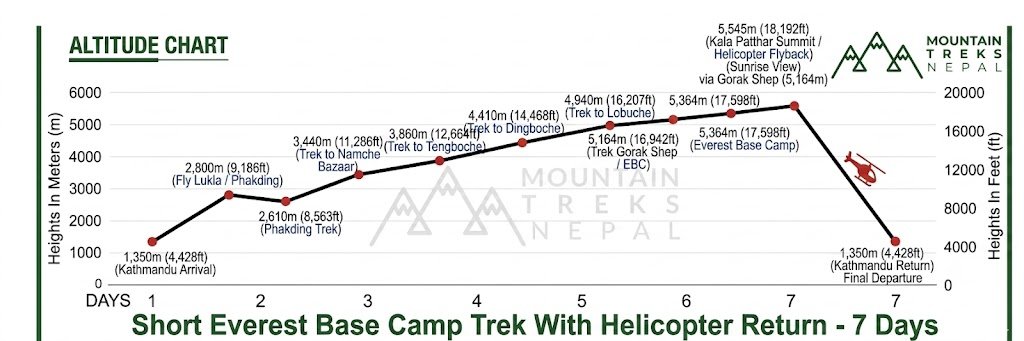
This rapid 7-day itinerary features a steep, daily ascending profile with no flat rest plateaus:
-
Day 1: Land at Lukla (2,800 m) -> Descend to Phakding (2,610 m)
-
Day 2: Steep climb to Namche Bazaar (3,440 m)
-
Day 3: Continuous ascent to Tengboche Monastery (3,860 m)
-
Day 4: Move past the tree-line into high alpine terrain at Dingboche (4,410 m)
-
Day 5: Push past the Thukla Pass moraine to Lobuche (4,940 m)
-
Day 6: Reach the ultimate trekking goals: Gorak Shep (5,164 m) and Everest Base Camp (5,364 m)
-
Day 7: Summit Kala Patthar at an absolute pinnacle of 5,545 m, followed by a direct aerial helicopter descent back to Kathmandu (1,350 m).
Best Time for the 7-Day Fast-Track Trek
Because of the strict, non-stop timeline of this 7-day package, weather stability is critical for preventing flight delays or trail hazards.
Spring (March to May)
An optimal window. Weather windows are highly stable, temperatures at high altitudes are manageable, and blooming rhododendron forests line the lower valleys. Base Camp is vibrant with international Everest expedition teams.
Autumn (September to November)
The gold standard for clear skies. Post-monsoon air provides crystal-clear visibility for tracking mountain sharp peaks. High-pressure systems bring the most predictable flight and helicopter conditions of the year.
Winter (December to February) & Monsoon (June to August)
Not recommended for this specific 7-day express package. Winter brings extreme sub-zero temperatures above Dingboche, while the summer monsoon introduces heavy rain, mud, and high chances of flight cancellations that disrupt tight 7-day schedules.
Difficulty & Physical Conditioning
This trek is classified as Strenuous / Elite Pace. While no technical mountaineering gear, ropes, or climbing skills are required, you must walk between 5 to 8 hours daily over steep inclines, suspension bridges, loose scree, and rugged glacier moraines.
Because this itinerary lacks rest days, the risk of Acute Mountain Sickness (AMS) is elevated. Trekkers must maintain an intentionally slow ascending pace , practice aggressive hydration (4–5 liters of water daily), and immediately communicate any signs of headache or dizziness to their Mountain Treks Nepal guide. Consult a medical professional before booking if you have any pre-existing cardiovascular or respiratory conditions.
Accommodation and Meals
-
Lodging: During the trek, you will stay in traditional Sherpa teahouses and mountain lodges on a twin-sharing basis. Facilities are clean and cozy in lower hubs like Phakding and Namche, becoming increasingly basic, rustic, and cold as you hit the high-altitude settlements of Lobuche and Gorak Shep.
-
Meals: Fueling your body is vital on a rapid trek. Menus include high-carbohydrate local staples like Dal Bhat (lentils, rice, and vegetable curry highly recommended for infinite free refills and sustained energy), noodles, pasta, garlic soups, eggs, porridge, and hot teas.
Permits Required
Mountain Treks Nepal fully handles and includes all mandatory entry clearances for your expedition:
-
Khumbu Pasang Lhamu Rural Municipality Permit
-
Sagarmatha National Park Entry Permit
Helicopter Return Logistics
Your luxury helicopter return initiates directly from the high-altitude helipad at Gorak Shep on Day 7 immediately following your Kala Patthar trek.
-
Flight Operation: Flights are operated on a shared basis (up to 5 passengers per aircraft) unless a private charter is booked.
-
Weight Restrictions: Due to thin air at extreme altitudes (5,100 m), helicopters operate under strict payload limits. Individual passenger weight and baggage limits are strictly enforced (typically a maximum of 10–15 kg for your main duffel).
-
Weather Shifts: Himalayan aviation depends entirely on clear visibility and safe wind thresholds. Your guide and our Kathmandu office maintain constant contact with aviation dispatchers to utilize optimal morning flight windows.
Travel Insurance Requirements
Comprehensive travel insurance is compulsory before setting foot on the trail. Your policy must explicitly state coverage for high-altitude trekking up to 6,000 meters and include emergency helicopter evacuation/search and rescue within Nepal. You must present your policy documents to our team during your pre-trip check.
Gear & Packing Addendum
Keep your main duffel bag limited to 15 kg maximum to guarantee safe helicopter weight distributions during your high-altitude departure from Gorak Shep.
-
Essential Layering: Moisture-wicking base layers, heavy-duty thermal fleece mid-layers, a windproof/waterproof outer shell jacket, and a mandatory -15°C rated down jacket.
-
Footwear: Well-broken-in, waterproof leather or synthetic hiking boots featuring strong ankle support, paired with thick merino wool socks.
-
Daypack Essentials: A 35L pack containing high-UV sunglasses, SPF 50+ sunscreen, a reliable headlamp with extra batteries, water purification tablets, warm gloves, wet wipes, and personal prescription medications.
Why Book with Mountain Treks Nepal?
Mountain Treks Nepal is a local trekking company based in Nepal with experience organizing Himalayan treks, tours, and adventure holidays. Booking with a local company helps you receive direct communication, flexible planning, fair pricing, and support from people who know the Everest region personally.
Our team focuses on safety, local knowledge, honest service, flexible itineraries, and responsible travel. Whether you are a solo trekker, couple, family, student group, or private group, we can organize the Short Everest Base Camp Trek with Helicopter Return according to your travel dates and comfort level.
Conclusion
The Short Everest Base Camp Trek with Helicopter Return is a once-in-a-lifetime Himalayan adventure that combines an elite, fast-paced trek with a scenic helicopter flight back to Kathmandu. A good packing list helps make the journey safer, warmer, and more comfortable from Lukla to Everest Base Camp and Kala Patthar.
With proper clothing, trekking gear, personal medicine, documents, and essential accessories, you can enjoy the trail with more confidence. Mountain weather can be unpredictable, so it is always better to prepare well before starting the trek.
Pack wisely, walk slowly, stay hydrated, follow your guide’s advice, and enjoy every moment of your Everest Base Camp journey with Mountain Treks Nepal.
Trip Highlights
-
Unprecedented 7-Day Timeline: Stand at the base of the world’s tallest peak and return in exactly one week.
-
Everest Base Camp Access: Walk right onto the edge of the historic Khumbu Icefield at 5,364 m.
-
Kala Patthar Sunrise Climb: Achieve a maximum altitude of 5,545 m for the ultimate, unrestricted view of Mt. Everest’s summit.
-
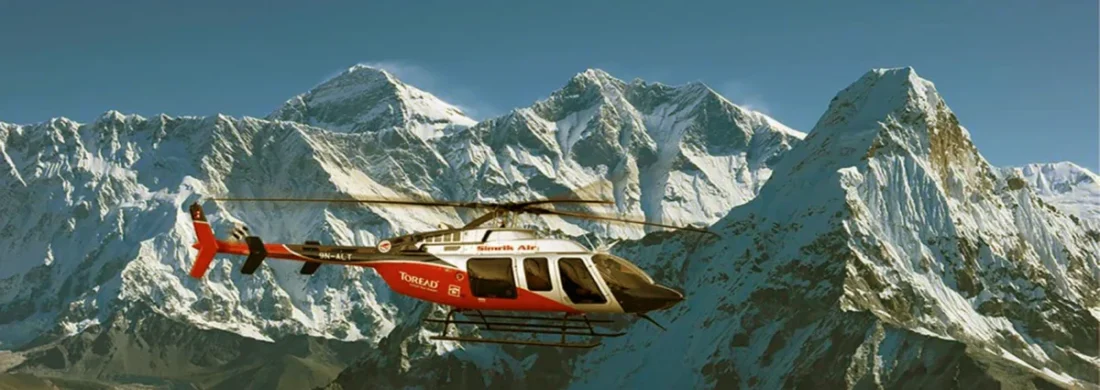
Premium Helicopter Flyback: Soar directly past Everest, Lhotse, and Ama Dablam on a 90-minute aerial return to Kathmandu.
-
Iconic Sherpa Hubs: Move through Namche Bazaar and explore the historic spiritual chambers of Tengboche Monastery.
-
Protected Wildlife Corridors: Cross deep gorges via high suspension bridges inside UNESCO-listed Sagarmatha National Park.
Have a Question? Inquire Now
Why Mountain Treks Nepal?
- Expert Team for Unparalleled Experience
- Best Price Guarantee
- Safety is the first Priority
- Easy Booking & Secure Online Payment
- Flexible And Personalized Service
- 24/7 Support
- Highest Satisfaction Guaranteed
- Highly Experienced Guides
- Your Satisfaction is Our Guarantee
- One-time Deposit, Assured for a Life Time
Detailed Itinerary
- Flight Time: 30–35 minutes (Kathmandu or Ramechhap based on seasonal aviation traffic)
- Trekking Duration: 3–4 hours
- Distance: ~6.2 km
- Max Altitude: 2,800m (Lukla) / 2,610m (Phakding)
- Accommodation: Mountain Teahouse
- Meals: Lunch, Dinner
An early morning transfer brings you to the airport for your flight to Tenzing-Hillary Airport in Lukla widely celebrated as one of the most thrilling mountain landings in the world. After organizing gear with our team of porters, your foot journey begins. You descend gradually along the path of the turquoise Dudh Koshi River, passing carved mani stones, prayer wheels, and small farming hamlets before arriving at the peaceful riverside village of Phakding.
- Trekking Duration: 5–6 hours
- Distance: ~7.4 km
- Max Altitude: 3,440m
- Accommodation: Mountain Teahouse
- Meals: Breakfast, Lunch, Dinner
Following a hearty breakfast, the trail winds alongside the river banks, crossing spectacular, high suspension bridges draped in colorful Buddhist prayer flags. You pass the village of Monjo to clear your credentials at the official Sagarmatha National Park entry gate. After crossing the iconic Hillary Suspension Bridge at the confluence of two rivers, you face the famous, grueling uphill climb through pine forests to Namche Bazaar. On clear days, this ridge rewards your effort with your first glimpse of Mount Everest. You spend the evening resting inside the natural amphitheater of Namche.
- Trekking Duration: 5–6 hours
- Distance: ~9.2 km
- Max Altitude: 3,860m
- Accommodation: Mountain Teahouse
- Meals: Breakfast, Lunch, Dinner
The day starts with a panoramic high-line trail offering clear, wide-angle views of Everest, Lhotse, Nuptse, and the iconic, jagged peak of Ama Dablam. The trail then drops sharply into the deep valley forest at Phunge Tenga for a warm lunch. From the riverbed, you tackle a steady, challenging afternoon switchback climb through rhododendron corridors to reach the high ridge of Tengboche. Here, you will explore the famous Tengboche Monastery, the spiritual core of the Khumbu, backdropped by an incredible mountain wall.
- Trekking Duration: 5–6 hours
- Distance: ~9.1 km
- Max Altitude: 4,410m
- Accommodation: Mountain Teahouse
- Meals: Breakfast, Lunch, Dinner
You descend through the mossy forests of Deboche before crossing a roaring suspension bridge over the Imja Khola. The path leads you through the ancient stone houses of Pangboche village, situated directly under the shadow of Ama Dablam. As you push higher, the dense forests completely disappear, making way for a stark, dry, and wind-swept alpine landscape. You pass stone croplands and yak pastures before ascending the final ridge into the wide valley of Dingboche.
- Trekking Duration: 5–6 hours
- Distance: ~7.9 km
- Max Altitude: 4,940m
- Accommodation: Mountain Teahouse
- Meals: Breakfast, Lunch, Dinner
The trail takes you along a wide glacial valley floor toward the small settlement of Thukla. After a brief rest, you ascend the steep, rocky terrain of the Thukla Pass (Dughla Pass). At the top of this pass sits the emotionally moving Everest Memorial site, home to stone monuments honoring the lives of climbers and Sherpas who passed away on nearby peaks. From here, the route tracks the lateral moraine of the massive Khumbu Glacier, leading you into the cold, high-altitude outpost of Lobuche.
- Trekking Duration: 7–8 hours (total round-trip)
- Distance: ~12 km
- Max Altitude: 5,164m (Gorak Shep) / 5,364m (Base Camp)
- Accommodation: Mountain Teahouse at Gorak Shep
- Meals: Breakfast, Lunch, Dinner
The big day has arrived. Leaving early, you cross rugged, undulating fields of loose rock and glacier debris to reach Gorak Shep, the final outcropping of lodges on the trail. After a quick lunch and dropping your heavy packs, you push onward along the active spine of the Khumbu Glacier toward Everest Base Camp. After hours of technical high-altitude walking, you stand at 5,364 m at the base of the world’s highest peak. Celebrate your achievement, capture photos next to the iconic spray-painted marker boulder, and watch icefall expeditions before returning to Gorak Shep for a cold, high-altitude night.
- Trekking Duration: 3–4 hours (sunrise climb)
- Flight Time: ~90 minutes via Helicopter
- Max Altitude: 5,545m (Kala Patthar summit) / 1,350m (Kathmandu)
- Accommodation: Not included (End of service)
- Meals: Breakfast
Wake up before dawn in freezing conditions to tackle the demanding, steep switchback climb up the black rock face of Kala Patthar. This is the absolute physical peak of your journey (5,545 m). As the sun rises over the horizon, you are treated to a 360-degree, unobstructed view of Mount Everest’s true face, the Khumbu Icefield, and neighboring giants like Nuptse and Pumori.
After descending back to Gorak Shep for a warm breakfast, you pack your bags and board a luxury helicopter. The aircraft lifts off from the roof of the world, providing a breathtaking, bird’s-eye view of the entire path you walked over last week. After a refueling stop, you fly directly back to Kathmandu, where our private vehicle transfers you to your city destination. Your express adventure is officially complete!
Trip Includes
-
Shared Helicopter Flight: Direct aerial return from Gorak Shep/Kala Patthar back to Kathmandu.
-
Domestic Airfare: One-way flight ticket from Kathmandu/Ramechhap to Lukla.
-
Ground Transfers: All airport pickups and drops via private tourist vehicles (both international and domestic terminals).
-
High-Altitude Lodging: 6 nights of teahouse/lodge accommodations during the trekking route.
-
Full Mountain Board: 3 nutritious meals a day (Breakfast, Lunch, Dinner) along the entire trekking trail, accompanied by hot tea or coffee.
-
Professional Crew: An authorized, English-speaking local Sherpa trek guide and team of strong porters (1 porter per 2 trekkers; max weight 25 kg per trekker) including their salaries, food, lodging, insurance, and flights.
-
Permits: All required regional clearances, including Sagarmatha National Park entry fees and Khumbu Pasang Lhamu cards.
-
Emergency Gear: Comprehensive first-aid medical kits and pulse oximeters carried constantly by your guide.
-
Taxes: All applicable government financial levies and local agency service taxes.
Trip Excludes
-
International Flights: Worldwide airfares to and from Tribhuvan International Airport (TIA).
-
Nepal Tourist Visa: Available on arrival at the airport terminal.
-
Mandatory Insurance: Comprehensive high-altitude medical and emergency helicopter extraction insurance policies.
-
City Comforts: Hotel stays, lunches, and dinners within Kathmandu before or after the designated 7-day window.
-
Personal Gear: Hardcore technical clothing, hiking boots, sleeping bags, and personal trekking poles.
-
Lodge Luxuries: Hot showers, satellite Wi-Fi scratch cards, electronic device charging fees, boiled drinking water, and bar tabs (sodas, beer, spirits).
-
Private Upgrades: Additional fees required to convert the shared helicopter return into a private single-charter flight.
-
Tips: Gratuities for your hard-working guides, porters, and drivers at the completion of your journey.
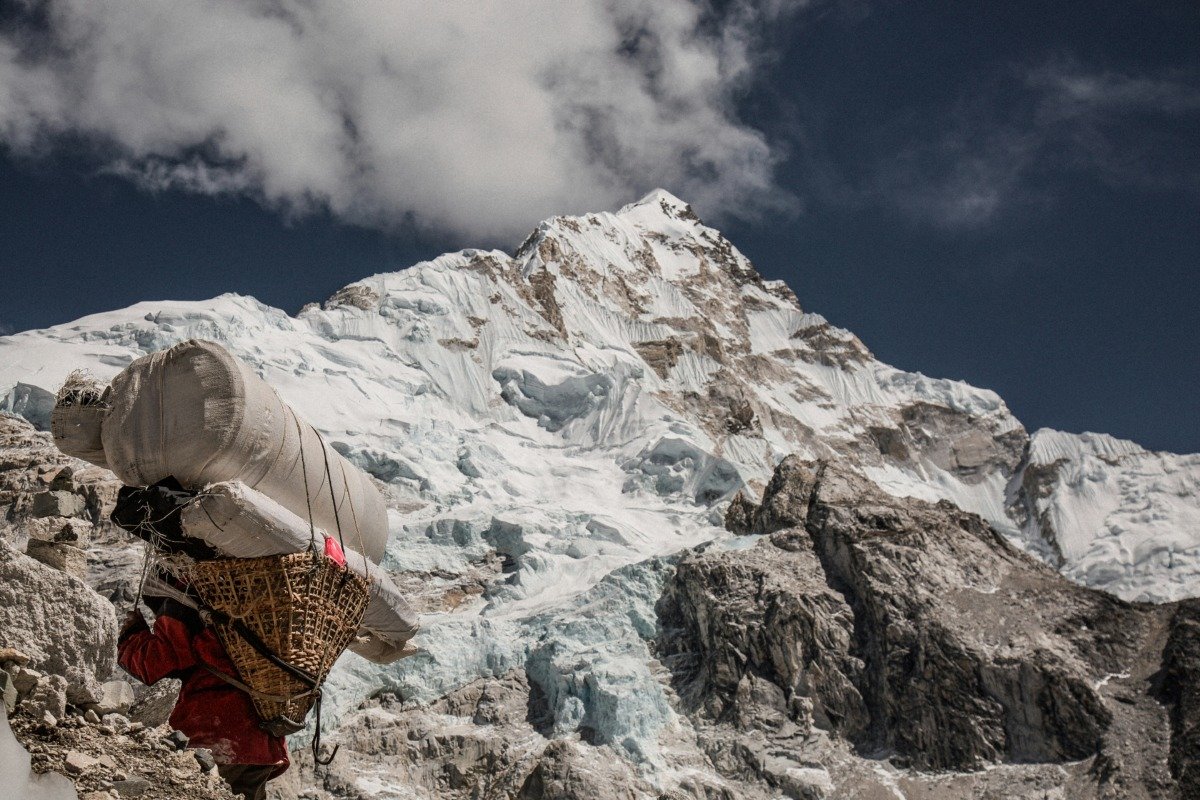
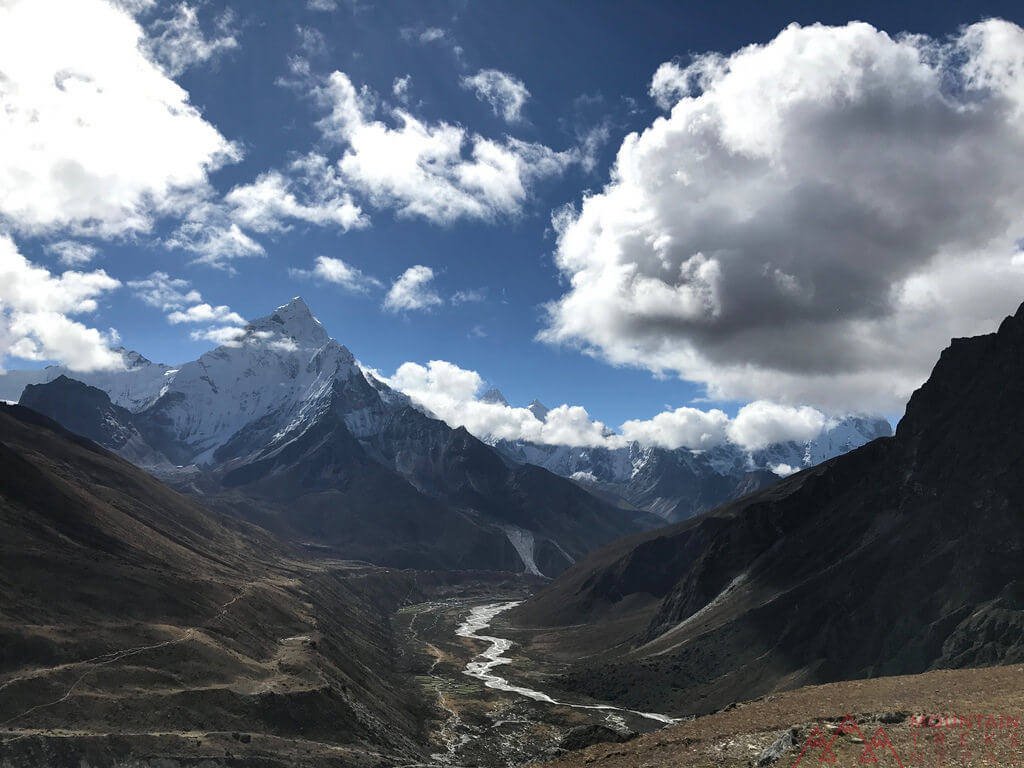
Trip Photo Gallery







Packing List For Short Everest Base Camp Trek with Helicopter Return

General
- Four-season (zero degree) sleeping bag
- Sleeping bag liner
- Puffy down jacket
- Daypack (35-45 liters) with rain cover

Upper Body
- Warm Hat
- Sunglasses
- Scarf/Neck Gaiter/Buff (highly recommended)

Torso
- Moisture-wicking base layers
- Insulating layers (fleece jacket)
- Puffy down jacket
- Waterproof and windproof outer shell jacket

Lower Body
- Quick-drying trekking pants
- Thermal leggings (for high altitudes)
- Waterproof and windproof pants
- Sturdy hiking boots
- Moisture-wicking trekking socks
- Shorts (for lower altitudes or warmer days)

Hands
- Insulated gloves or mittens
- Liner gloves (for added warmth or dexterity)
- Waterproof outer gloves or mittens
- Hand warmers (optional, for extra cold conditions)
- Sunscreen (for protecting your hands from sunburn at high altitudes)
- Hand sanitizer or wet wipes
- Small repair kit (including duct tape for any handwear repairs)

Feet
- Tough hiking boots
- Trekking socks that wick away moisture
- Optional liner socks for increased comfort
(To prevent snow and debris out of your boots) gaiters - Foot warmers—optional in very cold climates
extra laces - Supplies for treating blisters

Medicines and First Aid Kits
- Personalized first aid kit
- Bandages and adhesive tape
- Antiseptic wipes
- Pain relievers
- Anti-diarrheal medication
- Altitude sickness medication
- Sunburn relief cream
- Cough Syrup

Other Equipments
- Passport and Documents
- Trekking poles for stability
- Water bottles or hydration system
- Water purification tablets or filter
- Lightweight towel and toiletries
- Sunscreen and lip balm with SPF
- Insect repellent
- Portable charger or solar charger
Frequently Asked Questions
The 7-day express package is designed for physically elite travelers short on time. It skips the traditional 3 to 4 days of retracing your steps downhill on foot by flying you straight from Gorak Shep to Kathmandu via helicopter. Additionally, unlike the 10 or 14-day packages, it cuts out the acclimatization rest days in Namche Bazaar and Dingboche, moving continuously upward.
It is safe only for the right category of trekker. Because there are no rest days at 3,440m or 4,410m, your body faces non-stop altitude exposure. This package is strictly recommended for travelers with excellent cardiovascular fitness, high-altitude trekking experience, or those who have recently acclimatized on other peaks. Our guides carry pulse oximeters to check your blood oxygen saturation daily.
No. Except for emergency medical evacuations, commercial passenger flights do not land directly on the shifting, unstable ice of Everest Base Camp. Your luxury helicopter pickup takes place at the stable mountain helipad in Gorak Shep (5,164 m), which is the final lodge outpost just a 2 to 3-hour walk from Base Camp.
The helicopter flight departs from Gorak Shep and flies directly over the Khumbu Glacier, Khumbu Icefall, Tengboche Monastery, and deep alpine valleys. It takes approximately 90 minutes to reach Kathmandu, including a brief, scenic 15-minute operational stop at Lukla Airport for refueling.
Due to the thin air at extreme altitudes (5,000 m+ ), helicopters face strict weight payloads. On a standard shared flight (up to 5 passengers), the individual weight allowance for your main duffel bag and daypack is strictly capped at 10 to 15 kg (22 to 33 lbs) per person. Excess weight may require buying a private charter upgrade or paying extra shuttle fees.
Yes. If you are traveling as a private group, a couple, or simply want a private experience without sharing the cabin with other trekkers, you can contact Mountain Treks Nepal to pay a private upgrade supplement. A private charter also allows more flexible departure timing and higher overall weight limits for your group.
The difficulty level is Strenuous. Since you are ascending every single day without a break, your muscles and lungs do not get a rest day. You will walk between 5 to 8 hours daily over steep mountain ridges, rocky paths, suspension bridges, and rough glacier moraines.
Himalayan weather changes rapidly. If thick clouds, mountain winds, or poor visibility make flying unsafe, the flight will be postponed until the next clear weather window. Because this tight 7-day schedule has no built-in buffer days, Mountain Treks Nepal strongly recommends booking your international departure flight out of Nepal at least 24 to 48 hours after your scheduled trek end date.
The absolute physical peak of the trip is reached on the morning of Day 07 at the summit of Kala Patthar, which sits at 5,545 m (18,192 ft). This viewpoint offers the ultimate, unobstructed view of Mount Everest's true summit. The highest point reached on foot during the trek prior to this is Everest Base Camp at 5,364 m (17,598 ft).
You need two legal permits: the Khumbu Pasang Lhamu Rural Municipality Permit and the Sagarmatha National Park Entry Permit. Even though you are returning by helicopter, these permits are mandatory because you are entering a protected UNESCO World Heritage zone on foot. Mountain Treks Nepal fully arranges and includes both permits in your package price.
We do not recommend the 7-day express itinerary for absolute beginners due to the missing acclimatization days. Fit beginners who want a helicopter return should instead choose our 10-Day Everest Base Camp Trek with Helicopter Return, which includes the necessary rest days in Namche and Dingboche to ensure a much safer and more comfortable introduction to high altitudes.
You should begin training at least 6 to 8 weeks before your trip. Focus heavily on cardiovascular endurance and leg strength. Excellent preparation activities include running, cycling, swimming, stair climbing, and taking long weekend hikes with a weighted 5 to 7 kg backpack to condition your back and core muscles.
You will sleep in local, family-run Sherpa teahouses and mountain lodges. Rooms are clean, simple, and booked on a twin-sharing basis with common bathrooms. While places like Phakding and Namche Bazaar offer better amenities, facilities become very rustic, basic, and cold at high-altitude stops like Lobuche and Gorak Shep.
The package includes 3 freshly cooked mountain meals daily (Breakfast, Lunch, Dinner) along with hot tea or coffee. The menus feature noodles, soups, pasta, eggs, and pancakes. We highly recommend the local staple Dal Bhat (lentils, rice, and vegetable curry) it is rich in carbohydrates, freshly prepared, and comes with free refills to keep your energy high.
Yes. You can buy sealed mineral water bottles at every teahouse, though prices increase as you climb higher. To reduce plastic waste and save money, we recommend bringing reusable water bottles or a hydration bladder, which your guide can fill with boiled water at the lodges, or you can treat yourself using water purification tablets/UV filters.
Yes, but they are considered lodge luxuries and are not included in the base package. Teahouses charge small extra fees (typically $3 to $7 USD) for hot gas showers, charging your phones/power banks, or purchasing local satellite Wi-Fi scratch cards.
Yes, comprehensive travel insurance is 100% mandatory. Your insurance provider must issue a policy that explicitly covers high-altitude trekking up to 6,000 meters and includes emergency medical helicopter evacuation and search-and-rescue coverage within Nepal. You must provide a copy of this policy to our team before flying to Lukla.
Your guide carries a comprehensive medical kit, but you should bring a personal supply of basic items: pain relievers (Ibuprofen), rehydration salts, anti-diarrheal pills, throat lozenges for the dry mountain air, blister plasters, band-aids, and a supply of Acetazolamide (Diamox) after consulting your personal doctor regarding altitude sickness prevention.
While your main meals and lodging are covered by Mountain Treks Nepal, you should bring extra spending cash in Nepali Rupees (NPR). You will need around $ 30 to $40 USD equivalent per day to cover personal items such as Wi-Fi, hot showers, device charging, snacks, sodas, beers, and tips for your trekking crew. There are no reliable ATMs above Namche Bazaar.
Mountain Treks Nepal is a fully licensed, local agency based in Kathmandu with over 15 years of Himalayan experience. Booking directly with a local company ensures you bypass middleman fees, receive real-time updates on local weather and flight schedules, and trek under the care of expert local Sherpa guides who prioritize your high-altitude safety on an accelerated timeline.