



Share This:
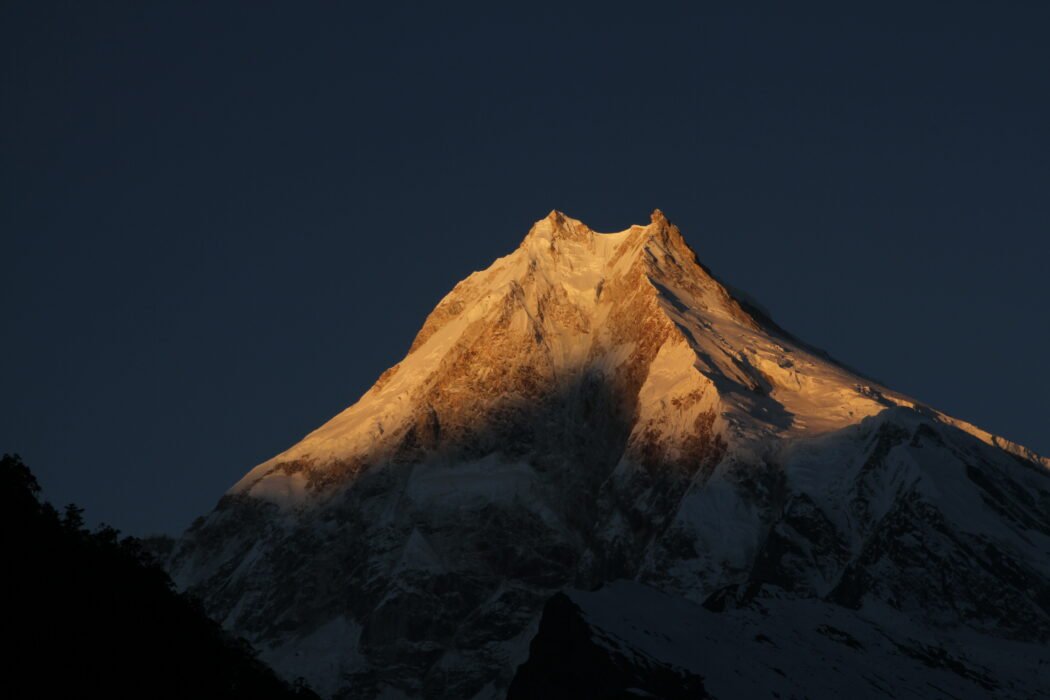
Manaslu Circuit Trek Cost (2026 Guide): Complete Breakdown, Permits, Logistics & Real Budget Planning
The Manaslu Circuit Trek cost in 2026 typically ranges between USD 795 and USD 1,200 per person, depending on group size, services included, transport choices, and seasonal permit rates. Premium or fully private arrangements may exceed this range.
This guide provides a transparent, evidence-based breakdown of the Manaslu Circuit Trek, including permits, guide requirements, food, accommodation, transportation, insurance, and hidden expenses. The goal is clear: deliver reliable, field-based cost insight that supports confident planning while reflecting real operational conditions in Nepal.
What Determines Manaslu Circuit Trek Cost?

The Manaslu Circuit Trek cost is influenced by six core factors:
-
Government permit structure (restricted area pricing)
-
Mandatory licensed guide requirement
-
Trek duration (standard 14 days)
-
Group size
-
Transport type (public bus vs private jeep)
-
Level of service (basic teahouse vs upgraded logistics)
Unlike Annapurna or Everest, Manaslu is a restricted region, which directly impacts total cost.
2026 Manaslu Circuit Trek Cost Overview
Standard 14-Day Package Pricing (Per Person)
| Group Size | Approximate Cost (USD) |
|---|---|
| 1 Person | 1050 – 1200 |
| 2–5 People | 900 – 1050 |
| 6–8 People | 850 – 950 |
| 9–10 People | 795 – 900 |
These figures reflect full-service packages including permits, guide, meals during trek, accommodation, and public transportation.
Larger groups reduce per-person operational expenses, especially guide and logistics allocation.
Government Permits: The Fixed Cost Component
Permit costs are non-negotiable and regulated by Nepal’s tourism authorities.
Required Permits for Manaslu Circuit Trek
-
Manaslu Restricted Area Permit (RAP)
-
Manaslu Conservation Area Permit (MCAP)
-
Annapurna Conservation Area Permit (ACAP)
2026 Permit Cost Structure
Manaslu Restricted Area Permit (Seasonal Pricing):
-
September–November: USD 100 (first 7 days) + USD 15 per additional day
-
December–August: USD 75 (first 7 days) + USD 10 per additional day
MCAP: ~USD 30
ACAP: ~USD 30
Total permit cost generally falls between USD 140–180 depending on season and trek length.
Restricted status also mandates:
-
Minimum two trekkers
-
Licensed registered guide
-
Booking through a government-authorized trekking agency
This requirement differentiates the Manaslu Circuit Trek cost from other regions.
Guide & Porter Costs
Guide services are legally required.
Licensed Guide (Mandatory)
-
USD 30–35 per day (agency managed)
-
Includes insurance, wages, and government registration
For a 14-day trek:
Estimated allocation per trekker: USD 250–400, depending on group size.
Porter (Optional but Recommended)
-
USD 20–25 per day
-
One porter carries up to 25 kg (shared between two trekkers)
For the full route:
Estimated porter cost: USD 200–250 per porter
Porter support significantly improves safety and acclimatization performance at higher altitudes.
Transportation Costs
The trek begins after a long drive from Kathmandu.
Public Bus Option
-
Kathmandu to Machha Khola: USD 15–25
-
Tilche/Besisahar return: USD 20–30
Budget-friendly but less comfortable.
Private Jeep Option
-
Kathmandu to Machha Khola: USD 180–220 per jeep
-
Tilche to Kathmandu: USD 220–250 per jeep
Shared among group members, private transport increases comfort and reduces travel fatigue.
Accommodation & Food Costs
The Manaslu Circuit Trek operates primarily through teahouses.
Accommodation
-
Twin-sharing basic rooms
-
USD 5–10 per night (when booked independently)
-
Often included in packages
Higher altitudes bring simpler facilities.
Food
Daily food budget (independent trekkers):
-
USD 25–35 per day
Meals include:
-
Dal Bhat (rice, lentils, vegetables)
-
Noodles
-
Tibetan bread
-
Soups
-
Pasta
-
Eggs and porridge
For 12–13 trekking days:
Estimated food cost: USD 300–400
Package pricing often bundles all meals, stabilizing the overall Manaslu Circuit Trek cost.
Travel Insurance & Emergency Coverage

Comprehensive travel insurance is mandatory.
Coverage must include:
-
Emergency helicopter evacuation
-
High-altitude trekking up to 5,106 meters (Larkya La Pass)
-
Medical expenses
Average insurance cost (international providers):
USD 100–200 depending on duration and nationality.
Emergency evacuation in Nepal can exceed USD 5,000 without coverage.
Hidden & Personal Expenses
Additional expenses not always included in base pricing:
-
Hot showers: USD 3–5
-
Battery charging: USD 2–5
-
Wi-Fi access: USD 3–8
-
Bottled drinks/snacks: USD 2–6 per item
-
Tips for guide and porter (industry norm)
Budget allocation:
USD 150–250 for personal and miscellaneous spending.
Total Estimated Manaslu Circuit Trek Cost (2026)
Budget Estimate (Public Transport + Shared Services)
USD 800–950
Standard Package (Most Common)
USD 900–1100
Private / Comfort-Oriented Option
USD 1100–1400+
The average realistic budget for most trekkers:
USD 950–1050
This range reflects balanced safety, proper acclimatization, and logistical support.
Why Manaslu Circuit Trek Cost Is Higher Than Annapurna?
Several structural reasons explain the difference:
-
Restricted area permit fees
-
Mandatory licensed guide
-
Remote logistics
-
Limited infrastructure
-
Lower trekker volume
However, the Manaslu Circuit Trek delivers:
-
Fewer crowds
-
Authentic Tibetan-influenced culture
-
High Himalayan panoramas
-
Remote wilderness experience
-
Larkya La Pass (5106 m) crossing
The cost reflects exclusivity and conservation control.
Seasonal Influence on Manaslu Circuit Trek Cost
Spring (March–May)
High demand, stable weather
Peak permit pricing
Best rhododendron bloom
Autumn (September–November)
Highest demand
Premium restricted permit rate
Clearest mountain visibility
Winter & Monsoon
Lower permit cost
Challenging trail conditions
Some teahouses close at high altitude
Autumn and spring offer the strongest balance between cost and safety.
Expertise & Operational Note
This cost analysis reflects field operations in Nepal’s restricted trekking zones and aligns with 2026 regulatory frameworks. Pricing structures are consistent with licensed trekking agencies registered under Nepal tourism authorities.
The Manaslu Circuit Trek requires logistical precision, particularly for:
-
Restricted permits
-
Larkya La weather timing
-
Acclimatization management
-
Emergency evacuation protocols
Experienced operators such as Mountain Treks Nepal structure itineraries to manage altitude progression safely while optimizing cost efficiency.
Client Experience Insight
Recent international trekkers consistently highlight:
-
High professionalism of licensed guides
-
Well-managed logistics despite weather delays
-
Strong cultural immersion in Samagaon and Samdo
-
Comfortable teahouse standards exceeding expectations
These operational strengths reduce unexpected financial strain during the trek.
Frequently Asked Questions
How much does the Manaslu Circuit Trek cost in 2026?
USD 800–1200 per person depending on group size and service level.
Why is a guide mandatory?
Manaslu is a restricted region under Nepal government regulation requiring licensed guide supervision.
What permits are required?
Manaslu Restricted Area Permit, MCAP, and ACAP.
Is porter service necessary?
Not mandatory, but highly recommended for safety and endurance above 4,000 meters.
What is the highest point of the trek?
Larkya La Pass at 5,106 meters.
How many days does the trek take?
Standard itinerary: 14 days.
Does the cost include meals?
Most packages include three meals per trekking day.
What is the biggest financial risk?
Uninsured helicopter evacuation.
Strategic Cost Planning Summary
A well-structured Manaslu Circuit Trek cost budget should include:
-
Permits (USD 150–180)
-
Guide allocation (USD 300 approx.)
-
Accommodation & meals (USD 350+)
-
Transport (USD 50–250 depending on choice)
-
Insurance (USD 100–200)
-
Personal expenses (USD 150–250)
Total realistic range:
USD 950–1100 for most trekkers in 2026
The Manaslu Circuit Trek remains one of Nepal’s most rewarding high-altitude journeys, offering deep cultural exposure and raw Himalayan terrain at a cost that reflects its protected status and operational complexity.