



Share This:

Everest Base Camp Trek Cost 2026: Complete Cost Guide, Budget Breakdown & Real Price Insights
The Everest Base Camp trek cost 2026 remains one of the most searched and misunderstood aspects of trekking in Nepal. Pricing varies significantly depending on trekking style, logistics, comfort level, and safety standards.
A realistic cost range for the Everest Base Camp Trek Cost Guide 2026 falls between $1,000 and $5,500+, with most trekkers choosing structured guided packages for safety and convenience.
This guide provides a transparent, evidence-based breakdown of all expenses involved in the Everest Base Camp trek, helping travelers understand exactly where money is spent and what defines value in high-altitude trekking.
Average Everest Base Camp Trek Cost 2026

The Everest Base Camp trek cost 2026 varies based on several key factors that directly influence both the total budget and the overall trekking experience. A clear understanding of these variables allows for realistic financial planning and eliminates unexpected expenses during the journey.
At its core, the total cost is shaped by three primary elements:
1. Trekking Style (Independent vs Guided)
The choice between independent trekking and a guided experience plays the most significant role in determining the final cost.
- Independent trekking offers lower upfront costs but requires full responsibility for logistics, permits, navigation, and safety decisions.
- Guided trekking, especially through experienced operators like Mountain Treks Nepal, includes structured logistics, professional support, and risk management, which significantly improves safety and efficiency in high-altitude environments.
In 2026, the cost gap between independent and guided trekking has narrowed, while the value of professional guidance has increased due to stricter regulations and growing demand on the Everest route.
2. Accommodation and Food Standards
Accommodation along the Everest Base Camp route operates primarily through teahouses, with prices increasing as altitude rises.
- Basic teahouses provide simple rooms and shared facilities at lower cost.
- Standard lodges offer improved comfort and better food variety.
- Premium lodges in areas like Namche Bazaar provide upgraded amenities, including private rooms and better hygiene standards.
Food costs follow a similar pattern:
- Prices increase with altitude due to transportation challenges.
- Local meals such as Dal Bhat remain the most economical and nutritionally reliable option.
- Imported items and packaged goods significantly increase daily expenses.
The choice of comfort level directly affects both daily spending and overall trek cost.
3. Additional Services and Upgrades
Several optional but important services influence the Everest Base Camp Trek Cost Guide 2026, including:
- Guide and porter services (essential for safety and convenience)
- Helicopter return options (time-saving but premium priced)
- Gear rental or purchase
- Travel insurance with high-altitude evacuation coverage
These elements can either keep the trek budget-friendly or elevate it into a premium or luxury experience.
Cost Overview (2026)
Based on current trekking data and operator pricing trends, the Everest base camp trek cost 2026 can be categorized into four main tiers:
| Trek Type | Estimated Cost |
|---|---|
| Budget (Independent) | $1,000 – $1,400 |
| Standard Guided Trek | $1,400 – $2,500 |
| Premium Trek | $2,500 – $4,000 |
| Luxury + Helicopter Return | $3,500 – $5,500+ |
Budget Trek (Independent): $1,000 – $1,400
This represents the lowest cost range and includes:
- Permits
- Basic accommodation
- Food
- Lukla flights
However, this option excludes professional guidance, which increases risk in high-altitude conditions. Logistical challenges, weather disruptions, and altitude-related issues become entirely self-managed.
Standard Guided Trek: $1,400 – $2,500
This is the most popular and practical choice for most trekkers.
A standard package typically includes:
- Licensed guide and porter
- Accommodation throughout the trek
- Most meals
- Permits and entry fees
- Lukla round-trip flights
This range represents the best balance between cost, safety, and convenience, making it the recommended option in the Everest Base Camp Trek Cost Guide 2026.
Premium Trek: $2,500 – $4,000
Premium trekking packages offer enhanced services such as:
- Smaller group sizes
- Highly experienced senior guides
- Better accommodation options
- Improved food quality
This category focuses on comfort, personalized service, and a smoother trekking experience without reaching luxury pricing levels.
Luxury Trek + Helicopter Return: $3,500 – $5,500+
Luxury trekking represents the highest tier of the Everest experience.
Key inclusions:
- High-end lodges with superior facilities
- Premium meals and services
- Private or semi-private trekking arrangements
- Helicopter return from Gorakshep or Kala Patthar
This option reduces trekking duration and physical strain while providing a unique aerial perspective of the Himalayas.
Everest Base Camp Trek Cost Breakdown (2026)

A detailed cost breakdown provides the most accurate and transparent understanding of the Everest base camp trek cost 2026. Each component contributes differently to the overall budget, and understanding these elements helps in making informed, safety-focused decisions.
This Everest Base Camp Trek Cost Guide 2026 breaks down every major expense based on real trekking data and operator pricing benchmarks .
1. Permits and Entry Fees
Permits are mandatory for all trekkers entering the Everest region. These fees are regulated by government authorities and local municipalities and are strictly enforced at multiple checkpoints along the trail.
Required Permits:
- Sagarmatha National Park Permit: ~$22
- Khumbu Pasang Lhamu Rural Municipality Permit: ~$15
- TIMS Card (Trekkers’ Information Management System): ~$20
Total Permit Cost:
$55 – $60
These permits support conservation, infrastructure, and trekking management within the Everest region. Verification occurs at entry points such as Monjo and Lukla, ensuring compliance and tracking of trekkers for safety purposes.
2. Lukla Flight Cost
Flights between Kathmandu and Lukla represent one of the most significant fixed costs in the Everest base camp trek cost 2026.
Flight Pricing:
- Round-trip fare: $350 – $420
- Prices increase during peak seasons (March–May, September–November)
- Advance booking is essential due to high demand
Operational Considerations:
- Lukla Airport operates under challenging weather conditions
- Delays and cancellations are common
- Additional buffer days in Kathmandu are strongly recommended
Most guided packages from Mountain Treks Nepal include Lukla flights, which simplifies logistics and reduces uncertainty.
3. Accommodation Cost (Teahouses)
Accommodation along the Everest Base Camp route follows a teahouse system, offering basic to moderately comfortable lodging.
Price Range by Category:
- Budget teahouses: $5 – $10 per night
- Standard teahouses: $10 – $20 per night
- Premium lodges (Namche, Tengboche): $20 – $40 per night
Estimated Total (14 Days):
$150 – $250
Key Insights:
- Prices increase with altitude due to supply chain challenges
- Higher elevations rely on porters and yaks for transportation
- Peak seasons often result in limited availability
Rooms are typically basic, with shared bathrooms at higher altitudes. Premium lodges offer improved comfort but remain limited in number.
4. Food and Drinks Cost
Food is a significant and often underestimated part of the Everest Base Camp trek cost 2026.
Daily and Total Costs:
- Daily food budget: $20 – $35
- Total (14 days): $280 – $490
Pricing Factors:
- Transportation difficulty increases food prices at higher altitudes
- Menus become more limited as elevation increases
- Imported goods cost significantly more
Cost-Efficient Options:
- Dal Bhat (rice, lentils, vegetables)
- Most affordable
- Unlimited servings in many teahouses
- High nutritional value for trekking
Additional Expenses:
- Bottled water: $3 – $5 per bottle
- Tea, coffee, snacks: accumulate daily
Water purification methods can significantly reduce costs over the duration of the trek.
5. Guide and Porter Cost
Professional support is a critical component of a safe and successful trek. This category has a direct impact on both safety and overall experience.
Daily Rates (2026):
- Licensed Guide: $25 – $35 per day
- Porter: $18 – $25 per day
Total Cost (14 Days):
$700 – $1,000
(Including food, accommodation, insurance, and wages)
Value Provided by Guides:
- Continuous altitude monitoring
- Emergency response and evacuation coordination
- Route navigation and decision-making
- Cultural insights and communication support
Guides are trained to identify early symptoms of altitude sickness, which can be life-saving in high-altitude conditions.
6. Travel Insurance
Travel insurance is a non-negotiable requirement for trekking in the Everest region.
Cost Range:
$80 – $150
Coverage Requirements:
- High-altitude trekking (up to 6,000 meters)
- Emergency helicopter evacuation
- Medical treatment and repatriation
Risk Consideration:
Helicopter evacuation costs can exceed $3,000 – $8,000 without insurance. Policies must be carefully reviewed, as many standard plans exclude high-altitude coverage.
7. Gear and Equipment Cost
Gear costs vary depending on whether equipment is owned, rented, or purchased.
Cost Options:
- Rental (Kathmandu/Thamel): $1 – $3 per item per day
- Full gear purchase: $300 – $600
Essential Equipment:
- Down jacket (for sub-zero temperatures)
- Sleeping bag (rated for high altitude)
- Trekking boots (well broken-in)
- Thermal base layers
- Gloves, hats, and sunglasses
Kathmandu remains one of the most cost-effective places globally to rent trekking gear.
Independent vs Guided Trek: Cost Comparison

Independent Trek
- Total: $1,000 – $1,400
- Requires full self-management of logistics
- Limited safety support
Guided Trek (Recommended)
- Total: $1,400 – $2,500
- Includes permits, guide, accommodation, logistics
- Strong safety advantage
The cost difference between independent and guided trekking has narrowed in recent years, while the risk gap has increased, especially due to stricter permit systems and high-altitude safety considerations.
Hidden Costs Often Overlooked
Many cost guides underestimate these additional expenses:
- Charging electronics: $2–$5 per hour
- WiFi access: $3–$10 per day
- Hot showers: $5–$10
- Tips for guide/porter: $100–$200 total
- Extra nights in Kathmandu (flight delays)
A realistic total budget should include a 10–15% contingency buffer.
Budget Optimization Strategies (2026)
Reducing the Everest Base Camp trek cost 2026 requires strategic planning rather than cutting essential services.
Effective Cost-Saving Methods:
- Trek during shoulder seasons (March, November)
- Join group departures instead of private treks
- Rent gear in Kathmandu
- Use water purification instead of bottled water
- Choose local meals (Dal Bhat)
These strategies maintain safety while optimizing cost efficiency.
Luxury Everest Base Camp Trek Cost
Luxury trekking has evolved significantly in recent years.
Premium Features:
- High-end lodges
- Private rooms with attached bathrooms
- Premium meals
- Helicopter return
Cost Breakdown:
- Premium accommodation: $40 – $80 per night
- Helicopter return: $800 – $1,200
- Total luxury cost: $3,500 – $5,500+
Luxury trekking focuses on comfort and time efficiency rather than cost savings.
Expert Insight: Cost vs Safety in High Altitude Trekking
From a professional trekking perspective, the lowest cost option is rarely the safest option.
High-altitude trekking introduces risks such as:
- Acute Mountain Sickness (AMS)
- Weather disruptions
- Flight cancellations
- Logistical challenges above 4,000 meters
Experienced guides play a critical role in:
- Monitoring acclimatization
- Making real-time safety decisions
- Managing emergencies
This makes guided trekking the most cost-efficient long-term choice, despite slightly higher upfront pricing.
Everest Base Camp Trek Cost Guide 2026: Summary Budget
A practical budget for a standard trek:
- Core package: $1,400 – $2,500
- Insurance: $100
- Gear: $200 – $400
- Miscellaneous: $150 – $300
Total realistic budget: $1,800 – $2,500
This range reflects a balanced approach between cost, safety, and comfort.
About Mountain Treks Nepal
Mountain Treks Nepal is a locally established trekking company with deep operational expertise in the Himalayan region, specializing in high-altitude expeditions such as the Everest Base Camp trek. Built on years of field experience, the company focuses on delivering structured, safe, and logistically efficient trekking experiences aligned with international standards.
Operating from Nepal, the team combines local knowledge, certified guiding expertise, and practical high-altitude experience, making it well-positioned to manage the complexities of trekking in the Everest region.
Proven Expertise in Everest Region Trekking
The Everest region presents unique challenges, including altitude-related risks, unpredictable weather, and remote logistics. Mountain Treks Nepal addresses these challenges through a system built on experience and standardized safety protocols.
Core Areas of Expertise:
- Licensed, Experienced Trekking Guides
All guides are government-certified and trained in high-altitude trekking. Their role extends beyond navigation to include health monitoring, acclimatization planning, and emergency response. - Ethical Porter Practices
The company follows responsible trekking principles, ensuring fair wages, proper equipment, and regulated load limits for porters. Ethical treatment of support staff remains a critical part of sustainable trekking operations. - High-Altitude Safety Protocols
Structured acclimatization schedules, altitude awareness, and emergency preparedness are integrated into every itinerary. Guides are trained to identify early signs of Acute Mountain Sickness (AMS) and take preventive action. - Structured Itineraries for Acclimatization
Trekking routes are designed with gradual elevation gain, reducing health risks and improving overall success rates of reaching Everest Base Camp.
Everest Base Camp Trek Packages (2026)
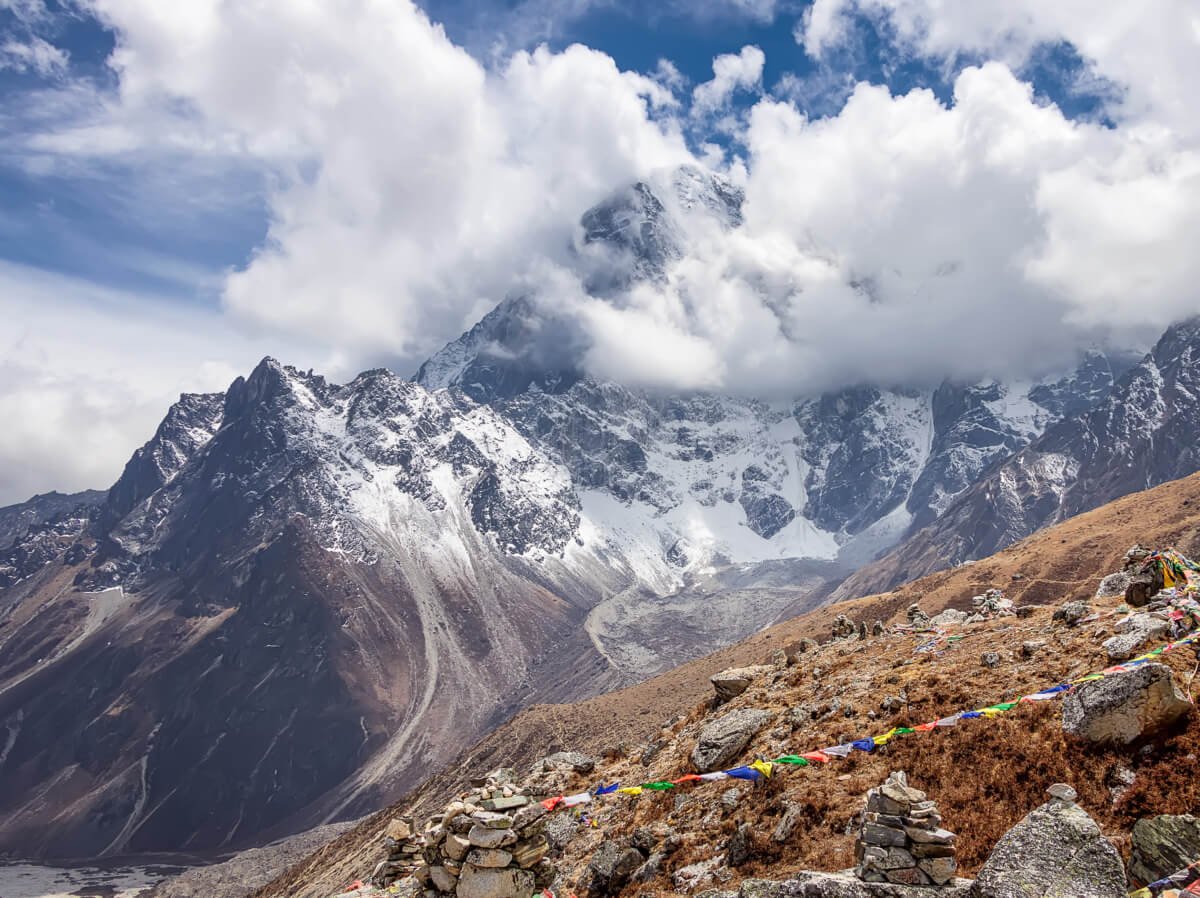
As outlined in the Everest Base Camp Trek Cost Guide 2026, a well-structured trekking package simplifies logistics while ensuring safety and predictability.
A standard 14-day Everest Base Camp trek package with Mountain Treks Nepal starts from $1,449, positioning it within the most competitive range for guided treks in Nepal.
Typical Package Inclusions:
- All required permits and entry fees
- Kathmandu–Lukla round-trip flights
- Teahouse accommodation throughout the trek
- Licensed guide and porter support
- Most meals during the trek
- Logistical coordination from arrival to departure
This structure aligns with the standard guided cost range ($1,400–$2,500) identified in the Everest base camp trek cost 2026, ensuring both affordability and operational reliability.
Operational Strength and Local Advantage
As a Nepal-based operator, Mountain Treks Nepal provides advantages that international booking platforms often cannot replicate:
- Real-time problem-solving during flight delays or route changes
- Established relationships with teahouses along the Everest trail
- Immediate coordination in case of emergencies
- Transparent pricing aligned with local cost structures
This local operational presence directly impacts the efficiency, safety, and overall trekking experience.
Trust, Transparency, and Value
In the context of the Everest Base Camp trek cost 2026, value is defined not only by price but by what is included and how effectively the trek is managed.
Mountain Treks Nepal emphasizes:
- Clear cost structures with no hidden fees
- Fair compensation for guides and porters
- Safety-first approach over cost-cutting
- Consistent service quality across trekking seasons
FAQ: Everest Base Camp Trek Cost 2026
1. What is the average Everest Base Camp trek cost in 2026?
The average Everest Base Camp trek cost in 2026 ranges between $1,400 and $2,500 for a standard guided trek with permits, accommodation, and logistics included.
2. What is the cheapest Everest Base Camp trekking option?
The cheapest Everest Base Camp trekking option costs around $1,000–$1,400 for independent trekking, but includes higher logistical responsibility and safety risks.
3. How much does a guide cost per day in 2026?
A licensed trekking guide costs $25–$35 per day in 2026, excluding additional expenses such as food, accommodation, and insurance.
4. What is a realistic total budget for Everest Base Camp?
A realistic total budget for Everest Base Camp ranges from $1,800 to $2,500, including insurance, gear, permits, and contingency expenses.
5. Why does Everest Base Camp trek cost vary so much?
Costs vary due to trekking style, accommodation standards, guide experience, group size, and optional services such as helicopter return.
6. How much do Everest Base Camp permits cost in 2026?
Permit costs total approximately $55–$60, including Sagarmatha National Park entry and Khumbu local municipality fees.
7. Is Lukla flight included in Everest Base Camp trek cost?
Lukla flights costing $350–$420 are usually included in guided packages but paid separately in independent trekking.
8. How much does food cost on the Everest Base Camp trek?
Food costs range from $20 to $35 per day, depending on altitude and meal choices, totaling around $280–$490 for the full trek.
9. How much does accommodation cost on the Everest Base Camp trek?
Accommodation costs range from $5 to $40 per night depending on altitude and comfort level, totaling approximately $150–$250.
10. Is Everest Base Camp trekking expensive compared to other treks?
Everest Base Camp trekking is moderately priced compared to global high-altitude treks, offering strong value considering logistics and scenery.
11. What is included in a guided Everest Base Camp trek package?
A guided package typically includes permits, accommodation, guide, porter, Lukla flights, and most meals.
12. How much does a porter cost for Everest Base Camp?
A porter costs $18–$25 per day and carries up to 20 kg of gear, improving comfort and trekking efficiency.
13. Is travel insurance required for Everest Base Camp trek?
Travel insurance is essential and typically costs $80–$150, covering high-altitude trekking and emergency helicopter evacuation.
14. How much does gear cost for Everest Base Camp trek?
Gear costs range from $200 to $600 depending on whether items are rented or purchased in Kathmandu.
15. What are hidden costs in Everest Base Camp trekking?
Hidden costs include WiFi, charging, hot showers, tips, snacks, and buffer accommodation due to flight delays.
16. How much does a luxury Everest Base Camp trek cost?
Luxury Everest Base Camp trek costs range from $3,500 to $5,500+, including premium lodges and helicopter return options.
17. Can Everest Base Camp trek be done under $1000?
Completing the trek under $1000 is extremely difficult and may compromise safety, logistics, and overall trekking experience.
18. How to reduce Everest Base Camp trek cost in 2026?
Costs can be reduced by joining group treks, traveling in shoulder seasons, renting gear, and choosing local meals.
19. Is a guided trek worth the cost for Everest Base Camp?
Guided trekking provides better safety, logistics, and altitude management, making it a cost-efficient and reliable option.
20. What is the best value Everest Base Camp trekking option?
The standard guided trek costing $1,400–$2,500 offers the best balance of safety, comfort, and cost in 2026.
Final Insight: Cost Clarity Leads to Better Trekking Decisions
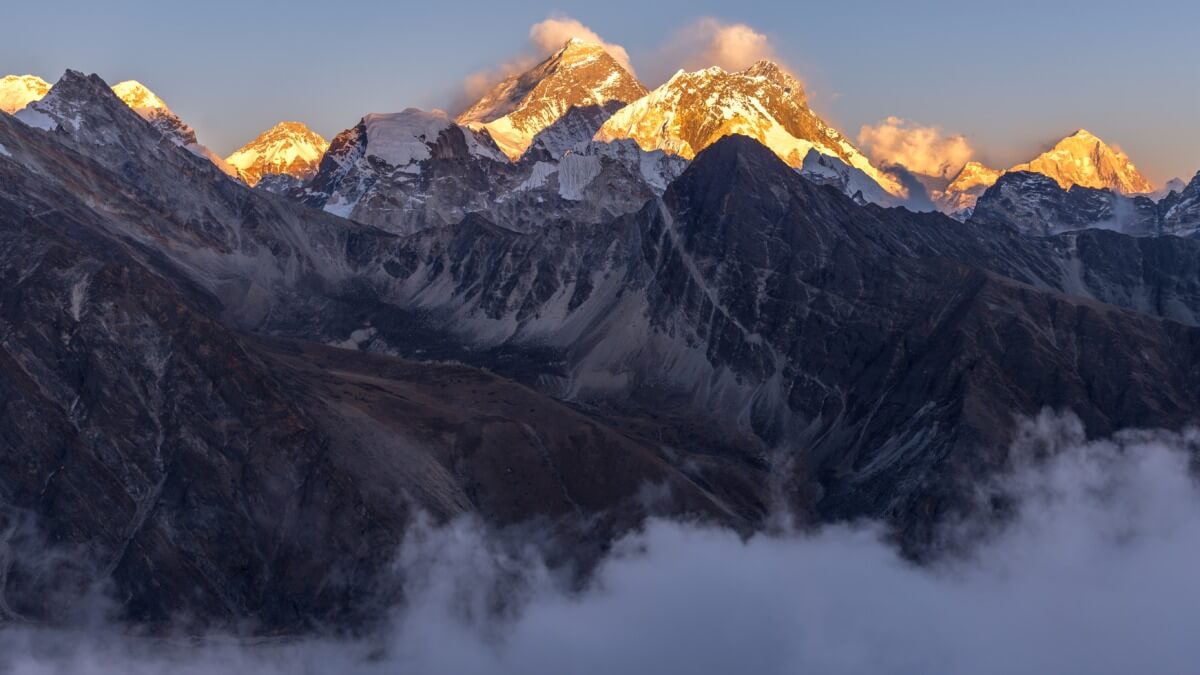
A clear understanding of the Everest base camp trek cost 2026 is not just about budgeting it directly influences safety, preparedness, and the overall quality of the trekking experience. In high-altitude environments like the Everest region, financial planning and risk management are closely connected.
Transparent cost awareness allows trekkers to allocate resources effectively across critical areas such as:
- Professional guide support
- Proper acclimatization schedules
- Reliable accommodation and nutrition
- Emergency preparedness and insurance
Each of these elements plays a measurable role in reducing risk and improving the likelihood of a successful and safe trek.
Cost Transparency Reduces Uncertainty
One of the most common challenges in planning an Everest Base Camp trek is the presence of unclear or inconsistent pricing across different sources. A structured Everest Base Camp Trek Cost Guide 2026 eliminates this uncertainty by clearly defining:
- Fixed costs (permits, flights)
- Variable costs (food, accommodation, gear)
- Optional upgrades (helicopter return, premium lodges)
This level of clarity allows for realistic expectations and prevents under-budgeting, which is one of the primary causes of logistical stress during the trek.
Financial Planning as a Safety Factor
In the context of high-altitude trekking, cost decisions directly impact safety outcomes.
Lower-cost choices often involve:
- Limited or no professional guidance
- Reduced flexibility during emergencies
- Increased exposure to altitude-related risks
On the other hand, a well-balanced budget prioritizes:
- Experienced guides trained in altitude management
- Structured itineraries with proper acclimatization
- Immediate access to support in case of delays or emergencies
This makes cost planning an essential component of risk mitigation, not just a financial exercise.
Value Over Price: A Practical Perspective
The Everest base camp trek cost 2026 should be evaluated based on value rather than the lowest possible price.
A slightly higher upfront investment typically includes:
- Better logistical coordination
- Higher safety standards
- Reduced uncertainty during the trek
- More efficient use of time and resources
From an expert standpoint, this approach consistently leads to better trekking outcomes and fewer complications.
Everest Base Camp: Accessible Yet Demanding
Despite its global reputation, the Everest Base Camp trek remains one of the most accessible high-altitude adventures when planned correctly.
Key factors contributing to accessibility:
- Well-established trekking infrastructure
- Teahouse accommodation system
- Availability of guides and support staff
- Predictable route and itinerary structure
However, accessibility should not be mistaken for simplicity. The trek still involves:
- Altitudes exceeding 5,000 meters
- Variable weather conditions
- Physical and mental endurance
This reinforces the importance of combining realistic expectations with expert planning.