



Share This:
Bhutan Tour: Complete Travel Guide for 2026
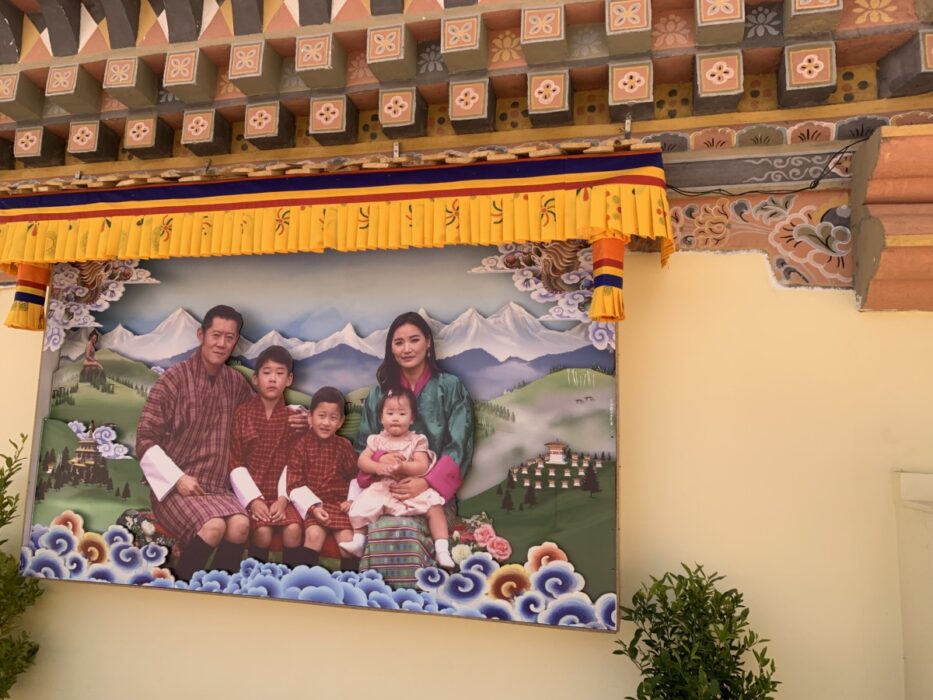
A Bhutan Tour stands apart within the Himalayan region due to its deliberately controlled tourism model, which prioritizes long-term cultural and environmental preservation over short-term visitor volume. While many destinations in South Asia have experienced rapid tourism growth leading to overcrowding, infrastructure strain, and cultural dilution, Bhutan has taken a fundamentally different approach.
This approach is guided by the national philosophy of high-value, low-impact tourism. Instead of encouraging mass arrivals, Bhutan regulates entry through a structured system that includes mandatory visa processing, licensed tour operators, and a government-imposed Sustainable Development Fee (SDF). The SDF is not simply a tourism tax it directly contributes to:
- Environmental conservation programs
- Free healthcare and education systems
- Preservation of monasteries, dzongs, and heritage sites
- Infrastructure development in remote regions
As a result, a Bhutan Tour delivers a travel experience that feels intentional rather than commercialized. Cultural sites remain active places of worship rather than staged attractions, and landscapes remain largely untouched by large-scale tourism infrastructure.
From an experiential standpoint, this controlled model creates several distinctive outcomes:
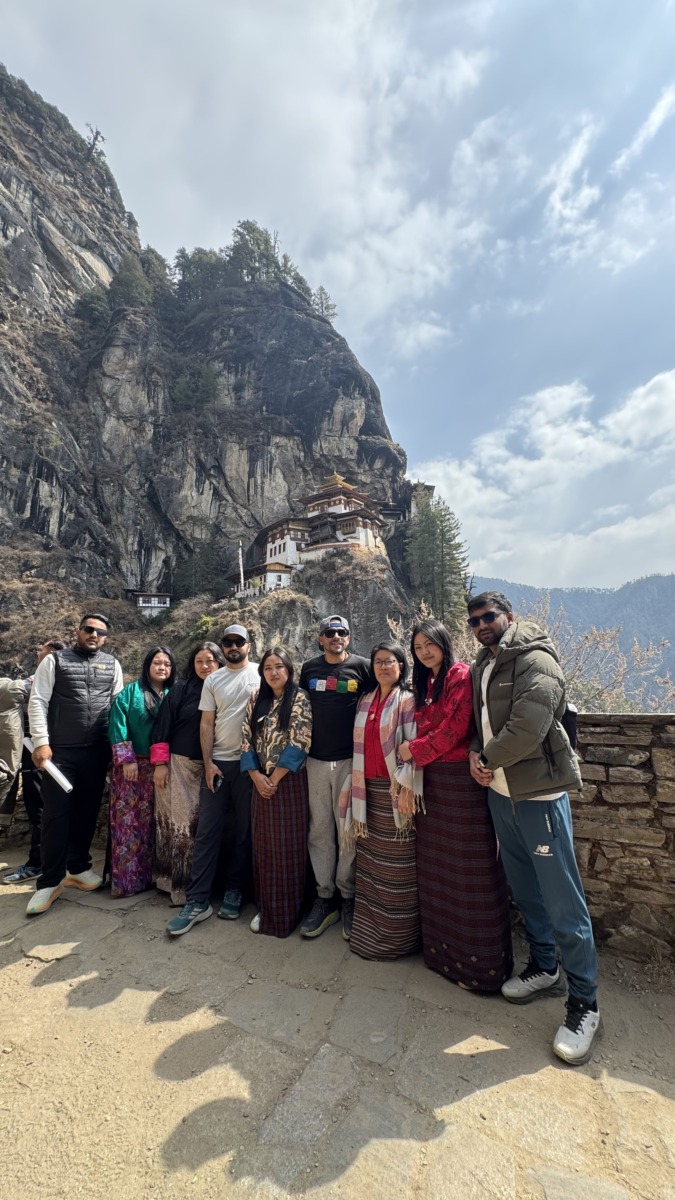
- Limited crowd density even at major landmarks such as Paro Taktsang (Tiger’s Nest Monastery)
- Authentic cultural continuity, where traditional dress, rituals, and architecture are part of daily life rather than curated for visitors
- Environmental integrity, with Bhutan maintaining its status as the world’s only carbon-negative country
This combination of policy, philosophy, and execution positions Bhutan as a premium Himalayan destination, not in terms of luxury alone, but in terms of depth, authenticity, and sustainability.
Bhutan Tour From Nepal: A Strategic Gateway
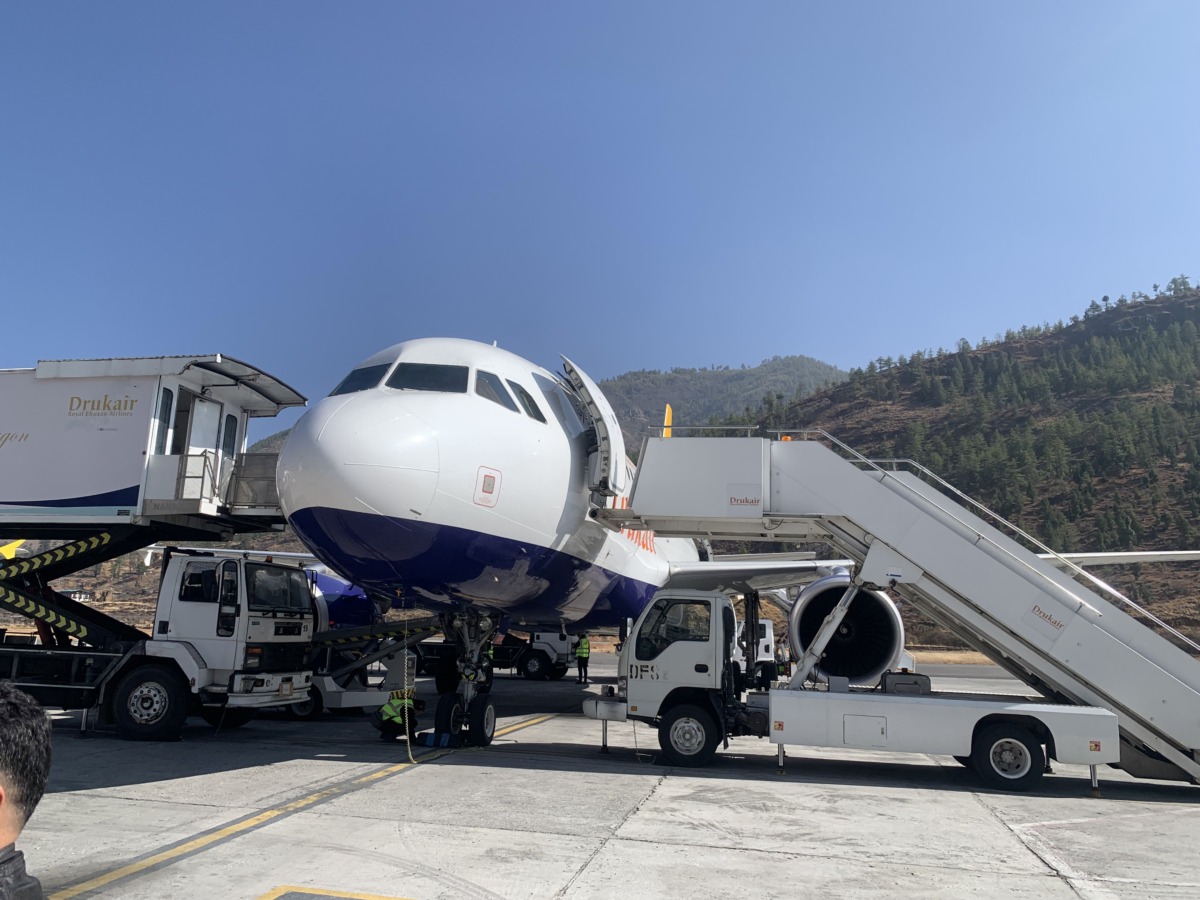
A Bhutan Tour From Nepal introduces an important logistical and regional advantage. Nepal functions as a central Himalayan transit hub, offering both geographical proximity and well-established international flight connectivity.
Kathmandu, in particular, serves as one of the most efficient departure points for Bhutan due to:
- Direct flights to Paro (Bhutan’s only international airport)
- Short flight duration (approximately one hour)
- Established coordination between Nepalese and Bhutanese tour operators
- High frequency of departures compared to other regional gateways
This makes Nepal not just a transit point, but a strategic starting location for Bhutan travel planning.
In addition, many Himalayan travel companies based in Nepal especially those with cross-border experience—offer integrated packages that simplify the otherwise complex Bhutan travel process. This includes:
- Visa arrangement through authorized Bhutanese partners
- Pre-structured itineraries aligned with government regulations
- Bundled cost management (including SDF, accommodation, and transport)
Bhutan Tour From Kathmandu: Seamless Access with Scenic Advantage
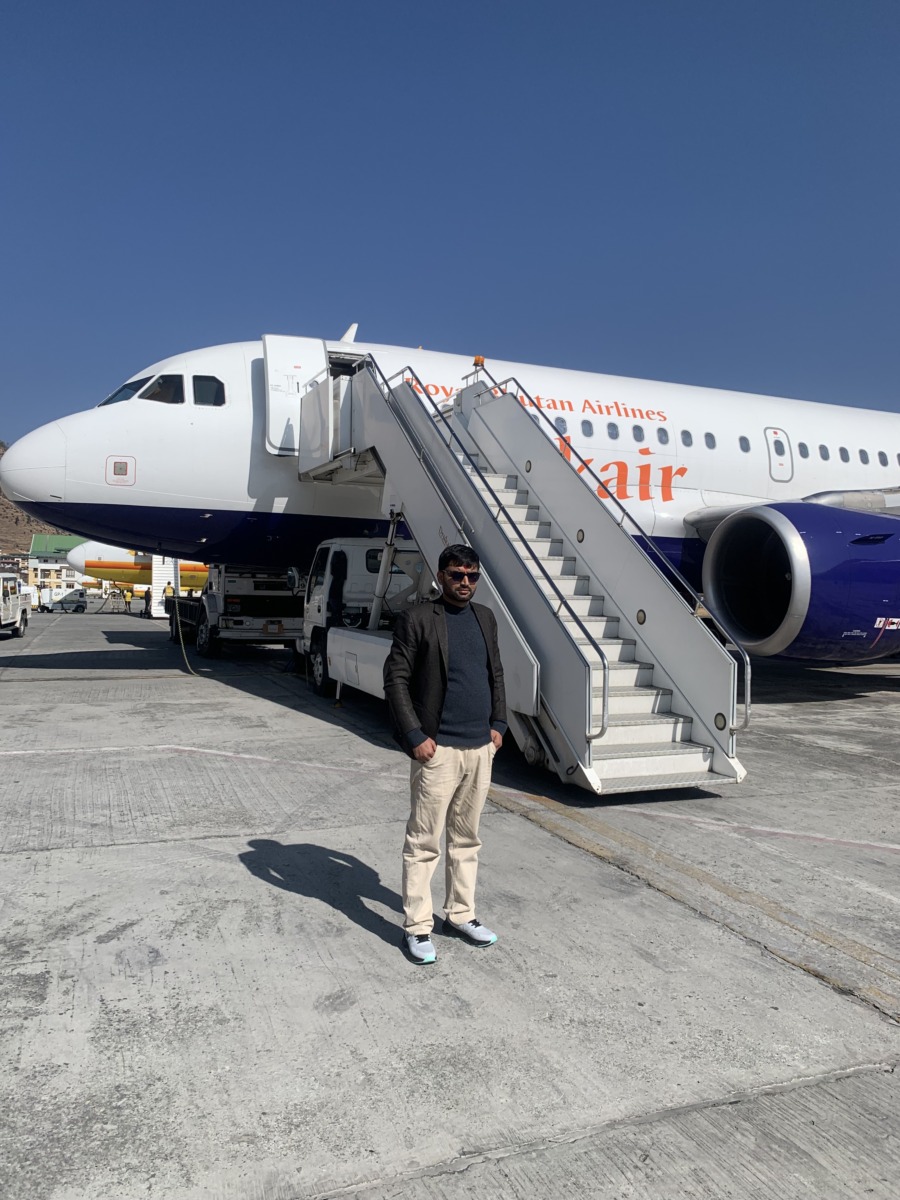
A Bhutan Tour From Kathmandu offers one of the most visually striking flight routes in the world. The journey to Paro is widely recognized for its panoramic Himalayan views, often including glimpses of major peaks such as Everest, Lhotse, and Makalu under clear weather conditions.
Beyond the visual experience, Kathmandu provides operational efficiency:
- Faster documentation processing through experienced regional agencies
- Easier pre-tour coordination
- Reliable flight schedules compared to less-connected cities
Paro Airport itself is considered one of the most challenging airports globally due to its mountainous terrain, requiring specially trained pilots. This adds an additional layer of exclusivity and uniqueness to the Bhutan Tour experience.
Best Time for Bhutan Tour
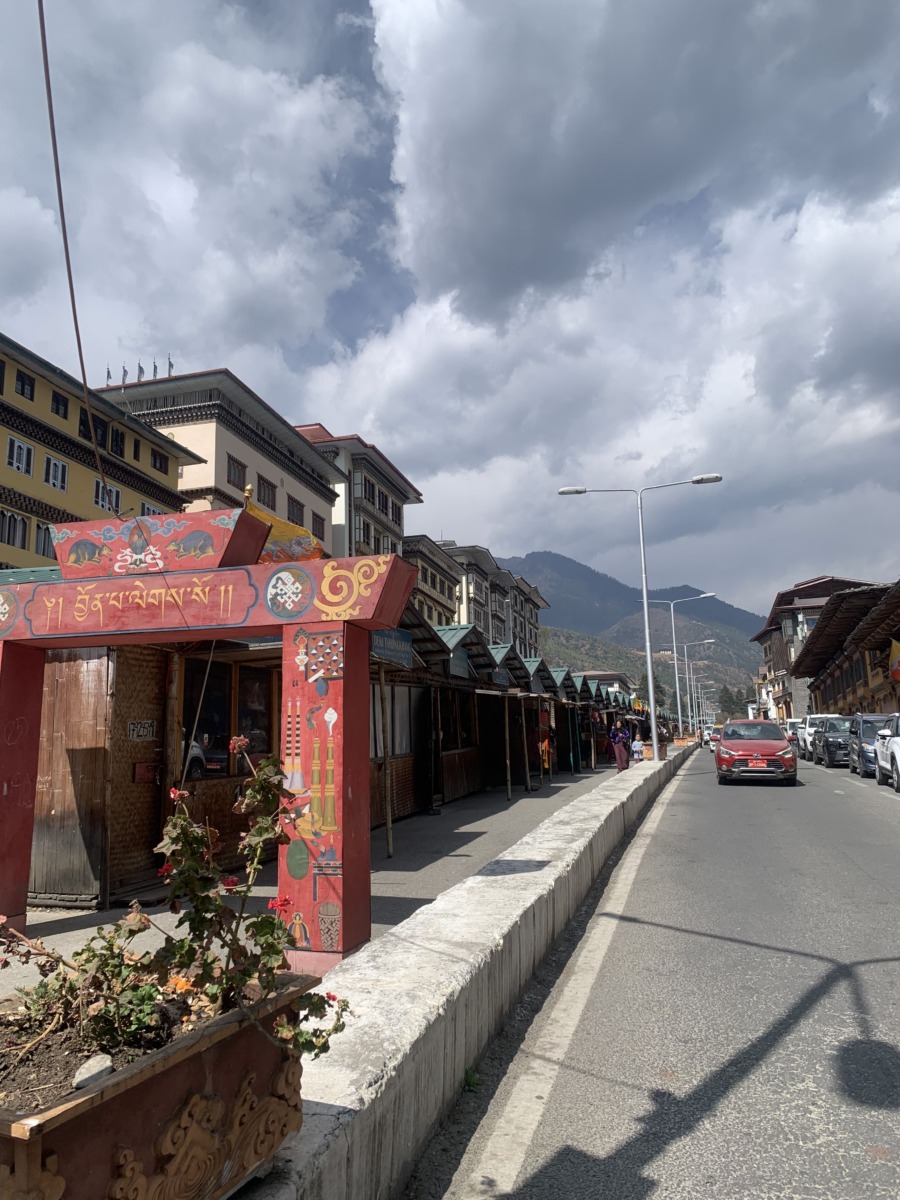
The best time for a Bhutan Tour depends on seasonal weather patterns, cultural events, and travel preferences. Bhutan’s climate is influenced by elevation, ranging from subtropical plains to alpine Himalayan regions. Despite this variation, tourism trends remain consistent across four primary seasons: spring, summer, autumn, and winter.
Understanding these seasonal differences is essential for planning a Bhutan Tour From Nepal or a Bhutan Tour From Kathmandu, as flight conditions, visibility, and cultural experiences are directly affected by weather patterns.
Spring (March–May): Peak Nature and Cultural Season
Spring is considered one of the most favorable periods for a Bhutan Tour due to its balanced climate and vibrant natural scenery. Temperatures remain moderate, and visibility is generally excellent across western and central Bhutan.
Key Highlights:
- Rhododendron forests in full bloom across trekking routes
- Clear views of Himalayan peaks and valleys
- Ideal conditions for cultural sightseeing and short treks
- Major festivals such as Paro Tsechu
Spring also supports high-quality aerial visibility during flights from Kathmandu to Paro, enhancing the experience of a Bhutan Tour From Kathmandu.
Summer (June–August): Lush Landscapes and Off-Season Advantage
Summer marks the monsoon season in Bhutan, bringing increased rainfall, particularly in southern regions. While often considered an off-peak period, this season offers a distinct perspective of Bhutan’s landscapes.
Key Highlights:
- Deep green valleys and agricultural landscapes
- Reduced tourist density across major sites
- Lower demand leading to more flexible travel planning
- Enhanced photography opportunities in mist-covered valleys
Rainfall is typically intermittent rather than constant, with mornings often clearer than afternoons.
Considerations:
- Limited mountain visibility on some days
- Occasional flight delays affecting Bhutan Tour From Nepal itineraries
- Slippery trekking trails in certain regions
Autumn (September–November): Best Time for Bhutan Tour
Autumn is widely recognized as the best time for a Bhutan Tour due to its stable weather, cultural vibrancy, and exceptional mountain visibility. This season represents the peak tourism period in Bhutan.
Key Highlights:
- Major Tsechu festivals in Thimphu, Paro, and Punakha
- Clear skies with panoramic Himalayan views
- Dry weather with minimal rainfall
- Ideal conditions for both cultural tours and trekking
The atmosphere during festivals is particularly significant, with traditional masked dances, religious ceremonies, and community gatherings forming a central part of Bhutanese cultural identity.
Why Autumn Stands Out:
- Consistent flight reliability for Bhutan Tour From Kathmandu
- High-quality photography conditions
- Maximum cultural engagement opportunities
Winter (December–February): Quiet and Scenic Experience
Winter offers a quieter and more introspective Bhutan Tour experience. While temperatures drop, especially at higher elevations, western Bhutan remains accessible and visually clear.
Key Highlights:
- Crisp air and excellent visibility in Paro, Thimphu, and Punakha
- Significantly fewer tourists
- Opportunity to witness black-necked cranes in Phobjikha Valley
- Peaceful monastery visits without crowds
Considerations:
- Cold mornings and evenings
- Limited access to high-altitude trekking routes
Expert Insight:
Winter is ideal for travelers seeking serenity, cultural depth, and uninterrupted exploration, particularly within western Bhutan.
Seasonal Comparison for Bhutan Tour Planning
| Season | Weather | Visibility | Crowds | Cultural Events | Best For |
|---|---|---|---|---|---|
| Spring | Mild & stable | Excellent | Moderate–High | High | Nature + culture |
| Summer | Rainy | Variable | Low | Low–Moderate | Quiet travel |
| Autumn | Dry & clear | Excellent | High | Very High | Full experience |
| Winter | Cold & dry | Excellent | Low | Moderate | Peaceful visits |
Best Time for Bhutan Tour From Nepal and Kathmandu
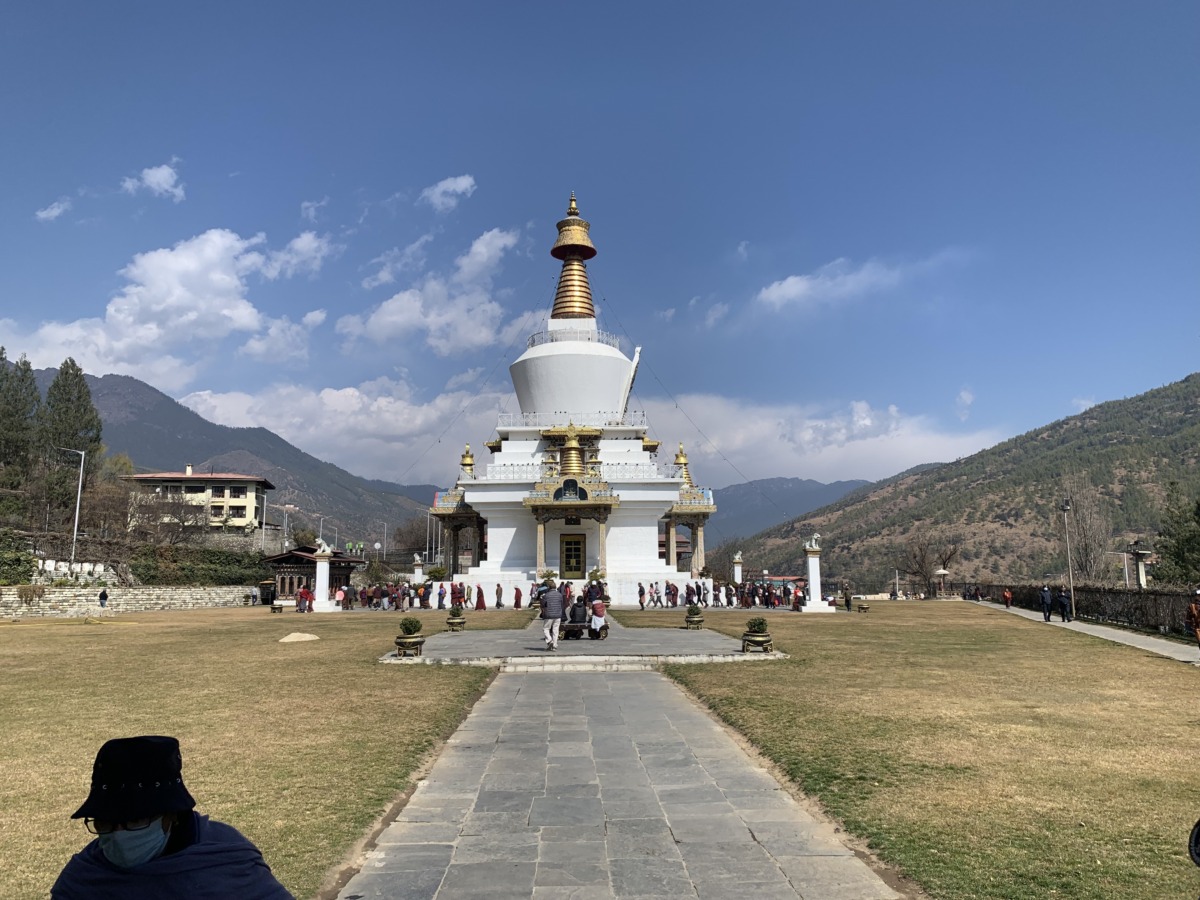
For travelers planning a Bhutan Tour From Nepal or Bhutan Tour From Kathmandu, seasonal timing directly impacts:
- Flight reliability
- Mountain visibility during flights
- Festival access
- Overall travel experience
Recommended seasons:
- Spring → Balanced experience
- Autumn → Optimal overall experience
Both seasons provide the best combination of weather stability, cultural richness, and scenic clarity, making them the most recommended periods for Bhutan travel.
Popular Bhutan Tour Itineraries
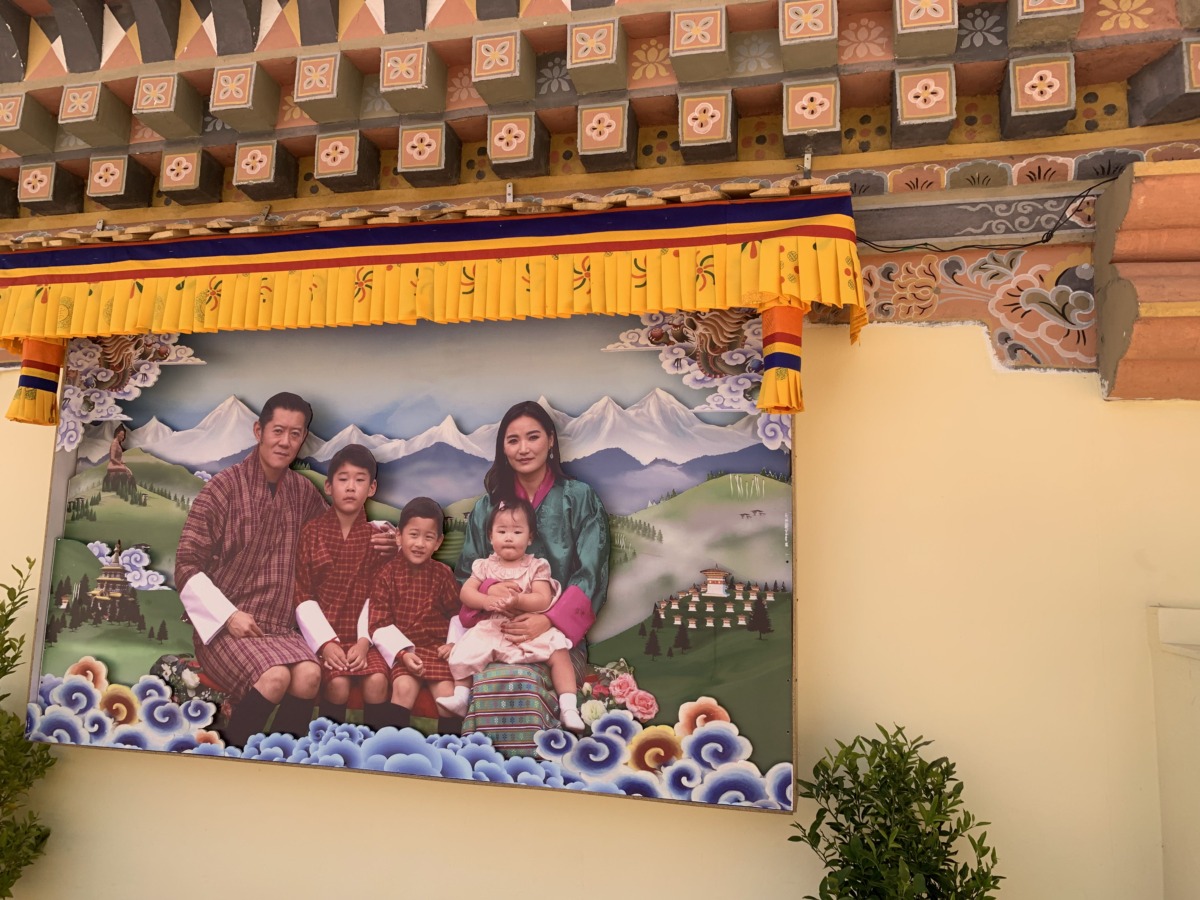
Bhutan Tour itineraries are uniquely structured around cultural immersion, spiritual heritage, and scenic valley exploration, rather than high-altitude trekking commonly associated with Nepal. Due to Bhutan’s tourism policy and geography, most journeys focus on western and central regions, where accessibility, infrastructure, and cultural landmarks are concentrated.
Standard Bhutan Tour durations typically range from 3 to 10 days, with each itinerary designed to progressively deepen the travel experience. For travelers planning a Bhutan Tour From Nepal or a Bhutan Tour From Kathmandu, these itinerary structures align with flight schedules, visa regulations, and Sustainable Development Fee (SDF) requirements.
3–4 Days Bhutan Tour: Short Cultural Introduction
A 3–4 days Bhutan Tour is designed as a compact cultural experience, focusing on Bhutan’s most accessible and iconic destinations: Paro and Thimphu.
Key Destinations:
- Paro Valley – Entry point and cultural hub
- Thimphu – Capital city blending tradition and governance
Core Experiences:
- Hike to Tiger’s Nest Monastery (Paro Taktsang), Bhutan’s most iconic landmark
- Visit Buddha Dordenma Statue, offering panoramic valley views
- Explore traditional dzongs such as Rinpung Dzong and Tashichho Dzong
- Walk through local markets and cultural streets
5–7 Days Bhutan Tour: Classic Cultural Journey
The 5–7 days Bhutan Tour represents the most balanced and recommended itinerary, combining major cultural landmarks with scenic transitions between valleys.
Key Destinations:
- Paro
- Thimphu
- Punakha Valley
Core Experiences:
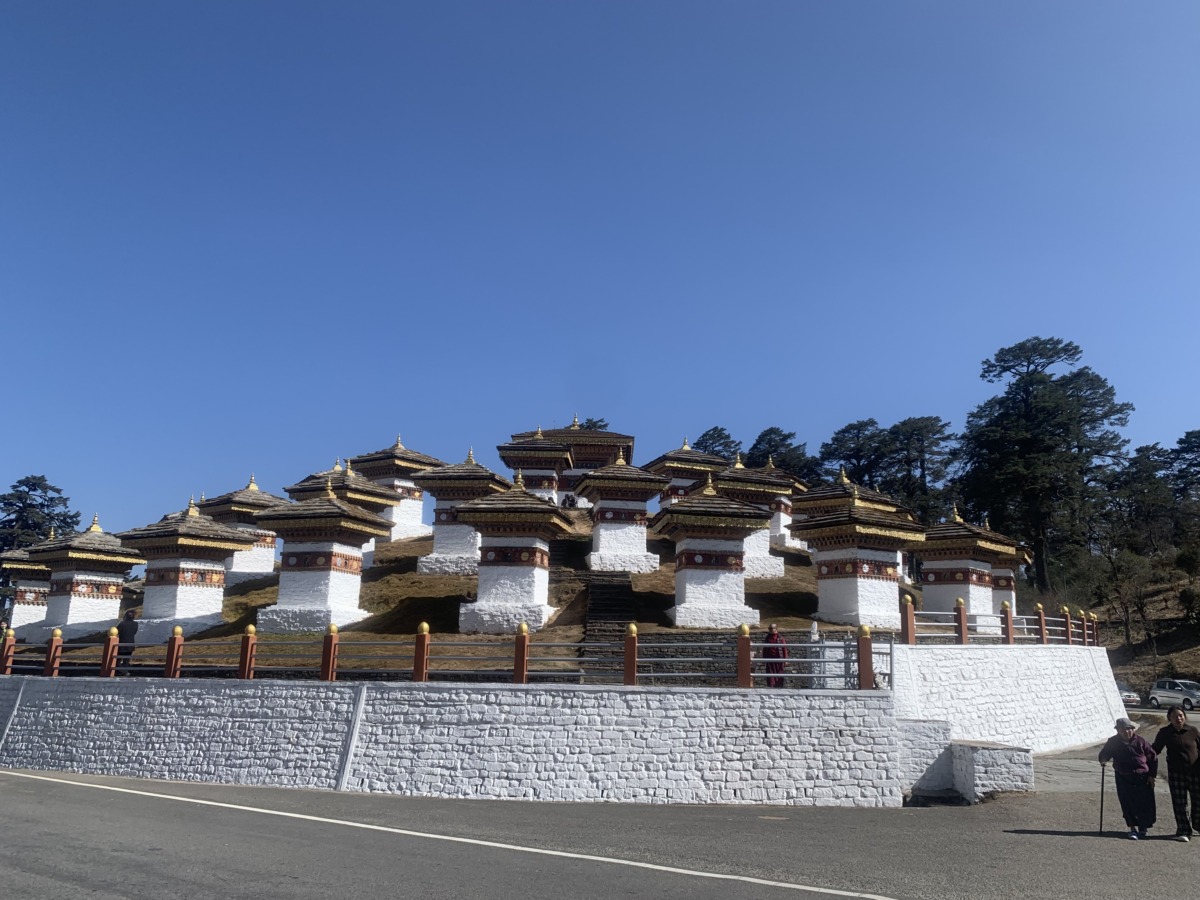
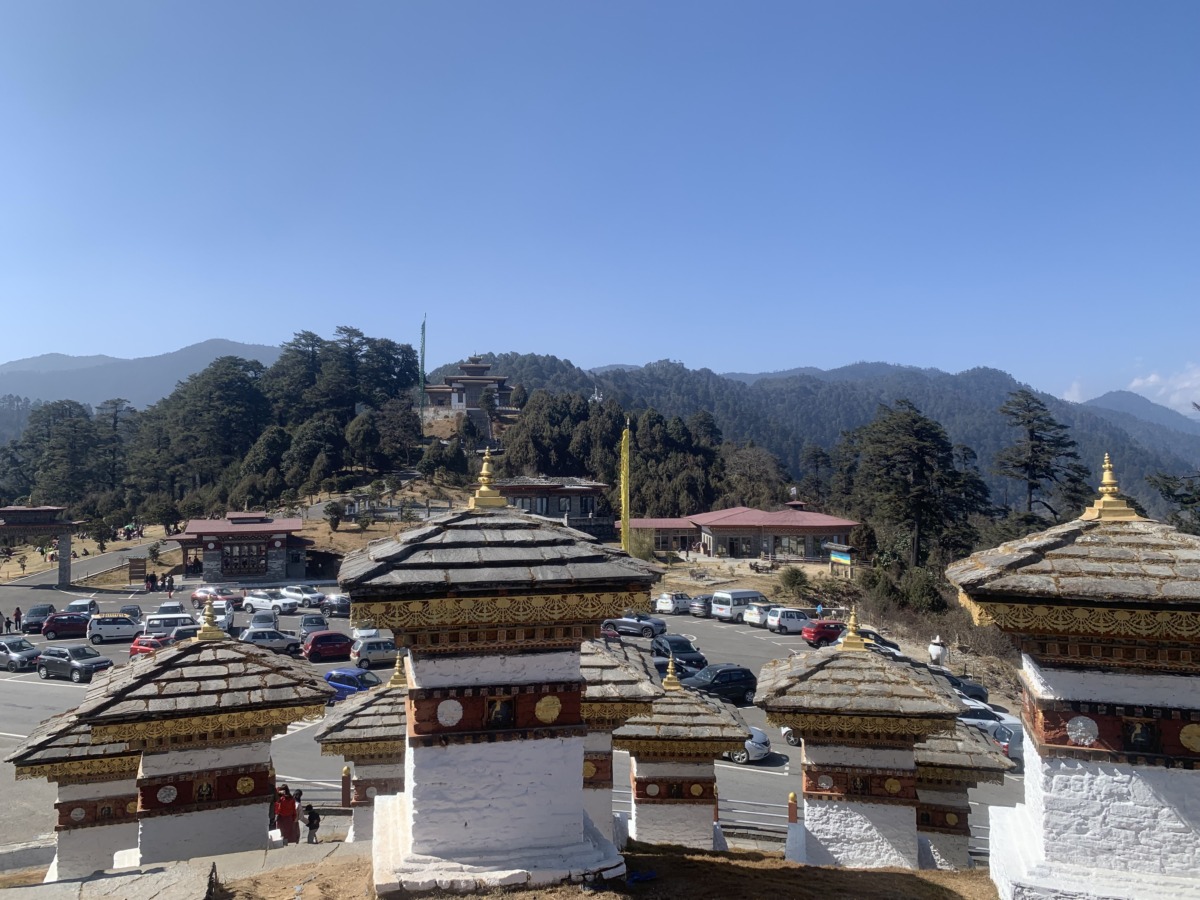
- Cross Dochula Pass (3,100m) with panoramic Himalayan views and 108 stupas
- Explore Punakha Dzong, widely regarded as Bhutan’s most beautiful fortress
- Visit monasteries, suspension bridges, and river valleys
- Experience traditional Bhutanese architecture and rural landscapes
8–10 Days Bhutan Tour: Deep Cultural and Rural Exploration
An 8–10 days Bhutan Tour expands beyond western Bhutan into more remote and culturally preserved regions, offering a deeper and slower travel experience.
Key Destinations:
- Paro
- Thimphu
- Punakha
- Phobjikha Valley (Gangtey)
Core Experiences:
- Visit Gangtey Monastery overlooking the glacial Phobjikha Valley
- Observe black-necked cranes (seasonal, winter months)
- Explore traditional villages with minimal external influence
- Engage with Bhutan’s rural lifestyle and agricultural practices
Choosing the Right Bhutan Tour Itinerary
Selecting the right Bhutan Tour duration depends on travel priorities, time availability, and desired depth of experience.
Quick Comparison:
| Duration | Experience Type | Coverage | Best For |
|---|---|---|---|
| 3–4 Days | Introductory | Paro + Thimphu | Short trips |
| 5–7 Days | Balanced | Paro + Thimphu + Punakha | First-time travelers |
| 8–10 Days | In-depth | Western + Central Bhutan | Cultural exploration |
Bhutan Tour From Nepal: Itinerary Planning Advantage
For travelers planning a Bhutan Tour From Nepal or Bhutan Tour From Kathmandu, these itinerary structures integrate seamlessly with:
- Direct flights from Kathmandu to Paro
- Pre-arranged visa and permit systems
- Fixed daily tariff and SDF structure
- Regional tour coordination
This makes Nepal one of the most efficient starting points for executing structured Bhutan itineraries.
Planning with Verified Bhutan Tour Packages
Due to Bhutan’s regulated tourism framework, itineraries must be arranged through licensed operators with authorized Bhutanese partners. Structured Bhutan Tour packages ensure:
- Compliance with visa and SDF regulations
- Pre-booked accommodations and transport
- Certified local guides
- Optimized routing across valleys
Cultural Highlights of Bhutan Tour
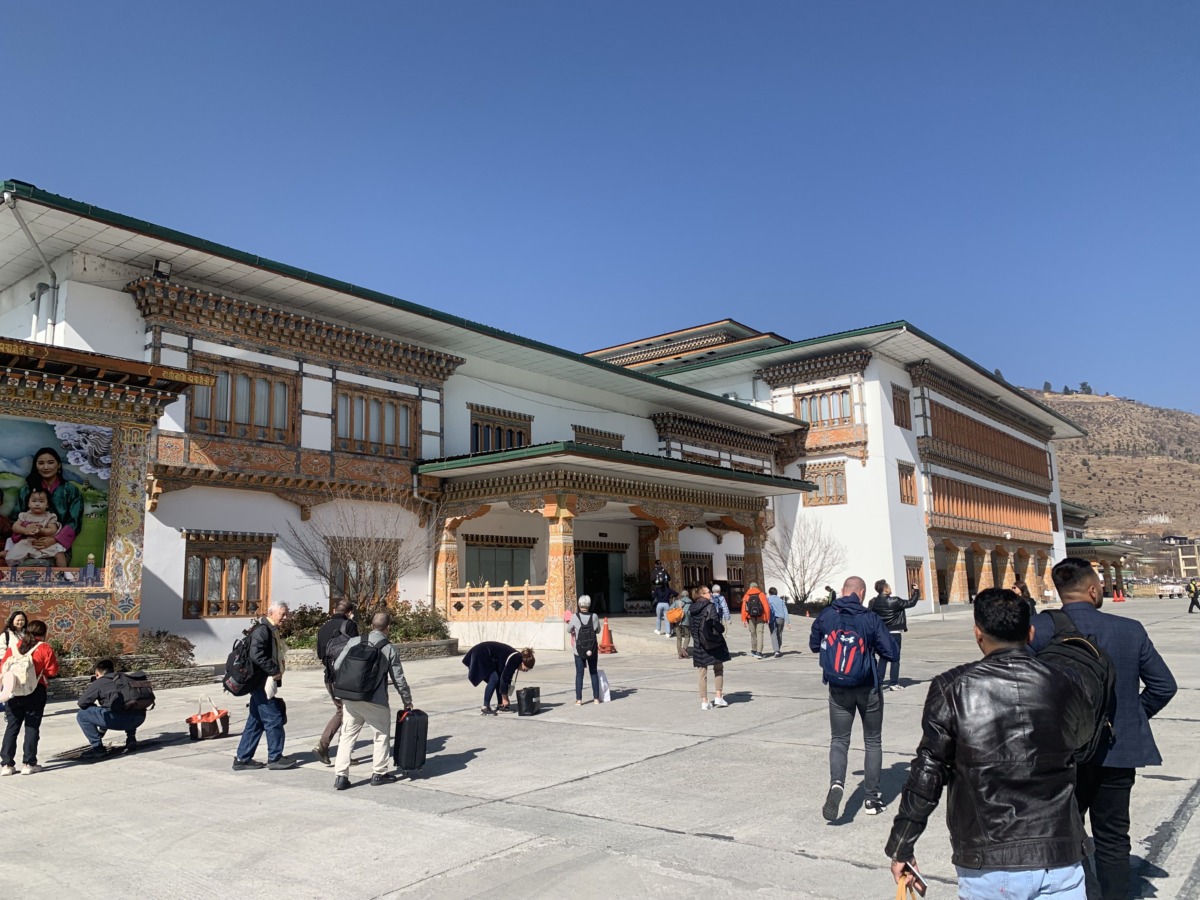
Bhutan’s cultural identity is deeply rooted in Vajrayana Buddhism, a spiritual tradition that shapes not only religious practices but also governance, architecture, festivals, and everyday life. Unlike many destinations where culture is preserved primarily for tourism, Bhutan maintains a living cultural system, where traditions remain actively practiced and integrated into daily routines.
This cultural continuity is one of the defining elements of a Bhutan Tour. Every journey through Bhutan involves direct exposure to spiritual sites, monastic communities, and centuries-old traditions that continue to influence modern Bhutanese society.
Tiger’s Nest Monastery (Paro Taktsang): Spiritual Icon of Bhutan
Tiger’s Nest Monastery, known as Paro Taktsang, is Bhutan’s most iconic cultural and spiritual landmark. Perched on a vertical cliff approximately 900 meters above the Paro Valley, the monastery represents both architectural achievement and deep धार्मिक significance.
Cultural Significance:
- Associated with Guru Rinpoche, who introduced Buddhism to Bhutan
- Considered a sacred pilgrimage site for Bhutanese people
- Symbolizes spiritual resilience and devotion
Traditional Dzongs: Administrative and Spiritual Centers
Dzongs are large fortress-monasteries that serve as both religious institutions and administrative centers. These structures are central to Bhutanese identity and governance.
Key Features:
- Massive whitewashed walls with intricate woodwork
- Central courtyards used for festivals and ceremonies
- Combination of monastic quarters and government offices
Notable Examples:
- Punakha Dzong
- Tashichho Dzong (Thimphu)
- Rinpung Dzong (Paro)
Tsechu Festivals: Living Cultural Celebrations
Key Elements:
- Masked dances (Cham dances) performed by monks
- Traditional music and ceremonial rituals
- Community gatherings in traditional attire (Gho and Kira)
Cultural Importance:
- Spiritual purification through witnessing sacred dances
- Reinforcement of community bonds
- Preservation of oral and visual traditions
Prayer Flag-Covered Mountain Passes: Symbols of Faith and Nature
Prayer flags are a common sight across Bhutan, especially at mountain passes such as Dochula Pass. These flags carry printed mantras and prayers, believed to be dispersed by the wind.
Cultural Meaning:
- Represent peace, compassion, and spiritual harmony
- Installed to bless the surrounding environment
- Reflect Bhutan’s connection between spirituality and nature
Monastic Life Observation: Living Spiritual Tradition
Monastic life in Bhutan remains an active and visible part of society. Monasteries are not isolated institutions but integral to community life.
Key Observations:
- Daily prayer rituals and chanting ceremonies
- Monastic education for young monks
- Meditation practices and spiritual discipline
Cultural Immersion as the Core of Bhutan Tour

Cultural immersion in Bhutan is not a secondary experience but the foundation of the entire travel journey. Every aspect of a Bhutan Tour—from architecture and festivals to daily interactions reflects a deeply embedded cultural framework.
Unlike destinations where cultural experiences are curated for visitors, Bhutan offers:
- Living traditions rather than staged performances
- Active religious sites instead of preserved monuments
- Community participation in cultural practices
This authenticity is reinforced by Bhutan’s tourism policies, which prioritize preservation over commercialization.
Bhutan Tour Cost Structure
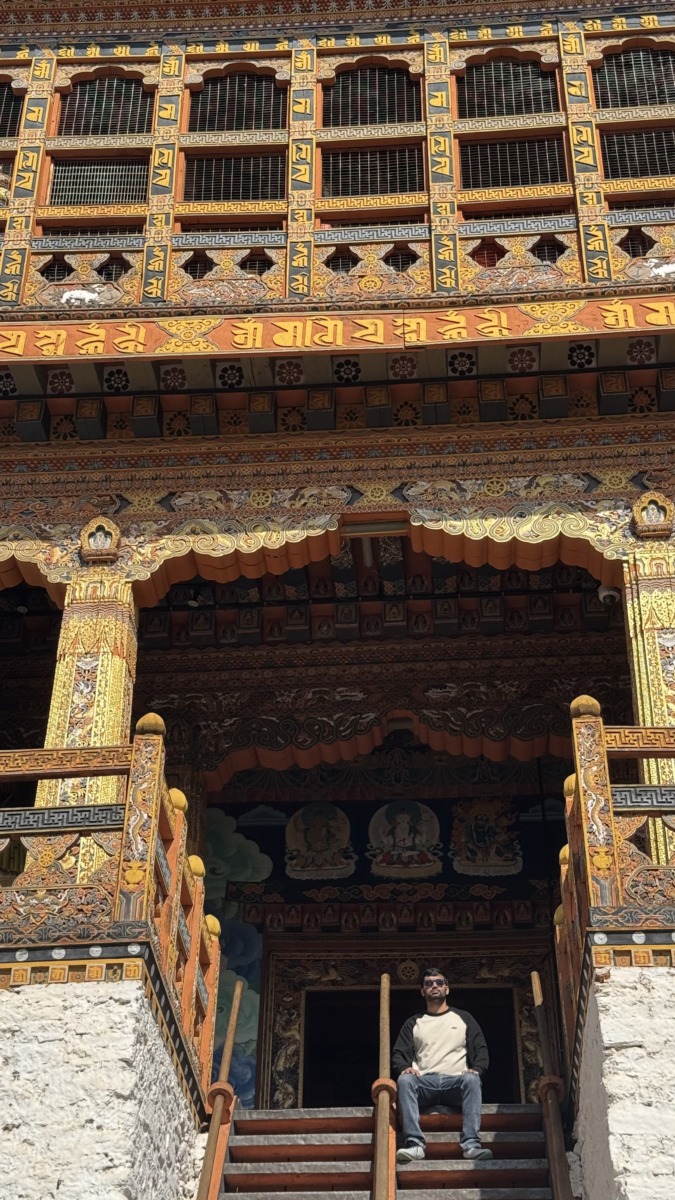
Bhutan Tour pricing follows a government-regulated model, making it fundamentally different from most travel destinations. Instead of fluctuating market-driven prices, Bhutan enforces a structured system designed to support sustainable tourism, cultural preservation, and environmental protection.
This approach ensures consistency in pricing while maintaining the quality and integrity of the travel experience.
For travelers researching a Bhutan Tour, Bhutan Tour From Nepal, or Bhutan Tour From Kathmandu, understanding this cost structure is essential for accurate planning and expectation setting.
Why Bhutan Tour Costs Are Regulated?
Bhutan operates under a “High Value, Low Impact” tourism policy, which prioritizes:
- Controlled visitor numbers
- Environmental conservation
- Cultural preservation
- Infrastructure sustainability
Rather than competing on price, Bhutan focuses on experience quality and long-term sustainability, which directly influences tour costs.
Core Cost Components of a Bhutan Tour
Bhutan Tour packages are typically all-inclusive, covering most travel needs within a single structured price. This simplifies planning and eliminates hidden costs.
1. Sustainable Development Fee (SDF)
The Sustainable Development Fee (SDF) is the most significant component of Bhutan Tour pricing.
Key Details:
- Fixed daily fee per traveler (set by the Bhutanese government)
- Supports national development programs
- Funds free healthcare, education, and conservation initiatives
Practical Insight:
The SDF is not a tourism surcharge but a national sustainability contribution, making Bhutan one of the few destinations where tourism directly supports public welfare systems.
2. Accommodation (Standard to Luxury)
Accommodation is included in most Bhutan Tour packages and varies based on preference and package category.
Options Include:
- 3-star standard hotels (most common)
- 4-star premium accommodations
- 5-star luxury resorts
3. Licensed Guide and Transport
Independent travel is not permitted in Bhutan, making licensed guides and organized transport mandatory.
Inclusions:
- Certified Bhutanese tour guide
- Private vehicle with driver
- Airport transfers and intercity travel
Value Insight:
Guides are a key part of the Bhutan Tour experience, offering:
- Cultural interpretation
- Historical context
- Local insights beyond surface-level sightseeing
4. Meals (Full Board Basis)
Most Bhutan Tour packages include full-board meals, covering:
- Breakfast
- Lunch
- Dinner
Food Experience:
- Mix of Bhutanese, Indian, and international cuisine
- Traditional dishes such as Ema Datshi (chili and cheese)
- Meals served at hotels or selected restaurants
This inclusion simplifies travel logistics and ensures consistent quality throughout the journey.
5. Visa Processing and Permits
Bhutan requires all international travelers to obtain a visa through an authorized operator.
Included Services:
- Visa application and approval
- Route permits for different regions
- Government documentation
Process Insight:
Visa approval is directly linked to a confirmed Bhutan Tour booking, reinforcing the importance of structured travel arrangements.
Bhutan Tour From Kathmandu: Bundled Cost Advantage
A Bhutan Tour From Kathmandu often provides a more streamlined and bundled pricing structure, particularly when arranged through experienced regional operators.
Typical Inclusions:
- Round-trip flights (Kathmandu–Paro–Kathmandu)
- Visa and permit processing
- Accommodation and meals
- Licensed guide and transport
- SDF coverage
Strategic Advantage:
Bundled packages reduce:
- Planning complexity
- Cost uncertainty
- Coordination challenges
This makes Kathmandu one of the most efficient starting points for Bhutan travel.
Estimated Bhutan Tour Cost Range (General Insight)
While exact pricing varies by season, hotel category, and itinerary length, general ranges include:
- Standard Bhutan Tour: Moderate premium pricing (due to SDF inclusion)
- Luxury Bhutan Tour: Significantly higher with premium accommodations
- Short itineraries: Higher daily cost due to fixed fees
- Longer itineraries: Better value per day
Cost vs Value: Understanding the Bhutan Experience
A Bhutan Tour is often perceived as expensive compared to neighboring destinations. However, the pricing reflects:
- All-inclusive structure (minimal additional expenses)
- Exclusive, low-crowd experience
- High-quality guiding and logistics
- Contribution to sustainable tourism
From a value perspective, Bhutan offers a curated and controlled travel experience, rather than a price-driven one.
Travel Requirements for Bhutan Tour
Bhutan maintains strict entry regulations to preserve its cultural and environmental integrity.
Requirements:
- Pre-arranged tour with licensed operator
- Valid passport (minimum 6 months validity)
- Visa approval prior to arrival
- Payment of SDF
Independent travel is not permitted, making expert coordination essential.
Why Bhutan Tour Planning Requires Expertise?
Bhutan’s tourism system is structured, regulated, and documentation-heavy. Effective planning requires:
- Licensed partnerships in Bhutan
- Understanding of visa and SDF policies
- Seasonal route knowledge
- Cultural sensitivity
Mountain Treks Nepal operates within this framework, offering Bhutan Tour From Nepal and Bhutan Tour From Kathmandu with proper compliance and itinerary optimization.
FAQ: Bhutan Tour
What is included in a Bhutan Tour package?
Accommodation, meals, guide, transport, visa processing, and Sustainable Development Fee are typically included.
How to travel Bhutan Tour From Nepal?
Flights from Kathmandu to Paro provide the most efficient route, with pre-arranged tours required.
What is the best time for Bhutan Tour?
Spring (March–May) and Autumn (September–November) offer the best weather and cultural experiences.
Is Bhutan expensive to visit?
Bhutan follows a regulated pricing model, making it a premium destination compared to neighboring countries.
How many days are required for Bhutan Tour?
A minimum of 4–5 days is recommended for a meaningful cultural experience.
Conclusion
A Bhutan Tour represents a rare form of travel where cultural preservation, environmental responsibility, and visitor experience are carefully balanced. With structured access via Nepal, especially through a Bhutan Tour From Kathmandu, the journey becomes both accessible and highly rewarding.
For travelers seeking a culturally rich Himalayan experience beyond conventional trekking routes, Bhutan stands as a destination defined by depth, authenticity, and intentional tourism.