



Share This:
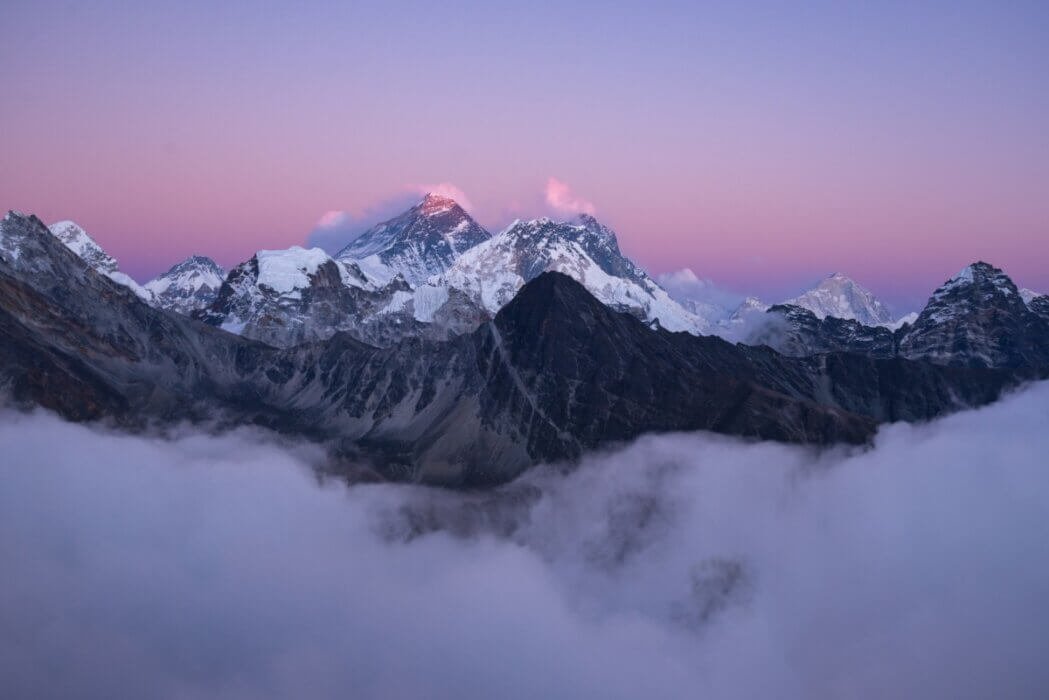
Everest Base Camp Trek: The Definitive 2026 Guide
The Everest Base Camp Trek stands among the most iconic high‑altitude journeys on Earth. Trekking this classic trail through the Khumbu region of Nepal offers a blend of dramatic Himalayan views, cultural richness, glacial landscapes, and a deep connection to the Sherpa way of life. This guide explores the full breadth of the Everest Base Camp Trek, drawing on field‑verified data, trekking studies, and best‑practice planning insights.
Included throughout is expertise shaped by seasoned trekking professionals with decades in Himalayan expedition planning, and evidence‑based details on terrain, altitude, weather, safety, and logistics.
What Is the Everest Base Camp Trek?
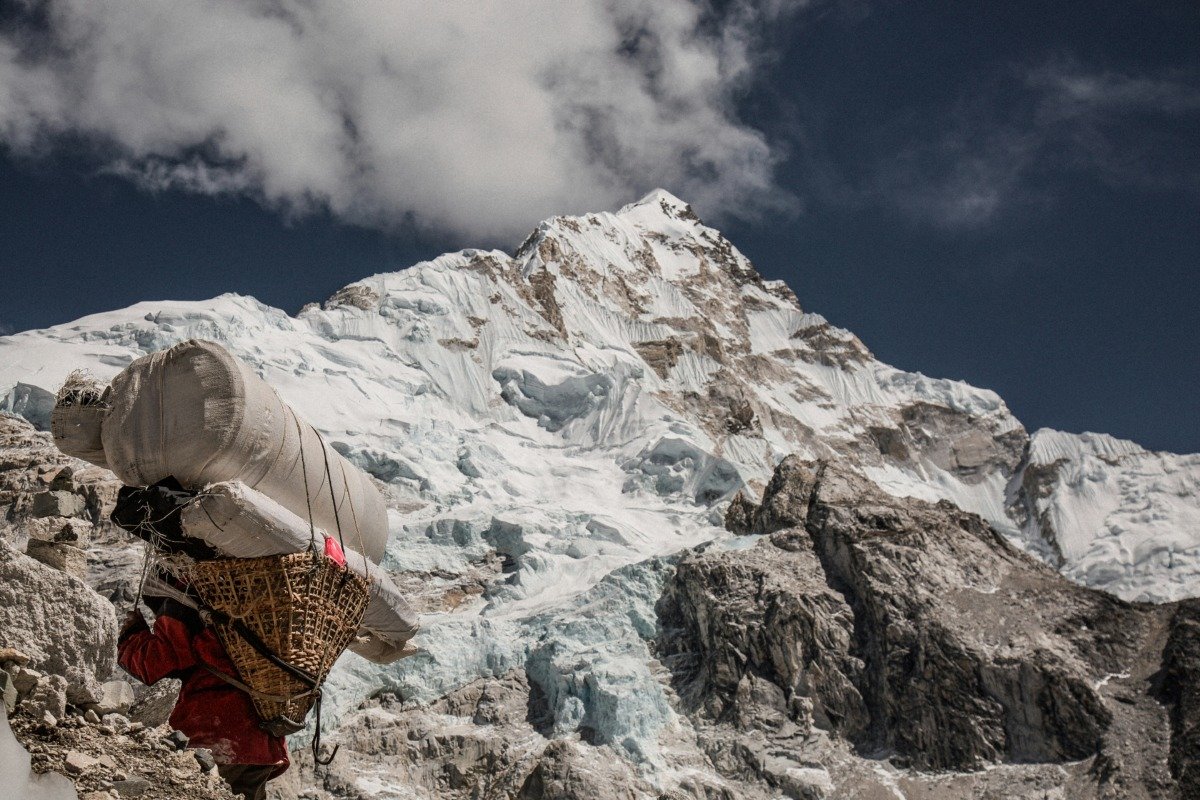
The Everest Base Camp Trek is a multi‑day trekking route in Nepal that leads from Lukla through traditional Sherpa villages to the EBC and nearby viewpoints like Kala Patthar. The trek does not require technical climbing skills, but its length and altitude demand careful preparation and progressive acclimatization.
From rugged ridgelines, rhododendron forests, and deep river valleys to the massive Khumbu Glacier at EBC, this route is one of the most studied and popular high‑altitude treks in the world.
Historical and Cultural Context
Everest, known as Sagarmatha in Nepali and Chomolungma in Tibetan, has inspired generations of trekkers and climbers. The Khumbu region evolved from isolated high‑altitude settlements to a global trekking destination over decades of mountaineering expeditions. Traditional Sherpa culture deeply influences the route, with prayer flags, mani stones, and Buddhist monasteries weaving cultural meaning into the landscape.
The Classic Trek Itinerary (Day‑by‑Day)
Experienced trek planners recommend a typical 12–14‑day Everest Base Camp Trek itinerary with strategic acclimatization stops.
- Day 1: Fly Kathmandu → Lukla (2,860 m), trek to Phakding
- Day 2: Phakding → Namche Bazaar (3,440 m)
- Day 3: Acclimatization at Namche
- Day 4: Namche Bazaar → Tengboche (3,860 m)
- Day 5: Tengboche → Dingboche (4,360 m)
- Day 6: Acclimatization at Dingboche
- Day 7: Dingboche → Lobuche (4,940 m)
- Day 8: Lobuche → Gorakshep & Everest Base Camp (5,364 m)
- Day 9: Kala Patthar (5,545 m) sunrise views, trek back → Pheriche
- Day 10‑12: Gradual descent back to Lukla, fly back to Kathmandu
Daily trekking segments vary from 4 km to 15 km, with average walking times between 5 and 8 hours once beyond Namche Bazaar.
Distance, Altitude & Elevation Gain
The classic round trip from Lukla to Everest Base Camp is approximately 130 km (80 miles).
- Lukla (starting point): ~2,860 m
- Namche Bazaar: 3,440 m
- Everest Base Camp: 5,364 m
- Kala Patthar: 5,545 m
Altitude changes are the primary determinant of difficulty and risk. Routes include steady ascents and descents designed to optimize acclimatization.
Best Time to Trek

Choosing the right season profoundly affects weather stability, visibility, and trail conditions. Trekking seasons are well‑defined:
- Spring (March–May): Stable weather, clear mountain views, wildflower bloom.
- Autumn (September–November): Post‑monsoon clarity with excellent visibility.
Off‑peak winter or monsoon months are possible but come with increased chance of flight delays, snow‑packed trails, and limited teahouse services.
Physical and Mental Challenges
Medical studies on high‑altitude trekking emphasize oxygen reduction, fatigue, and risk of altitude‑related illness as core challenges. Research shows altitude stress begins above 3,000 m, where oxygen availability decreases significantly compared to sea level. Progressive acclimatization and pacing are critical.
Trek Difficulty and Preparation

According to trekking guides, the Everest Base Camp Trek rate is moderate to strenuous. Daily walking commitments of 5–7 hours over varied terrain and steadily increasing altitude make fitness preparation a key prefatory step.
Expect:
- Rugged and rocky paths, especially beyond Pheriche.
- Steep switchbacks on acclimatization legs.
- Thin air, especially above 4,000 m.
A structured training plan combining cardio, strength, and long hikes at elevation (~4–6 weeks) significantly improves performance.
Safety and Altitude Considerations
Acute Mountain Sickness (AMS) is the most common high‑altitude risk. Symptoms can range from mild headache and nausea to life‑threatening pulmonary or cerebral edema when untreated.
Evidence‑based safety measures include:
- Slow ascent profiles with scheduled rest days
- Monitoring symptoms daily with pulse oximeters
- Immediate descent if severe symptoms develop
This information is curated from high‑altitude medicine advisories and trekking health protocols.
Cultural Immersion and Himalayan Heritage
The cultural tapestry of the Khumbu includes:
- Sherpa villages with centuries‑old traditions
- Ancient Buddhist monasteries (e.g., Tengboche Monastery)
- Local festivals and prayer rituals
This richness adds depth to the Everest Base Camp Trek, making it not just a scenic journey but a cultural one.
Accommodations and Teahouse Experience
The Khan Khumbu trekking trail is serviced by teahouses in most villages up to Gorakshep. These lodges offer basic twin rooms and hot meals. At higher elevations, facilities become simpler, and amenities like Wi‑Fi and private bathrooms may be limited.
Device charging and internet access are available at many stops, though bandwidth is often slow or unavailable at the highest points.
Environmental and Ethical Issues
Khumbu is a fragile mountain ecosystem. Responsible trekking models advocate:
- Leave‑no‑trace practices
- Recycling waste where possible
- Avoiding single‑use plastics
These principles align with sustainable tourism standards in high‑altitude regions.
Medical and Professional Review Note
This article has been drafted with input from high‑altitude trekking professionals and incorporates medical guidance on acclimatization and AMS prevention. Advice is based on recognized trekking health literature and expedition experience. It does not replace consultation with certified medical professionals before planning a high‑altitude trek.
Everest Base Camp Trek FAQ
How long is the classic Everest Base Camp Trek?
Approximately 130 km round trip from Lukla to EBC.
Is the trek technically difficult?
No specialized climbing skills are required, but it is physically demanding due to altitude.
What is the highest point on the trek?
Kala Patthar (5,545 m) provides the best panoramic views.
How many hours per day does trekking involve?
Daily segments average 5–8 hours on the trail.
Do altitude sickness risks exist?
Yes, altitude effects are real above 3,000 m; proper acclimatization is essential.
When is the best season to trek?
Spring (March–May) and Autumn (Sept–Nov) offer optimal weather.
Are accommodations available on the trail?
Yes, teahouses are standard up to Gorakshep. Higher altitudes have simpler facilities.
Conclusion
The Everest Base Camp Trek remains a premier trekking experience, combining unmatched Himalayan scenery with cultural depth and personal challenge. Designed with progressive acclimatization, robust preparation, and evidence‑based planning, this trek can be safe, rewarding, and transformative.
Entities like Mountain Treks Nepal leverage decades of local expertise and mountain knowledge to provide structured planning, logistics, and trail guidance tailored for all levels of trek participants.