



Share This:
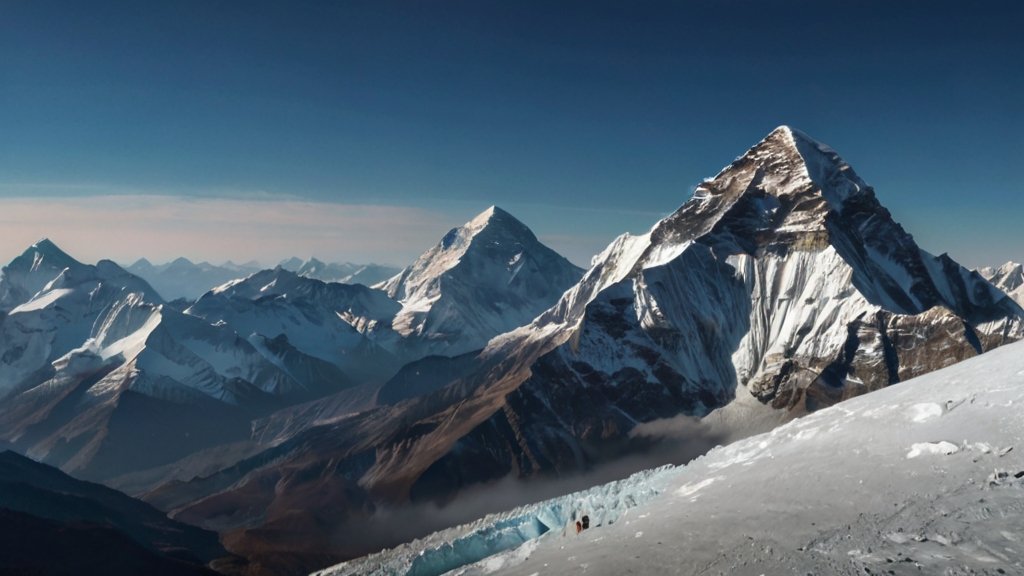
Mera Peak Climbing: Conquer the Highest Trekking Peak in Nepal
Mera Peak Climbing stands as a premier objective for adventurers seeking to stand atop a Himalayan giant without the extreme technical demands of an 8,000-meter expedition. Rising majestically to an altitude of 6,476 meters, Mera Peak is officially recognized as the highest trekking peak in Nepal. This journey offers a profound immersion into the rugged wilderness of the Hinku Valley, providing a rare combination of physical challenge and breathtaking alpine scenery.
When embarking on a high-altitude expedition of this magnitude, the expertise of a professional agency is paramount. Mountain Treks Nepal specializes in organizing comprehensive 17-day Mera Peak Climbing itineraries that prioritize safety, acclimatization, and an authentic Himalayan experience. This guide provides an in-depth look at what to expect during this life-changing ascent.
Trip Overview: The Grandeur of Mera Peak

Mera Peak is situated in the Makalu region, approximately 70 kilometers from Everest Base Camp. The expedition is famous for offering what many consider the finest panoramic view in the world. From the summit, the horizon reveals five of the earth’s six highest mountains: Mount Everest, Lhotse, Cho Oyu, Makalu, and Kanchenjunga.
The Mera Peak Climbing 17 Days itinerary is meticulously designed to transition from the lush, green valleys of the lower Khumbu to the stark, icy landscapes of the high Himalayas. While classified as a “trekking peak,” the altitude and the final glacier traverse require stamina and basic mountaineering skills, making it a perfect stepping stone for those looking to advance from high-altitude trekking to technical climbing.
Key Expedition Facts:
-
Duration: 17 Days
-
Maximum Altitude: 6,476m (Summit)
-
Difficulty Level: Moderate to Difficult
-
Best Trekking Season: March to May (Spring) and September to December (Autumn)
-
Region: Makalu/Hinku Valley
The Mountain Treks Nepal Experience: Professionalism and Care
Choosing Mountain Treks Nepal ensures that every logistical detail—from domestic flights to high-altitude tented camps—is handled by experts with over 15 years of experience. The success of a Mera Peak expedition often hinges on the quality of the support team.
Mountain Treks Nepal provides seasoned climbing guides and Sherpa experts who possess intimate knowledge of the local terrain and weather patterns. These professionals monitor health indicators, specifically signs of Acute Mountain Sickness (AMS), and provide essential technical training at Khare to ensure every climber feels confident using crampons and ice axes.
Life on the Trail: Food and Accommodation
During the Mera Peak Climbing journey, the style of living shifts as the altitude increases.
-
Kathmandu: The adventure begins and ends in the comfort of standard hotels in the capital, where a wide variety of Nepali, Continental, and Asian cuisines are available.
-
The Trekking Phase: While moving through settlements like Lukla, Chuttanga, and Kothe, accommodation consists of traditional teahouses. These provide clean, warm beds and communal dining areas. Meals typically include ‘Dal Bhat’ (the ultimate trekking fuel), noodles, soups, and even Western favorites like pasta or pancakes in Lukla.
-
The Climbing Phase: At Mera La and High Camp (5,800m), the expedition transitions to tented camps. Mountain Treks Nepal manages the logistics of high-altitude dining in these remote settings, ensuring climbers receive nutritious, high-energy meals even in sub-zero temperatures.
Essential Requirements for a Successful Expedition
Travel Insurance
Securing comprehensive travel insurance is a non-negotiable requirement for Mera Peak Climbing. The policy must specifically cover “mountaineering or trekking up to 6,500 meters” and include provisions for emergency helicopter evacuation. Given the remote nature of the Hinku Valley, having this safety net allows for peace of mind.
Physical Preparation
Though the climb is technically straightforward, the sheer altitude makes it a “Moderate to Difficult” endeavor. Prospective climbers should focus on cardiovascular endurance and leg strength months before arrival.
Required Permits
Mountain Treks Nepal handles the complex paperwork for the expedition. This includes:
-
Mera Peak Climbing Permit: Issued by the Nepal Mountaineering Association (NMA). Costs vary by season: $250 in Spring, $125 in Autumn, and $70 in Winter/Summer.
-
Local Area Permits: Required for entry into the protected regions of the Khumbu/Makalu area.
Detailed 17-Day Itinerary: The Path to the Summit
Day 1: Arrival in Kathmandu
A representative from Mountain Treks Nepal welcomes you at Tribhuvan International Airport. After a briefing, the day is spent resting or exploring the vibrant streets of Thamel.
Day 2: Flight to Lukla (2,840m)
A 30-minute scenic flight brings you to the gateway of the Everest region. The sight of the Himalayas from the small Twin Otter plane is the first of many highlights.
Day 3–5: Entering the Hinku Valley (Chuttanga to Kothe)
The trail departs from the main Everest route, heading toward Chuttanga (3,050m) and then crossing the challenging Zatrwa La Pass (4,600m) to reach Chhatra. By Day 5, the trek descends into the enchanting Hinku Valley and the village of Kothe (3,500m), surrounded by rhododendron forests.
Day 6–7: Acclimatization at Thagnak (4,300m)
The ascent continues along the Inkhu Khola. Thagnak serves as a vital rest point. A day here is spent hiking to Sabal Tsho Lake, helping the body adjust to the thinning air while offering views of Kusum Kanguru.
Day 8–9: Technical Preparation at Khare (5,000m)
Khare is the final “civilization” before the summit. Mountain Treks Nepal dedicates Day 9 to pre-climb training. Under the guidance of your Sherpa, you will practice using ropes, harnesses, and ice axes.
Day 10–11: Moving to High Camp
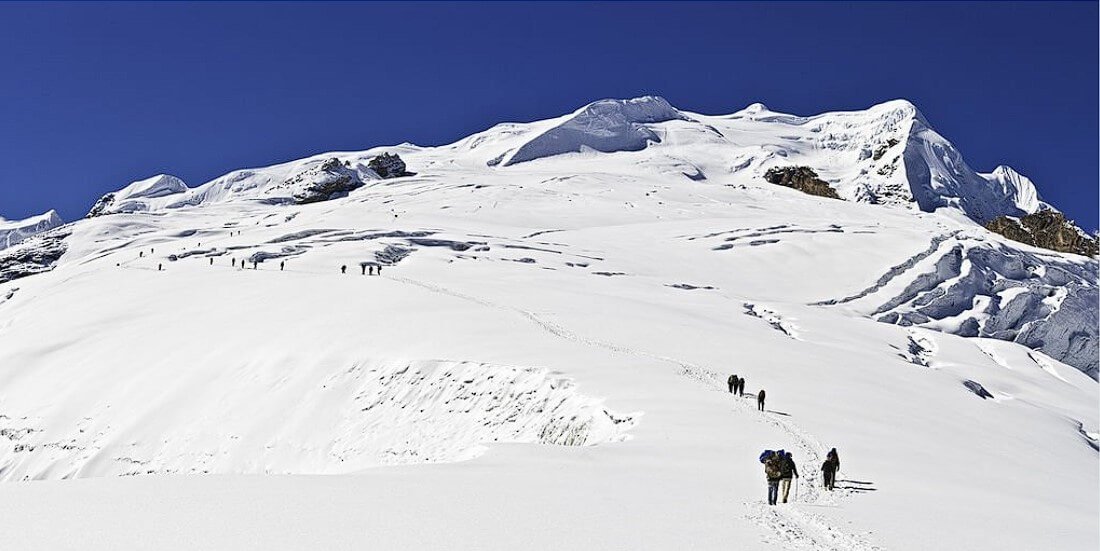
The trek to Mera La (5,400m) and subsequently High Camp (5,800m) involves glacial trekking. High Camp is perched on a rocky outcrop, offering a sunset view over the world’s highest peaks that is truly incomparable.
Day 12: Summit Day (6,476m)
The push for the summit begins long before dawn. Using headlamps to navigate the ice, you will reach the summit of Mera Peak as the sun rises. The 360-degree panorama of the Himalayas is the ultimate reward for your perseverance. After celebrating, the team descends back to Khare.
Day 13–15: The Return Journey
The descent follows the familiar path back through Kothe and Chhatra, allowing for a deeper appreciation of the landscapes now that the physical pressure of the summit is gone.
Day 16–17: Back to Kathmandu and Departure
A final flight from Lukla returns you to the capital for a farewell dinner organized by Mountain Treks Nepal, followed by a transfer to the airport for your flight home.
Packing List for Mera Peak Climbing
To ensure comfort and safety, your gear must be specialized for extreme cold:
| Category | Items |
| Technical Gear | Mountaineering boots, Crampons, Ice axe, Harness, Carabiners |
| Head & Hands | Warm hat, Neck gaiter, Insulated mittens, Liner gloves |
| Upper Body | Moisture-wicking base layers, Fleece jacket, Heavy down jacket (provided by MTN) |
| Lower Body | Trekking pants, Thermal leggings, Waterproof shell pants |
| Footwear | Sturdy hiking boots, moisture-wicking wool socks, Gaiters |
| Accessories | 4-season sleeping bag, 35-45L Daypack, Trekking poles, UV Sunglasses |
Why Choose Mountain Treks Nepal?

Mountain Treks Nepal prides itself on a personalized approach. Reviews from past adventurers like Kelley and Edward C. highlight the exceptional service provided by guides like Rakesh and Purna. Whether it is the prompt communication from Mr. Bharat or the “family-like” treatment received on the trail, the agency ensures that your Himalayan dream becomes a reality.
The Mera Peak Climbing 17 Days expedition is more than just a climb; it is a test of spirit and a journey into the heart of the world’s highest mountains. With the right preparation and the expert support of Mountain Treks Nepal, the summit of Mera Peak is within your reach.
Frequently Asked Questions
What is the difficulty of Mera Peak Climbing?
It is considered a “Physically Demanding” trek with a “Non-Technical” climb. While the slopes are not steep enough to require advanced rock climbing, the altitude of 6,476m makes it a serious undertaking.
When is the best time to climb?
The most stable weather occurs in Spring (March to May) and Autumn (September to November). During these months, the views are clear, and the temperatures, while cold, are manageable.
What if I have never used climbing gear before?
No problem! The Mountain Treks Nepal itinerary includes a dedicated training day at Khare where our expert guides will teach you everything you need to know for the final ascent.