


Share This:
Manaslu Circuit Trek: The Complete Guide with Mountain Treks Nepal
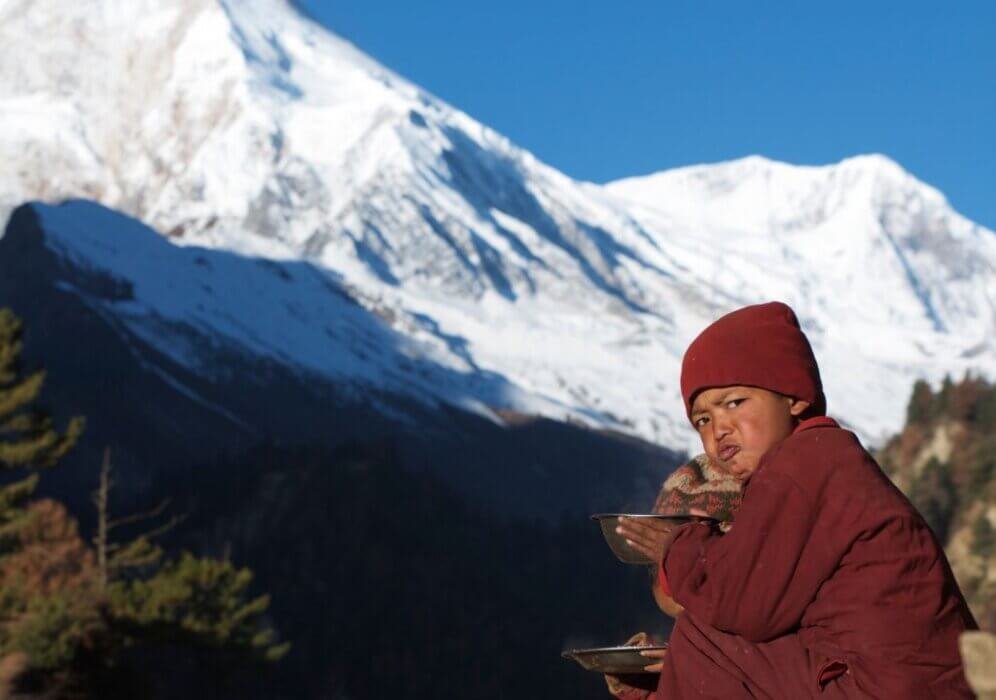
Tucked away in western Nepal, the Manaslu Circuit Trek is one of the most rewarding high‑altitude treks in the Himalayas. Circling the massif of Mount Manaslu (8,163 m), this 14‑day adventure combines dramatic landscapes, remote villages, high passes, alpine meadows, and a deep cultural immersion. With Mountain Treks Nepal, you get not just an itinerary but an experience: expert guides, ethical practices, safety, and memories that last a lifetime. Whether you’re a seasoned trekker or someone looking for a challenging teahouse journey, this trek might be what you’ve been seeking.
Why the Manaslu Circuit Trek?
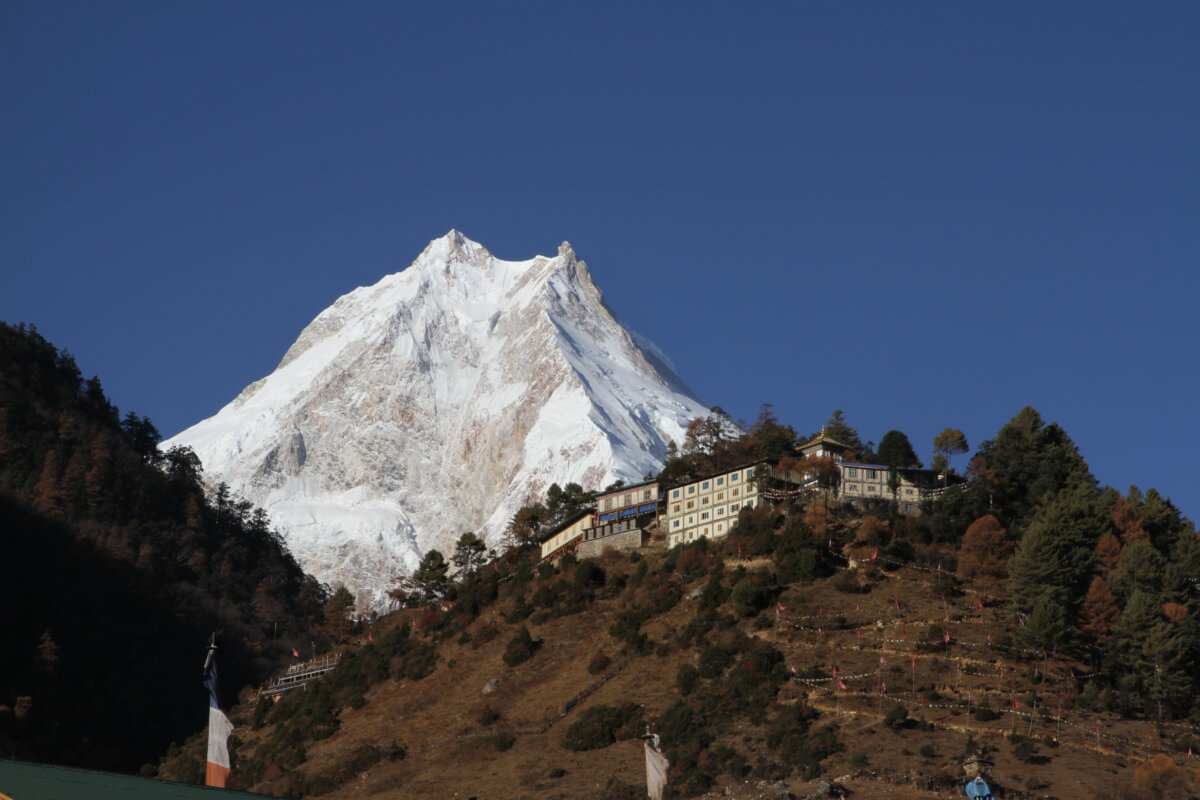
- Untouched and less crowded: Compared to Everest Base Camp or Annapurna Circuit, the Manaslu Circuit offers much more solitude, especially off‑peak. You’ll pass through villages that see far fewer foreign trekkers, giving a more authentic Himalayan
experience. - Spectacular altitude & scenery: The highest point is Larkya La Pass, at about 5,106 m, which gives panoramic views of surrounding peaks, glaciers, ridges, and alpine meadows.
- Varied landscapes & cultures: Starting from river valleys, bamboo & rhododendron forests, cliffs, terraces, to arid alpine zones; also villages influenced by Gurung, Tibetan, and Buddhist traditions.
Best Time to Trek Manaslu Circuit
| Season | When | Advantages | Challenges |
| Autumn (Sept‑Nov) | Late Sept to early Nov | Clear skies, stable weather, crisp mountain views, rhododendron off‑season moisture gone. Great for views & photography. | More trekkers; permits may be in higher demand; possible early snow on passes later in season. |
| Spring (Mar‑May) | Mid March to early June | Blooming rhododendrons, warming weather, vivid landscapes. Less snow after winter. | Early spring might have snow in high altitude; trails muddy; occasional storms. |
| Off‑Peak (Winter / Monsoon) | Dec‑Feb, Jun‑Aug | Quiet trails, sometimes cheaper services, lush vegetation (monsoon), dramatic weather. | Cold, snow, unpredictable weather, trail closures, fewer lodge services. |
Permits & Regulations: What You Need to Know
One of the big differentiators for the Manaslu Circuit Trek is the required permits. Because much of the trail is in restricted or conservation areas, regulations are stricter.
Necessary Permits
- Manaslu Restricted Area Permit (RAP / MRAP)
- Mandatory when trekking through the core of the Manaslu Circuit (from Jagat to Dharapani).
- Cannot be done solo: must be part of a group (minimum 2 people) and with a licensed guide.
- Manaslu Conservation Area Permit (MCAP)
- For entering the conservation region, contributing to environmental protection and local community funds.
- Annapurna Conservation Area Permit (ACAP)
- Because the trail ends through the Annapurna region (from Dharapani to Besisahar / exit), this permit is needed.
Costs of Permits (2025 Approximate)
| Permit | Foreign Nationals Cost | Additional Conditions |
| RAP (Manaslu Restricted Area) | Autumn (Sept‑Nov): USD 100 for first 7 days + USD 15/day after that; Other seasons (Dec‑Aug): USD 75 for first 7 days + USD 10/day beyond. | |
| MCAP | ~USD 30 flat ‑ regardless of duration. | |
| ACAP | ~USD 30 flat. |
(Prices may vary slightly depending on nationality, agency, or administrative changes. Mountain Treks Nepal will handle these for you.)
How Much Does the Manaslu Circuit Trek Cost?

Understanding cost helps avoid surprises. The total cost depends on many factors: group size, type of service (luxury vs. basic), season, transport method, etc.
Typical Price Ranges
- Budget / Group Trek: US$ 900 to US$ 1,500 per person includes basic lodges, meals during trekking, guide & porter, transport (road). This is with sharing costs in a group.
- Private / Higher Comfort Packages: US$ 1,500 to US$ 2,500+ per person upgraded accommodations, private transport, maybe extra rest days or custom itinerary.
Major Cost Components
- Permits (RAP + MCAP + ACAP)
- Guide & porter fees (guides are essential; porters help with luggage). Rates approximately USD 25–35/day for guides and USD 20‑30/day for porters depending on service.
- Transportation: Kathmandu → trailhead and return. Public bus is cheaper; private jeep or van adds cost.
- Accommodation & meals during trekking: Teahouses; more basic lodging at higher altitudes.
- Gear if needed, insurance, personal expenses (hot showers, charging, tips).
Difficulty & Physical Requirements
The Manaslu Circuit Trek is moderately strenuous to strenuous. It is not a casual walk; you will contend with high altitude, long days, steep terrain, sometimes snow or ice, limited infrastructure in remote sections.
Key Factors
- Highest point: Larkya La Pass (~5,106 m).
- Daily trekking hours: Usually 5‑8 hours, sometimes longer on challenging days (approach to Larkya La, etc.).
- Altitude acclimatization: Built‑in via rest / acclimatization days; trekking slowly; paying attention to health & symptoms.
- Fitness: Good cardio background (walking, hiking, stair climbing, maybe running), leg strength, overall endurance. Pre‑trek training recommended.
14‑Day Itinerary
Below is a sample itinerary that balances challenge, acclimatization, scenery, and culture, optimized for safety and experience.
| Day | Route | Approx Elevation | What to Expect |
| Day 1 | Kathmandu → Drive to Machha Khola (via Arughat) | ~ 870m | Scenic drive; rivers & hills; rest after travel. |
| Day 2 | Machha Khola → Jagat | ~ 1,410m | Forests, river crossings, small villages. |
| Day 3 | Jagat → Deng | ~ 1,860m | Terraced farmland; exposure to local life; gentle altitude gain. |
| Day 4 | Deng → Namrung | ~ 2,630m | Narrow valleys, Buddhist influences begin showing. |
| Day 5 | Namrung → Lho | ~ 3,150m | Increasingly alpine zones; views open up; villages with Tibetan style. |
| Day 6 | Lho → Sama Gaun | ~ 3,500m | Culture, gompas, views towards Mt Manaslu. |
| Day 7 | Acclimatization at Sama Gaun | ~ 3,860m | Rest, short hikes, cultural exposure. |
| Day 8 | Sama Gaun → Samdo | ~ 3,860m | Smaller villages; more remote terrain. |
| Day 9 | Samdo → Dharmashala (Larkya Phedi) | ~ 4,450m | Preparation for the pass; challenging terrain. |
| Day 10 | Dharmashala → Cross Larkya La Pass → Bimthang | High ~5,106m → descend to ~3,855m | Long and toughest day; spectacular pass crossing; descent rewarding. |
| Day 11 | Bimthang → Tilje / Dharapani | ~2,000‑2,500m | Descent, relief in easier terrain; scenic beauties. |
| Day 12 | Dharapani → Besisahar | ~1,400‑1,600m | Lower elevations; more populated; better facilities. |
| Day 13 | Besisahar → Kathmandu | ~1,350m | Return journey; time to reflect and rest. |
| Day 14 | Buffer / Departure Day in Kathmandu | ~1,350m | Free time, shopping, cultural tours, departure arrangements. |
What Mountain Treks Nepal Adds: Why Choose Us?
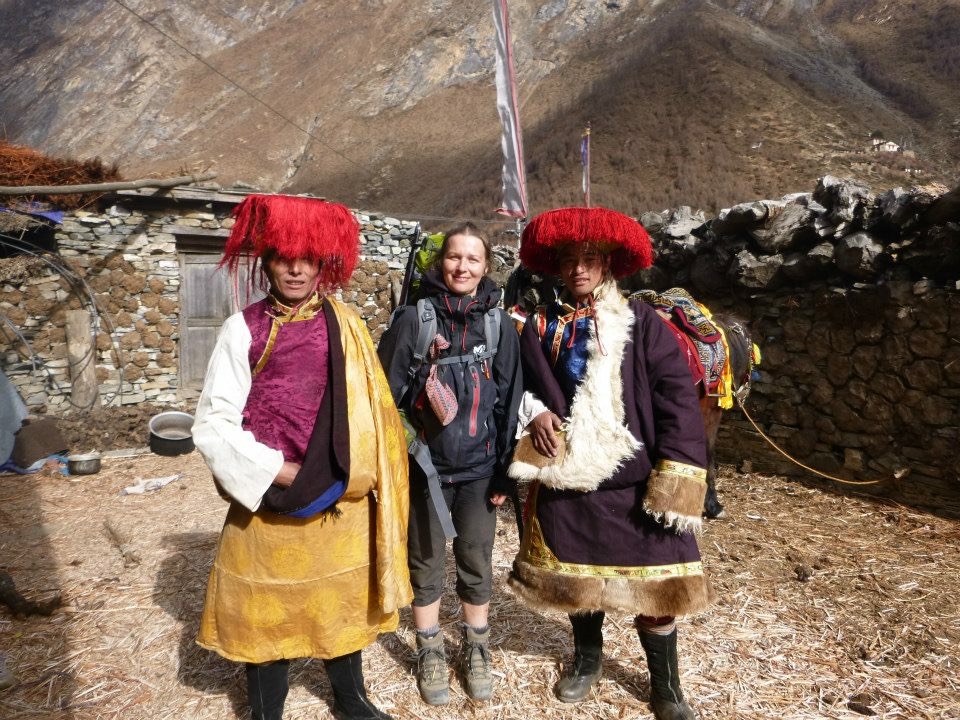
- Local Experts: Deep knowledge of the Manaslu region, its trails, weather patterns, permits logistics, cultural points. Guides trained for altitude, safety, rescue.
- Full Support: We handle all administrative, permit, conservation fees, lodge coordination, emergency planning. No surprises.
- Customized Itineraries: For those wanting extra rest days, more cultural time, or photography focus, we adapt.
- Quality & Comfort Where Possible: Teahouses chosen for cleanliness, warmth, best views; meals well balanced; safety equipment like oxygen, pulse oximeter carried.
- Ethical & Sustainable Practices: Fair treatment of porters & guides; supporting local villages; minimizing waste; respecting culture & environment.
Packing & Preparation
To succeed on the Manaslu Circuit Trek with comfort and safety, prepare well.
Gear Checklist
- Sturdy, broken‑in hiking boots
- Layered clothing: base layer, insulating fleece/down jacket, waterproof/windproof outer shell
- Warm gloves, hat, buff/scarf
- Comfortable trekking pants + thermal under‑layers
- Sleeping bag rated for cold (‑10°C or lower)
- Trekking poles
- Day pack + waterproof cover; main duffel bag
- Sunglasses, sunscreen (high SPF), lip protection
- Water purification method (tablets or filter)
- Headlamp & extra batteries
- First aid kit; personal medication
Physical / Mental Preparation
- At least 4‑6 weeks of cardio training (hiking, stairs, running, cycling)
- Strength training for legs and core
- Practice hikes with loaded pack
- Familiarize with altitude sickness symptoms; understand that slow ascent and rest matter
- Mental readiness: remote areas, basic facilities, changing weather
Safety, Altitude & Common Risks
- Altitude Sickness (AMS): Can begin above ~3,000 m. Key symptoms: headache, nausea, dizziness, shortness of breath. Don’t ignore signs; descend if necessary.
- Weather: Sudden snow, rain, wind. Passes like Larkya La may have snow or ice; trail conditions change.
- Trail & Terrain: Rocky, steep, possibly slippery; stream crossings; remote sections with limited services.
- Facilities: At higher elevations, lodges are basic; hot water, charging, WiFi may be limited or expensive.
Mountain Treks Nepal ensures guides are trained, carry emergency gear, have contingency plans, and emphasize gradual acclimatization.
Cultural Immersion & Natural Highlights
- Villages: Jagat, Deng, Namrung, Lho, Sama Gaun, Samdo each with unique architecture, monasteries, mani walls, prayer flags.
- Monasteries: Pungyen Gompa is a notable one; Sama Gaun’s gompa; Buddhist influence becomes stronger as you go higher.
- Flora & fauna: Rhododendron forests, alpine meadows, wildflowers, possibly wildlife such as Himalayan thars or birds of prey.
- Views: Manaslu massif, surrounding peaks, glaciers, deep valleys; especially striking from the pass.
Cost Breakdown & Sample Budget (Per Person)
Here’s a rough sample budget for a 14‑day Manaslu Circuit Trek with Mountain Treks Nepal, mid‑range services:
| Item | Estimated USD |
| Permits (RAP + MCAP + ACAP) | ≈ USD 135‑200 depending on season & duration of restricted area stay |
| Guide & Porter | USD 25/day for guide + USD ~20/day for porter *14 days = ~USD 630 |
| Accommodation & Food (teahouse) | ~USD 20‑30/day = ~USD 280‑420 |
| Transportation (Kathmandu ↔ trailhead & back) | USD 50‑150 depending on private vs public options |
| Gear / Misc (insurance, sleeping bag rental, tips, emergency) | USD 150‑300 |
| Total Approx Mid‑Range | USD ~ 1,400‑2,000 |
If you opt for basic group services, more shared transport, cheaper meals, you could reduce that; if you want more comfort, private services, extra rest days, the cost will rise accordingly.
FAQs: Answering Common Questions
Is it possible for first‑time trekkers?
Yes provided you are reasonably fit, have trained in advance, commit to acclimatization, and go with an experienced operator like Mountain Treks Nepal.
How many people per group / guide ratio?
Usually 1 guide per group of trekkers; porters for gear. Group size may be from small (2‑5) up to ~15. Larger groups reduce per person cost but may reduce flexibility or intimacy.
What is the deadline to book / permit lead time?
Permits need processing in advance; booking at least several weeks ahead for autumn is safer. Mountain Treks Nepal handles permit filing, but document submission in Kathmandu usually required.
What about electricity / charging / WiFi on the trail?
Basic in lower villages; more limited at higher elevations. Solar panels, power banks helpful. Lodges may charge for charging. WiFi is often slow and expensive in remote spots.
Do I need travel insurance & evacuation coverage?
Absolutely. Must include medical emergencies, helicopter evacuation, high altitude conditions.
Conclusion
The 14‑Day Manaslu Circuit Trek is more than just a hike it’s a profound adventure into remote Himalayan beauty, high passes like Larkya La, ancient Buddhist culture, and personal growth. With Mountain Treks Nepal, you’re not just buying a trip; you’re investing in safety, authenticity, local immersion, and memories that will stay with you.
If you’re ready to take the step, contact us for adjusted itineraries, exact quotes, gear checklists, and departure dates. Start planning early, train well, pack smart and get ready to embrace the wilderness, the challenge, and the awe only such a trek can offer.