



Share This:
Langtang Valley Trek: A Journey into the Valley of Glaciers
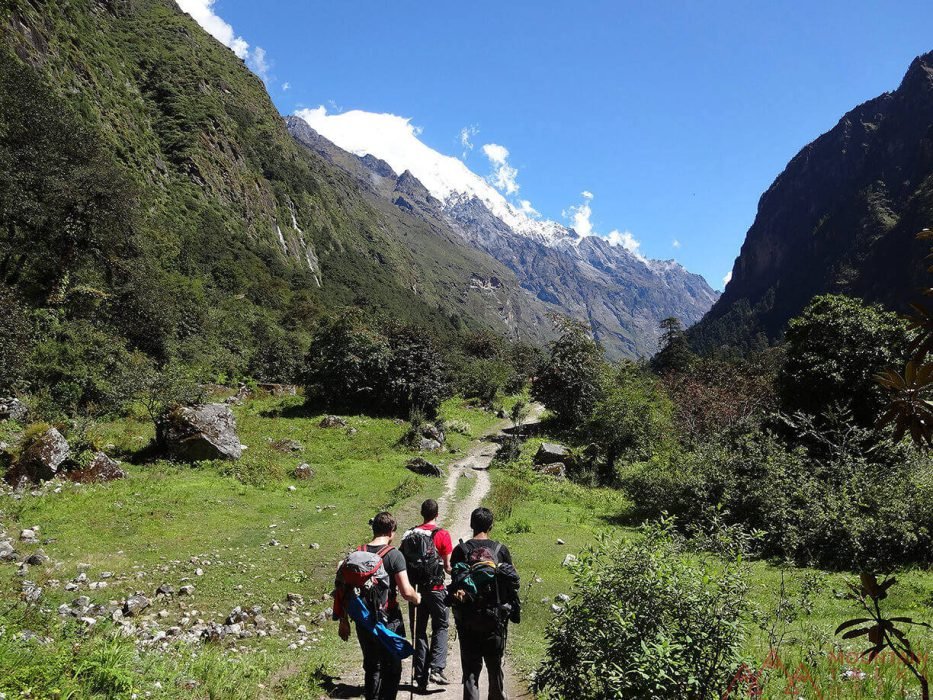
The Langtang Valley Trek stands as a magical journey into one of the most picturesque and culturally significant areas of Nepal. Situated north of Kathmandu and bordering the Tibetan region, this destination is famously known as the “Valley of Glaciers.” It offers magnificent panoramas of snow-covered peaks, dazzling glaciers, and pure high-altitude landscapes. For those seeking a blend of nature and deep-rooted Buddhist traditions, this trek winds through ancient Tamang communities where warm hospitality is a way of life.
Mountain Treks Nepal facilitates this 10-day adventure, which is considered easy-to-moderate for average trekkers. The trail transitions through diverse ecosystems, from lush bamboo and rhododendron forests to high-altitude pastures and rocky glacial moraines. Wildlife enthusiasts often find joy in spotting red pandas, Himalayan black bears, and various bird species protected within the Langtang National Park. The journey culminates at the high-altitude monastery of Kyanjin Gompa, surrounded by towering peaks and offering incredible hiking options to viewpoints such as Tserko Ri and Kyanjin Ri.
Essential Preparation for the Langtang Valley Trek
Success in the Himalayas requires diligent planning and professional support. Mountain Treks Nepal ensures that every logistical detail is handled, allowing for total immersion in the mountain scenery.
Permits and Regulations
Two specific permits are mandatory for the Langtang Valley Trek. The first is the Langtang National Park Entry Permit, which costs NPR 3,000 for international trekkers and NPR 1,000 for SAARC nations. The second is the Trekkers’ Information Management System (TIMS) Card, also priced at NPR 3,000 per person. Both permits are obtainable from the Nepal Tourism Board in Kathmandu, or through the streamlined services of Mountain Treks Nepal.
Professional Guides and Porters
Navigating the Himalayan terrain is significantly safer and more enriching with a professional team. A guide is essential for navigating the trails, explaining the richness of local culture, and managing permits. Moreover, guides are trained in emergency response, specifically for altitude-related issues.
A porter plays a vital role by lifting the physical burden, typically carrying up to 20kg of gear. This allows for a more relaxed focus on the landscape. Mountain Treks Nepal provides packages featuring certified, well-insured, and experienced guides and porters to ensure a seamless experience.
Communication and Connectivity
Communication systems remain limited in remote high-altitude regions. While villages like Syabrubesi, Langtang Village, and Kyanjin Gompa have mobile network connectivity via Ncell and Nepal Telecom, signal strength is inconsistent. Many teahouses offer Wi-Fi for a small fee, though speed depends heavily on weather conditions. In areas without coverage, carrying a satellite phone is a wise precaution for emergencies. Disconnecting from constant digital alerts often enhances the experience, fostering a deeper connection with the silence of the Himalayas.
Timing and Logistics
Best Season for Trekking
The optimal windows for the Langtang Valley Trek are from September to November (Autumn) and from March to May (Spring). During these months, the weather is generally clear and dry, providing the best visibility of the peaks. While trekking is possible at other times, winter brings heavy snow that may block trails, and the monsoon season, though making the landscape lush and mystical, presents unpredictable weather and slippery paths.
Accommodation and Gastronomy
Lodging along the trail primarily consists of teahouses—simple lodges offering twin beds and shared bathrooms. These facilities are basic yet warm, featuring common areas often heated by wood or yak-dung stoves. As the altitude increases, facilities become more primitive, making a high-quality sleeping bag essential for comfort.
The food served in these teahouses provides the necessary energy for long walking days. Dal Bhat (lentil soup, rice, and vegetables) is the staple meal. Other options include noodles, pasta, momos, and Tibetan bread. Hot beverages like ginger tea and yak butter tea are excellent for maintaining warmth. It is important to note that food prices rise with altitude due to the logistical challenges of transporting supplies by mule or porter.
Travel Insurance
Comprehensive travel insurance is a non-negotiable requirement. The policy must cover high-altitude trekking up to 5,000 meters and include provision for emergency helicopter evacuation. Given the uncertainties of Himalayan weather and the risk of altitude sickness, ensuring coverage for medical expenses and trip cancellations provides essential peace of mind.
Detailed 10-Day Itinerary
Day 1: Arrival in Kathmandu
The journey begins at Tribhuvan International Airport, where a representative from Mountain Treks Nepal provides a private transfer to the hotel. Kathmandu is a city where ancient temples and narrow streets exist alongside modern establishments. The evening offers time to explore the vibrant streets of Thamel, a hub for trekking gear and Nepalese handicrafts, providing a perfect opportunity for final preparations.
Day 2: Drive from Kathmandu to Syabrubesi
The day starts with a scenic drive toward the gateway of the Langtang region. As the city fades, the landscape shifts to terraced farms, green hills, and rural settlements. The route passes through Trisuli Bazaar and Dhunche, offering glimpses of Annapurna II, Manaslu, and Ganesh Himal. The air becomes cooler as the vehicle reaches Syabrubesi, a charming village nestled among lush greenery.
Day 3: Trek from Syabrubesi to Lama Hotel
Leaving Syabrubesi, the trail follows the Langtang River upstream. The path winds through terraced farmland and dense forests inhabited by the Tamang community. After crossing a suspension bridge, the climb intensifies through bamboo groves and rhododendron forests. This area is a prime spot for wildlife sightings. The day ends at Lama Hotel, a quiet settlement isolated by tall pines, perfect for recharging.
Day 4: Trek from Lama Hotel to Langtang Village
The ascent continues through forests of oak, maple, and rhododendron. Upon reaching Ghora Tabela, the valley opens up, and the massive Langtang Lirung (7,234m) dominates the skyline. The trail follows the Langtang Khola, passing grazing yaks and stone-built homes. Arrival at Langtang Village in the late afternoon provides a look into the traditional lives and hospitality of the Tamang people.
Day 5: Trek from Langtang Village to Kyanjin Gompa (3,880m)
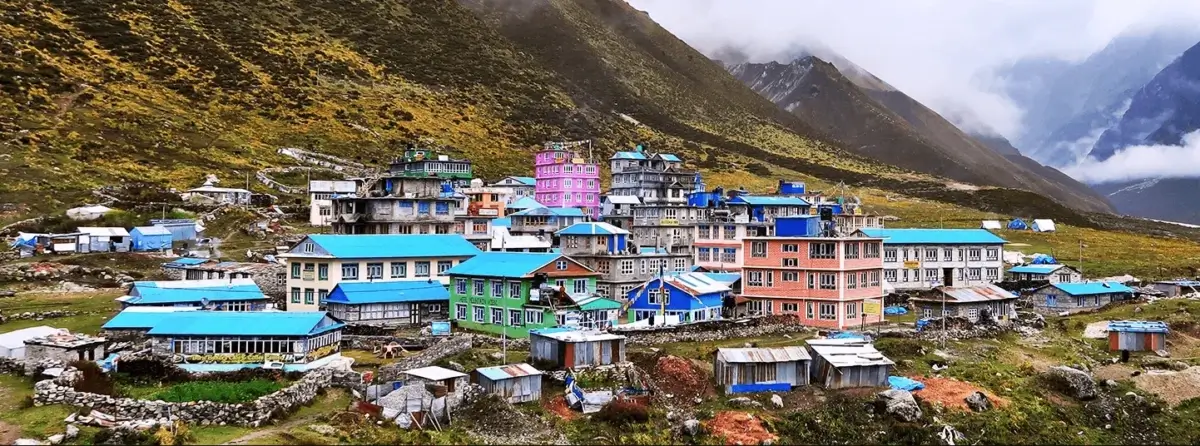
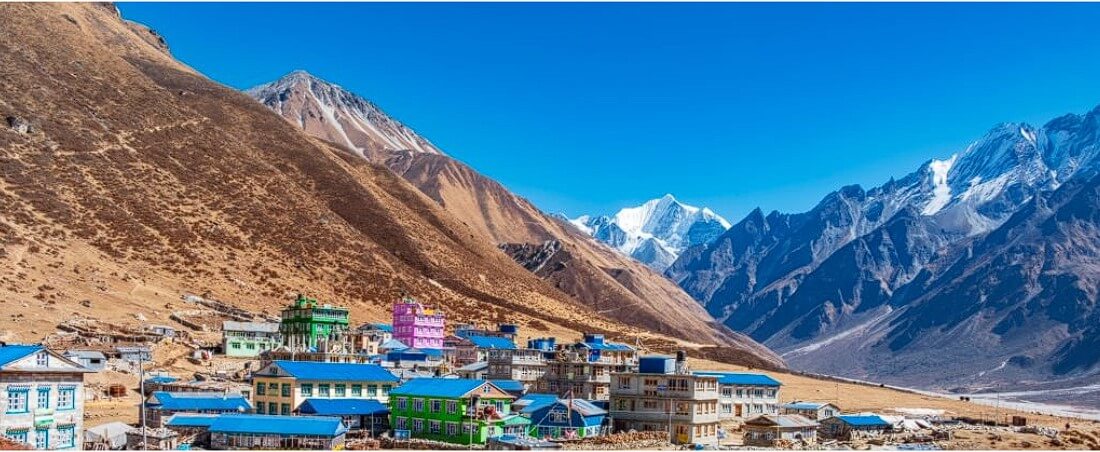
Above the tree line, the landscape becomes more arid and alpine, characterized by juniper bushes and crisp air. The trail passes small settlements like Sindum and Yamphu. After crossing the Laja Khola via a sturdy bridge and climbing a glacial moraine, Kyanjin Gompa comes into view. This village is famous for its ancient monastery and local yak cheese factory.
Day 6: Exploration and Ascent of Tserko Ri
This day is dedicated to acclimatization and reaching the trek’s highest point. An early morning hike leads to the summit of Tserko Ri (5,033m). From here, the panoramic views include Langtang Lirung, Langshisa Ri, and Naya Kang. Alternatively, exploring the Kyanjin Gompa monastery or walking toward the nearby glaciers offers a more relaxed but equally spiritual experience.
Day 7: Trek from Kyanjin Gompa back to Lama Hotel
The descent begins by retracing the route back down the valley. Walking downhill allows for a different perspective on the cliffs and forests previously passed. The return journey through Ghora Tabela offers a final look at the high peaks before entering the dense canopy near Lama Hotel.
Day 8: Trek from Lama Hotel to Syabrubesi
The downward journey continues through lush forests. This stage of the trek is often nostalgic, passing familiar prayer flags and stone stupas. The sound of the Langtang River remains a constant companion. Reaching Syabrubesi in the afternoon allows for a final night in the mountains, celebrating the completion of the walking portion of the adventure.
Day 9: Drive from Syabrubesi to Kathmandu
The return drive to Kathmandu offers a last chance to view the rural hillsides and winding rivers of Nepal. The seven-hour journey transitions from the serene mountain atmosphere back into the bustling energy of the capital. The evening is spent resting at the hotel or enjoying a farewell dinner.
Day 10: Departure from Kathmandu
On the final day, Mountain Treks Nepal provides transportation to Tribhuvan International Airport. The journey concludes, leaving behind memories of spectacular vistas and the deep cultural heritage of the Langtang Valley.
Comprehensive Packing List
A well-prepared pack is the foundation of a comfortable trek. Mountain Treks Nepal provides sleeping bags and down jackets if necessary, but the following items are essential:
-
Clothing: Thermal tops and bottoms, fleece jackets, waterproof/windproof outer layers, and warm hats/gloves.
-
Footwear: Sturdy, broken-in hiking boots and warm hiking socks.
-
Trekking Gear: Trekking poles, a 20-30L daypack, and a headlamp.
-
Health and Safety: Water purification tablets, a personal first aid kit (including altitude medication), and high-energy snacks.
-
Protection: UV-protection sunglasses and high-SPF sunblock.
Why Choose the Langtang Valley?

The Langtang Valley Trek is a mesmerizing adventure that combines culture and nature into a serene Himalayan experience. It serves as a “hidden treasure” for those seeking less crowded alternatives to the Everest or Annapurna regions. This journey is more than just a walk in the mountains; it is a pilgrimage through the natural and cultural gifts of Nepal.
Mountain Treks Nepal ensures a systematic schedule and professional oversight for the duration of the 10-day itinerary. For those interested in expanding their journey, the region also offers the Langtang Valley with Gosaikunda Pass Trek, the Gosaikunda Pass Trek, and the Tamang Heritage Trek. Each of these routes maintains the same high standard of service and commitment to an unforgettable Himalayan adventure.