



Share This:
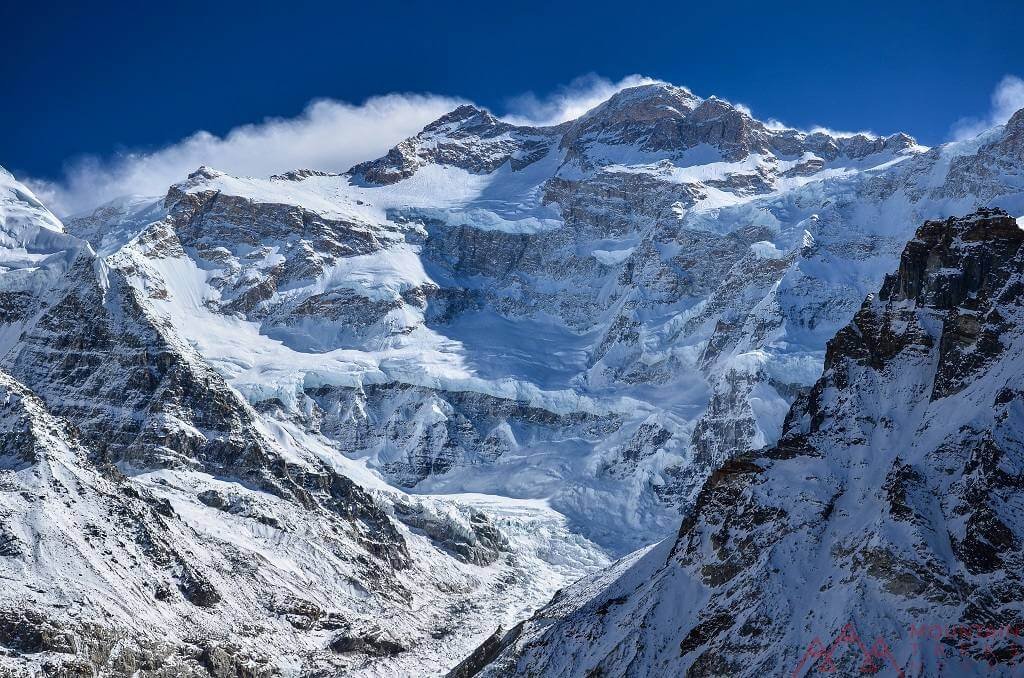
Kanchanjunga Circuit Trek – The Ultimate Himalayan Odyssey with Mountain Treks Nepal
The Kanchanjunga Circuit Trek stands among the most remarkable high‑altitude trekking experiences in Nepal. A journey into the remote eastern Himalayas, this long and challenging trek circles the mighty Mount Kanchenjunga, the third‑highest mountain in the world at 8,586 meters above sea level. The trek’s extraordinary natural beauty, cultural immersion, and rugged wilderness make it an unforgettable adventure for keen trekkers seeking solitude far from the mainstream routes. Guided by Mountain Treks Nepal, this expedition becomes a perfectly organized, enriching, and safe Himalayan adventure.
1. Introduction to the Kanchanjunga Circuit Trek
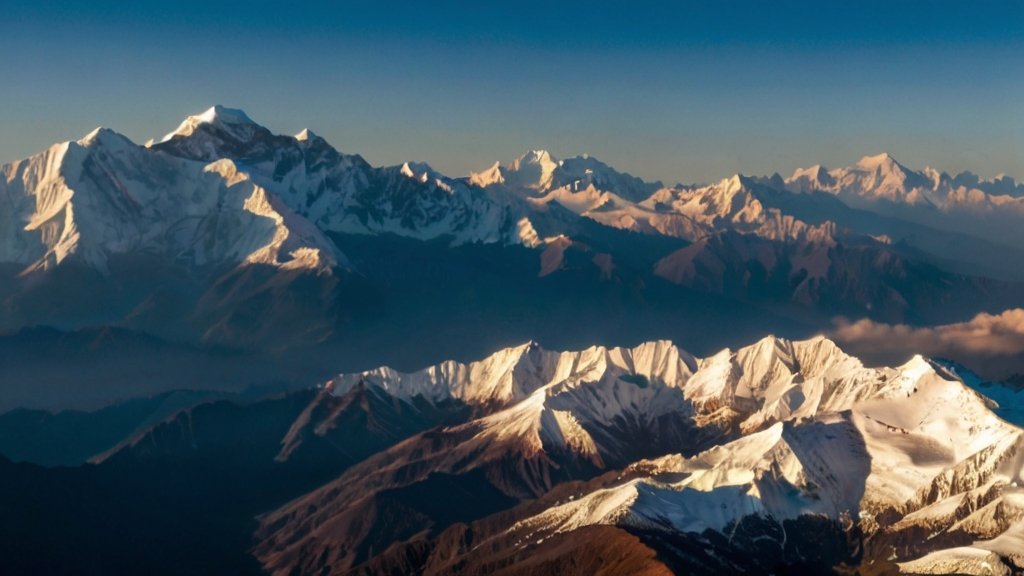
The Kanchanjunga Circuit Trek transcends typical trekking experiences by combining high‑altitude trail exploration, cultural diversity, and pristine nature. Rather than simply reaching a base camp like other famous Himalaya treks, this circuit completes a full loop around the Kanchenjunga massif, exposing trekkers to contrasting landscapes from lush subtropical forests to high alpine meadows and glacial passes.
This rugged trek is perfect for those who desire solitude, breathtaking mountain panoramas, and a genuine journey into untamed Himalayan wilderness. With Mountain Treks Nepal, travelers receive expert planning, local insights, deep cultural context, and logistical support that enhances the overall trekking experience.
2. Why Choose the Kanchanjunga Circuit Trek with Mountain Treks Nepal?
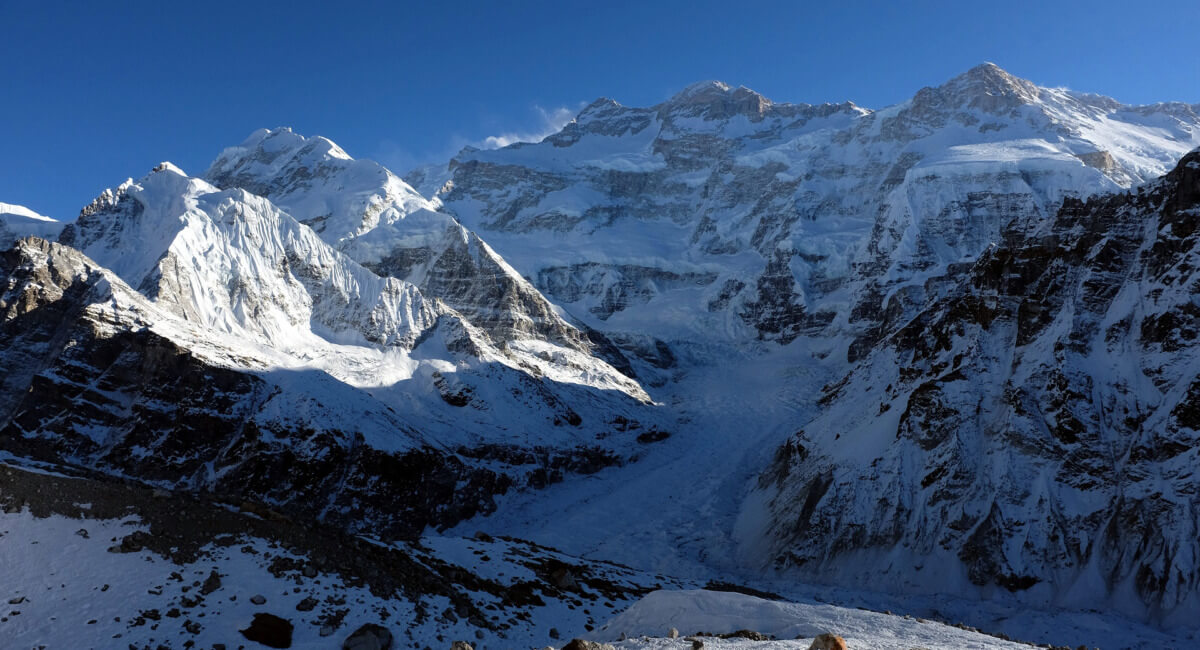
Although the Kanchanjunga Circuit Trek is less frequented than other major Nepal treks such as Everest Base Camp or Annapurna Circuit, it offers equally if not more stunning scenery with fewer crowds. This remoteness also means the journey is more challenging. With Mountain Treks Nepal, travelers benefit from:
-
Experienced local guides who know the terrain, weather patterns, and cultural nuances.
-
High‑quality logistics support, including permits, permits liaison, accommodation, and safety measures.
-
Cultural insights and authentic experiences with indigenous communities.
-
Flexible itineraries tailored to individual needs.
Under the guidance of Mountain Treks Nepal, trekkers can focus on the adventure without worrying about organization or unexpected hurdles in this remote region.
3. Trek Overview: What to Expect
Location and Landscape
The Kanchanjunga Circuit Trek unfolds in the far eastern part of Nepal, near the border with Sikkim, India. The region is primarily within the Kanchenjunga Conservation Area, a protected national habitat that shelters rare flora and fauna including snow leopards, red pandas, and Himalayan black bears.
October through November and March through April are considered the best seasons for this trek, offering stable weather and the clearest mountain views.
Length and Duration
The full Kanchanjunga Circuit Trek typically spans between 18 and 25 days, depending on the itinerary and acclimatization days. The total trekking distance exceeds 200 km and includes multiple challenging passes.
4. Detailed Trek Route
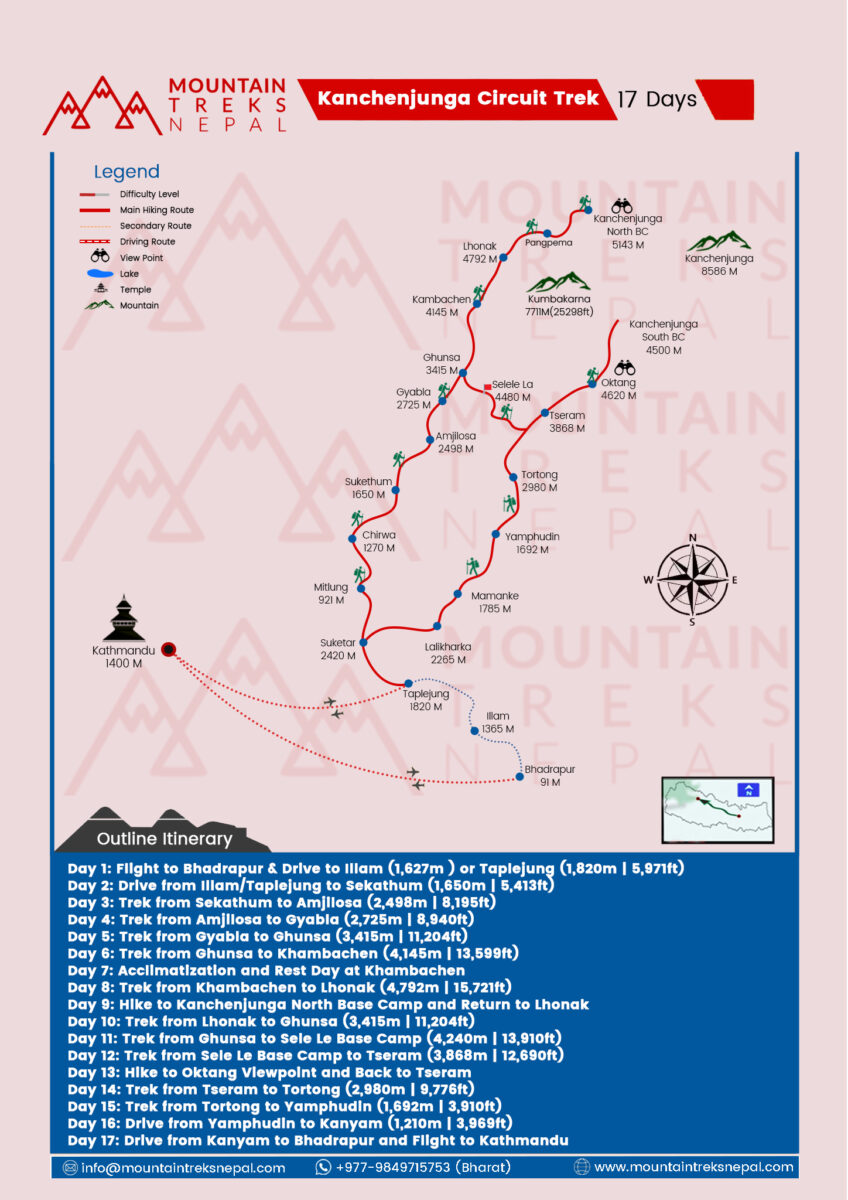
Though various variations exist, a typical Kanchanjunga Circuit Trek route with Mountain Treks Nepal covers the following highlights:
Day 1–4: Arrival and Transit to Taplejung
Arrival in Kathmandu is followed by an internal flight or scenic drive to Bhadrapur. From there, a road transfer brings trekkers to Taplejung, the gateway to the Kanchenjunga region. This transition from urban Kathmandu to a remote mountain trailhead is an adventure in itself.
Day 5–9: Trekking Begins — From Taplejung to Tortong
The journey starts by crossing lush forests, rhododendron groves, and traditional Limbu and Rai villages. The trail gradually rises as trekkers immerse themselves in rural village life and scenic river valleys.
Day 10–12: Ascend to Cheram and Ramche
The trail continues through beautiful valleys to Cheram, a picturesque alpine settlement. An acclimatization day here allows trekkers to adjust to altitude and explore the surroundings. From Cheram, the route ascends toward Ramche (also spelled Ramchaur), approaching the south face of Mt. Kanchenjunga.
Here, the towering peaks dominate the horizon, with pure Himalayan wilderness surrounding trekkers.
Day 13–15: Crossing High Passes and Reaching Ghunsa
Venturing higher, the trail crosses passes like Sele La (4,480 m), offering panoramic views of the vast Himalayan range. Descending to Ghunsa, the region reveals its cultural diversity with Tibetan‑influenced villages and deep ties to ancient Himalayan traditions.
Day 16–19: North Base Camp — Pang Pema
The path continues to Kambachen and Lhonak, before finally reaching the Kanchenjunga North Base Camp (Pang Pema) at around 5,140 m. This is one of the trek’s major landmarks; panoramic Himalayan views from here are breathtaking.
Day 20–24: Completing the Circuit
The return journey involves retracing steps toward Ghunsa, then descending back through the Arun valley, crossing forests and villages. Eventually, the trail leads to Taplejung and onward to Bhadrapur for a flight back to Kathmandu.
The route’s design integrates high alpine terrain, cultural villages, and striking ecological diversity all aspects that make this trek unforgettable.
5. Highlights of the Kanchanjunga Circuit Trek
A. Majestic Himalayan Views
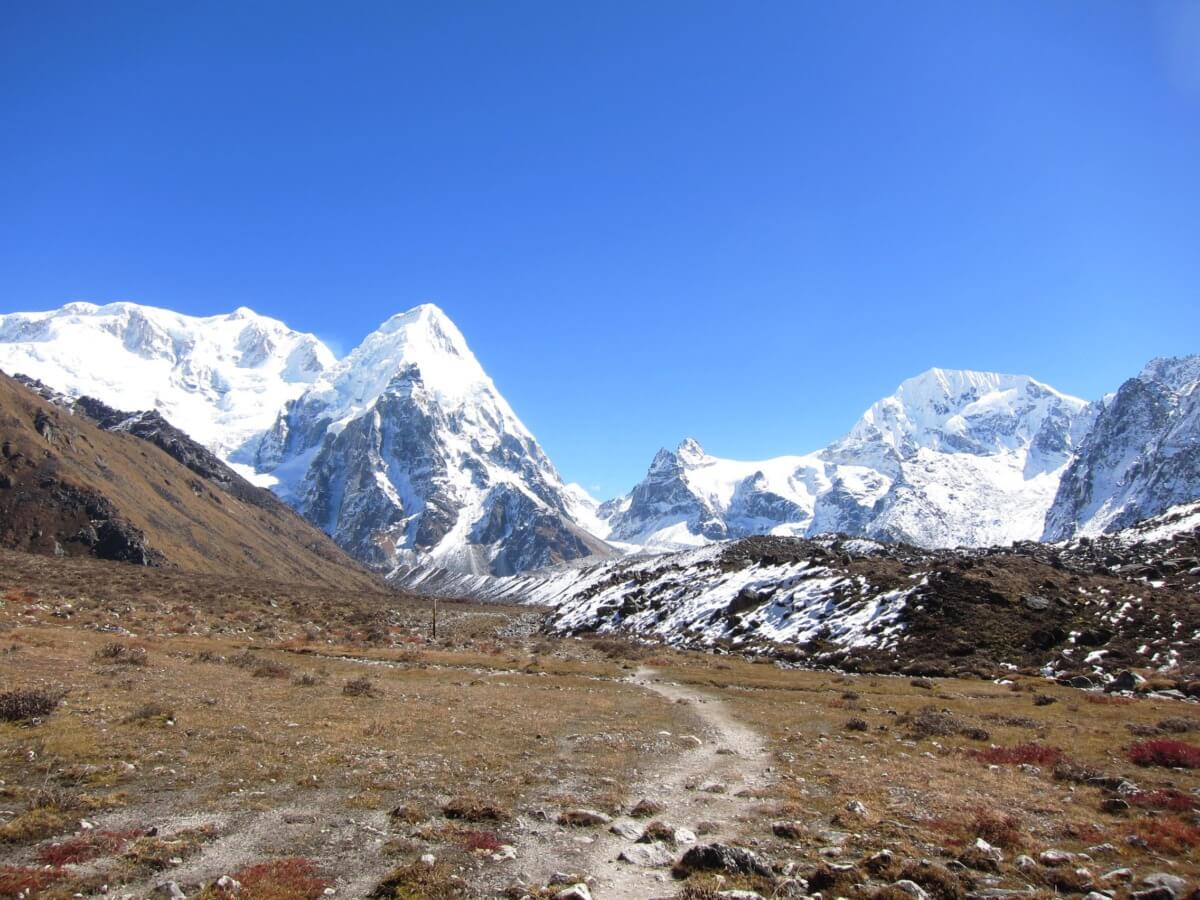
Throughout the trek, breathtaking views of main Himalayan peaks including Kanchenjunga (8,586 m), Jannu (7,710 m), Kabru (7,353 m), Rathong, and others dominate the skyline.
These snow‑capped giants provide a backdrop for spectacular sunrise and sunset views moments that stay etched in every trekker’s memory.
B. Remote Wilderness and Biodiversity
Traveling through the Kanchenjunga Conservation Area immerses trekkers in one of Nepal’s most biodiverse regions. Diverse flora from subtropical forests to alpine meadows — and rare wildlife sightings make this trek truly special.
C. Cultural Immersion
The trek passes through villages inhabited by Limbu, Rai, and Sherpa communities. These encounters provide rare opportunities to experience local customs, traditional lifestyles, and ethnic heritage — something few treks in Nepal offer so comprehensively.
D. Authentic Village Teahouse Stays
The trails are dotted with traditional tea houses and lodges, offering simple yet hospitable accommodations. Staying here allows for direct community engagement and insights into daily Himalayan life.
E. Off‑the‑Beaten‑Path Experience
Unlike Everest Base Camp or Annapurna Circuit, this trek sees far fewer trekkers. The solitude and lack of crowded trails are perfect for those desiring genuine wilderness experiences.
6. Trekking Challenges & Preparation
The Kanchanjunga Circuit Trek is challenging. Its remote nature, long daily hikes, high passes, and limited modern facilities require thorough preparation.
Fitness and Experience
A good level of fitness and prior trekking experience are strongly recommended. The terrain involves rugged paths, steep ascents, and long walking days often exceeding 8 hours.
Altitude Awareness
Proper acclimatization, hydration, and careful progression are essential. Mountain Treks Nepal ensures that each itinerary includes necessary acclimatization days to minimize the risk of altitude sickness.
Packing Essentials
Key gear includes warm layered clothing, quality hiking boots, trekking poles, sun protection, and high‑altitude gear like sleeping bags. Because this trek passes remote areas, thorough preparation for cold temperatures and limited services is required.
7. Best Times to Trek
The ideal seasons for the Kanchanjunga Circuit Trek are:
-
Autumn (September–November): Clear skies, stable weather, and colorful landscapes.
-
Spring (March–May): Blooming rhododendrons and fresh mountain views.
These periods offer the best combination of weather stability and visibility, enhancing the trekking experience.
8. Safety and Support with Mountain Treks Nepal
Safety is paramount in remote treks like Kanchanjunga Circuit Trek. With Mountain Treks Nepal, trekkers receive:
-
Experienced guides with high‑altitude trek knowledge.
-
Support staff and porters to ease the physical load.
-
Medical kits and emergency planning.
-
Permit and logistics arrangements, including conservation area permits and TIMS cards.
This structured support allows trekkers to enjoy the adventure while minimizing risk.
9. Cultural and Environmental Stewardship
The trek not only showcases nature’s beauty but also highlights the importance of environmental conservation and cultural preservation. Mountain Treks Nepal emphasizes responsible trekking practices, minimizing environmental footprints while respecting local cultures. This sustainable approach ensures that the regions remain pristine for future generations.
10. Closing Thoughts
The Kanchanjunga Circuit Trek remains one of Nepal’s most extraordinary adventures a trek that pushes limits, reveals breathtaking landscapes, and fosters deep cultural appreciation. With expert planning and support from Mountain Treks Nepal, this epic Himalayan circuit becomes a seamless, rewarding lifetime journey.
Whether seeking alpine grandeur, cultural connections, remote wilderness, or personal challenge, this trek delivers all that and more.