



Share This:
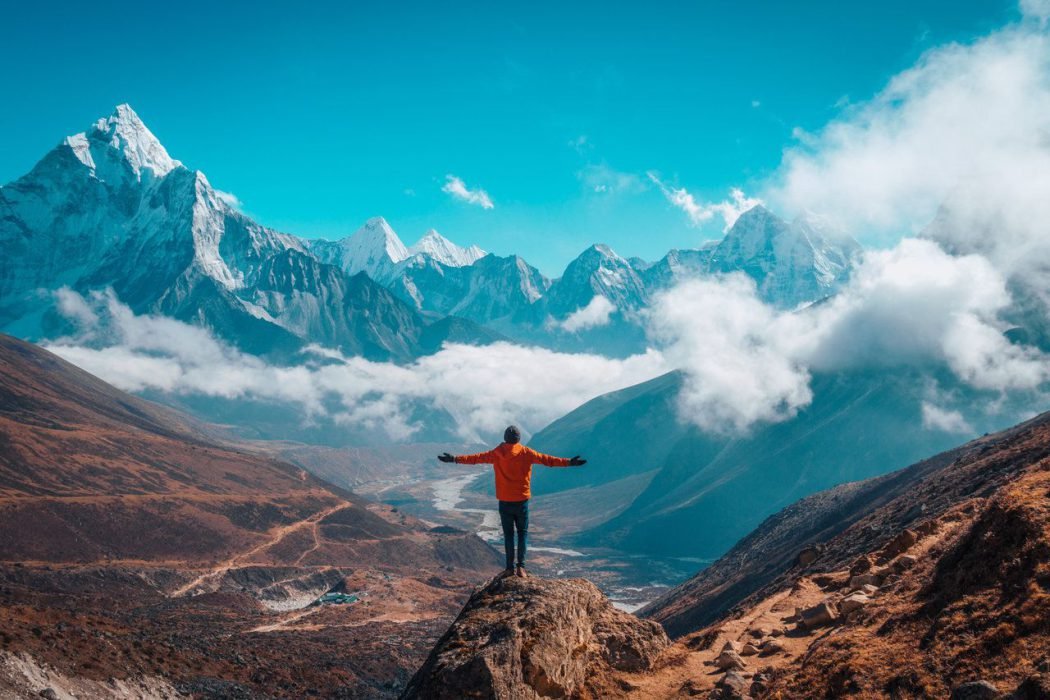
Everest Base Camp Trek: An Epic Journey with Mountain Treks Nepal
The Everest Base Camp (EBC) trek stands as the pinnacle of high-altitude adventure, drawing explorers from across the globe to the heart of the Khumbu region. Standing at the foot of the world’s highest peak, Mount Everest (8,848.86m), is a transformative experience that combines physical challenge with profound cultural immersion. Mountain Treks Nepal specializes in delivering a premium, safe, and authentic trekking experience, ensuring that every traveler achieves their Himalayan dreams with expert guidance.
Overview of the Everest Base Camp Trek

The journey to Everest Base Camp is more than just a hike; it is a pilgrimage through the “Sagarmatha National Park,” a UNESCO World Heritage site. Starting from the dramatic airstrip at Lukla, the trail winds through lush rhododendron forests, crosses suspension bridges suspended over glacial rivers, and ascends into the high-alpine landscapes where the air grows thin and the views become otherworldly.
Mountain Treks Nepal facilitates this 14-to-16-day odyssey with a focus on proper acclimatization and local expertise. The route follows the footsteps of legendary mountaineers, passing through iconic Sherpa hubs like Namche Bazaar and spiritual centers like Tengboche Monastery.
Key Highlights of the Journey
-
Tenzing-Hillary Airport, Lukla: Often cited as one of the most thrilling flights in the world, the landing at Lukla serves as the dramatic gateway to the Everest region.
-
Namche Bazaar: The vibrant “Sherpa Capital” is a horseshoe-shaped town nestled in a mountain amphitheater, offering the last taste of modern amenities before the high country.
-
Tengboche Monastery: As the largest monastery in the Khumbu, this spiritual site provides a panoramic backdrop of Everest, Lhotse, and Ama Dablam, especially during the Mani Rimdu festival.
-
Kala Patthar (5,545m): The highest point of the trek, offering the most comprehensive views of Mount Everest’s summit, which is hidden from the actual Base Camp.
-
Everest Base Camp (5,364m): Standing on the Khumbu Glacier amidst the colorful tents of expedition groups is the ultimate milestone of the trek.
-
Sherpa Culture: Interaction with the local Sherpa community provides deep insight into Buddhist traditions and the resilient lifestyle of the high Himalayas.
Detailed Trekking Route and Itinerary

Mountain Treks Nepal employs a carefully structured itinerary designed to maximize safety and enjoyment. The 14-day standard schedule is refined to allow the body to adapt to increasing altitudes.
Day 01: Arrival in Kathmandu (1,350m)
Upon arrival at Tribhuvan International Airport, representatives from Mountain Treks Nepal provide a warm welcome and transfer to the hotel. The evening involves a detailed briefing regarding the equipment and the journey ahead.
Day 02: Flight to Lukla and Trek to Phakding (2,610m)
A 35-minute scenic flight lands at Lukla. The trek begins with a gentle descent toward the Dudh Koshi River, passing through Mani stones and small villages to reach Phakding for the first night’s stay.
Day 03: Phakding to Namche Bazaar (3,440m)
The trail enters Sagarmatha National Park at Monjo. After crossing the high Hillary Suspension Bridge, a steep ascent through pine forests leads to Namche Bazaar, where the first glimpse of Everest is often possible.
Day 04: Acclimatization Day in Namche Bazaar
Acclimatization is vital. A hike to the Everest View Hotel (3,880m) offers a stunning panorama. Visiting the Sherpa Culture Museum and the local market helps the body adjust to the 3,400m elevation.
Day 05: Namche Bazaar to Tengboche (3,860m)
The path winds along the mountainside with views of Ama Dablam. A descent to Phunki Thenga is followed by a climb through rhododendron forests to reach Tengboche, home to the famous monastery.
Day 06: Tengboche to Dingboche (4,410m)
Crossing the Imja Khola, the trek passes through Pangboche, where the trees begin to disappear, replaced by shrubs and alpine tundra. Dingboche is a beautiful village with walled fields protected from the wind.
Day 07: Second Acclimatization Day in Dingboche
To prepare for the 5,000m+ marks, a hike to Nagarjun Hill (5,100m) is recommended. This provides spectacular views of Makalu and Island Peak.
Day 08: Dingboche to Lobuche (4,940m)
The trail climbs toward Thukla. Above Thukla lies the Memorial Shrine, dedicated to climbers who lost their lives on Everest. The route then continues along the lateral moraine of the Khumbu Glacier to Lobuche.
Day 09: Lobuche to Gorak Shep (5,164m) and Everest Base Camp (5,364m)
This is the big day. A trek to Gorak Shep is followed by a push to Everest Base Camp. After celebrating at the base of the world’s highest peak, the return journey leads back to Gorak Shep for the night.
Day 10: Gorak Shep to Kala Patthar (5,545m) and Pheriche (4,240m)
A pre-dawn climb to Kala Patthar ensures a view of the sunrise over the Everest massif. Afterward, the descent begins in earnest, moving down to the lower elevations of Pheriche.
Day 11: Pheriche to Namche Bazaar (3,440m)
The trail retraces steps through Tengboche and back down to the familiar comforts of Namche Bazaar.
Day 12: Namche Bazaar to Lukla (2,860m)
The final day of trekking involves a long descent back to Lukla, celebrating the successful journey with the crew and porters.
Day 13: Flight back to Kathmandu
An early morning flight returns to the capital. The afternoon is free for souvenir shopping or exploring Thamel.
Day 14: Final Departure
Mountain Treks Nepal provides transportation to the airport for the flight home, marking the end of the Himalayan adventure.
Understanding Trek Difficulty and Preparation
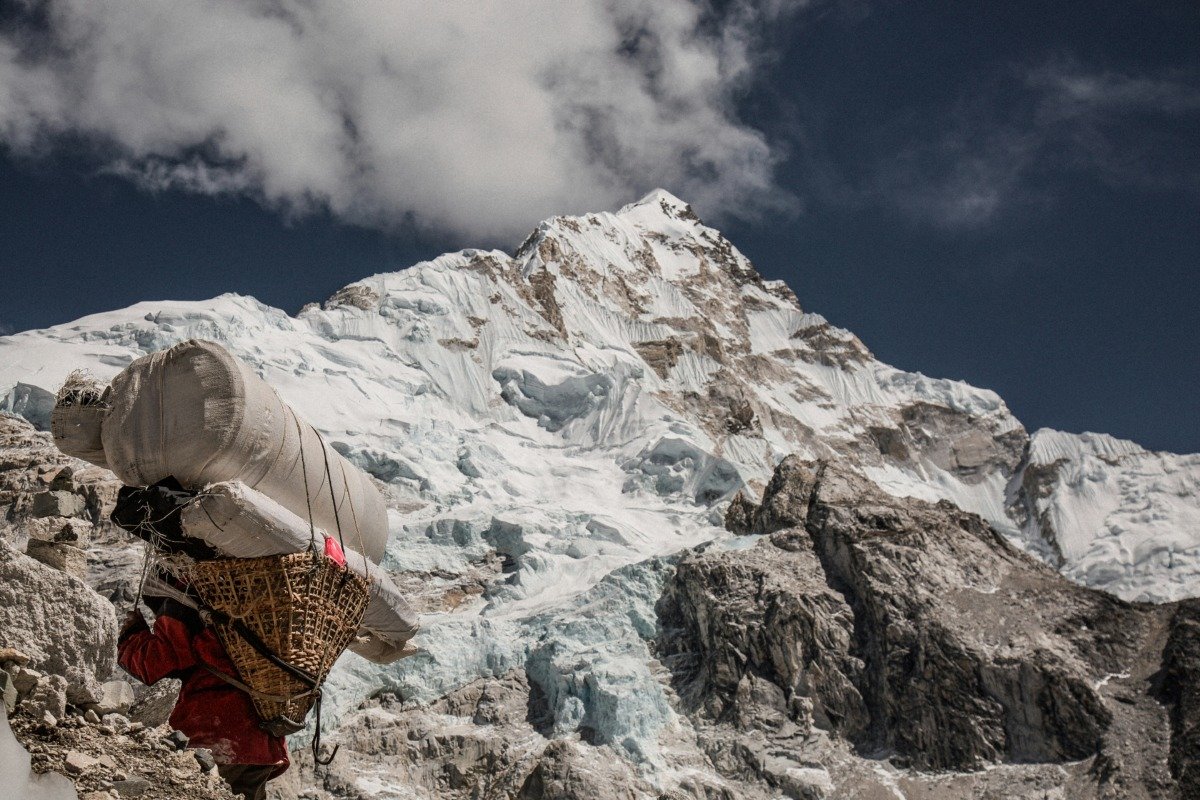
The Everest Base Camp trek is classified as a “Moderate to Strenuous” adventure. While it does not require technical mountaineering skills or the use of ropes and ice axes, it demands significant physical endurance and mental fortitude.
Physical Fitness: Preparation should begin 2-3 months prior to departure. Focus on cardiovascular health through hiking, running, or cycling. Strength training for the legs and core is equally beneficial.
Altitude Challenges: The primary difficulty lies in the elevation. Oxygen levels at Base Camp are approximately 50% of those at sea level. Mountain Treks Nepal prioritizes a “climb high, sleep low” philosophy to mitigate the risk of Acute Mountain Sickness (AMS).
Terrain: The trails are well-established but rocky. Daily trekking durations range from 5 to 7 hours. Stamina is more important than speed.
Best Seasons for Trekking

Choosing the correct window is essential for visibility and safety.
-
Spring (March to May): This is the most popular season. The weather is stable, and the temperatures are moderate. The rhododendrons are in full bloom, and Base Camp is bustling with Everest expedition climbers.
-
Autumn (September to November): Post-monsoon, the dust is settled, providing the clearest skies and sharpest mountain views. The air is crisp, and the trekking conditions are near-perfect.
-
Winter (December to February): For those seeking solitude, winter offers quiet trails. However, temperatures at night can drop to -20°C, and high passes may be closed due to snow.
-
Summer/Monsoon (June to August): This period brings heavy rain, clouds obscuring the views, and leeches on the lower trails. Trekking is generally not recommended unless exploring the rain-shadow regions like Upper Mustang.
Accommodation and Food
Throughout the trek, accommodation is provided in local tea houses. These are mountain lodges offering basic but comfortable rooms, usually with twin beds and shared bathroom facilities.
The food menu in the Khumbu region is surprisingly diverse. Common options include:
-
Dal Bhat: The traditional Nepali meal of lentil soup, rice, and vegetable curry (ideal for sustained energy).
-
International Options: Pasta, pancakes, porridge, eggs, and even yak steaks in larger hubs.
-
Hydration: Staying hydrated is critical at altitude; drinking 3-4 liters of water daily is a standard requirement.
Why Choose Mountain Treks Nepal?

Selecting the right agency is the most critical decision in planning an EBC trek. Mountain Treks Nepal offers several advantages:
-
Experienced Guides: The guides are government-licensed and have spent years traversing the Khumbu trails. They are trained in first aid and altitude sickness management.
-
Fair Porter Policy: The company ensures fair wages and appropriate gear for the porters who make these journeys possible.
-
Safety First: Pulse oximeters are used daily to monitor oxygen saturation levels among trekkers.
-
Transparent Pricing: No hidden costs or surprise fees.
-
Customized Planning: Itineraries can be adjusted to suit individual paces or specific interests, such as photography or cultural study.
Essential Packing List
A successful trek depends on proper gear. Layers are the key to managing fluctuating temperatures.
-
Clothing: Moisture-wicking base layers, fleece mid-layers, a heavy down jacket, and waterproof outer shells.
-
Footwear: High-quality, broken-in trekking boots and several pairs of thermal socks.
-
Gear: A 30-40L daypack, a warm sleeping bag (rated to -15°C or lower), and trekking poles.
-
Personal Care: Sunscreen, lip balm with SPF, polarized sunglasses, and a personal first-aid kit containing blister pads and Diamox (after consultation with a doctor).
Inclusions and Exclusions
Clarity regarding the financial aspects of the trek ensures a stress-free experience.
Package Inclusions:
-
Airport transfers in a private vehicle.
-
Hotel accommodation in Kathmandu with breakfast.
-
Round-trip domestic flights (Kathmandu/Manthali to Lukla).
-
All necessary permits (Sagarmatha National Park entry and Khumbu Pasang Lhamu Rural Municipality permit).
-
Licensed English-speaking guide and experienced porters.
-
Full board meals (Breakfast, Lunch, Dinner) during the trek.
-
Tea house accommodation during the trek.
-
Mountain Treks Nepal duffel bag and trekking map.
-
Farewell dinner in Kathmandu.
Package Exclusions:
-
International airfare and Nepal entry visa fees.
-
Travel and rescue insurance (mandatory).
-
Personal trekking equipment.
-
Personal expenses (hot showers, battery charging, Wi-Fi, laundry, and bottled water/soft drinks).
-
Tips for the guide and porters.
-
Meals in Kathmandu (except breakfast).
Conclusion
The Everest Base Camp trek remains the ultimate test of spirit and a showcase of nature’s grandeur. With the rugged peaks of the Himalayas providing a constant backdrop, the journey offers a perspective on life that few other places can provide.
Mountain Treks Nepal stands ready to guide adventurers through every step of this legendary trail. From the first briefing in Kathmandu to the final celebratory dinner, the focus remains on safety, cultural integrity, and providing a world-class experience at the roof of the world. Booking a journey with Mountain Treks Nepal ensures that the focus remains on the beauty of the mountains while the logistics are handled with professional precision. The Himalayas are calling; the path to Everest Base Camp awaits.