



Share This:
Annapurna Circuit Trek: A Complete Guide to Nepal’s Epic Journey with Mountain Treks Nepal
The Annapurna Circuit Trek stands as one of the most iconic and transformative trekking experiences in the world. Winding through a remarkable variety of landscapes, cultures, and climates, this journey showcases the grandeur of the Annapurna Range while offering deep immersion into the traditions of Nepal’s highland communities. Organized with precision and expertise by Mountain Treks Nepal, the trek delivers a blend of thrill, cultural richness, and natural beauty that remains unmatched.
From verdant terraced fields and subtropical forests to rugged Himalayan passes and remote highland villages, the Annapurna Circuit Trek provides an extraordinary adventure. This comprehensive guide explores every aspect of the trek, including its history, best seasons, itinerary highlights, preparation tips, cultural insights, and the unique advantages of trekking with Mountain Treks Nepal.
Origins and Importance of the Annapurna Circuit Trek
The Annapurna Circuit Trek emerged in the late 20th century as a classic high‑altitude trekking route in Nepal. Long before modern trails formed, the region served as a trade corridor between Nepal and Tibet, used by salt traders and local communities. Over time, the ancient pathways evolved into a celebrated trekking route, drawing explorers, photographers, and adventurers from around the globe.
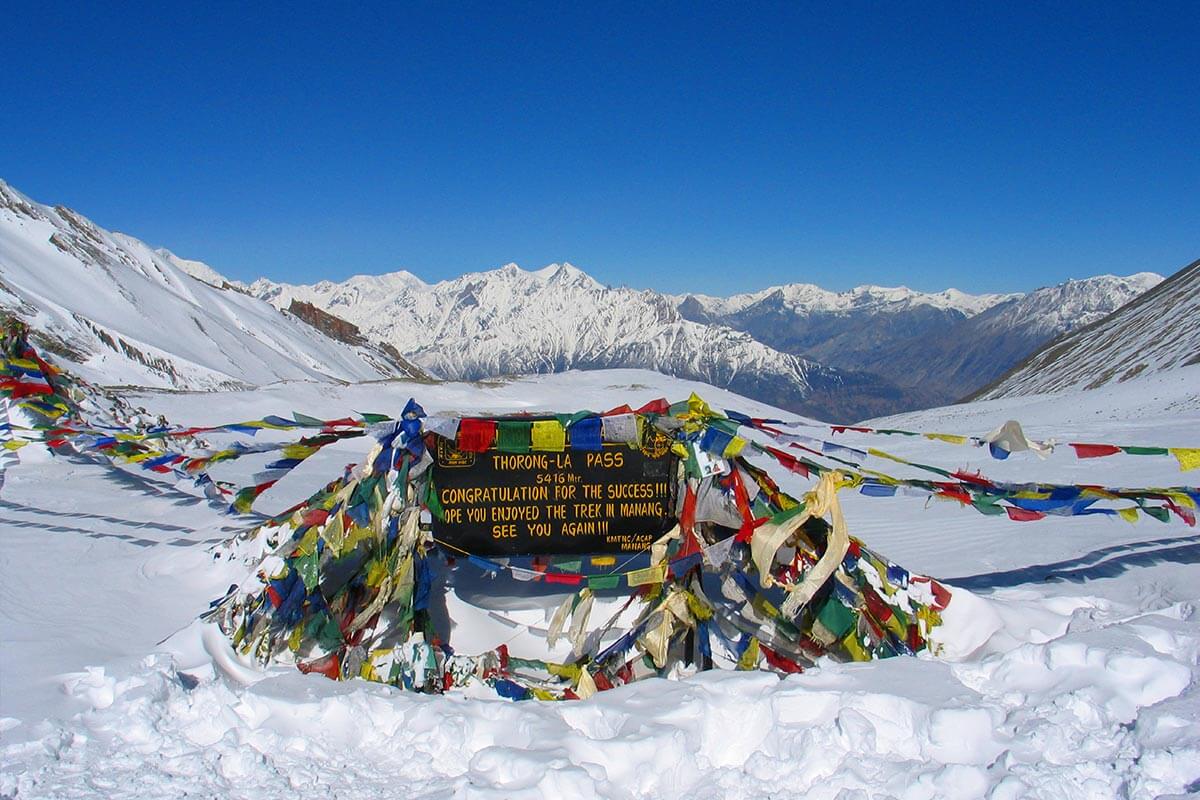
The trek circumnavigates the Annapurna Massif, rising to its highest elevation at the dramatic Thorong La Pass (5,416m). It encompasses an astonishing array of environments and cultures within a relatively compact area compared to other Himalayan treks. This diversity has solidified the Annapurna Circuit Trek as a premier mountain adventure in Nepal.
Geography and Landscape Diversity
One of the most compelling aspects of the Annapurna Circuit Trek is the dramatic shift in geography and landscape throughout the route. Starting in the lush lowlands of the Marsyangdi Valley, the trail ascends gradually through subtropical forests, rhododendron groves, and terraced farmlands. Progressing higher, alpine pastures and glacial landscapes emerge, culminating in the stark terrain around Thorong La and the Thorong Phedi region.
The trek concludes with a descent into the cultural heart of Nepal’s Middle Hills, passing through apple orchards and traditional villages before reaching the pilgrimage town of Muktinath. This multifaceted terrain showcases the remarkable ecological diversity found within the Annapurna region.
Best Seasons for the Annapurna Circuit Trek
Prime trekking conditions for the Annapurna Circuit Trek occur during the pre‑monsoon (spring) and post‑monsoon (autumn) seasons. These periods offer stable weather, crisp mountain views, and optimal trail conditions.
Spring (March to May) presents blooming rhododendrons and mild daytime temperatures. This season provides lively landscapes and ideal trekking conditions.
Autumn (September to November) delivers clear skies, moderate temperatures, and breathtaking visibility of the Annapurna and Dhaulagiri ranges. The post‑monsoon clarity makes this a popular time for Himalayan photography and panoramic mountain views.
Winter trekking in the region is possible but demands advanced planning due to heavy snowfall at higher elevations, especially around Thorong La Pass. Summer (monsoon) brings frequent rains and slippery trails, making it less suitable for standard trekking.
Classic Annapurna Circuit Trek Itinerary

Though variations exist, the classic Annapurna Circuit Trek follows a well‑defined route that balances acclimatization, scenic highlights, and cultural experiences. Below is a detailed version of the common itinerary used by many trekking groups, including those organized by Mountain Treks Nepal:
Day 1–3: Kathmandu to Dharapani
Journey begins with overland transfer from Kathmandu to Besisahar, progressing towards Dharapani. The trail follows the Marsyangdi River and gains elevation gradually. Early days focus on acclimatization and scenic immersion.
Day 4–6: Dharapani to Chame
Trail ascends further from Dharapani towards Chame, transitioning into open valley landscapes and pine forests. Chame serves as a gateway for acclimatization and introduces Himalayan village life.
Day 7–9: Pisang to Manang
The trek from Pisang climbs into the rain shadow region. Manang lies at a higher elevation and marks the beginning of more rugged Himalayan terrain. Acclimatization hikes around this region enhance safety and enjoyment.
Day 10–11: Manang to Yak Kharka
The path from Manang extends towards higher altitudes, leading to settlements such as Chame and eventually Yak Kharka. This section features panoramic views of Annapurna III, Gangapurna, and other towering peaks.
Day 12–13: Yak Kharka to Thorong Phedi / High Camp
Ascending toward the Thorong La base, trekkers reach Thorong Phedi and finally High Camp. High Camp serves as the launching point for crossing the formidable Thorong La Pass.
Day 14: Thorong La Pass to Muktinath
The crossing of Thorong La Pass (5,416m) represents the highlight of the Annapurna Circuit Trek. Crossing early in the morning ensures favorable weather and splendid views. The descent leads to Muktinath, a revered pilgrimage site.
Day 15–17: Muktinath to Jomsom and Pokhara
Trail continues downward toward Jomsom, followed by a scenic drive or flight to Pokhara. Pokhara’s serene lakeside ambiance and leisure comforts provide ideal post‑trek relaxation.
Day 18: Pokhara to Kathmandu
Final segment returns to the capital, concluding the Annapurna Circuit Trek with reflection on the extraordinary landscapes, cultural interactions, and personal achievements.
Cultural Encounters and Himalayan Communities
The Annapurna Circuit Trek offers more than scenic rewards; it opens a window into rich cultural traditions that have endured for centuries. The route intersects diverse ethnic groups, including Gurung, Magar, and Thakali communities, each with distinct customs, architecture, and hospitality.
Mountain villages showcase traditional stone houses, Buddhist stupas, mani walls, and ancient monasteries. Local festivals and rituals enhance cultural richness, offering firsthand exposure to Himalayan spiritual heritage. Encounters with villagers engaged in farming, yak herding, and traditional crafts contribute to a deep appreciation of mountain life.
Wildlife and Ecology Along the Trail
The Annapurna region embraces remarkable biodiversity. Lower elevations thrive with subtropical flora and fauna, including colorful rhododendrons, orchids, pheasants, and langur monkeys. As the trek gains altitude, ecosystems shift toward alpine vegetation, hardy mountain shrubs, and rare birds adapted to highland terrains.
Protected areas along the route help preserve native species and environmental integrity. Careful trekking practices by trekkers and guides ensure minimal ecological disturbance and contribute to long‑term conservation.
Physical Preparation and Altitude Awareness
The Annapurna Circuit Trek demands physical stamina and careful acclimatization. Trekking involves long hours of walking on uneven terrain, with altitude gains occurring steadily throughout the journey.
Acclimatization rests at strategic points such as Manang and Chame play a critical role in reducing the likelihood of altitude‑related issues. Proper pacing, hydration, balanced nutrition, and rest are essential components of a healthy trekking experience.
Medical preparedness, including knowledge of altitude sickness symptoms and access to supplemental oxygen or medication, enhances safety. Guided treks with experienced operators like Mountain Treks Nepal include professionals trained in altitude awareness and emergency response.
Safety, Gear, and Practical Essentials
Comprehensive safety planning contributes to a successful Annapurna Circuit Trek. Appropriate gear tailored to season and terrain ensures comfort and protection:
-
Layered Clothing for temperature variation
-
Waterproof Outerwear for unpredictable weather
-
Sturdy Trekking Boots for rugged trails
-
Sleeping Bags Rated for Cold Weather
-
Trekking Poles for stability
-
Sun Protection and High‑Energy Snacks
Local teahouses and lodges along the route offer basic accommodation and meals. Pre‑booking services with reputable providers like Mountain Treks Nepal secure comfortable stays and timely arrangements.
Guides and porters further enhance safety and convenience. Guidance on navigating trails, managing pace, and responding to weather conditions adds confidence to the trekker’s journey.
Role of Mountain Treks Nepal in the Annapurna Circuit Trek
Mountain Treks Nepal stands out as a premier trekking partner for the Annapurna Circuit Trek. With local expertise, logistical precision, and deep knowledge of the Annapurna region, this company ensures that every aspect of the trek is professionally managed.
Expert Planning and Customized Itineraries
Mountain Treks Nepal develops customized itineraries tailored to group preferences, pace, and objectives. This personalized approach ensures balanced progression, acclimatization, and exploration of key highlights.
Professional Guides and Support Staff
Experienced guides trained in altitude awareness and mountain safety accompany trekkers along the journey. Support staff, including porters, provide essential assistance with equipment and logistics, allowing trekkers to focus on the natural and cultural richness of the landscape.
Safety and Emergency Preparedness
Safety protocols, regular health checks, and emergency contingency plans elevate the trekking experience. Mountain Treks Nepal prioritizes health and well‑being, employing strategies to mitigate altitude risks and respond promptly to unforeseen challenges.
Quality Accommodation and Logistics
Arrangements for lodging, meals, transportation, and permits are handled with precision. The emphasis on comfort within provisional mountain settings enhances the overall trek experience.
Environmental and Cultural Responsibility
Mountain Treks Nepal practices responsible tourism, promoting minimal environmental impact and meaningful cultural engagement. Partnerships with local communities contribute to sustainable development and enrich the trekking experience.
Highlights and Experiences on the Annapurna Circuit Trek
The Annapurna Circuit Trek presents numerous unforgettable moments:
-
Thorong La Pass Sunrise: Sunrise at Thorong La offers a breathtaking panorama of snow‑capped peaks.
-
Manang Valley Views: Expansive vistas of Annapurna III, Gangapurna, and Tilicho Peak create iconic Himalayan scenes.
-
Cultural Richness: Traditional villages, monasteries, and local hospitality define the region’s unique charm.
-
Marsyangdi River Gorge: The dramatic gorge showcases powerful natural forces sculpting the landscape.
-
Muktinath Temple: Spiritual significance and architectural beauty merge at this revered pilgrimage site.
Each segment of the trek adds depth, beauty, and connection to the heart of the Annapurna region.
Concluding Reflections on the Annapurna Circuit Trek
The Annapurna Circuit Trek remains a testament to Nepal’s unparalleled mountain heritage. From verdant valleys to highland deserts, from ancient traditions to snow‑tipped summits, this journey engages every dimension of adventure and discovery. Organized through Mountain Treks Nepal, the trek transforms from a demanding route into an enriching journey woven with safety, expertise, cultural depth, and natural splendor.
For explorers seeking an immersive Himalayan experience, the Annapurna Circuit Trek embodies the essence of mountain trekking, delivering memories and insights that endure long after descending into the valleys below.