



Share This:

Annapurna Circuit Trek: The Ultimate 14-Day Guide to Nepal’s Most Legendary Adventure
The Annapurna Circuit Trek is not simply a mountain walk it is a complete Himalayan expedition that circles the vast Annapurna Massif, revealing one of the most dramatic geographical transitions found anywhere in the world. Few trekking routes allow you to experience such extraordinary variation in climate, terrain, ethnicity, architecture, and spiritual heritage within just two weeks.
From humid river valleys at 800 meters to the windswept summit of Thorong La Pass at 5,416 meters, this journey is a masterclass in natural and cultural diversity.
Let’s explore in detail why this trek has earned its legendary status.
Dramatic Shifts in Scenery (800m to 5,416m)
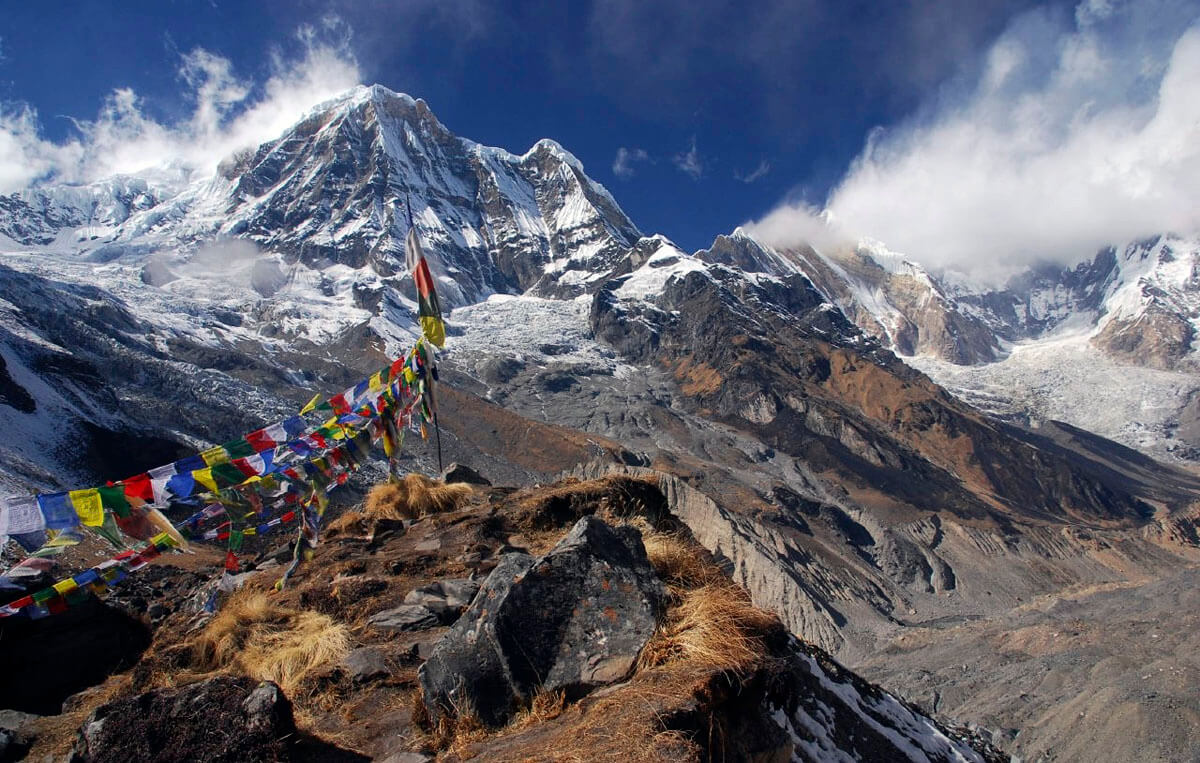
The Annapurna Circuit’s elevation range is one of its defining features. You begin in lush, subtropical lowlands where banana trees, waterfalls, and rice terraces dominate the landscape. The air is warm and humid, and villages are surrounded by green hills.
As you ascend:
-
Subtropical forests transition into pine and oak woodlands.
-
Terraced farmland gives way to alpine meadows.
-
Above 3,500m, vegetation thins dramatically.
-
Near Manang, the landscape becomes arid and wind-sculpted.
-
After crossing Thorong La, you enter the rain-shadow region of Mustang resembling Tibetan plateau desert.
This dramatic ecological shift happens gradually, allowing trekkers to witness multiple climate zones in a single journey. In most parts of the world, such transitions would require crossing entire continents.
Why this matters:
You are not repeating similar scenery each day. Every stage feels like entering a new region with a new identity.
Panoramic Himalayan Views Unlike Anywhere Else

The Annapurna Circuit provides consistent, close-up views of several 8,000m and 7,000m peaks:
-
Annapurna II (7,937m)
-
Annapurna III (7,555m)
-
Annapurna IV (7,525m)
-
Dhaulagiri (8,167m)
-
Manaslu (8,163m)
Unlike base camp treks that focus on a single viewpoint, the Annapurna Circuit surrounds you with peaks from multiple angles. On clear autumn mornings, the mountain walls glow golden at sunrise a moment many trekkers describe as spiritual.
Insider Perspective:
Between Upper Pisang and Manang, take the higher trail. It adds an hour of walking but offers significantly wider panoramic views compared to the lower valley path.
Authentic Himalayan Villages & Living Culture
The Annapurna Circuit is as much a cultural trek as it is a mountain adventure.
Gurung Communities (Lower Region)
In villages like Ghandruk, you’ll find:
-
Stone-roof houses
-
Traditional farming lifestyles
-
Rich Gurung heritage and museums
Manangi & Tibetan-Influenced Culture (Upper Region)
As you approach Manang:
-
Architecture becomes flat-roofed and fortress-like.
-
Prayer wheels, mani walls, and monasteries appear.
-
Tibetan Buddhist practices shape daily life.
Thakali Culture (Mustang & Jomsom)
In the Kali Gandaki Valley:
-
Unique Thakali cuisine (try Thakali Dal Bhat)
-
Trade-based heritage linked historically to Tibet
Unlike commercialized trekking areas, many Annapurna villages remain working settlements—not tourist resorts. This authenticity is part of what makes the journey transformative.
Natural Hot Springs in Tatopani
After crossing Thorong La Pass, your body will feel the effort of high-altitude trekking. That’s where Tatopani becomes unforgettable.
Tatopani literally means “hot water” in Nepali. Natural geothermal springs along the river provide:
-
Muscle relaxation
-
Improved circulation
-
Natural recovery after strenuous trekking
Soaking in warm mineral water while surrounded by Himalayan hills is one of the trek’s most satisfying moments.
Local Tip:
Visit the springs early morning or late evening to avoid crowds.
Sacred Pilgrimage Site of Muktinath
One of the most spiritually significant highlights is Muktinath.
Situated at 3,800 meters, Muktinath is sacred to both Hindus and Buddhists. Pilgrims travel from India and Nepal to bathe under 108 stone water spouts believed to cleanse sins.
For trekkers, arriving here after crossing Thorong La is deeply symbolic:
-
You’ve crossed a physical and mental threshold.
-
You descend into a sacred valley of spiritual renewal.
-
The temple complex combines natural elements (water, fire, earth, air).
The experience blends physical achievement with spiritual reflection.
The Power of Encircling the Annapurna Massif
Unlike linear treks that go to a single destination and return the same way, the Annapurna Circuit literally circles the Annapurna range.
This means:
-
Constantly changing perspectives
-
Varied ecosystems
-
Diverse ethnic groups
-
A sense of completion and progression
You’re not retracing steps you’re completing a Himalayan journey.
Why the Annapurna Circuit Becomes Life-Changing?

Many trekkers describe the Annapurna Circuit as transformative. Here’s why:
-
Altitude builds resilience.
-
Cultural exposure broadens perspective.
-
Physical challenge builds confidence.
-
Silence in high mountains creates clarity.
-
Crossing Thorong La Pass becomes a milestone memory.
With over 15 years of guiding experience, Mountain Treks Nepal has witnessed thousands of trekkers complete this journey. The landscapes evolve, tea houses improve, roads extend but the soul of the trail remains untouched.
Done with proper acclimatization, expert guidance, and local insight, the Annapurna Circuit Trek is not just a holiday. It is a Himalayan rite of passage.
Detailed 14-Day Annapurna Circuit Trek Itinerary
This carefully designed 14-day itinerary balances adventure with proper acclimatization, ensuring a safe and rewarding experience.
Day 1: Drive from Kathmandu to Dharapani (1,960m)
-
Duration: 8–9 hours
-
Elevation Gain: +1,300m (drive)
The journey begins with a scenic drive from Kathmandu along the Trishuli River and into the Marsyangdi Valley. The road winds through terraced fields, waterfalls, and traditional villages.
Why this matters: Starting at Dharapani helps you skip lower-altitude road sections and focus on the most scenic trekking segments.
Day 2: Dharapani to Chame (2,710m)
-
Walking Hours: 5–6 hours
-
Elevation Gain: +750m
You enter the Annapurna Conservation Area, trekking through pine forests and narrow valleys. The first dramatic views of Annapurna II appear.
Insider Tip: Chame has natural hot springs just across the river perfect for soothing muscles.
Day 3: Chame to Pisang (3,300m)
-
Walking Hours: 5–6 hours
The valley narrows between towering rock walls. The curved rock face known as Paungda Danda creates one of the most photographed landscapes on the circuit.
Day 4: Pisang to Manang (3,540m)
-
Walking Hours: 6–7 hours
Take the Upper Pisang route for superior panoramic views of Annapurna III and IV.
Arrive in Manang a culturally rich Himalayan village influenced by Tibetan Buddhism.
Day 5: Acclimatization Day in Manang (3,540m)
Acclimatization is crucial for crossing Thorong La Pass safely.
Recommended hikes:
-
Gangapurna Lake (3,800m)
-
Ice Lake (4,600m)
Local Insight: Attend the Himalayan Rescue Association’s free altitude briefing in Manang. It provides vital knowledge on AMS prevention.
Day 6: Manang to Yak Kharka (4,110m)
-
Walking Hours: 4–5 hours
Vegetation thins as you enter alpine terrain. The air becomes noticeably thinner.
Day 7: Yak Kharka to Thorong Phedi (4,450m)
-
Walking Hours: 4–5 hours
Thorong Phedi serves as the base before crossing Thorong La Pass. Rest early and hydrate well.
Day 8: Cross Thorong La Pass (5,416m) – Trek to Muktinath (3,800m)
-
Walking Hours: 7–9 hours
-
Highest Point: 5,416m
This is the most challenging and rewarding day.
Crossing Thorong La Pass offers breathtaking 360-degree views of Annapurna, Dhaulagiri, and Mustang.
Expert Tip from Mountain Treks Nepal Guides:
Start before 5:00 AM. After 10:00 AM, strong winds commonly develop at the pass.
Descend to Muktinath, a sacred pilgrimage site for Hindus and Buddhists.
Day 9: Muktinath to Jomsom (2,720m)
Enter the dramatic Mustang region, characterized by dry, desert-like landscapes.
Day 10: Drive to Tatopani (1,200m)
Relax in natural hot springs — highly recommended for muscle recovery.
Day 11: Tatopani to Ghorepani (2,850m)
-
Walking Hours: 7–8 hours
A challenging ascent through rhododendron forests.
Day 12: Poon Hill Sunrise (3,210m)
Early morning hike to Poon Hill for a panoramic sunrise over Annapurna and Dhaulagiri ranges.
Best Photography Spot: Move slightly east of the main viewing platform to avoid crowds.
Day 13: Tadapani to Ghandruk (2,012m)
Visit a traditional Gurung village with preserved stone houses and cultural museum.
Day 14: Drive to Pokhara
Celebrate your achievement by Phewa Lake in Pokhara.
Annapurna Circuit Trek Cost (2026 Updated Breakdown)
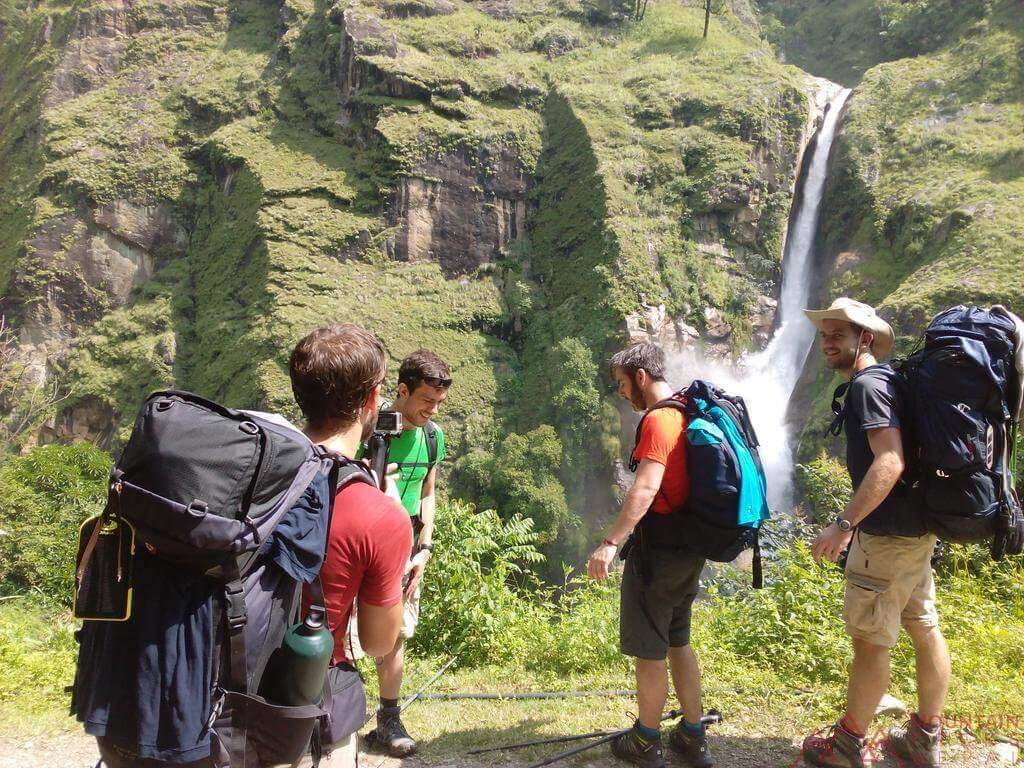
Understanding the Annapurna Circuit Trek cost in detail allows you to budget wisely, avoid hidden expenses, and choose the right trekking partner. While prices may seem similar across agencies, the inclusions, safety standards, and service quality vary significantly.
For a standard 14-day guided Annapurna Circuit Trek, the average cost ranges between USD $1,050–$1,500 per person.
The variation depends on:
-
Group size
-
Season (spring & autumn are slightly higher)
-
Level of service (standard vs. premium tea houses)
-
Transportation choices (local bus vs. private jeep)
Let’s break this down clearly.
What’s Included in the Annapurna Circuit Trek Package?
When booking with a professional local operator like Mountain Treks Nepal, the package typically includes:
1. Licensed English-Speaking Guide
A government-certified trekking guide ensures:
-
Safe pacing for altitude gain
-
Daily health monitoring
-
Route adjustments during bad weather
-
Cultural interpretation in villages
Why this matters: Crossing Thorong La Pass at 5,416m requires strategic timing and altitude awareness. An experienced guide significantly reduces risk.
2. Porter Service (1 Porter per 2 Trekkers)
Porters carry up to 20–25kg combined, allowing you to:
-
Trek comfortably with a light daypack
-
Conserve energy for high-altitude sections
-
Reduce fatigue before crossing Thorong La
This directly improves your trekking experience and safety.
3. Accommodation in Tea Houses
Tea houses along the Annapurna Circuit provide:
-
Twin-sharing rooms
-
Shared bathrooms (attached in lower regions)
-
Dining halls with heating in higher villages
Local Insight: In Manang, certain tea houses offer insulated dining rooms — essential for comfort above 3,500m. Mountain Treks Nepal pre-selects reliable lodges known for cleanliness and safe food practices.
4. 3 Meals Daily During the Trek
Typical meal plan includes:
-
Breakfast (porridge, eggs, Tibetan bread, tea/coffee)
-
Lunch (Dal Bhat, noodles, fried rice, soups)
-
Dinner (Dal Bhat, pasta, momos, potatoes)
Dal Bhat is the most recommended meal at altitude high in carbohydrates and refillable.
5. Permits (TIMS & ACAP)
Two mandatory permits are included:
-
TIMS Card (Trekkers’ Information Management System) – Used for safety tracking.
-
ACAP Permit (Annapurna Conservation Area Permit) – Required to enter the conservation region.
These are arranged before departure, saving you administrative hassle in Kathmandu.
6. Ground Transportation
This covers:
-
Kathmandu to Dharapani (start point)
-
Jomsom/Tatopani to Pokhara
-
Return transfers as per itinerary
Private jeep options cost more but reduce travel time significantly.
Additional Expenses to Budget For
Even with a full package, trekkers should carry extra cash (Nepali Rupees) for personal expenses.
Typical Extra Costs:
-
Hot showers: $2–$5
-
Wi-Fi access: $3–$5
-
Charging electronics: $2–$4 per hour
-
Snacks & drinks: $2–$6 per item
-
Tips for guide & porter: Customary and performance-based
Pro Tip: Prices increase with altitude because supplies are transported by mule or porter.
Why Guided Trekking Is Worth the Investment?
Some trekkers consider independent trekking to save money. However, guided trekking provides:
-
Real-time altitude monitoring
-
Emergency evacuation coordination
-
Weather-based route decisions
-
Cultural insights you would otherwise miss
-
Support crossing Thorong La Pass safely
In high-altitude environments, safety is not the place to cut costs.
Mountain Treks Nepal maintains transparent pricing with no hidden charges a critical factor when comparing agencies.
Best Time to Trek Annapurna Circuit

Choosing the best time to trek Annapurna directly influences visibility, temperature, and overall experience.
Spring (March–May)
Spring is one of the most beautiful seasons on the circuit.
What to Expect:
-
Blooming rhododendron forests (especially near Ghorepani)
-
Clear morning mountain views
-
Moderate daytime temperatures (10–20°C lower regions)
-
Slight haze in lower valleys during afternoons
Spring is ideal for:
-
Nature lovers
-
Photographers
-
First-time Himalayan trekkers
Autumn (September–November)
Autumn is widely regarded as the best overall season.
Why?
-
Post-monsoon crystal-clear skies
-
Excellent mountain visibility
-
Stable weather patterns
-
Comfortable temperatures
This is peak trekking season tea houses fill quickly, so advance booking is recommended.
Winter (December–February)
Winter trekking offers solitude but added difficulty.
Conditions:
-
Snow accumulation near Thorong La
-
Cold nights (-15°C above 4,000m)
-
Fewer trekkers
Suitable only for experienced trekkers with proper winter gear.
Monsoon (June–August)
-
Heavy rain in lower sections
-
Possible landslides
-
Lee side (Mustang region) remains relatively dry
Monsoon is less popular but can be rewarding for those seeking quiet trails.
Difficulty Level & Physical Preparation
The Annapurna Circuit Trek is classified as moderate to challenging, primarily due to altitude rather than terrain.
Key Challenges:
-
Crossing above 5,000m
-
6–8 hours of daily walking
-
Rapid weather changes
-
Thin air above 3,500m
The trail itself is technically straightforward but physically demanding.
Altitude Sickness (AMS) Prevention
Altitude sickness is the primary concern above 3,000m.
Common Symptoms:
-
Headache
-
Nausea
-
Dizziness
-
Fatigue
Prevention Strategies:
-
Acclimatization day in Manang
-
Drink 3–4 liters of water daily
-
Avoid alcohol above 3,000m
-
Maintain slow, steady pacing
Mountain Treks Nepal guides carry:
-
Pulse oximeters
-
Comprehensive first aid kits
-
Direct evacuation coordination if necessary
Safety protocols are strictly followed.
Recommended Training Plan (6–8 Weeks Before)
Proper training dramatically increases success and enjoyment.
Focus Areas:
Cardio Conditioning
-
Running
-
Cycling
-
Hiking
Strength Training
-
Squats
-
Lunges
-
Core exercises
Endurance Practice
-
Stair climbing with 5–8kg backpack
-
Weekend long hikes
Consistency matters more than intensity.
Permits & Trekking Logistics
Two mandatory permits are required for the Annapurna Circuit:
1. TIMS Card
Tracks trekkers for safety and rescue coordination.
2. ACAP Permit
Grants access to the Annapurna Conservation Area.
Mountain Treks Nepal arranges these before your trek, ensuring smooth entry at checkpoints.
Essential Packing List for Annapurna Circuit Trek
Layering is critical because temperatures vary dramatically from day to night.
Clothing
-
Thermal base layers
-
Down jacket (-10°C rated)
-
Waterproof outer shell
-
Trekking pants (2 pairs)
-
Warm gloves & hat
Footwear
-
Well-broken-in trekking boots
-
Camp shoes
-
3–4 pairs of wool socks
Essential Gear
-
30–40L backpack
-
Sleeping bag (-10°C)
-
Trekking poles
-
Headlamp
-
Water purification tablets
-
UV-protection sunglasses
Personal Items
-
Sunscreen SPF 50+
-
Lip balm
-
Personal medications
-
Power bank
Pack light but smart.
Why Choose Mountain Treks Nepal for Your Annapurna Circuit Trek?
When crossing high mountain passes, experience matters.
Mountain Treks Nepal offers:
-
✔ 15+ years of Himalayan guiding experience
-
✔ Licensed and trained high-altitude guides
-
✔ Proven safety protocols
-
✔ Small, personalized trekking groups
-
✔ 24/7 emergency response system
-
✔ Transparent pricing
Local Knowledge Advantage
Their guides know:
-
Which tea houses in Manang have heated dining halls
-
The safest departure time for Thorong La crossing
-
Alternate routes during snowfall
-
Reliable lodges during peak season
This insight cannot be learned from guidebooks — it comes from years on the trail.
Final Thoughts: Is the Annapurna Circuit Trek Worth It?
Without question.
The Annapurna Circuit Trek offers:
-
Extreme landscape diversity
-
Deep cultural immersion
-
A 5,416m Himalayan pass crossing
-
A profound sense of achievement
However, success depends on preparation, timing, and choosing the right trekking partner.
With expert support from Mountain Treks Nepal, your Annapurna adventure becomes not only achievable but unforgettable.