


Share This:

Bhutan Tour From Nepal: Complete Travel Guide from Kathmandu
Bhutan, the Himalayan kingdom known for its philosophy of Gross National Happiness, remains one of the most unique travel destinations in the world. Located between India and China, Bhutan preserves centuries-old Buddhist traditions, dramatic mountain landscapes, and carefully protected cultural heritage.
A Bhutan Tour From Nepal has become one of the most popular Himalayan travel combinations for international travelers visiting Nepal. Kathmandu serves as a convenient gateway to Bhutan due to direct flights and well-established tourism partnerships between Nepalese and Bhutanese travel agencies.
Travel experts at Mountain Treks Nepal, a Kathmandu-based Himalayan travel operator with extensive regional experience, frequently organize Bhutan tours that combine Nepal’s trekking culture with Bhutan’s spiritual and cultural exploration.
This guide presents a complete overview of a Bhutan Tour From Kathmandu, including travel routes, visa rules, itinerary options, costs, best seasons, cultural highlights, and travel regulations.
Bhutan at a Glance
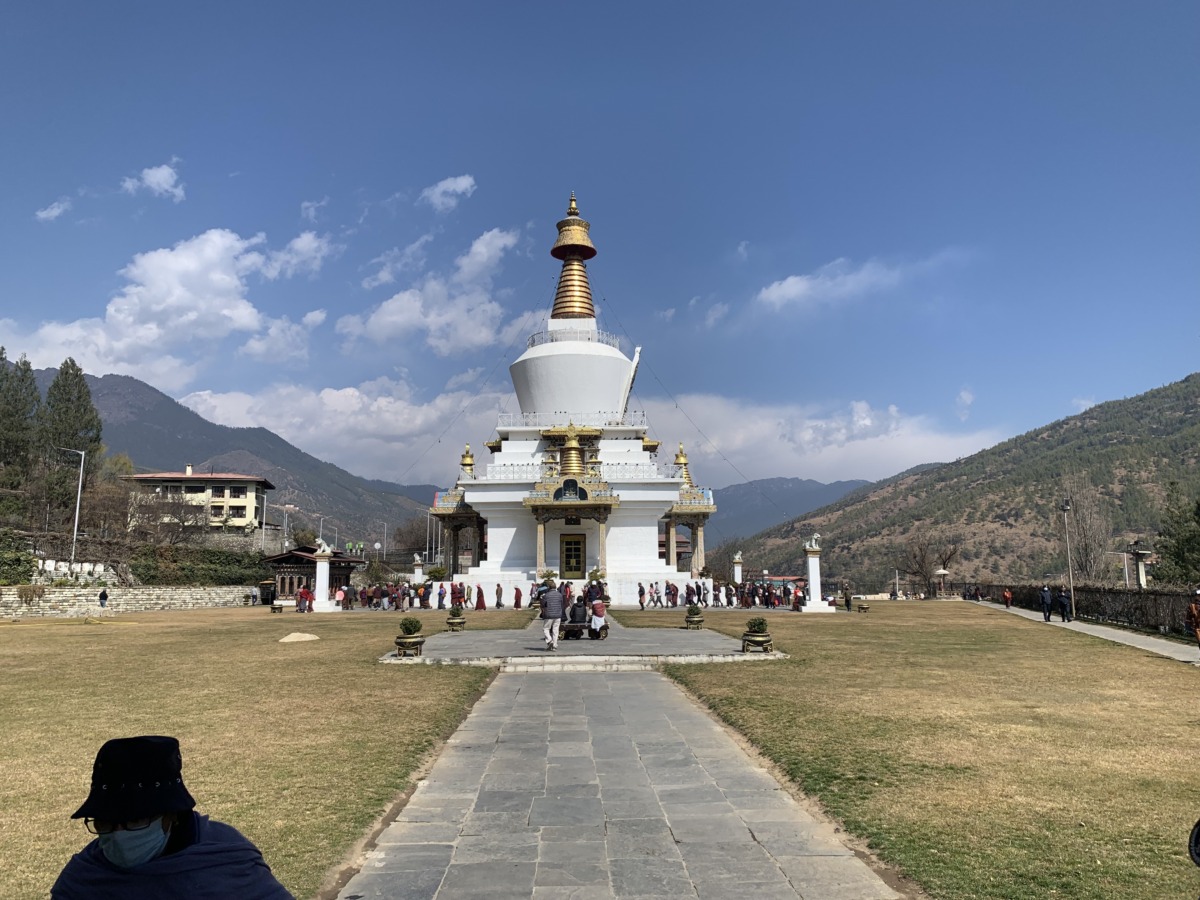
Bhutan, officially known as the Kingdom of Bhutan, is a small Himalayan nation located between India and China. Despite its relatively small geographic size, Bhutan is globally recognized for preserving one of the most intact traditional cultures in Asia. The country follows a unique national philosophy called Gross National Happiness (GNH), which prioritizes cultural preservation, environmental protection, and sustainable development over rapid economic growth.
Often referred to as the last Himalayan Buddhist kingdom, Bhutan maintains a strong connection to ancient traditions. Monasteries, fortresses known as dzongs, prayer flags, and sacred mountain landscapes shape everyday life. The influence of Vajrayana Buddhism can be seen in architecture, festivals, and social customs across the country.
Unlike many popular tourism destinations that encourage mass tourism, Bhutan follows a carefully controlled tourism model. This approach ensures that tourism contributes positively to local communities while protecting Bhutan’s natural ecosystems and cultural heritage.
For travelers exploring the Himalayas, a Bhutan Tour From Nepal offers a rare opportunity to experience a country where spiritual traditions, pristine nature, and centuries-old architecture remain largely unchanged.
Key Facts About Bhutan
Capital: Thimphu
Thimphu is the capital and largest city of Bhutan. Located in a high-altitude valley at approximately 2,334 meters (7,657 feet) above sea level, the city serves as the administrative, political, and cultural center of the country.
Unlike most capital cities in the world, Thimphu has a unique characteristic: there are no traffic lights. Traffic is controlled by police officers stationed at decorative traffic booths. This reflects Bhutan’s approach to modern development, where traditional values and slower lifestyles remain important.
Thimphu contains many important landmarks such as:
-
Tashichho Dzong, the seat of the Bhutanese government
-
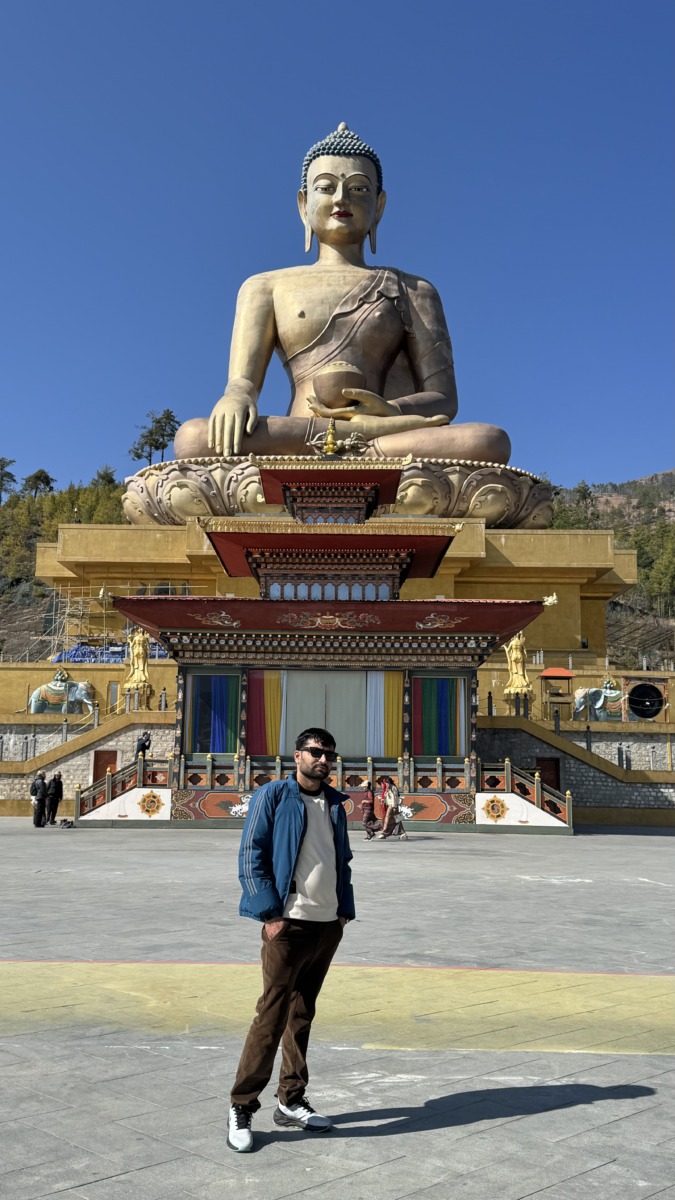
Buddha Dordenma, one of the largest Buddha statues in the world
-
National Memorial Chorten, a sacred Buddhist monument
-
Folk Heritage Museum, showcasing traditional Bhutanese life
Travel itineraries for a Bhutan Tour From Kathmandu usually include at least one or two days exploring Thimphu.
Official Religion: Vajrayana Buddhism
Bhutan’s cultural identity is deeply connected to Vajrayana Buddhism, a form of Mahayana Buddhism that incorporates meditation practices, ritual symbolism, and tantric teachings.
Buddhism was introduced to Bhutan in the 8th century by Guru Rinpoche (Padmasambhava), a revered spiritual master credited with spreading Buddhism throughout the Himalayan region.
Religious influence can be seen throughout Bhutan in:
-
monasteries perched on cliffs and mountains
-
prayer wheels and prayer flags
-
sacred festivals known as Tsechu
-
traditional masked dances performed by monks
One of the most famous Buddhist sites in Bhutan is Tiger’s Nest Monastery (Paro Taktsang), dramatically built on a cliff 900 meters above the Paro Valley.
For many travelers joining a Bhutan Tour From Nepal, spiritual heritage and monastery visits become the most memorable experiences.
Currency: Bhutanese Ngultrum (BTN)
The official currency of Bhutan is the Bhutanese Ngultrum (BTN). The Ngultrum is pegged at the same value as the Indian Rupee (INR), meaning both currencies are widely accepted within Bhutan.
Important points about Bhutan’s currency system:
-
Credit cards are accepted in major hotels and some shops in Thimphu and Paro.
-
Cash is commonly used in rural areas and smaller towns.
-
ATMs are available in larger cities but limited outside urban centers.
For travelers arriving on a Bhutan Tour From Kathmandu, tour operators generally include accommodation, transportation, meals, and guide services in the travel package, reducing the need for large amounts of local currency during the trip.
Tourism Policy: High-Value, Low-Impact Tourism
Bhutan follows one of the most unique tourism policies in the world, known as High-Value, Low-Impact Tourism.
This policy was designed to prevent mass tourism and preserve Bhutan’s fragile ecosystem and cultural identity.
Key elements of Bhutan’s tourism model include:
-
Sustainable Development Fee (SDF) paid by international visitors
-
travel arranged through licensed tour operators
-
controlled visitor numbers
-
mandatory guided tours for most travelers
Revenue from tourism contributes to:
-
environmental conservation
-
free healthcare and education for citizens
-
cultural heritage preservation
-
infrastructure development
Because of this model, Bhutan has maintained over 70% forest coverage, making it one of the most environmentally protected countries on Earth.
Tour companies such as Mountain Treks Nepal collaborate with licensed Bhutanese travel partners to organize legally compliant Bhutan itineraries for travelers departing from Nepal.
Language: Dzongkha
The national language of Bhutan is Dzongkha, a Tibetan-based language spoken by a majority of the population.
Dzongkha is used in:
-
government administration
-
national education systems
-
official media
However, English is widely spoken in Bhutan, particularly in:
-
tourism services
-
hotels and restaurants
-
tour guiding
-
urban areas
This widespread use of English makes travel relatively easy for international visitors joining a Bhutan Tour From Nepal.
In addition to Dzongkha, several regional languages are spoken across the country, reflecting Bhutan’s diverse cultural regions.
Elevation Range: 200 meters to over 7,500 meters
Bhutan’s landscape varies dramatically in elevation, creating diverse ecosystems across the country.
The altitude ranges from approximately 200 meters in the southern foothills to over 7,500 meters in the northern Himalayan peaks.
This dramatic elevation difference produces several ecological zones:
-
Subtropical forests in the southern lowlands
-
Temperate forests in central valleys
-
Alpine meadows in high mountain regions
-
Glacier-covered Himalayan peaks in northern Bhutan
This geographic diversity supports a remarkable range of wildlife, including:
-
Bengal tigers
-
snow leopards
-
red pandas
-
Himalayan black bears
Bhutan is also the world’s first carbon-negative country, meaning it absorbs more carbon dioxide than it produces.
Travelers on a Bhutan Tour From Kathmandu often experience these landscapes while traveling between valleys such as Paro, Thimphu, and Punakha.
Bhutan’s Strict Tourism Regulations

Unlike many destinations in South Asia that allow independent travel, Bhutan maintains strict tourism regulations designed to protect its culture and environment.
Most international travelers must:
-
book travel through a licensed Bhutanese tour operator
-
follow a pre-arranged travel itinerary
-
pay the Sustainable Development Fee
These regulations ensure that tourism growth remains sustainable and controlled.
Travel agencies outside Bhutan, including Mountain Treks Nepal, cooperate with official Bhutanese tourism companies to organize tours that comply with Bhutan’s regulations.
This collaborative system allows travelers visiting Nepal to easily extend their Himalayan journey with a Bhutan Tour From Nepal.
Bhutan as a Natural Extension of a Nepal Trip
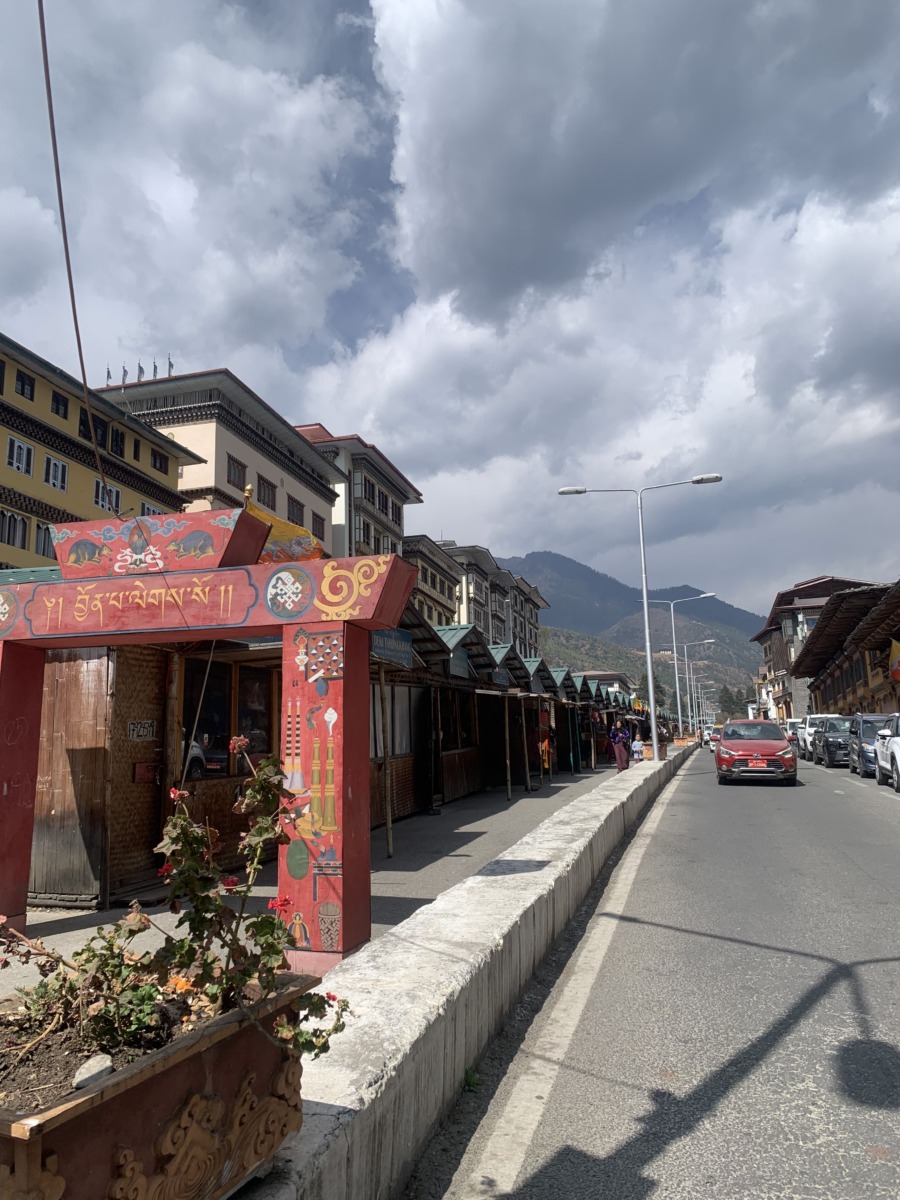
Nepal and Bhutan share deep cultural and geographical connections across the Himalayas. Both countries feature ancient Buddhist monasteries, dramatic mountain scenery, and traditional Himalayan lifestyles.
However, the travel experiences differ significantly:
Nepal is widely known for:
-
trekking and mountaineering
-
adventure tourism
-
Himalayan expeditions
Bhutan focuses more on:
-
spiritual heritage
-
monastery architecture
-
cultural festivals
-
environmental conservation
Because of direct flights and regional tourism partnerships, Kathmandu has become one of the most convenient starting points for Bhutan travel.
For international visitors already exploring Nepal’s trekking regions or cultural sites, a Bhutan Tour From Kathmandu offers a seamless way to experience another remarkable Himalayan civilization.
With careful travel planning by experienced operators such as Mountain Treks Nepal, a Bhutan journey can easily complement a broader Himalayan adventure that includes Nepal’s mountains, culture, and heritage.
Why Combine Nepal and Bhutan in One Trip?
Nepal and Bhutan share Himalayan geography and Buddhist heritage, yet both countries offer distinctly different travel experiences.
A Bhutan Tour From Kathmandu allows travelers to explore:
Cultural Diversity of the Himalayas
Nepal reflects a mix of Hindu and Buddhist traditions, while Bhutan is deeply rooted in Vajrayana Buddhism and monastic culture.
Short Travel Distance
Direct flights between Kathmandu and Paro take approximately 1 hour. This short journey crosses the Himalayan range and often includes aerial views of Mount Everest.
Complementary Travel Experiences
Nepal often focuses on:
-
trekking
-
mountaineering
-
adventure travel
Bhutan emphasizes:
-
monasteries
-
cultural heritage
-
spiritual landscapes
-
Himalayan architecture
Travel planners at Mountain Treks Nepal frequently combine these two destinations into a single Himalayan itinerary.
Travel Routes for a Bhutan Tour From Nepal
1. Direct Flight from Kathmandu to Paro
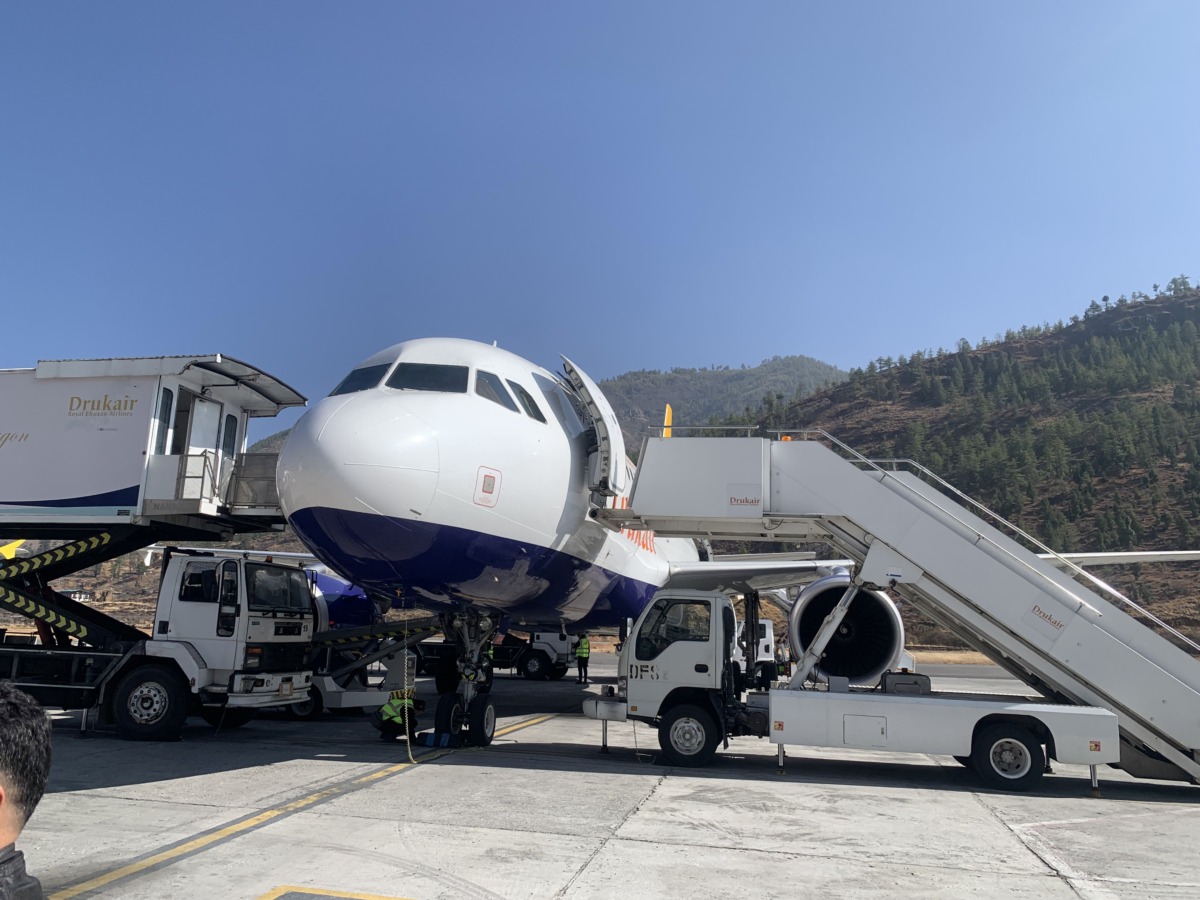
The most common route for a Bhutan Tour From Kathmandu is the direct international flight.
Airlines operating the route:
-
Druk Air
-
Bhutan Airlines
Flight time: about 60 minutes
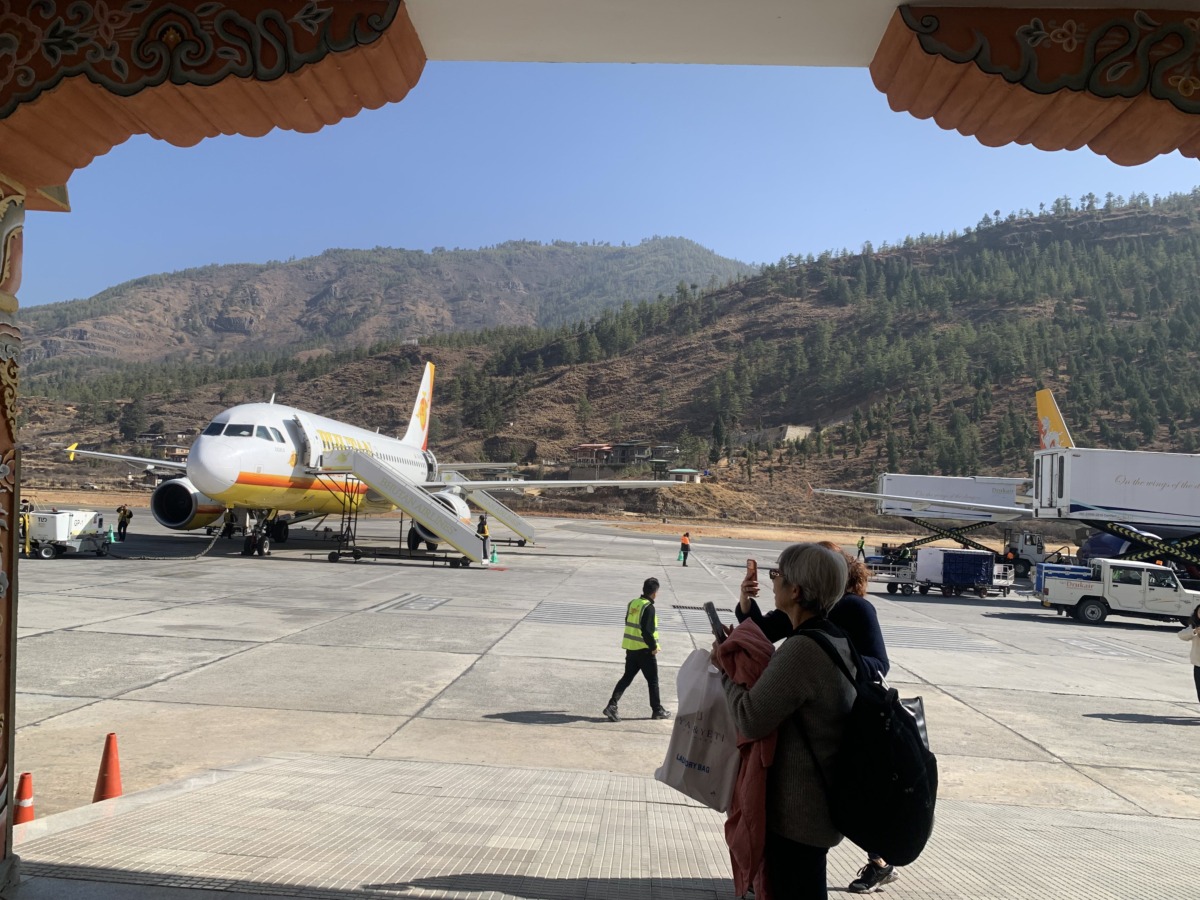
The landing at Paro International Airport is widely considered one of the most scenic flights in the world due to the narrow Himalayan valley approach.
Advantages of flying:
-
fastest travel option
-
spectacular Himalayan aerial views
-
convenient departure from Kathmandu
2. Overland Entry via India
Some travelers combine Nepal, India, and Bhutan through land travel routes. However, this option requires multiple border crossings and additional travel permits.
Because of convenience, most tours organized by Mountain Treks Nepal use the Kathmandu–Paro flight route.
Bhutan Tour Visa and Entry Requirements
Bhutan follows a regulated tourism system.
International travelers must arrange travel through a licensed Bhutanese tour operator or partner agency.
The visa process includes:
-
Tour booking confirmation
-
Payment of the Sustainable Development Fee (SDF)
-
Submission of passport details
-
Visa approval issued before arrival
Typical requirements:
-
Passport validity: minimum 6 months
-
Visa approval letter before travel
-
Confirmed tour itinerary
Tour operators such as Mountain Treks Nepal coordinate with Bhutanese partners to manage the visa process for a Bhutan Tour From Nepal.
Sustainable Development Fee (SDF)
Bhutan’s tourism policy includes a daily Sustainable Development Fee that contributes to environmental protection, infrastructure development, and cultural preservation.
Typical SDF rates (subject to change):
-
International travelers: USD 100 per night
-
Children receive discounted rates
The SDF covers:
-
conservation programs
-
cultural heritage preservation
-
tourism infrastructure
This policy allows Bhutan to maintain its reputation as one of the world’s most environmentally protected countries.
Popular Destinations on a Bhutan Tour From Kathmandu
Paro Valley
Paro serves as the main gateway to Bhutan.
Highlights include:
-
Tiger’s Nest Monastery (Paro Taktsang)
-
Rinpung Dzong fortress
-
National Museum of Bhutan
-
scenic Himalayan valley landscapes
Tiger’s Nest Monastery is the most iconic landmark in Bhutan, perched dramatically on a cliff nearly 900 meters above the valley floor.
Thimphu – Capital of Bhutan
Thimphu is the only capital city in the world without traffic lights.
Important sites include:
-
Tashichho Dzong
-
Buddha Dordenma statue
-
National Memorial Chorten
-
Folk Heritage Museum
-
local craft markets
Thimphu offers a blend of traditional Bhutanese culture and modern urban life.
Punakha Valley
Punakha served as Bhutan’s capital until 1955.
Major highlights include:
-
Punakha Dzong (one of the most beautiful monasteries in the Himalayas)
-
Suspension bridge across the Pho Chhu River
-
Chimi Lhakhang fertility temple
-
scenic rice fields and traditional villages
Typical Bhutan Tour From Nepal Itinerary
A Bhutan Tour From Nepal usually ranges from 4 to 6 days, allowing enough time to explore Bhutan’s major cultural valleys while maintaining a relaxed pace. Bhutan’s tourism structure focuses on guided travel and carefully curated itineraries that highlight monasteries, fortresses, scenic mountain passes, and traditional Bhutanese life.
Most travelers begin the journey with a Bhutan Tour From Kathmandu, as Kathmandu offers the most convenient international connection to Bhutan’s only international airport in Paro.
The following 5-day Bhutan itinerary represents one of the most balanced travel programs, combining Bhutan’s cultural landmarks, Himalayan landscapes, and spiritual sites.
Day 1 – Kathmandu to Paro Flight and Transfer to Thimphu
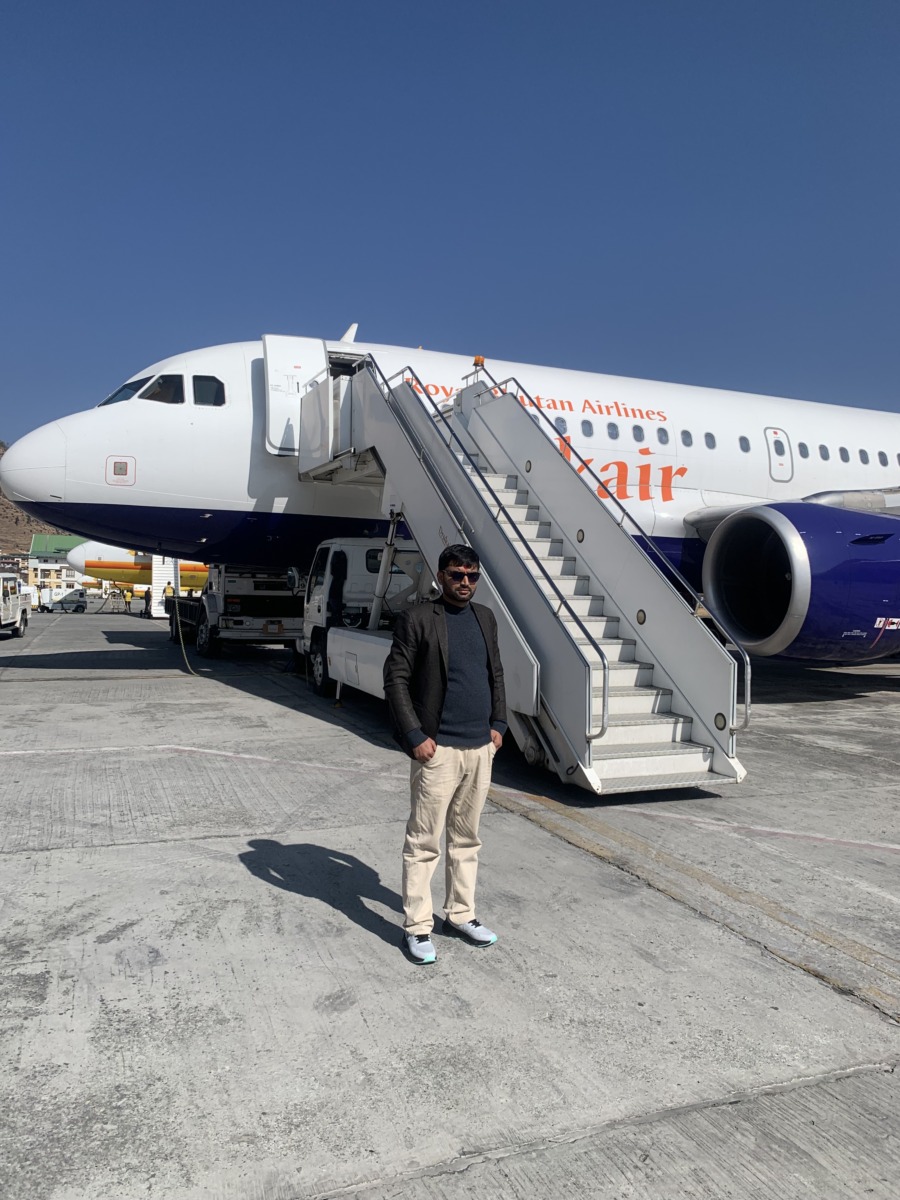
The journey begins with a spectacular Himalayan flight from Kathmandu to Paro, widely considered one of the most scenic flights in the world. The flight duration is approximately one hour, crossing the Himalayan range and offering views of some of the highest peaks on Earth.
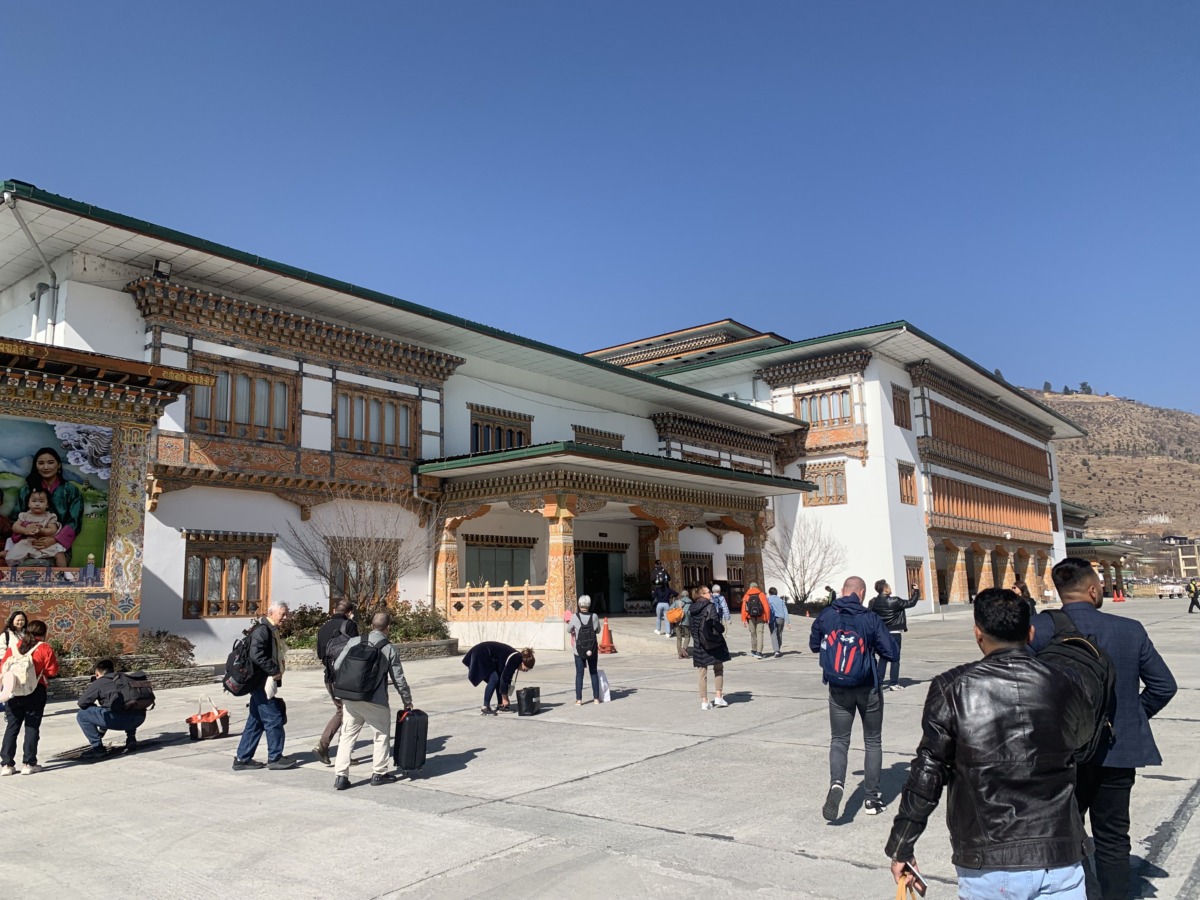
Upon arrival at Paro International Airport, travelers enter a valley surrounded by forested mountains and traditional Bhutanese architecture. Paro airport itself is unique due to its dramatic mountain approach and limited number of flights per day.
After immigration procedures and meeting the local Bhutanese guide, the journey continues with a scenic drive to Thimphu, the capital of Bhutan.
Distance: approximately 55 km
Driving time: about 1 to 1.5 hours
The drive follows the Paro River valley before gradually entering the Thimphu valley.
Depending on arrival time, the afternoon may include short cultural visits such as:
-
Buddha Dordenma viewpoint, overlooking the Thimphu valley
-
Memorial Chorten, one of Bhutan’s most important religious monuments
-
Local craft markets featuring traditional Bhutanese handicrafts
Thimphu presents an interesting contrast between traditional culture and modern development. Despite being a capital city, the atmosphere remains calm and deeply connected to Bhutanese traditions.
Overnight stay in Thimphu.
Day 2 – Thimphu Cultural Sightseeing
The second day of the Bhutan Tour From Kathmandu focuses on exploring Thimphu’s major cultural and historical landmarks.
Thimphu serves as the political, cultural, and spiritual center of Bhutan, making it an essential destination for understanding Bhutanese society.
Major sites typically included in the itinerary:
Buddha Dordenma Statue
The Buddha Dordenma is one of the largest Buddha statues in the world, standing approximately 51 meters tall. The statue sits on a hill overlooking the Thimphu valley and houses thousands of smaller Buddha statues inside.
The site represents a major symbol of peace and prosperity in Bhutan.
National Memorial Chorten
The Memorial Chorten was built in honor of Bhutan’s third king. It is an active religious site where Bhutanese residents gather daily to pray, spin prayer wheels, and perform spiritual rituals.
This monument provides insight into Bhutan’s living Buddhist culture.
Tashichho Dzong
The Tashichho Dzong is a massive fortress-monastery that houses the Bhutanese government and the central monastic body.
The structure represents one of the finest examples of Bhutanese architecture, featuring whitewashed walls, golden roofs, and intricately painted wooden windows.
Folk Heritage Museum
This museum presents traditional Bhutanese rural life, including:
-
traditional farming tools
-
rural household architecture
-
traditional clothing and crafts
By evening, visitors often explore the Thimphu local market, where artisans sell handwoven textiles, wooden crafts, and Bhutanese souvenirs.
Overnight stay in Thimphu.
Day 3 – Thimphu to Punakha via Dochula Pass
Day three introduces one of the most scenic drives in Bhutan.
The journey from Thimphu to Punakha crosses the famous Dochula Pass, located at an altitude of 3,100 meters.
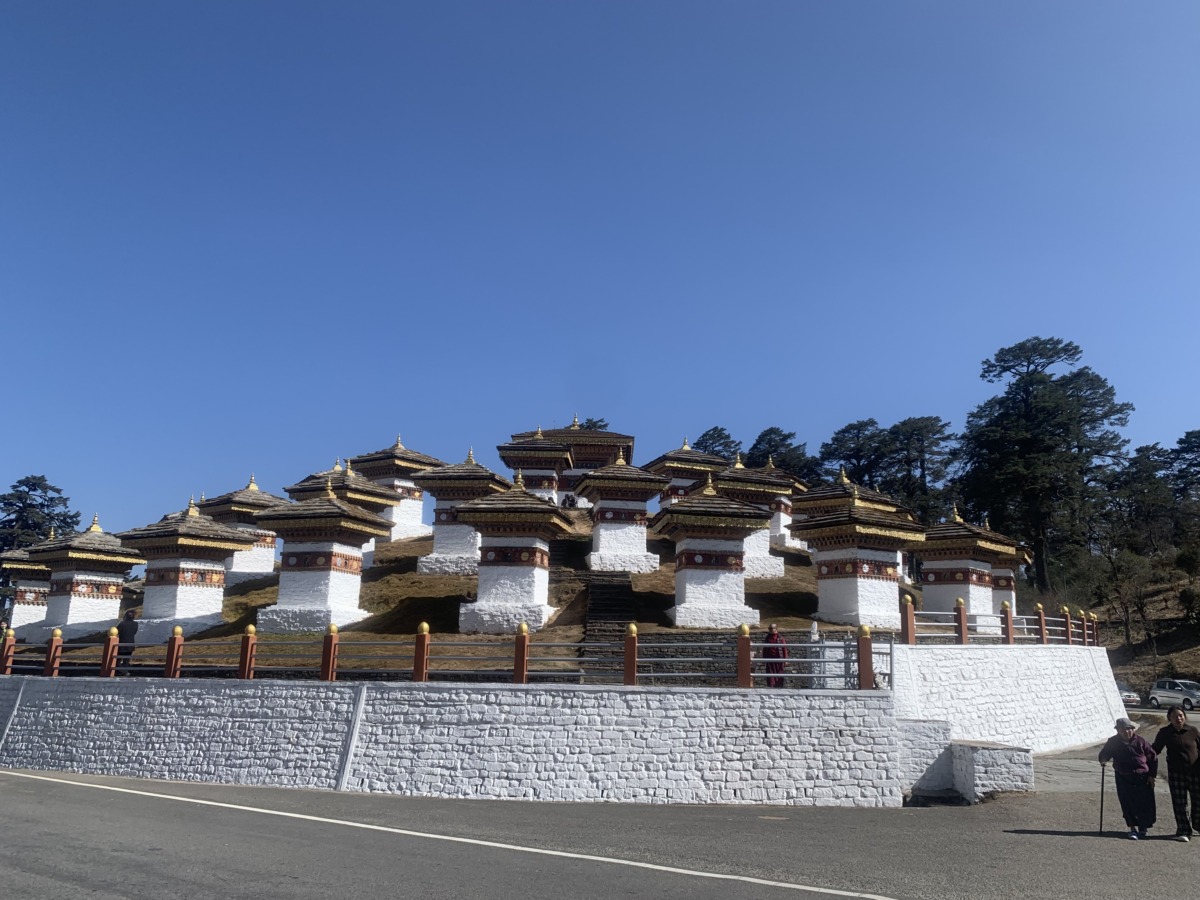
The pass offers panoramic views of the eastern Himalayas on clear days. The most striking feature of Dochula Pass is the 108 Druk Wangyal Chortens, a group of white stupas built to honor Bhutanese soldiers.
This location provides a quiet and spiritual atmosphere surrounded by prayer flags and mountain landscapes.
After crossing the pass, the road gradually descends into the warmer Punakha Valley, known for its rice terraces and subtropical climate.
Punakha Dzong
The highlight of Punakha is the Punakha Dzong, widely regarded as the most beautiful fortress in Bhutan.
Located at the confluence of the Pho Chhu and Mo Chhu rivers, the dzong serves as an important religious and administrative center.
The fortress was built in 1637 and remains one of Bhutan’s most historically significant monuments.
Key features include:
-
intricately painted wooden courtyards
-
massive fortress walls
-
sacred temples and prayer halls
Suspension Bridge
Another attraction near Punakha is the Punakha Suspension Bridge, one of the longest suspension bridges in Bhutan.
The bridge is decorated with colorful prayer flags and offers impressive views of the river valley.
Overnight stay in Punakha.
Day 4 – Punakha to Paro
After breakfast, the journey returns toward Paro Valley, retracing the scenic route across Dochula Pass.
Along the way, travelers often visit Chimi Lhakhang, a famous temple also known as the Temple of Fertility. The monastery is dedicated to the eccentric Buddhist saint Drukpa Kunley, often called the Divine Madman.
The temple attracts many Bhutanese families seeking blessings.
Upon arrival in Paro, the afternoon may include visits to important cultural sites such as:
Paro Rinpung Dzong
The Rinpung Dzong stands above the Paro River and serves both administrative and monastic functions. The fortress is known for its elegant wooden bridge entrance and detailed Buddhist murals.
National Museum of Bhutan
Located in a historic watchtower above Paro Dzong, the museum contains exhibits related to Bhutanese history, culture, and wildlife.
The museum collection includes:
-
traditional masks used in religious festivals
-
ancient weapons and armor
-
historical artifacts from Bhutan’s royal history
Paro town itself reflects traditional Bhutanese architecture, with wooden houses, narrow streets, and small local markets.
Overnight stay in Paro.
Day 5 – Tiger’s Nest Monastery Hike and Departure
The final day of a Bhutan Tour From Nepal highlights Bhutan’s most iconic landmark: Tiger’s Nest Monastery, officially known as Paro Taktsang.
This sacred monastery is dramatically located on a cliff approximately 900 meters above the Paro Valley.
According to Bhutanese legend, Guru Rinpoche flew to this location on the back of a tigress and meditated in a cave during the 8th century. The monastery later became one of Bhutan’s most sacred pilgrimage sites.
Tiger’s Nest Hike Details
-
Hiking duration: 4 to 5 hours round trip
-
Elevation: about 3,120 meters
-
Trail type: moderate uphill mountain trail
The hike begins through pine forests filled with prayer flags and gradually climbs toward viewpoints overlooking the monastery.
Halfway along the trail, a cafeteria viewpoint offers the first panoramic view of the monastery perched dramatically on the cliffside.
The final section descends slightly before climbing stone steps toward the monastery complex.
Inside the monastery, sacred temples and meditation caves reflect Bhutan’s deep spiritual heritage.
After completing the hike, travelers return to Paro and prepare for the return flight to Kathmandu, concluding the Bhutan journey.
Cultural Value of the 5-Day Bhutan Tour
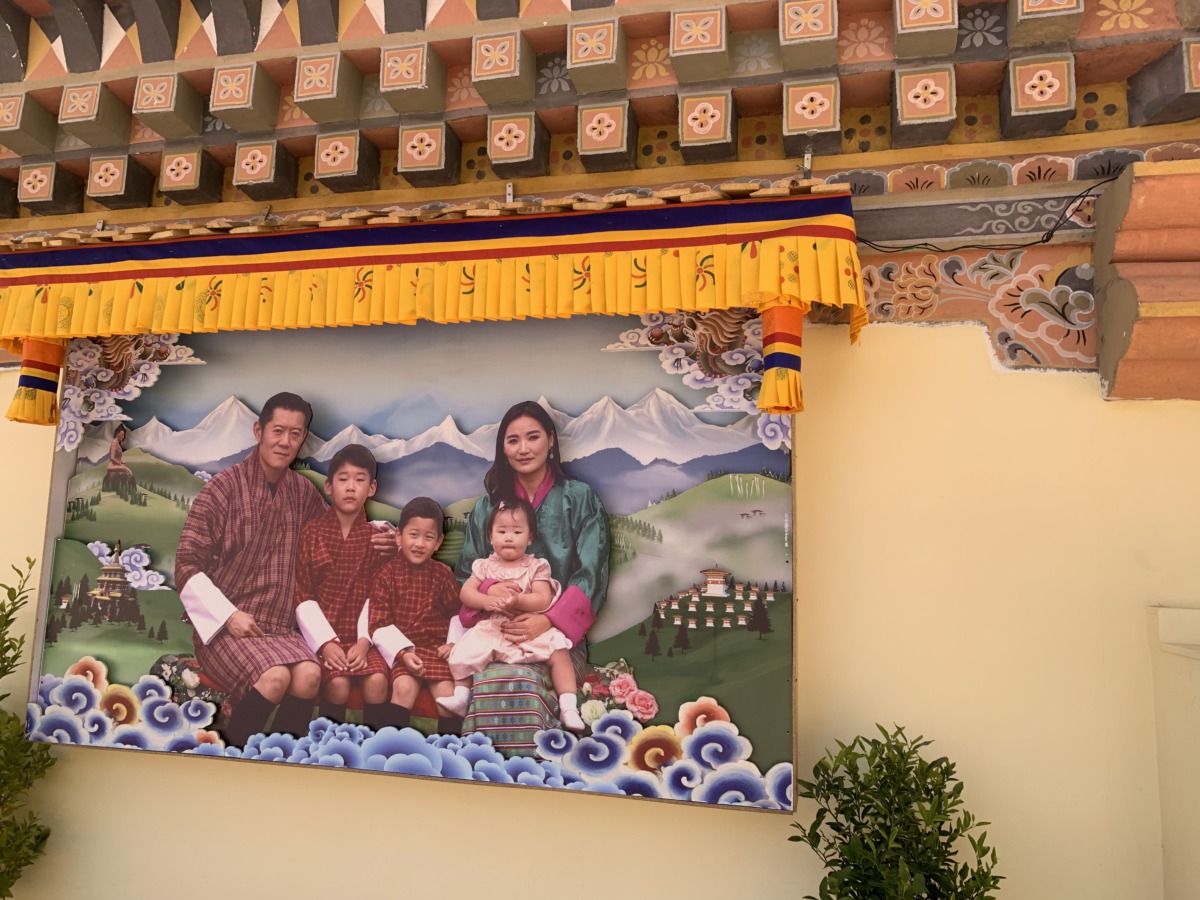
This itinerary provides a well-balanced cultural introduction to Bhutan, covering the country’s three most important valleys:
-
Paro – gateway valley and home of Tiger’s Nest Monastery
-
Thimphu – capital city and cultural center
-
Punakha – historical capital and location of Bhutan’s most beautiful fortress
Together, these destinations provide insight into Bhutan’s:
-
Buddhist traditions
-
royal history
-
Himalayan landscapes
-
rural village life
Expertise Note
Cross-border Himalayan travel between Nepal and Bhutan requires coordination between licensed tourism authorities in both countries. Experienced regional operators such as Mountain Treks Nepal collaborate with certified Bhutanese tour partners to organize Bhutan Tour From Kathmandu itineraries that comply with Bhutan’s regulated tourism system.
Customized itineraries may include:
-
extended Bhutan cultural tours
-
festival-based travel experiences
-
Nepal–Bhutan combined Himalayan journeys
Through professional planning and regional expertise, a Bhutan Tour From Nepal becomes one of the most enriching cultural experiences available in the Himalayas.
Best Time for a Bhutan Tour From Nepal
Bhutan can be visited throughout the year, but certain seasons offer better weather and cultural events.
Spring (March – May)
-
blooming rhododendrons
-
clear mountain views
-
pleasant temperatures
Autumn (September – November)
-
most popular season
-
major Bhutanese festivals
-
clear Himalayan skies
Winter (December – February)
-
fewer tourists
-
colder temperatures
-
peaceful cultural experiences
Summer (June – August)
-
monsoon rainfall
-
lush landscapes
Most travel planners recommend spring and autumn for a Bhutan Tour From Kathmandu.
Bhutan Cultural Festivals
Bhutan’s religious festivals, known as Tsechu, represent major cultural highlights.
Important festivals include:
-
Paro Tsechu
-
Thimphu Tsechu
-
Punakha Drubchen
During these events, monks perform sacred masked dances that symbolize Buddhist teachings and spiritual protection.
Many Bhutan tours organized by Mountain Treks Nepal align itineraries with festival dates to provide deeper cultural immersion.
Cultural Etiquette in Bhutan
Bhutan places strong emphasis on cultural respect and traditional values.
Important guidelines include:
-
modest clothing when visiting monasteries
-
removal of shoes before entering temples
-
respectful behavior toward monks and religious objects
-
photography restrictions inside monasteries
These cultural practices help preserve Bhutan’s sacred heritage.
Cost of a Bhutan Tour From Nepal
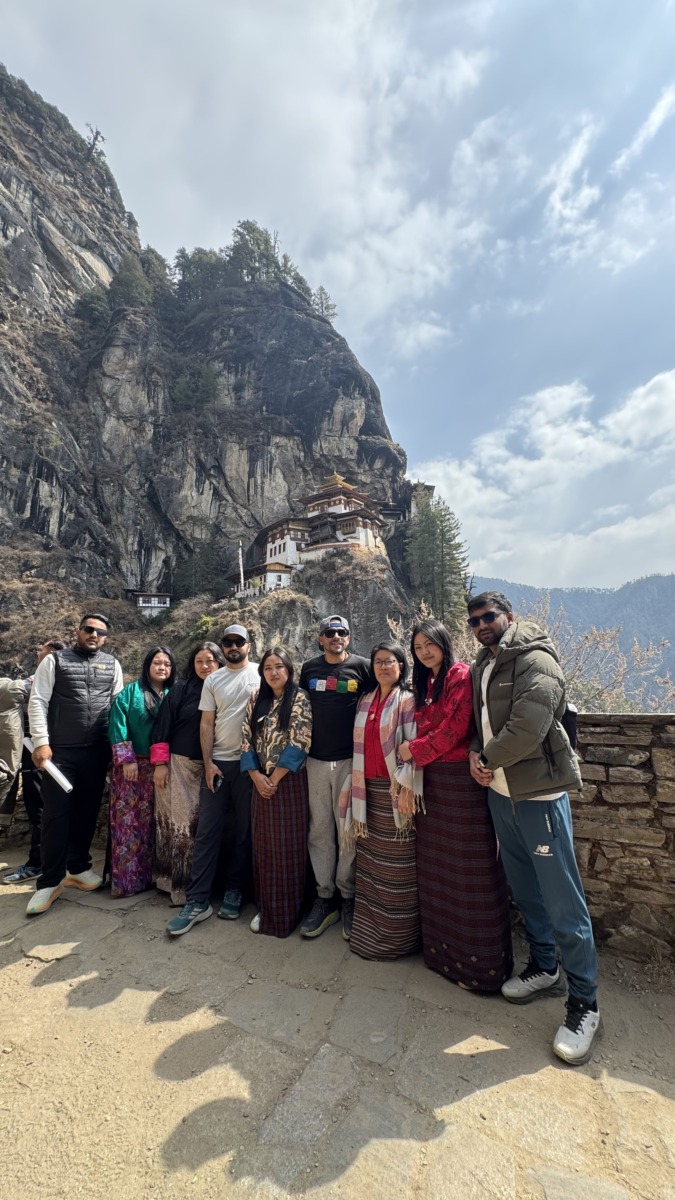
The total cost of a Bhutan Tour From Kathmandu generally includes:
-
Bhutan visa processing
-
Sustainable Development Fee
-
accommodation
-
transportation
-
local guide
-
meals during the tour
Average cost estimates:
-
4–5 day tour: USD 1,200 – USD 1,800
-
6–7 day tour: USD 1,800 – USD 2,500
Prices vary depending on:
-
hotel category
-
season
-
group size
-
flight availability
Tour companies such as Mountain Treks Nepal coordinate with Bhutanese operators to arrange the required services.
Expertise Note
Travel planning between Nepal and Bhutan requires coordination between licensed tourism authorities in both countries. Himalayan travel agencies with regional partnerships, including Mountain Treks Nepal, manage logistics such as Bhutan visas, flight bookings, and guided itineraries through certified Bhutanese tour operators.
This collaborative structure ensures compliance with Bhutan’s regulated tourism system.
FAQ: Bhutan Tour From Nepal
Below are frequently asked questions related to Bhutan Tour From Nepal, designed to provide clear, evidence-based information about travel routes, visas, itineraries, and logistics. These answers reflect common travel planning considerations for a Bhutan Tour From Kathmandu organized by Himalayan travel specialists such as Mountain Treks Nepal.
1. How far is Bhutan from Kathmandu?
The distance between Kathmandu and Paro, Bhutan’s international gateway, is approximately 400 kilometers by air. A direct flight used for a Bhutan Tour From Kathmandu usually takes around one hour. This short Himalayan flight makes a Bhutan Tour From Nepal one of the easiest international extensions for travelers already visiting Nepal.
2. What is the easiest way to travel on a Bhutan Tour From Nepal?
The most convenient route for a Bhutan Tour From Nepal is a direct flight from Kathmandu to Paro. This route is widely used because it is fast, scenic, and well organized through licensed tour operators such as Mountain Treks Nepal, who coordinate flights and visa arrangements for a Bhutan Tour From Kathmandu.
3. Is a visa required for a Bhutan Tour From Nepal?
Yes. All international travelers need a Bhutan visa before arrival. For a Bhutan Tour From Kathmandu, the visa is arranged through a licensed Bhutanese tour operator in coordination with regional travel agencies such as Mountain Treks Nepal. Visa approval is issued prior to the flight to Paro.
4. How many days are ideal for a Bhutan Tour From Nepal?
A typical Bhutan Tour From Nepal lasts 4 to 6 days, which allows enough time to explore Bhutan’s main valleys including Paro, Thimphu, and Punakha. Travel experts at Mountain Treks Nepal often recommend a 5-day itinerary starting with a Bhutan Tour From Kathmandu.
5. What destinations are included in a Bhutan Tour From Kathmandu?
Most itineraries for a Bhutan Tour From Kathmandu include three main valleys:
-
Paro – gateway valley and location of Tiger’s Nest Monastery
-
Thimphu – capital city and cultural center
-
Punakha – historic valley with Punakha Dzong
These locations represent the cultural core of Bhutan and are commonly included in a Bhutan Tour From Nepal.
6. Why is Bhutan tourism regulated?
Bhutan follows a High-Value, Low-Impact tourism policy. This system limits visitor numbers and protects Bhutan’s culture and environment. Travelers joining a Bhutan Tour From Nepal contribute to sustainable tourism through the Sustainable Development Fee, which supports conservation and cultural preservation.
7. What is the Sustainable Development Fee in Bhutan?
The Sustainable Development Fee (SDF) is a mandatory daily fee paid by international visitors during a Bhutan Tour From Kathmandu. The fee helps fund education, healthcare, infrastructure, and environmental protection in Bhutan.
8. What makes a Bhutan Tour From Nepal unique?
A Bhutan Tour From Nepal offers a rare opportunity to explore two Himalayan cultures in one journey. Nepal is famous for trekking and mountain adventures, while Bhutan is known for monasteries, cultural heritage, and spiritual landscapes.
Travel planners at Mountain Treks Nepal often combine both destinations to create a complete Himalayan travel experience.
9. What is the highlight of a Bhutan Tour From Kathmandu?
The most iconic experience of a Bhutan Tour From Kathmandu is the hike to Tiger’s Nest Monastery (Paro Taktsang). The monastery sits dramatically on a cliff about 900 meters above Paro Valley and represents Bhutan’s most famous spiritual landmark.
10. Is Bhutan expensive compared to Nepal?
Yes. A Bhutan Tour From Nepal is generally more expensive than traveling within Nepal because Bhutan maintains a regulated tourism system that includes the Sustainable Development Fee and guided travel requirements.
11. When is the best time for a Bhutan Tour From Nepal?
The best seasons for a Bhutan Tour From Nepal are:
-
Spring (March to May)
-
Autumn (September to November)
These seasons provide clear mountain views, comfortable temperatures, and vibrant cultural festivals.
12. Are there direct flights for a Bhutan Tour From Kathmandu?
Yes. Several weekly flights operate between Kathmandu and Paro, making a Bhutan Tour From Kathmandu the most accessible international trip from Nepal. The flight route also offers spectacular views of the Himalayan range.
13. Is independent travel allowed in Bhutan?
Independent travel is generally not permitted for international visitors. A Bhutan Tour From Nepal must be arranged through licensed tour operators who provide guides, accommodation, and transportation.
Travel agencies such as Mountain Treks Nepal coordinate these services through Bhutanese tourism partners.
14. What cultural experiences are included in a Bhutan Tour From Nepal?
A Bhutan Tour From Kathmandu typically includes:
-
monastery visits
-
fortress monasteries (dzongs)
-
Buddhist temples
-
traditional Bhutanese villages
-
Himalayan scenic drives
These experiences highlight Bhutan’s deeply preserved cultural heritage.
15. What type of accommodation is available during a Bhutan Tour From Nepal?
Accommodation during a Bhutan Tour From Nepal generally includes 3-star to 4-star hotels, depending on the travel package. These hotels follow traditional Bhutanese architecture and offer comfortable services for international travelers.
16. Can Bhutan festivals be included in a Bhutan Tour From Kathmandu?
Yes. Many itineraries for a Bhutan Tour From Kathmandu are designed around Bhutan’s famous Tsechu festivals, where monks perform sacred masked dances.
Festival-based tours organized by Mountain Treks Nepal provide deeper insight into Bhutanese culture.
17. Is Bhutan safe for international travelers?
Bhutan is widely considered one of the safest travel destinations in Asia. A Bhutan Tour From Nepal provides a secure travel environment, well-managed tourism services, and a peaceful cultural atmosphere.
18. Can Bhutan be combined with Nepal trekking trips?
Yes. Many Himalayan travel itineraries combine Nepal trekking adventures with a Bhutan Tour From Nepal. Travelers often visit Nepal for trekking and then continue with a Bhutan Tour From Kathmandu for cultural exploration.
19. What landscapes can travelers see on a Bhutan Tour From Nepal?
A Bhutan Tour From Nepal includes diverse Himalayan landscapes such as:
-
mountain passes like Dochula Pass
-
river valleys like Punakha Valley
-
forested hills and monasteries
-
traditional Himalayan villages
These landscapes make Bhutan one of the most scenic destinations in the Himalayas.
20. Who organizes Bhutan Tour From Nepal itineraries?
Professional Himalayan travel companies such as Mountain Treks Nepal organize Bhutan Tour From Kathmandu itineraries in partnership with licensed Bhutanese tour operators. These collaborations ensure visa processing, flights, accommodation, and guided travel comply with Bhutan’s tourism regulations.