



Share This:
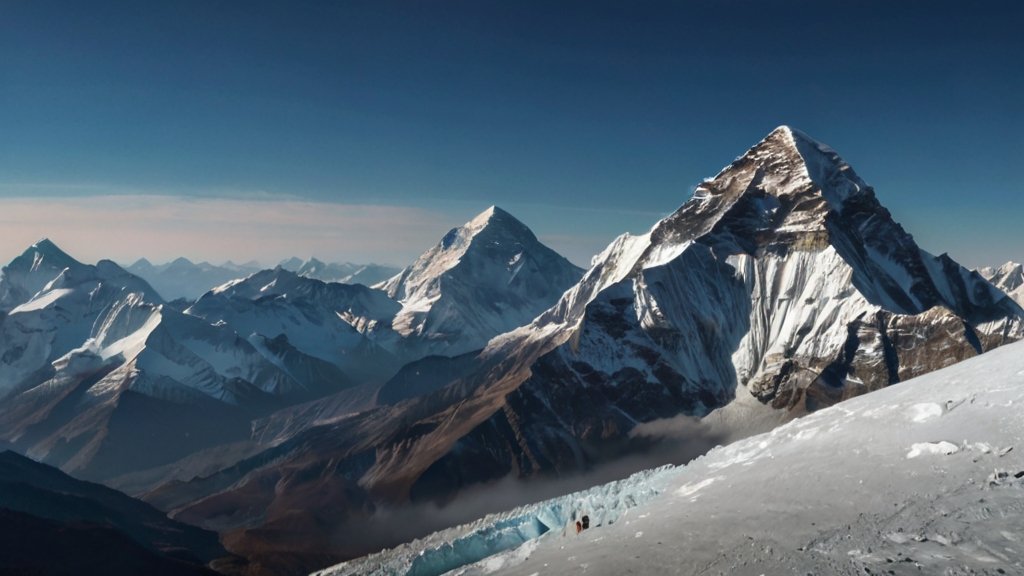
Everest Base Camp Trek and Mera Peak Climbing Guide
Navigating the giants of the Khumbu region requires more than just physical stamina; it demands a strategic approach to altitude, logistics, and technical preparation. Combining the iconic Everest Base Camp Trek with the formidable Mera Peak Climbing expedition creates a 27-day odyssey that stands as the gold standard for high-altitude endurance in Nepal.
This comprehensive analysis examines the physiological demands, technical requirements, and logistical framework necessary to successfully summit Nepal’s highest trekking peak after reaching the base of the world’s highest mountain.
Medical & Professional Review Note: High-altitude mountaineering involves significant physiological risks, including Acute Mountain Sickness (AMS). This content is verified for technical accuracy regarding 2026 trekking protocols. It is recommended to consult a travel medicine specialist and undergo a cardiovascular stress test before attempting altitudes exceeding 6,000m.
The Strategic Advantage of the Hybrid Itinerary
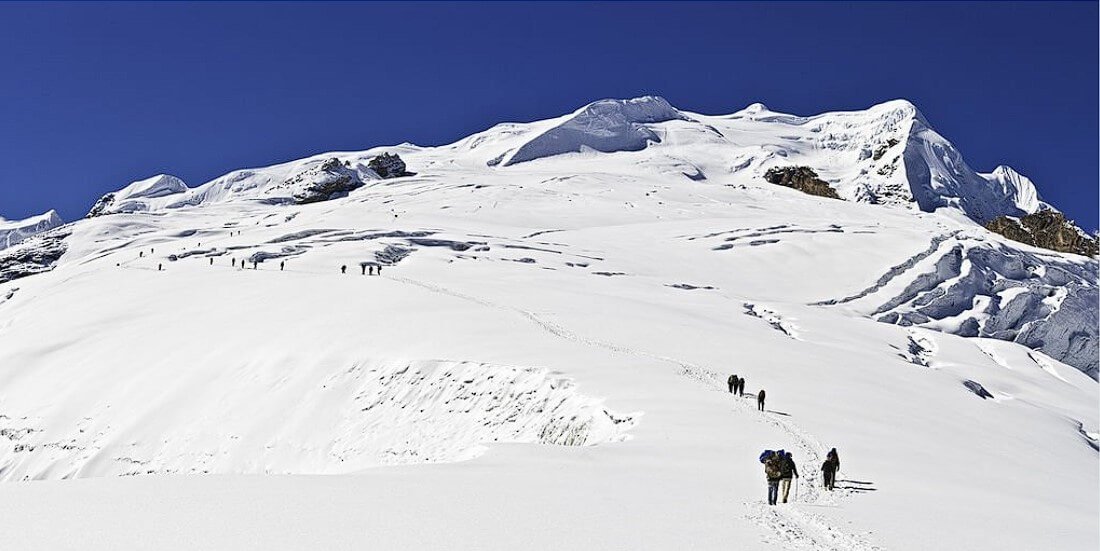
Most climbers attempt Mera Peak Climbing as a standalone journey. However, integrating the Everest Base Camp Trek beforehand serves as a “natural laboratory” for acclimatization. By spending nearly two weeks moving between 3,440m and 5,545m, the human body undergoes profound adaptations increasing red blood cell count and optimizing oxygen transport before entering the glaciated terrain of Mera Peak.
Expedition Specifications
-
Total Duration: 27 Days
-
Maximum Altitude: 6,476m (Mera Peak Summit)
-
Difficulty Rating: Challenging (Requires high cardiovascular fitness)
-
Primary Seasons: March to May and September to November
-
Service Provider: Mountain Treks Nepal
The Khumbu Immersion

The journey begins with the legendary flight to Lukla. The initial phase of the Everest Base Camp Trek with Mera Peak Climbing follows the classic northern trail through the Sagarmatha National Park, a UNESCO World Heritage site.
Essential Waypoints for Adaptation
-
Namche Bazaar (3,440m): Two nights in this Sherpa capital are non-negotiable. Active recovery hikes to the Everest View Hotel assist in the “climb high, sleep low” strategy.
-
Dingboche & Chukung Valley (4,410m): As the trail moves above the tree line, oxygen levels drop to approximately 60% of sea-level pressure. Exploring the Chukung Valley provides critical exposure to thin air while offering views of Island Peak and Makalu.
-
Kala Patthar (5,545m): Reaching this landmark provides a benchmark for performance at sub-6,000m altitudes. Success here indicates the body is ready for the higher demands of Mera Peak Climbing.
Detailed 27-Day Expedition Itinerary

A meticulously planned schedule is the backbone of a successful summit. Mountain Treks Nepal utilizes the following timeline to ensure safety and peak performance.
| Day | Route & Activity | Elevation | Key Milestone |
| 01 | Arrival in Kathmandu | 1,400m | Welcome & Briefing |
| 02 | Gear Preparation & Kathmandu Sightseeing | 1,400m | Final equipment check |
| 03 | Flight to Lukla; Trek to Phakding | 2,610m | First steps in the Khumbu |
| 04 | Trek to Namche Bazaar | 3,440m | The Hillary Bridge crossing |
| 05 | Acclimatization: Namche Bazaar | 3,440m | Sherpa Museum & Everest views |
| 06 | Trek to Tengboche | 3,870m | Tengboche Monastery visit |
| 07 | Trek to Dingboche | 4,410m | Alpine meadow landscapes |
| 08 | Acclimatization: Chukung Valley | 4,410m | Viewing Island Peak & Makalu |
| 09 | Trek to Lobuche | 4,910m | Khumbu Glacier moraine |
| 10 | Everest Base Camp | 5,364m | Reaching the base of Mt. Everest |
| 11 | Kala Patthar & Pheriche | 5,545m | Iconic 360-degree panorama |
| 12 | Trek back to Namche Bazaar | 3,440m | Descent and recovery |
| 13 | Trek back to Lukla | 2,840m | Completion of EBC circuit |
| 14 | Trek to Chhuthang | 3,450m | Entering the Hinku Valley |
| 15 | Cross Zatrwa La (4,600m) to Thuli Kharka | 4,320m | High-altitude pass crossing |
| 16 | Trek to Kothe | 3,600m | Rhododendron forest immersion |
| 17 | Trek to Tangnang | 4,358m | Foot of Hinku Nup Glacier |
| 18 | Trek to Khare | 5,045m | High-altitude staging point |
| 19 | Training Day at Khare | 5,045m | Crampon & Ice Axe skills |
| 20 | Mera Base Camp | 5,300m | Transition to camping |
| 21 | Mera High Camp | 5,780m | High-altitude overnight stay |
| 22 | Mera Peak Summit & back to Khare | 6,476m | The Peak Achievement |
| 23 | Trek to Kothe | 3,600m | Celebrating the summit |
| 24 | Trek to Thuli Kharka | 4,320m | Return trek through Hinku |
| 25 | Trek back to Lukla | 2,840m | Final mountain celebration |
| 26 | Flight to Kathmandu | 1,400m | Rest and souvenir shopping |
| 27 | Final Departure | – | Safe journey home |
Mastering the Mera Peak Summit (6,476m)
Mera Peak is classified as a “trekking peak,” but the final ascent involves traversing glaciated terrain that requires specific technical skills.
The Summit Push Framework
-
Technical Training (Day 19): At Khare, professional guides from Mountain Treks Nepal conduct workshops on man-roping, using a jumar on fixed lines, and self-arrest techniques.
-
The High Camp Advantage (5,780m): Perched on a rocky shelf, this camp minimizes the distance to the summit on the final day. From this vantage point, one can see five of the world’s fourteen 8,000-meter peaks.
-
The Summit Slope: The final 40 meters to the central summit involve a steep snow climb (approximately 40°). Rhythmic breathing and steady footwork are essential as oxygen levels drop to nearly 45% of sea-level pressure.
What is Included?
Success on a 27-day expedition depends on the caliber of support. Mountain Treks Nepal provides a comprehensive package to ensure all logistical hurdles are managed.
1. Professional Human Support
-
Expert Trekking Guides: Government-licensed professionals with deep knowledge of Khumbu history and culture.
-
Specialized Climbing Sherpas: One lead Sherpa for every two climbers during the Mera Peak Climbing phase.
-
Porters: Carrying the heavy loads so trekkers can focus on the journey (1 porter for every 2 people).
-
Staff Welfare: All wages, insurance, and equipment for the Nepalese crew are fully covered.
2. Logistics, Food, and Lodging
-
Aviation: Round-trip domestic flights (Kathmandu–Lukla–Kathmandu).
-
Urban Stays: 4 nights of standard accommodation in Kathmandu with breakfast.
-
Teahouse Lodging: The best available twin-sharing rooms throughout the trek.
-
High-Altitude Camping: Professional-grade tents, foam mattresses, and a dedicated kitchen team for the summit phase.
-
Full Nutrition: Three meals a day (Breakfast, Lunch, Dinner) with coffee and tea.
3. Safety and Gear
-
Medical Kit: Comprehensive first-aid supplies and daily oxygen saturation (SpO2) monitoring.
-
Technical Gear: Climbing harness, crampons, ice axe, and ropes are provided.
-
Expedition Equipment: Use of a -20°C sleeping bag, down jacket, and a Mountain Treks Nepal duffel bag.
-
Permit Management: All paperwork for the Sagarmatha National Park, Khumbu Municipality, and the NMA Climbing Permit is handled by the agency.
Essential Gear List for 2026
| Category | Item Requirement |
| Footwear | Double mountaineering boots (rated for -20°C), sturdy hiking boots, and trekking socks. |
| Apparel | Down suit or heavy parka (800-fill), thermal base layers, and waterproof outer shells. |
| Equipment | Category 4 sunglasses (glacier rated), 35-45L daypack, and trekking poles. |
| Personal | High SPF sunscreen, lip balm, and personal medication. |
Frequently Asked Questions (FAQ)
What is the difficulty level of the Everest Base Camp Trek with Mera Peak Climbing?
The journey is rated as “Challenging.” While the trekking portion is physically demanding, the climbing section requires mental toughness and basic technical skills. It is suitable for those with high fitness and some experience at high altitudes.
Do I need separate climbing permits for Mera Peak?
Yes. Unlike standard treks, Mera Peak Climbing requires a specific permit from the Nepal Mountaineering Association (NMA). Costs vary by season: $250 (Spring), $125 (Autumn), and $70 (Winter/Summer).
What is the food like during the expedition?
Nutrition is prioritized. You will enjoy “Dal Bhat” (lentil soup and rice), noodles, pasta, and eggs. During the camping phase, a specialized chef prepares calorie-dense meals to sustain you during the summit push.
Why book with Mountain Treks Nepal?
With over a decade of experience, the team at Mountain Treks Nepal prioritizes safety through proper acclimatization schedules and expert-led teams. We treat every trekker like family, ensuring a seamless journey from Kathmandu back to Kathmandu.