



Share This:

The Ultimate Guide to the Manaslu Circuit Trek: Nepal’s Premier Himalayan Adventure
The Manaslu Circuit Trek stands as one of the most remarkable trekking experiences in the world. Often overshadowed by the crowded trails of Everest and Annapurna, this restricted area trek offers a raw, authentic, and deeply spiritual journey into the heart of the Himalayas. For those seeking a path less traveled, Mountain Treks Nepal provides the expertise and local insight necessary to conquer this legendary circuit.
Towering at 8,163 meters, Mount Manaslu is the eighth-highest mountain on Earth. Its name, derived from the Sanskrit word Manasa, meaning “Mountain of the Spirit,” perfectly encapsulates the ethereal beauty and cultural richness found within its shadow. This comprehensive guide explores every facet of the Manaslu Circuit Trek, ensuring travelers are well-prepared for the journey of a lifetime.
Why Choose the Manaslu Circuit Trek with Mountain Treks Nepal?
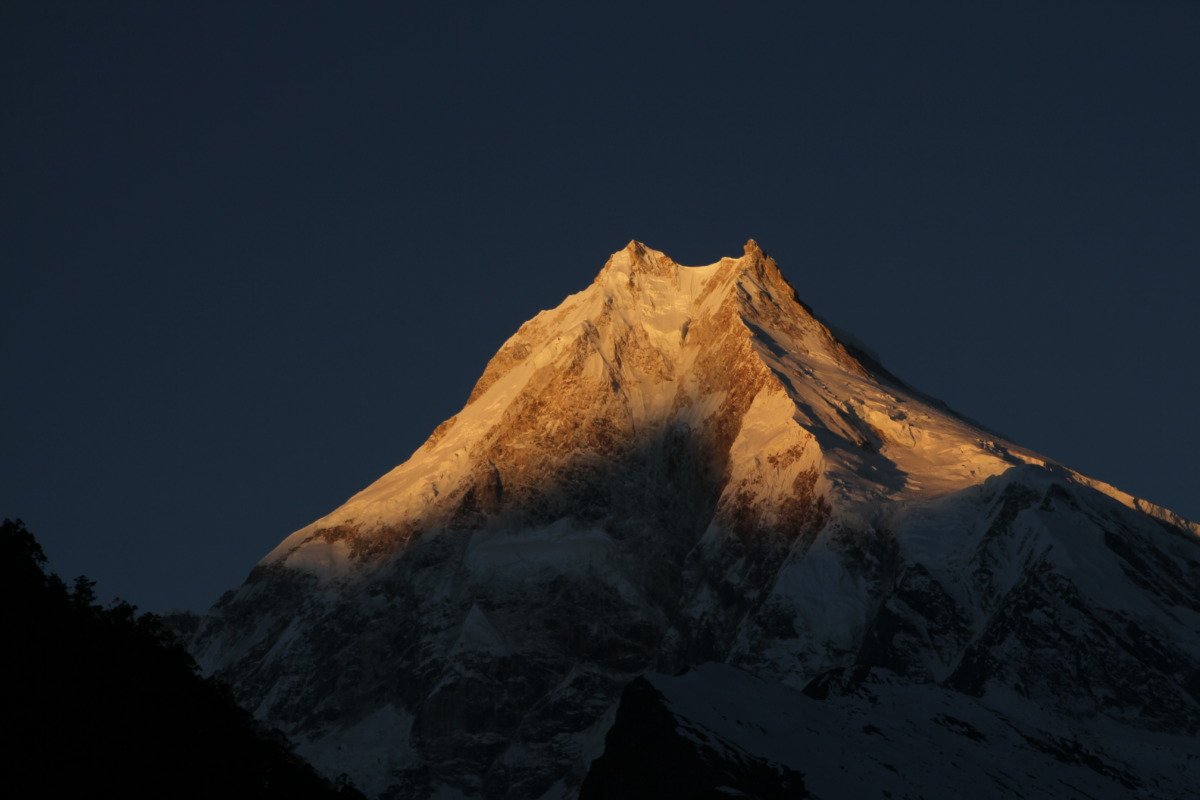
Selecting the right partner for a restricted area trek is the difference between a simple hike and a life-changing expedition. Mountain Treks Nepal has spent over 15 years perfecting the logistics of the Manaslu Circuit Trek. Because the region borders Tibet, the Nepal government enforces strict regulations, including a mandatory requirement for at least two trekkers and a licensed guide.
Choosing Mountain Treks Nepal means trekking with professionals who understand the nuances of high-altitude safety, local Tibetan-Buddhist customs, and the complex permit processes. The focus remains on providing a seamless experience where the only thing to worry about is the stunning view of the Manaslu massif.
The Best Time for the Manaslu Circuit Trek in 2026
Timing is everything in the Himalayas. To experience the Manaslu Circuit Trek in its full glory, planning around the two primary trekking seasons is essential.
Spring (March to May)
Spring brings a burst of life to the Manaslu Conservation Area. As the winter snow melts, the lower forest trails become a vibrant tapestry of blooming rhododendrons, magnolias, and primulas. For trekkers who enjoy moderate temperatures and lush greenery, this is the ideal window. Daytime temperatures at lower altitudes range from 10°C to 20°C, though it remains crisp at higher camps like Samdo.
Autumn (September to November)
Autumn is arguably the most popular time for the Manaslu Circuit Trek. After the monsoon rains wash away the dust, the atmosphere becomes incredibly clear, offering sharp, unobstructed views of Mt. Manaslu and the Ganesh Himal. This season provides the most stable weather, making the crossing of the Larkya La Pass (5,106m) safer and more predictable.
Understanding the Difficulty: Is the Manaslu Circuit Trek Right for You?

The Manaslu Circuit Trek is graded as “Moderately Strenuous to Challenging.” Unlike the more commercialized routes in Nepal, the terrain here is rugged and remote. Success on this trail requires physical endurance, mental resilience, and proper acclimatization.
The Physical Challenge
Trekkers should be prepared for 6 to 8 hours of walking daily. The trail involves steep ascents, narrow cliffside paths along the Budhi Gandaki River, and the ultimate challenge: the high-altitude crossing of Larkya La. Mountain Treks Nepal recommends a training regimen involving cardiovascular exercises, strength training, and long-distance walking at least three months prior to arrival in Kathmandu.
Altitude and Acclimatization
Altitude sickness is a real concern when crossing a 5,100-meter pass. The Mountain Treks Nepal itinerary includes dedicated acclimatization days in villages like Samagaon and Samdo. These “rest” days are actually active days, involving short hikes to higher elevations like Pungyen Gompa or Manaslu Base Camp to help the body adjust to the thin air.
| Feature | Manaslu Circuit Trek Details |
| Max Altitude | 5,106 meters (Larkya La Pass) |
| Duration | 12 to 18 Days |
| Difficulty | Strenuous / Adventure |
| Required Permits | RAP, MCAP, ACAP |
| Accommodation | Traditional Teahouses |
Required Permits for the Manaslu Restricted Area
One of the reasons the Manaslu Circuit Trek remains so pristine is its status as a Restricted Area. To protect the fragile environment and the unique Tibetan-influenced culture, the Nepal Department of Immigration requires specific permits. Mountain Treks Nepal handles all these legalities on behalf of their clients.
-
Manaslu Restricted Area Permit (RAP): The cost varies by season. In peak Autumn (Sept–Nov), it is USD 100 for the first week. In other months, it is USD 75.
-
Manaslu Conservation Area Permit (MCAP): Approximately USD 23 (NPR 3,000).
-
Annapurna Conservation Area Permit (ACAP): Required as the trek exits through the Annapurna region. Approximately USD 23 (NPR 3,000).
Life on the Trail: Accommodation and Food
The Manaslu Circuit Trek offers a “teahouse trekking” experience, though it is more basic than what is found in the Everest region. These local lodges provide a warm bed and a communal dining area where stories are shared over hot tea.
Authentic Himalayan Cuisine
While the menus are simpler at higher altitudes, the food is nourishing and fresh. The staple dish is Dal Bhat (lentil soup, rice, and vegetable curry), which provides the high-energy carbohydrates needed for long trekking days. Other options include noodle soups, momos, and Tibetan bread. Mountain Treks Nepal ensures that all meals provided are hygienic and suited for the demands of high-altitude trekking.
Detailed Itinerary Highlights of the Manaslu Circuit Trek
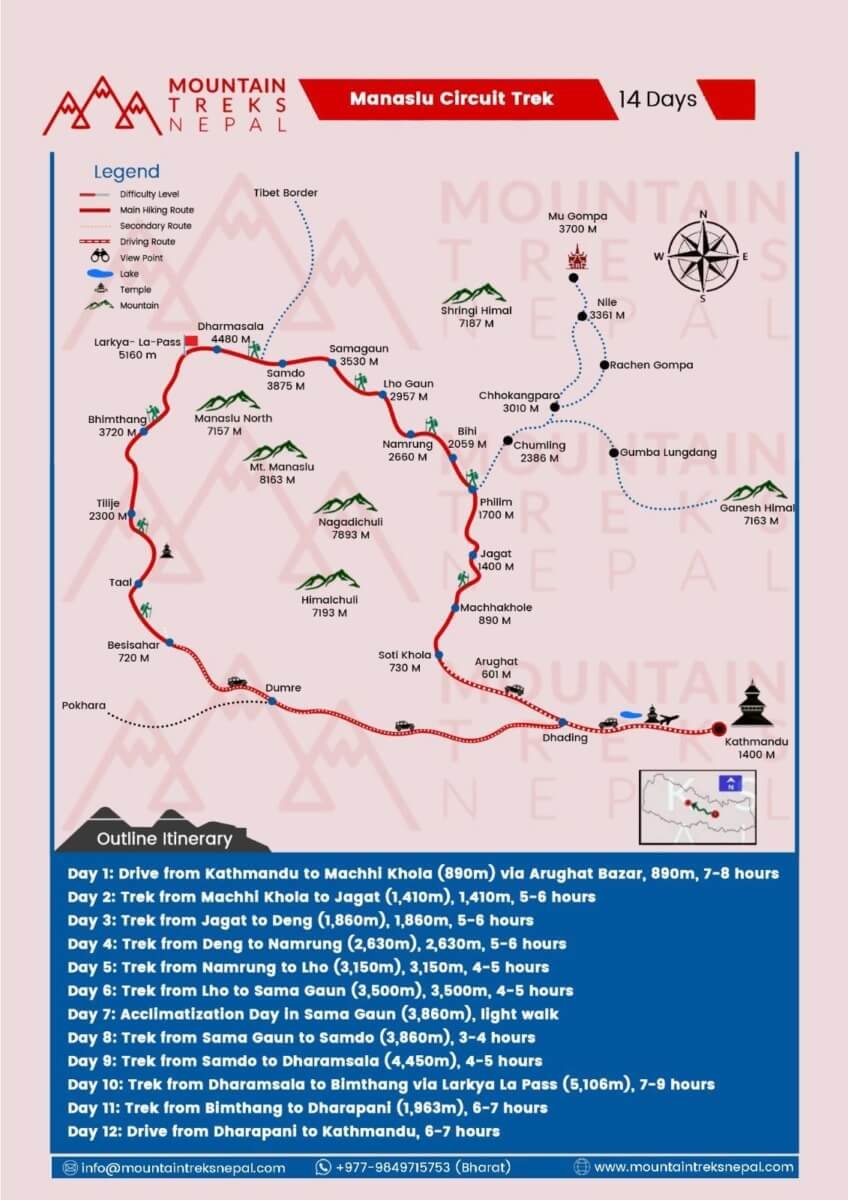
A successful expedition depends on a well-structured pace. This 14-day itinerary, curated by Mountain Treks Nepal, is designed for optimal acclimatization and maximum visual reward.
Day 1: Arrival in Kathmandu (1,350m)
The journey begins the moment the wheels touch down at Tribhuvan International Airport. A representative from Mountain Treks Nepal provides a warm welcome and a private transfer to the hotel. After checking in, the afternoon is free to shake off jet lag.
In the evening, a comprehensive briefing takes place. This session covers the Manaslu Circuit Trek gear list, safety protocols, and a final check of the restricted area permits. The night ends with a stroll through the vibrant alleys of Thamel, a perfect introduction to Nepal’s trekking culture.
Day 2: Drive from Kathmandu to Machhi Khola via Arughat Bazar (890m)
The adventure transitions from the city to the countryside with a scenic 7 to 8-hour drive. The road follows the Trishuli River before turning toward the Budhi Gandaki Valley. Passing through Arughat Bazar, the gateway to the Gorkha district, offers a window into the rural life of the Nepalese people. The day concludes at the quiet riverbank village of Machha Khola, where the sound of the rushing river provides a natural soundtrack for the first night in the hills.
Day 3: Trek to Jagat (1,410m)
The first day of hiking on the Manaslu Circuit Trek introduces the dramatic geography of the region. The trail winds through beautiful bamboo and rhododendron forests. There are moments where the path makes high ascents over the Budhi Gandaki River, revealing deep gorges and powerful waterfalls. Reaching Jagat, with its traditional stone-paved streets, marks the entry into the restricted zone where permits are officially checked.
Day 4: Trek to Deng (1,860m)
Crossing suspension bridges and navigating terraced hillsides, the trail moves further north. The vegetation becomes more alpine as the route climbs to the Gurung village of Deng. This location is famous for offering the first glimpses of the Shringi Himal. The local tea houses here provide a cozy atmosphere to rest while soaking in the local culture.
Day 5: Trek to Namrung (2,630m)
This section of the Manaslu Circuit Trek is deeply spiritual. Passing through Ghap, trekkers encounter intricate mani walls and fluttering prayer flags. The ascent through dense, quiet forests leads to Namrung. This bustling settlement serves as a key checkpoint and offers spectacular views of the surrounding peaks, including a first look at the massive Manaslu massif.
Day 6: Trek to Lho (3,150m)
As the altitude crosses the 3,000-meter mark, the landscape transforms into a high-alpine world. The hike to Lho village is a visual feast of pine trees and rhododendrons. Lho is a typical Tibetan village, home to stone houses and a majestic monastery. Standing at the monastery, one can gaze directly at the towering Manaslu North, a sight that defines the Mountain Treks Nepal experience.
Day 7: Trek to Sama Gaun (3,500m)
The trail leads through the village of Shala, surrounded by the peaks of Kutang Himal to the northeast and Manaslu to the southwest. Sama Gaun is the heart of the Nubri people. It is a melting pot of culture with impressive Gompas and a bustling village life. It serves as the perfect base for the most critical stage of the trek.
Day 8: Acclimatization Day in Sama Gaun (3,860m)
Safety is the cornerstone of every Mountain Treks Nepal expedition. This rest day allows the body to adapt to the thinning air. Options for the day include a hike to Pungyen Gompa or a visit to the turquoise Birendra Lake. Observing the traditional Tibetan lifestyle in the village provides a deep sense of peace before the final push to the pass.
Day 9: Trek to Samdo (3,860m)
The trek to Samdo is short but soul-stirring. Walking across lush alpine meadows, the path is flanked by towering peaks. Samdo is the last permanent settlement before the pass and is heavily influenced by Tibetan traditions due to its proximity to the border. It is a calm, reflective place to interact with locals and prepare for the high-altitude terrain ahead.
Day 10: Trek to Dharamsala (4,450m)
Also known as Larkya Phedi, Dharamsala is the final stop before the great crossing. The path climbs higher into wild, savage terrain that was once an old trade route with Tibet. While the climb is gradual, the altitude makes every step deliberate. The views of the Himalayas from this base camp are nothing short of breathtaking.
Day 11: Trek to Bimthang (3,855m) via Larkya La Pass (5,106m)
This is the most difficult and rewarding phase of the Manaslu Circuit Trek. An early morning start is essential to reach the summit of Larkya La Pass before the mid-morning winds. Standing at 5,106 meters, the panoramic views of Himlung Himal, Cheo Himal, and the Annapurna range are life-changing. After celebrating the achievement, a long descent leads to the beautiful meadows of Bimthang.
Day 12: Trek to Dharapani (1,963m)
The descent continues through the colorful villages of Kharche, Gho, and Tilje. The trail passes through terraced fields and wooded hills, eventually joining the famous Annapurna Circuit trail at Dharapani. This bustling village offers better amenities, providing a great place to reflect on the journey.
Day 13: Drive to Kathmandu
The final day of the Manaslu Circuit Trek involves a rugged drive down to Besisahar, followed by a smoother journey on the paved highway back to the capital. Reaching Kathmandu, Mountain Treks Nepal ensures a comfortable return to the hotel for a well-deserved rest.
Day 14: Final Departure
The 14-day adventure concludes with a final transfer to the airport. After completing the legal formalities, the journey home begins, carrying memories of the spirit of Manaslu.
Essential Packing List for your Manaslu Adventure
Packing correctly can make or break the Manaslu Circuit Trek. Layers are the secret to staying comfortable in the fluctuating Himalayan climate.
-
Footwear: Broken-in trekking boots with good ankle support and spare laces.
-
Clothing: Moisture-wicking base layers, a warm fleece mid-layer, and a high-quality down jacket (rated for -15°C).
-
Head & Hands: Warm beanie, sun hat, and insulated gloves.
-
Gear: A 4-season sleeping bag, trekking poles, and a 30L daypack.
-
Health: Water purification tablets, sunblock (SPF 50+), and a basic first-aid kit including blister pads and Diamox (for altitude).
Comparing the Giants: Manaslu vs. Everest Base Camp
When choosing between the Manaslu Circuit Trek and the Everest Base Camp Trek, consider the type of experience desired. While Everest offers the prestige of the world’s highest peak and luxury lodges, the Manaslu region offers solitude. On the Manaslu trails, it is possible to walk for hours without seeing another group, providing a much deeper connection to nature.
The Manaslu Circuit Trek is for the adventurer who values cultural authenticity and raw wilderness over commercial amenities. With Mountain Treks Nepal, this ruggedness is balanced with expert guidance and safety protocols.
Responsible Trekking with Mountain Treks Nepal
As a leading agency, Mountain Treks Nepal is committed to sustainable tourism. The Manaslu region is ecologically sensitive. Trekkers are encouraged to follow “Leave No Trace” principles, minimize plastic waste, and respect local traditions. By employing local guides and porters from the Gorkha region, the company ensures that the economic benefits of tourism stay within the local communities.
Conclusion: Your Himalayan Legacy Awaits
The Manaslu Circuit Trek is more than just a hike; it is a pilgrimage through some of the most dramatic landscapes on Earth. From the deep river gorges to the frozen heights of Larkya La, every step is a testament to the majesty of the Himalayas.
Are you ready to leave the crowds behind and embrace the spirit of the mountains? Mountain Treks Nepal is here to guide you through every mile of the Manaslu Circuit Trek. Whether you are a solo traveler looking for a group or a pair of friends seeking a private expedition, the peaks are calling.